Most users don't own their social profiles nor domain names or any other presence on the Internet I'm busy listening to episode 147 Tornado of the Darknet Diaries podcast, where there was some interesting commentary about what we think we “own”, especially on the Internet. We register a profile on X, Facebook, MeWe, TikTok, etc, and we pay for a domain name to host our website. But in fact those centralised social platforms own the profile name, like we saw X take away the profile @x when the network changed its name. Or if you as a user transgress the rules, you can be banned from a social network, and you cannot take that profile with you and use it elsewhere. The same goes for a domain name, if you stop paying for it, you lose access to using it. The same goes for books “bought” on Amazon or Audible, or music on Spotify. At best, we are all paying for temporary access rights. Yes, some networks offer the ability to export your posts, but tell me where else you can then use those posts? You can buy a razor from Gillette, that is true, but mostly then you have to keep buying their blades to use it. But the digital world especially is fraught with ownership issues. Which is one reason why some folks have been exploring decentralised networks, whether just distributed, or whether they are full-blown peer-to-peer networks. I don't really count Mastodon and the Fediverse amongst this, as you need to have access to your account to migrate it, and then anyway your handle changes as it is tied to a server. Hubzilla's nomadic identities are probably closest to this ideal as far as decentralised networks go. The purer forms of real ownership, though, exist on social networks such as Nostr, Aether, RetroShare, Reticulum, Secure Scuttlebutt, etc where you generate a key pair — you share the public key and keep the private key to unlock and use your public key. No matter where you are deleted or blocked, you can resurface using your same public key. Your followers and friends know that public key and will instantly recognise you. Many such networks will resync your posts where they exist at other nodes or relays, even. On the hosting and network communications side we do have networks such as the Invisible Internet Project (I2P) and communication services such as Reticulum, which connects on top of (over) a myriad of other networks from TCP, radio, UDP, RNodes, etc. Again, here you don't “purchase” any IP address, you generate a I2P address (profile or website) for yourself with the private key that you own. You can host your own I2P website with your own address, and move it wherever you want to physically (a bit like an Onion website). It will be found by its I2P address. At a more simplistic level, this is also where Meshtastic and LoRaWAN devices come in — they work on license-free frequencies and interconnect with each other to form their own mesh network with no Internet or other infrastructure required. In some ways the Tor Onion network is similar, although it exists really on top of TCP networks, and it has no concept of a user or a social profile. It also connects to the regular Internet, whilst the I2P network normally does not do so. That said, every I2P node routes I2P traffic, so it is a gigantic-shared mesh network of tens of thousands of nodes all relaying I2P traffic. The downside, though, of better security, privacy, and ownership is of course you have to take more responsibility yourself. Apart from a bit more configuration required, if you lose your private key access, you've lost your profile access. You can create another one just as easily, but it will be a different one. I've spent the last few days exploring Reticulum and I2P specifically, and although the basics are quite easy to get going with (for example just installing the Sideband app off F-Droid), the understanding of exactly how the I2P network operates, has been more challenging. I'd like to get a level deeper still in understanding what and why each part of it does. And there are not a lot of YouTube videos that explain this properly. But it will be a fun project for the next month or so, I think. Hopefully, too, I can do my own video about it if I can break it down into much simpler concepts to explain. #technology #privacy #security #I2P #reticulum image
If Online Grammar Checks Concern You, Run Your Own Private Grammarly Clone Using Docker and LanguageTool I can't see any feature advantages with this apart from all your checking being done locally. So for really privacy conscious folks this may be a big plus to host this service on your own PC, or even an accessible server or Raspberry Pi. One advantage with hosting it locally, even on your PC, is that it will work fully offline without any Internet needed. Although they describe how to do this for Windows, there are actually other operating systems out there, so this will work just as well on Linux or macOS too. It may just be that HowToGeek thinks that Linux and macOS users know how to do this themselves already? The Docker install is open source, but it is the core product, so it will not have the paid pro version functions. See #technology #grammar #selfhosting #opensource image
5 reasons you should use Markdown for documentation and notetaking A good reminder again about the future-proofed nature of Markdown format notes. They are essentially plain text and will be read my many apps well into the future. Also true that Markdown's "shortcuts" image for headings, lists, are largely universal, so that as you may switch apps or operating systems you don't have any different "shortcut" keys to remember. See #technology #notes #markdown #openstandards

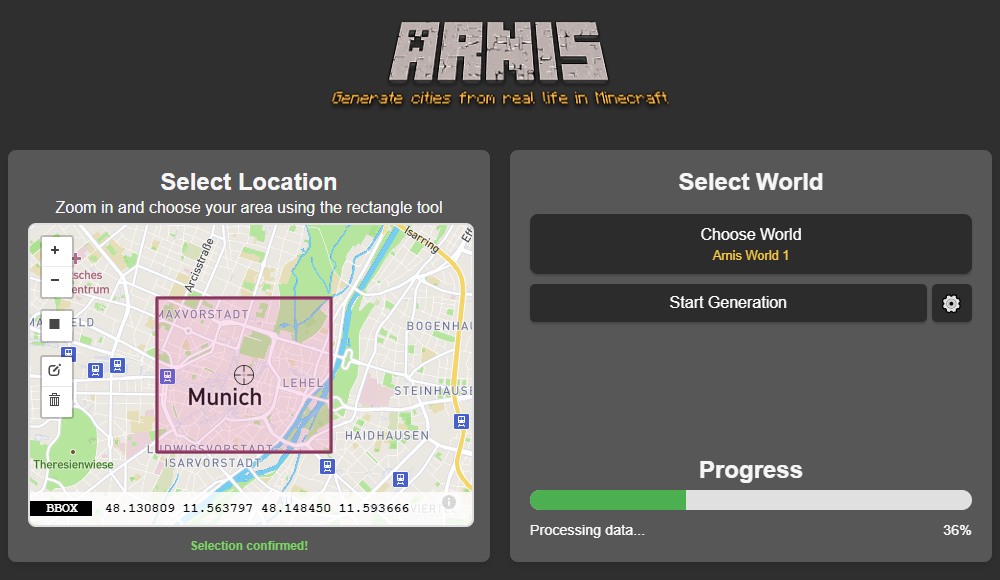
Bringing OpenStreetMap Data Into Minecraft Over the years, dedicated gamers have created incredible recreations of real (and not so real) locations and structures within the confines of Minecraft. Thanks to their efforts, you can explore everything from New York city to Middle Earth and the U.S.S. Enterprise in 1:1: scale. But what if you wanted to recreate your own town, and didn’t have the hundreds of hours of spare time necessary to do it by hand? Enter Arnis, an open source project from [Louis Erbkamm] that can pull in geographic data from OpenStreetMap and turn it into a highly detailed Minecraft map with just a few keystrokes. Once generated, the map can be loaded into the Java Edition of Minecraft. This refers to the original build of the game that predates the Microsoft buyout. Looks like a pretty interesting holiday project! See #technology #gaming #openstreetmap #minecraft
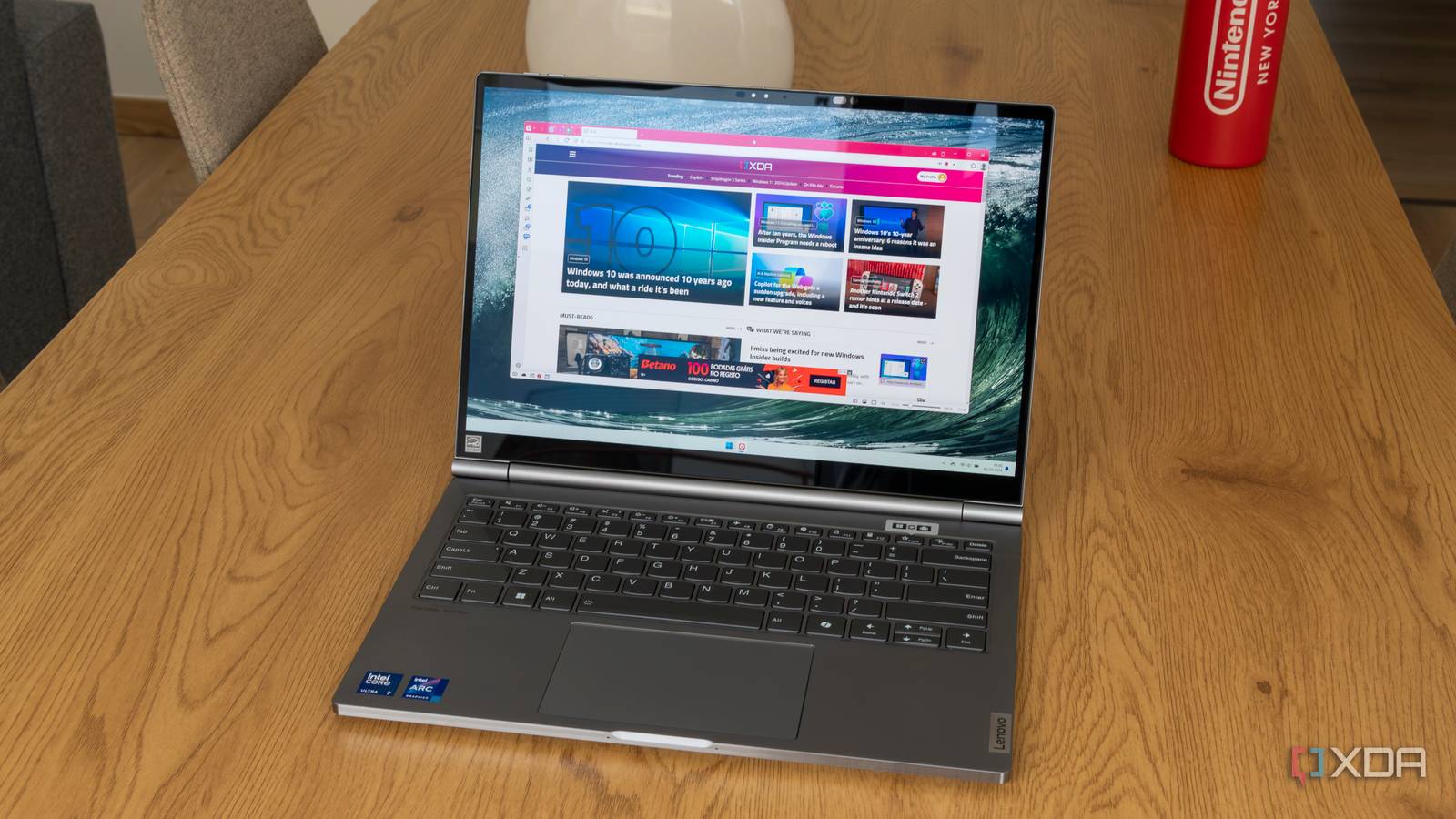
Microsoft claims its new Windows 11 Xbox popups aren't ads, merely "options you can purchase" With Windows 11 slowly receiving more and more ads across its system, people are getting a little tired of seeing new ones pop up. Over the past few days, some users have spotted ad pop-ups advertising the new Call of Duty: Black Ops 6 and the paid Microsoft Defender security app. Fortunately, Microsoft has cleared up this little mess by stating that these aren't ads at all but instead "giving the people the option to purchase" a product. Phew. Well, that clears that up, doesn't it? This is the very best of PR technobabble. You just know if a company dresses something up like this, that they actually do feel a bit guilty about it. But it's like a lie is to a mistruth. A lot of the problems we have today are because of propaganda being applied by corporates and governments. So there you go, all those pop-ups on websites, and the things that YouTube interrupts your videos with, are actually just options you can purchase. I feel the Oxford Dictionary word of 2025 may be something along these lines. We just need to invent the word now. See #technology #Microsoft #adverts
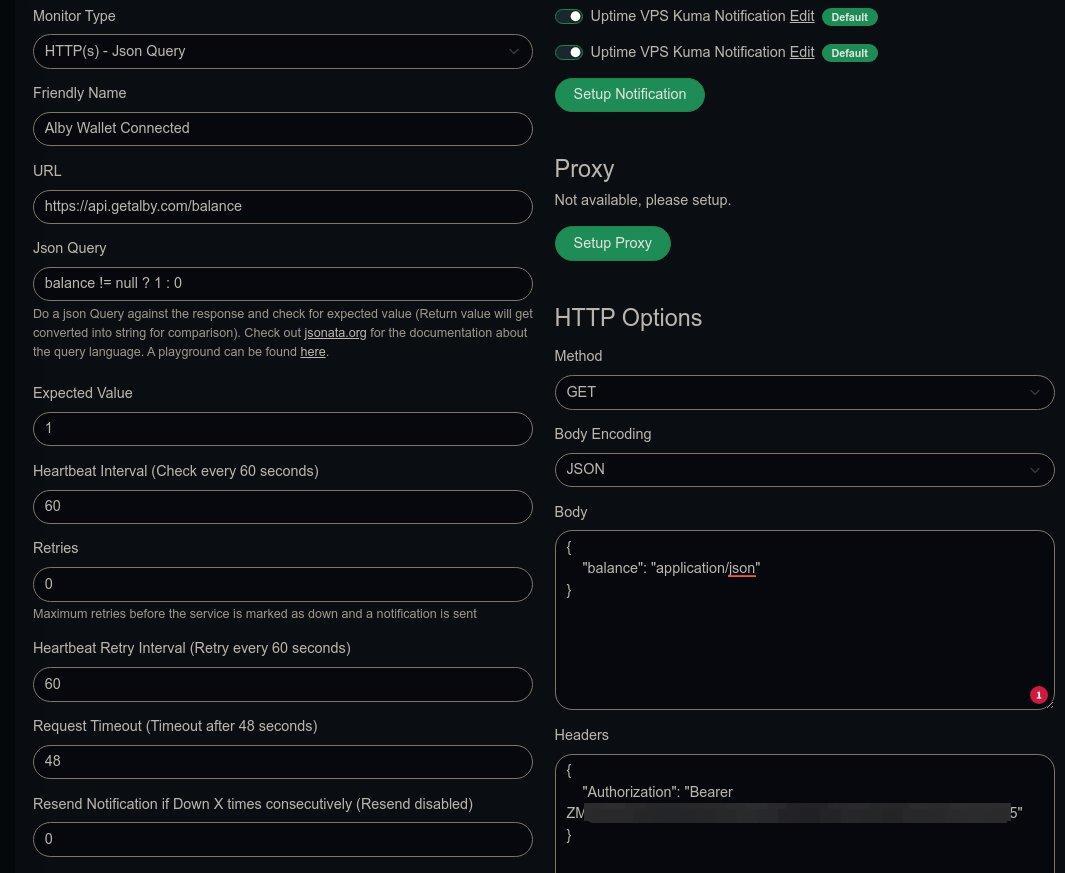
How to test if a self-hosted Alby Hub wallet is connected, and to get an alert if not I hope my blog post at will help out other Alby Hub self-hosters who want to get alerts if their wallets are offline. This seems to be working fine for me now, and the same theory can be applied for a Python script or even a bash script. image
Absolute Essentials You Need to Know to Survive Vi Editor The most common question most people ask about the vi editor is: How do I exit vi? The joke answer goes: "You don't. You learn to live with it." but the serious answer is to press Esc to ensure you're in command mode first, then type `:q!` and hit Enter (or `:wq!` to save and quit). The problem most modern users sit with, is that the vi editor originates from the 1970s and still uses those unique keyboard shortcuts (it did not modernise like the nano editor did in 2024). There is no doubt that the vi editor (or vim if you use the GUI) is very powerful with its long history of support and plugins. But for most users, like myself, the first thing I do on any new VPS I set up is run `sudo apt install nano`. The vi editor is usually already installed by default on most Unix or Linux systems, so you rarely need to ever install it. But there are many die-hard vi users, and none of those will ever be caught dead using anything else. Certainly if you are looking for more advanced usage out of an editor, it may be well worth learning how to use vi, and you'll also be safe in the knowledge that nothing will suddenly change in the next few years. It is an editor grounded in stability, extensibility, and consistency. The linked article is one of the best I've seen as a really easy to understand getting started guide with the vi editor. So, if you are curious to just have a look at it, this article will help you understand better how it works (and of course how to exit it). See https://itsfoss.com/vi-editor-basics #technology #opensource #editors #Linux
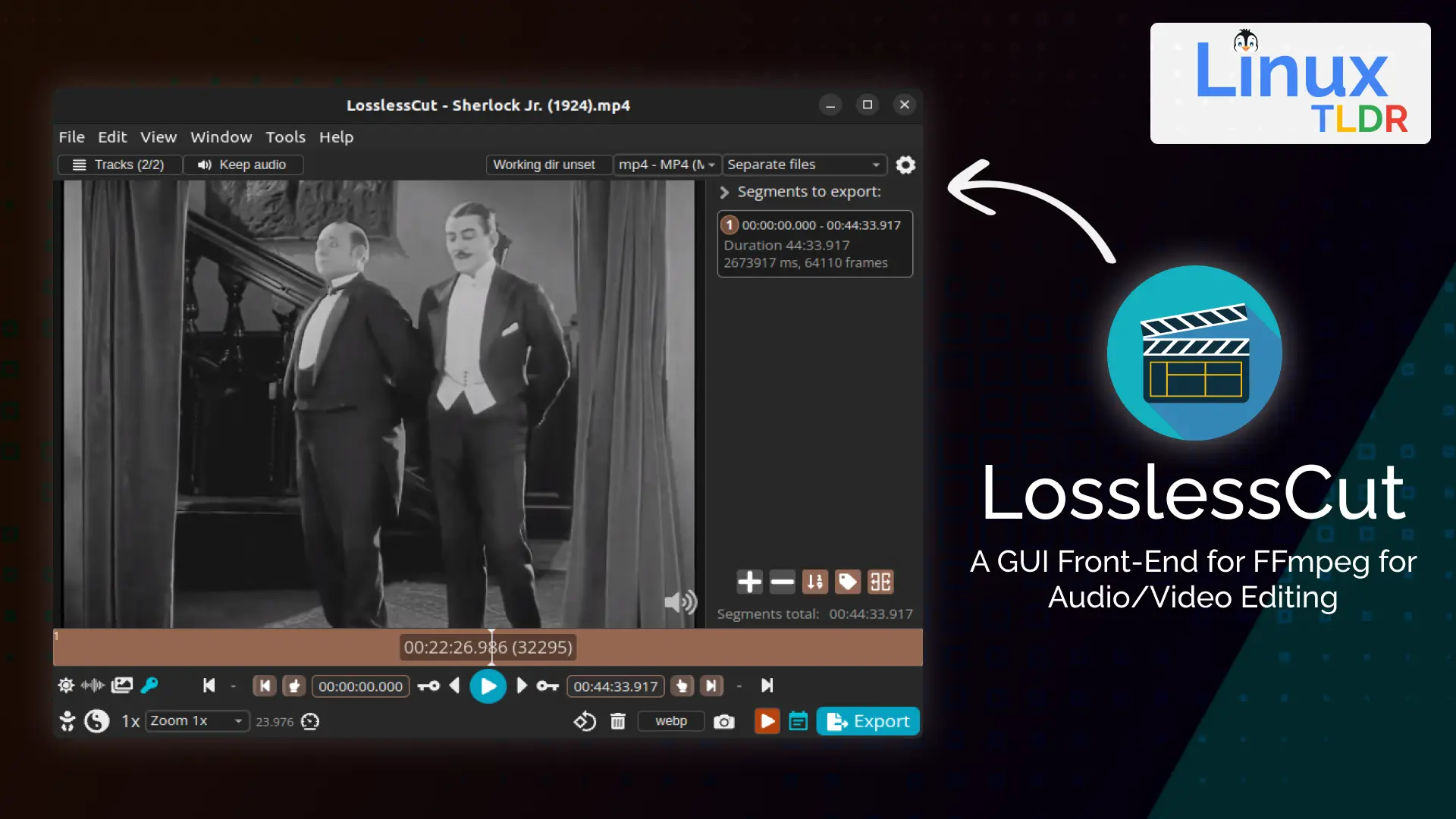
LosslessCut is an open source cross-platform FFmpeg GUI for extremely fast and lossless operations on video and audio files LosslessCut aims to be the ultimate cross-platform FFmpeg GUI for extremely fast and lossless operations on video, audio, subtitle, and other related media files. The main feature is lossless trimming and cutting of video and audio files, which is great for saving space by rough-cutting your large video files taken from a video camera, GoPro, drone, etc. It lets you quickly extract the good parts from your videos and discard many gigabytes of data without doing a slow re-encode and thereby losing quality. Or you can add a music or subtitle track to your video without needing to encode. Everything is extremely fast because it does an almost direct data copy, fuelled by the awesome FFmpeg which does all the grunt work. The linked article below shows how to install and use it, with some practical examples. See #technology #opensource #video
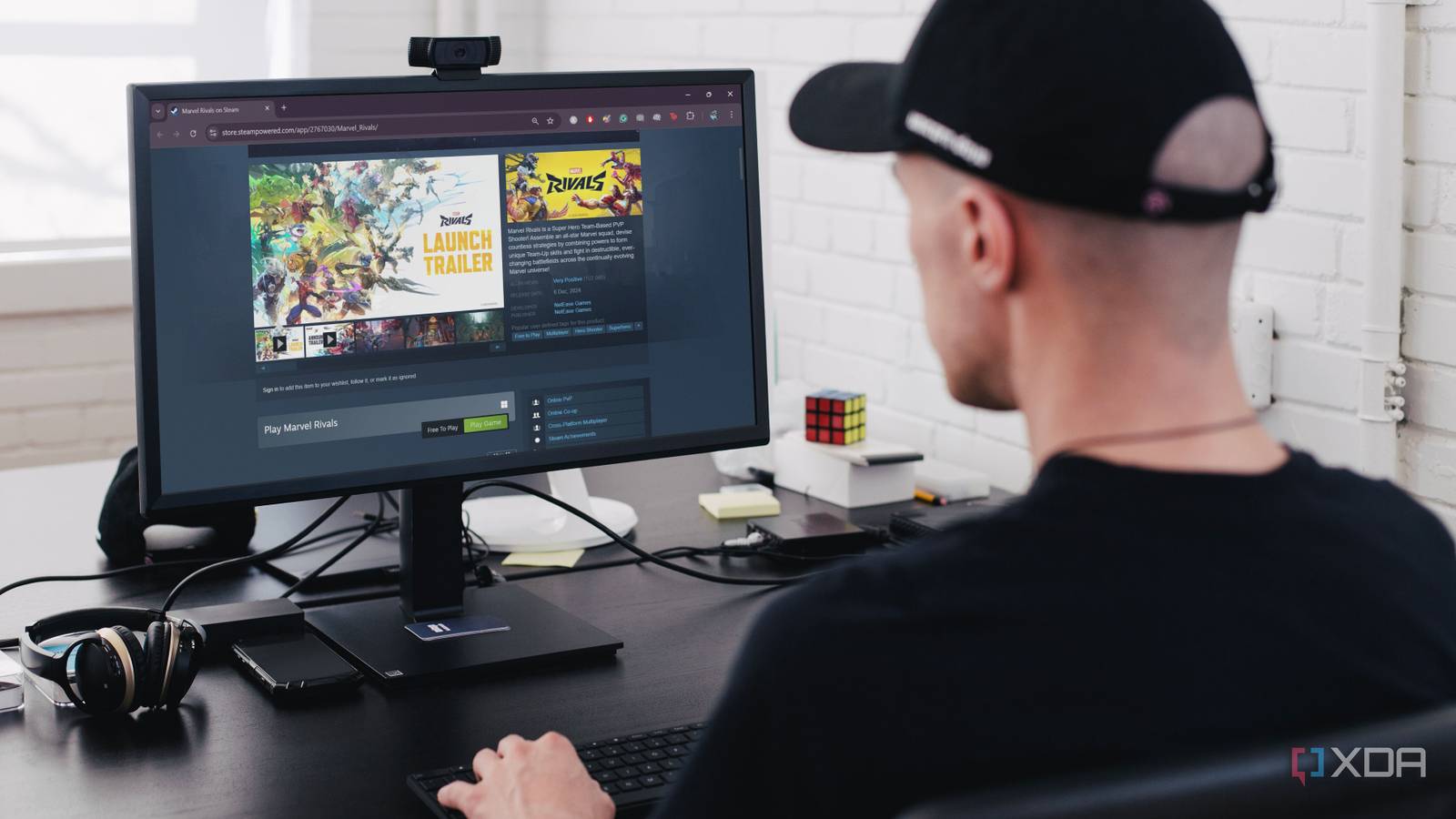
8 best free-to-play games on Steam Gaming doesn’t have to break the bank, especially when you have Steam’s incredible library of free-to-play games. Whether you’re into first-person shooters, strategy games, or fantasy worlds, Steam offers something for everyone. Here are the top eight free-to-play games on Steam you can download and enjoy on your PC without spending a dime. These are an interesting variety of games, and pretty well much something for everyone. I've been seeing quite a bit about new fishing fleet simulators in 2024, so although Fishing Planet is not the boat side of it, it is certainly a relaxing fishing sim game. Gaming cannot get more relaxing than fishing. See #technology #gaming
The nursery was quite colourful today