What She Had Coming
By LizBeth Cone
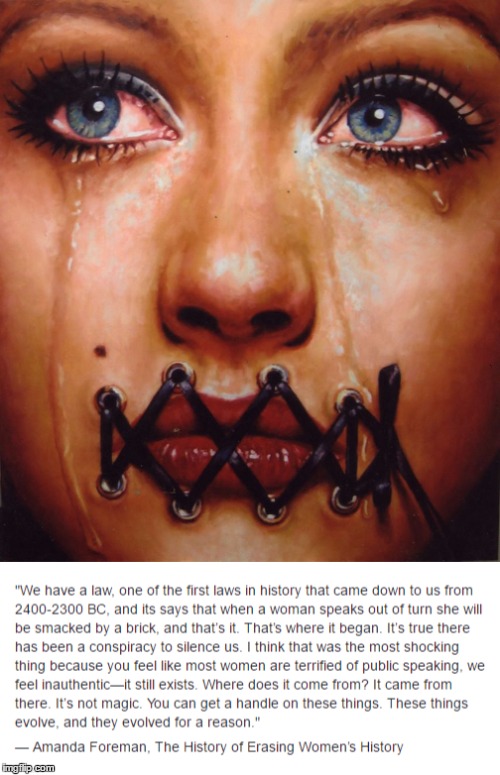
They tell us early
that harm is instructional.
That pain is a lesson.
That if something happens to you
you should study yourself
for the mistake.
You were too loud.
Too quiet.
Too young.
Too old.
Too soft to be respected,
too sharp to be tolerated.
They rehearse it everywhere—
in jokes, in sermons, in courtrooms,
in the casual shrug of boys will be boys,
in the long list of reasons
a man is never responsible
for what his hands decide.
They say:
Men have urges.
Men have instincts.
Men lose control.
But women?
Women provoke.
Women tempt.
Women fail to comply.
So when a man kills a woman
they reach for explanations like blankets—
What was she wearing?
Why was she there?
Did she smile?
Did she say no clearly enough?
Did she forgive him fast enough?
They say she wasn’t perfect.
As if perfection were armor.
As if innocence were real.
As if survival were a moral achievement.
Call her a bitch.
That word does the work.
It erases the blood.
It makes the violence reasonable.
It turns a life into a warning.
This is old.
Older than laws.
Older than names.
Eve blamed for hunger.
Women blamed for loneliness,
for rage,
for declining population,
for male despair,
for their own deaths.
Power says:
You are safe only while you submit.
Only while you soothe.
Only while you stay grateful.
Only while you are useful.
The moment you resist,
question,
block,
exist inconveniently—
you become expendable.
And still they ask why we are afraid.
Still they call it hysteria.
Still they say it was inevitable.
But listen—
what’s inevitable is not violence.
What’s inevitable is the lie
that men are entitled to control
and women are expected to absorb the cost.
We have been taught
to carry abuse
like a birthright.
To forgive our own erasure.
To die politely.
And we are done pretending
this is natural