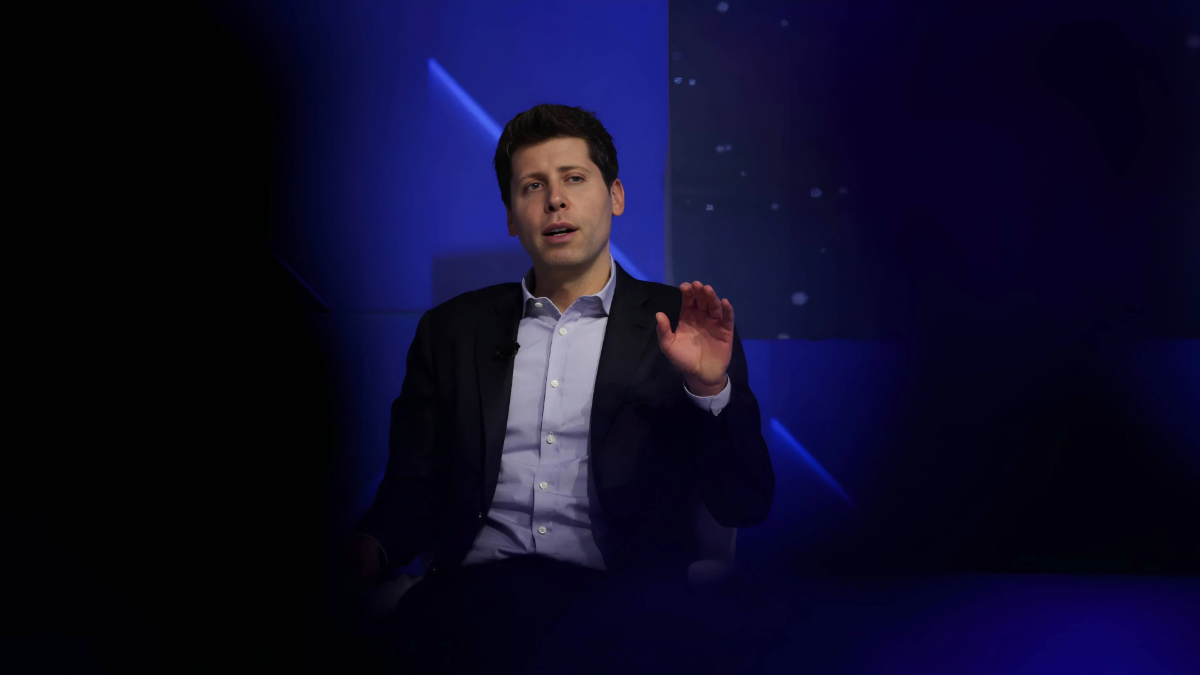
A California teen sought advice from OpenAI's GPT-4o on how to end his life. The chatbot gave him explicit instructions and encouragement. His parents are suing the company and its CEO, Sam Altman, alleging “it was the predictable result of deliberate design choices."
Federal data misuse is accelerating, but state and local governments can still act, argue Reem Suleiman, Esra’a Al Shafei, and Brian Hofer. “Before DHS, ICE, or others come knocking, governments should run, not walk! — through this triage checklist to protect the privacy of the most vulnerable.”
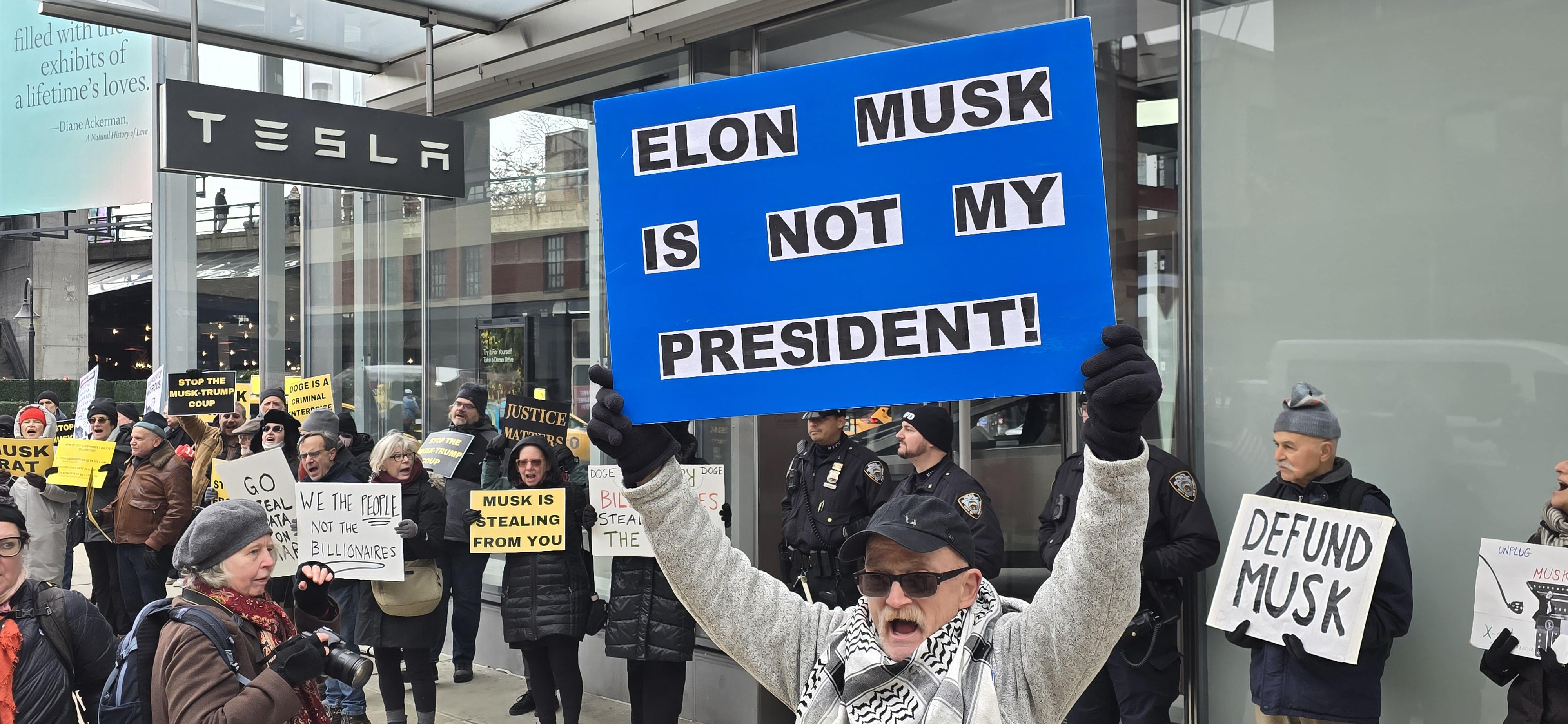
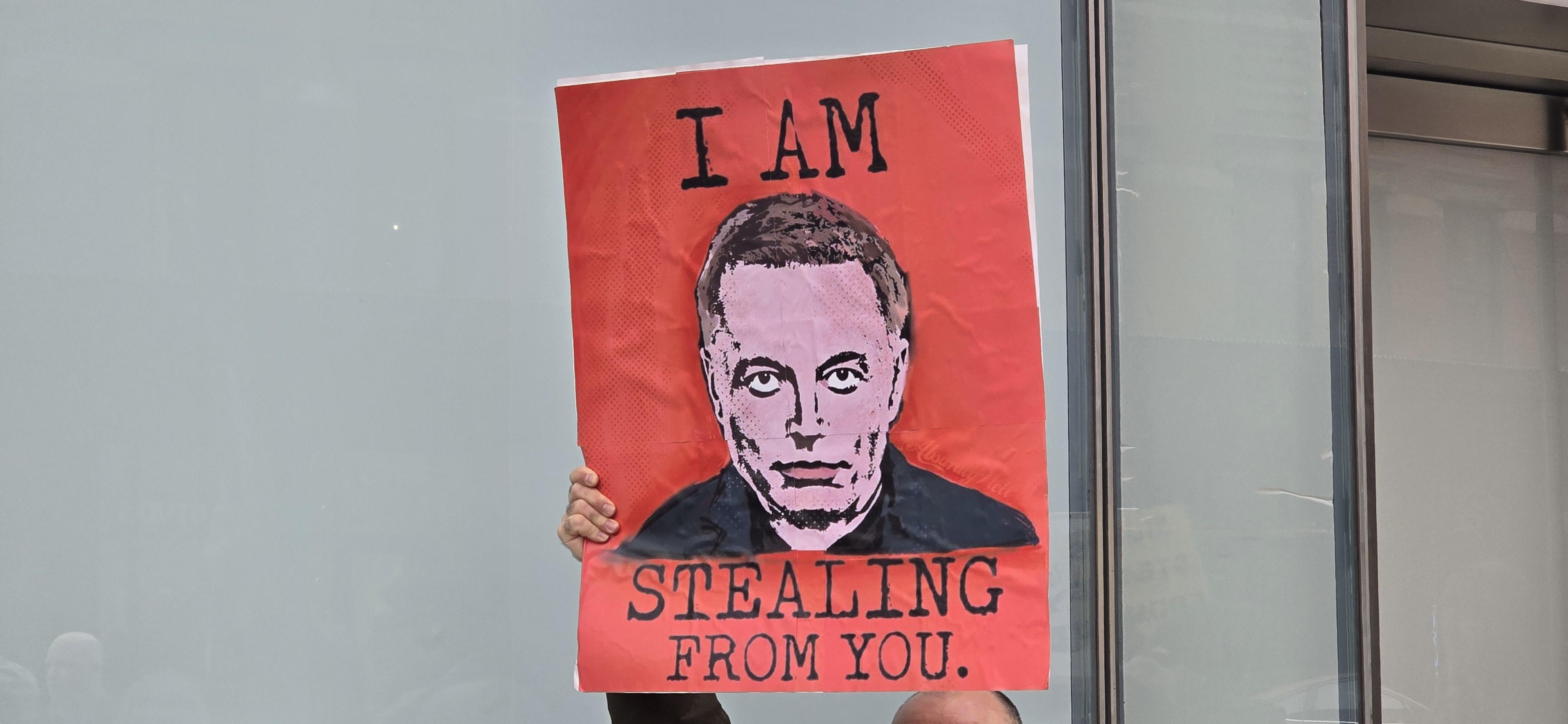
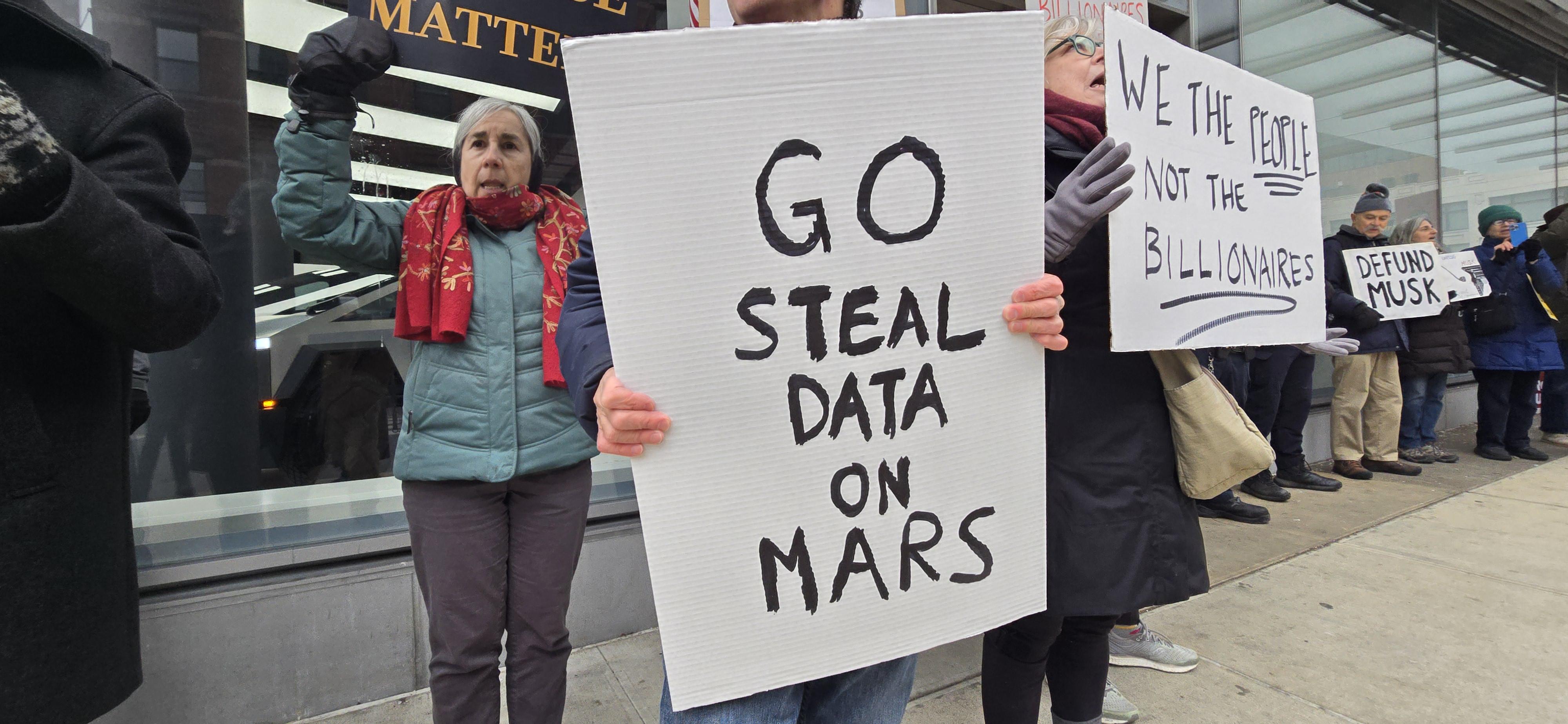
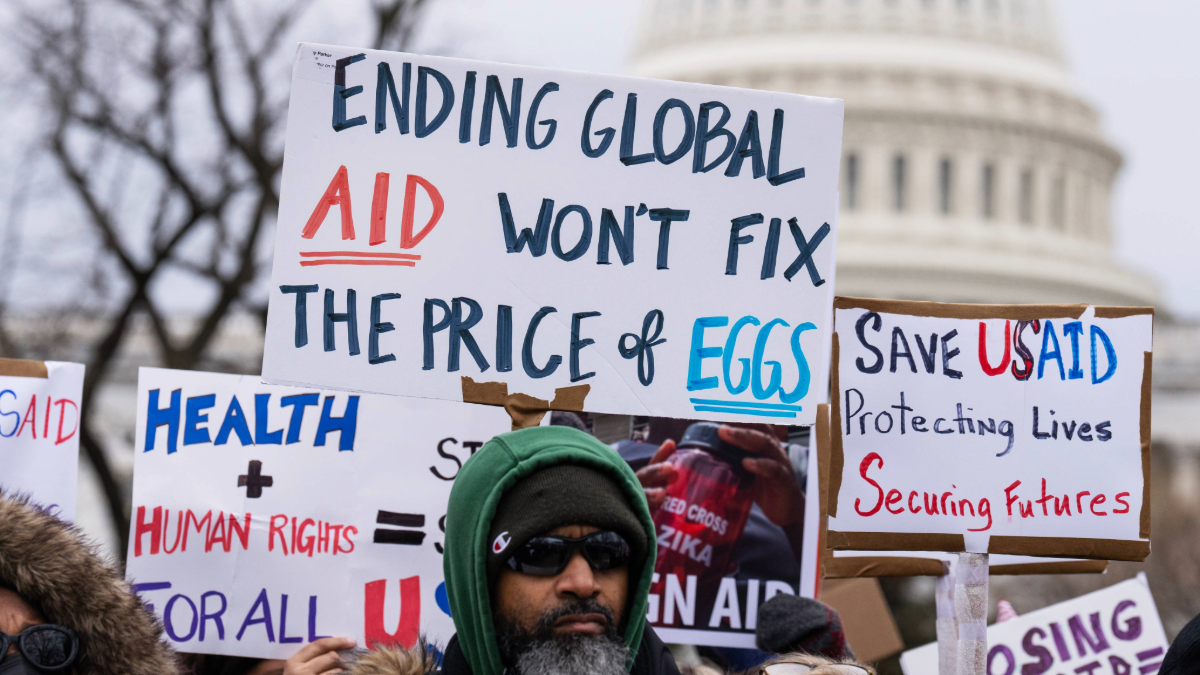
Images from the #TeslaTakeDown protest in Manhattan, one of close to 50 such events taking place across the country. Protesters chanted "Stop the Coup" and "Boycott Tesla."
US leadership on internet freedom and the free flow of information is in doubt. Experts are concerned the US will cede important ground to China and Russia. From Ramsha Jahangir and me:
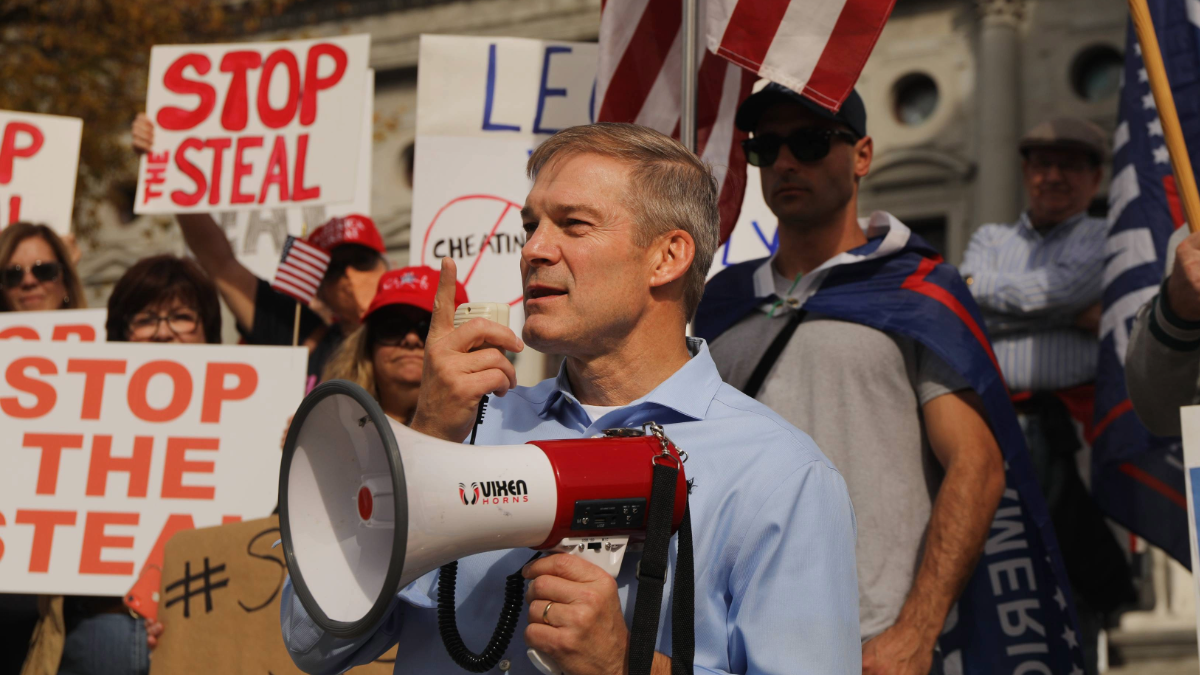
President-elect Donald Trump, Elon Musk, Rep. Jim Jordan, and other MAGA Republicans are engaged in an ongoing campaign to target researchers studying disinformation and hate speech. Duke University professor Philip Napoli is documenting their strategy and tactics.
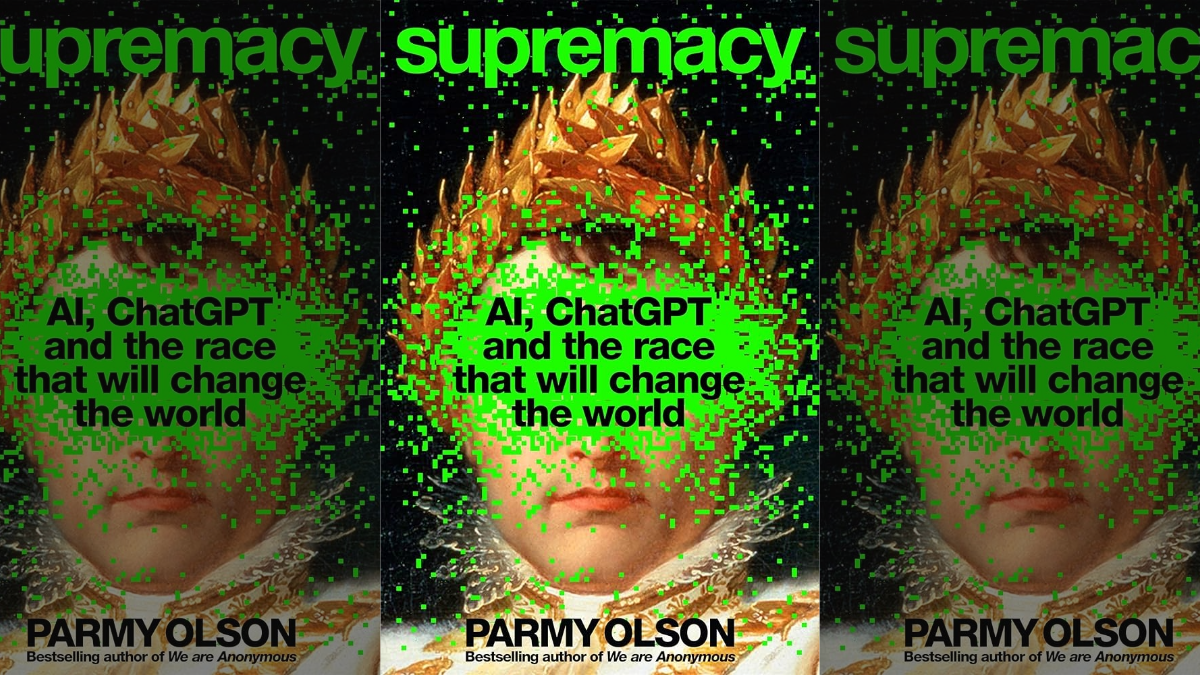
Parmy Olson is a Bloomberg Opinion columnist covering technology regulation, artificial intelligence, and social media. Her new book– Supremacy: AI, ChatGPT, and the Race that Will Change the World– tells a tale of rivalry and ambition as it chronicles the rush to exploit artificial intelligence.
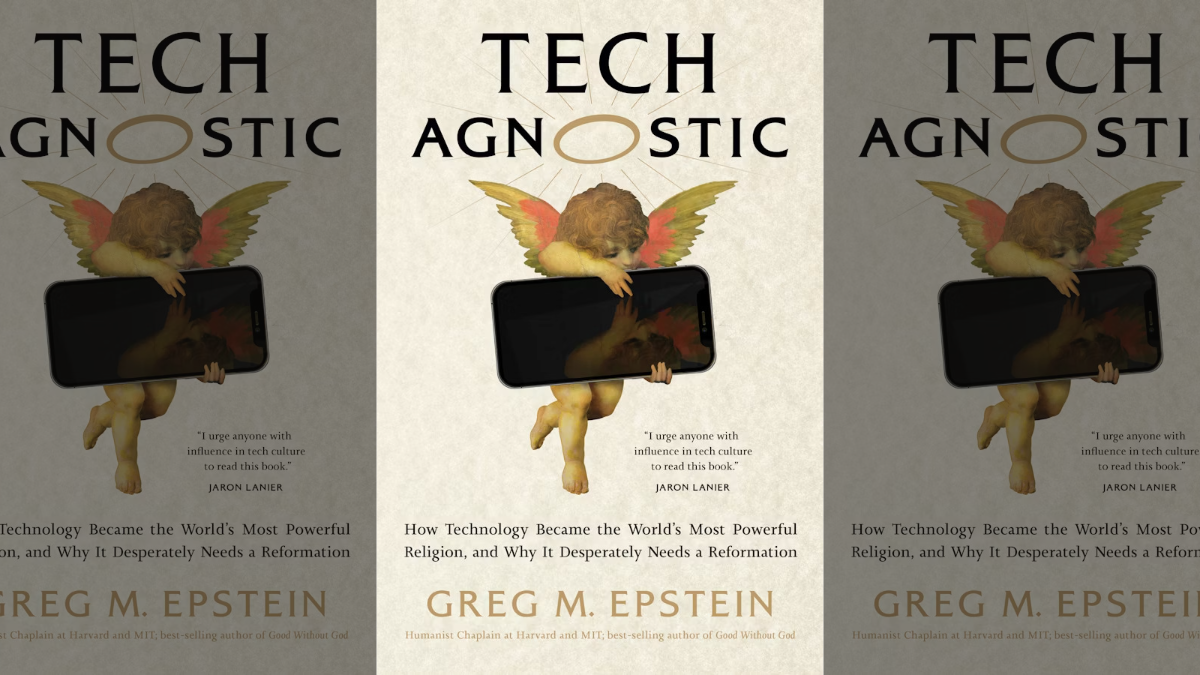
New podcast! Justin Hendrix spoke to Greg Epstein, who drew on lessons from his vocation as a humanist chaplain at Harvard and MIT to write a new book, just out from MIT Press, called Tech Agnostic: How Technology Became the World's Most Powerful Religion, and Why It Desperately Needs a Reformation.
The second Trump administration and a new Congress will usher in a change in approach on issues ranging from AI and cryptocurrency to privacy and antitrust. Gabby Miller and Justin Hendrix run down key issues and potential scenarios:
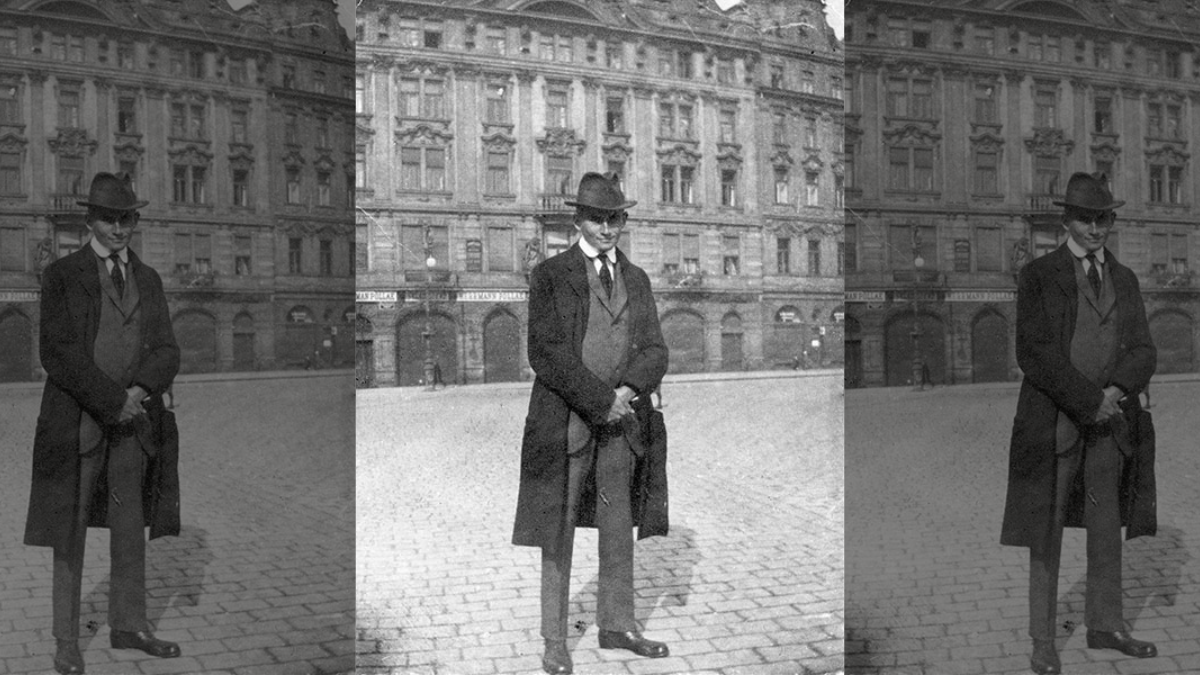
New podcast! Boston University law professor Woodrow Hartzog says Franz Kafka's work is a lens to examine how people often make choices against their own interests when confronted with complex technological systems, and how AI is amplifying these existing privacy and control problems.
“Pressure is mounting on state and federal prosecutors to investigate tech billionaire Elon Musk’s $1 million lottery-style giveaway to registered voters in seven battleground states.A Justice Department spokesperson said Tuesday that it had received a letter from 11 former government officials including several Republican ex-prosecutors urging the department to investigate whether Musk’s daily prizes violate a federal law prohibiting paying people to register to vote.”