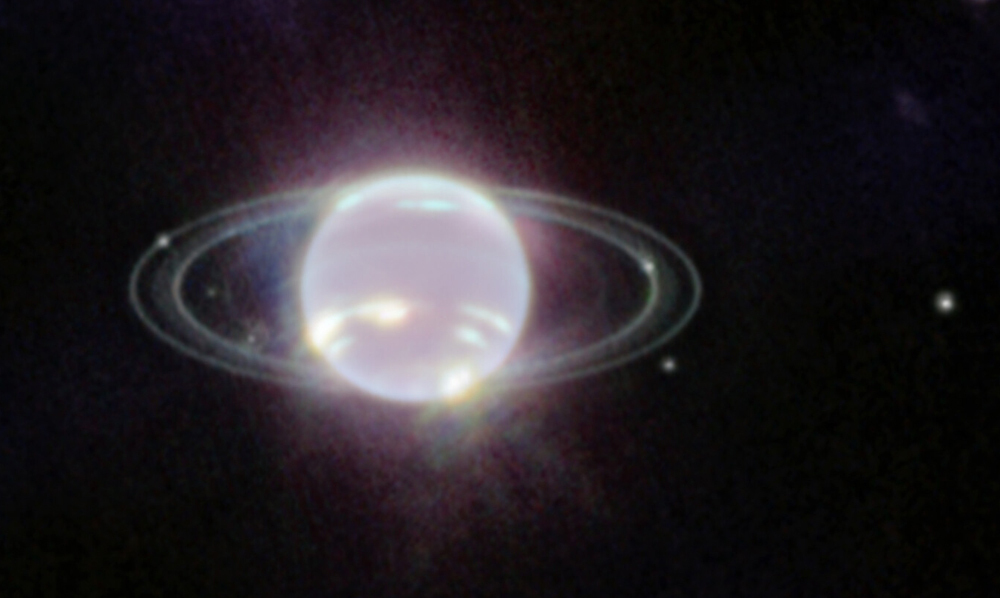
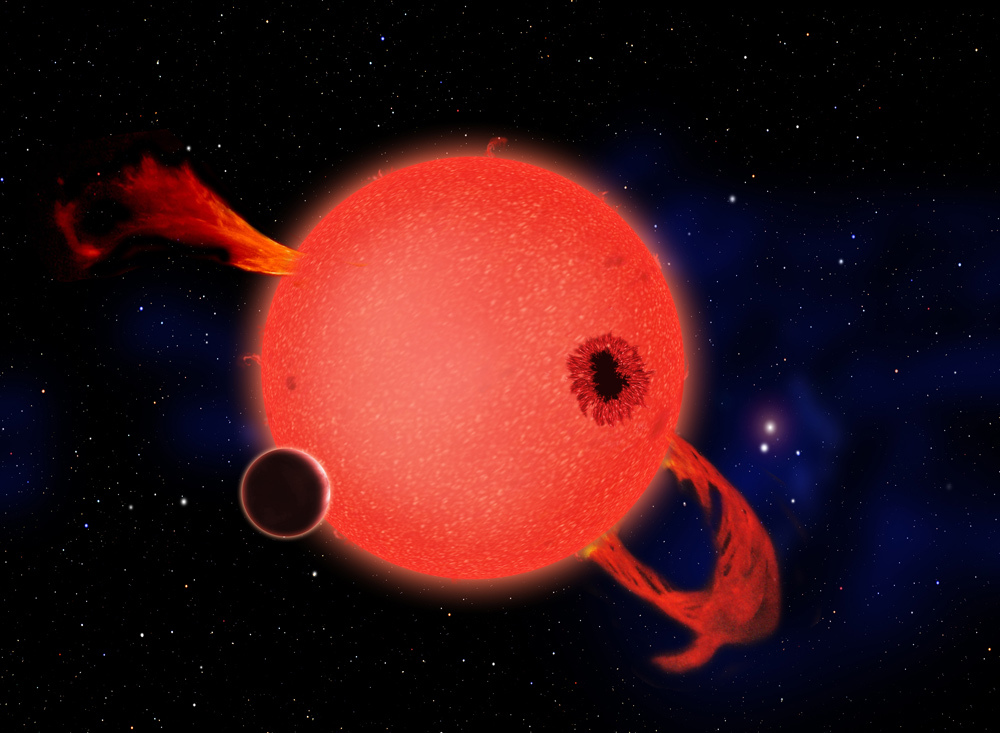
Look, almost everyone gets acne at some point in their life, but can you imagine being able to see it from 1.4 quadrillion kilometers away?
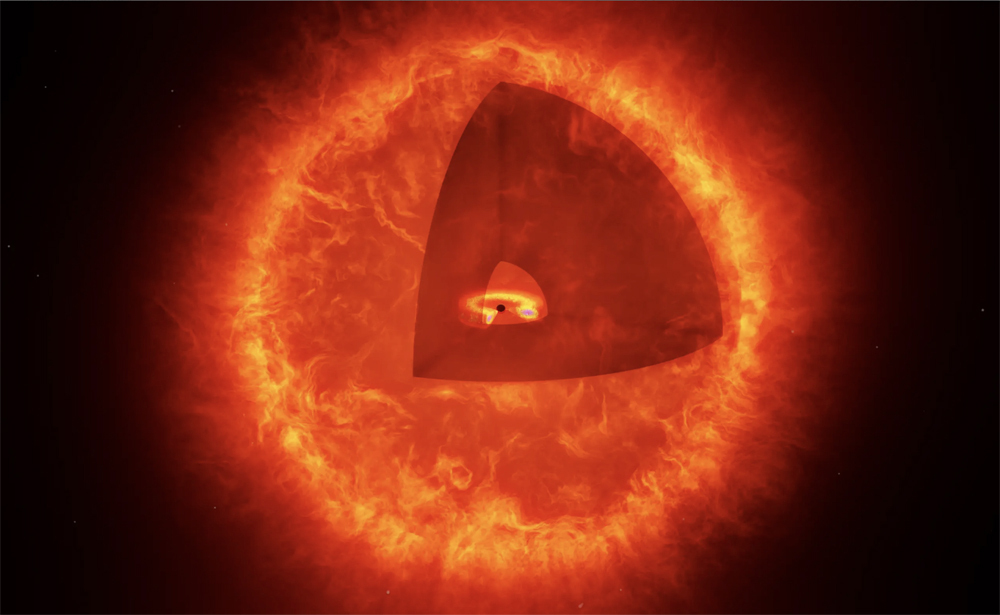
So JWST has seen these weird objects called Little Red Dots that appear to be extremely luminous and way on the other side of the universe from us. What the heck are they? Well, they could be immense star-like objects powered by black holes. So, yeah.
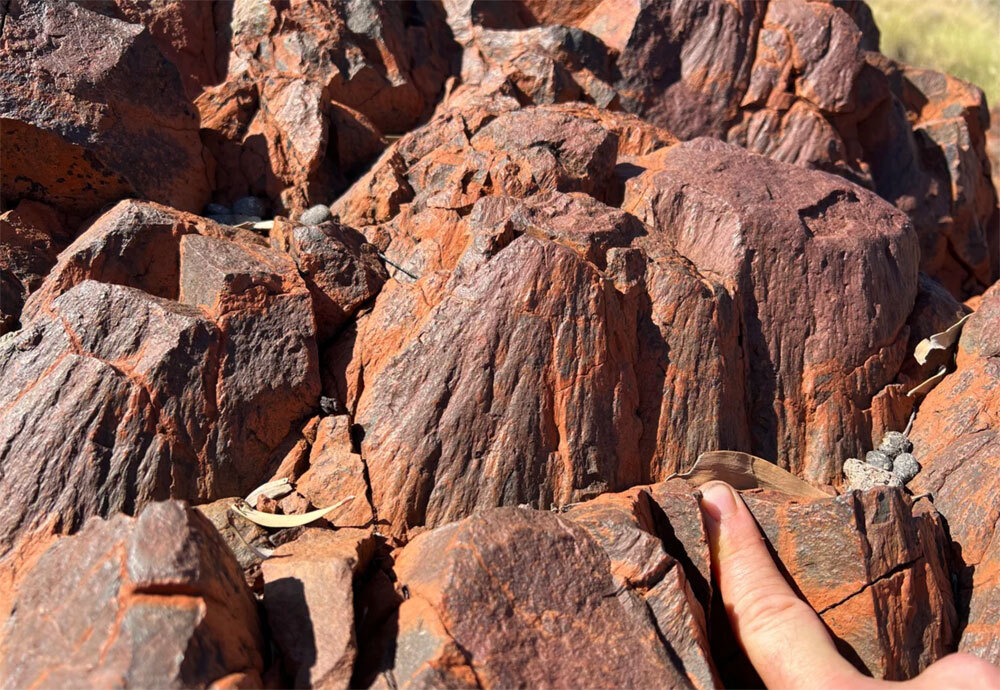
Earth's oldest crater found! [Normally, Thursday issues of my newsletter are for paid subscribers, but this was so cool I put the story above the paywall. Enjoy!]
How big can a black hole get? Really, really, REALLY soul-vaporizingly big. But it turns out there's an upper limit to how massive they can be, because a) they're sloppy eaters, and 2) the universe is only so old.
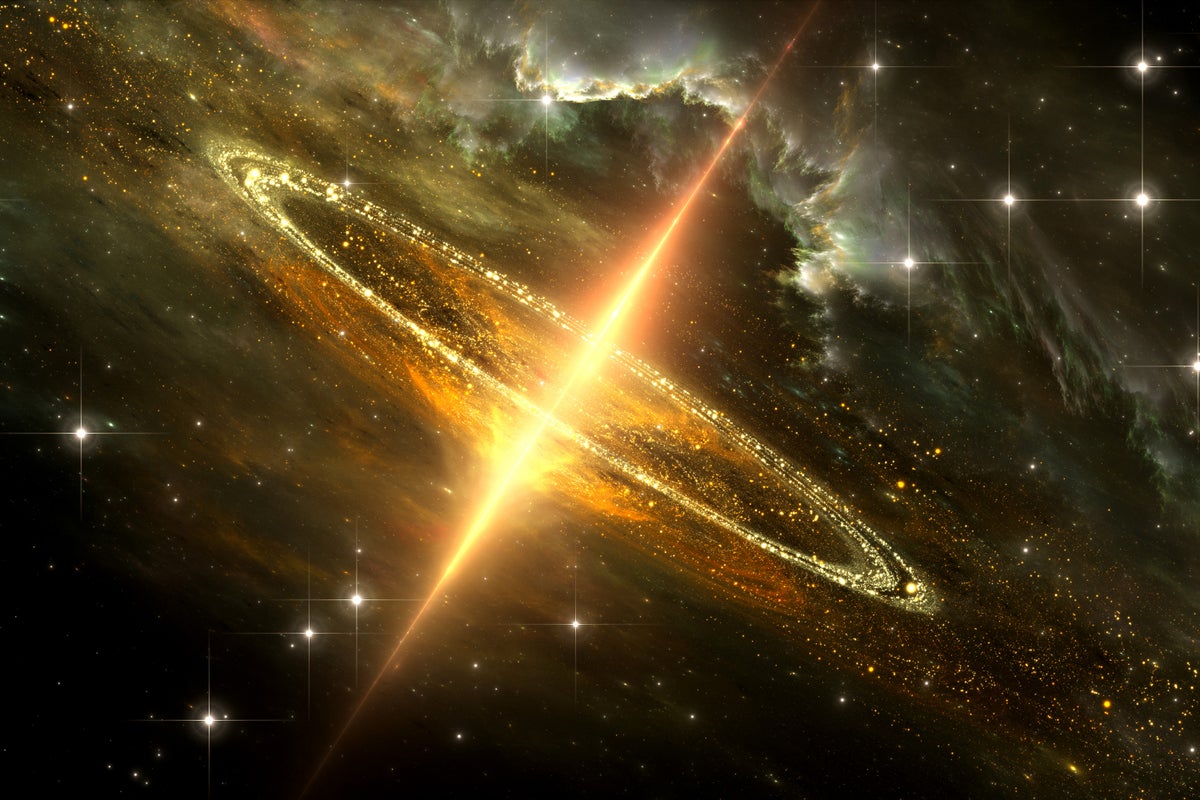
Did you know astronomers commonly see objects in space moving faster than light? But seeing is not believing: superluminal motion is an illusion! Me, for Scientific American:
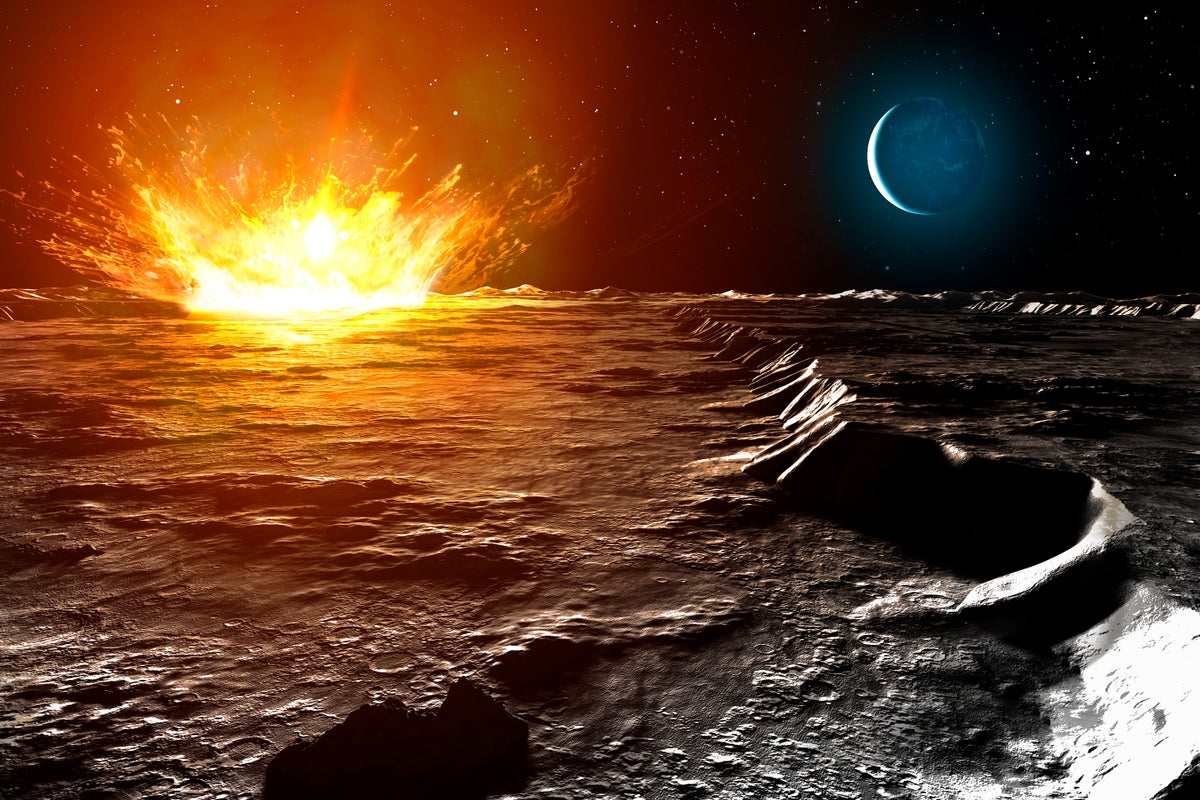
In 2032 there is a small chance that the 60-meter asteroid 2024 YR4 will impact the Moon. If it does, we could get a helluva meteor shower from it. We're safe on Earth's surface, but our satellites may suffer.
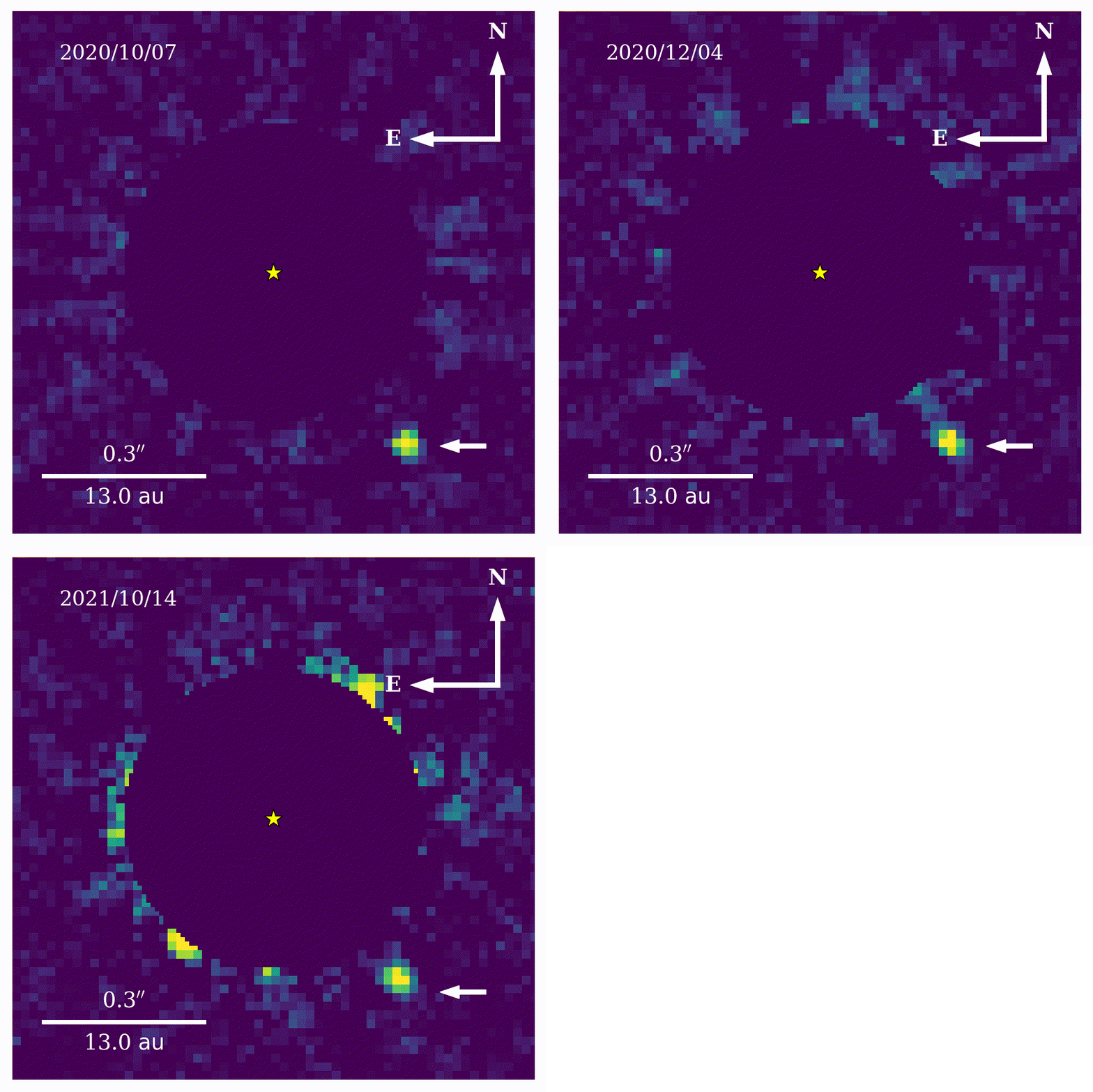
A nearby brown dwarf shows its mass as it orbits a Sun-like star. Plus: Fast Radio Bursts might be space rocks slamming in to neutron stars at 2/3 the speed of light, so, wow. [Issue for paid subbies only today!]
It's (well past) time to impeach RFK Jr. You can sign a petition to help! Also: (very) old issues of Scientific American magazine were very, very odd.
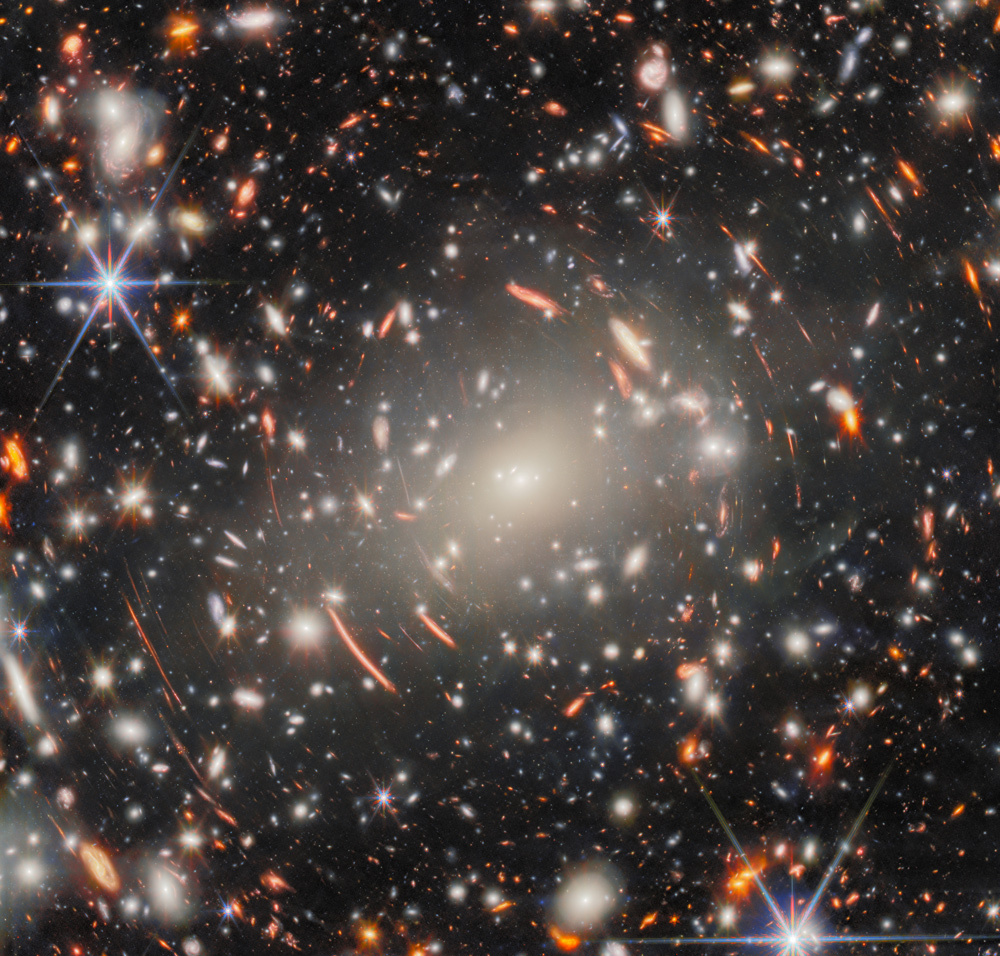
I bet it's been a while since you've had your mind vaporized by a JWST image so here's one of a cluster of galaxies so immense it's visibly warping space. Bonus: I explain what you're seeing! Because that's kinda my thing!
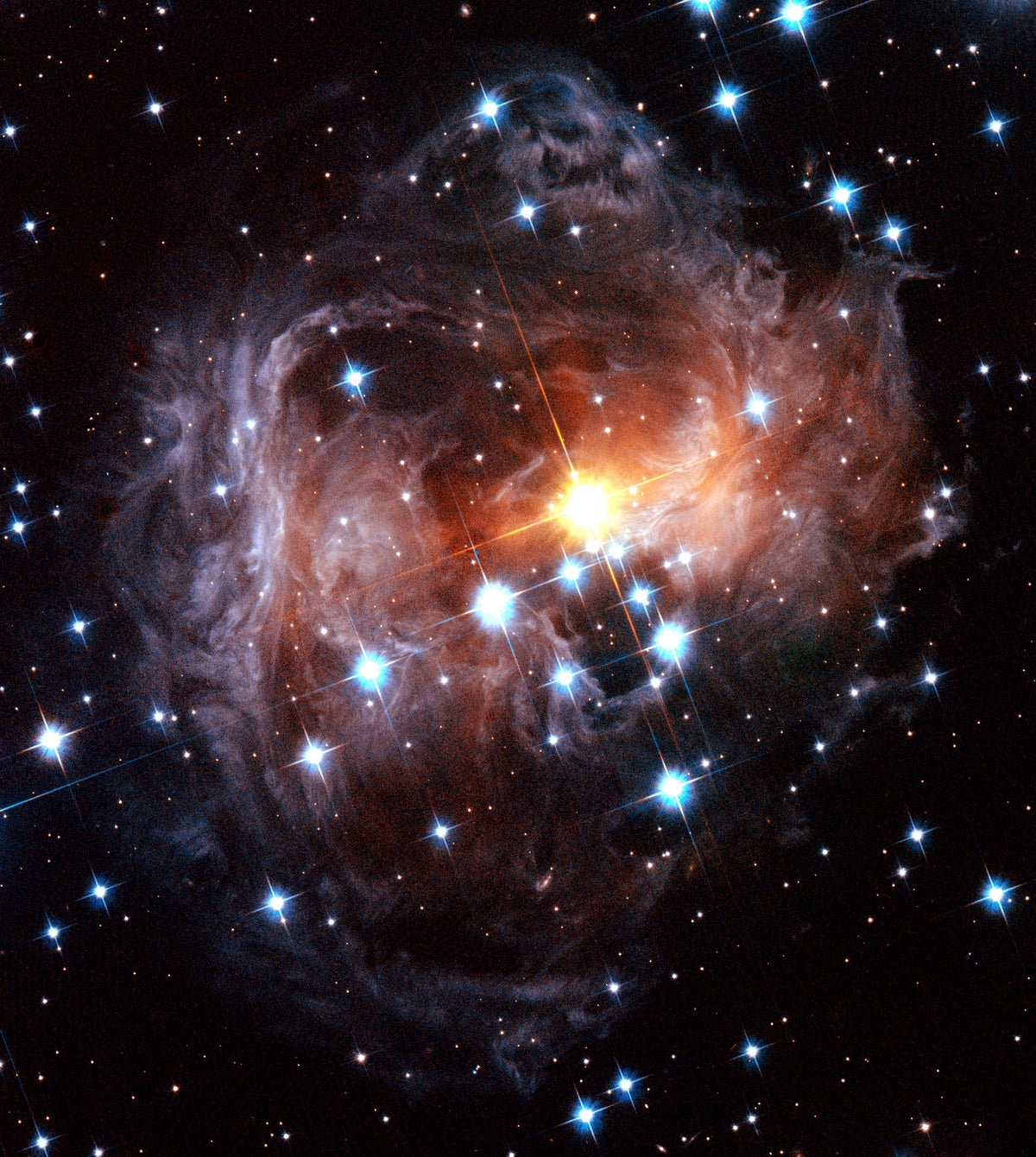
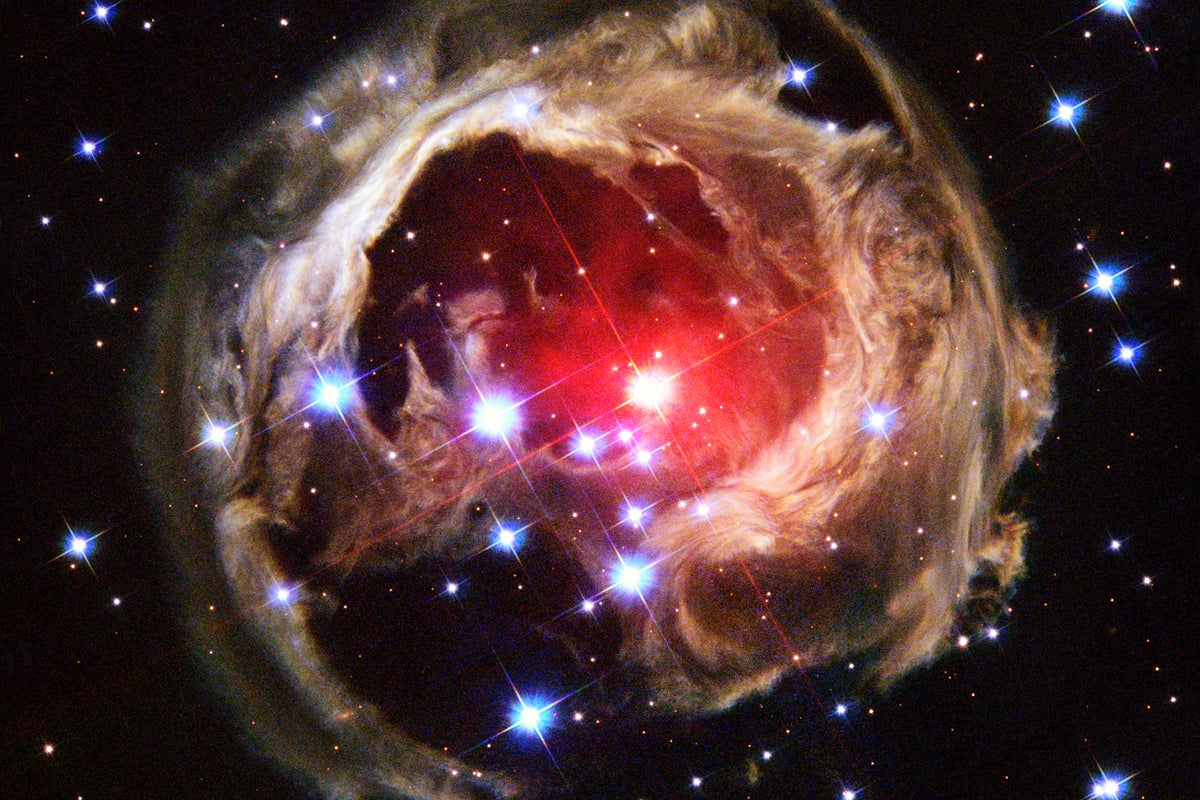
Sure you've heard of sound echoes, but have you heard of… Light ECHOES echoes ᵉᶜʰᵒᵉˢ?