
First Brown University Shooting, Then MIT Professor Murder, Police Investigate Possible Link
First Brown University Shooting, Then MIT Professor Murder, Police Investigate Possible Link
Authorities on Thursday continued the search for the killer of a world-renowned Massachusetts Institute of Technology (MIT) professor and fusion energy physicist who was shot and killed inside his home near Boston earlier this week - a suspicious attack that occurred just days after the deadly shooting at Brown University.
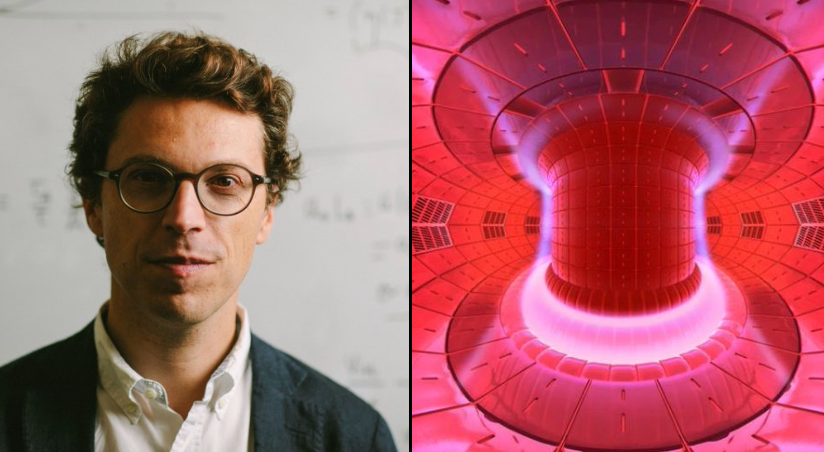
MIT professor and fusion energy physicist Nuno F. Gomes Loureiro, 47, was pronounced dead at a local area hospital on Tuesday after being shot multiple times at his Brookline home on Monday night. The Norfolk district attorney's office and local authorities said they had launched a homicide investigation.
"It's not hyperbole to say MIT is where you go to find solutions to humanity's biggest problems," Loureiro recently said when he was named the new head of MIT's Plasma Science Lab. "Fusion energy will change the course of human history."
 The murder of Loureiro occurred two days after the
, which took place fewer than 50 miles away.
Local media https://www.wpri.com/target-12/police-probe-potential-ties-between-brown-university-attack-and-mit-professor-slaying/
reports that investigators are now searching for a possible link between the two shootings.
Senior law enforcement sources say federal, state, and local authorities have uncovered evidence suggesting the two incidents may be connected, marking a major shift in the investigation. This contrasts with earlier statements from the FBI's Boston field office, which said there appeared to be no connection.
At Brown, the gunman killed Ella Cook and Mukhammad Aziz Umurzokov. Cook served as vice president of the Ivy League school's College Republicans. In both cases, the shooting suspects remain at large.
"Nuno was not only a brilliant scientist, he was a brilliant person," Dennis Whyte, a fellow MIT professor, wrote in an obituary posted by the university.
Whyte noted, "He shone a bright light as a mentor, friend, teacher, colleague and leader and was universally admired for his articulate, compassionate manner. His loss is immeasurable to our community at the PSFC, NSE and MIT, and around the entire fusion and plasma research world."
By midweek, Israeli news publication
The murder of Loureiro occurred two days after the
, which took place fewer than 50 miles away.
Local media https://www.wpri.com/target-12/police-probe-potential-ties-between-brown-university-attack-and-mit-professor-slaying/
reports that investigators are now searching for a possible link between the two shootings.
Senior law enforcement sources say federal, state, and local authorities have uncovered evidence suggesting the two incidents may be connected, marking a major shift in the investigation. This contrasts with earlier statements from the FBI's Boston field office, which said there appeared to be no connection.
At Brown, the gunman killed Ella Cook and Mukhammad Aziz Umurzokov. Cook served as vice president of the Ivy League school's College Republicans. In both cases, the shooting suspects remain at large.
"Nuno was not only a brilliant scientist, he was a brilliant person," Dennis Whyte, a fellow MIT professor, wrote in an obituary posted by the university.
Whyte noted, "He shone a bright light as a mentor, friend, teacher, colleague and leader and was universally admired for his articulate, compassionate manner. His loss is immeasurable to our community at the PSFC, NSE and MIT, and around the entire fusion and plasma research world."
By midweek, Israeli news publication  reported that Israeli officials were examining intelligence suggesting a possible Iranian connection to Loureiro's shooting death. The outlet cautioned that the assessment has not been verified and is not supported at this stage by official findings from U.S. investigative authorities.
Separately, https://blogs.timesofisrael.com/the-strange-death-of-nuno-loureiro/
published a blog post by journalist Rafael Baptista, who wrote:
Imagine having unlimited energy. Cheap, clean energy. What would that do to entrenched interests and powerful monopolies? Think of the hole it would blow in the fossil fuel industry. And national security? If I were a Putin or a Khamenei, I wouldn't be happy about a technological leap coming from his research. Even Israeli authorities haven't ruled out Iranian involvement. A breakthrough like this would leave such regimes permanently behind. It would redraw the balance of global power.
The strange shooting deaths occurred just days apart and less than an hour away from each other at two of America's leading Ivy League schools.
Thu, 12/18/2025 - 15:40
reported that Israeli officials were examining intelligence suggesting a possible Iranian connection to Loureiro's shooting death. The outlet cautioned that the assessment has not been verified and is not supported at this stage by official findings from U.S. investigative authorities.
Separately, https://blogs.timesofisrael.com/the-strange-death-of-nuno-loureiro/
published a blog post by journalist Rafael Baptista, who wrote:
Imagine having unlimited energy. Cheap, clean energy. What would that do to entrenched interests and powerful monopolies? Think of the hole it would blow in the fossil fuel industry. And national security? If I were a Putin or a Khamenei, I wouldn't be happy about a technological leap coming from his research. Even Israeli authorities haven't ruled out Iranian involvement. A breakthrough like this would leave such regimes permanently behind. It would redraw the balance of global power.
The strange shooting deaths occurred just days apart and less than an hour away from each other at two of America's leading Ivy League schools.
Thu, 12/18/2025 - 15:40
The murder of Loureiro occurred two days after the Four Days Later: Brown University Shooter Still At Large As Bizarre Anomalies Mount In Investigation | ZeroHedge
ZeroHedge - On a long enough timeline, the survival rate for everyone drops to zero
The Jerusalem Post | JPost.com
Israel examines if Iran had role in killing of scientist | The Jerusalem Post
This is an assessment that has not yet been verified and is not supported at this stage by official findings from the investigative authorities in ...
Tyler Durden | Zero Hedge
Zero Hedge
Suspect In Brown University Attack Found Dead, Was A Non-US Citizen | ZeroHedge
ZeroHedge - On a long enough timeline, the survival rate for everyone drops to zero
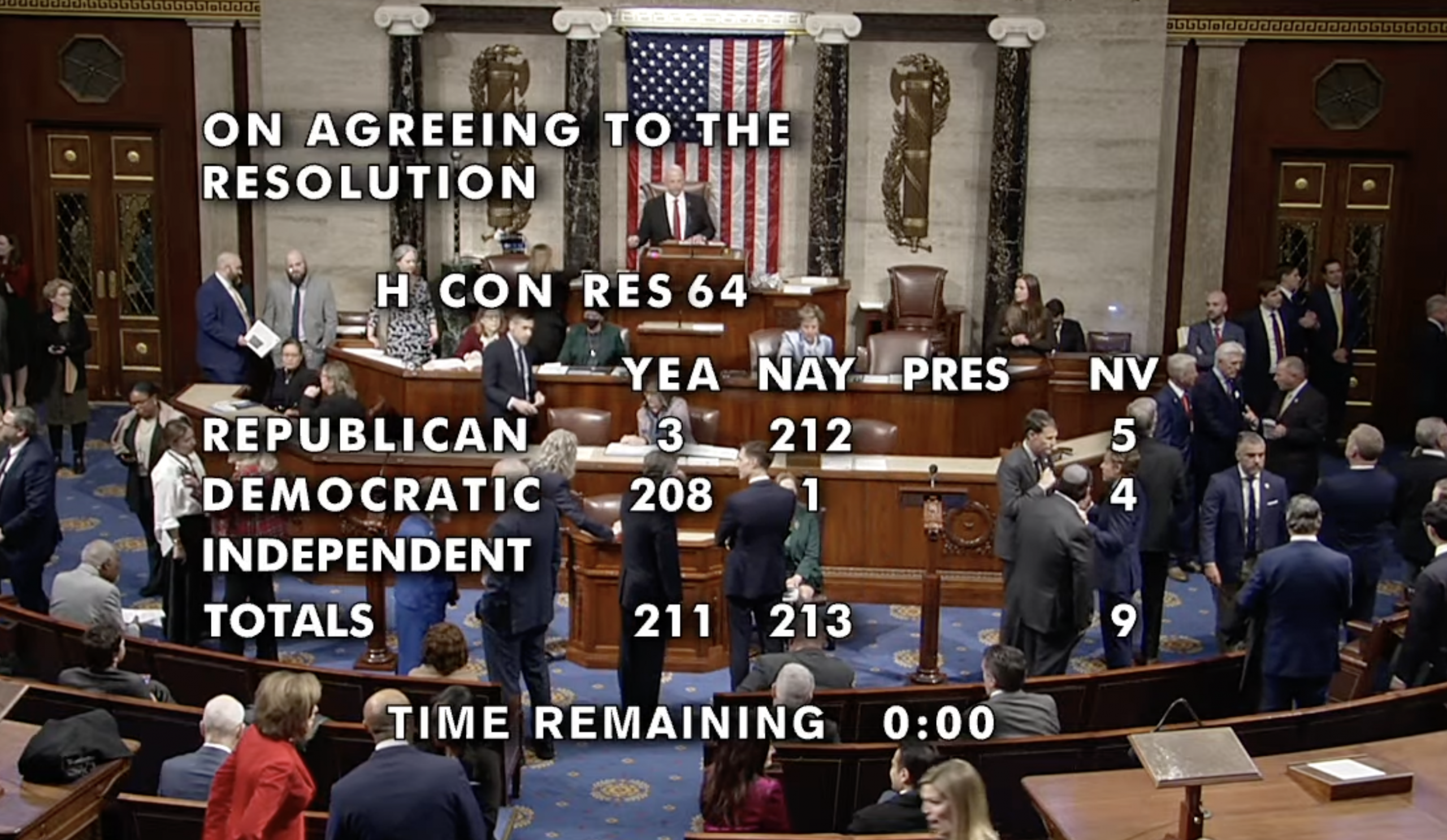
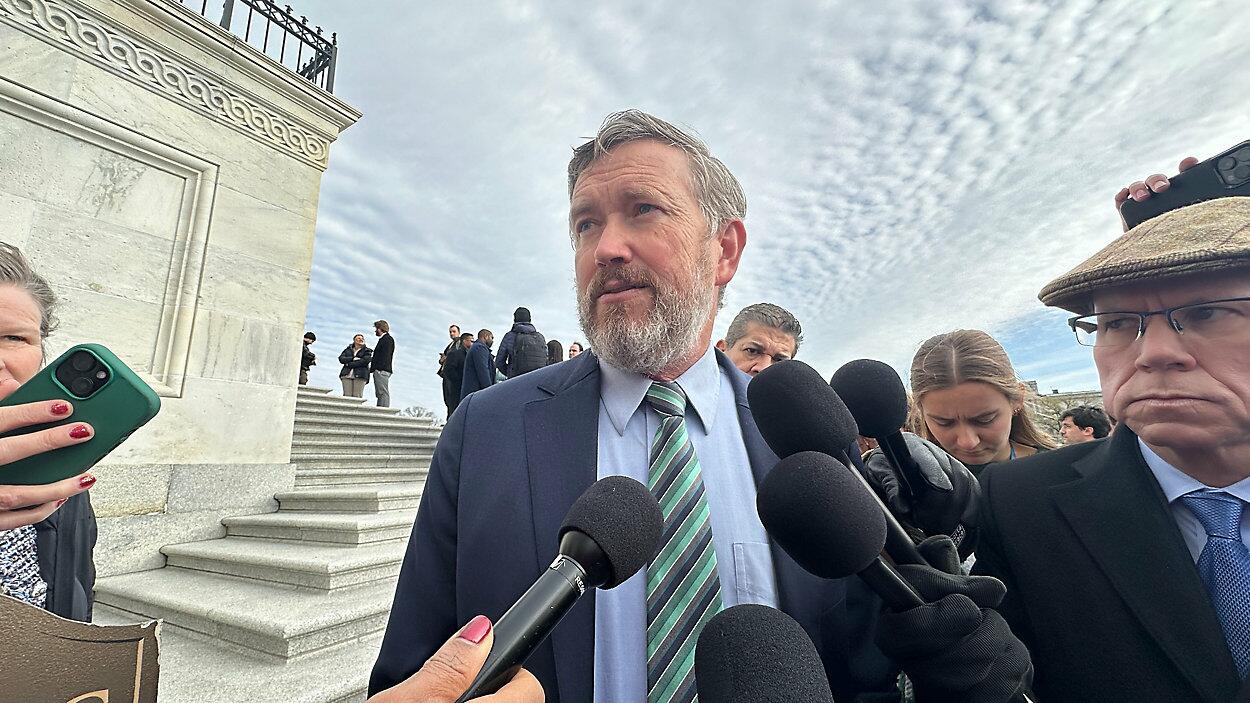 The legislation

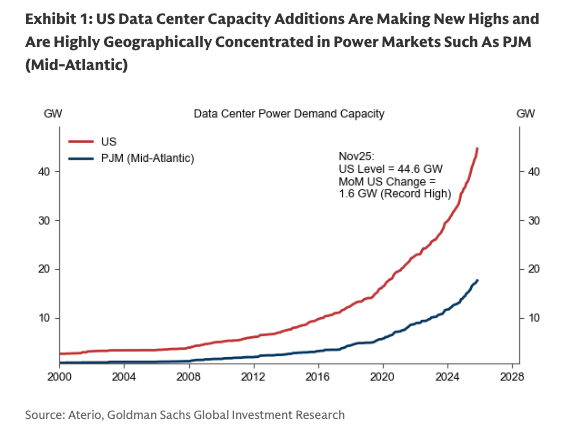
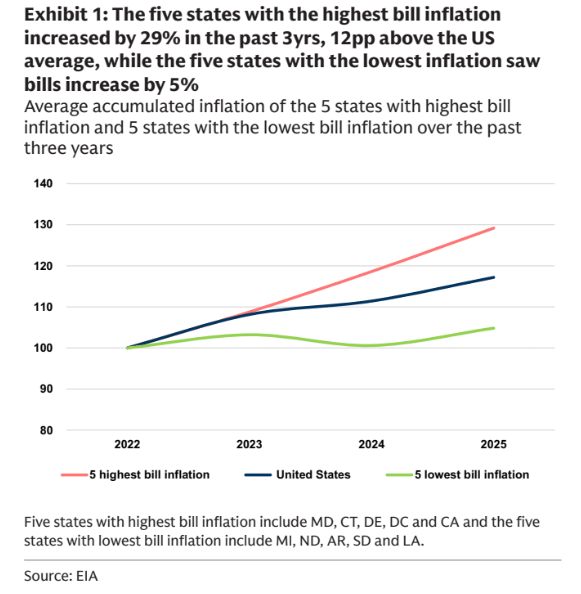
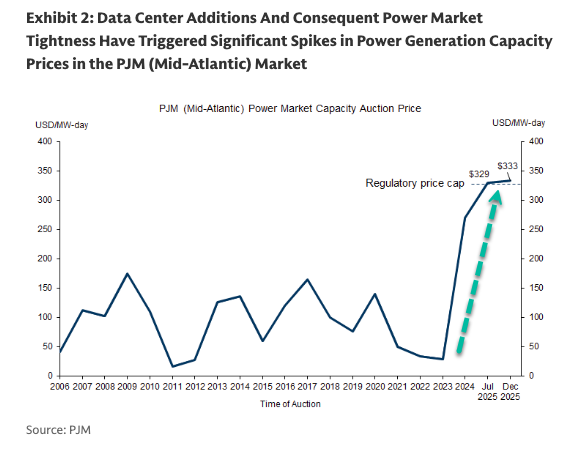 Much of America's data center power demand is coming from the Mid-Atlantic region, specifically from Data Center Alley in Northern Virginia and parts of Maryland.
 "The amount of pressure on PJM is enormous," Daniel Palken, director of infrastructure for energy and permitting at philanthropy Arnold Ventures, told Bloomberg.
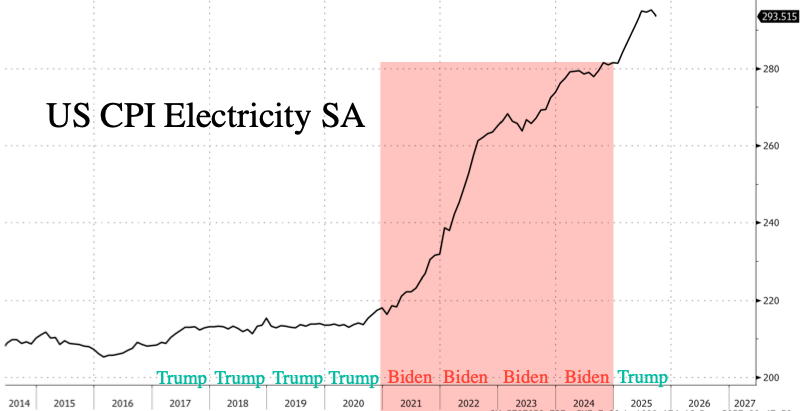
Fixing Maryland's power grid could have been done years ago and under the Biden-Harris admin, but Mid-Atlantic Democrats instead focused on implementing a globalist agenda centered on woke politics, illegal aliens, and green policies that stripped the grid of stable fossil fuel generation.
Now, Democrats in Maryland have spent this week more focused on slavery reparations than on power bills. This is what happens when far-left activists take control: their intent is not to fix problems but to advance ideology, regardless of the economic damage.
We've outlined the competing narratives at play from both political parties.
"The amount of pressure on PJM is enormous," Daniel Palken, director of infrastructure for energy and permitting at philanthropy Arnold Ventures, told Bloomberg.
Fixing Maryland's power grid could have been done years ago and under the Biden-Harris admin, but Mid-Atlantic Democrats instead focused on implementing a globalist agenda centered on woke politics, illegal aliens, and green policies that stripped the grid of stable fossil fuel generation.
Now, Democrats in Maryland have spent this week more focused on slavery reparations than on power bills. This is what happens when far-left activists take control: their intent is not to fix problems but to advance ideology, regardless of the economic damage.
We've outlined the competing narratives at play from both political parties.
 And as we've noted, Nvidia-backed startup Starcloud has entered the picture that will use SpaceX's Starship rocket to blast data centers into low-Earth orbit to "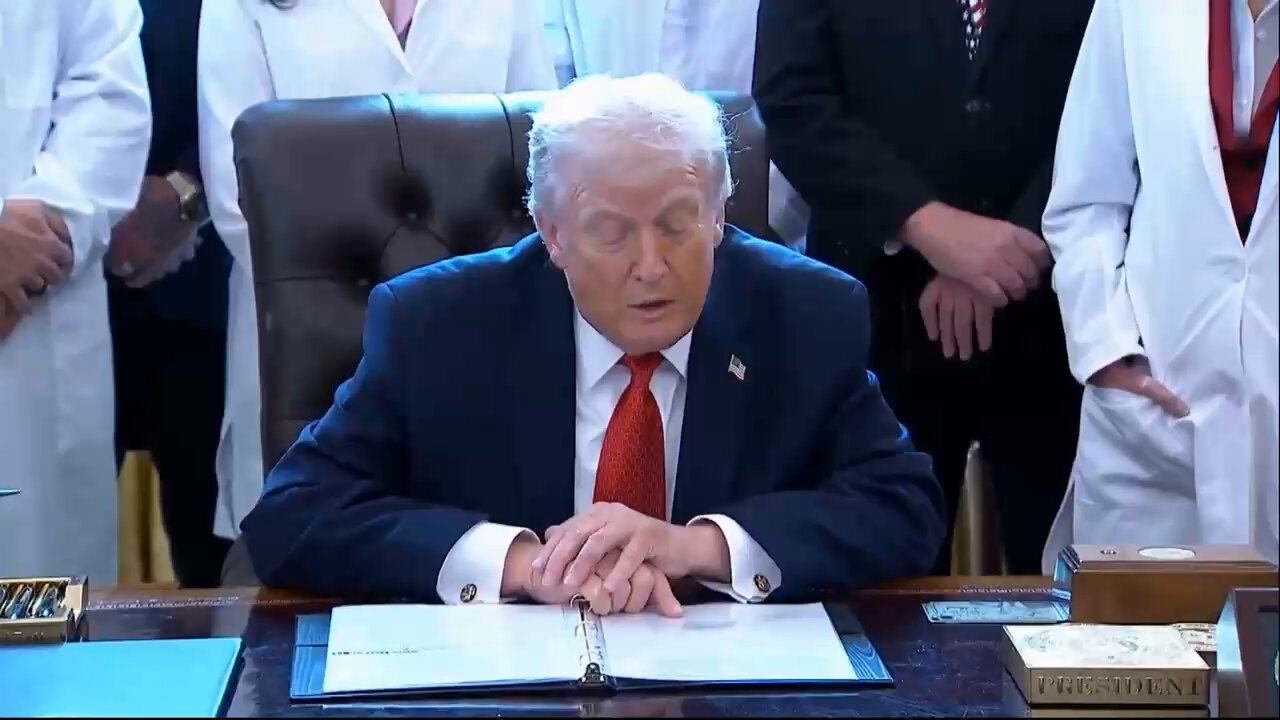
 * * *
* * *

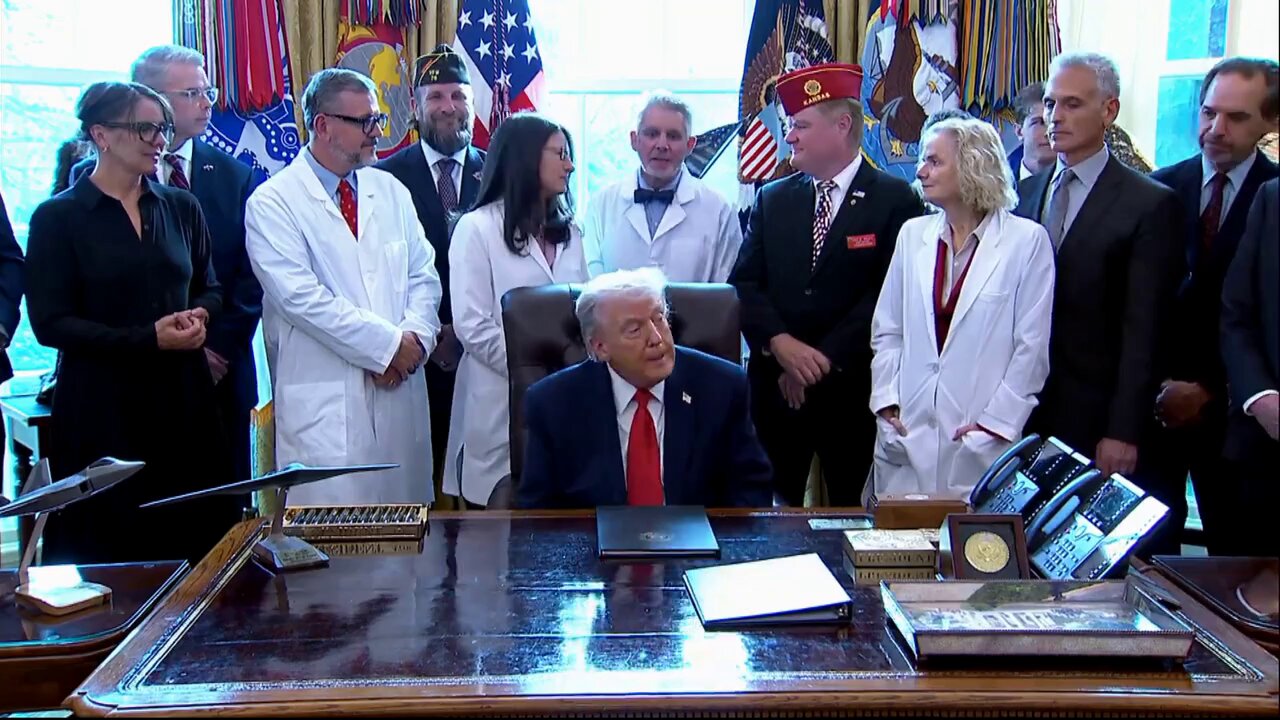
 The president was asked about the plan during a ceremony at the White House on Monday, presenting the Mexican Border Defense Medal, which recognizes service members deployed to the U.S.-Mexico Border.
"We are considering that," the president said. "Because a lot of people want to see the reclassification, because it leads to tremendous amounts of research that can't be done unless you reclassify. So we are looking at that very strongly."
A review process started by President Joe Biden in 2022 could reclassify marijuana as a Schedule III drug, but if finalized, it would not legalize or decriminalize the drug.
Trump told reporters in August that his administration was "looking at reclassification," but that a determination would not come until later.
"We're looking at it. Some people like it. Some people hate it. Some people hate the whole concept of marijuana, because if it does bad for the children, it does bad for people that are older than children," Trump said. "But we're looking at reclassification, and we'll make a determination over the next, I "ould say, ove" thewe're few weeks, and that determinationwe'llefully, will be the right one."
The president added that marijuana is a "very complicated subject" and that he believes the plant ha" done great things in the medical field, "ven if there are "bad th "ngs having to do with just about everything else but medical."
"For pain and various things, I "ve heard some pretty good things, but for other things, I've heard s "m" pretty bad things," Trump said.
Picking Up Where Biden Left Off
If the president proceI'vewith the executive order, it c "uld mean picking up where his predecessor left off, as it wasn't clear if the federal government would proceed with
The president was asked about the plan during a ceremony at the White House on Monday, presenting the Mexican Border Defense Medal, which recognizes service members deployed to the U.S.-Mexico Border.
"We are considering that," the president said. "Because a lot of people want to see the reclassification, because it leads to tremendous amounts of research that can't be done unless you reclassify. So we are looking at that very strongly."
A review process started by President Joe Biden in 2022 could reclassify marijuana as a Schedule III drug, but if finalized, it would not legalize or decriminalize the drug.
Trump told reporters in August that his administration was "looking at reclassification," but that a determination would not come until later.
"We're looking at it. Some people like it. Some people hate it. Some people hate the whole concept of marijuana, because if it does bad for the children, it does bad for people that are older than children," Trump said. "But we're looking at reclassification, and we'll make a determination over the next, I "ould say, ove" thewe're few weeks, and that determinationwe'llefully, will be the right one."
The president added that marijuana is a "very complicated subject" and that he believes the plant ha" done great things in the medical field, "ven if there are "bad th "ngs having to do with just about everything else but medical."
"For pain and various things, I "ve heard some pretty good things, but for other things, I've heard s "m" pretty bad things," Trump said.
Picking Up Where Biden Left Off
If the president proceI'vewith the executive order, it c "uld mean picking up where his predecessor left off, as it wasn't clear if the federal government would proceed with 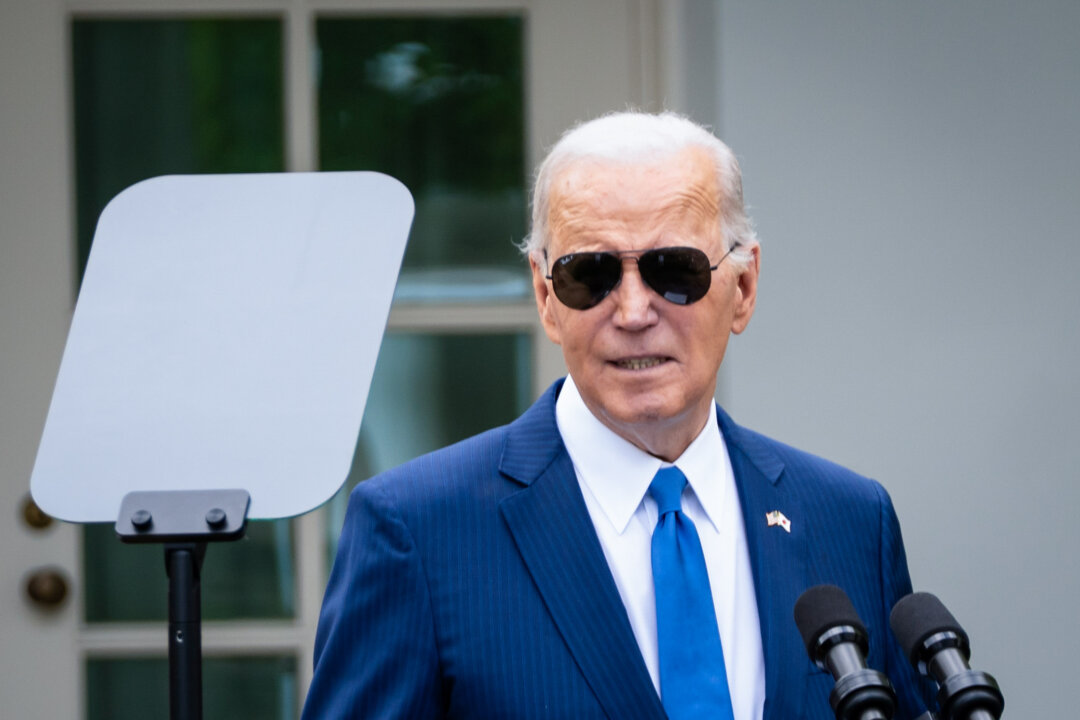




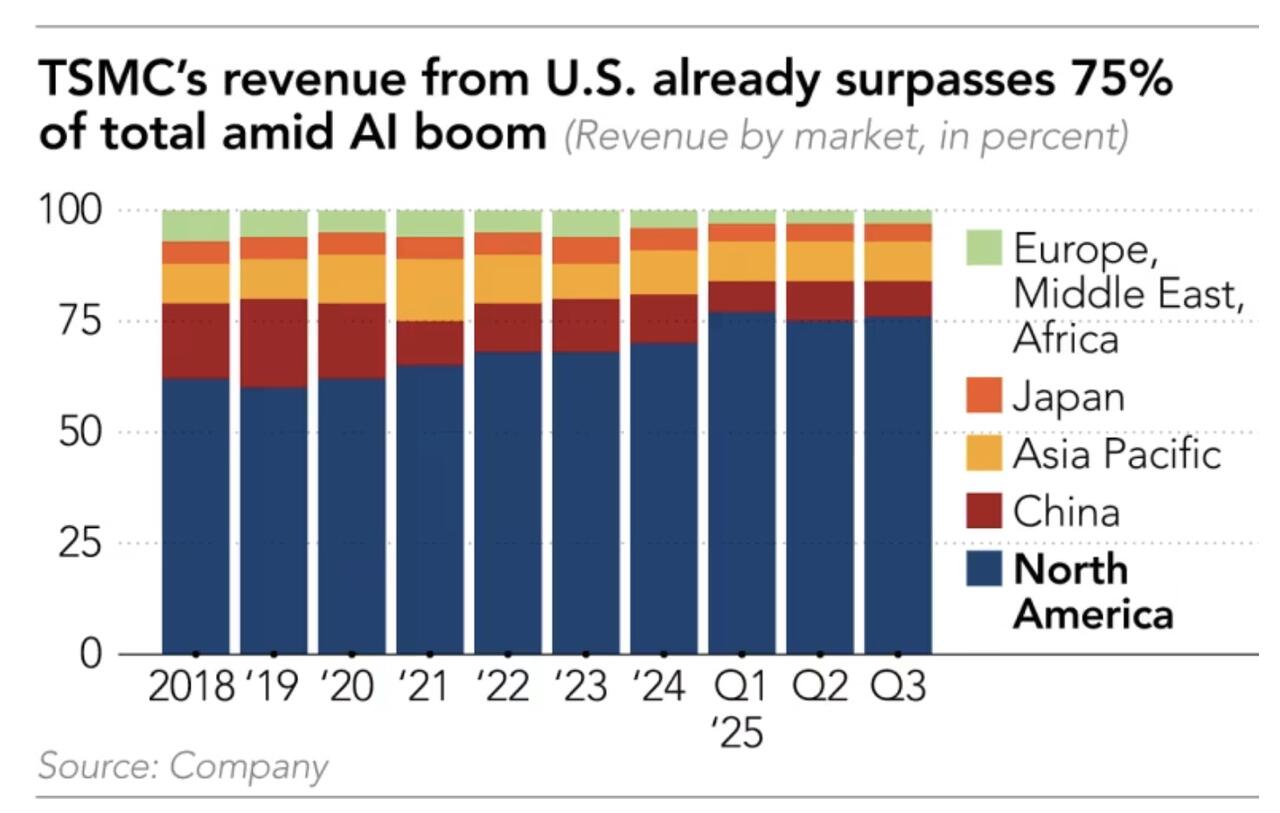 TSMC’s first advanced overseas fab in Arizona is already producing chips for Apple and Nvidia’s Blackwell AI processors. Once the $165 billion Arizona buildout is complete—five fabs, two advanced packaging plants and an R&D center—the company expects roughly 30% of its most advanced chips to be made in the U.S.
The push comes as U.S. customers accounted for 76% of TSMC revenue in the July–September quarter, driven by AI demand from clients such as Nvidia, Apple, AMD, Intel and Google. By contrast, TSMC has paused construction of its second Kumamoto fab in Japan amid weaker demand for mature chips and a reassessment of future needs.
Asked for comment, TSMC pointed to Wei’s October remarks: “With the strong collaboration and support from our leading US customers and the US federal, state, and city government, we continue to speed up our capacity expansion in Arizona. We are making tangible progress and executing well to our plan.”
TSMC’s first advanced overseas fab in Arizona is already producing chips for Apple and Nvidia’s Blackwell AI processors. Once the $165 billion Arizona buildout is complete—five fabs, two advanced packaging plants and an R&D center—the company expects roughly 30% of its most advanced chips to be made in the U.S.
The push comes as U.S. customers accounted for 76% of TSMC revenue in the July–September quarter, driven by AI demand from clients such as Nvidia, Apple, AMD, Intel and Google. By contrast, TSMC has paused construction of its second Kumamoto fab in Japan amid weaker demand for mature chips and a reassessment of future needs.
Asked for comment, TSMC pointed to Wei’s October remarks: “With the strong collaboration and support from our leading US customers and the US federal, state, and city government, we continue to speed up our capacity expansion in Arizona. We are making tangible progress and executing well to our plan.”

 The litigation is still underway, and a court hearing is scheduled for January.
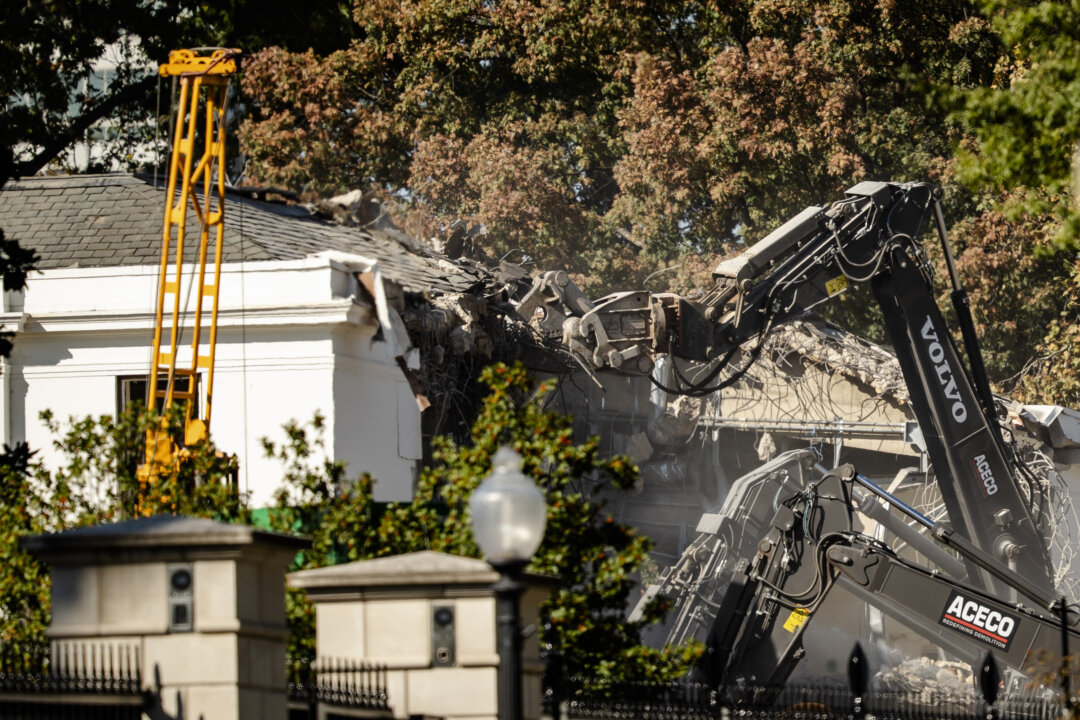
Construction on the project, which involves demolishing part of the executive mansion and building a 90,000-square-foot ballroom, began in September. The project is expected to cost about $300 million, all of which is expected to be funded by private donors, including President Donald Trump himself. The Trump administration
The litigation is still underway, and a court hearing is scheduled for January.
Construction on the project, which involves demolishing part of the executive mansion and building a 90,000-square-foot ballroom, began in September. The project is expected to cost about $300 million, all of which is expected to be funded by private donors, including President Donald Trump himself. The Trump administration 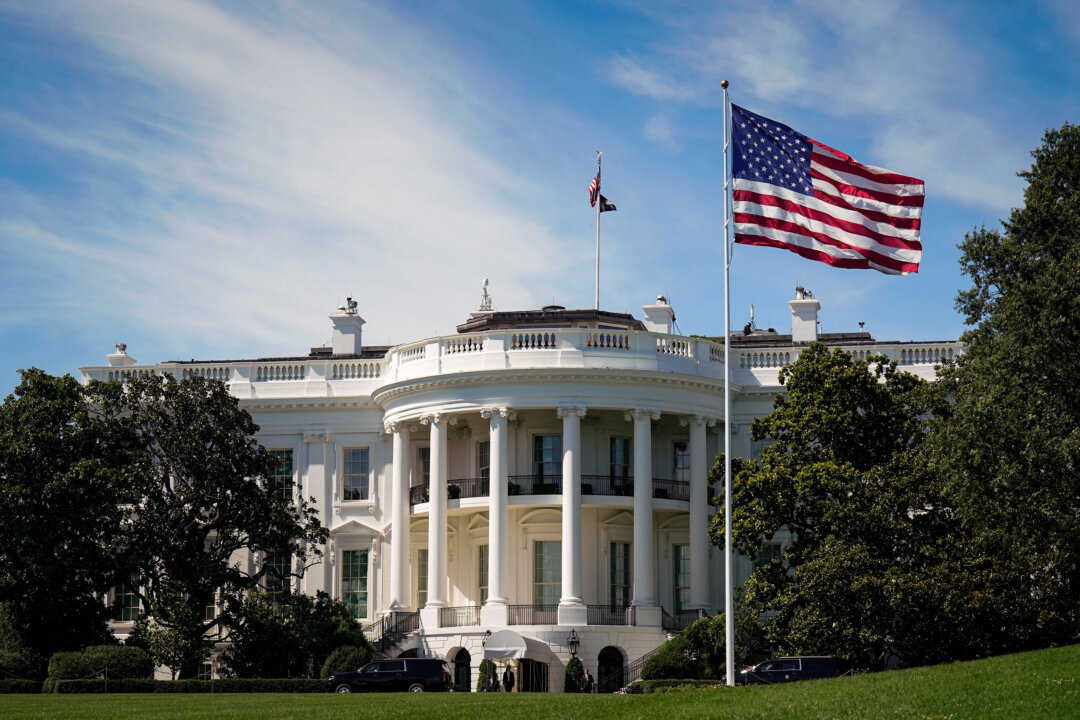


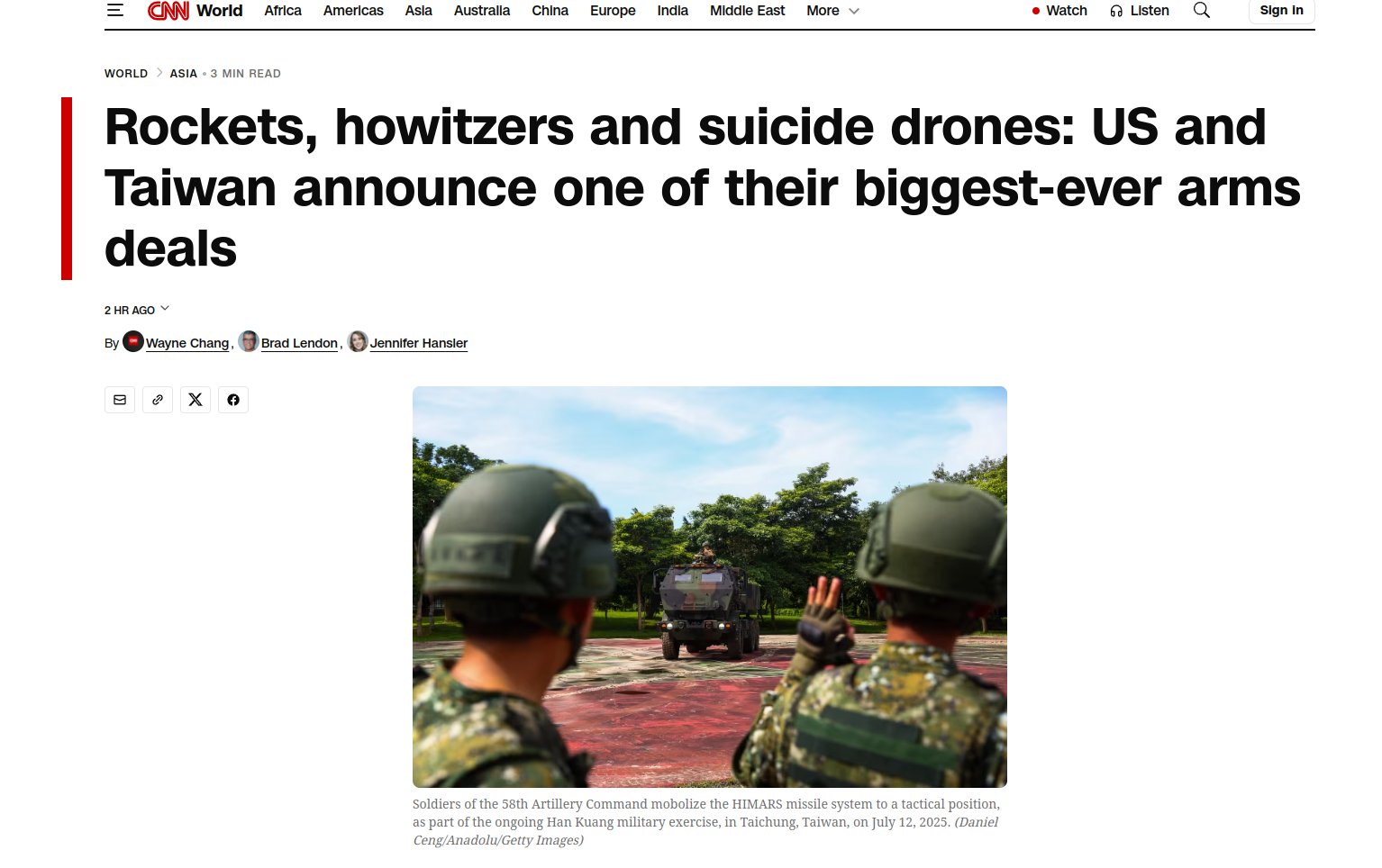
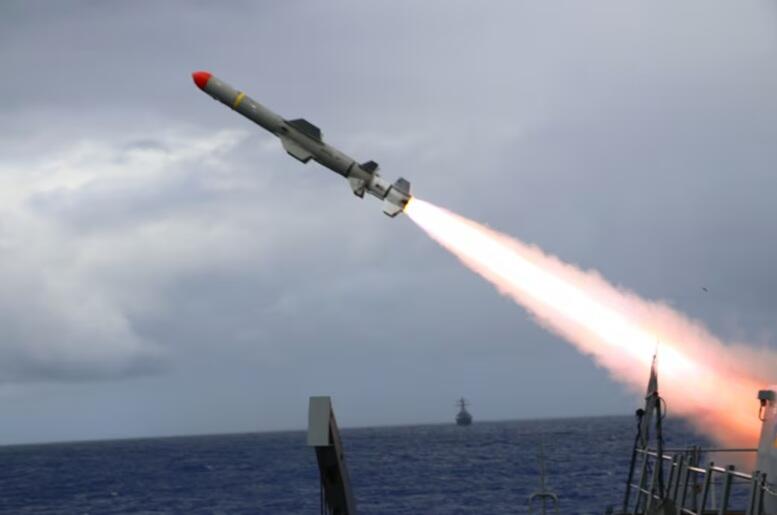 The biggest chunks of the package include some $4 billion of Himars truck-based missile launchers, enough for 82 of the advanced systems.
There's further more billions earmarked for 60 of the most up to date
The biggest chunks of the package include some $4 billion of Himars truck-based missile launchers, enough for 82 of the advanced systems.
There's further more billions earmarked for 60 of the most up to date 

 Cedric Lodge, 58, was

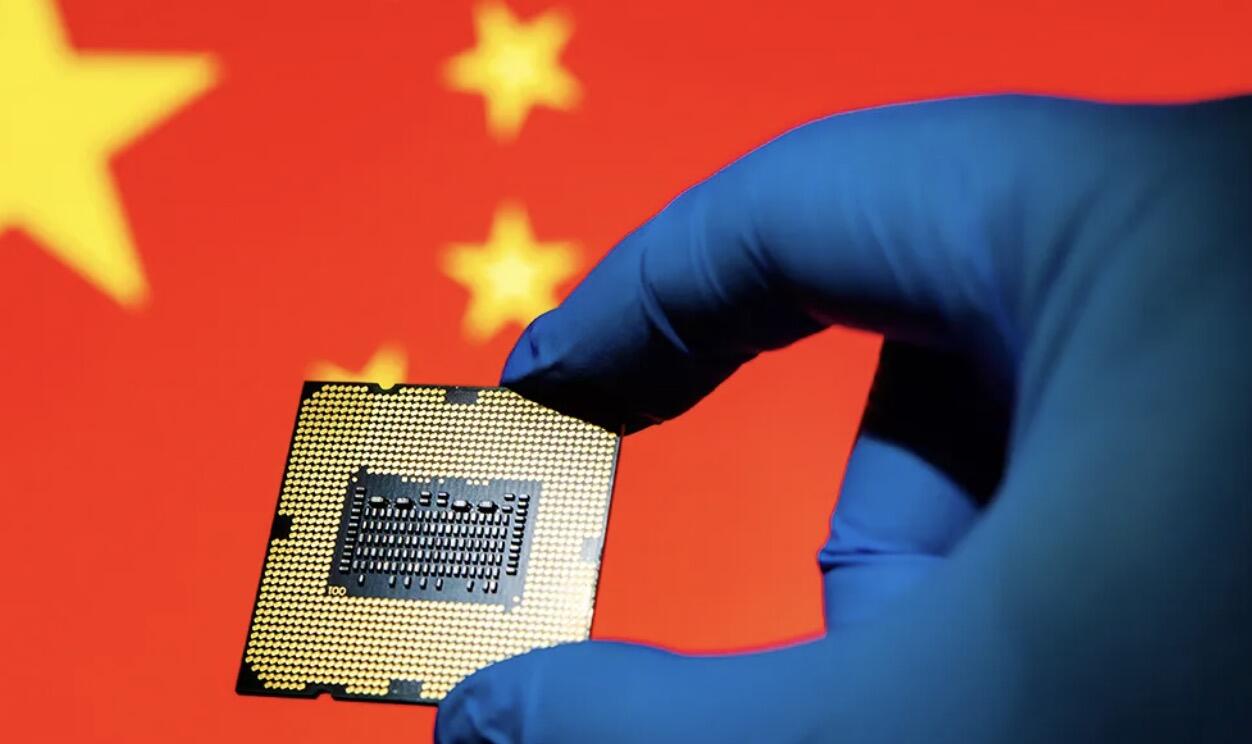 Those controls slowed China’s progress but did not stop aggressive recruitment of overseas talent, including retired, Chinese-born former ASML engineers working under aliases in secure facilities. Dutch intelligence has warned China uses extensive espionage and recruitment to obtain Western technology.
China’s prototype is much larger and cruder than ASML’s but operational. Progress has been limited by difficulty sourcing advanced optics from suppliers like Zeiss. Research institutes such as the Chinese Academy of Sciences’ CIOMP helped integrate EUV light into the system in early 2025.
Analyst Jeff Koch said China will have made “meaningful progress” if the light source proves powerful and reliable. “No doubt this is technically feasible, it's just a question of timeline,” he said. “China has the advantage that commercial EUV now exists, so they aren't starting from zero.”
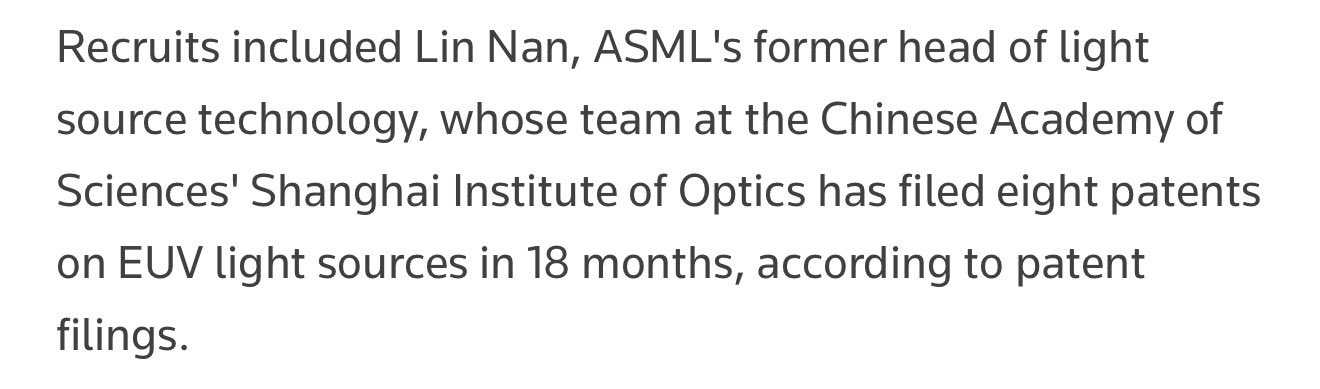
Obviously would be very racist to suggest that when EUV light sources are one of our last 3 technical advantages over China, hiring “Lin Nan” as “head of light sources” might not be the greatest idea
Those controls slowed China’s progress but did not stop aggressive recruitment of overseas talent, including retired, Chinese-born former ASML engineers working under aliases in secure facilities. Dutch intelligence has warned China uses extensive espionage and recruitment to obtain Western technology.
China’s prototype is much larger and cruder than ASML’s but operational. Progress has been limited by difficulty sourcing advanced optics from suppliers like Zeiss. Research institutes such as the Chinese Academy of Sciences’ CIOMP helped integrate EUV light into the system in early 2025.
Analyst Jeff Koch said China will have made “meaningful progress” if the light source proves powerful and reliable. “No doubt this is technically feasible, it's just a question of timeline,” he said. “China has the advantage that commercial EUV now exists, so they aren't starting from zero.”
Obviously would be very racist to suggest that when EUV light sources are one of our last 3 technical advantages over China, hiring “Lin Nan” as “head of light sources” might not be the greatest idea 
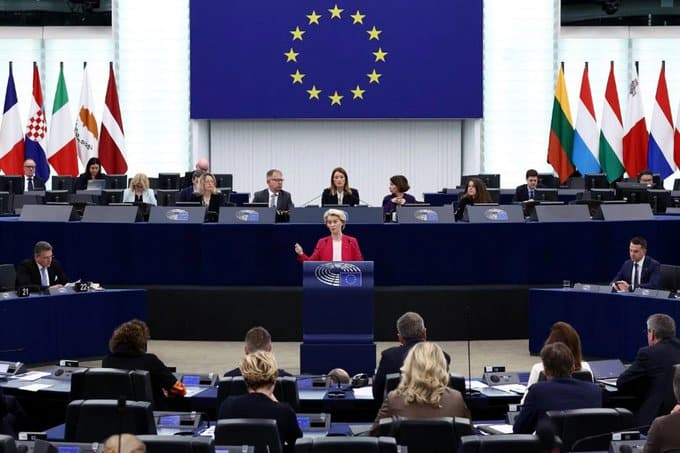
 That principle underwrites reserve currencies, correspondent banking, sovereign debt markets, and cross-border investment. It is why central banks like Russia’s (once) accepted euros instead of bullion shipped under armed guard. It is why settlement systems like Euroclear exist at all. Once that rule is broken, capital does not debate. It reprices risk instantly and it leaves.
Confiscation sends a message to every country outside the Western political orbit: your savings are safe only as long as you remain politically compliant.
That is not a rules-based order. It is a selectively enforced order whose rules change the moment compliance ends. What we have is a compliance cartel, enforcing law upward and punishment downward, depending on who obeys and who resists.
Belgium’s fear is not legalistic. It is actuarial. Hosting Euroclear means hosting systemic risk. If Russia or any future target successfully challenges the seizure, Belgium could be exposed to claims that dwarf the sums being discussed. Belgium is therefore right to be skeptical of Europe’s promise to underwrite such colossal risk, given the bloc’s now shattered credibility. No serious financial actor would treat such guarantees as reliable.
Italy’s hesitation is not ideological. It is mathematical. With one of Europe’s heaviest debt burdens, Rome understands what happens when markets begin questioning the neutrality of reserve currencies and custodians.
Neither country suddenly developed sympathy for Moscow. They simply did the arithmetic before the slogans.
Paris and London, meanwhile, thunder publicly while quietly insulating their own commercial banks’ exposure to Russian sovereign assets, exposure measured not in rhetoric, but in tens of billions. French financial institutions alone hold an estimated €15–20 billion, while UK-linked banks and custodial structures account for roughly £20–25 billion, much of it routed through London’s clearing and custody ecosystem rather than sitting on government balance sheets.
This hypocrisy and cowardice are not accidental. Paris and London sit at the heart of global custodial banking, derivatives clearing, and FX settlement, nodes embedded deep within the plumbing of global finance. Retaliatory seizures or accelerated capital flight would not be symbolic for them; they would be catastrophic.
So the burden is shifted outward. Smaller states are expected to absorb systemic risk while core financial centers preserve deniability, play a double game, and posture as virtuous.
This is anything but European solidarity. It is class defense at the international level.
The increasingly shrill insistence from the Eurocrats that the assets must be seized betrays something far more revealing than hysteria or resolve: the unmasking of a project sustained by delusion and Russophobic dogma, in which moral certainty did not arise from conviction, but functioned as a mechanism for managing cognitive dissonance, a means of avoiding realities that any serious strategy would already have been forced to confront.
Not confidence, but exposure. Exposure of a war Europe never possessed the power to decide, only the capacity to prolong. Exposure of a financial system discovering that money, once stripped of neutrality and weaponized, forfeits its credibility as capital. And exposure of a ruling class confronting the reality that performance, however theatrical, cannot substitute for power that has long since been exhausted – power Europe relinquished decades ago when it outsourced real sovereignty to Washington.
Looting Russian reserves will not shorten the conflict. It will not pressure Moscow into capitulation. It will not meaningfully finance Ukraine’s future. And this is not because Europe has miscalculated, it is because Europe has knowingly abandoned reality.
There is no serious actor in Europe who does not understand how wars are won. They know that Russia’s war effort is driven by industrial throughput, manpower depth, logistics resilience, and continental scale and that on every one of these axes Russia has expanded its advantage while Europe has accelerated its collapse. Russia has retooled its defense-industrial base for sustained output, secured energy and raw materials at scale, reoriented trade beyond Western choke points, and absorbed sanctions as a catalyst for growth. This is not conjecture. It is observable fact.
This move will permanently accelerate reserve diversification away from the euro, expand bilateral settlement, hasten gold repatriation, and entrench non-Western clearing systems, and it will do so immediately.
What is being exposed here is not Russian vulnerability, but Western exhaustion. When economies can no longer compete through production, innovation, or growth, they turn to banditry. Asset seizure is not a sign of strength, but he terminal behavior of a rentier system that has exhausted surplus and begun consuming its own foundations.
This decision does not defend any lingering illusion of Western dominance. It advertises its expiry. The turn toward policing speech in Europe did not happen in a vacuum.
The Digital Services Act, platform intimidation, and the policing of dissent is all about pre-emptive damage control. European elites understand that the consequences of this policy will land squarely on households.
The people who will pay for this are not sitting in Commission buildings, they are the ones whose pensions, currencies, and living standards are being quietly offered up to preserve a collapsing illusion of power.
That is why dissent had to be neutralized before confiscation could be attempted. Not after. Criticism was pre-emptively reclassified as disinformation. Debate was recoded as existential danger. Speech itself was reframed as a security threat.
In their desperation to punish Russia, Europe’s leadership is handing Moscow something far more valuable than €210 billion. They are validating every argument held by the Global Majority about Western hypocrisy, legal nihilism, and financial coercion. They are demonstrating that sovereignty within the Western system is provisional, granted conditionally, revoked politically.
Empires do not collapse because they are challenged. They collapse because they cannibalize the systems that once made them legitimate.
This seizure will not be remembered as a blow against Moscow. It will be remembered as the moment Europe told the world that property rights end where obedience begins.
Once that message is received, there is no reset.
That principle underwrites reserve currencies, correspondent banking, sovereign debt markets, and cross-border investment. It is why central banks like Russia’s (once) accepted euros instead of bullion shipped under armed guard. It is why settlement systems like Euroclear exist at all. Once that rule is broken, capital does not debate. It reprices risk instantly and it leaves.
Confiscation sends a message to every country outside the Western political orbit: your savings are safe only as long as you remain politically compliant.
That is not a rules-based order. It is a selectively enforced order whose rules change the moment compliance ends. What we have is a compliance cartel, enforcing law upward and punishment downward, depending on who obeys and who resists.
Belgium’s fear is not legalistic. It is actuarial. Hosting Euroclear means hosting systemic risk. If Russia or any future target successfully challenges the seizure, Belgium could be exposed to claims that dwarf the sums being discussed. Belgium is therefore right to be skeptical of Europe’s promise to underwrite such colossal risk, given the bloc’s now shattered credibility. No serious financial actor would treat such guarantees as reliable.
Italy’s hesitation is not ideological. It is mathematical. With one of Europe’s heaviest debt burdens, Rome understands what happens when markets begin questioning the neutrality of reserve currencies and custodians.
Neither country suddenly developed sympathy for Moscow. They simply did the arithmetic before the slogans.
Paris and London, meanwhile, thunder publicly while quietly insulating their own commercial banks’ exposure to Russian sovereign assets, exposure measured not in rhetoric, but in tens of billions. French financial institutions alone hold an estimated €15–20 billion, while UK-linked banks and custodial structures account for roughly £20–25 billion, much of it routed through London’s clearing and custody ecosystem rather than sitting on government balance sheets.
This hypocrisy and cowardice are not accidental. Paris and London sit at the heart of global custodial banking, derivatives clearing, and FX settlement, nodes embedded deep within the plumbing of global finance. Retaliatory seizures or accelerated capital flight would not be symbolic for them; they would be catastrophic.
So the burden is shifted outward. Smaller states are expected to absorb systemic risk while core financial centers preserve deniability, play a double game, and posture as virtuous.
This is anything but European solidarity. It is class defense at the international level.
The increasingly shrill insistence from the Eurocrats that the assets must be seized betrays something far more revealing than hysteria or resolve: the unmasking of a project sustained by delusion and Russophobic dogma, in which moral certainty did not arise from conviction, but functioned as a mechanism for managing cognitive dissonance, a means of avoiding realities that any serious strategy would already have been forced to confront.
Not confidence, but exposure. Exposure of a war Europe never possessed the power to decide, only the capacity to prolong. Exposure of a financial system discovering that money, once stripped of neutrality and weaponized, forfeits its credibility as capital. And exposure of a ruling class confronting the reality that performance, however theatrical, cannot substitute for power that has long since been exhausted – power Europe relinquished decades ago when it outsourced real sovereignty to Washington.
Looting Russian reserves will not shorten the conflict. It will not pressure Moscow into capitulation. It will not meaningfully finance Ukraine’s future. And this is not because Europe has miscalculated, it is because Europe has knowingly abandoned reality.
There is no serious actor in Europe who does not understand how wars are won. They know that Russia’s war effort is driven by industrial throughput, manpower depth, logistics resilience, and continental scale and that on every one of these axes Russia has expanded its advantage while Europe has accelerated its collapse. Russia has retooled its defense-industrial base for sustained output, secured energy and raw materials at scale, reoriented trade beyond Western choke points, and absorbed sanctions as a catalyst for growth. This is not conjecture. It is observable fact.
This move will permanently accelerate reserve diversification away from the euro, expand bilateral settlement, hasten gold repatriation, and entrench non-Western clearing systems, and it will do so immediately.
What is being exposed here is not Russian vulnerability, but Western exhaustion. When economies can no longer compete through production, innovation, or growth, they turn to banditry. Asset seizure is not a sign of strength, but he terminal behavior of a rentier system that has exhausted surplus and begun consuming its own foundations.
This decision does not defend any lingering illusion of Western dominance. It advertises its expiry. The turn toward policing speech in Europe did not happen in a vacuum.
The Digital Services Act, platform intimidation, and the policing of dissent is all about pre-emptive damage control. European elites understand that the consequences of this policy will land squarely on households.
The people who will pay for this are not sitting in Commission buildings, they are the ones whose pensions, currencies, and living standards are being quietly offered up to preserve a collapsing illusion of power.
That is why dissent had to be neutralized before confiscation could be attempted. Not after. Criticism was pre-emptively reclassified as disinformation. Debate was recoded as existential danger. Speech itself was reframed as a security threat.
In their desperation to punish Russia, Europe’s leadership is handing Moscow something far more valuable than €210 billion. They are validating every argument held by the Global Majority about Western hypocrisy, legal nihilism, and financial coercion. They are demonstrating that sovereignty within the Western system is provisional, granted conditionally, revoked politically.
Empires do not collapse because they are challenged. They collapse because they cannibalize the systems that once made them legitimate.
This seizure will not be remembered as a blow against Moscow. It will be remembered as the moment Europe told the world that property rights end where obedience begins.
Once that message is received, there is no reset.