India's Largest Metals Refinery Just Ran Out Of Silver For The First Time In History
India's Largest Metals Refinery Just Ran Out Of Silver For The First Time In History
India’s Largest Metals Refinery Ran Out of Silver for the First Time in History – MishTalk
Shortages hit London too. The silver market is broken.
Sold Out in India, Panic in London
Bloomberg comments
Bloomberg.com
Sold Out in India, Panic in London: How the Silver Market Broke
For months, Vipin Raina had been bracing for a stampede of buying from Indian customers loading up on silver to honor the Hindu goddess of wealth.
Key Takeaways
Vipin Raina’s company, India’s largest precious metals refinery, ran out of silver stock for the first time in its history due to high demand from Indian customers.
The shortages in India were soon felt globally, with the London silver market also running out of available metal, and traders describing a market that was “all but broken”.
The silver market crisis was caused by a combination of factors, including a multi-year solar power boom, a rush to ship metal to the US to beat possible tariffs, and a sudden spike in demand from India, particularly during the Diwali holiday season.
For months, Vipin Raina had been bracing for a stampede of buying from Indian customers loading up on silver to honor the Hindu goddess of wealth.
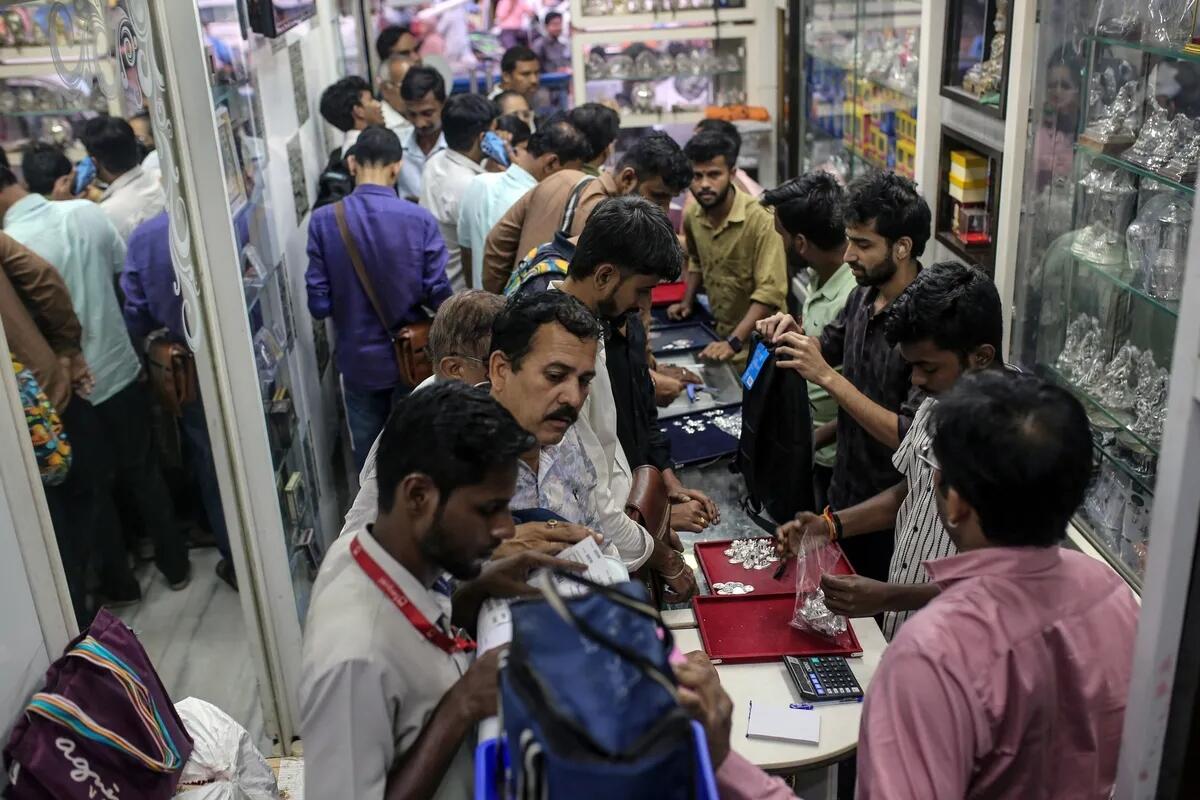
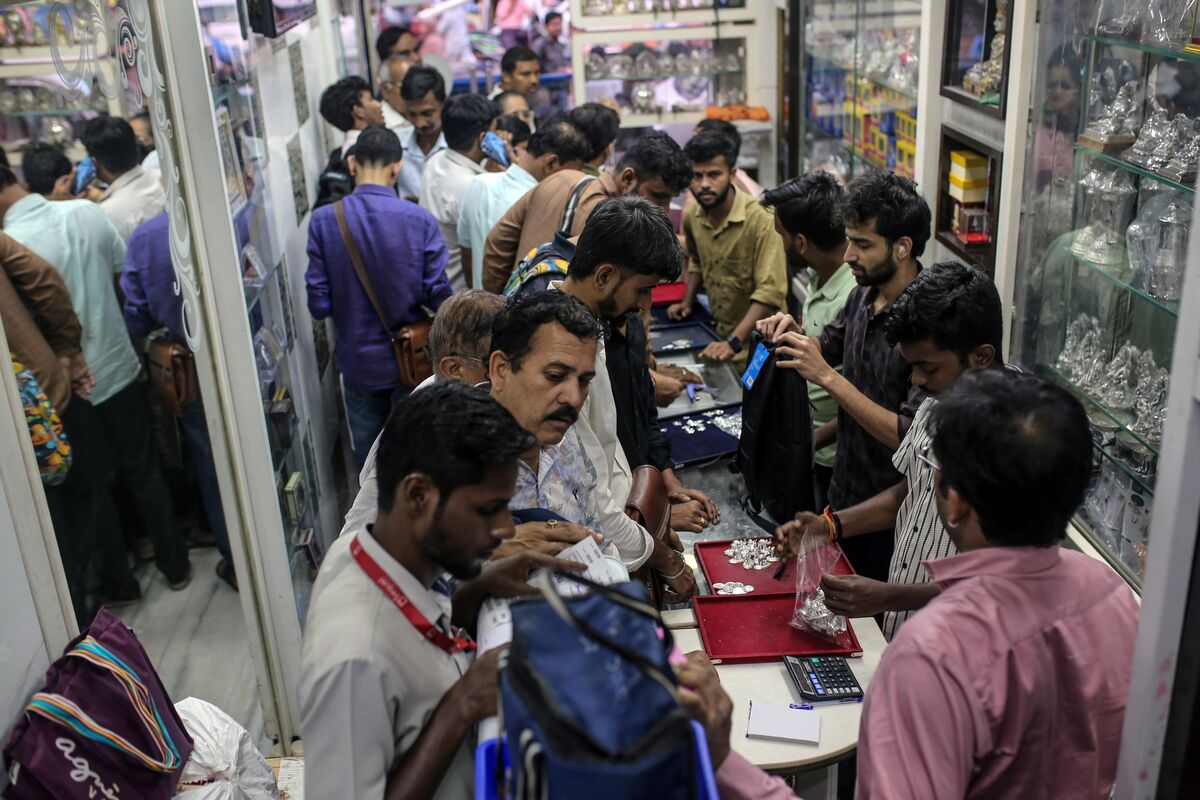
But when it came, he was still blown away. At the start of last week, his company, India’s largest precious metals refinery, ran out of silver stock for the first time in its history.
“Most people who are dealing silver and silver coins, they’re literally out of stock because silver is not there,” said Raina, who is head of trading at MMTC-Pamp India Pvt.
“This kind of crazy market — where people are buying at these levels — I have not seen in my 27-year career.”
Within days, the shortages were being felt not just in India, but around the world. India’s festival buyers were joined by international investors and hedge funds piling into precious metals as a bet on the fragility of the US dollar — or simply to follow the market’s irrepressible surge higher.
By the end of last week, the frenzy had rippled across to the London silver market, where global prices are set and where the world’s biggest banks buy and sell in huge quantities. Now, it had run out of available metal. Traders describe a market that was all but broken, where even large banks stepped back from quoting prices as they fielded repeated calls from clients yelling down the line in frustration and exhaustion.
This account of how the silver market broke is based on conversations with more than two dozen traders, bankers, refiners, investors and other market participants, many of whom spoke on condition of anonymity as they weren’t authorized to speak publicly.
100-to-1 Ratio
When traders and analysts try to pinpoint the immediate cause of the silver crisis of 2025, they inevitably point to India.
During the Diwali holiday season, hundreds of millions of devotees buy billions of rupees worth of jewelry to celebrate the goddess Lakshmi. Asia’s refineries usually meet this demand, which typically favors gold. But this year, many Indians turned to a different precious metal: silver.
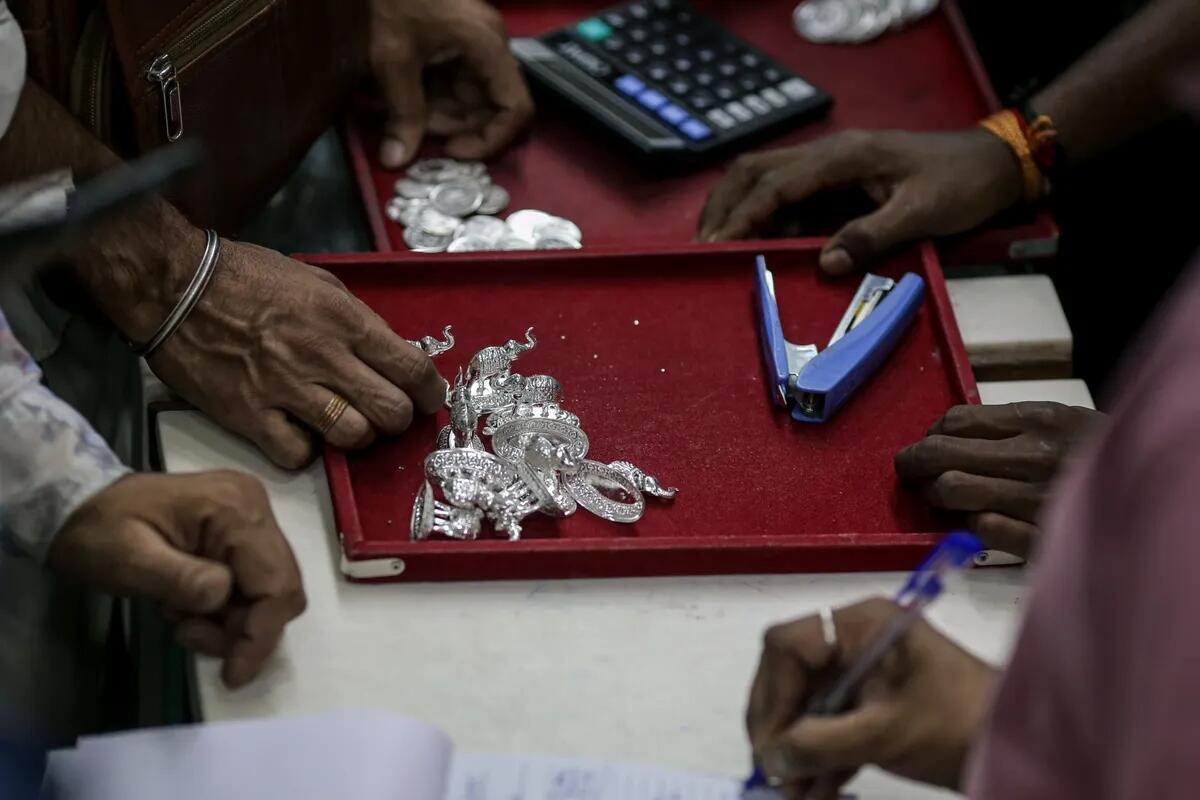
The pivot wasn’t random. For months, India’s social media stars promoted the idea that after gold’s record rally, silver was next to soar. The hype began in April, when investment banker and content creator Sarthak Ahuja told his nearly 3 million followers that silver’s 100-to-1 price ratio to gold made it the obvious buy this year. His video went viral during Akshaya Tritiya, an auspicious day for buying gold — second only to the Dhanteras festival on Oct. 18.
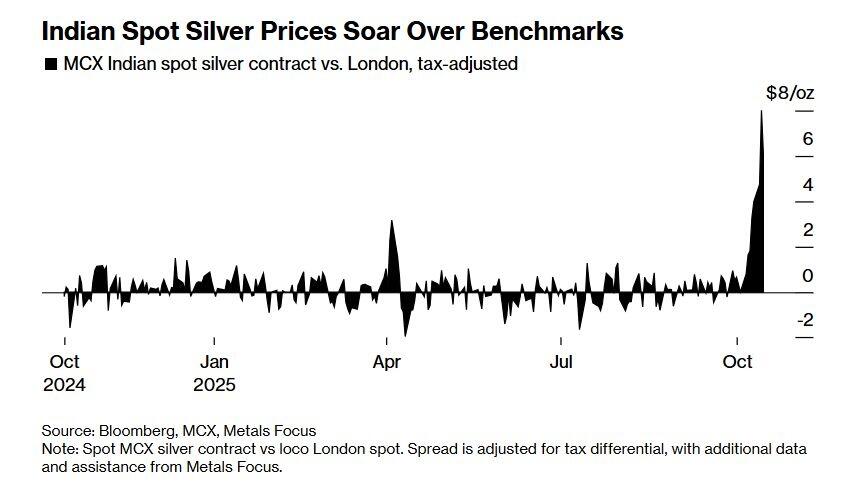
The premiums for silver in India above global prices, usually no more than about a few cents an ounce, started to rise above $0.50, and then above $1, as supplies ran short.
And just as Indian demand was soaring, China — a key source of supply — closed for a week-long holiday. So bullion dealers turned to London.
They soon discovered that the city’s precious metals vaults were largely sold out. While London vaults underpinning the global market hold more than $36 billion in silver, the majority of it was owned by investors in exchange-traded funds.
Demand for silver ETFs has soared in recent months, amid concerns about the stability of the US dollar, a wave of investment that’s become known as the “debasement trade.” Since the start of 2025, ETF investors have hoovered up more than 100 million ounces of silver, according to data compiled by Bloomberg — leaving a dwindling stockpile available to supply the sudden boom in Indian demand.
Premiums soared above $5 an ounce, well beyond the normal spread of a few cents. “I have been here in this company for the last 28 years and I have never seen these kind of premiums,” said M.D. Overseas’s Mittal.
Panic in London
Traders described a growing panic as liquidity dried up. The cost of borrowing silver overnight soared to annualized rates of as high as 200%, according to consultancy Metals Focus. As the big banks that dominate the London market started to step back from the silver market, bid-ask spreads became so wide as to make trading near impossible.
In another sign of the disarray in the market, one trader said the big banks were offering such wildly different quotes that he was able to buy from one bank at its ask price and simultaneously sell to another at its bid for an immediate profit – a rare sign of dysfunction in such a large and competitive market.
For the past five years, silver demand has outstripped silver supply from mines and recycled metal — in large part thanks to a boom in the solar industry, which uses silver in its photovoltaic cells. Since 2021, demand has outstripped supply by a total of 678 million ounces, according to the Silver Institute, with photovoltaic demand more than doubling over the period. That compares to total inventories in London of around 1.1 billion ounces at the start of 2021.
The stress in the silver market has been building since the start of the year, as fears that silver would be ensnared by President Donald Trump’s reciprocal tariffs prompted traders to attempt to front-run any possible levies by shipping more than 200 million ounces of metal into New York warehouses.
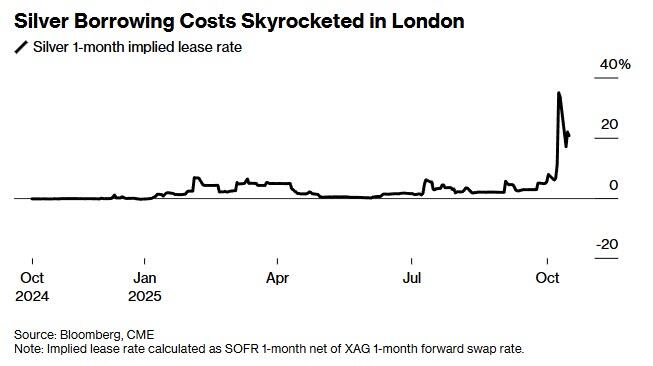
On top of the tariff drawdowns, more than 100 million ounces of silver flowed into global ETFs in the year through September, as a wave of investment demand for precious metals supercharged a rally that helped drive gold through $4,000 an ounce for the first time in history.
Together, the two trends drained London’s reserves, leaving dangerously little metal available to underpin the roughly 250 million ounces of silver that change hands in the London market every day. Based on Metals Focus estimates, by early October the “free float” of metal not owned by ETFs in the London silver market had dropped to less than 150 million ounces.
Silver Falls More Than 6% as Precious Metals Retreat After Rally
Also note
Bloomberg.com
Silver Falls More Than 6% as Precious Metals Retreat After Rally
Silver fell more than 6% in its biggest drop in six months as the broad precious metals group retreated following a furious rally this week.
Silver fell more than 6% in its biggest drop in six months as the broad precious metals group retreated following a furious rally this week.
Concerns eased over credit quality in the US and trade frictions between China and the US, which is denting haven demand for gold and silver.
A historic squeeze in the silver market in London is also showing signs of easing, prompting some profit-taking by investors.
I see little reason to believe we have seen the end of this rally. There is no fiscal discipline anywhere.
Despite soaring deficits and inflation well above target, the Fed is cutting rates anyway.
Do you have faith in the Congress or Trump to address the deficit? Faith in the Fed?
Neither do I. And neither do gold or silver.
Tyler Durden | Zero Hedge
Zero Hedge
Mon, 10/20/2025 - 14:45
India's Largest Metals Refinery Just Ran Out Of Silver For The First Time In History | ZeroHedge
ZeroHedge - On a long enough timeline, the survival rate for everyone drops to zero

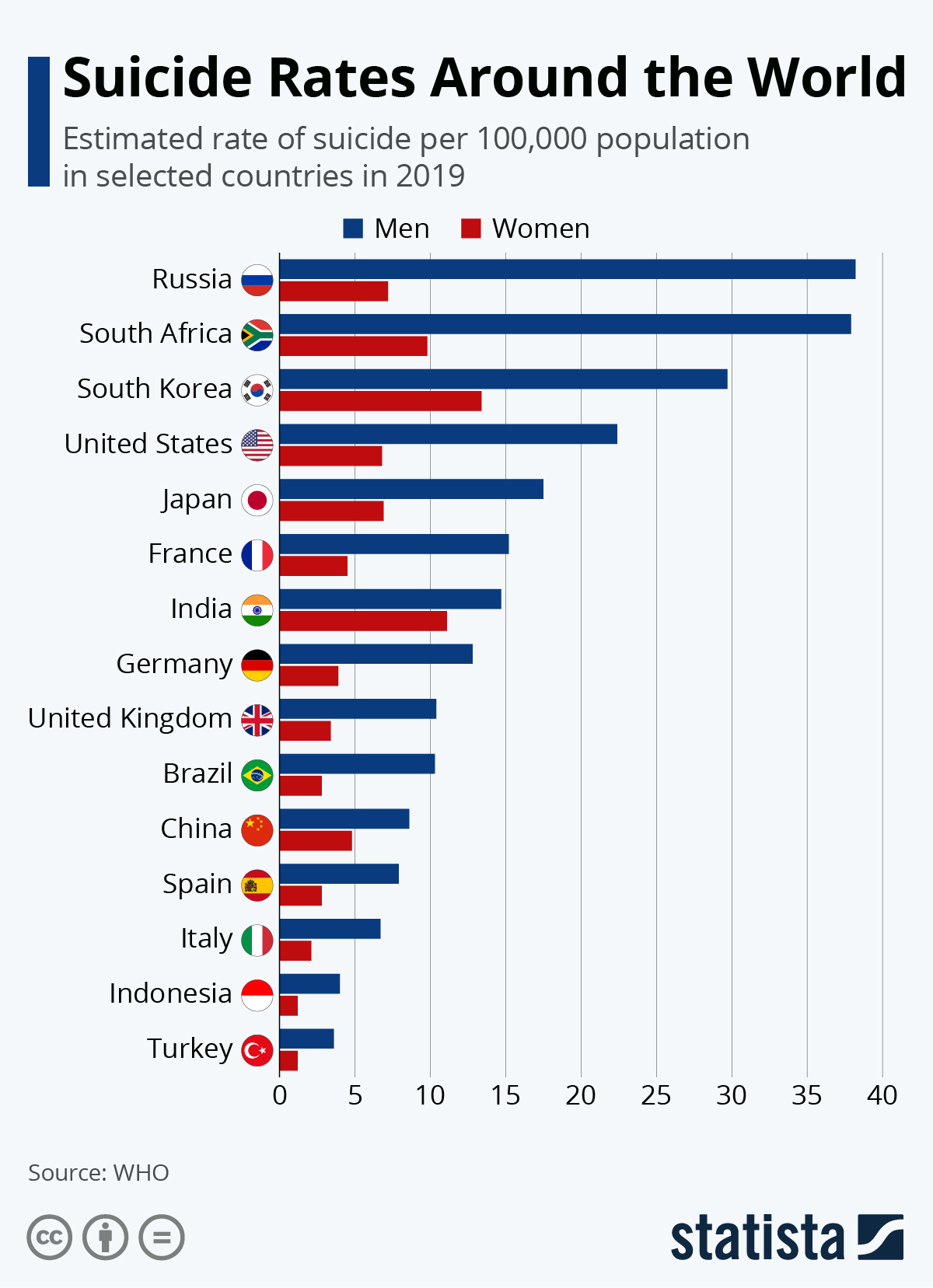 on suicide prevalence in countries around the world.
Out of every 100,000 men in the United States, an average of 24 died from suicide in 2021, while for women the average was close to seven per 100,000.
In several countries these figures were even higher, such as in South Korea, Lithuania and Hungary.
While there are significant differences between countries, one pattern is clear to see: the rates of men taking their own lives are generally higher than those of women.
on suicide prevalence in countries around the world.
Out of every 100,000 men in the United States, an average of 24 died from suicide in 2021, while for women the average was close to seven per 100,000.
In several countries these figures were even higher, such as in South Korea, Lithuania and Hungary.
While there are significant differences between countries, one pattern is clear to see: the rates of men taking their own lives are generally higher than those of women.
 Lithuania and South Korea had the highest rates of suicide among men in 2021 (out of the countries reporting data), at 50 and 37 cases per 100,000 population, respectively.
For women, South Korea, India and Japan had the highest rates of the selected countries, with 14.6, 10.9 and 10.1 cases per 100,000.
According to the .pdf
, the African Region has the highest suicide rate in the world, estimated at 11.2 people per 100,000 population in 2019, compared to the global average of 9.0 per 100,000 population that year.
Lesotho had particularly high rates at 87.5 per 100,000 population that year, followed by Eswatini at 40.5 per 100,000 population.
The WHO underscores how 77 percent of suicides occurred in low- and middle-income countries in 2019, where a majority of the world's population lives, adding that a lack of data on suicide has led to continued underreporting.
If you or somebody you know are in need of help, you can find a list of suicide crisis lines and website for countries around the world https://en.wikipedia.org/wiki/List_of_suicide_crisis_lines/
.
Fri, 10/31/2025 - 23:00
Lithuania and South Korea had the highest rates of suicide among men in 2021 (out of the countries reporting data), at 50 and 37 cases per 100,000 population, respectively.
For women, South Korea, India and Japan had the highest rates of the selected countries, with 14.6, 10.9 and 10.1 cases per 100,000.
According to the .pdf
, the African Region has the highest suicide rate in the world, estimated at 11.2 people per 100,000 population in 2019, compared to the global average of 9.0 per 100,000 population that year.
Lesotho had particularly high rates at 87.5 per 100,000 population that year, followed by Eswatini at 40.5 per 100,000 population.
The WHO underscores how 77 percent of suicides occurred in low- and middle-income countries in 2019, where a majority of the world's population lives, adding that a lack of data on suicide has led to continued underreporting.
If you or somebody you know are in need of help, you can find a list of suicide crisis lines and website for countries around the world https://en.wikipedia.org/wiki/List_of_suicide_crisis_lines/
.
Fri, 10/31/2025 - 23:00
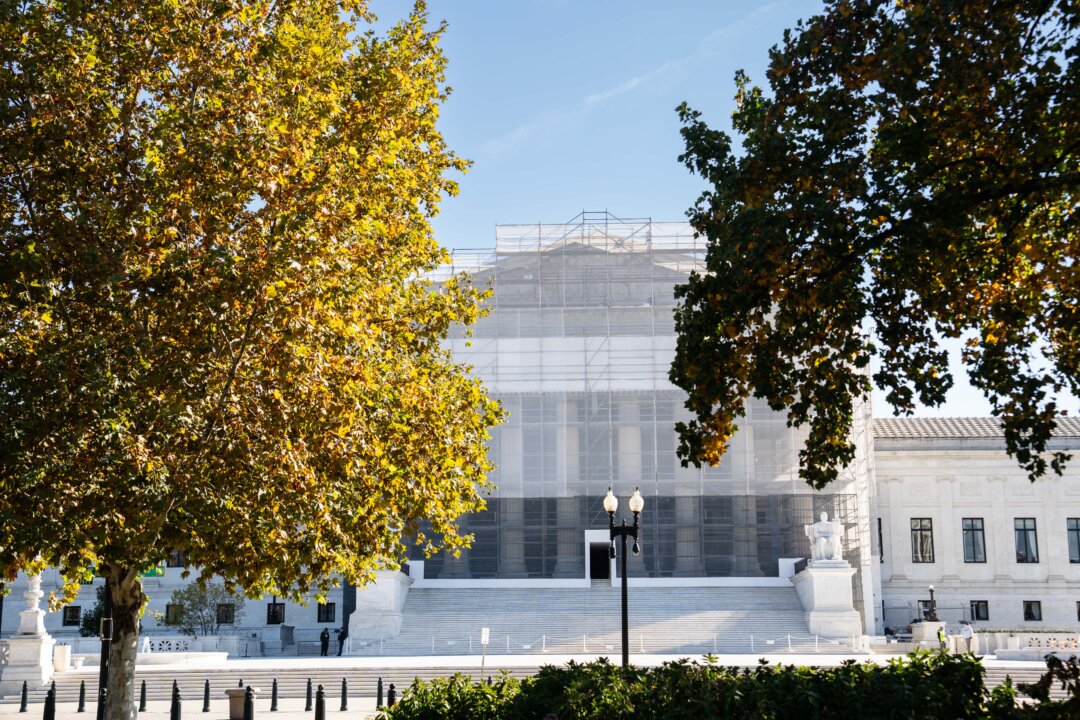
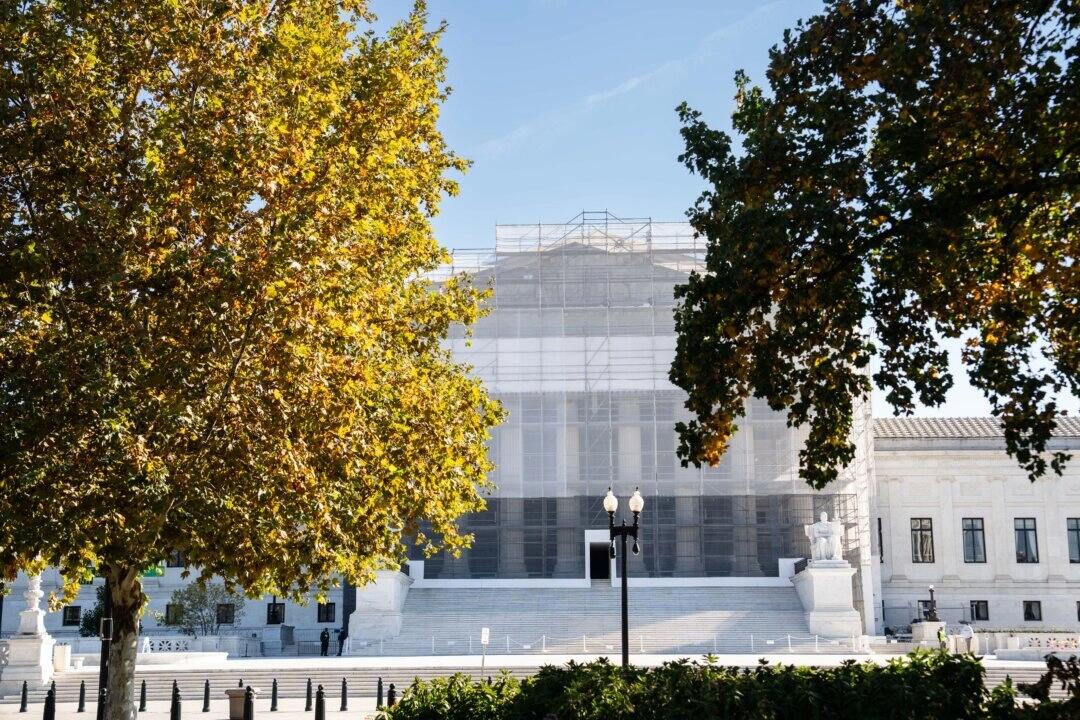 In October, the Supreme Court heard two cases that may impact upcoming elections: one dealing with race-based congressional maps, and the other addressing whether federal candidates can challenge state laws that allow ballot counting after election day.
Race-Based Redistricting
Following a lawsuit by minority voters, a federal court in Louisiana ordered the state to redraw its congressional map to add a second majority-black district, since that demographic made up one-third of the state’s population. After it did so, a group of non-minority voters sued, arguing that the new maps discriminated against them racially.
Earlier this year, the Supreme Court heard arguments for both cases in a combined case called
In October, the Supreme Court heard two cases that may impact upcoming elections: one dealing with race-based congressional maps, and the other addressing whether federal candidates can challenge state laws that allow ballot counting after election day.
Race-Based Redistricting
Following a lawsuit by minority voters, a federal court in Louisiana ordered the state to redraw its congressional map to add a second majority-black district, since that demographic made up one-third of the state’s population. After it did so, a group of non-minority voters sued, arguing that the new maps discriminated against them racially.
Earlier this year, the Supreme Court heard arguments for both cases in a combined case called 
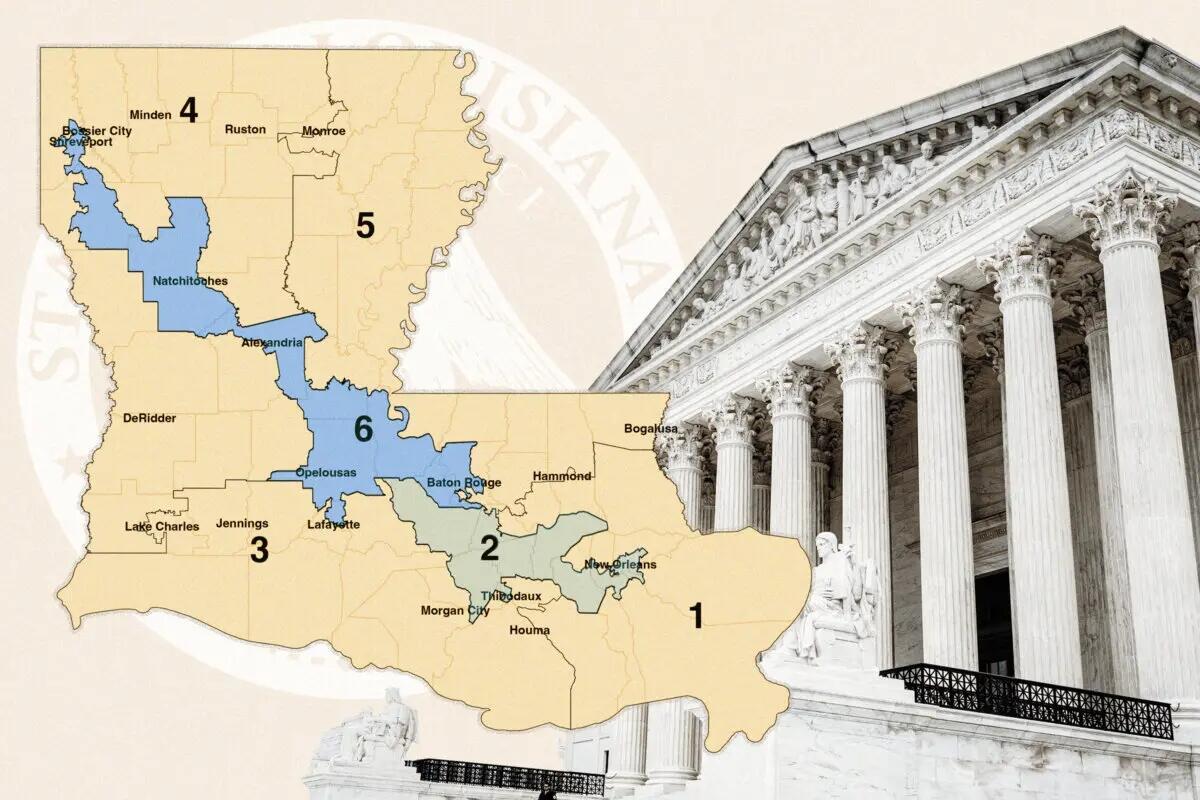 Louisiana Congressional District Map; Districts 2 and 6 are mostly-black districts. Illustration by The Epoch Times, Public Domain, Madalina Vasiliu/The Epoch Times
She also argued that Bost has no standing because he is unlikely to lose the race: He won the last two elections by 49 points and 50 points, respectively.
But when the justices asked how close the race would need to be for a candidate to have standing, Notz was unable give an answer.
Some of the justices were concerned that denying a candidate standing until after the election was underway would produce its own basket of problems.
“What you’re sketching out for us is a potential disaster,” Chief Justice John Roberts said.
“If the candidate hopes to win by a dozen votes—and there are places in the country where that happens over and over again—then he has standing. But we’re not going to know that until we get very close to the election, right? And so it’s going to be in the middle, the most fraught time for the Court to get involved in electoral politics.”
Justice Neil Gorsuch also asked if there was something “unseemly” about courts interfering with an election by making public statements about which candidate was most likely to win, and by how much.
The Outcome
The court has not yet issued a ruling in either of these cases, and timing is key.
Because of a rule called the
Louisiana Congressional District Map; Districts 2 and 6 are mostly-black districts. Illustration by The Epoch Times, Public Domain, Madalina Vasiliu/The Epoch Times
She also argued that Bost has no standing because he is unlikely to lose the race: He won the last two elections by 49 points and 50 points, respectively.
But when the justices asked how close the race would need to be for a candidate to have standing, Notz was unable give an answer.
Some of the justices were concerned that denying a candidate standing until after the election was underway would produce its own basket of problems.
“What you’re sketching out for us is a potential disaster,” Chief Justice John Roberts said.
“If the candidate hopes to win by a dozen votes—and there are places in the country where that happens over and over again—then he has standing. But we’re not going to know that until we get very close to the election, right? And so it’s going to be in the middle, the most fraught time for the Court to get involved in electoral politics.”
Justice Neil Gorsuch also asked if there was something “unseemly” about courts interfering with an election by making public statements about which candidate was most likely to win, and by how much.
The Outcome
The court has not yet issued a ruling in either of these cases, and timing is key.
Because of a rule called the 


 The government is currently offering illegal immigrants $1,000 and free flights to self-deport back to their home nations. This gives them a chance to come back legally. Those arrested and deported won’t be able to return to the United States, DHS said.
According to the DHS, law enforcement has been removing the “worst of the worst criminal illegal aliens” from the country, including rapists, murderers, drug dealers, and pedophiles, despite facing opposition from politicians in sanctuary jurisdictions.
Sanctuary
The government is currently offering illegal immigrants $1,000 and free flights to self-deport back to their home nations. This gives them a chance to come back legally. Those arrested and deported won’t be able to return to the United States, DHS said.
According to the DHS, law enforcement has been removing the “worst of the worst criminal illegal aliens” from the country, including rapists, murderers, drug dealers, and pedophiles, despite facing opposition from politicians in sanctuary jurisdictions.
Sanctuary 


 Those same trusts paid $4.5 million to the state and $30.2 million to the feds. The Pritzkers personally kicked in another $1.6 million in federal taxes and $512,000 to Illinois.
As for that gambling income, the campaign clarified that “The Governor had winnings and losses from a casino during the year.”
Thanks for that incredible clarification. Meanwhile, his 2026 running mate, Christian Mitchell, made a modest-by-comparison $583,600. Forbes pegs Pritzker’s net worth at $3.9 billion, up a casual $200 million from last year.
As for Zero Hedge readers, they appear to be skeptical. One responded to our Tweet pointing out this story by
Those same trusts paid $4.5 million to the state and $30.2 million to the feds. The Pritzkers personally kicked in another $1.6 million in federal taxes and $512,000 to Illinois.
As for that gambling income, the campaign clarified that “The Governor had winnings and losses from a casino during the year.”
Thanks for that incredible clarification. Meanwhile, his 2026 running mate, Christian Mitchell, made a modest-by-comparison $583,600. Forbes pegs Pritzker’s net worth at $3.9 billion, up a casual $200 million from last year.
As for Zero Hedge readers, they appear to be skeptical. One responded to our Tweet pointing out this story by