Netanyahu Apologizes To Qatar For Doha Strike, At Trump's Direction
Netanyahu Apologizes To Qatar For Doha Strike, At Trump's Direction
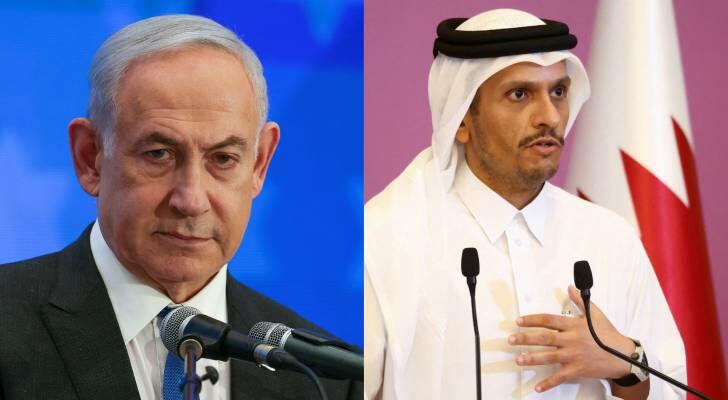
During the early part of the meeting with President Trump for a full day of events at the White House on Monday, Israeli Prime Minister Benjamin Netanyahu has sought to make nice with Qatar, a crucial US military and regional Gulf ally. Five Hamas officials and a Qatari security guard died as a result of the September 9 attack on Doha. In the wake, there was immense controversy over how much the US knew ahead of time.
Netanyahu in the Monday phone call apologized to the Prime Minister of Qatar, Mohammed bin Abdulrahman bin Jassim Al Thani. They spoke for several minutes, according to Israel's Channel 12.
 Importantly, President Trump himself was on the call, and so all of this seems the result of mediation by the US leader.
Israeli media writes that "Netanyahu apologized for violating Qatari sovereignty in the strike. It says it is possible that Israel may pay compensation to the family of the guard."
"The report says the apology is central to the current effort to finalize a deal to end the war in Gaza and secure the release of all hostages, since Qatar had been refusing to mediate negotiations with Hamas since the Israeli strike, which targeted but failed to kill several key Hamas leaders in Doha," https://www.timesofisrael.com/liveblog_entry/in-phone-call-from-white-house-netanyahu-apologizes-to-qatari-pm-over-doha-strike-report/
details.
Trump wants to put this whole episode behind the US and Israel, amid suspicions from Arab officials that he 'greenlighted' the brazen Doha attack (a claimthe US rejects), for the sake of pushing his Gaza https://www.timesofisrael.com/liveblog_entry/in-phone-call-from-white-house-netanyahu-apologizes-to-qatari-pm-over-doha-strike-report/
:
It further reports that Trump, in an earlier conversation with the emir of Qatar before Netanyahu arrived at the White House, said that he wants the leaders of all eight Arab and Muslim states with whom he met last week and to whom he presented the deal, to publicly support it even though he’s made changes to it that move it closer to Israel’s positions.
President Donald J. Trump’s Comprehensive Plan to End the Gaza Conflict:
1. Gaza will be a deradicalized terror-free zone that does not pose a threat to its neighbors.
2. Gaza will be redeveloped for the benefit of the people of Gaza, who have suffered more than enough.
3. If…
Importantly, President Trump himself was on the call, and so all of this seems the result of mediation by the US leader.
Israeli media writes that "Netanyahu apologized for violating Qatari sovereignty in the strike. It says it is possible that Israel may pay compensation to the family of the guard."
"The report says the apology is central to the current effort to finalize a deal to end the war in Gaza and secure the release of all hostages, since Qatar had been refusing to mediate negotiations with Hamas since the Israeli strike, which targeted but failed to kill several key Hamas leaders in Doha," https://www.timesofisrael.com/liveblog_entry/in-phone-call-from-white-house-netanyahu-apologizes-to-qatari-pm-over-doha-strike-report/
details.
Trump wants to put this whole episode behind the US and Israel, amid suspicions from Arab officials that he 'greenlighted' the brazen Doha attack (a claimthe US rejects), for the sake of pushing his Gaza https://www.timesofisrael.com/liveblog_entry/in-phone-call-from-white-house-netanyahu-apologizes-to-qatari-pm-over-doha-strike-report/
:
It further reports that Trump, in an earlier conversation with the emir of Qatar before Netanyahu arrived at the White House, said that he wants the leaders of all eight Arab and Muslim states with whom he met last week and to whom he presented the deal, to publicly support it even though he’s made changes to it that move it closer to Israel’s positions.
President Donald J. Trump’s Comprehensive Plan to End the Gaza Conflict:
1. Gaza will be a deradicalized terror-free zone that does not pose a threat to its neighbors.
2. Gaza will be redeveloped for the benefit of the people of Gaza, who have suffered more than enough.
3. If… 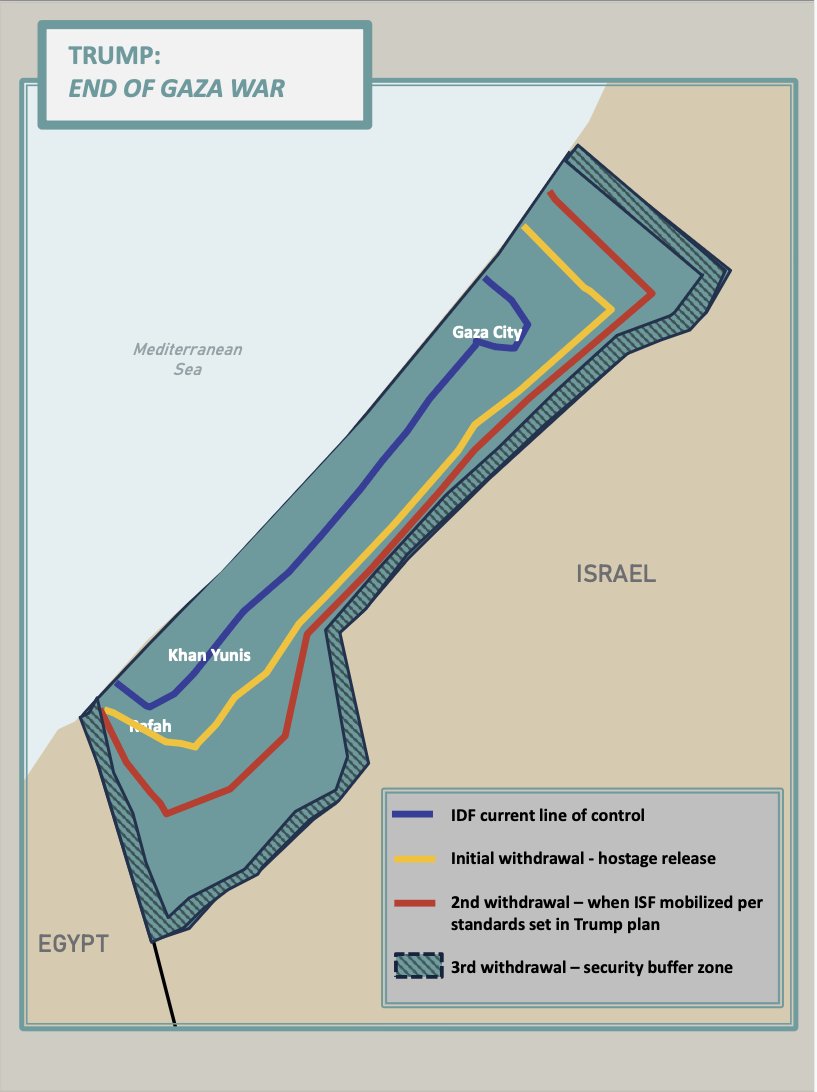 — Rapid Response 47 (@RapidResponse47)
Netanyahu had faced some degree of internal intelligence opposition to pulling the trigger on the strike, which utilized long-range missiles launched from jets operating above the Red Sea.
His own intelligence officials argued that this would effectively shut the door on any future negotiations with Hamas to get the hostages back.
But Netanyahu is now demonstrating his 'shoot first, apologize later' approach - and Qatar will likely have to be satisfied with this, given it will fall under pressure by the US administration to do so. He just told FOX:
"We weren't attacking Qatar anymore than the US was attacking Pakistan when it took out Bin Laden."
Given past threats like the below, was the apology genuine?
⚡️BREAKING
Netanyahu threatens Qatar with more airstrikes:
'I say to Qatar and all the countries that harbor terrorists, either expel them or bring them to justice, because if you do not, we will do it'
— Rapid Response 47 (@RapidResponse47)
Netanyahu had faced some degree of internal intelligence opposition to pulling the trigger on the strike, which utilized long-range missiles launched from jets operating above the Red Sea.
His own intelligence officials argued that this would effectively shut the door on any future negotiations with Hamas to get the hostages back.
But Netanyahu is now demonstrating his 'shoot first, apologize later' approach - and Qatar will likely have to be satisfied with this, given it will fall under pressure by the US administration to do so. He just told FOX:
"We weren't attacking Qatar anymore than the US was attacking Pakistan when it took out Bin Laden."
Given past threats like the below, was the apology genuine?
⚡️BREAKING
Netanyahu threatens Qatar with more airstrikes:
'I say to Qatar and all the countries that harbor terrorists, either expel them or bring them to justice, because if you do not, we will do it'  — Iran Observer (@IranObserver0)
Qatar has long been a loyal oil and gas powerhouse to Washington, and has a significant lobby on Capitol Hill. Previously it was instrumental in the West's pursuit of regime change in Syria, after which Assad was toppled and al-Qaeda linked Jolani came to power. It will likely 'accept' Bibi's 'apology' and move on hosting major US military and intelligence assets on its soil.
Mon, 09/29/2025 - 14:20
— Iran Observer (@IranObserver0)
Qatar has long been a loyal oil and gas powerhouse to Washington, and has a significant lobby on Capitol Hill. Previously it was instrumental in the West's pursuit of regime change in Syria, after which Assad was toppled and al-Qaeda linked Jolani came to power. It will likely 'accept' Bibi's 'apology' and move on hosting major US military and intelligence assets on its soil.
Mon, 09/29/2025 - 14:20
Importantly, President Trump himself was on the call, and so all of this seems the result of mediation by the US leader.
Israeli media writes that "Netanyahu apologized for violating Qatari sovereignty in the strike. It says it is possible that Israel may pay compensation to the family of the guard."
"The report says the apology is central to the current effort to finalize a deal to end the war in Gaza and secure the release of all hostages, since Qatar had been refusing to mediate negotiations with Hamas since the Israeli strike, which targeted but failed to kill several key Hamas leaders in Doha," https://www.timesofisrael.com/liveblog_entry/in-phone-call-from-white-house-netanyahu-apologizes-to-qatari-pm-over-doha-strike-report/
details.
Trump wants to put this whole episode behind the US and Israel, amid suspicions from Arab officials that he 'greenlighted' the brazen Doha attack (a claimthe US rejects), for the sake of pushing his Gaza https://www.timesofisrael.com/liveblog_entry/in-phone-call-from-white-house-netanyahu-apologizes-to-qatari-pm-over-doha-strike-report/
:
It further reports that Trump, in an earlier conversation with the emir of Qatar before Netanyahu arrived at the White House, said that he wants the leaders of all eight Arab and Muslim states with whom he met last week and to whom he presented the deal, to publicly support it even though he’s made changes to it that move it closer to Israel’s positions.
President Donald J. Trump’s Comprehensive Plan to End the Gaza Conflict:
1. Gaza will be a deradicalized terror-free zone that does not pose a threat to its neighbors.
2. Gaza will be redeveloped for the benefit of the people of Gaza, who have suffered more than enough.
3. If… X (formerly Twitter)
Rapid Response 47 (@RapidResponse47) on X
President Donald J. Trump’s Comprehensive Plan to End the Gaza Conflict:
1. Gaza will be a deradicalized terror-free zone that does not pose a t...
X (formerly Twitter)
Rapid Response 47 (@RapidResponse47) on X
President Donald J. Trump’s Comprehensive Plan to End the Gaza Conflict:
1. Gaza will be a deradicalized terror-free zone that does not pose a t...
X (formerly Twitter)
Iran Observer (@IranObserver0) on X
⚡️BREAKING
Netanyahu threatens Qatar with more airstrikes:
'I say to Qatar and all the countries that harbor terrorists, either expel them or...
X (formerly Twitter)
Iran Observer (@IranObserver0) on X
⚡️BREAKING
Netanyahu threatens Qatar with more airstrikes:
'I say to Qatar and all the countries that harbor terrorists, either expel them or...
Tyler Durden | Zero Hedge
Zero Hedge
Netanyahu Apologizes To Qatar For Doha Strike, At Trump's Direction | ZeroHedge
ZeroHedge - On a long enough timeline, the survival rate for everyone drops to zero
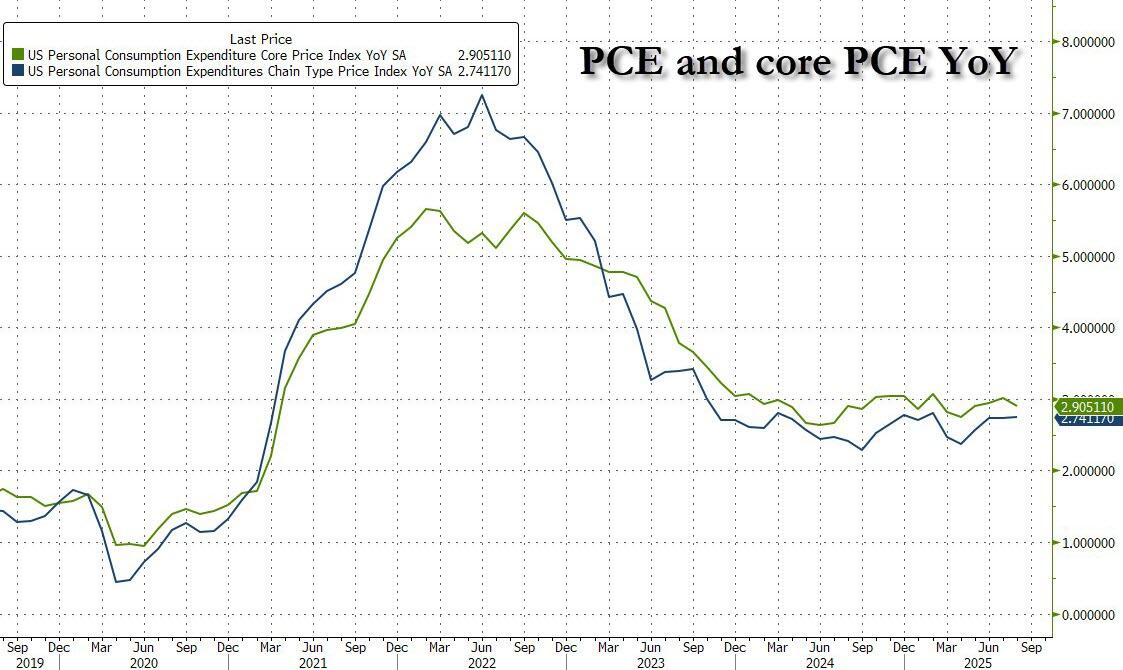 OIS futures now imply a further 44bps worth of cuts to the Fed Funds rate in 2025, compared to 39bps prior to the release of the PCE figures. Gold prices are rallying to new all-time-highs again and the VIX index had its biggest one-day fall in five weeks.
Along with the encouraging inflation figures, personal incomes rose faster than expected and growth in personal spending accelerated from the prior month to rise by 0.6%. This dynamic perhaps underlines the upward revisions to the Q2 GDP growth figures released the previous day, where faster growth was mainly propelled by upgrades to personal consumption.
Faster growth coinciding with relatively benign inflation creates an interesting setup as we run into jobs week. Initial jobless claims printed below consensus estimates for a second-straight week last Thursday, but recent payrolls data has seen the pace of hiring drop sharply and – as Fed Chair Powell pointed out last week – the pace of job creation seems to be running below the rate required to hold the unemployment rate steady at 4.3%.
Powell has been saying that the risks to inflation are tilted to the upside while the risks to employment are tilted to the downside. In a word, what he is describing is stagflation, but the White House and newly-minted Fed Governor Stephen Miran disagree and see risks to growth and employment as far more pressing than upside risks to prices. Miran argued last week that the neutral Fed Funds rate has fallen to somewhere around 2.5% because of changes to net immigration patterns and fiscal policy. He says that if the Fed fails to cut interest rates it will fail to achieve its employment mandate.
The University of Michigan consumer sentiment report released late last week provided some interesting perspective on economic pain points from households. Overall sentiment fell from a preliminary reading of 55.4 to 55.1. Current conditions and consumer expectations both softened, as did 1-year ahead and 5-10 year inflation expectations. The mean percentage of respondents expecting family income to exceed inflation rose slightly while sentiment surrounding employment fell. Overall, the message seems to be that consumers are concerned by inflation AND job prospects (so, stagflation), but more concerned about jobs than inflation.
This week will be important for shoring up market judgements about where the balance of risks lays between the price stability mandate and the employment mandate. 2.7% inflation is quite a bit higher than the 2% target, but the Fed has already cut interest rates four times – including a 50bp cut in September last year. Does this suggest that – like the household sector – the FOMC is also more sensitive to labor market deterioration than they are to stubbornly high inflation?
Of course, inflation missing the target by a few tenths of a percentage point might seem like small beer compared to the changes currently underway in geopolitics and geoeconomics. This Daily has been quite open for years that we see what is happening as a complete breakdown of the liberal economic order, because that order had failed to address compounding imbalances between and within economies that were always going reach a breaking point at some stage. It appears that the fraying of the social fabric in many Western countries is sufficiently advanced for that breaking point to have been reached, and we are now experiencing an abrupt shift towards mercantilist economics as advocated by political populists and, increasingly, by reluctant former liberal-centrists who now see this issue as existential for their own political survival.
To illustrate, erstwhile free trade evangelists at the European Commission are
OIS futures now imply a further 44bps worth of cuts to the Fed Funds rate in 2025, compared to 39bps prior to the release of the PCE figures. Gold prices are rallying to new all-time-highs again and the VIX index had its biggest one-day fall in five weeks.
Along with the encouraging inflation figures, personal incomes rose faster than expected and growth in personal spending accelerated from the prior month to rise by 0.6%. This dynamic perhaps underlines the upward revisions to the Q2 GDP growth figures released the previous day, where faster growth was mainly propelled by upgrades to personal consumption.
Faster growth coinciding with relatively benign inflation creates an interesting setup as we run into jobs week. Initial jobless claims printed below consensus estimates for a second-straight week last Thursday, but recent payrolls data has seen the pace of hiring drop sharply and – as Fed Chair Powell pointed out last week – the pace of job creation seems to be running below the rate required to hold the unemployment rate steady at 4.3%.
Powell has been saying that the risks to inflation are tilted to the upside while the risks to employment are tilted to the downside. In a word, what he is describing is stagflation, but the White House and newly-minted Fed Governor Stephen Miran disagree and see risks to growth and employment as far more pressing than upside risks to prices. Miran argued last week that the neutral Fed Funds rate has fallen to somewhere around 2.5% because of changes to net immigration patterns and fiscal policy. He says that if the Fed fails to cut interest rates it will fail to achieve its employment mandate.
The University of Michigan consumer sentiment report released late last week provided some interesting perspective on economic pain points from households. Overall sentiment fell from a preliminary reading of 55.4 to 55.1. Current conditions and consumer expectations both softened, as did 1-year ahead and 5-10 year inflation expectations. The mean percentage of respondents expecting family income to exceed inflation rose slightly while sentiment surrounding employment fell. Overall, the message seems to be that consumers are concerned by inflation AND job prospects (so, stagflation), but more concerned about jobs than inflation.
This week will be important for shoring up market judgements about where the balance of risks lays between the price stability mandate and the employment mandate. 2.7% inflation is quite a bit higher than the 2% target, but the Fed has already cut interest rates four times – including a 50bp cut in September last year. Does this suggest that – like the household sector – the FOMC is also more sensitive to labor market deterioration than they are to stubbornly high inflation?
Of course, inflation missing the target by a few tenths of a percentage point might seem like small beer compared to the changes currently underway in geopolitics and geoeconomics. This Daily has been quite open for years that we see what is happening as a complete breakdown of the liberal economic order, because that order had failed to address compounding imbalances between and within economies that were always going reach a breaking point at some stage. It appears that the fraying of the social fabric in many Western countries is sufficiently advanced for that breaking point to have been reached, and we are now experiencing an abrupt shift towards mercantilist economics as advocated by political populists and, increasingly, by reluctant former liberal-centrists who now see this issue as existential for their own political survival.
To illustrate, erstwhile free trade evangelists at the European Commission are 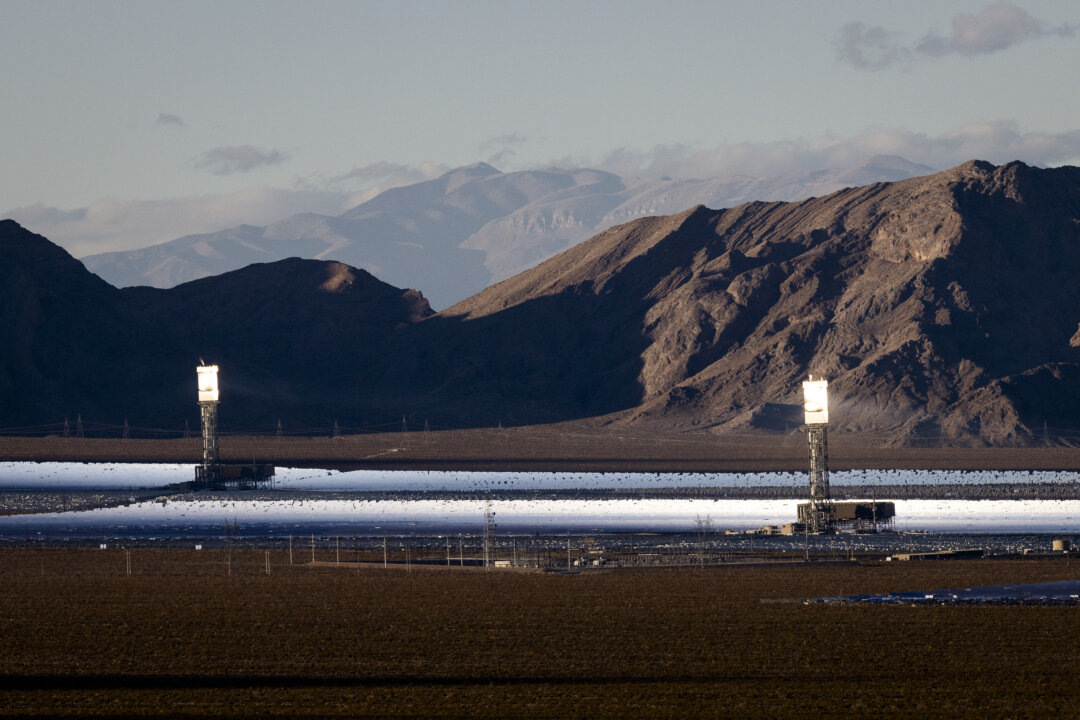
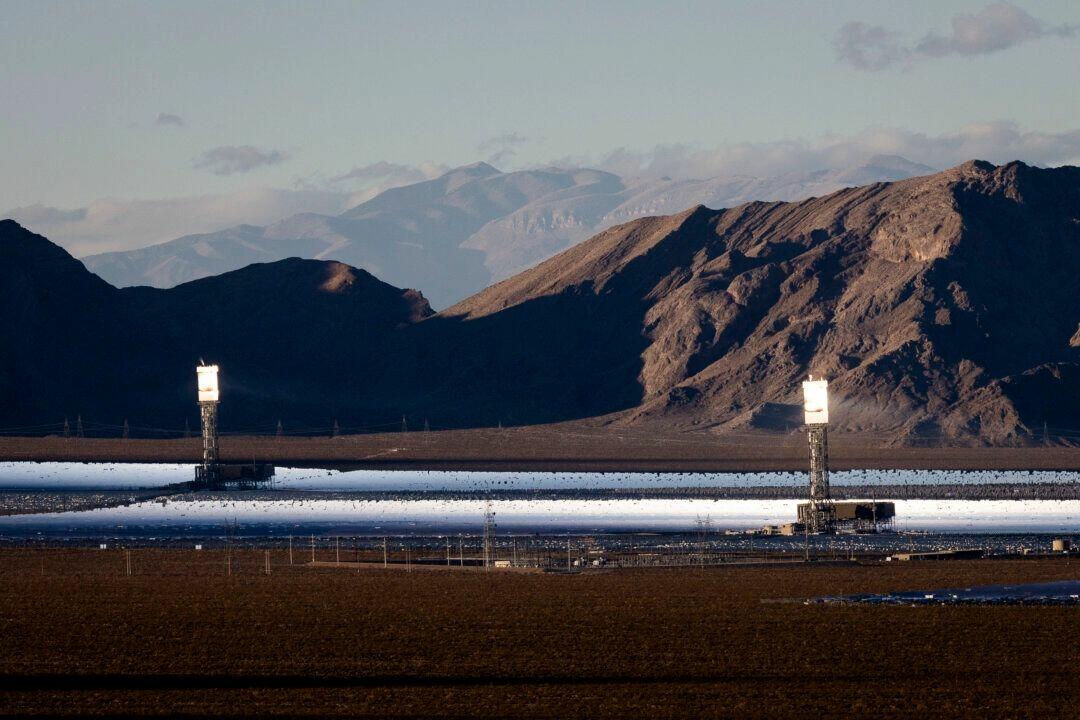 A little more than a decade ago, the Ivanpah Solar Electric Generating System opened to great fanfare, with a $1.6 billion loan guarantee from the U.S. Department of Energy (DOE)—part of the Obama administration’s

 Here is the deal overview for the gaming company that owns EA Sports FC, Madden, and The Sims:
Electronic Arts (NASDAQ: EA) entered into a definitive agreement to be acquired by a consortium of Saudi Arabia's PIF, Silver Lake, and Affinity Partners.
The transaction values EA at $55 billion enterprise value, the largest all-cash sponsor take-private in history.
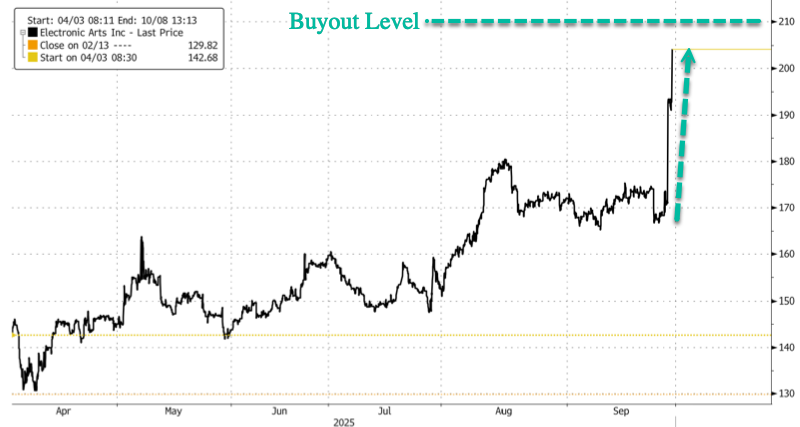
Shareholders will receive $210 per share in cash, a 25% premium to EA's last unaffected price ($168.32) and above its all-time high ($179.01).
PIF will roll over its existing 9.9% stake into the deal.
Financing & Structure Equity:
$36 billion from PIF, Silver Lake, and Affinity Partners (capital from their own control).
Debt: $20B fully committed by JPMorgan, with $18B expected to be drawn at close.
Advisors: EA: Goldman Sachs (financial), Wachtell (legal) Consortium: J.P. Morgan (financial), Kirkland & Ellis (lead legal), with additional firms advising each partner.
Timeline and Approvals Expected close:
Q1 FY27 (pending regulatory and shareholder approval).
EA stock will be delisted after closing.
For Q2 FY26 earnings (Oct. 28, 2025)
Notable quotes from EA leadership and PE firms:
Andrew Wilson (EA CEO): Deal recognizes EA's creative teams and "will create transformative experiences to inspire generations to come. I am more energized than ever about the future we are building."
PIF: Partnership will "fuel innovation within the industry on a global scale."
Silver Lake: "This investment embodies Silver Lake's mission to partner with exceptional management teams at the highest quality companies. EA is a special company: a global leader in interactive entertainment, anchored by its premier sports franchise, with accelerating revenue growth and strong and scaling free cash flow."
Jared Kushner (Affinity Partners): "Electronic Arts is an extraordinary company with a world-class management team and a bold vision for the future. I've admired their ability to create iconic, lasting experiences, and as someone who grew up playing their games - and now enjoys them with his kids - I couldn't be more excited about what's ahead."
Here's what some of Wall Street's top desks are saying (courtesy of Bloomberg):
Bloomberg Intelligence
Electronic Arts' potential take-private deal "is priced at an 80% or more premium vs. multiples of global game makers," though it "looks fair compared with Take-Two, especially given EA's potential profit beats in 2026-27 and IP treasure trove"
Citi (neutral)
"We believe this offer likely puts a floor underneath EA but not a ceiling," although a competing bid is unlikely
"If Battlefield 6 does particularly well, investors may seek a higher offer price"
Benchmark Co. (buy, PT to $250 from $200)
"While the bid highlights the strategic value of EA's portfolio, we view the timing as premature, effectively crystallizing value before the market can assess the potential of Battlefield 6 and the broader Battlefield cycle"
Baird (outperform, PT $170)
"A deal could make sense given the company's attractive FCF profile, and with likely opportunities to bring more efficiency to the organization and optimize the title slate"
Baird suspects the board "would be open to a deal, and recognize other suitors could emerge (financial or strategic buyers), given the robust video game M&A environment, and with key EA titles FC and Battlefield now hitting the market"
Jefferies (buy, PT $200)
"We view PIF and Silver Lake as sensible buyers for an LBO of EA, but the ~20% takeout premium implied in the $50B deal is smaller than would be expected," although "we don't see any obvious alternative buyers given big tech companies will likely remain more focused on AI capex investments"
In New York, shares extended gains from Friday, up another 5.5%, nearing the $210 level.
Here is the deal overview for the gaming company that owns EA Sports FC, Madden, and The Sims:
Electronic Arts (NASDAQ: EA) entered into a definitive agreement to be acquired by a consortium of Saudi Arabia's PIF, Silver Lake, and Affinity Partners.
The transaction values EA at $55 billion enterprise value, the largest all-cash sponsor take-private in history.
Shareholders will receive $210 per share in cash, a 25% premium to EA's last unaffected price ($168.32) and above its all-time high ($179.01).
PIF will roll over its existing 9.9% stake into the deal.
Financing & Structure Equity:
$36 billion from PIF, Silver Lake, and Affinity Partners (capital from their own control).
Debt: $20B fully committed by JPMorgan, with $18B expected to be drawn at close.
Advisors: EA: Goldman Sachs (financial), Wachtell (legal) Consortium: J.P. Morgan (financial), Kirkland & Ellis (lead legal), with additional firms advising each partner.
Timeline and Approvals Expected close:
Q1 FY27 (pending regulatory and shareholder approval).
EA stock will be delisted after closing.
For Q2 FY26 earnings (Oct. 28, 2025)
Notable quotes from EA leadership and PE firms:
Andrew Wilson (EA CEO): Deal recognizes EA's creative teams and "will create transformative experiences to inspire generations to come. I am more energized than ever about the future we are building."
PIF: Partnership will "fuel innovation within the industry on a global scale."
Silver Lake: "This investment embodies Silver Lake's mission to partner with exceptional management teams at the highest quality companies. EA is a special company: a global leader in interactive entertainment, anchored by its premier sports franchise, with accelerating revenue growth and strong and scaling free cash flow."
Jared Kushner (Affinity Partners): "Electronic Arts is an extraordinary company with a world-class management team and a bold vision for the future. I've admired their ability to create iconic, lasting experiences, and as someone who grew up playing their games - and now enjoys them with his kids - I couldn't be more excited about what's ahead."
Here's what some of Wall Street's top desks are saying (courtesy of Bloomberg):
Bloomberg Intelligence
Electronic Arts' potential take-private deal "is priced at an 80% or more premium vs. multiples of global game makers," though it "looks fair compared with Take-Two, especially given EA's potential profit beats in 2026-27 and IP treasure trove"
Citi (neutral)
"We believe this offer likely puts a floor underneath EA but not a ceiling," although a competing bid is unlikely
"If Battlefield 6 does particularly well, investors may seek a higher offer price"
Benchmark Co. (buy, PT to $250 from $200)
"While the bid highlights the strategic value of EA's portfolio, we view the timing as premature, effectively crystallizing value before the market can assess the potential of Battlefield 6 and the broader Battlefield cycle"
Baird (outperform, PT $170)
"A deal could make sense given the company's attractive FCF profile, and with likely opportunities to bring more efficiency to the organization and optimize the title slate"
Baird suspects the board "would be open to a deal, and recognize other suitors could emerge (financial or strategic buyers), given the robust video game M&A environment, and with key EA titles FC and Battlefield now hitting the market"
Jefferies (buy, PT $200)
"We view PIF and Silver Lake as sensible buyers for an LBO of EA, but the ~20% takeout premium implied in the $50B deal is smaller than would be expected," although "we don't see any obvious alternative buyers given big tech companies will likely remain more focused on AI capex investments"
In New York, shares extended gains from Friday, up another 5.5%, nearing the $210 level.
 . . .
. . .

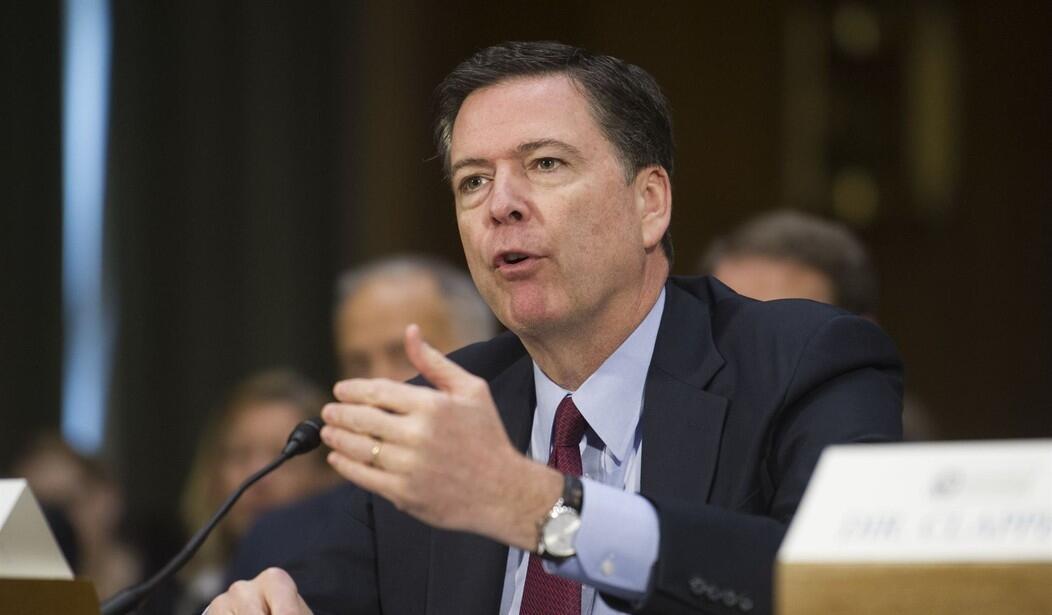 On Thursday, following the grand jury indictment, Comey’s case was “randomly” assigned to U.S. District Judge Michael Nachmanoff. In 2021, Joe Biden nominated Nachmanoff, and the Senate confirmed him to the federal bench with a razor-thin 52-46 vote, as three Senate Republicans — Lindsey Graham, Susan Collins, and Lisa Murkowski — crossed over to support his confirmation.
If you believe that selecting Nachmanoff to preside over this case was truly random, then you haven’t been paying attention. Washington’s so-called “random assignments” seem to have a funny way of putting the most Trump-hostile judges on politically charged cases. Take Judge James Boasberg, a Barack Obama appointee, who just happened to land multiple Trump-related cases. Every single time, Boasberg ruled in ways that stretched or outright ignored constitutional boundaries to work against Trump. Yet, somehow, we’re supposed to believe these assignments are pure chance. Sure.
Judge Nachmanoff’s
On Thursday, following the grand jury indictment, Comey’s case was “randomly” assigned to U.S. District Judge Michael Nachmanoff. In 2021, Joe Biden nominated Nachmanoff, and the Senate confirmed him to the federal bench with a razor-thin 52-46 vote, as three Senate Republicans — Lindsey Graham, Susan Collins, and Lisa Murkowski — crossed over to support his confirmation.
If you believe that selecting Nachmanoff to preside over this case was truly random, then you haven’t been paying attention. Washington’s so-called “random assignments” seem to have a funny way of putting the most Trump-hostile judges on politically charged cases. Take Judge James Boasberg, a Barack Obama appointee, who just happened to land multiple Trump-related cases. Every single time, Boasberg ruled in ways that stretched or outright ignored constitutional boundaries to work against Trump. Yet, somehow, we’re supposed to believe these assignments are pure chance. Sure.
Judge Nachmanoff’s 
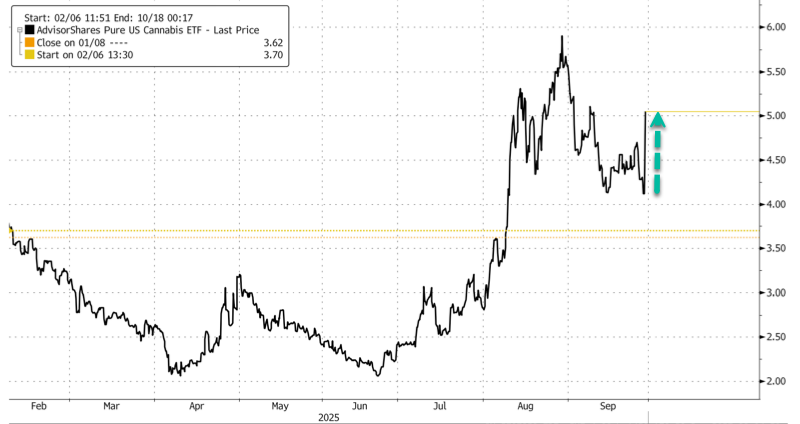
 "When the system is restored, disease progression can slow down and years are added to your life, as well as years spent in good health," the narrator claims, adding, "Doctors often prescribe dangerous and addictive pharmaceuticals."
"The system can be restored using hemp-derived CBD. When restored, pain subsides, sleep improves, and stress is reduced. Restoring the system may also slow disease progression - potentially adding years to your life," the narrator continued.
The video was first posted on Trump's Truth Social account.
New media post from Donald J. Trump
"When the system is restored, disease progression can slow down and years are added to your life, as well as years spent in good health," the narrator claims, adding, "Doctors often prescribe dangerous and addictive pharmaceuticals."
"The system can be restored using hemp-derived CBD. When restored, pain subsides, sleep improves, and stress is reduced. Restoring the system may also slow disease progression - potentially adding years to your life," the narrator continued.
The video was first posted on Trump's Truth Social account.
New media post from Donald J. Trump 
 . . .
. . .
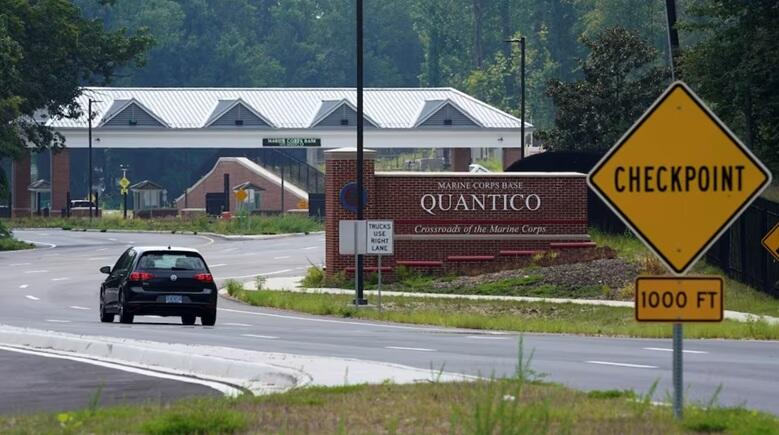 While no official explanation has yet to be given for why some
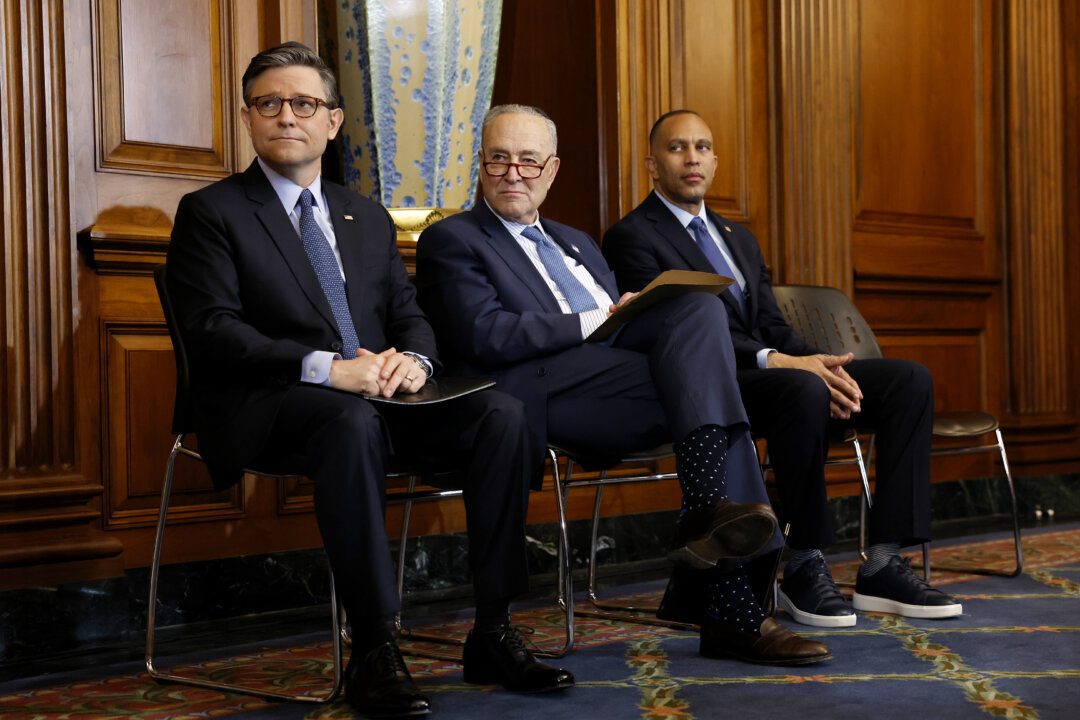
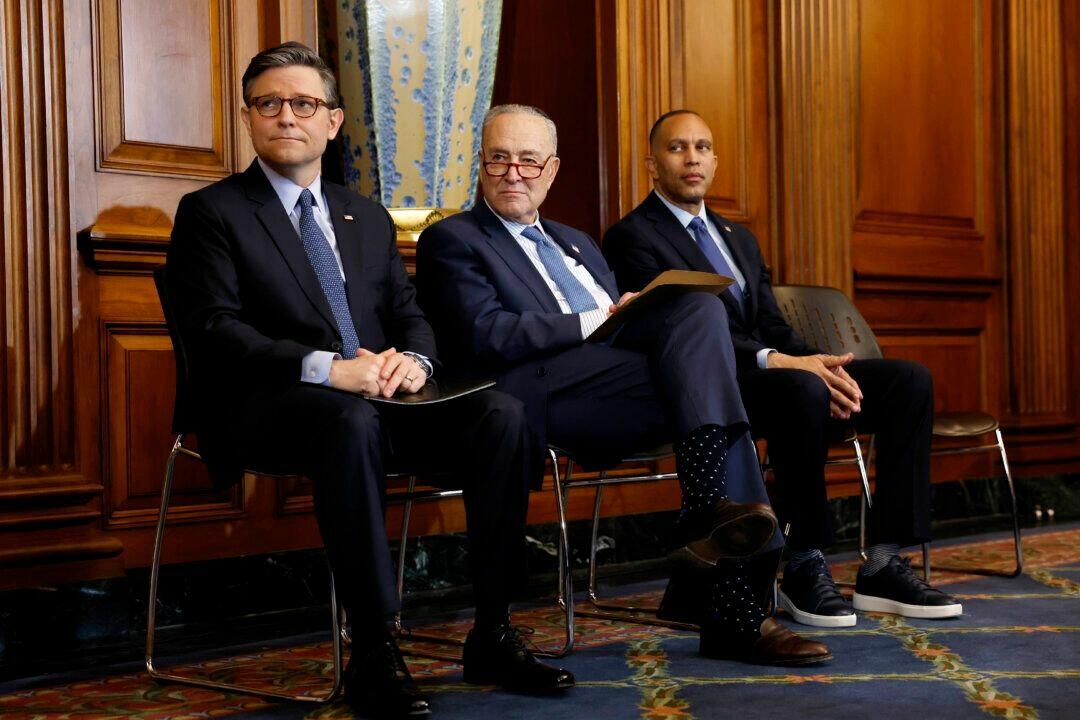 According to Punchbowl News' Jake Sherman, House Republicans on today's conference call indicated that House and Senate GOP leadership will have a joint news conference Wednesday morning - the day of the shutdown - and they won't bring the House back into session until next week.
House GOP leadership seems unlikely to bring the chamber into session at all this week - -shutdown week.
According to Punchbowl News' Jake Sherman, House Republicans on today's conference call indicated that House and Senate GOP leadership will have a joint news conference Wednesday morning - the day of the shutdown - and they won't bring the House back into session until next week.
House GOP leadership seems unlikely to bring the chamber into session at all this week - -shutdown week. 
 * * *
* * *

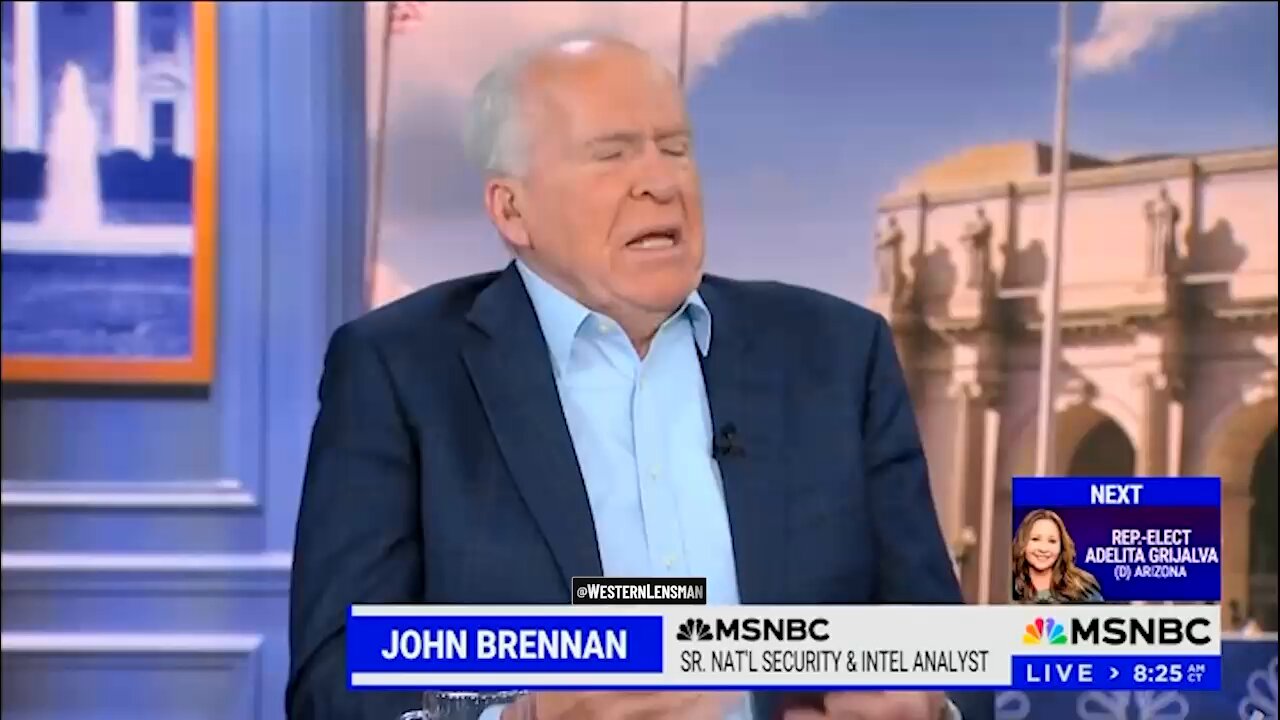
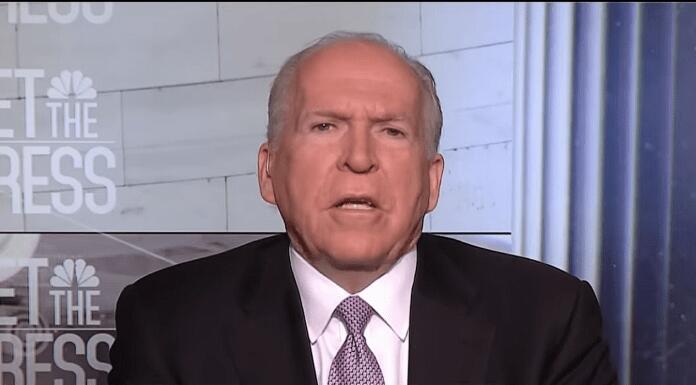 Brennan made the claims on
The Weekend in response to legacy media reports falsely claiming that DNI Tulsi Gabbard may have hampered the criminal case against him after she revoked the security clearances of potential witnesses.
“I don’t see any case against me. I have looked back on all of my actions and decisions, and with John Durham, the special counsel, and others that have looked at what we did — they were certainly consistent with our legal authorities and with the law,” Brennan said.
His remarks quickly circulated online, with critics mocking him for seemingly acting as his own judge and jury. In a sarcastic X post that garnered more than one million views, popular page Western Lensman wrote, “Well, that settles it then.”
John Brennan says after a thorough review of his own actions, he’s concluded that “I just don’t see any case against me."
Well, that settles it then.
Brennan made the claims on
The Weekend in response to legacy media reports falsely claiming that DNI Tulsi Gabbard may have hampered the criminal case against him after she revoked the security clearances of potential witnesses.
“I don’t see any case against me. I have looked back on all of my actions and decisions, and with John Durham, the special counsel, and others that have looked at what we did — they were certainly consistent with our legal authorities and with the law,” Brennan said.
His remarks quickly circulated online, with critics mocking him for seemingly acting as his own judge and jury. In a sarcastic X post that garnered more than one million views, popular page Western Lensman wrote, “Well, that settles it then.”
John Brennan says after a thorough review of his own actions, he’s concluded that “I just don’t see any case against me."
Well, that settles it then.