
Kevin O'Leary's Continentalist Proposal Deserves Further Consideration
Kevin O'Leary's Continentalist Proposal Deserves Further Consideration
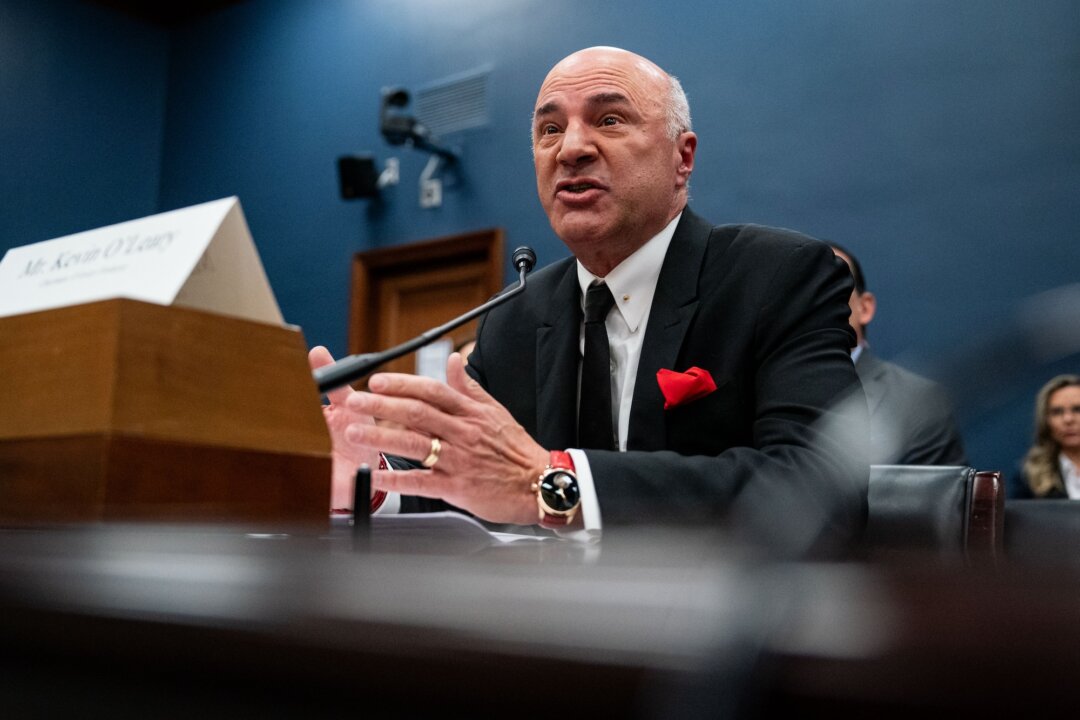 Late last December, Canadian businessman Kevin O’Leary, affectionately known as Mr. Wonderful, re-opened a longstanding public debate over the idea of “continentalism” in North America.
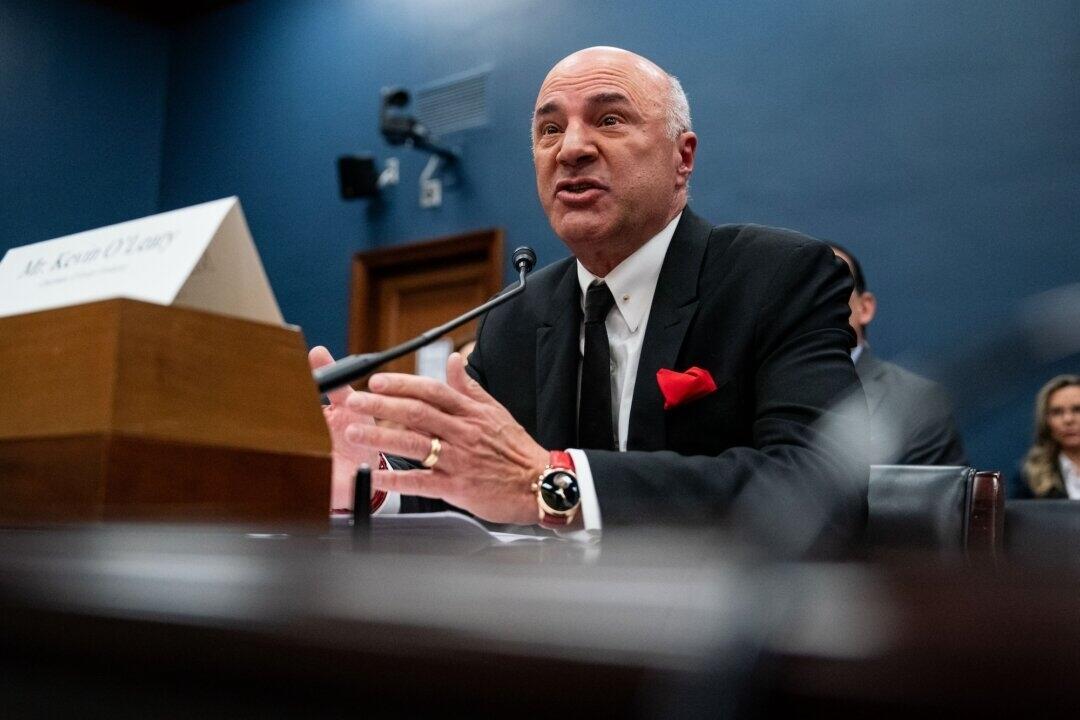 Within weeks after the re-election of President Donald Trump,
 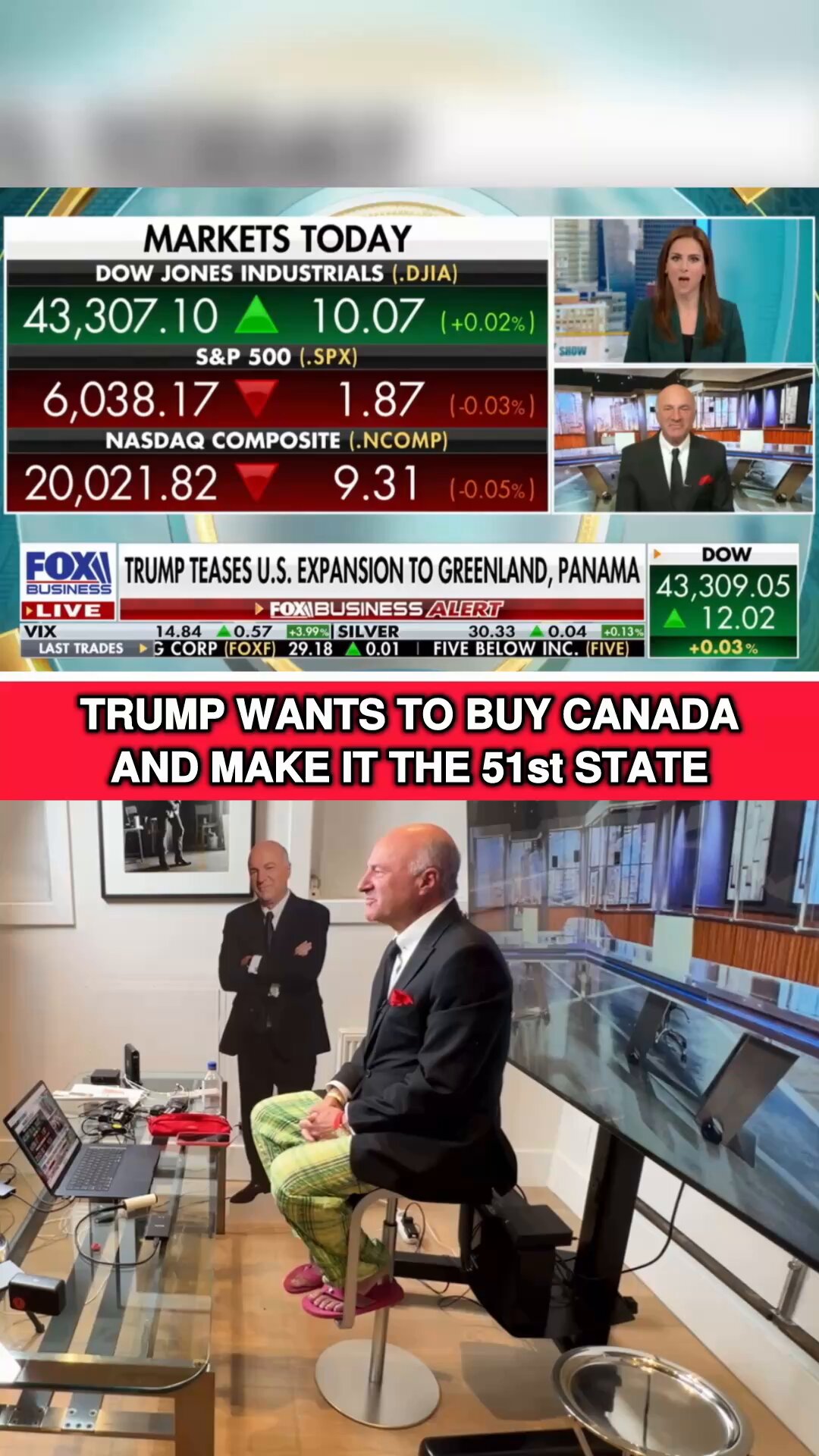 of an EU-style economic union between Canada and USA.
“I like this idea and at least half of Canadians are interested” he said.
Unfortunate Timing
As it happened, the timing of O’Leary’s proposal could not have been worse.
The credibility of his idea was instantly undermined by the incoming U.S. President’s controversial insistence that Canada should become the 51st state.
After Trump’s inauguration, Washington pivoted to hardball positions on tariffs and trade and it was clear there would be no special concessions for Canada. Signals from D.C. warned of tough USMCA trade negotiations to come.
In March, a beleaguered Justin Trudeau left office and former Bank of England President Mark Carney took over the Liberal Party of Canada. In April, Mr. Carney was elected prime minister, but his party fell short of winning a clear majority in the House of Commons.
The new Liberal government immediately adopted an “elbows up” disposition in the brewing trade war with the USA. By the summer of 2025, any talk of a Can-Am economic union was crowded out by strong feelings of resentment and ill will on both sides of the border.
An Idea Worth Revisiting
The idea of an EU-style Can-Am union has a long and respectable history and it is well worth revisiting.
After the British North America Act of 1867, Canadian scholar
of an EU-style economic union between Canada and USA.
“I like this idea and at least half of Canadians are interested” he said.
Unfortunate Timing
As it happened, the timing of O’Leary’s proposal could not have been worse.
The credibility of his idea was instantly undermined by the incoming U.S. President’s controversial insistence that Canada should become the 51st state.
After Trump’s inauguration, Washington pivoted to hardball positions on tariffs and trade and it was clear there would be no special concessions for Canada. Signals from D.C. warned of tough USMCA trade negotiations to come.
In March, a beleaguered Justin Trudeau left office and former Bank of England President Mark Carney took over the Liberal Party of Canada. In April, Mr. Carney was elected prime minister, but his party fell short of winning a clear majority in the House of Commons.
The new Liberal government immediately adopted an “elbows up” disposition in the brewing trade war with the USA. By the summer of 2025, any talk of a Can-Am economic union was crowded out by strong feelings of resentment and ill will on both sides of the border.
An Idea Worth Revisiting
The idea of an EU-style Can-Am union has a long and respectable history and it is well worth revisiting.
After the British North America Act of 1867, Canadian scholar 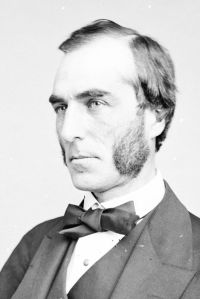 led a vigorous philosophical movement that supported closer ties with the USA in the form of a continental economic order. Smith defended the concept in a 1891 book titled “Canada and the Canadian Question.” Opposing movements favoured closer ties with the British Empire or total Canadian economic independence. Neither of the latter positions stood the test of time.
Today, the arguments for the development of a Can-Am union are more compelling than ever. Economic integration, the elimination of trade barriers, and the removal of regulatory mismatches could boost cross-border investment well beyond current USMCA levels. A strong shared currency would eliminate exchange rate volatility, reduce transaction costs, and improve price transparency. EU-style citizen mobility could reduce labour shortages, provide enormous opportunities for young workers, increase productivity, and fill demographic gaps created by aging populations.
Infrastructure and environmental coordination would support integrated transportation systems, energy production, and transnational communications networks. Coordinated pollution policies could establish reasonable emissions standards and enhance environmental protection without obstructing sorely needed drilling, mining, and manufacturing initiatives.
A larger unified market with consistent rules would incentivize investors. Harmonized policies would secure critical materials and technologies within North America and reduce dependency on hostile suppliers. A Can-Am union would bring together a population of some 388.8 million on 19.82 million square kilometres of territory with and a combined GDP of close to $32 trillion.
In the realm of education, mutual credential recognition, research collaboration, and professional mobility would multiply opportunities in a North American cultural market that could stand up to the Chinese Communist Party and other global influencers.
All in all, a new continental order would increase the geopolitical influence and security of citizens in both Canada and the USA. A unified bloc dedicated to Western democratic principles and free enterprise could rival the economic, diplomatic, and military weight of China, Russia, and other totalitarian regimes.
With a southern border wall already in place, our security could be further improved by a joint force that could act against illegal migration and drug smuggling at the water’s edge. Shared intelligence, cybersecurity, and a coordinated military would bolster North America’s defence systems in what has become a dangerous multipolar world.
Modelled after EU governance mechanisms, a North American commission or council could allow for cooperative decision-making without sacrificing national sovereignty. If historical adversaries like Germany, France, Italy, Spain, and Portugal can coexist in an economic union, why not Canada and the United States?
Resistance to Change May be Overcome by Facts on the Ground
As it was in the days of Goldwin Smith, there is still plenty of cross-border resistance to Mr. O’Leary’s continentalist proposal.
All manner of entrenched interests regard an economic union as overreach and fear the loss of personal power and control. Big Labour warns of downward pressure on salaries and benefits in an open job market. Canadian politicians fear being overwhelmed in an unbalanced partnership, and American lawmakers are reluctant to support anything that might dilute congressional supremacy.
But facts on the ground are leading to a kinder disposition toward the continental alternative. Among young, ambitious North Americans trapped in a collapsing middle-class there is a powerful yen for greater mobility and the new opportunities that bold change can invoke.
This is especially true on the Canadian side of the border. In 2024 alone, https://betterdwelling.com/canadians-permanently-leaving-hit-the-highest-level-since-1967/
Canadians permanently left the country. This figure marked one of the highest outflows in recent memory. Some of the most commonly cited reasons for leaving are the soaring cost of living, low salaries, high taxes, limited career opportunities, and loss of confidence in government institutions. In spite of the anti-American rhetoric constantly served up by Canada’s legacy media, the United States remains the primary destination for departing Canadians. Over a million now live there.
So perhaps it’s time for a second look at Kevin O'Leary’s proposal. As the late British Prime Minister Harold Wilson once asserted: “He who rejects change is the architect of decay. The only human institution which rejects progress is the cemetery.”
Views expressed in this article are opinions of the author and do not necessarily reflect the views of The Epoch Times or ZeroHedge.
Sun, 09/07/2025 - 21:00
led a vigorous philosophical movement that supported closer ties with the USA in the form of a continental economic order. Smith defended the concept in a 1891 book titled “Canada and the Canadian Question.” Opposing movements favoured closer ties with the British Empire or total Canadian economic independence. Neither of the latter positions stood the test of time.
Today, the arguments for the development of a Can-Am union are more compelling than ever. Economic integration, the elimination of trade barriers, and the removal of regulatory mismatches could boost cross-border investment well beyond current USMCA levels. A strong shared currency would eliminate exchange rate volatility, reduce transaction costs, and improve price transparency. EU-style citizen mobility could reduce labour shortages, provide enormous opportunities for young workers, increase productivity, and fill demographic gaps created by aging populations.
Infrastructure and environmental coordination would support integrated transportation systems, energy production, and transnational communications networks. Coordinated pollution policies could establish reasonable emissions standards and enhance environmental protection without obstructing sorely needed drilling, mining, and manufacturing initiatives.
A larger unified market with consistent rules would incentivize investors. Harmonized policies would secure critical materials and technologies within North America and reduce dependency on hostile suppliers. A Can-Am union would bring together a population of some 388.8 million on 19.82 million square kilometres of territory with and a combined GDP of close to $32 trillion.
In the realm of education, mutual credential recognition, research collaboration, and professional mobility would multiply opportunities in a North American cultural market that could stand up to the Chinese Communist Party and other global influencers.
All in all, a new continental order would increase the geopolitical influence and security of citizens in both Canada and the USA. A unified bloc dedicated to Western democratic principles and free enterprise could rival the economic, diplomatic, and military weight of China, Russia, and other totalitarian regimes.
With a southern border wall already in place, our security could be further improved by a joint force that could act against illegal migration and drug smuggling at the water’s edge. Shared intelligence, cybersecurity, and a coordinated military would bolster North America’s defence systems in what has become a dangerous multipolar world.
Modelled after EU governance mechanisms, a North American commission or council could allow for cooperative decision-making without sacrificing national sovereignty. If historical adversaries like Germany, France, Italy, Spain, and Portugal can coexist in an economic union, why not Canada and the United States?
Resistance to Change May be Overcome by Facts on the Ground
As it was in the days of Goldwin Smith, there is still plenty of cross-border resistance to Mr. O’Leary’s continentalist proposal.
All manner of entrenched interests regard an economic union as overreach and fear the loss of personal power and control. Big Labour warns of downward pressure on salaries and benefits in an open job market. Canadian politicians fear being overwhelmed in an unbalanced partnership, and American lawmakers are reluctant to support anything that might dilute congressional supremacy.
But facts on the ground are leading to a kinder disposition toward the continental alternative. Among young, ambitious North Americans trapped in a collapsing middle-class there is a powerful yen for greater mobility and the new opportunities that bold change can invoke.
This is especially true on the Canadian side of the border. In 2024 alone, https://betterdwelling.com/canadians-permanently-leaving-hit-the-highest-level-since-1967/
Canadians permanently left the country. This figure marked one of the highest outflows in recent memory. Some of the most commonly cited reasons for leaving are the soaring cost of living, low salaries, high taxes, limited career opportunities, and loss of confidence in government institutions. In spite of the anti-American rhetoric constantly served up by Canada’s legacy media, the United States remains the primary destination for departing Canadians. Over a million now live there.
So perhaps it’s time for a second look at Kevin O'Leary’s proposal. As the late British Prime Minister Harold Wilson once asserted: “He who rejects change is the architect of decay. The only human institution which rejects progress is the cemetery.”
Views expressed in this article are opinions of the author and do not necessarily reflect the views of The Epoch Times or ZeroHedge.
Sun, 09/07/2025 - 21:00
The Epoch Times
Kevin O’Leary’s Continentalist Proposal Deserves Further Consideration
Within weeks after the re-election of President Donald Trump, X (formerly Twitter)
Kevin O'Leary aka Mr. Wonderful (@kevinolearytv) on X
There's 41 million Canadians sitting on the world's largest amounts of all resources, including the most important, energy and water. Canadians ove...
Great Canadian Speeches
Goldwin Smith on Canada’s joining the U.S., 1888
U.S. President Donald Trump has imposed tariffs on Canadian steel and aluminium and is threatening to do the same on automobiles. He has attacked ...
Tyler Durden | Zero Hedge
Zero Hedge
Kevin O'Leary's Continentalist Proposal Deserves Further Consideration | ZeroHedge
ZeroHedge - On a long enough timeline, the survival rate for everyone drops to zero

 Police and first responders moved in quickly, scattering the group as a homeless woman began shouting epithets from the middle of the street.
Matthew, a resident of a nearby halfway house, stood at the edge of the turmoil and watched as the situation unfolded.
“They’re just making people leave, man,” he said, frowning.
“They give you a chance to leave. If you don’t leave, they give you another chance. If you don’t leave again, they just run your name.”
He said if the information shows there is an outstanding warrant, handcuffs come out.
Matthew, who did not want to share his last name, said police have been more visible in a neighborhood that has struggled with crime, homelessness, and drug use for a long time.
The display of force by law enforcement is anything but accidental.
On April 8, Gov. Michelle Lujan Grisham
Police and first responders moved in quickly, scattering the group as a homeless woman began shouting epithets from the middle of the street.
Matthew, a resident of a nearby halfway house, stood at the edge of the turmoil and watched as the situation unfolded.
“They’re just making people leave, man,” he said, frowning.
“They give you a chance to leave. If you don’t leave, they give you another chance. If you don’t leave again, they just run your name.”
He said if the information shows there is an outstanding warrant, handcuffs come out.
Matthew, who did not want to share his last name, said police have been more visible in a neighborhood that has struggled with crime, homelessness, and drug use for a long time.
The display of force by law enforcement is anything but accidental.
On April 8, Gov. Michelle Lujan Grisham 
 The emergency request from the Albuquerque Police Department (APD) cited the fentanyl epidemic and rising violent juvenile crime as issues requiring immediate intervention.
“The safety of New Mexicans is my top priority,” Lujan Grisham, a Democrat, said in a statement.
“By deploying our National Guard to support APD with essential duties, we’re ensuring that trained police officers can focus on what they do best—keeping our communities safe.”
In May, 60 to 70 National Guard members were sent to the city for Operation Zia Shield. Their training was overseen by New Mexico’s Homeland Security, Public Safety, and local police agencies.
National Guard members have been assisting with tasks such as providing aid along Central Avenue, processing and transporting prisoners, maintaining security at Metro Court, and monitoring the city with police cameras and drones.
“The National Guard will serve as a visible, trusted presence supporting law enforcement duties, which will enhance officer presence in high-crime areas and reinforce community trust through visible engagement,” Lujan Grisham said.
The emergency request from the Albuquerque Police Department (APD) cited the fentanyl epidemic and rising violent juvenile crime as issues requiring immediate intervention.
“The safety of New Mexicans is my top priority,” Lujan Grisham, a Democrat, said in a statement.
“By deploying our National Guard to support APD with essential duties, we’re ensuring that trained police officers can focus on what they do best—keeping our communities safe.”
In May, 60 to 70 National Guard members were sent to the city for Operation Zia Shield. Their training was overseen by New Mexico’s Homeland Security, Public Safety, and local police agencies.
National Guard members have been assisting with tasks such as providing aid along Central Avenue, processing and transporting prisoners, maintaining security at Metro Court, and monitoring the city with police cameras and drones.
“The National Guard will serve as a visible, trusted presence supporting law enforcement duties, which will enhance officer presence in high-crime areas and reinforce community trust through visible engagement,” Lujan Grisham said.
 Transit Police vehicles line Central Avenue within the International District in Albuquerque, N.M., on Sept. 3, 2025. Allan Stein/The Epoch Times
Criticism
Lujan Grisham and Albuquerque Mayor Tim Keller
Transit Police vehicles line Central Avenue within the International District in Albuquerque, N.M., on Sept. 3, 2025. Allan Stein/The Epoch Times
Criticism
Lujan Grisham and Albuquerque Mayor Tim Keller 
 A mural depicts the historic Nob Hill section of Albuquerque, N.M., near Central Avenue on Sept. 3, 2025. Allan Stein/The Epoch Times
In April, the ACLU expressed “serious concerns” that military deployment would lead to civil rights violations and further criminalize the homeless.
“All of us deserve to be safe at home, at work, and in our community. We, like so many in Albuquerque, know that that’s not always the case in our city,” Daniel Williams, ACLU of New Mexico policy advocate, said in a statement.
“However, Governor Lujan Grisham’s deployment of the National Guard to support Albuquerque police is a show of force, not a show of solutions.”
A mural depicts the historic Nob Hill section of Albuquerque, N.M., near Central Avenue on Sept. 3, 2025. Allan Stein/The Epoch Times
In April, the ACLU expressed “serious concerns” that military deployment would lead to civil rights violations and further criminalize the homeless.
“All of us deserve to be safe at home, at work, and in our community. We, like so many in Albuquerque, know that that’s not always the case in our city,” Daniel Williams, ACLU of New Mexico policy advocate, said in a statement.
“However, Governor Lujan Grisham’s deployment of the National Guard to support Albuquerque police is a show of force, not a show of solutions.”
 A group of people squats in the shade of a building off Central Avenue in the International District of Albuquerque, N.M., on Sept. 3, 2025. Allan Stein/The Epoch Times
Despite this criticism, Lujan Grisham’s office said Operation Zia Shield, now in its third month, has been “highly successful.”
“Initial plans cited a minimum of six months in order to make a positive impact in the community,” a spokesman told The Epoch Times.
Officials will continue to review the situation to decide whether to proceed or end the mission, he said.
Field operations in Albuquerque began on June 5, with National Guard personnel monitoring city streets under the direction of police dispatch.
“Having National Guardsmen assisting with these calls reduces the number of sworn law enforcement officers needed at each call, freeing them up for more serious calls,” the spokesman said.
Jonathan Tafoya stands inside Fonzy's Barbershop, in the Nob Hill section of Albuquerque, N.M., on Sept. 3, 2025. Allan Stein/The Epoch Times
Since mid-May, Operation Zia Shield has devoted nearly 4,000 hours to responding to 1,216 incidents throughout the city.
These included 210 calls for patrolling neighborhoods, which took 282 hours; 35 calls for medical assistance; 117 calls to assist other officers; 107 special tasks; and 194 calls to patrol public transportation areas.
On July 28, a Zia Shield unit effort provided guard personnel with job training to assist with paperwork and expedite court case processing.
Guard members processed 549 criminal summons and prepared and sent 1,347 officer trial notices, according to the spokesman.
On Aug. 8, selected Guard personnel monitored traffic cameras and earned drone pilot licenses. They flew drones 180 times, totaling almost 39 hours.
One week into the mission, National Guard members monitoring traffic cameras noticed a person who appeared to be having a medical emergency in a bus shelter.
Their observation helped save the person’s life, the spokesman said.
Since Operation Zia Shield started, Guard members have processed 2,248 people under arrest. This allowed police officers to focus on other tasks.
Jonathan Tafoya, owner of Fonzy’s Barbershop along Monte Vista Boulevard near Central Avenue, opened his shop six months ago.
While he hasn’t seen much crime in his area, he thinks using the National Guard to support law enforcement is a good idea, “because there aren’t enough cops.”
‘More Police Needed’
As of Sept. 3, the city has
A group of people squats in the shade of a building off Central Avenue in the International District of Albuquerque, N.M., on Sept. 3, 2025. Allan Stein/The Epoch Times
Despite this criticism, Lujan Grisham’s office said Operation Zia Shield, now in its third month, has been “highly successful.”
“Initial plans cited a minimum of six months in order to make a positive impact in the community,” a spokesman told The Epoch Times.
Officials will continue to review the situation to decide whether to proceed or end the mission, he said.
Field operations in Albuquerque began on June 5, with National Guard personnel monitoring city streets under the direction of police dispatch.
“Having National Guardsmen assisting with these calls reduces the number of sworn law enforcement officers needed at each call, freeing them up for more serious calls,” the spokesman said.
Jonathan Tafoya stands inside Fonzy's Barbershop, in the Nob Hill section of Albuquerque, N.M., on Sept. 3, 2025. Allan Stein/The Epoch Times
Since mid-May, Operation Zia Shield has devoted nearly 4,000 hours to responding to 1,216 incidents throughout the city.
These included 210 calls for patrolling neighborhoods, which took 282 hours; 35 calls for medical assistance; 117 calls to assist other officers; 107 special tasks; and 194 calls to patrol public transportation areas.
On July 28, a Zia Shield unit effort provided guard personnel with job training to assist with paperwork and expedite court case processing.
Guard members processed 549 criminal summons and prepared and sent 1,347 officer trial notices, according to the spokesman.
On Aug. 8, selected Guard personnel monitored traffic cameras and earned drone pilot licenses. They flew drones 180 times, totaling almost 39 hours.
One week into the mission, National Guard members monitoring traffic cameras noticed a person who appeared to be having a medical emergency in a bus shelter.
Their observation helped save the person’s life, the spokesman said.
Since Operation Zia Shield started, Guard members have processed 2,248 people under arrest. This allowed police officers to focus on other tasks.
Jonathan Tafoya, owner of Fonzy’s Barbershop along Monte Vista Boulevard near Central Avenue, opened his shop six months ago.
While he hasn’t seen much crime in his area, he thinks using the National Guard to support law enforcement is a good idea, “because there aren’t enough cops.”
‘More Police Needed’
As of Sept. 3, the city has 

 A police substation in the Nob Hill area of Albuquerque, N.M., on Sept. 3, 2025. Allan Stein/The Epoch Times
Robert, a local business owner on Central Avenue in the Nob Hill neighborhood, said homelessness is a major problem in the city.
“I know in our back alley, they‘ll be back there using drugs, and they’ll try and camp back there, and we’ll tell them to move,” said Robert, who didn’t want his last name used out of fear of retaliation.
The solution, he said, is hiring more police officers. The problem is, “Who wants to be a police officer?”
“It’s a very hard role to fill now because it comes with a lot of politics, a lot of baggage,” Robert said.
“There are no consequences anymore for a lot of things that people do, especially in Albuquerque. The juvenile crime is out of control. Our legislators won’t take action. They give them a slap on the hand.”
Christian works as a cook at a restaurant on Central Avenue. He said he feels sympathy for the homeless but sometimes sees them as part of the problem.
“A lot of homeless people do drugs and everything. We shouldn’t have to deal with that,” he said
A police substation in the Nob Hill area of Albuquerque, N.M., on Sept. 3, 2025. Allan Stein/The Epoch Times
Robert, a local business owner on Central Avenue in the Nob Hill neighborhood, said homelessness is a major problem in the city.
“I know in our back alley, they‘ll be back there using drugs, and they’ll try and camp back there, and we’ll tell them to move,” said Robert, who didn’t want his last name used out of fear of retaliation.
The solution, he said, is hiring more police officers. The problem is, “Who wants to be a police officer?”
“It’s a very hard role to fill now because it comes with a lot of politics, a lot of baggage,” Robert said.
“There are no consequences anymore for a lot of things that people do, especially in Albuquerque. The juvenile crime is out of control. Our legislators won’t take action. They give them a slap on the hand.”
Christian works as a cook at a restaurant on Central Avenue. He said he feels sympathy for the homeless but sometimes sees them as part of the problem.
“A lot of homeless people do drugs and everything. We shouldn’t have to deal with that,” he said
 A man waits for public transportation to arrive in Albuquerque's Nob Hill East section on Sept. 3, 2025. Allan Stein/The Epoch Times
Christian, like Robert, believes that using National Guard members to help local police is a “good thing.”
Better Days
Robert recalled that the International District was once known as the “War Zone” because crime was so prevalent.
“It used to be a nice part of town way back when,” he said. “But that’s where a lot of the homeless are now.”
Matthew said every day, people experiencing homelessness gather in the shaded areas along Central Avenue across from the casino.
It can still be a dangerous place, he said, even with police patrolling nearby.
“Everybody’s doing drugs out here, bro. They’re getting their pills and syringes everywhere. It’s disgusting,” he said.
After the police moved the group of homeless people away from the shaded fence, he offered some advice to someone walking by.
“Be safe, man,” Matthew said.
A man waits for public transportation to arrive in Albuquerque's Nob Hill East section on Sept. 3, 2025. Allan Stein/The Epoch Times
Christian, like Robert, believes that using National Guard members to help local police is a “good thing.”
Better Days
Robert recalled that the International District was once known as the “War Zone” because crime was so prevalent.
“It used to be a nice part of town way back when,” he said. “But that’s where a lot of the homeless are now.”
Matthew said every day, people experiencing homelessness gather in the shaded areas along Central Avenue across from the casino.
It can still be a dangerous place, he said, even with police patrolling nearby.
“Everybody’s doing drugs out here, bro. They’re getting their pills and syringes everywhere. It’s disgusting,” he said.
After the police moved the group of homeless people away from the shaded fence, he offered some advice to someone walking by.
“Be safe, man,” Matthew said.

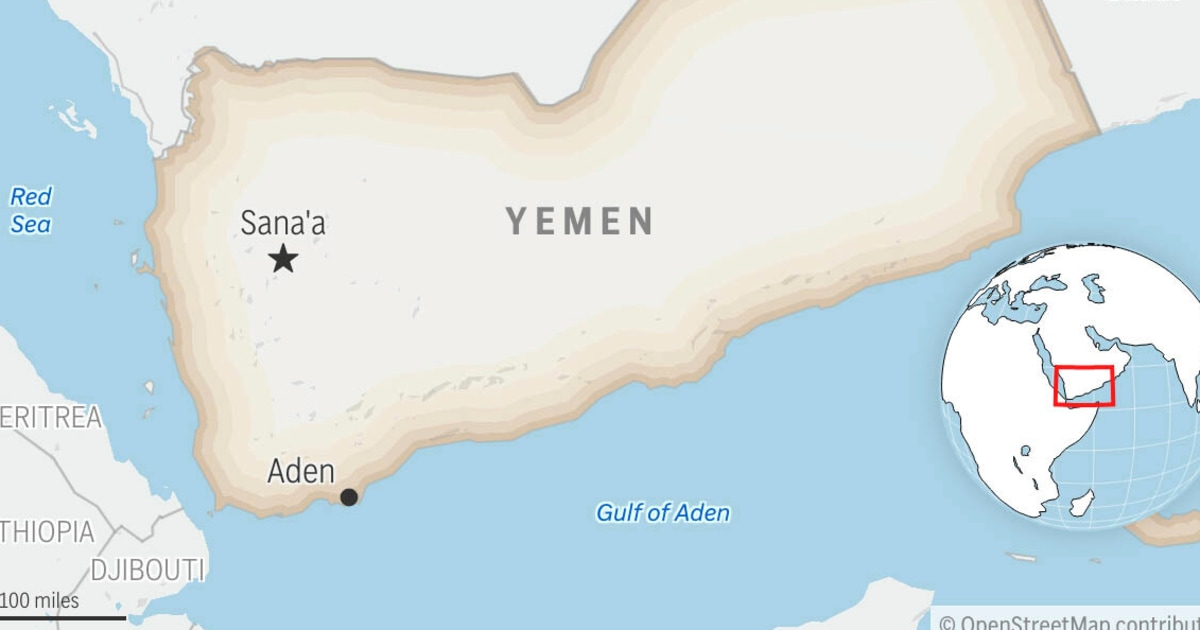

 Undersea cables are a major component of the internet, along with satellite connections and land-based cables, with internet providers having multiple access points through which to reroute traffic if necessary.
According to Microsoft, the Mideast "may experience increased latency due to undersea fiber cuts in the Red Sea," though it did not elaborate.
According to internet monitor NetKBlocks, a "series of subsea cable outages in the Red Sea has degraded internet connectivity in multiple countries," which is says includes India and Pakistan. It blamed "failures affecting the SMW4 and IMEWE cable systems near Jeddah, Saudi Arabia."
In August of 2022, the 'Saudi Vision Cable' was laid near Jeddah.The Vision Cable spans 1,160km connecting Jeddah, Yanbu, Dibba and Haql, the major subsea hubs in Red Sea cities of Saudi Arabia, according to
Undersea cables are a major component of the internet, along with satellite connections and land-based cables, with internet providers having multiple access points through which to reroute traffic if necessary.
According to Microsoft, the Mideast "may experience increased latency due to undersea fiber cuts in the Red Sea," though it did not elaborate.
According to internet monitor NetKBlocks, a "series of subsea cable outages in the Red Sea has degraded internet connectivity in multiple countries," which is says includes India and Pakistan. It blamed "failures affecting the SMW4 and IMEWE cable systems near Jeddah, Saudi Arabia."
In August of 2022, the 'Saudi Vision Cable' was laid near Jeddah.The Vision Cable spans 1,160km connecting Jeddah, Yanbu, Dibba and Haql, the major subsea hubs in Red Sea cities of Saudi Arabia, according to  Beyond that, the South East Asia-Middle East-Western Europe 4 cable (say that three times fast) is operated by Tata Communications - part of the Indian conglomerate, while the India-Middle East-Western Europe cable is operated by another consortium overseen by Alcatel-Lucent.
Pakistan Telecommunications Co. Ltd., a telecommunication giant in that country, noted that the cuts had taken place in a statement on Saturday.
Saudi Arabia did not immediately acknowledge the disruption and authorities there did not respond to a request for comment.
In the United Arab Emirates, home to Dubai and Abu Dhabi, internet users on the country’s state-owned Du and Etisalat networks complained of slower internet speeds. The government did not immediately acknowledge the disruption. -AP
Subsea cables can be cut by anchors dropped from ships, on purpose or otherwise. Repairs can take weeks, as a ship and crew must be dispatched to locate and repair the damaged cable.
Meanwhile, huh?
Gunther Eagleman... no posts in 12 hours
Hunter Eagleman..... no posts in 12 hours
LibTearCreator.......... no posts in 12 hours
TrumpUpdateHq...... no posts in 12 hours
Chuck Callesto......... no posts in 12 hours
Beyond that, the South East Asia-Middle East-Western Europe 4 cable (say that three times fast) is operated by Tata Communications - part of the Indian conglomerate, while the India-Middle East-Western Europe cable is operated by another consortium overseen by Alcatel-Lucent.
Pakistan Telecommunications Co. Ltd., a telecommunication giant in that country, noted that the cuts had taken place in a statement on Saturday.
Saudi Arabia did not immediately acknowledge the disruption and authorities there did not respond to a request for comment.
In the United Arab Emirates, home to Dubai and Abu Dhabi, internet users on the country’s state-owned Du and Etisalat networks complained of slower internet speeds. The government did not immediately acknowledge the disruption. -AP
Subsea cables can be cut by anchors dropped from ships, on purpose or otherwise. Repairs can take weeks, as a ship and crew must be dispatched to locate and repair the damaged cable.
Meanwhile, huh?
Gunther Eagleman... no posts in 12 hours
Hunter Eagleman..... no posts in 12 hours
LibTearCreator.......... no posts in 12 hours
TrumpUpdateHq...... no posts in 12 hours
Chuck Callesto......... no posts in 12 hours 


 One surveillance technology in particular is rising to the surface of the national conversation: automated license plate readers (ALPR).
Flock Safety, a leader in ALPR technology, is one of the companies in the eye of the storm. Last week, Flock’s CEO and co-founder Garrett Langley made headlines when he released a statement announcing the company was going to “pause” its pilot programs with the U.S. government.
The company said that while it has no current contracts with any U.S. Department of Homeland Security agencies, it did engage in “limited pilots with the U.S. Customs and Border Protection (CBP) and Homeland Security Investigations (HSI), to assist those agencies in combatting human trafficking and fentanyl distribution.”
So why would a company decide not to aid their own government in the fight against human trafficking and fentanyl distribution? Who are the voices that swayed them?
The company’s statement likely stems from criticism (or demonization) of Flock Safety for developing technology that has been adapted for use by ICE agents.
In a July
with 9News Denver, Flock Safety CEO Langley was asked about the Denver city council voting against extending the city’s Flock contract “out of concerns the system would be exploited for immigration matters.”
Langley straddled the fence:
“Every city needs to make a decision what’s right for them. Some cities work really closely with federal authorities … Now in the case of Denver, if there’s no desire to work with ICE, that’s great. We need to create a safer city while still upholding the values we have.”
Ultimately, however, Denver Mayor Mike Johnston, a Democrat, extended the contract through October 2025 after the dollar amount was reset to a figure that didn’t need council approval.
A spokesman for the mayor said the cameras are “an important tool for fighting crime.”
Meanwhile, Denver city leaders formed a special task force to discuss the technology’s privacy concerns. The policy director for the ACLU of Colorado said he would like the cameras turned off entirely—"until there are policies in place to regulate the use of them ...”
Reason magazine claims that that “Flock Safety’s 40,000 cameras present in over 5,000 communities across the U.S. are being used to detain undocumented immigrants, many of whom have no criminal history.”
To be clear, it’s not a matter of Homeland Security or ICE agents directly accessing the Denver system—or any ALPR system. It’s a complex issue of state and local law enforcement agencies sharing information or granting access to other agencies. As Denver7 reported, “Flock Safety’s cameras capture billions of photos of license plates each month. However, it doesn’t own that data. The local agencies in whose jurisdictions the cameras are located do, and they’re the ones who receive inquiries from other law enforcement agencies.”
The same issue has been unfolding in other parts of the country as well.
In 2019, the ACLU of Northern California complained of ICE “using driver location data from local police for deportations.” The company at the center of that controversy was Vigilant Solutions. Now a subsidiary of Motorola Solutions, Inc., it too provides license plate recognition technology and intelligence platforms for law enforcement and commercial applications.
As a matter of fact, there are tons of companies clamoring to be Number One in the ALPR industry. Genetec’s AutoVu, PlateSmart Technologies, and Rank One Computing are just a few.
Beyond the field of computer science known as computer vision that encompasses license plate recognition, there also lies the lucrative field of biometrics: the physical field of analyzing body traits and the behavioral field that analyzes patterns. In short, there’s a virtual feeding frenzy happening in the marketplace of digital panopticons. (For a great commentary on Bentham’s panopticon—the prison designed for total surveillance—and the modern era, see “
One surveillance technology in particular is rising to the surface of the national conversation: automated license plate readers (ALPR).
Flock Safety, a leader in ALPR technology, is one of the companies in the eye of the storm. Last week, Flock’s CEO and co-founder Garrett Langley made headlines when he released a statement announcing the company was going to “pause” its pilot programs with the U.S. government.
The company said that while it has no current contracts with any U.S. Department of Homeland Security agencies, it did engage in “limited pilots with the U.S. Customs and Border Protection (CBP) and Homeland Security Investigations (HSI), to assist those agencies in combatting human trafficking and fentanyl distribution.”
So why would a company decide not to aid their own government in the fight against human trafficking and fentanyl distribution? Who are the voices that swayed them?
The company’s statement likely stems from criticism (or demonization) of Flock Safety for developing technology that has been adapted for use by ICE agents.
In a July
with 9News Denver, Flock Safety CEO Langley was asked about the Denver city council voting against extending the city’s Flock contract “out of concerns the system would be exploited for immigration matters.”
Langley straddled the fence:
“Every city needs to make a decision what’s right for them. Some cities work really closely with federal authorities … Now in the case of Denver, if there’s no desire to work with ICE, that’s great. We need to create a safer city while still upholding the values we have.”
Ultimately, however, Denver Mayor Mike Johnston, a Democrat, extended the contract through October 2025 after the dollar amount was reset to a figure that didn’t need council approval.
A spokesman for the mayor said the cameras are “an important tool for fighting crime.”
Meanwhile, Denver city leaders formed a special task force to discuss the technology’s privacy concerns. The policy director for the ACLU of Colorado said he would like the cameras turned off entirely—"until there are policies in place to regulate the use of them ...”
Reason magazine claims that that “Flock Safety’s 40,000 cameras present in over 5,000 communities across the U.S. are being used to detain undocumented immigrants, many of whom have no criminal history.”
To be clear, it’s not a matter of Homeland Security or ICE agents directly accessing the Denver system—or any ALPR system. It’s a complex issue of state and local law enforcement agencies sharing information or granting access to other agencies. As Denver7 reported, “Flock Safety’s cameras capture billions of photos of license plates each month. However, it doesn’t own that data. The local agencies in whose jurisdictions the cameras are located do, and they’re the ones who receive inquiries from other law enforcement agencies.”
The same issue has been unfolding in other parts of the country as well.
In 2019, the ACLU of Northern California complained of ICE “using driver location data from local police for deportations.” The company at the center of that controversy was Vigilant Solutions. Now a subsidiary of Motorola Solutions, Inc., it too provides license plate recognition technology and intelligence platforms for law enforcement and commercial applications.
As a matter of fact, there are tons of companies clamoring to be Number One in the ALPR industry. Genetec’s AutoVu, PlateSmart Technologies, and Rank One Computing are just a few.
Beyond the field of computer science known as computer vision that encompasses license plate recognition, there also lies the lucrative field of biometrics: the physical field of analyzing body traits and the behavioral field that analyzes patterns. In short, there’s a virtual feeding frenzy happening in the marketplace of digital panopticons. (For a great commentary on Bentham’s panopticon—the prison designed for total surveillance—and the modern era, see “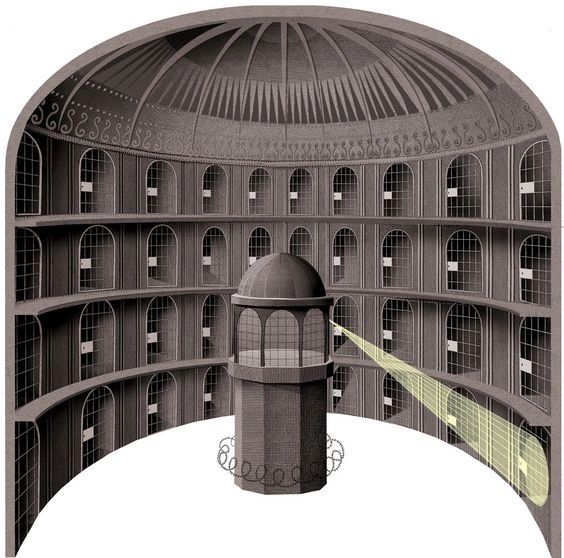


 At a joint press conference on Friday, Mayor Scott declared, "We do not need an occupation. We do not need troops on our streets," adding, "We can do this ourselves."
The state plans to deploy Maryland State Police and Transportation Authority officers into high-risk "no-go" zones controlled by violent gangs that have been allowed to flourish under City Hall's progressive regime, leaving the city plagued by violent crime, which only sparked a population exodus.
At a joint press conference on Friday, Mayor Scott declared, "We do not need an occupation. We do not need troops on our streets," adding, "We can do this ourselves."
The state plans to deploy Maryland State Police and Transportation Authority officers into high-risk "no-go" zones controlled by violent gangs that have been allowed to flourish under City Hall's progressive regime, leaving the city plagued by violent crime, which only sparked a population exodus.
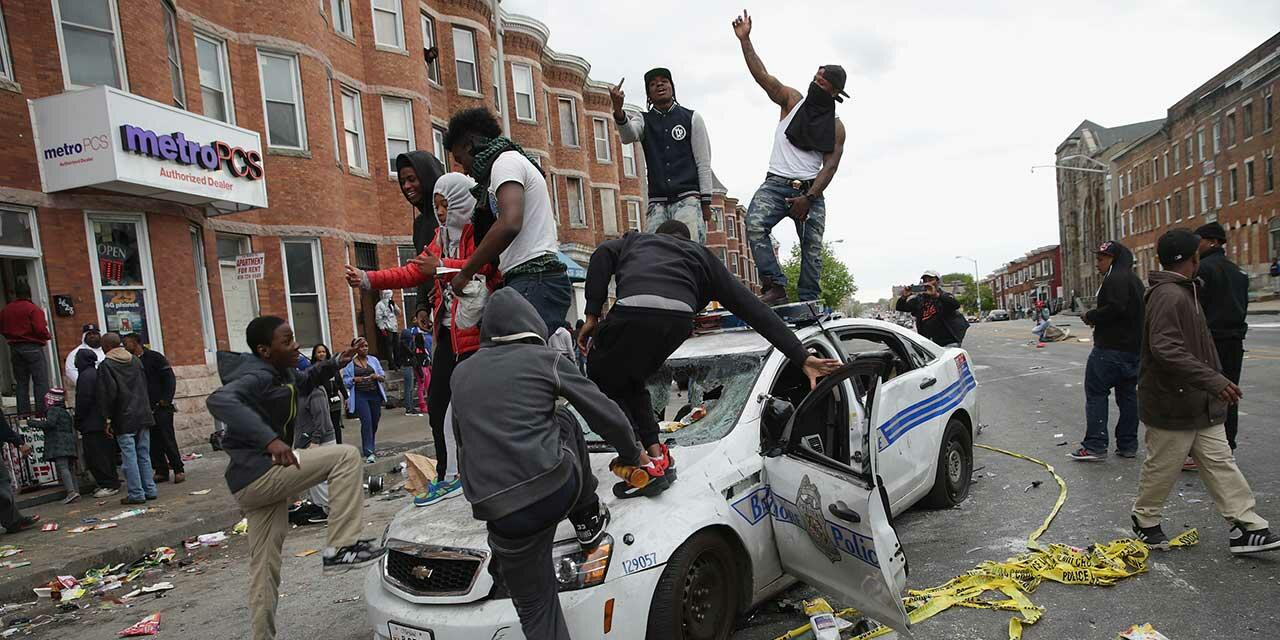 What's alarming is that Gov. Moore and Mayor Scott only moved to bolster the city's police force after President Trump's
 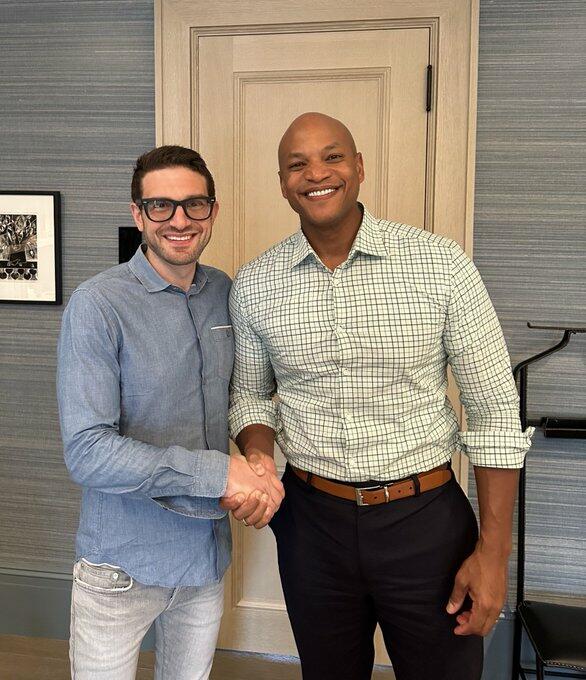 Sigh Moore...
Damning photos burn top Democrat Maryland Gov. Wes Moore's 2028 plans to the ground as he's busted half-naked on kingmaker George Clooney's luxury yacht in ITALY while his 'hellhole' state faces crime apocalypse
Sigh Moore...
Damning photos burn top Democrat Maryland Gov. Wes Moore's 2028 plans to the ground as he's busted half-naked on kingmaker George Clooney's luxury yacht in ITALY while his 'hellhole' state faces crime apocalypse 
 The chart Democrats in the state don't want the nation to see...
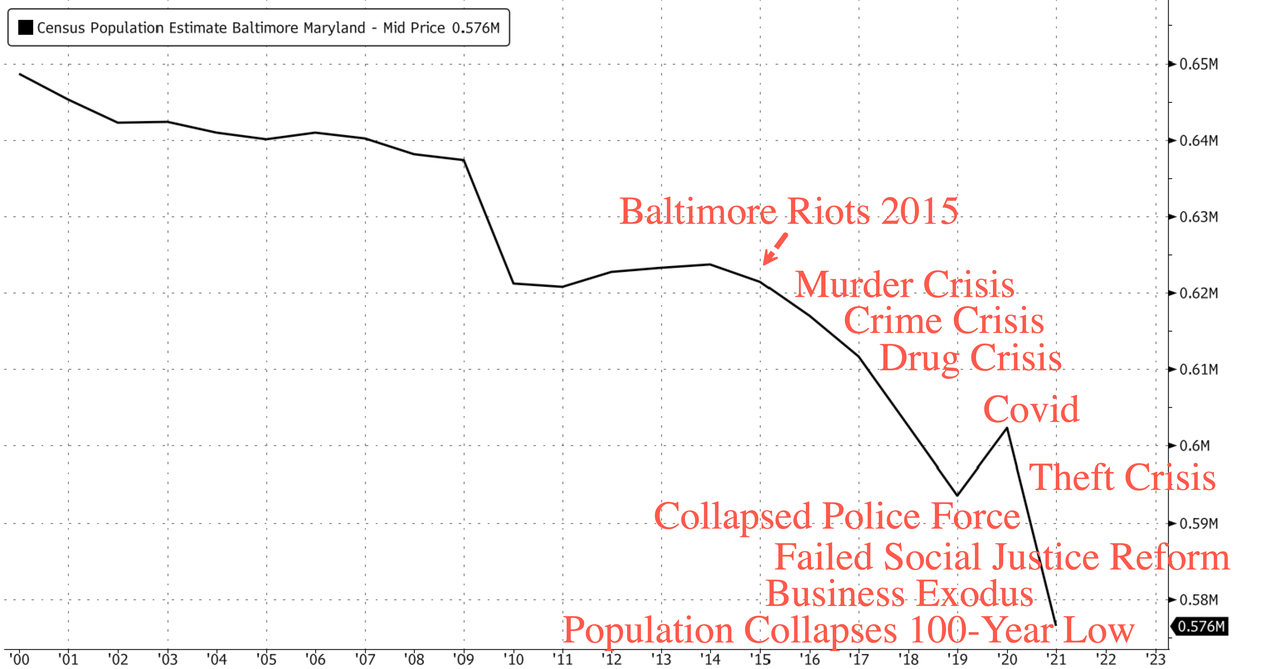 Baltimore is a crime-ridden hellhole. Everyone knows it. Democrats own it, yet there's been zero accountability for years of failed criminal and social justice reforms that plunged the city into an era of violent crime and death.
Another
Baltimore is a crime-ridden hellhole. Everyone knows it. Democrats own it, yet there's been zero accountability for years of failed criminal and social justice reforms that plunged the city into an era of violent crime and death.
Another 
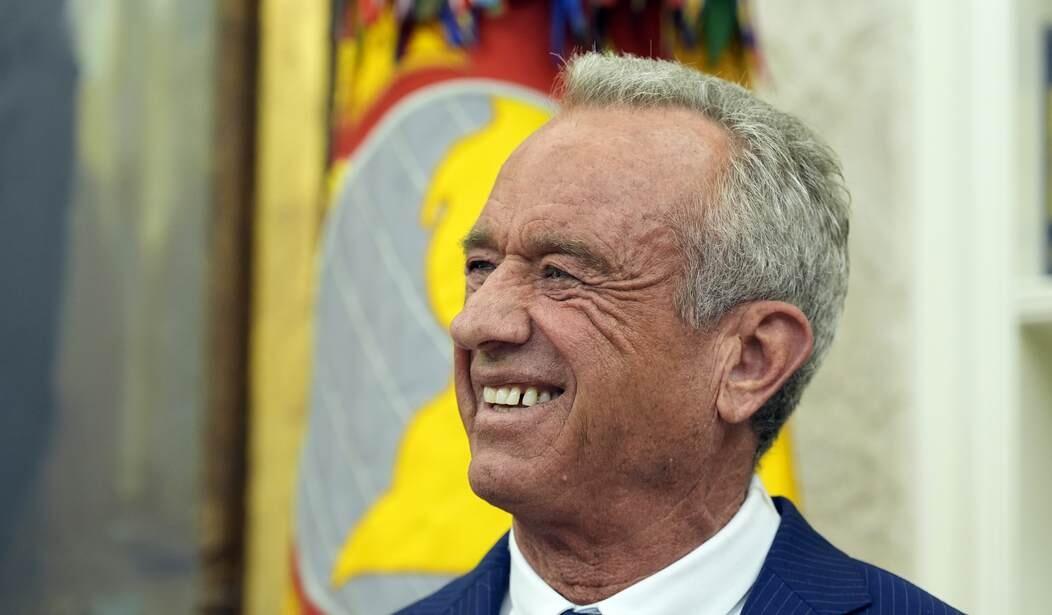 A Hearing That Was Never About Questions
The Senate Finance Committee meeting, on paper, was supposed to cover topics that were nothing more than an ordinary meeting.
The reality, however, was (paraphrasing Hillary Clinton) a mass suspension of belief. Kennedy was grilled by senators who definitely felt as though they might be having their career-defining moment in front of the camera.
Kennedy was grilled hard for firing CDC Director Susan Monarez, tearing down the vaccine advisory board, canceling $500 million in mRNA contracts, and restricting shots for children and pregnant women.
Questions dripped with contempt.
Louisiana Republican Bill Cassidy, a doctor, accused Kennedy of denying people vaccines.
Democrats treated him like some outlaw scientist, living in his own castle, prone to lightning strikes, and being the center of suspicion by local police over grave robberies.
But listen closely: the ...wait; no need to listen closely because of all the shouting in voices full of unmitigated hatred. Just turn the volume down instead, and turn the captions on. Makes it easier.
Let's start that again.
But read the captions closely: The questions weren't really about medicine; they were about power. Secretary Kennedy has been working to dismantle a system that thrives on crisis, contracts, and revolving door profits. His punishment wasn't the result of his hard work, which put errors into the spotlight. Instead, he was punished for the simple act of touching the money tree.
That action alone explains the flak.
Flak From Both Parties
Have you ever seen Republicans and Democrats skate with such rhythm and emotion to make Torvill and Dean jealous? Usually, they can't clap on the same beat, not once!
But against Secretary Kennedy, they moved as though they were gun batteries coordinating a firing solution all at the same bomber plane.
Why?
Because both sides know what happens if his ideas take root.
For instance, what happens when Americans start asking why experimental contracts were rammed through under emergency orders, if people begin demanding receipts for what was promised, and compare them to what was delivered? If people realize that their public health department has transformed into a political cartel, the implications would be yuuge.
Washington can, and has, survived angry voters: One thing that's deadly for them is exposure.
Family Fire: The Dynasty’s Panic
Then, like something out of a Joan Collins novel, came the spectacle of family betrayal. Joe Kennedy III decided to call his uncle a danger to every American; Kerry Kennedy labeled him incompetent, and Caroline and Jack Schlossberg shouted their relevance with loud disavowals.
With a visual so frightening to those who give a damn, Camelot itself was melting down, while headlines screamed, "Kennedy Feud," as if Camelot itself were melting down.
Have you ever seen a family feud before? They basically follow the same formula: bickering amongst themselves, which leads to bloodletting. When, however, that bloodletting ends up broadcast like something out of Jersey Shore, you have to wonder if the family is protecting something, right?
For decades, the Kennedy name has been nothing short of a protected brand for liberal orthodoxy. It's a dynasty that absolutely cannot afford for one of its own to stand shoulder to shoulder with President Trump while dismantling the sacred institutions of the bureaucracy surrounding public health.
If RFK Jr. is indeed over the target, as I think he may be, then the dynasty is ensuring the flak will be loud and strong enough to drown out whatever is exposed.
Media Guns on Full Auto
What follows is just a smattering of the flotsam out "there."
Bill Maher mocked him on HBO, calling his Senate appearance a train wreck.
The Daily Beast fired off the usual "nutjob" labels, like flares out of Tom Cruise's F-14 Tomcat helping him evade a 5th-generation fighter jet.
Over a thousand current and former HHS staff members signed a letter condemning him.
Mainstream reporters gleefully picked apart his halting speech, ignoring his neurological condition, which he's been battling for years.
We're seeing in real time the media's role changing from analysis to suppression.
The left isn't worried about a single hearing, but of what comes next if Kennedy survives the barrage; will he open the filing cabinets, then drag decades of contacts into the daylight? What happens if the American people learn just how badly the swamp is addicted to fear-driven profits?
The intense flak isn't just noise from a compliant media; it's a warning shot from an industry that's protected the orthodoxy surrounding public health for decades.
Speculation: What Are They Hiding?
It's a question that practically asks itself: What is Kennedy circling that terrifies the swamp so badly?
Could it be the financial ties between pharmaceutical firms and government health agencies, you know, the one with a revolving door, that push executives out to approve contracts one year and cash stock options the next? How about buried data within the CDC archives that show just how flimsy some of the COVID-era guidance really was? Is there evidence that "the science" was shaped not by discovery, but by the three "P's": Politics, Polls, and Paychecks?
Maybe, just maybe, it's all the above.
Perhaps the flak is intended to prevent him from releasing the payload: evidence that America was deceived during the pandemic, and that deception was fiscally profitable.
My Thoughts: What I haven't mentioned was just how confusing that period was; nobody knew nuthin', and we all were scared. Well, I can't say we ALL were frightened. I had moments of uncertainty until I learned more about COVID, and then I hoped I had a better understanding of what we were up against.
Unless it's something you can't afford to lose, you don't shoot every shell in the battery at the man unless he's flying directly overhead.
The Trump Variable
There's another reason for the fury: Kennedy isn't flying the bomber solo; he's displaying Trump's banner on the outside surface of the bomber. Instead of a drawing of a voluptuously beautiful woman named "Mabel," Kennedy has a MAGA banner.
Each attack on Kennedy doubles as one on President Trump; when we see a headline about a Kennedy train wreck, we know it's part of the goal of bruising Trump's cabinet.
Washington understands that if Kennedy succeeds in this mission, Trump scores a direct hit on one of the swamp's most protected fortresses.
That's why the incoming fire on Kennedy is so bloody intense.
Final Thoughts
At times, silent European skies were mistaken for safety by bomber crews. They knew if the guns were quiet, they were probably way off target.
HHS Secretary Robert F. Kennedy Jr. isn't rocketing through quiet skies; he's flying through a storm of tracers, explosions, and whatever else gets pulled out of the behind of those worried about something. Senators, media elites, and his own bloodline are trying to shoot the man down, to silence him.
Our lesson couldn't have had a clearer answer unless RFK Jr. is over the target.
What I want to know is this: Will RFK Jr. stay the course long enough to release what the swamp doesn't want us to see? I checked and found that I'm not wearing a tinfoil hat to keep the signal out of my head. If I'm right about this, then the American political swamp is just as deep and corrupt as any government anywhere in time.
As frightening as this concept is, I pray we have the correct people in place to find the spot in the swamp marked by an X and start digging. It may take years, but answer this: Is our country worth it? Did that bullet miss Trump's head because of divine planning that gave us the warriors needed to finally clean Washington up?
I guess we'll know by the amount of screaming whenever a member of the Trump administration opens a locked door.
A Hearing That Was Never About Questions
The Senate Finance Committee meeting, on paper, was supposed to cover topics that were nothing more than an ordinary meeting.
The reality, however, was (paraphrasing Hillary Clinton) a mass suspension of belief. Kennedy was grilled by senators who definitely felt as though they might be having their career-defining moment in front of the camera.
Kennedy was grilled hard for firing CDC Director Susan Monarez, tearing down the vaccine advisory board, canceling $500 million in mRNA contracts, and restricting shots for children and pregnant women.
Questions dripped with contempt.
Louisiana Republican Bill Cassidy, a doctor, accused Kennedy of denying people vaccines.
Democrats treated him like some outlaw scientist, living in his own castle, prone to lightning strikes, and being the center of suspicion by local police over grave robberies.
But listen closely: the ...wait; no need to listen closely because of all the shouting in voices full of unmitigated hatred. Just turn the volume down instead, and turn the captions on. Makes it easier.
Let's start that again.
But read the captions closely: The questions weren't really about medicine; they were about power. Secretary Kennedy has been working to dismantle a system that thrives on crisis, contracts, and revolving door profits. His punishment wasn't the result of his hard work, which put errors into the spotlight. Instead, he was punished for the simple act of touching the money tree.
That action alone explains the flak.
Flak From Both Parties
Have you ever seen Republicans and Democrats skate with such rhythm and emotion to make Torvill and Dean jealous? Usually, they can't clap on the same beat, not once!
But against Secretary Kennedy, they moved as though they were gun batteries coordinating a firing solution all at the same bomber plane.
Why?
Because both sides know what happens if his ideas take root.
For instance, what happens when Americans start asking why experimental contracts were rammed through under emergency orders, if people begin demanding receipts for what was promised, and compare them to what was delivered? If people realize that their public health department has transformed into a political cartel, the implications would be yuuge.
Washington can, and has, survived angry voters: One thing that's deadly for them is exposure.
Family Fire: The Dynasty’s Panic
Then, like something out of a Joan Collins novel, came the spectacle of family betrayal. Joe Kennedy III decided to call his uncle a danger to every American; Kerry Kennedy labeled him incompetent, and Caroline and Jack Schlossberg shouted their relevance with loud disavowals.
With a visual so frightening to those who give a damn, Camelot itself was melting down, while headlines screamed, "Kennedy Feud," as if Camelot itself were melting down.
Have you ever seen a family feud before? They basically follow the same formula: bickering amongst themselves, which leads to bloodletting. When, however, that bloodletting ends up broadcast like something out of Jersey Shore, you have to wonder if the family is protecting something, right?
For decades, the Kennedy name has been nothing short of a protected brand for liberal orthodoxy. It's a dynasty that absolutely cannot afford for one of its own to stand shoulder to shoulder with President Trump while dismantling the sacred institutions of the bureaucracy surrounding public health.
If RFK Jr. is indeed over the target, as I think he may be, then the dynasty is ensuring the flak will be loud and strong enough to drown out whatever is exposed.
Media Guns on Full Auto
What follows is just a smattering of the flotsam out "there."
Bill Maher mocked him on HBO, calling his Senate appearance a train wreck.
The Daily Beast fired off the usual "nutjob" labels, like flares out of Tom Cruise's F-14 Tomcat helping him evade a 5th-generation fighter jet.
Over a thousand current and former HHS staff members signed a letter condemning him.
Mainstream reporters gleefully picked apart his halting speech, ignoring his neurological condition, which he's been battling for years.
We're seeing in real time the media's role changing from analysis to suppression.
The left isn't worried about a single hearing, but of what comes next if Kennedy survives the barrage; will he open the filing cabinets, then drag decades of contacts into the daylight? What happens if the American people learn just how badly the swamp is addicted to fear-driven profits?
The intense flak isn't just noise from a compliant media; it's a warning shot from an industry that's protected the orthodoxy surrounding public health for decades.
Speculation: What Are They Hiding?
It's a question that practically asks itself: What is Kennedy circling that terrifies the swamp so badly?
Could it be the financial ties between pharmaceutical firms and government health agencies, you know, the one with a revolving door, that push executives out to approve contracts one year and cash stock options the next? How about buried data within the CDC archives that show just how flimsy some of the COVID-era guidance really was? Is there evidence that "the science" was shaped not by discovery, but by the three "P's": Politics, Polls, and Paychecks?
Maybe, just maybe, it's all the above.
Perhaps the flak is intended to prevent him from releasing the payload: evidence that America was deceived during the pandemic, and that deception was fiscally profitable.
My Thoughts: What I haven't mentioned was just how confusing that period was; nobody knew nuthin', and we all were scared. Well, I can't say we ALL were frightened. I had moments of uncertainty until I learned more about COVID, and then I hoped I had a better understanding of what we were up against.
Unless it's something you can't afford to lose, you don't shoot every shell in the battery at the man unless he's flying directly overhead.
The Trump Variable
There's another reason for the fury: Kennedy isn't flying the bomber solo; he's displaying Trump's banner on the outside surface of the bomber. Instead of a drawing of a voluptuously beautiful woman named "Mabel," Kennedy has a MAGA banner.
Each attack on Kennedy doubles as one on President Trump; when we see a headline about a Kennedy train wreck, we know it's part of the goal of bruising Trump's cabinet.
Washington understands that if Kennedy succeeds in this mission, Trump scores a direct hit on one of the swamp's most protected fortresses.
That's why the incoming fire on Kennedy is so bloody intense.
Final Thoughts
At times, silent European skies were mistaken for safety by bomber crews. They knew if the guns were quiet, they were probably way off target.
HHS Secretary Robert F. Kennedy Jr. isn't rocketing through quiet skies; he's flying through a storm of tracers, explosions, and whatever else gets pulled out of the behind of those worried about something. Senators, media elites, and his own bloodline are trying to shoot the man down, to silence him.
Our lesson couldn't have had a clearer answer unless RFK Jr. is over the target.
What I want to know is this: Will RFK Jr. stay the course long enough to release what the swamp doesn't want us to see? I checked and found that I'm not wearing a tinfoil hat to keep the signal out of my head. If I'm right about this, then the American political swamp is just as deep and corrupt as any government anywhere in time.
As frightening as this concept is, I pray we have the correct people in place to find the spot in the swamp marked by an X and start digging. It may take years, but answer this: Is our country worth it? Did that bullet miss Trump's head because of divine planning that gave us the warriors needed to finally clean Washington up?
I guess we'll know by the amount of screaming whenever a member of the Trump administration opens a locked door.
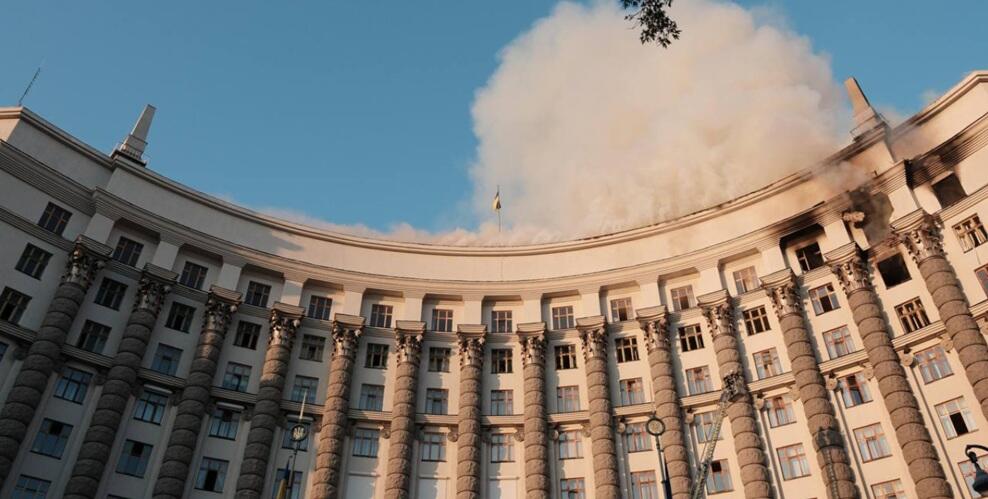 It certainly at the very least is a loud warning at a moment Ukraine has been escalating its own cross-border drone attacks on oil refineries, defense sector factories, and Russian airbases. At least five Ukrainians were killed in the new nation-wide, broad drone assault - including a woman and child in the capital, the NY Times reports.
AFP has said that one of its correspondents witnessed flames engulfing the roof of the cabinet building, verified in emerging photos, with thick smoke rising above the center part of the capital. Several high-rise apartment buildings also were reportedly struck and suffered damage.
The same report noted that for the first time of the conflict, emergency crews are battling blazes at a central government complex, with helicopters seen overhead doing water-drop runs. This government area of the city is typically well-guarded by anti-air defenses, and it looks like the Russians overwhelmed these systems.
It certainly at the very least is a loud warning at a moment Ukraine has been escalating its own cross-border drone attacks on oil refineries, defense sector factories, and Russian airbases. At least five Ukrainians were killed in the new nation-wide, broad drone assault - including a woman and child in the capital, the NY Times reports.
AFP has said that one of its correspondents witnessed flames engulfing the roof of the cabinet building, verified in emerging photos, with thick smoke rising above the center part of the capital. Several high-rise apartment buildings also were reportedly struck and suffered damage.
The same report noted that for the first time of the conflict, emergency crews are battling blazes at a central government complex, with helicopters seen overhead doing water-drop runs. This government area of the city is typically well-guarded by anti-air defenses, and it looks like the Russians overwhelmed these systems.
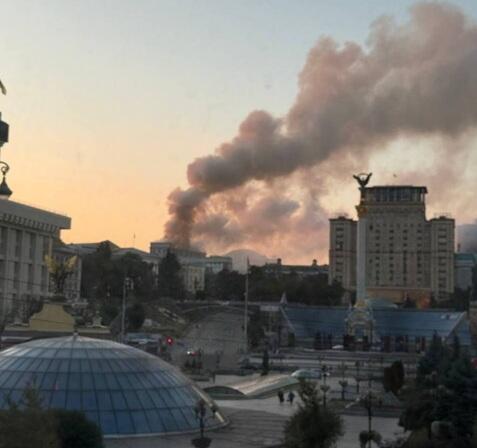 The most devastating impacts likely came from the over dozen cruise and ballistic missiles fired by Russia, as tallied by Ukraine's defense ministry. Only a few of these were intercepted or failed to reach their targets.
The Kremlin is not immediately owning up to hitting the government building, instead claiming that within the Kiev area it only struck a plant and logistics hub connected to the
The most devastating impacts likely came from the over dozen cruise and ballistic missiles fired by Russia, as tallied by Ukraine's defense ministry. Only a few of these were intercepted or failed to reach their targets.
The Kremlin is not immediately owning up to hitting the government building, instead claiming that within the Kiev area it only struck a plant and logistics hub connected to the 
 Sunday's attack will certainly cause European leaders to ramp up pressure on Washington go ahead and unleash Trump's threatened secondary sanctions on Moscow and its trading partners.
Russia always dreamed of striking “decision-making centers.” Now the Cabinet of Ministers in Kyiv is burning. How will the world respond? They are watching.
Sunday's attack will certainly cause European leaders to ramp up pressure on Washington go ahead and unleash Trump's threatened secondary sanctions on Moscow and its trading partners.
Russia always dreamed of striking “decision-making centers.” Now the Cabinet of Ministers in Kyiv is burning. How will the world respond? They are watching. 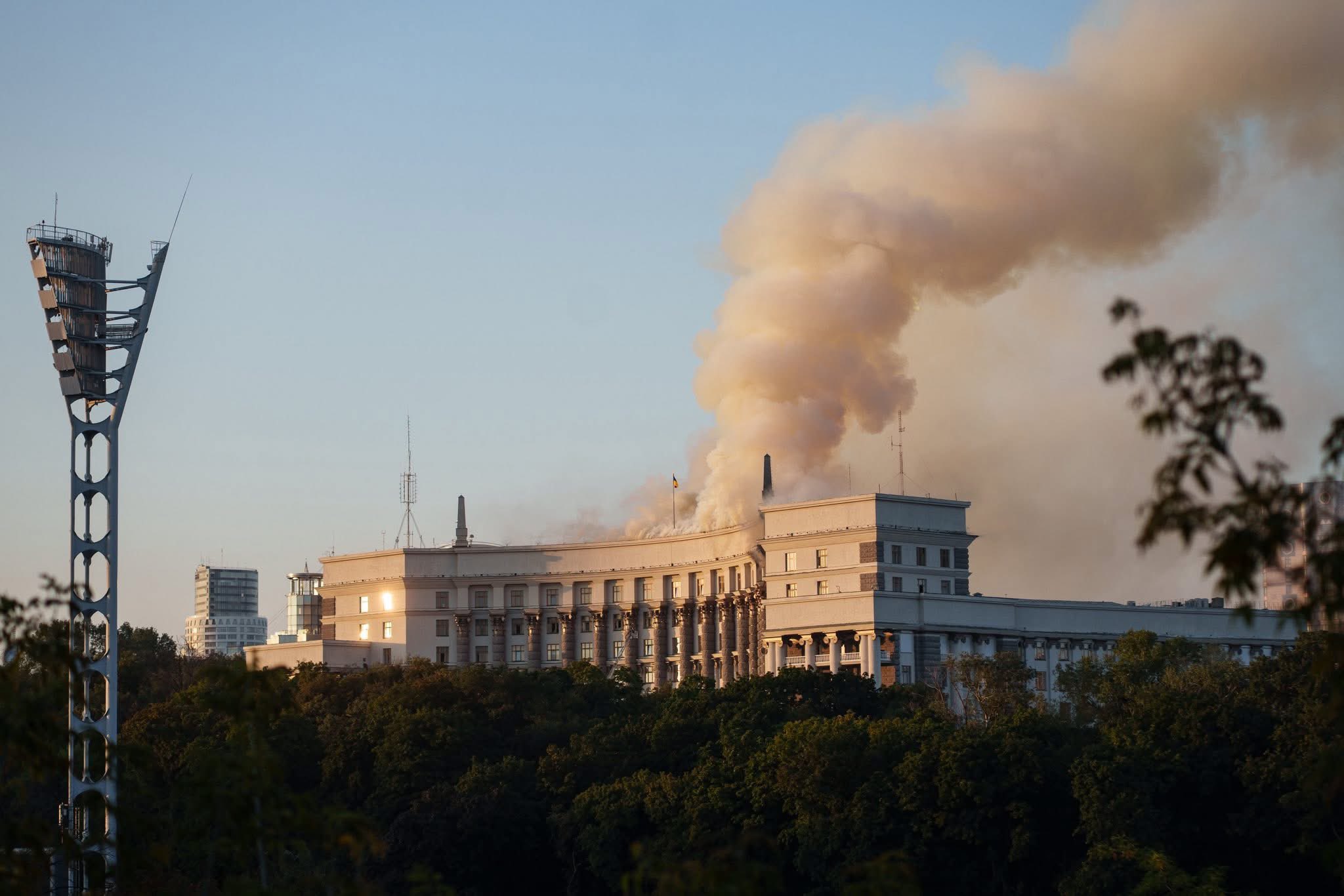



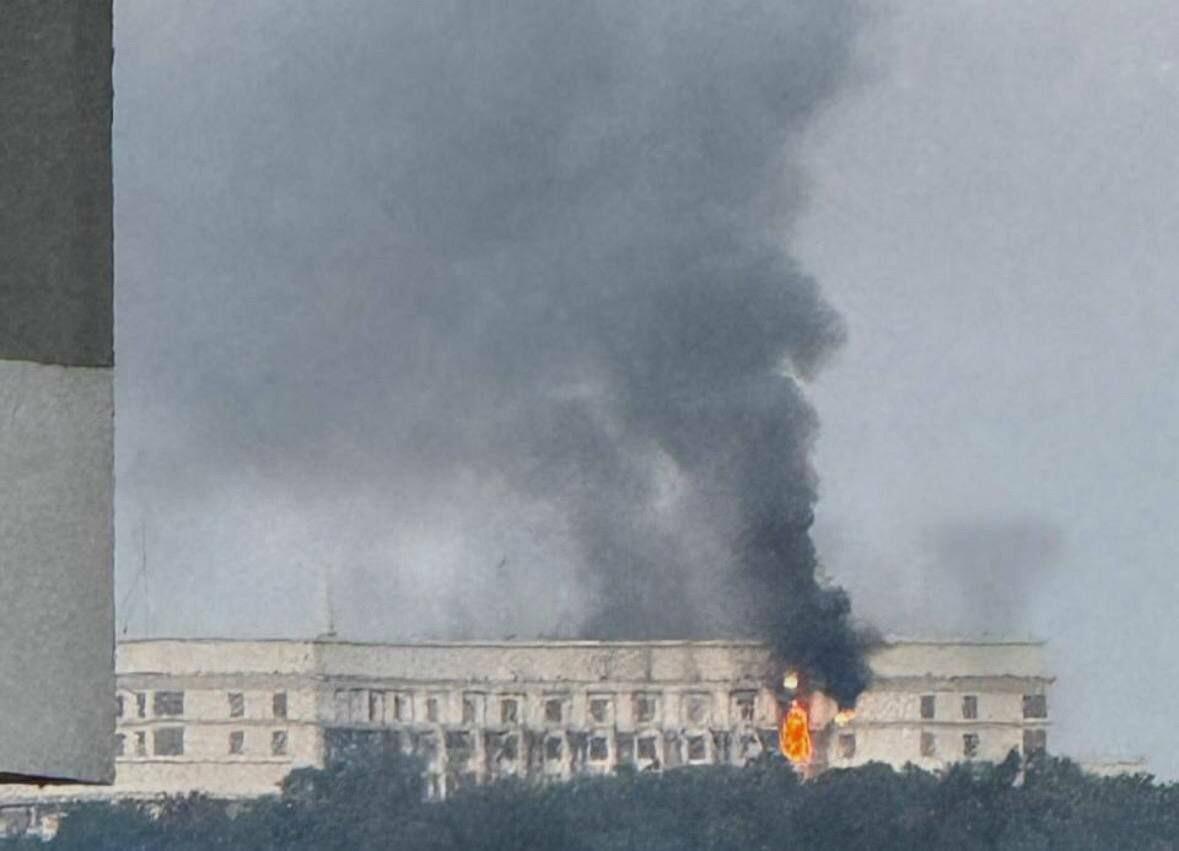 The condemnations kept rolling in, with France's Macron decrying that Russia "is locking itself ever deeper into the logic of war and terror" - the UK's Starmer slamming "cowardly strikes" which further affirm that Putin "is not serious about peace."
The Trump effort to get the warring parties to achieve a quick peace settlement now appears completely in tatters - though it was already limping along for weeks.
The condemnations kept rolling in, with France's Macron decrying that Russia "is locking itself ever deeper into the logic of war and terror" - the UK's Starmer slamming "cowardly strikes" which further affirm that Putin "is not serious about peace."
The Trump effort to get the warring parties to achieve a quick peace settlement now appears completely in tatters - though it was already limping along for weeks.
 This puts pressure on Trump from within his own administration too, as hawks will seize and will argue for more major military hardware to be shipped to Kiev.
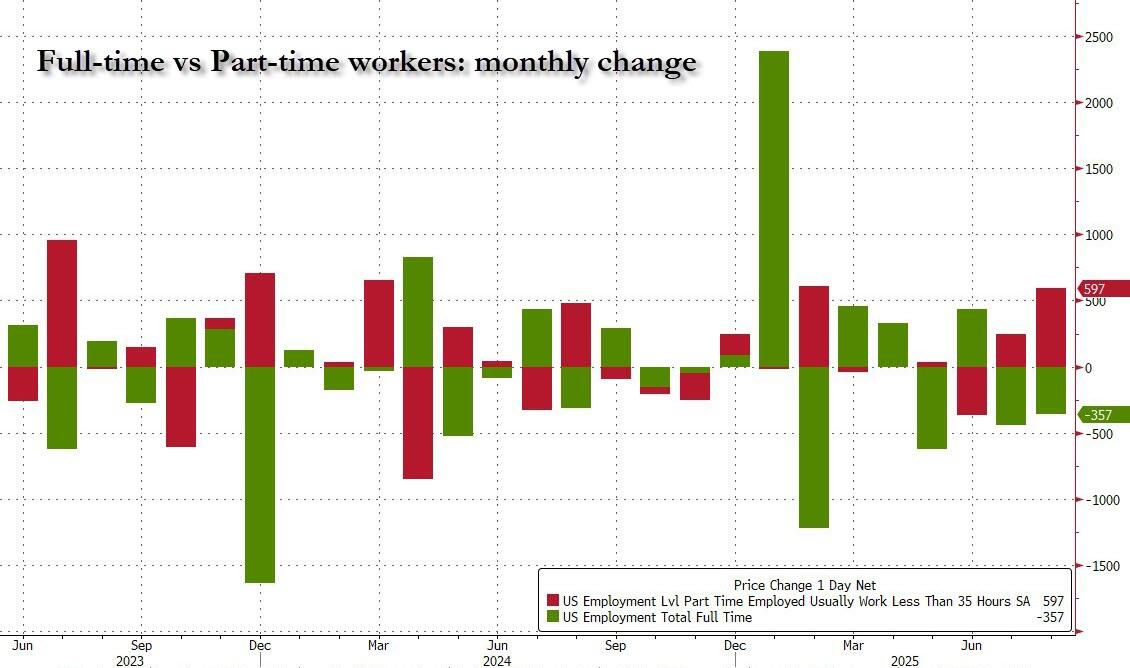 For those of you who regularly read our criticisms of the birth/death model, it added 90k. Normally, we’d highlight that it is “odd” that a model of new businesses contributes this much relative to the total, but we will be kind and admit that we could be seeing new businesses starting, trying to take advantage of the myriad of policies being implemented. Change creates opportunity and there are many positive developments (for growth) on the tax side, shifting priorities, and reduced regulation in some industries.
With ongoing uncertainty around policy:
The courts are still deciding on the legality of many existing tariffs (and the admin is working on how to keep them in place even if the courts rule against them, by using other rules to impose the tariffs, or even pointing to the trade “deals”).
The admin still seems to change some tariff levels somewhat arbitrarily (at least compared to “traditional” standards), though nowhere near as much as around Liberation Day.
There still is little in the way of formal, detailed documentation regarding the deals announced, and it seems fair to say that what the U.S. says about some deals, versus what the other country is saying, doesn’t always tie out (Japan’s “investment” in the U.S. as one pretty big example).
What are other countries doing behind the scenes? No country was really in a position to lose a lot of business with the U.S. (other than maybe China, primarily due to their stranglehold on many rare earths and critical minerals – with magnets taking center stage). So of course, some “deals” were struck, but it is impossible to believe that many aren’t taking steps to insulate themselves from what they may see as “erratic” or “aggressive” behavior.
The job market needs to be addressed better, though it is possible that the combination of tariffs and other policies will bring a flood of jobs to the U.S. as they fully take effect. We remain most optimistic around ProSec™ (Production for Security) – and have seen some steps taken on that front (though some of the steps have raised issues about control, etc.)
Reality Check - Tariffs
Clearly, tariffs came up in our discussion of the job market. We believe tariff policy, both the uncertainty and the time it takes to have an effect, is hurting employment at the moment. Uncertainty does not encourage aggressive spending.
The disruption of tariffs comes first. Then, over time, once companies believe high tariffs are here to stay, and they have negotiated deals with suppliers, they can turn more attention to making products in the U.S. Some of that is already starting, but in general it takes time to build out. The build-out phase will also generate some jobs, but the big impact will come from a serious increase in domestic manufacturing. We remain concerned, that outside of ProSec™, the administration’s goals related to tariffs may not be achieved:
The build-out time for many facilities is measured in years, not months, making the economy susceptible to the negative consequences of tariffs.
In some cases, the cost disadvantage is so great, that even with large tariffs, domestic manufacturing may still have limited gains.
We continue to look to the monthly Tariff Revenue Charts for the cumulative impact. Only as the cumulative number grows should we expect to see the potential negatives – goods inflation/margin pressure – show up in the data. There are “whispers” in the data “hinting” that they are real and developing, but that could turn into a “crescendo” in the coming quarters as inventory has been rolled over to the point that it is completely tariffed, agreements with suppliers have been hammered out, and sales contracts get renegotiated.
Reality Check – AI Spend
The spending on AI (data centers, chips, electricity production) has been instrumental in keeping the economy going (and getting stocks to record levels).
So far, there are few, if any signs of the spending (investment) ebbing. By and large the talk from the chip companies, hyper-scalers, and large potential customers remains very positive and aggressive in regards to spending.
The President just met with the CEOs of major tech companies, so there should be ongoing support from the administration. Portions of the “Big Beautiful” Tax Act, such as accelerated depreciation, should add to the amount spent.
We have barely scratched the surface on the potential spending and growth as crypto in general and stablecoins make use of the tailwinds of recent laws and regulations. We are seeing Digital Asset Treasury companies being created daily and there is growing chatter of the potential for MSTR to be added to the S&P 500 (it was already added by Nasdaq).
Given the importance of this industry to the economy and markets, any cracks, even small ones, could have immediate, relatively large effects. Hopefully, we won’t find any cracks, but we are spending time on that front as it is truly mission critical that these industries continue to speed along!
Reality Check – Inflation
We concede, based on our views on tariffs, that there is some risk of goods inflation. But, if we are right on the economy, that will be relatively small. A weak job market doesn’t lend itself to consumers bidding up prices.
As we wrote recently, the housing inflation data is simply wrong. It doesn’t reflect what is currently occurring with rent, and it is “guaranteed” to catch up, since it is pretty much an exercise in math. It is difficult to believe that the Fed that missed rising rents in a timely manner during the “transitory” period, will make the same mistake, in reverse now, but that has been the path that they are on.
The goods inflation will pass through to the service economy over time (as service providers have to purchase equipment, products, supplies, etc.) but without job growth, it is difficult to see inflation running rampant.
Overall, I’d expect inflation to run somewhere close to (but likely below) 3% for the next year.
A touch high for the Fed to be comfortable cutting, but not so high that they shouldn’t respond to the already weak job market (after revisions, it has been weak for 3 months, and we think that Q1 was likely overstated for the reasons listed at the time – birth/death and invalid seasonality adjustments being the primary reasons).
Reality Check – Housing
Lower mortgage rates should help, but we continue to look at some “problem” areas that we have focused on before.
We hear a LOT about lack of supply, but we keep coming back to charts like this one.
For those of you who regularly read our criticisms of the birth/death model, it added 90k. Normally, we’d highlight that it is “odd” that a model of new businesses contributes this much relative to the total, but we will be kind and admit that we could be seeing new businesses starting, trying to take advantage of the myriad of policies being implemented. Change creates opportunity and there are many positive developments (for growth) on the tax side, shifting priorities, and reduced regulation in some industries.
With ongoing uncertainty around policy:
The courts are still deciding on the legality of many existing tariffs (and the admin is working on how to keep them in place even if the courts rule against them, by using other rules to impose the tariffs, or even pointing to the trade “deals”).
The admin still seems to change some tariff levels somewhat arbitrarily (at least compared to “traditional” standards), though nowhere near as much as around Liberation Day.
There still is little in the way of formal, detailed documentation regarding the deals announced, and it seems fair to say that what the U.S. says about some deals, versus what the other country is saying, doesn’t always tie out (Japan’s “investment” in the U.S. as one pretty big example).
What are other countries doing behind the scenes? No country was really in a position to lose a lot of business with the U.S. (other than maybe China, primarily due to their stranglehold on many rare earths and critical minerals – with magnets taking center stage). So of course, some “deals” were struck, but it is impossible to believe that many aren’t taking steps to insulate themselves from what they may see as “erratic” or “aggressive” behavior.
The job market needs to be addressed better, though it is possible that the combination of tariffs and other policies will bring a flood of jobs to the U.S. as they fully take effect. We remain most optimistic around ProSec™ (Production for Security) – and have seen some steps taken on that front (though some of the steps have raised issues about control, etc.)
Reality Check - Tariffs
Clearly, tariffs came up in our discussion of the job market. We believe tariff policy, both the uncertainty and the time it takes to have an effect, is hurting employment at the moment. Uncertainty does not encourage aggressive spending.
The disruption of tariffs comes first. Then, over time, once companies believe high tariffs are here to stay, and they have negotiated deals with suppliers, they can turn more attention to making products in the U.S. Some of that is already starting, but in general it takes time to build out. The build-out phase will also generate some jobs, but the big impact will come from a serious increase in domestic manufacturing. We remain concerned, that outside of ProSec™, the administration’s goals related to tariffs may not be achieved:
The build-out time for many facilities is measured in years, not months, making the economy susceptible to the negative consequences of tariffs.
In some cases, the cost disadvantage is so great, that even with large tariffs, domestic manufacturing may still have limited gains.
We continue to look to the monthly Tariff Revenue Charts for the cumulative impact. Only as the cumulative number grows should we expect to see the potential negatives – goods inflation/margin pressure – show up in the data. There are “whispers” in the data “hinting” that they are real and developing, but that could turn into a “crescendo” in the coming quarters as inventory has been rolled over to the point that it is completely tariffed, agreements with suppliers have been hammered out, and sales contracts get renegotiated.
Reality Check – AI Spend
The spending on AI (data centers, chips, electricity production) has been instrumental in keeping the economy going (and getting stocks to record levels).
So far, there are few, if any signs of the spending (investment) ebbing. By and large the talk from the chip companies, hyper-scalers, and large potential customers remains very positive and aggressive in regards to spending.
The President just met with the CEOs of major tech companies, so there should be ongoing support from the administration. Portions of the “Big Beautiful” Tax Act, such as accelerated depreciation, should add to the amount spent.
We have barely scratched the surface on the potential spending and growth as crypto in general and stablecoins make use of the tailwinds of recent laws and regulations. We are seeing Digital Asset Treasury companies being created daily and there is growing chatter of the potential for MSTR to be added to the S&P 500 (it was already added by Nasdaq).
Given the importance of this industry to the economy and markets, any cracks, even small ones, could have immediate, relatively large effects. Hopefully, we won’t find any cracks, but we are spending time on that front as it is truly mission critical that these industries continue to speed along!
Reality Check – Inflation
We concede, based on our views on tariffs, that there is some risk of goods inflation. But, if we are right on the economy, that will be relatively small. A weak job market doesn’t lend itself to consumers bidding up prices.
As we wrote recently, the housing inflation data is simply wrong. It doesn’t reflect what is currently occurring with rent, and it is “guaranteed” to catch up, since it is pretty much an exercise in math. It is difficult to believe that the Fed that missed rising rents in a timely manner during the “transitory” period, will make the same mistake, in reverse now, but that has been the path that they are on.
The goods inflation will pass through to the service economy over time (as service providers have to purchase equipment, products, supplies, etc.) but without job growth, it is difficult to see inflation running rampant.
Overall, I’d expect inflation to run somewhere close to (but likely below) 3% for the next year.
A touch high for the Fed to be comfortable cutting, but not so high that they shouldn’t respond to the already weak job market (after revisions, it has been weak for 3 months, and we think that Q1 was likely overstated for the reasons listed at the time – birth/death and invalid seasonality adjustments being the primary reasons).
Reality Check – Housing
Lower mortgage rates should help, but we continue to look at some “problem” areas that we have focused on before.
We hear a LOT about lack of supply, but we keep coming back to charts like this one.
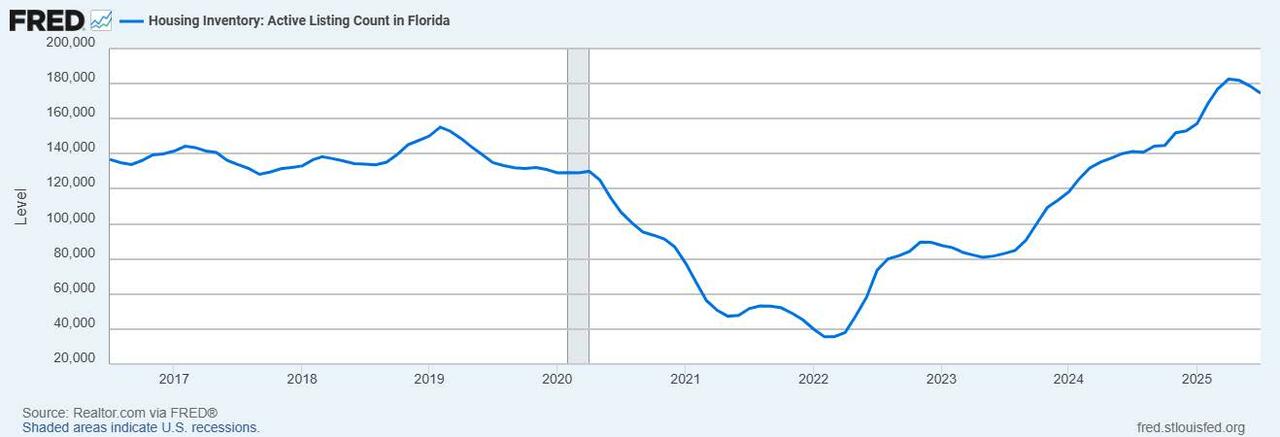 The number of homes for sale in Florida has come down from recent highs, but it is still above where it was pre-Covid, and I believe it has improved due to seasonality (this chart is not seasonally adjusted).
We will be checking out other states, but we have a weird dynamic:
Affordability is low in most areas, especially for buyers who need a mortgage.
Supply of some types of residences is low in some areas (I’m told) yet we see several big states/regions with charts similar to the one above.
Not sure what is going on, but it seems like there is some risk that houses become affordable in a bad way (homeowners lose some of their equity – which tends to slow spending and the economy).
Reality Check – The Consumer
Never bet against the U.S. consumer continuing to spend. There have been periods that the U.S. consumer’s ability/willingness to consume has been tested, but not often nor for long since at least the GFC.
Being on the road this week on vacation, with a lot of spotty wi-fi during any downtime, we didn’t make much progress digging deeper into this risk. However, I’ve seen a lot more circulating on this topic. Nothing alarming, and some reports remain optimistic, but given our concern about the job market, taking a closer look at the consumer seems like a necessary project
Reality Check – The Fed, Treasury, and Interest Rates
While the market gapped closer to our target of 100 bps of cuts this year, even with some flattening on the week, we think the market is still underestimating the steps the Fed, in conjunction with Treasury, can take to reduce rates across the curve.
We’ve had numerous discussions on the subject since we published
The number of homes for sale in Florida has come down from recent highs, but it is still above where it was pre-Covid, and I believe it has improved due to seasonality (this chart is not seasonally adjusted).
We will be checking out other states, but we have a weird dynamic:
Affordability is low in most areas, especially for buyers who need a mortgage.
Supply of some types of residences is low in some areas (I’m told) yet we see several big states/regions with charts similar to the one above.
Not sure what is going on, but it seems like there is some risk that houses become affordable in a bad way (homeowners lose some of their equity – which tends to slow spending and the economy).
Reality Check – The Consumer
Never bet against the U.S. consumer continuing to spend. There have been periods that the U.S. consumer’s ability/willingness to consume has been tested, but not often nor for long since at least the GFC.
Being on the road this week on vacation, with a lot of spotty wi-fi during any downtime, we didn’t make much progress digging deeper into this risk. However, I’ve seen a lot more circulating on this topic. Nothing alarming, and some reports remain optimistic, but given our concern about the job market, taking a closer look at the consumer seems like a necessary project
Reality Check – The Fed, Treasury, and Interest Rates
While the market gapped closer to our target of 100 bps of cuts this year, even with some flattening on the week, we think the market is still underestimating the steps the Fed, in conjunction with Treasury, can take to reduce rates across the curve.
We’ve had numerous discussions on the subject since we published 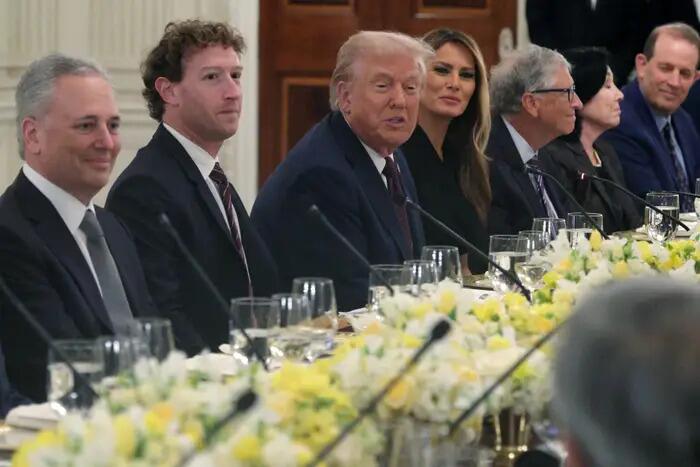 AI and Crypto Czar David Sacks and Chamath Palihapitiya, both attendees of the dinner, offered an insider account of the event on the “All-In” podcast. “It started with a group that Chamath organized in Silicon Valley. They were the core nucleus, and then more and more people wanted to join,” Sacks said. “Pretty soon, the president invited the top tech leaders, and it turned into the room you saw. It’s pretty amazing—President Trump’s ability to convene all these folks. I’d say maybe half the tech industry was there by market cap.”
Palihapitiya agreed with Sacks, explaining how being in that room "felt surreal."
"You’re seeing the leaders of the most important companies in the world, all sitting together, with this sense of alignment and cooperation. That was really cool,” Palihapitiya said. “These folks don’t have to show up anywhere, but the fact that the president could convene them says a lot about him and his agenda.”
Palihapitiya said that attendees were “incredibly supportive” of Trump’s policies, which he contrasted with “the difficulties under Biden,” noting that, “Even hard-core liberals like Tim Cook and Bill Gates have now fully embraced President Trump."
"That’s a testament to his agenda,” he said.
Palihapitiya then offered a play-by-play account of Trump hosting the tech leaders inside the Roosevelt Room. “You’re seeing the most powerful people who’ve built these incredible businesses—about 30 folks, but the table only fits 15. So you’ve got Tim Cook, Sam Altman, and Satya Nadella sitting on a couch, Dylan Field and Alan Wag nearby, just chilling,” Palihapitiya recounted. “In their own worlds, they’re kings, but in the White House, they’re American citizens there to meet the president. Everyone’s egos were checked.”
“Then they had us line up single file - Sundar, Satya, Bill Gates - like we’re backstage at a Zeppelin concert,” he added.
The group’s visit to the Oval Office added a ceremonial touch.
A visit to the Oval Office added ceremony, with attendees like Oracle’s Safra Catz and her husband mingling for photos at the Resolute Desk. An impromptu moment came when Catz’s husband asked for a pen, prompting Trump to hand out challenge coins and pens. Google’s Sergey Brin sparked a policy discussion that carried into dinner, while an attendee’s request for Trump’s playlist led to Fleetwood Mac playing in the Rose Garden, as captured by AMD’s Lisa Su. The camaraderie, however, couldn’t mask the underlying tension: these leaders, once vocal critics, now appeared to prioritize access and influence over their past principles, casting doubt on whether their earlier opposition was genuine or merely posturing for public favor.
The event raised questions about the motives of tech leaders who once opposed Trump. Zuckerberg, who
AI and Crypto Czar David Sacks and Chamath Palihapitiya, both attendees of the dinner, offered an insider account of the event on the “All-In” podcast. “It started with a group that Chamath organized in Silicon Valley. They were the core nucleus, and then more and more people wanted to join,” Sacks said. “Pretty soon, the president invited the top tech leaders, and it turned into the room you saw. It’s pretty amazing—President Trump’s ability to convene all these folks. I’d say maybe half the tech industry was there by market cap.”
Palihapitiya agreed with Sacks, explaining how being in that room "felt surreal."
"You’re seeing the leaders of the most important companies in the world, all sitting together, with this sense of alignment and cooperation. That was really cool,” Palihapitiya said. “These folks don’t have to show up anywhere, but the fact that the president could convene them says a lot about him and his agenda.”
Palihapitiya said that attendees were “incredibly supportive” of Trump’s policies, which he contrasted with “the difficulties under Biden,” noting that, “Even hard-core liberals like Tim Cook and Bill Gates have now fully embraced President Trump."
"That’s a testament to his agenda,” he said.
Palihapitiya then offered a play-by-play account of Trump hosting the tech leaders inside the Roosevelt Room. “You’re seeing the most powerful people who’ve built these incredible businesses—about 30 folks, but the table only fits 15. So you’ve got Tim Cook, Sam Altman, and Satya Nadella sitting on a couch, Dylan Field and Alan Wag nearby, just chilling,” Palihapitiya recounted. “In their own worlds, they’re kings, but in the White House, they’re American citizens there to meet the president. Everyone’s egos were checked.”
“Then they had us line up single file - Sundar, Satya, Bill Gates - like we’re backstage at a Zeppelin concert,” he added.
The group’s visit to the Oval Office added a ceremonial touch.
A visit to the Oval Office added ceremony, with attendees like Oracle’s Safra Catz and her husband mingling for photos at the Resolute Desk. An impromptu moment came when Catz’s husband asked for a pen, prompting Trump to hand out challenge coins and pens. Google’s Sergey Brin sparked a policy discussion that carried into dinner, while an attendee’s request for Trump’s playlist led to Fleetwood Mac playing in the Rose Garden, as captured by AMD’s Lisa Su. The camaraderie, however, couldn’t mask the underlying tension: these leaders, once vocal critics, now appeared to prioritize access and influence over their past principles, casting doubt on whether their earlier opposition was genuine or merely posturing for public favor.
The event raised questions about the motives of tech leaders who once opposed Trump. Zuckerberg, who 


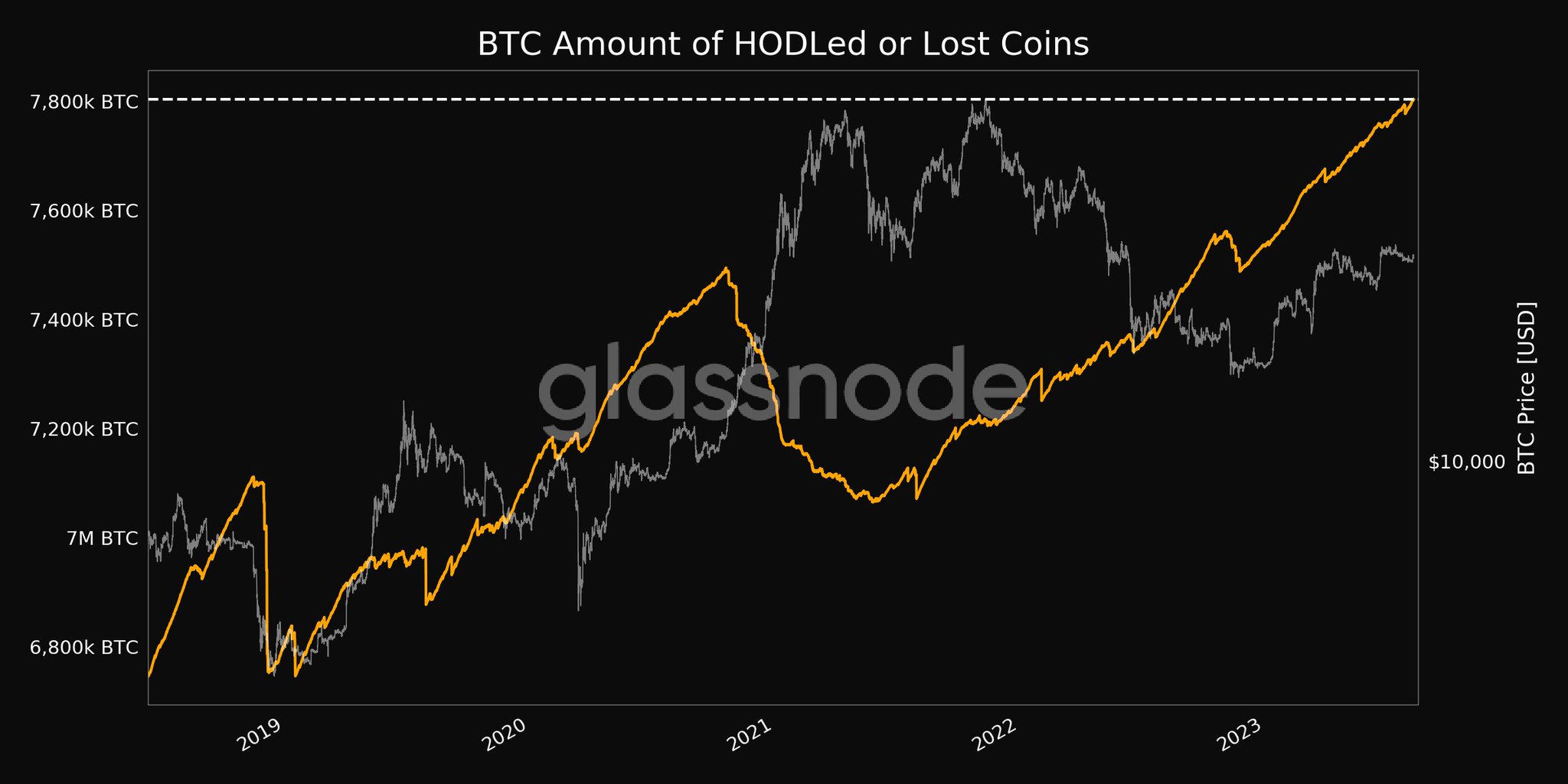

 This silent supply shock, which dwarfs institutional demand and is ignored and underestimated by the mainstream media, positions Bitcoin not just as digital gold but as an asset with unparalleled rarity. It also has the potential to trigger a seismic price surge as the market wakes up to the scarcer than realised reality, and a free float barely half its total supply.