US In 'Very Deep Negotiations' With Hamas To End Gaza Conflict, Trump Says
US In 'Very Deep Negotiations' With Hamas To End Gaza Conflict, Trump Says
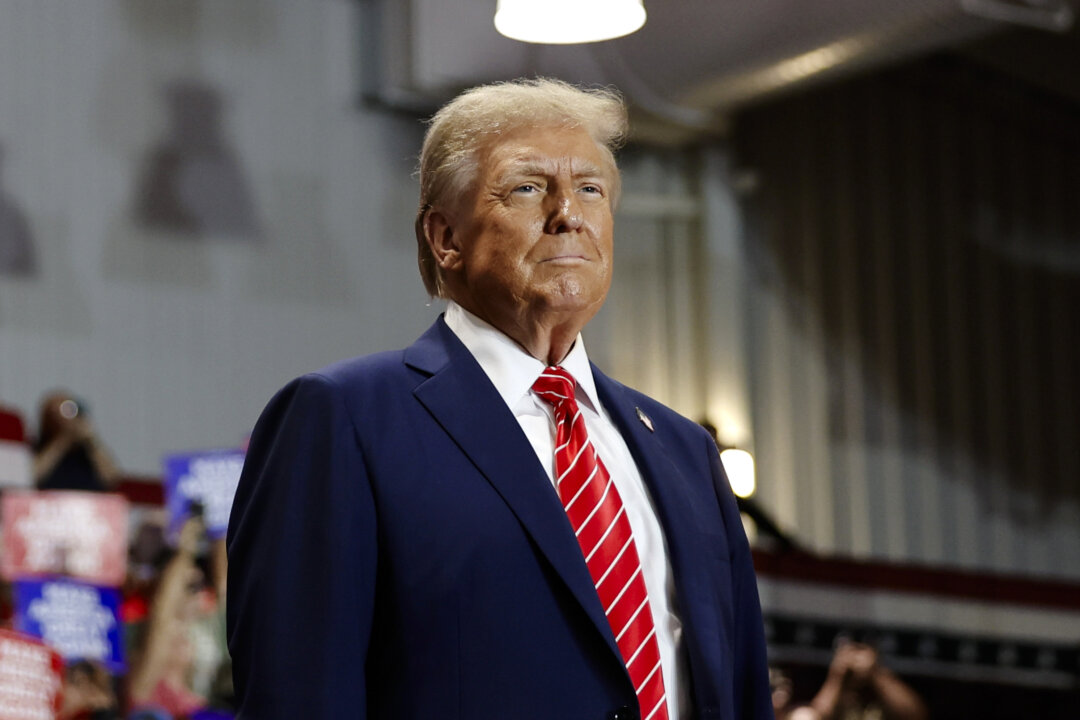
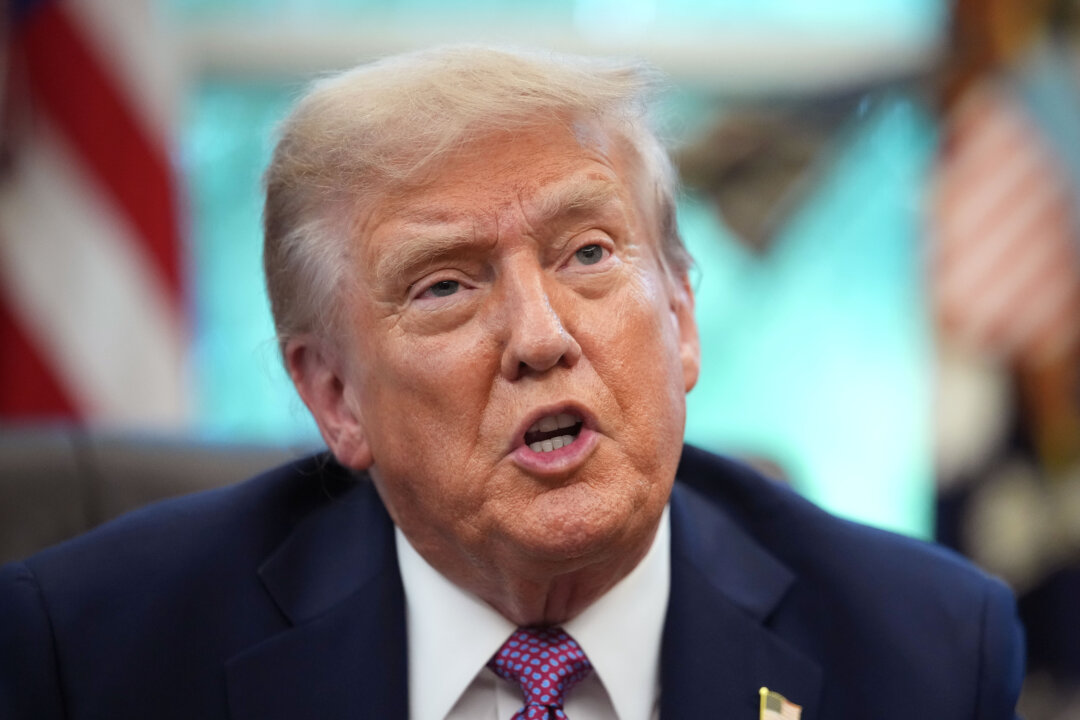 The United States is in “very deep negotiations with Hamas” to bring an end to the current conflict in the Gaza Strip, President Donald Trump announced on Sept. 5.
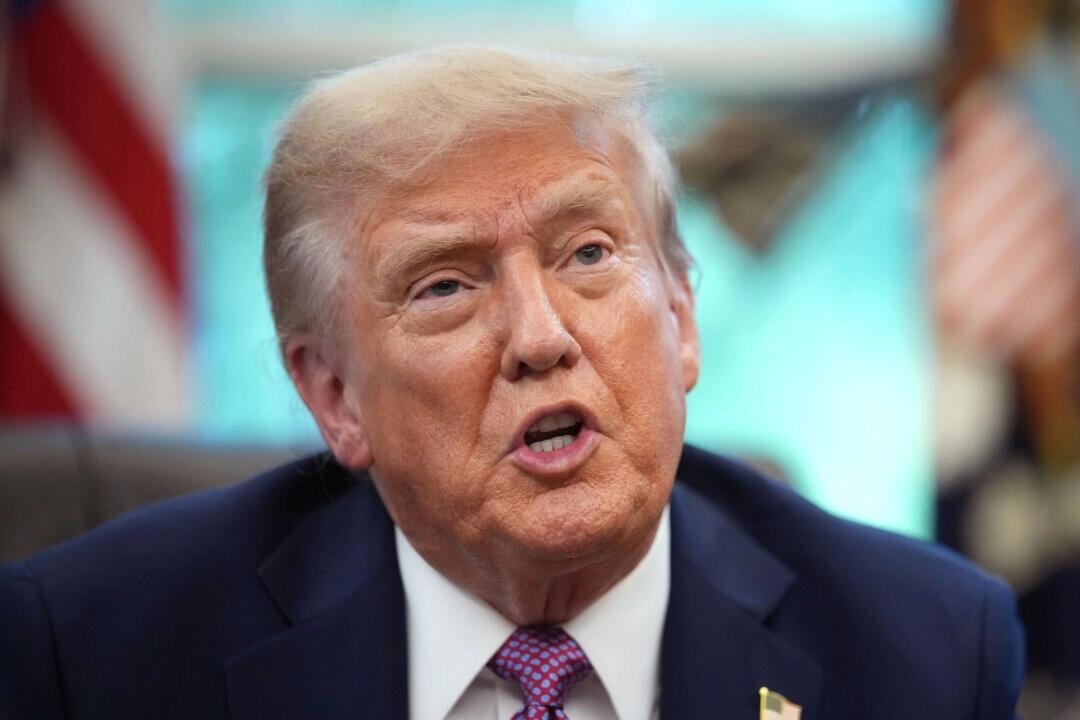 Hamas, which continues to hold hostages taken from Israel on Oct. 7, 2023, has so far rejected any deals to end the nearly two-year Israeli military campaign across the Gaza Strip, despite widespread death and destruction throughout the territory.
Addressing the ongoing hostage situation and the surrounding conflict, Trump reiterated calls for Hamas to release all of the remaining hostages in a bed to end the carnage.
“We said let them all out right now. Let them all out, and much better things will happen for them. But if you don’t let them all out, it’s going to be a tough situation. It’s going to be nasty. That’s my opinion. Israel’s choice, but that’s my opinion,” the president said during a White House press briefing.
In recent weeks, Israeli forces have been ramping up operations in Gaza City, which is located towards the northern end of the embattled strip of territory. The Israeli military has claimed responsibility for strikes targeting high-rises in the city, and footage has shown strikes toppling at least one tower there.
As many as 20 captives may still be alive, though Trump said “there could be some that have recently died, is what I’m hearing.”
“I hope that’s wrong,” he added.
The bodies of around 30 more captives also remain in the Gaza Strip.
Hamas released a video on Sept. 5 with Israeli hostage Guy Gilboa-Dalal. In the video, apparently dated Aug. 28, Gilboa-Dalal states that he and other hostages are being held in Gaza City and fear they will be killed in the intensifying Israeli operation.
Trump offered few specifics about what Hamas is requesting in negotiations for the release of the remaining hostages.
“They’re asking for some things that are fine,” Trump began, when asked about Hamas’s demands, but said the initial Hamas attack on Israel—in which around 1,200 were killed and thousands more were wounded—must be taken into consideration in the negotiations.
Throughout the conflict, Israeli Prime Minister Benjamin Netanyahu has articulated a goal to ensure Hamas is defeated and that the Gaza Strip can never become a haven for the group or similar militants opposed to Israel.
In an Aug. 10 https://www.gov.il/en/pages/event-press-conference100825
, Netanyahu said the Gaza City takeover plan is not part of an indefinite Israeli occupation of the strip. At the same time, he indicated the plan is for Israel to have “overriding security responsibilities” for the territory, while allowing a “non-Israeli, peaceful civil administration.”
Netanyahu said Gaza’s post-Hamas civil authority must be one that “doesn’t educate its children for terror, doesn’t pay terrorists, and doesn’t launch terrorist attacks against Israel.” Netanyahu said these terms would disqualify the Palestinian Authority—which has partial governing authority in the West Bank—from stepping in as Gaza’s eventual civil authority.
In a Sept. 6 statement, Hamas representatives said, “The movement affirms its openness to any ideas or proposals that achieve a permanent ceasefire, a comprehensive withdrawal of the occupation forces from the Gaza Strip, unconditional entry of aid, and a real prisoner exchange through serious negotiations via mediators.”
Sun, 09/07/2025 - 14:00
Hamas, which continues to hold hostages taken from Israel on Oct. 7, 2023, has so far rejected any deals to end the nearly two-year Israeli military campaign across the Gaza Strip, despite widespread death and destruction throughout the territory.
Addressing the ongoing hostage situation and the surrounding conflict, Trump reiterated calls for Hamas to release all of the remaining hostages in a bed to end the carnage.
“We said let them all out right now. Let them all out, and much better things will happen for them. But if you don’t let them all out, it’s going to be a tough situation. It’s going to be nasty. That’s my opinion. Israel’s choice, but that’s my opinion,” the president said during a White House press briefing.
In recent weeks, Israeli forces have been ramping up operations in Gaza City, which is located towards the northern end of the embattled strip of territory. The Israeli military has claimed responsibility for strikes targeting high-rises in the city, and footage has shown strikes toppling at least one tower there.
As many as 20 captives may still be alive, though Trump said “there could be some that have recently died, is what I’m hearing.”
“I hope that’s wrong,” he added.
The bodies of around 30 more captives also remain in the Gaza Strip.
Hamas released a video on Sept. 5 with Israeli hostage Guy Gilboa-Dalal. In the video, apparently dated Aug. 28, Gilboa-Dalal states that he and other hostages are being held in Gaza City and fear they will be killed in the intensifying Israeli operation.
Trump offered few specifics about what Hamas is requesting in negotiations for the release of the remaining hostages.
“They’re asking for some things that are fine,” Trump began, when asked about Hamas’s demands, but said the initial Hamas attack on Israel—in which around 1,200 were killed and thousands more were wounded—must be taken into consideration in the negotiations.
Throughout the conflict, Israeli Prime Minister Benjamin Netanyahu has articulated a goal to ensure Hamas is defeated and that the Gaza Strip can never become a haven for the group or similar militants opposed to Israel.
In an Aug. 10 https://www.gov.il/en/pages/event-press-conference100825
, Netanyahu said the Gaza City takeover plan is not part of an indefinite Israeli occupation of the strip. At the same time, he indicated the plan is for Israel to have “overriding security responsibilities” for the territory, while allowing a “non-Israeli, peaceful civil administration.”
Netanyahu said Gaza’s post-Hamas civil authority must be one that “doesn’t educate its children for terror, doesn’t pay terrorists, and doesn’t launch terrorist attacks against Israel.” Netanyahu said these terms would disqualify the Palestinian Authority—which has partial governing authority in the West Bank—from stepping in as Gaza’s eventual civil authority.
In a Sept. 6 statement, Hamas representatives said, “The movement affirms its openness to any ideas or proposals that achieve a permanent ceasefire, a comprehensive withdrawal of the occupation forces from the Gaza Strip, unconditional entry of aid, and a real prisoner exchange through serious negotiations via mediators.”
Sun, 09/07/2025 - 14:00
The Epoch Times
US in ‘Very Deep Negotiations’ With Hamas to End Gaza Conflict, Trump Says
The president said conditions in the Gaza Strip are ‘going to be nasty’ if Hamas doesn’t agree to release all of its remaining hostages.
Hamas, which continues to hold hostages taken from Israel on Oct. 7, 2023, has so far rejected any deals to end the nearly two-year Israeli military campaign across the Gaza Strip, despite widespread death and destruction throughout the territory.
Addressing the ongoing hostage situation and the surrounding conflict, Trump reiterated calls for Hamas to release all of the remaining hostages in a bed to end the carnage.
“We said let them all out right now. Let them all out, and much better things will happen for them. But if you don’t let them all out, it’s going to be a tough situation. It’s going to be nasty. That’s my opinion. Israel’s choice, but that’s my opinion,” the president said during a White House press briefing.
In recent weeks, Israeli forces have been ramping up operations in Gaza City, which is located towards the northern end of the embattled strip of territory. The Israeli military has claimed responsibility for strikes targeting high-rises in the city, and footage has shown strikes toppling at least one tower there.
As many as 20 captives may still be alive, though Trump said “there could be some that have recently died, is what I’m hearing.”
“I hope that’s wrong,” he added.
The bodies of around 30 more captives also remain in the Gaza Strip.
Hamas released a video on Sept. 5 with Israeli hostage Guy Gilboa-Dalal. In the video, apparently dated Aug. 28, Gilboa-Dalal states that he and other hostages are being held in Gaza City and fear they will be killed in the intensifying Israeli operation.
Trump offered few specifics about what Hamas is requesting in negotiations for the release of the remaining hostages.
“They’re asking for some things that are fine,” Trump began, when asked about Hamas’s demands, but said the initial Hamas attack on Israel—in which around 1,200 were killed and thousands more were wounded—must be taken into consideration in the negotiations.
Throughout the conflict, Israeli Prime Minister Benjamin Netanyahu has articulated a goal to ensure Hamas is defeated and that the Gaza Strip can never become a haven for the group or similar militants opposed to Israel.
In an Aug. 10 https://www.gov.il/en/pages/event-press-conference100825
, Netanyahu said the Gaza City takeover plan is not part of an indefinite Israeli occupation of the strip. At the same time, he indicated the plan is for Israel to have “overriding security responsibilities” for the territory, while allowing a “non-Israeli, peaceful civil administration.”
Netanyahu said Gaza’s post-Hamas civil authority must be one that “doesn’t educate its children for terror, doesn’t pay terrorists, and doesn’t launch terrorist attacks against Israel.” Netanyahu said these terms would disqualify the Palestinian Authority—which has partial governing authority in the West Bank—from stepping in as Gaza’s eventual civil authority.
In a Sept. 6 statement, Hamas representatives said, “The movement affirms its openness to any ideas or proposals that achieve a permanent ceasefire, a comprehensive withdrawal of the occupation forces from the Gaza Strip, unconditional entry of aid, and a real prisoner exchange through serious negotiations via mediators.”
Tyler Durden | Zero Hedge
Zero Hedge
US In 'Very Deep Negotiations' With Hamas To End Gaza Conflict, Trump Says | ZeroHedge
ZeroHedge - On a long enough timeline, the survival rate for everyone drops to zero
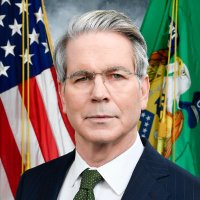
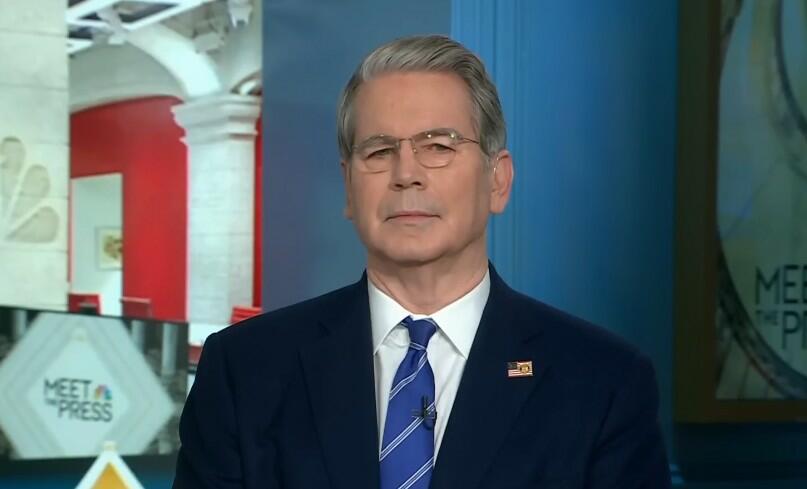 In a wide-ranging interview on NBC’s Meet the Press (full interview at the bottom), Bessent rejected forecasts from economists at Moody’s Analytics and elsewhere who have warned that slowing hiring trends and manufacturing job losses point to deeper weakness. Instead, he argued that recent data is noisy, revisions are likely, and that President Donald Trump’s economic agenda remains on track to deliver a "substantial acceleration" in the fourth quarter.
Host Kristen Welker opened the interview by citing Moody’s chief economist Mark Zandi, who recently described the U.S. slowdown as a "jobs recession." Asked if he agreed, Bessent pushed back:
"We’re not going to do economic policy off of one number," Bessent said. "Good policies are in place that are going to create good high-paying jobs for the American people."
He added that August is "the noisiest month of the year" for employment data and stressed that significant revisions are common: "We need good data before we jump to conclusions."
Tariffs at the Center of the Debate
Pressed on manufacturing job losses since the April rollout of the administration’s new tariffs, Bessent urged patience, noting that factories "can’t be built overnight" citing a "record amount of investment intentions" already underway.
He highlighted July’s passage of the administration’s flagship tax and infrastructure package - the One Big Beautiful Bill, which included full expensing for factories and equipment. According to Bessent, many companies were "holding back" investment until the bill passed and are now planning major capital expenditures and expansions.
Still, U.S. manufacturing employment has declined by 42,000 jobs since April, even as the White House has promised a "manufacturing renaissance"” Bessent attributed some of the perceived weakness to flawed data collection and suggested that upcoming revisions could wipe out hundreds of thousands of jobs previously reported under the Biden administration.
"We’re going to get revisions next week that may be as big as an 800,000-job downward revision," Bessent said. "I’m not sure what these people who collect the data have been doing, but we need good data."
Scott Bessent is now claiming Biden's jobs will be revised downward by 800,000 next week.
Is this why they are sending their own people to the BLS?
In a wide-ranging interview on NBC’s Meet the Press (full interview at the bottom), Bessent rejected forecasts from economists at Moody’s Analytics and elsewhere who have warned that slowing hiring trends and manufacturing job losses point to deeper weakness. Instead, he argued that recent data is noisy, revisions are likely, and that President Donald Trump’s economic agenda remains on track to deliver a "substantial acceleration" in the fourth quarter.
Host Kristen Welker opened the interview by citing Moody’s chief economist Mark Zandi, who recently described the U.S. slowdown as a "jobs recession." Asked if he agreed, Bessent pushed back:
"We’re not going to do economic policy off of one number," Bessent said. "Good policies are in place that are going to create good high-paying jobs for the American people."
He added that August is "the noisiest month of the year" for employment data and stressed that significant revisions are common: "We need good data before we jump to conclusions."
Tariffs at the Center of the Debate
Pressed on manufacturing job losses since the April rollout of the administration’s new tariffs, Bessent urged patience, noting that factories "can’t be built overnight" citing a "record amount of investment intentions" already underway.
He highlighted July’s passage of the administration’s flagship tax and infrastructure package - the One Big Beautiful Bill, which included full expensing for factories and equipment. According to Bessent, many companies were "holding back" investment until the bill passed and are now planning major capital expenditures and expansions.
Still, U.S. manufacturing employment has declined by 42,000 jobs since April, even as the White House has promised a "manufacturing renaissance"” Bessent attributed some of the perceived weakness to flawed data collection and suggested that upcoming revisions could wipe out hundreds of thousands of jobs previously reported under the Biden administration.
"We’re going to get revisions next week that may be as big as an 800,000-job downward revision," Bessent said. "I’m not sure what these people who collect the data have been doing, but we need good data."
Scott Bessent is now claiming Biden's jobs will be revised downward by 800,000 next week.
Is this why they are sending their own people to the BLS? 




 Right now, they're trying to ignore it, the way they tried to pretend Hunter Biden's laptop didn't exist back in 2020. They were successful enough that time to push their vote machine over the finish line in Biden/Harris's favor, but that won't happen this time. This story, this image, is already out there.
Still, they're trying to ignore it, hoping it goes away:
0 AP stories on this deadly attack
0 PBS stories on this deadly attack
0 NYT stories on this deadly attack
0 NPR stories on this deadly attack
0 WSJ stories on this deadly attack
0 BBC stories on this deadly attack
0 CNN stories on this deadly attack
0 WAPO stories on this…
Right now, they're trying to ignore it, the way they tried to pretend Hunter Biden's laptop didn't exist back in 2020. They were successful enough that time to push their vote machine over the finish line in Biden/Harris's favor, but that won't happen this time. This story, this image, is already out there.
Still, they're trying to ignore it, hoping it goes away:
0 AP stories on this deadly attack
0 PBS stories on this deadly attack
0 NYT stories on this deadly attack
0 NPR stories on this deadly attack
0 WSJ stories on this deadly attack
0 BBC stories on this deadly attack
0 CNN stories on this deadly attack
0 WAPO stories on this… 





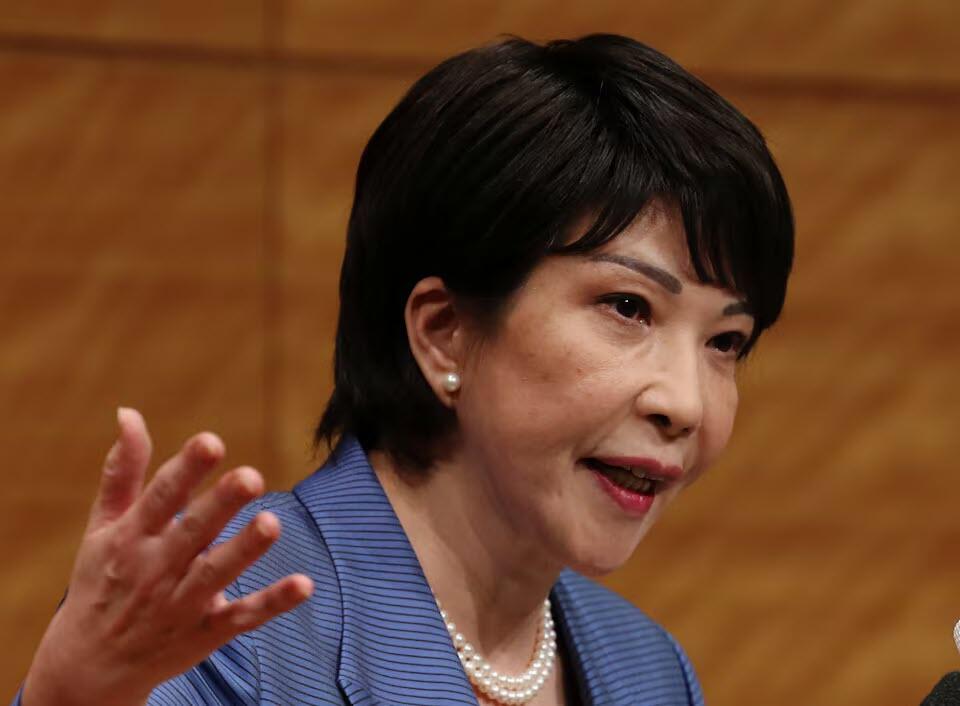 Takaichi supports imprisoning those who damage Japan's national flag, and is considered a China-hawk when it comes to foreign policy and supports revising article 9 of the Japanese constitution which prohibits Japan from entering armed conflict. She’s also a vocal critic of Chinese economic practices such as intellectual property theft and calls on Japan to lessen its economic dependence on China.
Most notably, she believes that immigration to Japan risks destabilizing Japanese society and argues that Japanese heritage must be protected. As such, should she replace Ishiba, she would become the latest hard-line conservative to take charge in blowback to the catastrophic policies unleashed by the liberal left in recent years.
Among other possible candidates, Takayuki Kobayashi, a former economic security minister, is on the right-wing of the party and would be a possible rival to Takaichi in garnering support from that section of lawmakers. Yoshimasa Hayashi, the current chief cabinet secretary, as well as Finance Minister Katsunobu Kato, might also show interest in succeeding Ishiba.
“If Ms. Takaichi is appointed, bond selling could intensify due to the risk of a credit rating downgrade,” Sumitomo Mitsui Trust’s Inadome said. In that scenario, “we could see a triple dip: falling bond prices, a weaker yen, and declining stock prices.”
A Koizumi or Hayashi win is more likely to return the yield curve to its previous shape, he added.
Traditionally, the LDP’s dominance in parliament all but assures that its leader will become prime minister. With no majority in either house, there’s only a slim chance the leader of the LDP could fail to clinch the premiership, though that decision is still some weeks away.
The next premier will have to navigate challenges ranging from global trade headwinds to simmering resentment at home over soaring costs of living. Ishiba had called for fresh cash handouts to support consumers, while opposition parties sought tax cuts or higher spending, proposals that have given investors cause for concern.
In the press conference held Sunday, Ishiba said that consumers and businesses will need more support and pressed the need to maintain momentum for wage hikes. He indicated that he essentially decided to step down following the July election setback, but saw a need to make more progress on the trade deal with the US first.
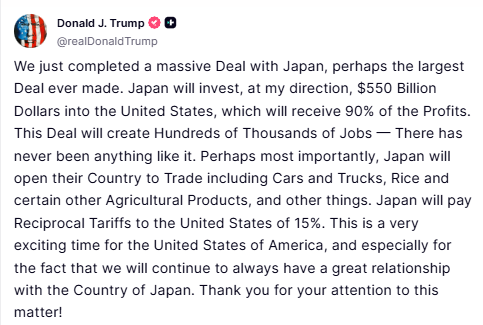
US President Donald Trump signed his trade agreement with Japan and put it into effect with an executive order on Thursday. Although current tariff rates will be lowered with the new order, Japan will still have to pay a maximum 15% tariff on its products, including exports of cars and auto parts.
Still, the signing of the deal leaves Ishiba with some kind of legacy to walk away with after a troubled year at the helm.
Takaichi supports imprisoning those who damage Japan's national flag, and is considered a China-hawk when it comes to foreign policy and supports revising article 9 of the Japanese constitution which prohibits Japan from entering armed conflict. She’s also a vocal critic of Chinese economic practices such as intellectual property theft and calls on Japan to lessen its economic dependence on China.
Most notably, she believes that immigration to Japan risks destabilizing Japanese society and argues that Japanese heritage must be protected. As such, should she replace Ishiba, she would become the latest hard-line conservative to take charge in blowback to the catastrophic policies unleashed by the liberal left in recent years.
Among other possible candidates, Takayuki Kobayashi, a former economic security minister, is on the right-wing of the party and would be a possible rival to Takaichi in garnering support from that section of lawmakers. Yoshimasa Hayashi, the current chief cabinet secretary, as well as Finance Minister Katsunobu Kato, might also show interest in succeeding Ishiba.
“If Ms. Takaichi is appointed, bond selling could intensify due to the risk of a credit rating downgrade,” Sumitomo Mitsui Trust’s Inadome said. In that scenario, “we could see a triple dip: falling bond prices, a weaker yen, and declining stock prices.”
A Koizumi or Hayashi win is more likely to return the yield curve to its previous shape, he added.
Traditionally, the LDP’s dominance in parliament all but assures that its leader will become prime minister. With no majority in either house, there’s only a slim chance the leader of the LDP could fail to clinch the premiership, though that decision is still some weeks away.
The next premier will have to navigate challenges ranging from global trade headwinds to simmering resentment at home over soaring costs of living. Ishiba had called for fresh cash handouts to support consumers, while opposition parties sought tax cuts or higher spending, proposals that have given investors cause for concern.
In the press conference held Sunday, Ishiba said that consumers and businesses will need more support and pressed the need to maintain momentum for wage hikes. He indicated that he essentially decided to step down following the July election setback, but saw a need to make more progress on the trade deal with the US first.
US President Donald Trump signed his trade agreement with Japan and put it into effect with an executive order on Thursday. Although current tariff rates will be lowered with the new order, Japan will still have to pay a maximum 15% tariff on its products, including exports of cars and auto parts.
Still, the signing of the deal leaves Ishiba with some kind of legacy to walk away with after a troubled year at the helm.
 After an online meeting Sunday, eight OPEC+ members said they will boost production by 137,000 barrels a day in October, beginning to roll back some voluntary cuts they had previously put in place.
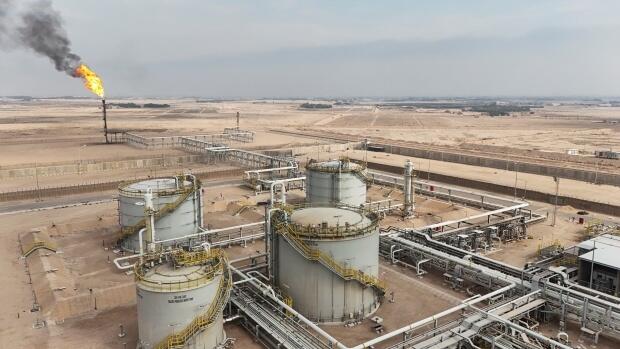 The alliance, which comprises OPEC and other top oil producers including Russia, had been expected to keep output steady until recent days.
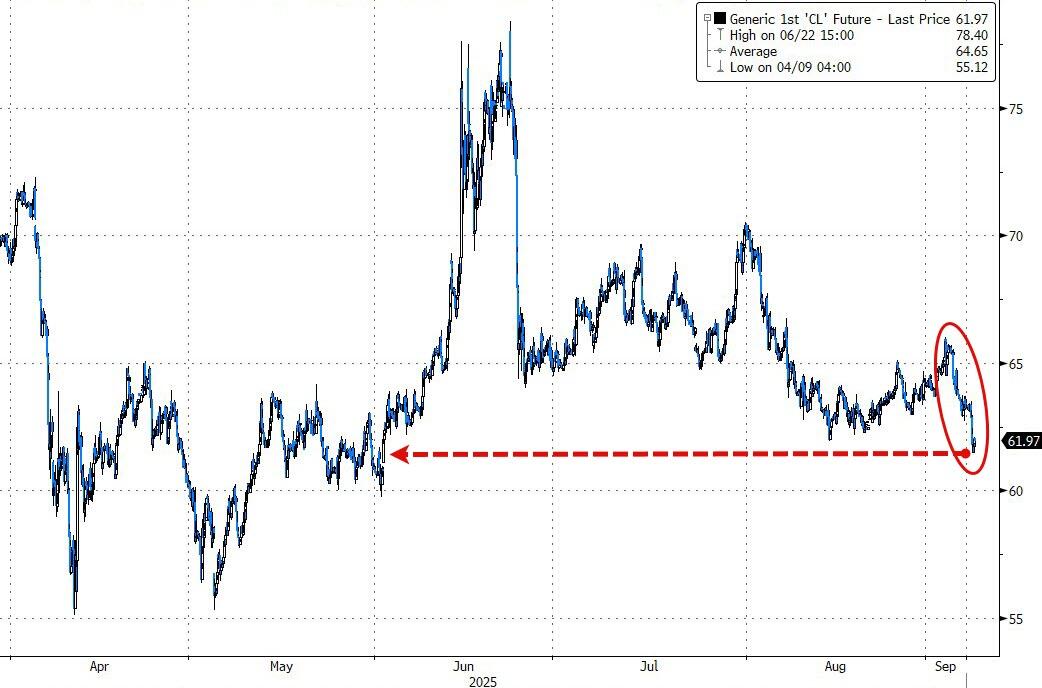 It’s the first sliver of a bigger 1.65 million barrels a day tranche of supply that was meant to be held back until the end of next year, suggesting cautious optimism about the market.
OPEC+ members said Sunday the barrels may be restored in part or in full “subject to evolving market conditions.”
While the production increases have prevented prices from rising sharply amid heightened geopolitical tensions,
It’s the first sliver of a bigger 1.65 million barrels a day tranche of supply that was meant to be held back until the end of next year, suggesting cautious optimism about the market.
OPEC+ members said Sunday the barrels may be restored in part or in full “subject to evolving market conditions.”
While the production increases have prevented prices from rising sharply amid heightened geopolitical tensions, 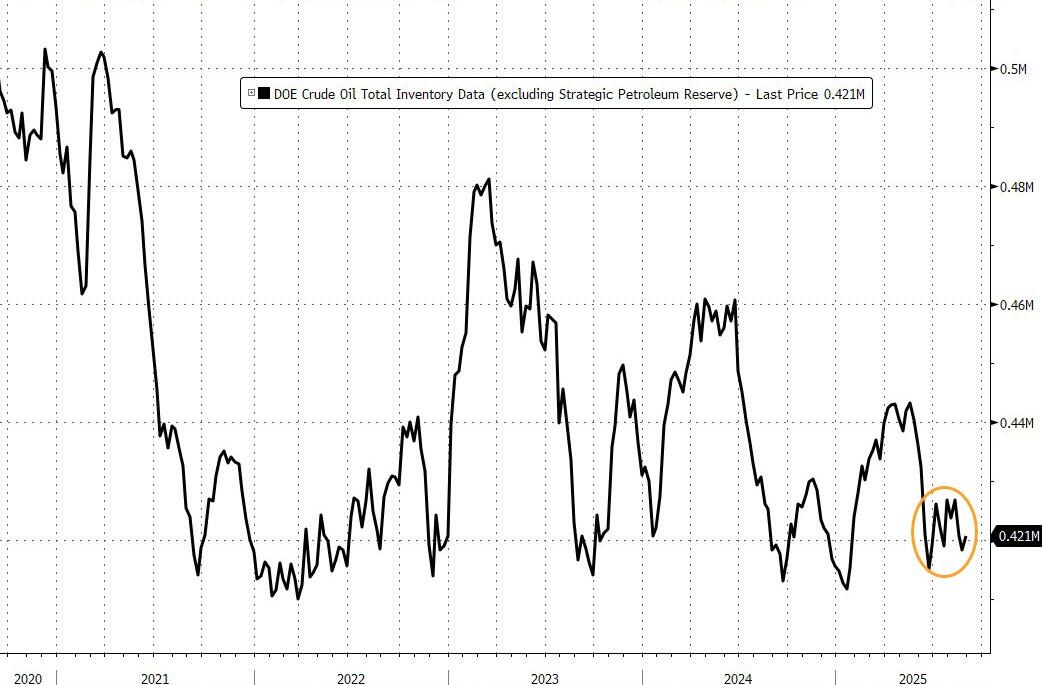 Actual OPEC+ production also has fallen short of pledged volumes in recent months, as some members had to restrict output to compensate for earlier overproduction.
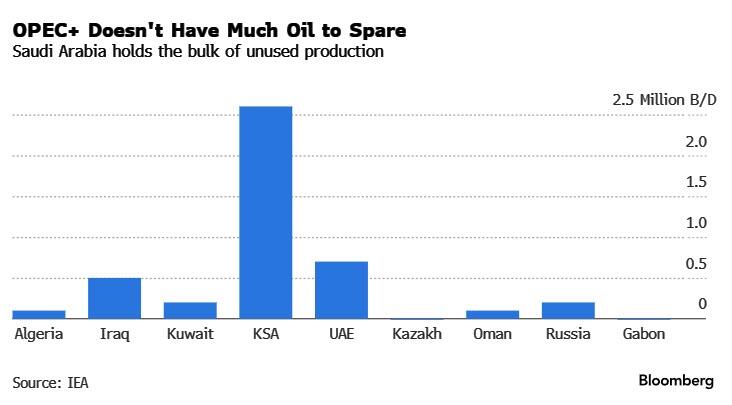
The decision is likely to put a renewed spotlight on the unused production levels available in different OPEC+ members, as countries that can’t pump more won’t fully benefit from the increased quotas, while they face the added pressure of lower prices.
Actual OPEC+ production also has fallen short of pledged volumes in recent months, as some members had to restrict output to compensate for earlier overproduction.
The decision is likely to put a renewed spotlight on the unused production levels available in different OPEC+ members, as countries that can’t pump more won’t fully benefit from the increased quotas, while they face the added pressure of lower prices.
 The group’s next meeting will be October 5.
 The South Korea and U.S. governments finalized negotiations on releasing the workers, said presidential chief of staff, Kang Hoon-sik. South Korea will send a charter plane to bring the workers back once the remaining administrative steps are concluded, he added.
On Friday, U.S. immigration authorities said they had arrested 475 people at the worksite, most of whom were South Korean nationals. Hundreds of federal agents had conducted an operation at the Korean automaker Hyundai’s large Georgia-based manufacturing plant, where it builds electric vehicles. More than 300 South Koreans were part of the group detained, said Cho Hyun, South Korea’s Foreign Minister.
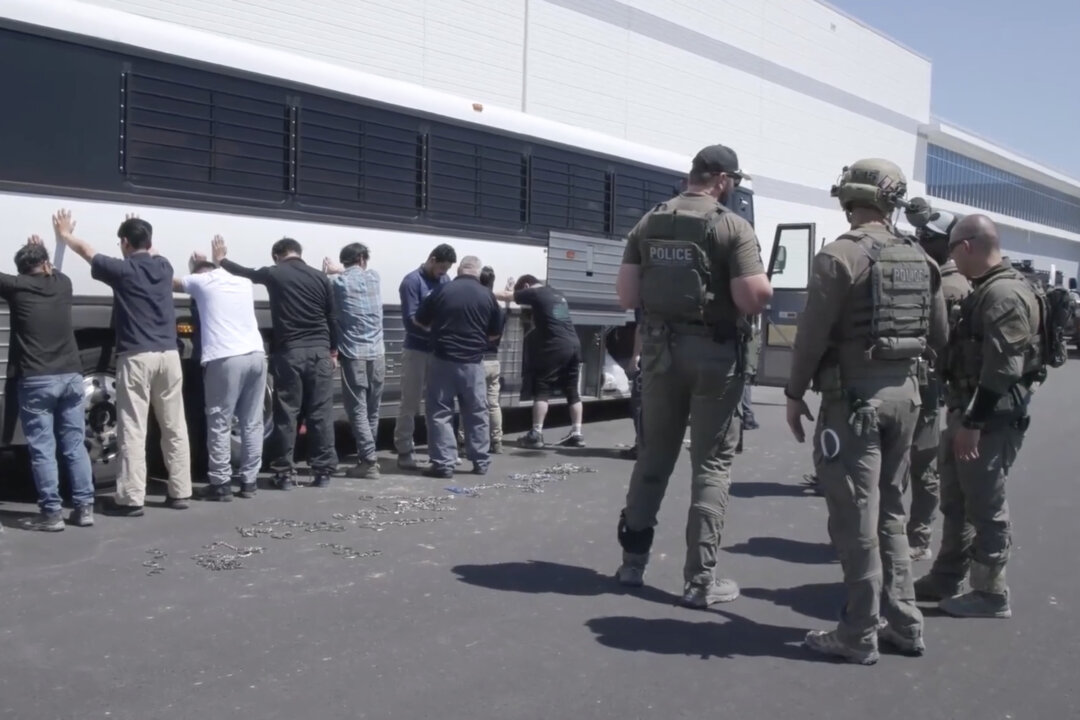
In video footage released by Immigration and Customs Enforcement (ICE) on Saturday, a caravan of vehicles can be seen approaching the site before federal agents direct workers to form a line outside. Agents told several detainees to put up their hands against a bus before frisking them. Some of the workers were shackled around their hands, ankles, and waists.
The plant, which is still under construction, is a partnership between Hyundai and LG Energy Solution to manufacture batteries for electric vehicles. The Hyundai campus is one of Georgia’s largest economic development projects.
The majority of the detainees were sent to an immigration detention center in Folkston, Georgia, near the Florida border.
Steven Schrank, the lead Georgia agent of Homeland Security Investigations, said during a news conference on Sept. 5 that none of the arrested workers have been charged with crimes yet, as the investigation is still ongoing. The Sept. 4 operation was the largest federal immigration worksite operation in Homeland Security Investigations’s history, he said.
The South Korean government, a key U.S. ally, said it felt “concern and regret” regarding the operation targeting its citizens and has sent diplomats to the plant.
The effort continues the Trump administration’s focus on illegal immigration and deportations at businesses and workplaces that allegedly employ illegal immigrants.
Last week, ICE agents
The South Korea and U.S. governments finalized negotiations on releasing the workers, said presidential chief of staff, Kang Hoon-sik. South Korea will send a charter plane to bring the workers back once the remaining administrative steps are concluded, he added.
On Friday, U.S. immigration authorities said they had arrested 475 people at the worksite, most of whom were South Korean nationals. Hundreds of federal agents had conducted an operation at the Korean automaker Hyundai’s large Georgia-based manufacturing plant, where it builds electric vehicles. More than 300 South Koreans were part of the group detained, said Cho Hyun, South Korea’s Foreign Minister.
In video footage released by Immigration and Customs Enforcement (ICE) on Saturday, a caravan of vehicles can be seen approaching the site before federal agents direct workers to form a line outside. Agents told several detainees to put up their hands against a bus before frisking them. Some of the workers were shackled around their hands, ankles, and waists.
The plant, which is still under construction, is a partnership between Hyundai and LG Energy Solution to manufacture batteries for electric vehicles. The Hyundai campus is one of Georgia’s largest economic development projects.
The majority of the detainees were sent to an immigration detention center in Folkston, Georgia, near the Florida border.
Steven Schrank, the lead Georgia agent of Homeland Security Investigations, said during a news conference on Sept. 5 that none of the arrested workers have been charged with crimes yet, as the investigation is still ongoing. The Sept. 4 operation was the largest federal immigration worksite operation in Homeland Security Investigations’s history, he said.
The South Korean government, a key U.S. ally, said it felt “concern and regret” regarding the operation targeting its citizens and has sent diplomats to the plant.
The effort continues the Trump administration’s focus on illegal immigration and deportations at businesses and workplaces that allegedly employ illegal immigrants.
Last week, ICE agents 

 Russia's TASS has


 US Treasury Yield Notes
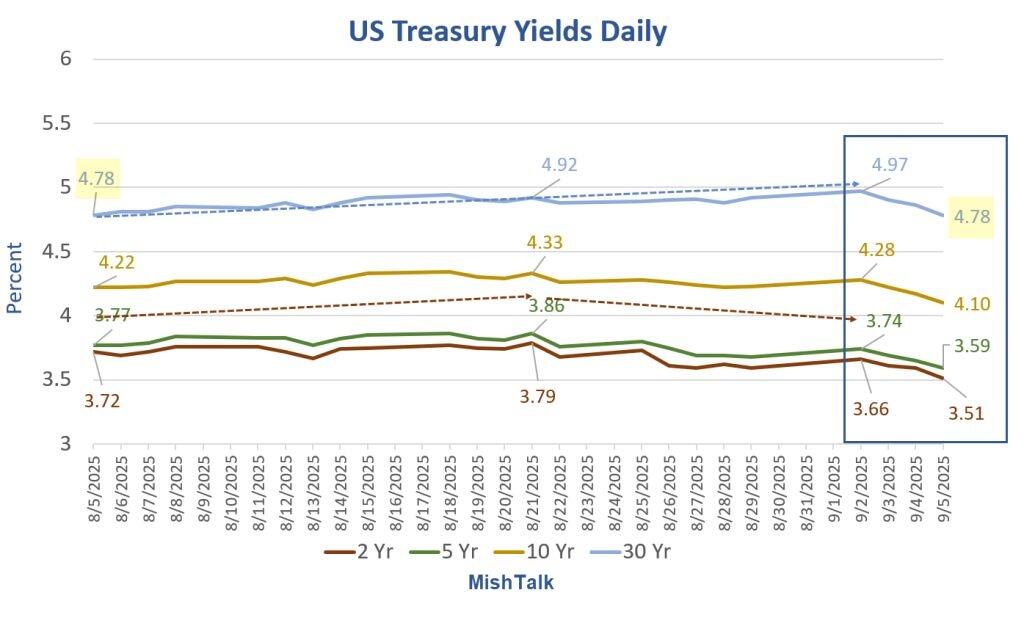
Between August 5 and August 21, bond yields for US treasuries of 2 year duration or longer all rose.
The period between August 21 and September 2 was very painful for 30-year long bond holders but favorable for the rest.
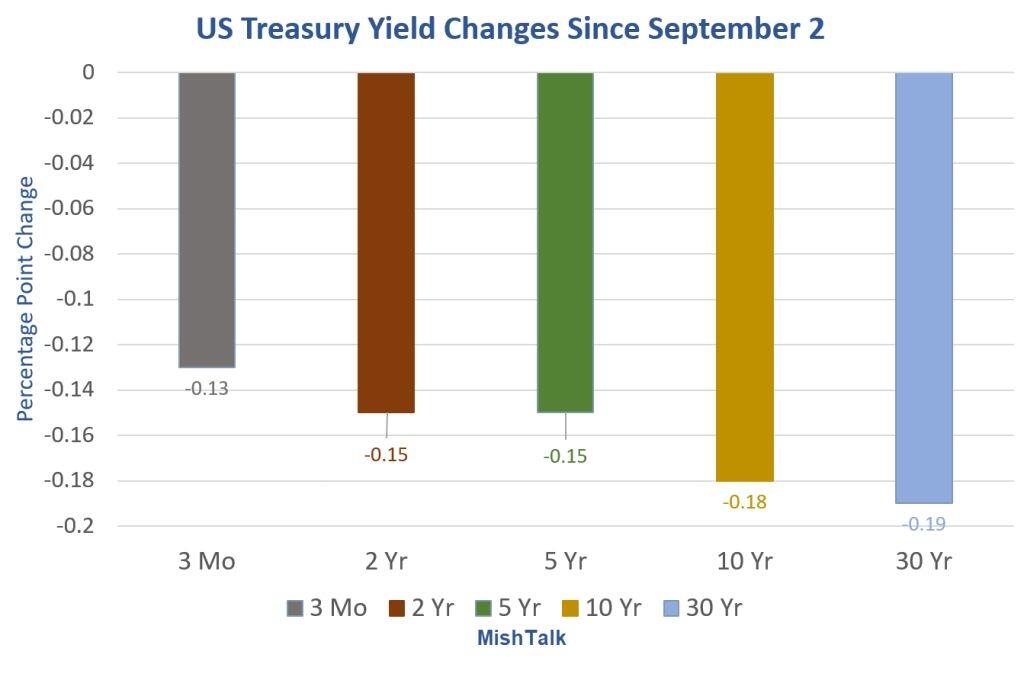
Starting September 2, there was a bond market rally across the board.
US Treasury Yield Notes
Between August 5 and August 21, bond yields for US treasuries of 2 year duration or longer all rose.
The period between August 21 and September 2 was very painful for 30-year long bond holders but favorable for the rest.
Starting September 2, there was a bond market rally across the board.
 Treasury Yield Changes Since September 2
 What Happened?
The ISM report on September 2 showed weak hiring.
The BLS JOLTS repot on September 3 revealed unemployment was above job openings for the first time since the pandemic.
The ADP report on September 4 was weak, especially small businesses.
The nonfarm payroll report on September 5 was a disaster.
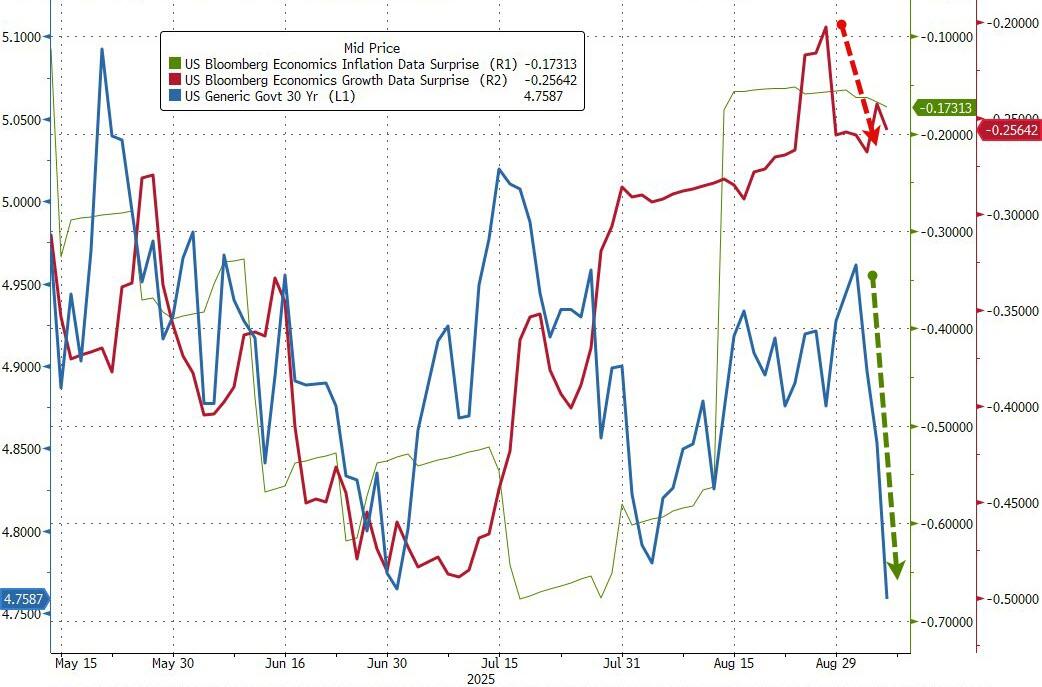
The trend on the 10-year treasury note and the 30-year long bond are back in sync. Both are headed lower.
The discrepancy resolved to job weakness over inflation concerns, but Powell will be cautious unless there is a collapse.
What Happened?
The ISM report on September 2 showed weak hiring.
The BLS JOLTS repot on September 3 revealed unemployment was above job openings for the first time since the pandemic.
The ADP report on September 4 was weak, especially small businesses.
The nonfarm payroll report on September 5 was a disaster.
The trend on the 10-year treasury note and the 30-year long bond are back in sync. Both are headed lower.
The discrepancy resolved to job weakness over inflation concerns, but Powell will be cautious unless there is a collapse.