The Systematic Unraveling Of The Administrative State
The Systematic Unraveling Of The Administrative State

Brownstone Institute
The Systematic Unraveling of the Administrative State ⋆ Brownstone Institute
We got a glimpse of this, when cameras recorded thousands of State Department employees carrying their belongings out in bankers’ boxes.
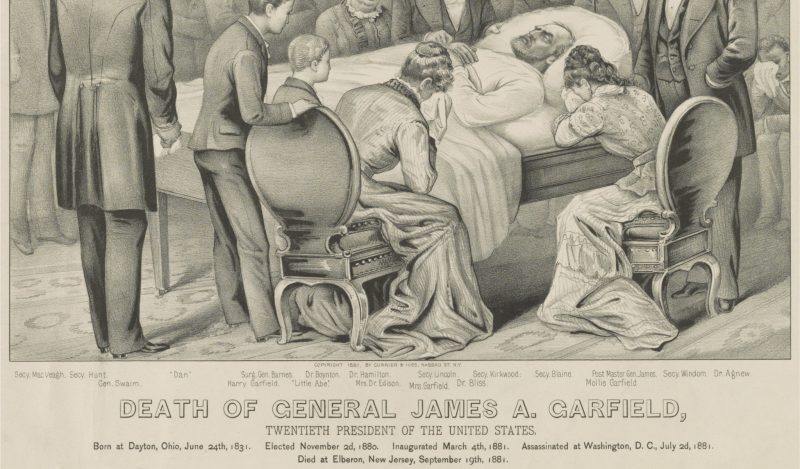
In 1883, when the Pendleton Act was passed, creating the US civil service, it must have seemed like no big deal. The forgotten Chester A. Arthur was the president. The fear of being assassinated
Brownstone Institute
The Origin and Operation of the US Administrative State ⋆ Brownstone Institute
The emerging economic crisis is going to unleash the administrative state as never before. Genuine change is still a very long time away.
James Garfield convinced him to back the legislation. The case for passage: government needs professionals with institutional knowledge. Technicians were changing the world, so why not government too?

Science and engineering were the rage – electricity, steel bridges, telegraphic communications, internal combustion, photography – so surely public affairs needed the same level of expertise. Who could deny that civil service could do a better job than the cousins and business partners of professional politicians?
That’s how it started. What was once called government of, by, and for the people was derided as the hopelessly corrupt “spoils system,” a phrase that reflected genius marketing. So it was overthrown in favor of “merit-based” hiring in the executive, a staff not yet permanent or huge, but the proverbial camel now had its nose under the tent.
Through two world wars and the Great Depression, and then the Cold War, what landed on the other side was something the Constitution’s Framers never imagined. We had huge governing systems in giant bureaucracies staffed by employees who could not be fired. It was left to them to implement, but really create the operational framework for the whole of civil society.
It was a state within a state, one with many layers, including that which was and is classified.
Industry and media long ago caught on that the civil service was a more reliable source of information and institutional continuity than the elected or appointed branches of government. Serving in government became a mark of credibility in industry, and so the revolving door was in constant operation. Media and the deep state, including its military and intelligence sectors, developed a mutually beneficial relationship that allowed for the manipulation of the public mind.
The best thing about the new system was that hardly anyone in public life really understood it. The schoolkids were still taught that there are three branches of government with checks and balances between them. Public life has been long dominated by elections with fierce ideological battles that eventually became more like window dressing, the results of which did not matter much for the practical affairs of state. It was the illusion of democracy.
Once the machinery was revealed, and some critical attention was applied to its legitimacy, the unraveling was inevitable. The reason is rather obvious. The entire thing is inconsistent with the idea of a people’s government. The Founders fought a war to overthrow bureaucracy, not establish one.
The Declaration of Independence plainly said: it is the right of a people to overthrow any government and establish a new one.
That idea is the most embedded postulate in the whole of American civic life. It has far more legitimacy in the public mind than the claims of the civil service or the demands that its plots and machinations must remain secret from the people.
Strangely, throughout the whole period of administrative state gains, the Supreme Court was never called upon to render a clear judgment on its legitimacy. There were small decisions along the way that shored up its functioning, but nothing that plainly said: this is or is not consistent with the law governing a free people.
This year, and mostly because the Trump administration decided to challenge the entire model, the machinery has begun to malfunction and melt away. There is a very long way to go, but we finally have the answer to the question of this fourth branch’s legitimacy. Plainly, it is not legitimate. It never has been.
The opening salvo was arguably Phillip Hamburger’s
https://www.amazon.com/Administrative-Law-Unlawful-Philip-Hamburger-ebook/dp/B00K8QJKRK/ref=sr_1_15?crid=16DF4XBHARUAJ&dib=eyJ2IjoiMSJ9.lrwPqiKq3fV61zPQpg2O01TQB6gv8aQSCEe0FIKz23TDJ5mWK9WwcCO7wj_cq4cuqOZbIVY2Z6CiRkkOWB0kYrih4GUNwKyH16Z32ivY8hBX9q2zc3qu4YkDezI5p-5RZZm7tIOgbXF6wEQfCai55tTVEqd7Ky3XAqv7InaBHLKtvxgFm94V_M1oU98rrTl-btHJN2qMmAuIEMa-F8GomOMxMV6QoziSE8neYAL2Rz7Nu6PdbXzU2TticPC_07hEUzzHHpPK4PD-eVmNOPgDEu4LPsSdp1ipgc9CDkI4w80.iREqyuSgrI_8agaAXN5d_Pe9GmpZvqBvim8ThKSmlus&dib_tag=se&keywords=administrative+state&qid=1752362181&sprefix=admininstrative+state+%2Caps%2C144&sr=8-15
(2014), which gradually set off a huge literary debate for and against, plus a growing army of podcasters who figured it out in the course of the events that followed. It was a classic case of raised consciousness: once you see it, you cannot unsee it.
The active confrontation began in Trump’s first term. He arrived in Washington, D.C., expecting to be the boss of the executive branch, probably because that’s what the Constitution says in Article 2, Section 1. He quickly found out otherwise. Everything he wanted to change was declared to be off-limits. So far as he could tell, the whole of the city agreed that the job was entirely ceremonial.
That did not sit well with him. The tradition in the deep state of ignoring the president unless he annoyed them rubbed him wrong. He finally got fed up with the plots, schemes, and attempts to undermine presidential authority – which he saw as like unto a CEO, but no one else agreed – that he decided to run a test. He fired James Comey as head of the FBI. Washington freaked out.
The man to whom the job of firing fell was Justice Department attorney Rod Rosenstein, whose sister worked at the CDC. She was Nancy Messionier, who called the first press conference on the matter of a new virus from China that she said would necessitate dramatic changes in American life. Her role was first

Brownstone Institute
The Totalitarian Mind of Donald G. McNeil ⋆ Brownstone Institute
There is a peculiar way in which we should be grateful for McNeil’s strangely blunt book. It’s a map for what is very likely in store for us.
by the New York Times reporter, who later said he was tricked.
No one at the CDC bothered to check with Trump. By the time he was asked to sign off on lockdowns, a month following the initial CDC announcement, the deed was pretty well done. He chose to get out ahead of the issue rather than be eaten alive by a media prepared to blame him for every death. He spent the next eight months issuing edicts via social media – initially bad but increasingly better – but he was almost entirely ignored by the administrative state he had unleashed.
Just before leaving office in 2020, Trump issued an executive order that would have reclassified a portion of the civil service as holding jobs subject to termination. Every venue that covered federal affairs had a meltdown of panic about what this would mean for the future of the 100-year racket they had been running.
The order was quickly repealed by the new president upon taking the oath of office – an action that set up the great battle of the future: permanent Washington vs. the public.
After four years in exile, Trump and his team plotted their revenge. It was clear to everyone that this issue was fundamental. He would have to risk it all by putting the question to the Supreme Court. He did this by issuing a record number of executive orders that pertained to the executive branch, all of which would presume that he could act like a president.
Trump’s team had predicted a flurry of lawsuits followed by injunctions, very much like what had happened in 2019-2020. This time, however, they would lawyer up and drive the question to the top. It was a huge gamble but it has turned out well. They knew that the structure of the status quo was completely indefensible from a Constitutional point of view.
The most recent blow to the administrative state gets to the heart of the issue.
In
📄.pdf
(July 8, 2025), the Supreme Court backed the right of the president to engage in mass firings of federal employees.
There was only one dissenting vote from Justice Ketanji Brown Jackson, the judge who had reversed other Trump orders when she was a DC district judge.
Jackson’s dissent tries to make sense of the 4th branch of government.
“Under our Constitution, Congress has the power to establish administrative agencies and detail their functions,” she wrote. “Thus, over the past century, Presidents who have attempted to reorganize the Federal Government have first obtained authorization from Congress to do so.”
Lacking such authorization, she says, the Court should embrace the “harm-reducing preservation of the status quo.”
After all, she warns, “This executive action promises mass employee terminations, widespread cancellation of federal programs and services, and the dismantling of much of the Federal Government as Congress has created it.” “What one person (or President) might call bureaucratic bloat is a farmer’s prospect for a healthy crop, a coal miner’s chance to breathe free from black lung, or a preschooler’s opportunity to learn in a safe environment.”
There we go: the very core of the central-planning beast is at risk. At least she does understand the stakes.
This latest ruling – with many more likely to follow – comes on the heels of a flurry of similar decisions including:
📄.pdf
(March 4, 2025), which narrowed the EPA’s regulatory scope.
This has all happened with remarkable speed – in the course of one year. The regime of one hundred years has suddenly fundamentally changed to fit more precisely with what the Framers designed. It amounts to a counter-coup against the tyranny of experts and the convoluted systems of compulsion and control they had carefully constructed. Even if we do not yet feel the effects, the ground has shifted beneath our feet.
It’s a myth that courts are merely looking at the law and ruling cases on their merits. They are subject to the pressures of public opinion and have proven deferential to the ethos of the times. That ethos has changed, suddenly and dramatically, and why?
From 2020 to 2023, with continued fallout today, the administrative state that had long ruled out of the public eye reached deep into the private affairs of every American. It closed the schools, churches, and businesses. It issued stay-at-home orders. It kidnapped family members into medical institutions, allowing no contact with family. It then mandated the injection of multitudes with an experimental shot that achieved nothing but left many harmed and others dead.
It is a measure of the arrogance and perceived hegemony of this machine – which extends from agencies to corporations to academia and the nonprofit sector – that so many within its ranks believe they could get away with all these outrages without consequence. Public rage followed, expressing itself in every possible way and demanding change. That change has begun. The conditions are in place for a much more dramatic change, which could happen later or possibly sooner.
The intricate networks of influence, graft, and quid pro quo, and surreptitious pillaging of the people’s resources and power, believed itself to be invulnerable, somewhat like the rulers of the old Soviet empire in the months before it fell apart. Every old regime has believed itself to be secure up to the moments when its leaders seek sanctuary and its minions flee to the hills.
With the Covid response, the administrative state got over its skis, bit off more than it could chew, jumped the shark, pulled out the wrong Jenga block, or whatever other cliche you want to choose. It is the precipitating event, the event that exposed the whole. One is reminded of Mikhail Gorbachev’s war on vodka, which did more than Glasnost or Perestroika to end the regime and undermine the last shred of credibility of the party’s rule.
We’ve wondered for many years what the revolution would look like when it came home. We got a glimpse of this last week, when iPhone cameras recorded thousands of State Department employees carrying their belongings out in bankers’ boxes out the front doors of the palace that had long been their home. Live by administrative edicts; die by them.
Tyler Durden | Zero Hedge
Zero Hedge
Mon, 07/14/2025 - 17:00
The Systematic Unraveling Of The Administrative State | ZeroHedge
ZeroHedge - On a long enough timeline, the survival rate for everyone drops to zero

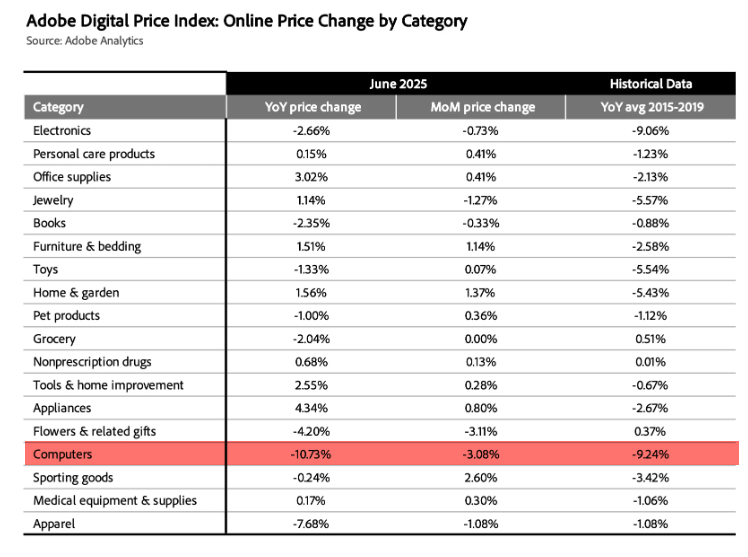
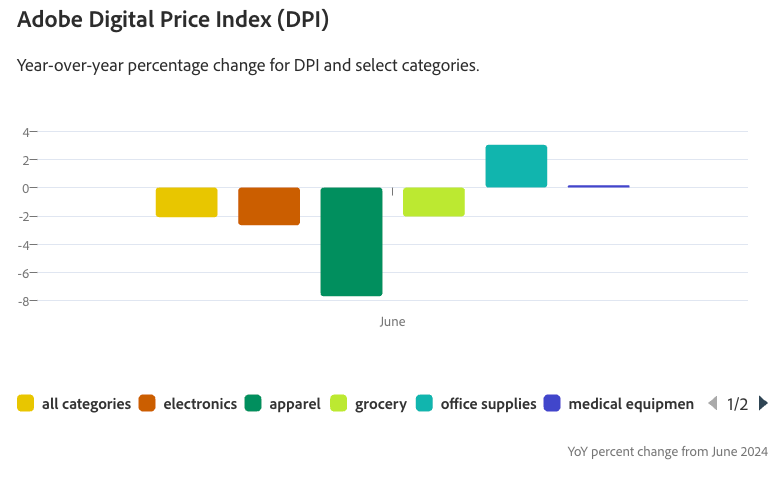 Looking at subcategories within electronics, computer prices fell 10.73% YoY in June. Given that much of the global computer supply chain is based in China, one might have expected prices to surge amid the ongoing U.S.-China trade war—but that hasn't materialized (yet).
 Meanwhile, the
of deranged Democrats...
UMich marxists will not be happy: "evidence suggests that the tariff effects look a bit smaller than we expected, other disinflationary forces have been stronger, and we suspect that the Fed leadership shares our view that tariffs will only have a one-time price level effect"-GS
— zerohedge (@zerohedge)
Meanwhile, the
of deranged Democrats...
UMich marxists will not be happy: "evidence suggests that the tariff effects look a bit smaller than we expected, other disinflationary forces have been stronger, and we suspect that the Fed leadership shares our view that tariffs will only have a one-time price level effect"-GS
— zerohedge (@zerohedge)  Looking ahead, Goldman analyst Giulio Esposito expects tomorrow's CPI print around .23% month-over-month increase in June core CPI, vs consensus at +.3%, corresponding to a YoY rate of 2.93% (vs 3.% cons).
"Going forward, the team does expect tariffs to provide a somewhat larger boost to monthly inflation, expecting monthly core CPI between 0.3% and 0.4% over the next few months," Esposito noted.
Back to the Adobe data—either demand for electronics is sliding, or vendors are cutting their margins to absorb tariffs. Remember what we said earlier this month about Toyotas and Nissans (
)...
Mon, 07/14/2025 - 18:00
Looking ahead, Goldman analyst Giulio Esposito expects tomorrow's CPI print around .23% month-over-month increase in June core CPI, vs consensus at +.3%, corresponding to a YoY rate of 2.93% (vs 3.% cons).
"Going forward, the team does expect tariffs to provide a somewhat larger boost to monthly inflation, expecting monthly core CPI between 0.3% and 0.4% over the next few months," Esposito noted.
Back to the Adobe data—either demand for electronics is sliding, or vendors are cutting their margins to absorb tariffs. Remember what we said earlier this month about Toyotas and Nissans (
)...
Mon, 07/14/2025 - 18:00
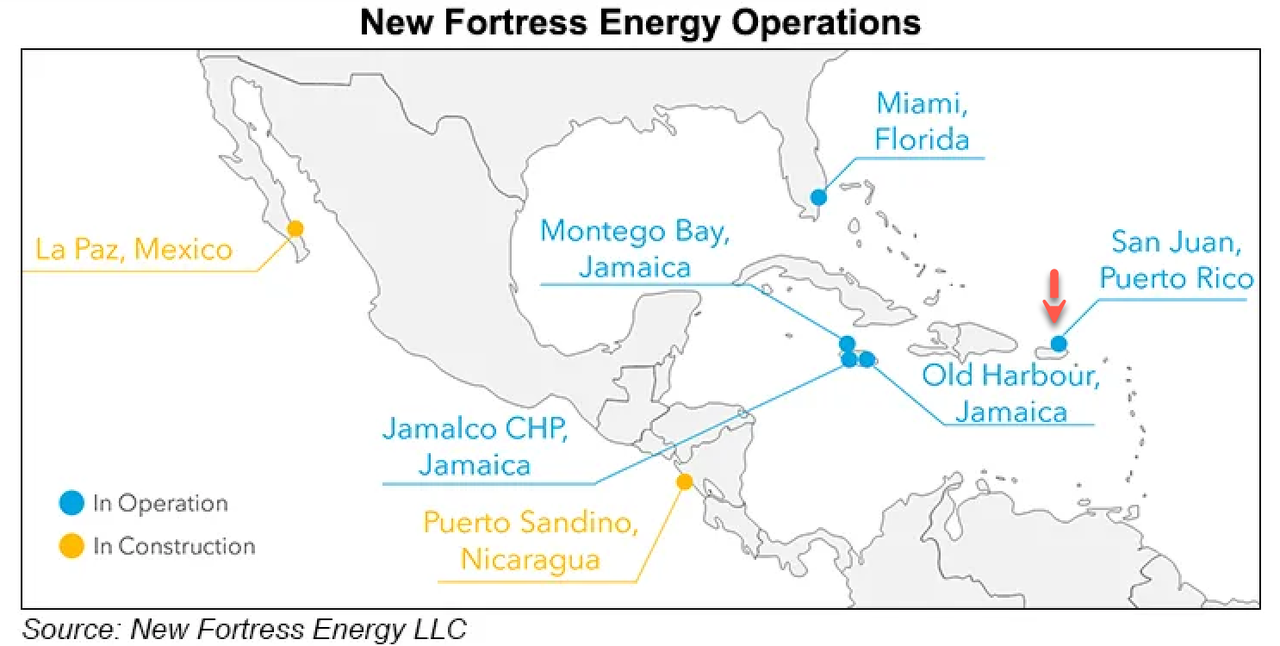 He said LNG tankers were supposed to dock in San Juan in recent days, but failed to come to port, adding that weather on Saturday would have allowed them to dock, "but suddenly, and without any valid reason, contractually, the ship was diverted."
Colon described existing power generation on the island as sufficient but with little margin for error. He warned that power outages "are a possibility ... and every megawatt that's available is necessary."
New Fortress's LNG supply contract with Puerto Rico was set to expire in June but has been temporarily extended. However, plans to award the U.S. gas producer a 15-year deal worth an estimated $20 billion were put on hold last week after a federal watchdog warned it could create a near-monopoly over the island's gas supply.
"That exclusivity was created under a contract that the oversight board approved in 2018 when it gave New Fortress exclusivity over the only port in the northern area where natural gas can be brought in," Colon told reporters late last week. "Those preexisting conditions are not this administration's responsibility."
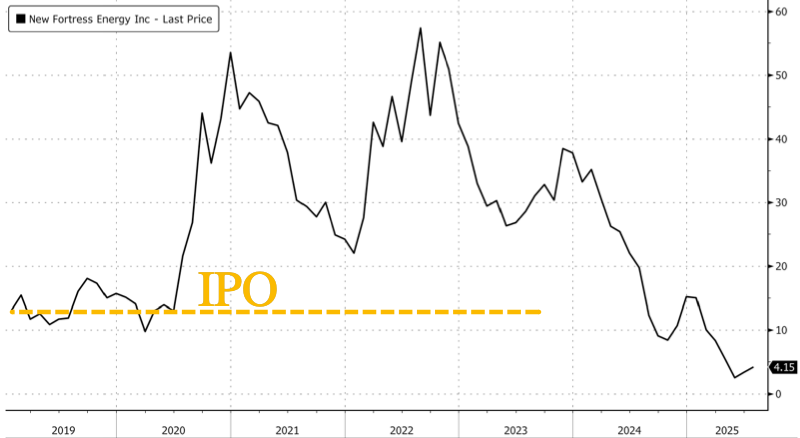
The cancellation is the latest setback for the U.S. gas producer, which is grappling with mounting debt and shares trading at record lows, down roughly 73% since its 2019 IPO.
He said LNG tankers were supposed to dock in San Juan in recent days, but failed to come to port, adding that weather on Saturday would have allowed them to dock, "but suddenly, and without any valid reason, contractually, the ship was diverted."
Colon described existing power generation on the island as sufficient but with little margin for error. He warned that power outages "are a possibility ... and every megawatt that's available is necessary."
New Fortress's LNG supply contract with Puerto Rico was set to expire in June but has been temporarily extended. However, plans to award the U.S. gas producer a 15-year deal worth an estimated $20 billion were put on hold last week after a federal watchdog warned it could create a near-monopoly over the island's gas supply.
"That exclusivity was created under a contract that the oversight board approved in 2018 when it gave New Fortress exclusivity over the only port in the northern area where natural gas can be brought in," Colon told reporters late last week. "Those preexisting conditions are not this administration's responsibility."
The cancellation is the latest setback for the U.S. gas producer, which is grappling with mounting debt and shares trading at record lows, down roughly 73% since its 2019 IPO.
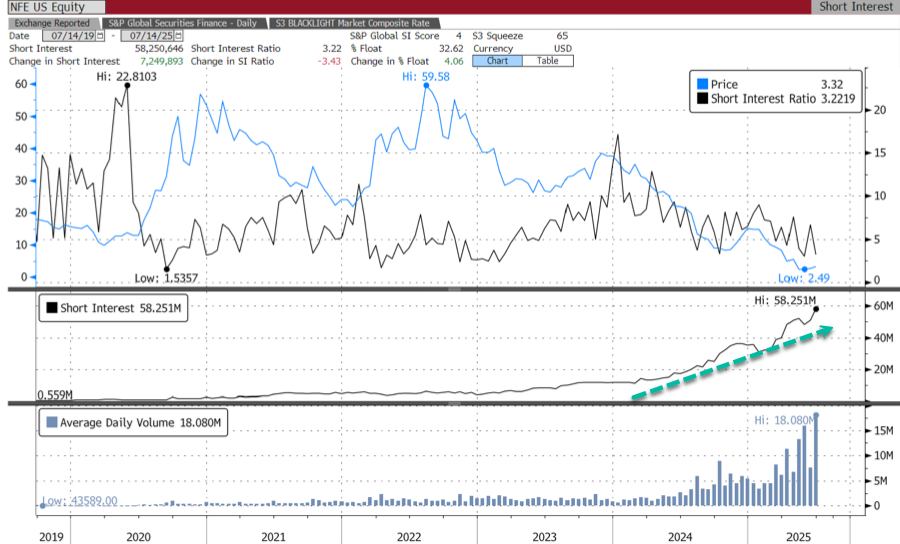
 According to the latest Bloomberg data, the stock is heavily shorted, with about 58 million shares sold short, representing about 32.5% of the float.
 New Fortress has a $270 million payment due in September under a revolving credit facility, with the remainder maturing over the next two years, according to a Fitch Ratings report. An additional $510 million note is set to come due next year.
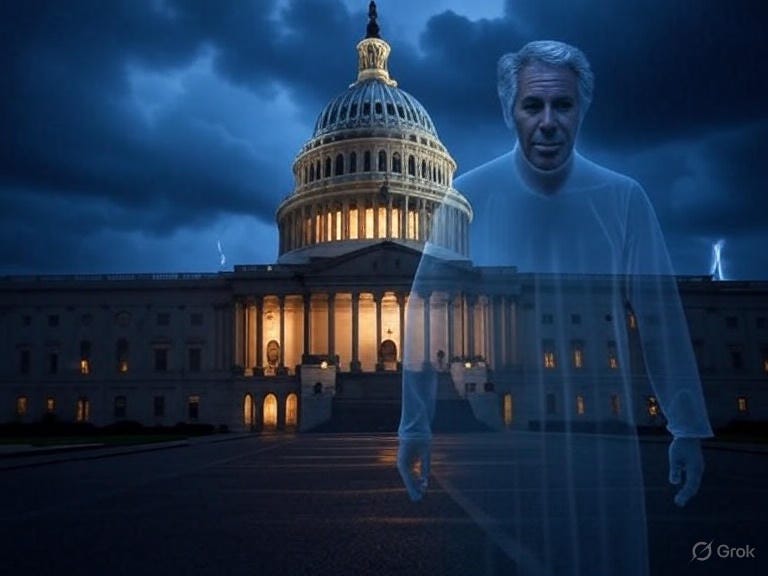
 You can rightly say that Mr. Trump has handled this Epstein business rather awkwardly - especially last Wednesday’s little show of vexation in the cabinet meeting, barking, nothing to see. . . just move along. What?
You’ve been watching the Epstein psychodrama unspool for nearly twenty years, so how can it possibly come to this?
Looks like Pam Bondi fumbled badly in those early days on the job, promising things she was less than fully informed about. The public was already convinced that the entire power structure of the nation — of all Western Civ, actually — was a convocation of perverts, and that a vast trove of evidence was sitting there waiting to be laid on them. And then Mr. Trump slammed the door shut. Mssers. Patel and Bongino at the FBI got caught flat-footed, and “Danny Boombatz” especially freaked, seeing his reputation as a truth-teller likely to shred all over cable TV. Most unfortunate, the whole appalling episode.
But then, Sunday, the president suggested on his social media that the Epstein business had become a Democratic Party op. He did not elaborate. And maybe it sounds suspiciously spurious. But, is it not worth considering? Consider also: In all of Epstein’s dark activities there was surely a there there. He did run a concerted blackmail enterprise for some combo of Israel’s Mossad, the CIA, and the UK’s MI6 intel outfit. And, since blackmail requires documentation, there was a ton of it, eventually scooped out of his various domiciles by the FBI.
The key is: had become a Democratic Party op. Didn’t start out that way, but might have turned into one. Consider: The Democratic Party was up to its eyeballs in ops against Mr. Trump since he rode down that fabled escalator in 2015. The “intel community” was the chief player in these operations. The intel community ran rings around Mr. Trump with all manner of fabricated nonsense during the election campaign of 2016 and throughout his first term. You could say — and I believe the DOJ under Ms. Bondi will say in cases waiting to be brought — that these many operations amounted to one continuous seditious conspiracy to overthrow a president. It ran from the Steele dossier, through the Mueller Investigation, through the Norm Eisen / Adam Schiff engineered impeachment No 1, through the gamed election of 2020, through the J-6 committee, and through all the nefarious lawfare gambits against Mr. Trump during the “Joe Biden” fake presidency.
Why wouldn’t the Epstein files now turn out to be an extension of these same operations? The DOJ first moved against Epstein in 2005. The case culminated in 2008 with a plea deal on some Mickey Mouse state prostitution charges and a non-prosecution agreement with the feds under US Attorney for the Southern District of Florida, Alex Acosta — who was reported later saying that Epstein “belonged to intelligence,” and that the case was therefore “beyond my pay-grade” to prosecute.
Between 2008 and 2019, Epstein returned to his international swashbuckling ways.
Strangely, he was finally busted on June 6, 2019, by then-AG William Barr, whose father, Donald Barr, had been headmaster of New York City’s Dalton prep school, where Jeffrey Epstein, age twenty-one, was hired to teach math and physics in 1974, though he lacked a college degree.
All that may just be coincidental, of course.
A little more than a month after his arrest on sex trafficking charges in the summer of 2019, Epstein died in the Manhattan federal lockup under mysterious circumstances.
The outstanding question even afterward was: trafficking with-and-to whom?
And the general assumption among the public was: trafficking teenage girls to a long list of public officials, movie stars, financial bigshots, and miscellaneous celebs such as Prince Andrew of the British royal family.
Astoundingly little was learned from the prosecution of Ghislaine Maxwell in 2021-22, which was led by Maurene Comey, daughter of former FBI Director James Comey (fired in 2017). Small world. The case only covered Ms. Maxwell’s activities between 1994 and 2004. Why only that period? Never explained. Rumors of a “client list” being among the evidence have never been substantiated, and were repudiated last week by AG Pam Bondi and President Trump.
Okay, all very well, such as it is. But consider: all the evidence, in all the cases against Jeffrey Epstein and his associate Ghislaine Maxwell, has been in the possession of the FBI and the DOJ since at least the first Epstein case in 2005-08.
If there was any evidence of Donald Trump caught in some indecent act, why did it not get leaked during the campaign of 2016, or any time since then? His political adversaries tried virtually everything else to knock him out of the arena, up to even assassination — but not that?
The DOJ and FBI were arguably in their most roguish phase as weaponized agencies during the “Joe Biden” years. All the Epstein evidence resided in the New York City field office of the FBI. These were also the years when the apparatus of the Democratic Party — and its rank-and-file — fell into a fugue of vicious, psychotic animus against Mr. Trump and the populist movement he led, not just in the USA, but spreading throughout Western Civ.
Do you suppose that the FBI might have worked some hoodoo with those Epstein evidence files, especially to set the table for the 2026 mid-term elections, when knocking a few Republicans out of office might flip the House and Senate back to the Democratic Party? I would suppose it’s not just a thing; I think it’s the thing.
I would imagine that this is exactly what Mr. Trump was hinting at the other day when he referred to this business as yet another Democratic Party op.
He knows the mainstream media will never investigate it or report it.
And the alt-media is too momentarily disconcerted to entertain the idea.
So, he just slammed the door shut.
Nobody likes it, but it may be necessary. Other storms are brewing: financial gales, geopolitical thunderheads, and apparently — we are officially informed — the coming cases against John Brennan, James Comey, and other figures who initiated the coup, which is a much bigger deal than who might have been having sex with whom sixteen years ago.
You can rightly say that Mr. Trump has handled this Epstein business rather awkwardly - especially last Wednesday’s little show of vexation in the cabinet meeting, barking, nothing to see. . . just move along. What?
You’ve been watching the Epstein psychodrama unspool for nearly twenty years, so how can it possibly come to this?
Looks like Pam Bondi fumbled badly in those early days on the job, promising things she was less than fully informed about. The public was already convinced that the entire power structure of the nation — of all Western Civ, actually — was a convocation of perverts, and that a vast trove of evidence was sitting there waiting to be laid on them. And then Mr. Trump slammed the door shut. Mssers. Patel and Bongino at the FBI got caught flat-footed, and “Danny Boombatz” especially freaked, seeing his reputation as a truth-teller likely to shred all over cable TV. Most unfortunate, the whole appalling episode.
But then, Sunday, the president suggested on his social media that the Epstein business had become a Democratic Party op. He did not elaborate. And maybe it sounds suspiciously spurious. But, is it not worth considering? Consider also: In all of Epstein’s dark activities there was surely a there there. He did run a concerted blackmail enterprise for some combo of Israel’s Mossad, the CIA, and the UK’s MI6 intel outfit. And, since blackmail requires documentation, there was a ton of it, eventually scooped out of his various domiciles by the FBI.
The key is: had become a Democratic Party op. Didn’t start out that way, but might have turned into one. Consider: The Democratic Party was up to its eyeballs in ops against Mr. Trump since he rode down that fabled escalator in 2015. The “intel community” was the chief player in these operations. The intel community ran rings around Mr. Trump with all manner of fabricated nonsense during the election campaign of 2016 and throughout his first term. You could say — and I believe the DOJ under Ms. Bondi will say in cases waiting to be brought — that these many operations amounted to one continuous seditious conspiracy to overthrow a president. It ran from the Steele dossier, through the Mueller Investigation, through the Norm Eisen / Adam Schiff engineered impeachment No 1, through the gamed election of 2020, through the J-6 committee, and through all the nefarious lawfare gambits against Mr. Trump during the “Joe Biden” fake presidency.
Why wouldn’t the Epstein files now turn out to be an extension of these same operations? The DOJ first moved against Epstein in 2005. The case culminated in 2008 with a plea deal on some Mickey Mouse state prostitution charges and a non-prosecution agreement with the feds under US Attorney for the Southern District of Florida, Alex Acosta — who was reported later saying that Epstein “belonged to intelligence,” and that the case was therefore “beyond my pay-grade” to prosecute.
Between 2008 and 2019, Epstein returned to his international swashbuckling ways.
Strangely, he was finally busted on June 6, 2019, by then-AG William Barr, whose father, Donald Barr, had been headmaster of New York City’s Dalton prep school, where Jeffrey Epstein, age twenty-one, was hired to teach math and physics in 1974, though he lacked a college degree.
All that may just be coincidental, of course.
A little more than a month after his arrest on sex trafficking charges in the summer of 2019, Epstein died in the Manhattan federal lockup under mysterious circumstances.
The outstanding question even afterward was: trafficking with-and-to whom?
And the general assumption among the public was: trafficking teenage girls to a long list of public officials, movie stars, financial bigshots, and miscellaneous celebs such as Prince Andrew of the British royal family.
Astoundingly little was learned from the prosecution of Ghislaine Maxwell in 2021-22, which was led by Maurene Comey, daughter of former FBI Director James Comey (fired in 2017). Small world. The case only covered Ms. Maxwell’s activities between 1994 and 2004. Why only that period? Never explained. Rumors of a “client list” being among the evidence have never been substantiated, and were repudiated last week by AG Pam Bondi and President Trump.
Okay, all very well, such as it is. But consider: all the evidence, in all the cases against Jeffrey Epstein and his associate Ghislaine Maxwell, has been in the possession of the FBI and the DOJ since at least the first Epstein case in 2005-08.
If there was any evidence of Donald Trump caught in some indecent act, why did it not get leaked during the campaign of 2016, or any time since then? His political adversaries tried virtually everything else to knock him out of the arena, up to even assassination — but not that?
The DOJ and FBI were arguably in their most roguish phase as weaponized agencies during the “Joe Biden” years. All the Epstein evidence resided in the New York City field office of the FBI. These were also the years when the apparatus of the Democratic Party — and its rank-and-file — fell into a fugue of vicious, psychotic animus against Mr. Trump and the populist movement he led, not just in the USA, but spreading throughout Western Civ.
Do you suppose that the FBI might have worked some hoodoo with those Epstein evidence files, especially to set the table for the 2026 mid-term elections, when knocking a few Republicans out of office might flip the House and Senate back to the Democratic Party? I would suppose it’s not just a thing; I think it’s the thing.
I would imagine that this is exactly what Mr. Trump was hinting at the other day when he referred to this business as yet another Democratic Party op.
He knows the mainstream media will never investigate it or report it.
And the alt-media is too momentarily disconcerted to entertain the idea.
So, he just slammed the door shut.
Nobody likes it, but it may be necessary. Other storms are brewing: financial gales, geopolitical thunderheads, and apparently — we are officially informed — the coming cases against John Brennan, James Comey, and other figures who initiated the coup, which is a much bigger deal than who might have been having sex with whom sixteen years ago.
 Being about nothing was a great setup to highlight the absurdities of daily life and an effective way of questioning social mores. This is also why it’s one of the most quotable shows of all time.
Memecoins, to me, are “an asset class about nothing.” Unlike Bitcoin, which is a powerful form of
Being about nothing was a great setup to highlight the absurdities of daily life and an effective way of questioning social mores. This is also why it’s one of the most quotable shows of all time.
Memecoins, to me, are “an asset class about nothing.” Unlike Bitcoin, which is a powerful form of 
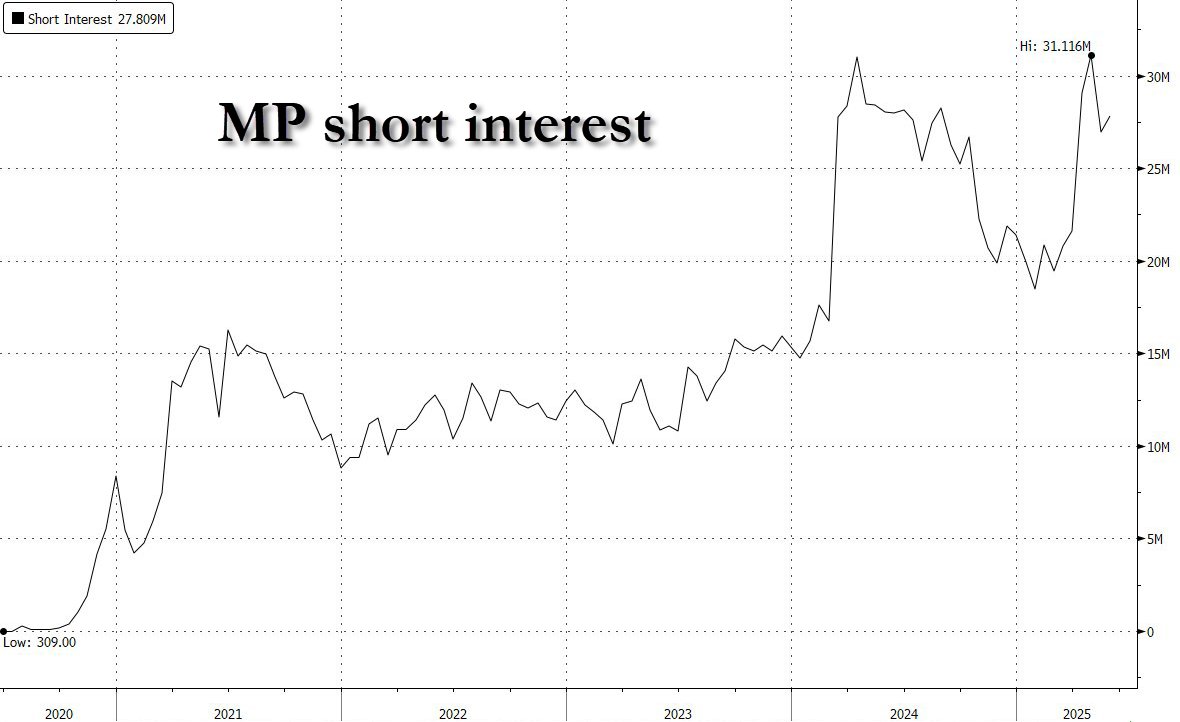
 As luck would have it, literally hours later the US announced that in an extremely rare transaction, the Pentagon US State Department had taken a 15% stake in our sector favorite, MP Materials, making the US government the largest investor in MP.
MP Materials Shares Surge 50% As Pentagon To Become Largest Shareholder
As luck would have it, literally hours later the US announced that in an extremely rare transaction, the Pentagon US State Department had taken a 15% stake in our sector favorite, MP Materials, making the US government the largest investor in MP.
MP Materials Shares Surge 50% As Pentagon To Become Largest Shareholder 
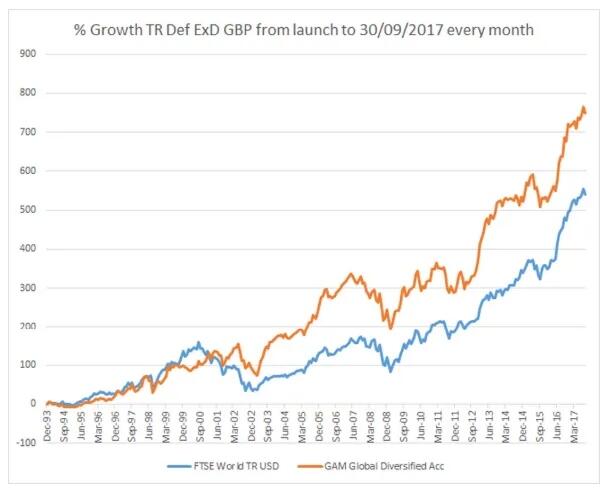 What you should notice is that he really began to outperform during the dot com bust, after underperforming during the dot com boom. Assets under management collapsed during the dot com boom, but as soon as the bubble burst, his style took off. He never really spoke to me (why would you speak to young analyst working for a different team), but I got on well with his analyst, and I asked him how did Andrew found his investment ideas? He told me looked for assets that were basing out of long bear market in either relative or nominal basis, and would take a small position, and then ramp it up as they began to outperform. It was this line of thinking that led him to be long gold miner DeepRoot Durban in 2000.
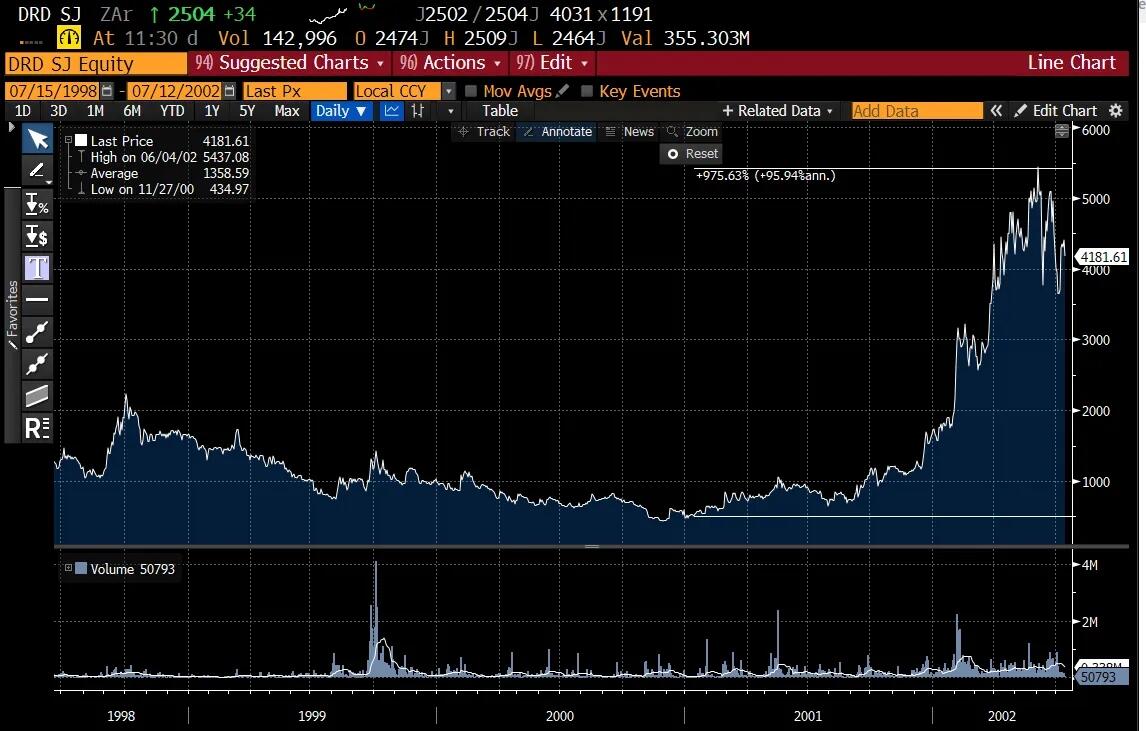 It was also this type of thinking that led him to be long Thailand, and particularly Thai banks in 2000. These were very deep contrarian ideas at the time.
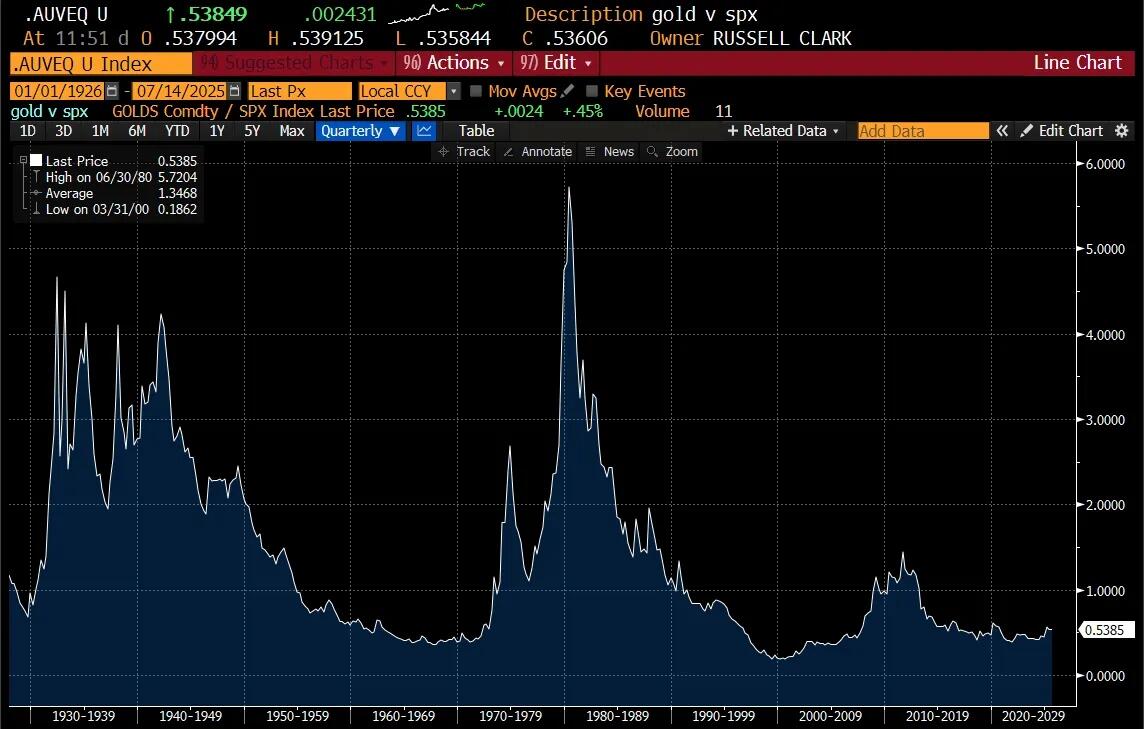
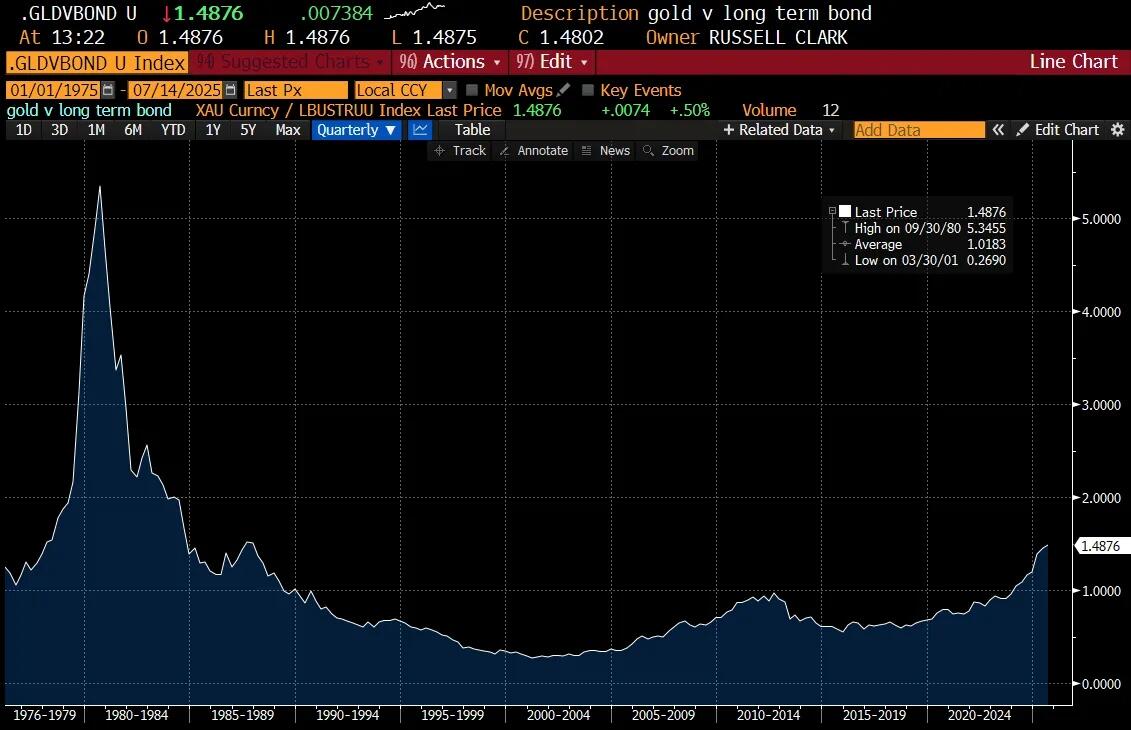
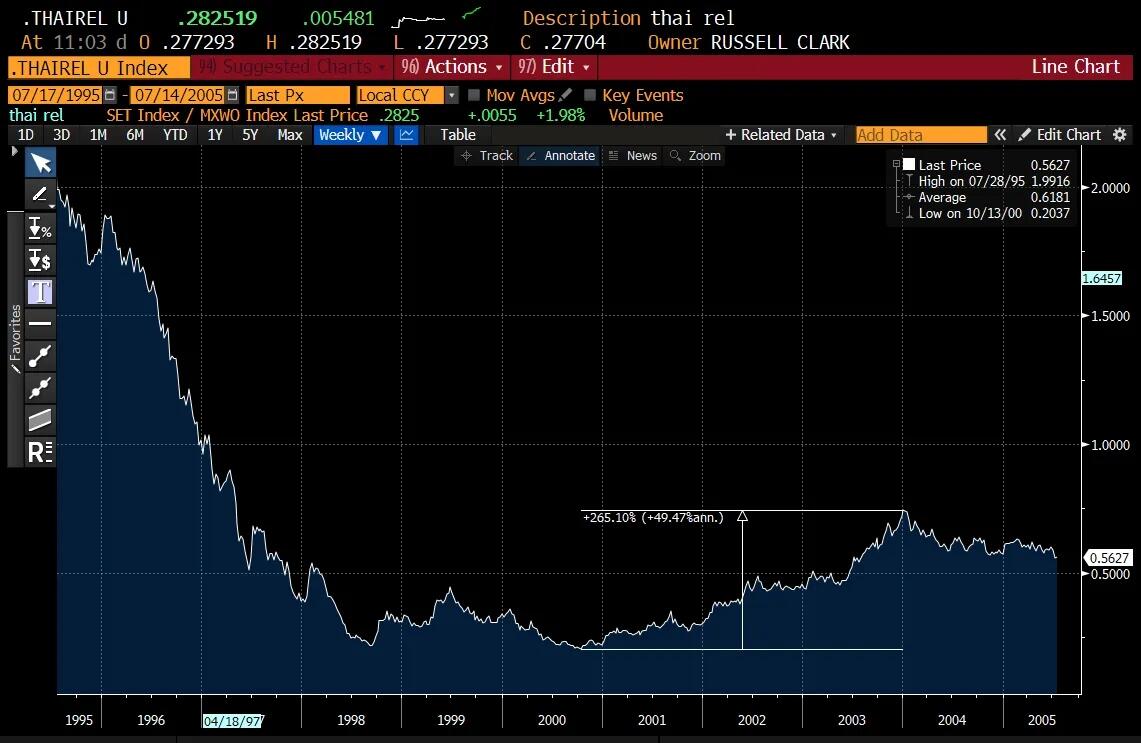 For me, I started to think about capital flows and asset markets (the title of this substack). Did the capital flows out of the US due to the bursting of the dot com bubble drive gold and Thai outperformance? Or was the improving outlook for Asia and commodities cause capital to be attracted to these assets? Or was the Truth somewhere in between? I never really got a definitive answer, but I do pay a lot respect to inflections are extreme points. It is why I put so much emphasis in the potential inflection of gold versus the S&P 500, which would be similar to an inflection 1929, 1970 and 2000.
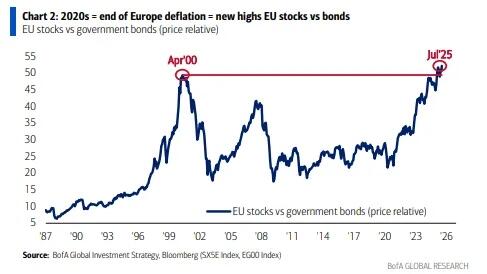
 Getting away from gold, it is hard not see inflection points everywhere. Michael Hartnett from BoA has shown that we have suddenly reached a new high in European equities versus bonds.
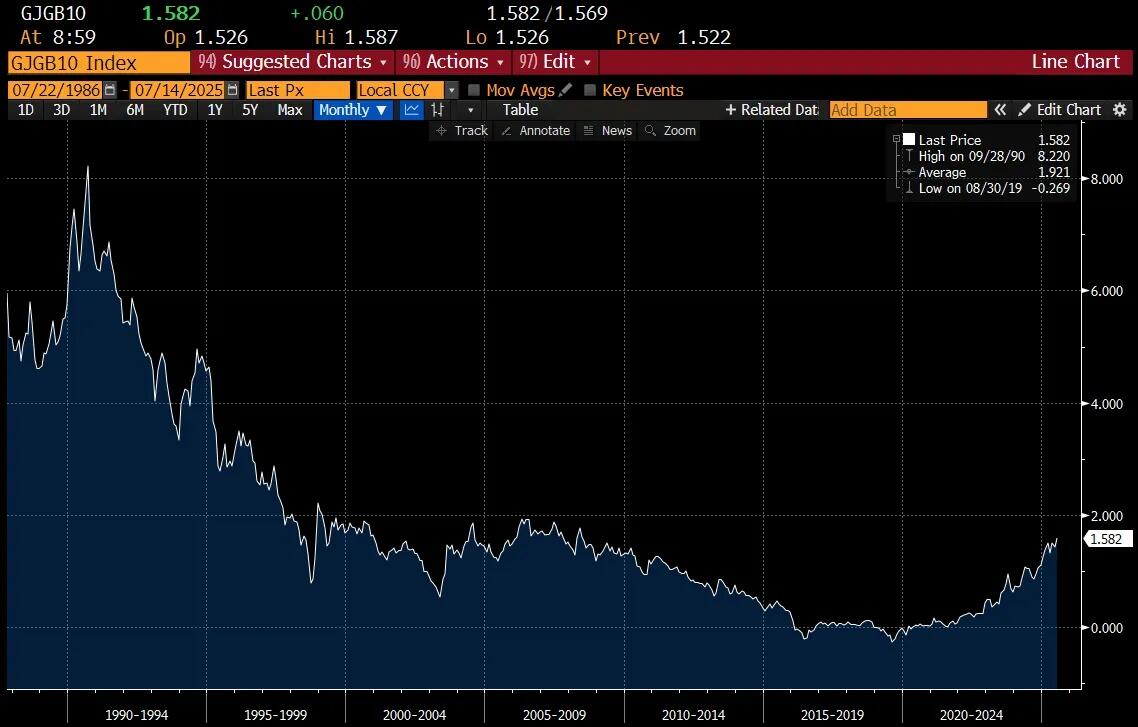
 To go along with a similar move in Japan. From 1989 to 2013, you made more money in JGBs than you did in Japanese equities. 24 years of basically the complete opposite of modern money management theory.
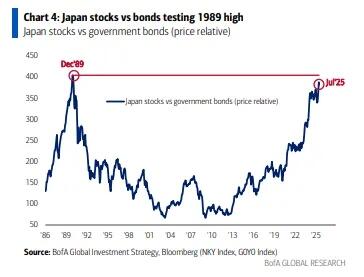 This may seem to imply that it is time to get long bonds and short equity - as Andrew Green used to do, but that type of thinking would have made you bearish in 2016, 2020, and this year on US equities.
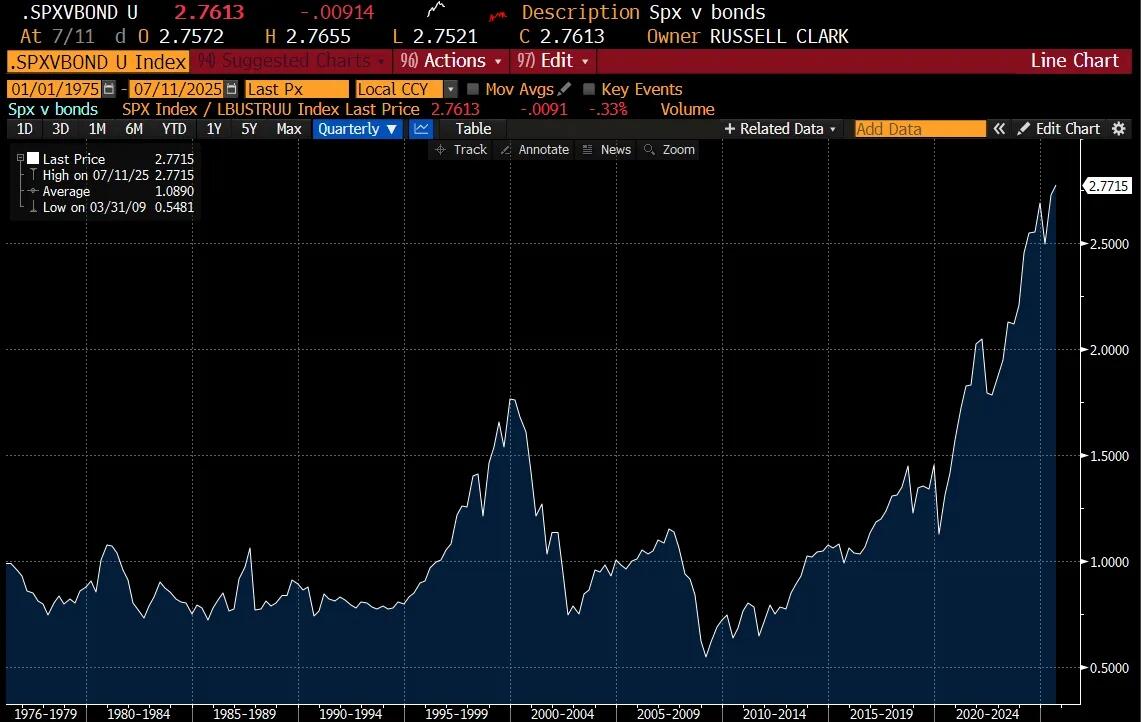 But it is hard to not get the feeling that equities have become extremely expensive versus bonds. The problem here is that I still rather like the look of gold versus US bonds. Or in other words, I don’t really like bonds here either.
 And this is inline with a new cycle high in 10 year JGBS.
 The most obvious story here is that makes sense to me is that government finances are in a mess - but the public will not accept any austerity. So at some point taxes on corporates and wealth or tariffs become the only option. And this creates a steady flow out of equities into gold, as we shift from wealth creation to wealth preservation. This seems inline with the Swiss Franc closing in on all time highs versus the US dollar. This graph is log scale.
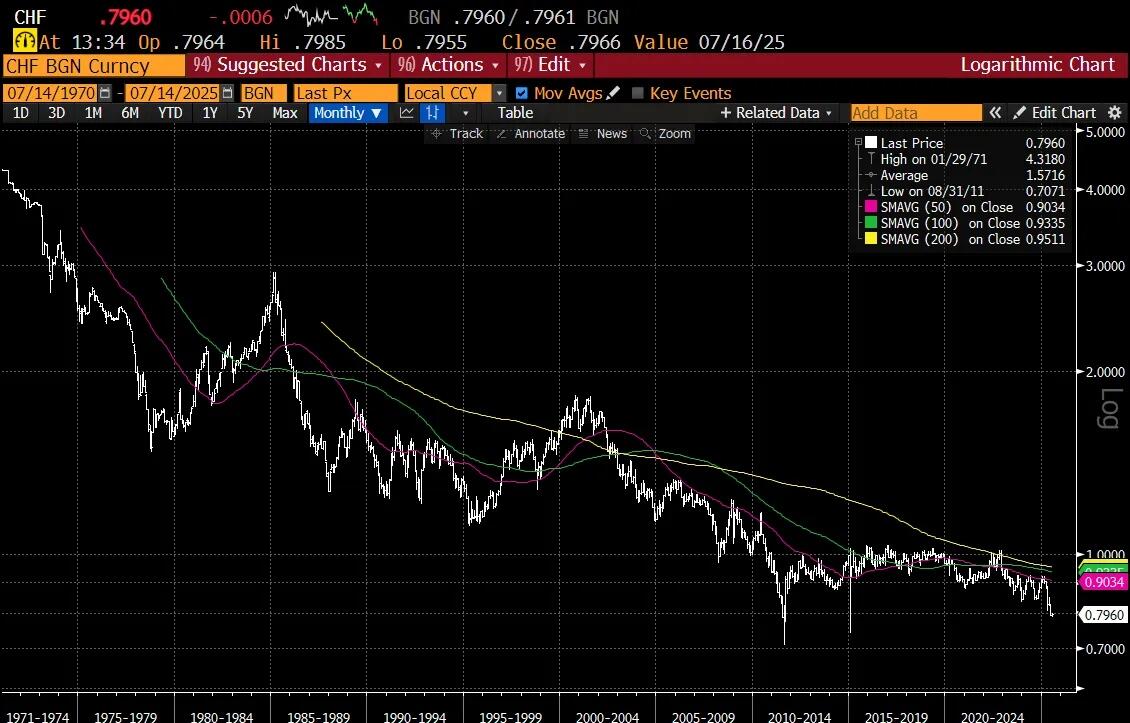 That makes sense to me - but the question is what level of bond yield causes this political change? At what point do governments bow to the inevitable and move back from regressive taxation to progressive taxation? I find it odd to be a contrarian when record asset prices and record government deficits seem to scream out for some sort of progressive tax regime. I think this is what gold and Swiss Franc are telling you. Time will tell.
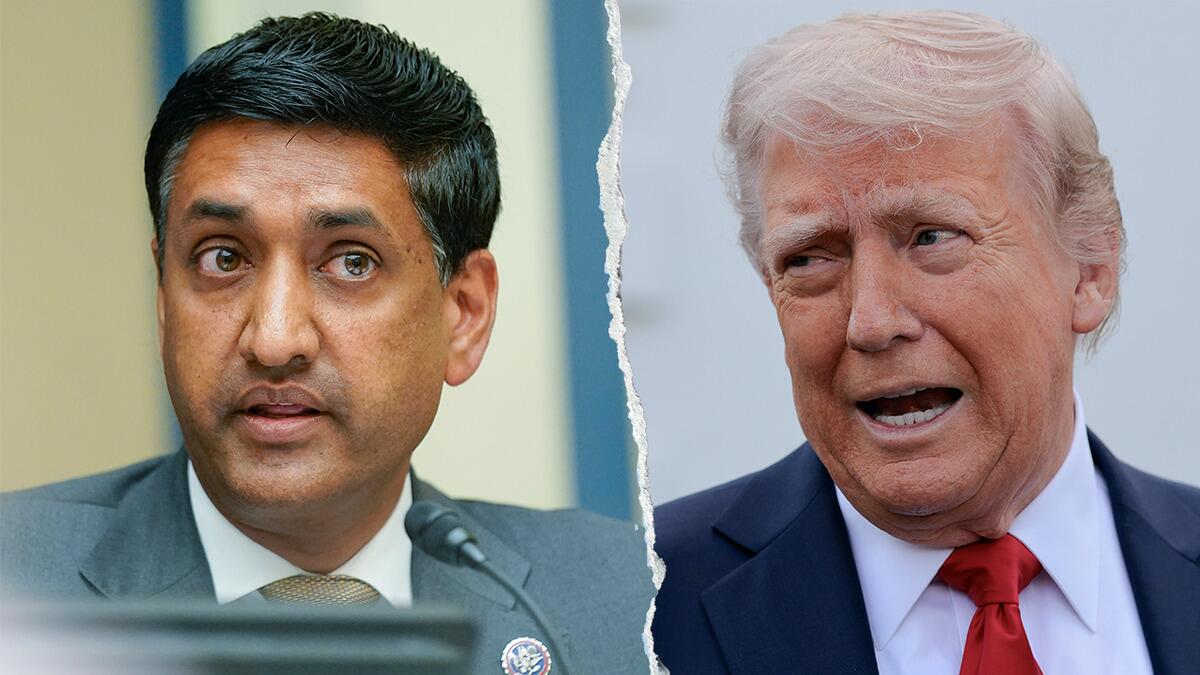 Rep. Ro Khanna (D-CA) announced Saturday he plans to introduce an amendment requiring a House vote on making the Epstein files fully public. The measure is intended to compel Speaker Mike Johnson (R-LA) to bring the issue to the floor, forcing lawmakers to take a public position on the transparency initiative tied to Epstein’s network.
Why are the Epstein files still hidden? Who are the rich & powerful being protected?
On Tuesday, I'm introducing an amendment to force a vote demanding the FULL Epstein files be released to the public. The Speaker must call a vote & put every Congress member on record.
— Ro Khanna (@RoKhanna)
Rep. Ro Khanna (D-CA) announced Saturday he plans to introduce an amendment requiring a House vote on making the Epstein files fully public. The measure is intended to compel Speaker Mike Johnson (R-LA) to bring the issue to the floor, forcing lawmakers to take a public position on the transparency initiative tied to Epstein’s network.
Why are the Epstein files still hidden? Who are the rich & powerful being protected?
On Tuesday, I'm introducing an amendment to force a vote demanding the FULL Epstein files be released to the public. The Speaker must call a vote & put every Congress member on record.
— Ro Khanna (@RoKhanna) 

 Rather than focusing on features like conversational navigation, real-time diagnostics, or productivity tools such as voice-to-text messaging, the video primarily demonstrated the broader capabilities of the AI bot.
To enable & use Grok, tap App Launcher > Grok
Or press & hold voice button on your steering wheel
— Tesla (@Tesla)
Rather than focusing on features like conversational navigation, real-time diagnostics, or productivity tools such as voice-to-text messaging, the video primarily demonstrated the broader capabilities of the AI bot.
To enable & use Grok, tap App Launcher > Grok
Or press & hold voice button on your steering wheel
— Tesla (@Tesla) 
 Tesla has updated their website...
 Tesla's vertical integration of Grok AI and FSD hardware is setting a new benchmark for the automotive industry—one that will pressure legacy OEMs and EV competitors to accelerate their own AI programs. This is the next evolutionary leap for cars.
However, as ZeroHedge readers fully understand, there are serious drawbacks here. These intelligent machines could one day be tied to social credit systems or dystopian surveillance programs run by intelligence agencies and Big Tech—monitoring your every move. That's why keeping an unintelligent backup vehicle, like a 1970s Mercedes 240D with zero microchips, might be an 'insurance against' a future where the government or tech giants can lock you out of your own car for mean tweeting.
Tesla's vertical integration of Grok AI and FSD hardware is setting a new benchmark for the automotive industry—one that will pressure legacy OEMs and EV competitors to accelerate their own AI programs. This is the next evolutionary leap for cars.
However, as ZeroHedge readers fully understand, there are serious drawbacks here. These intelligent machines could one day be tied to social credit systems or dystopian surveillance programs run by intelligence agencies and Big Tech—monitoring your every move. That's why keeping an unintelligent backup vehicle, like a 1970s Mercedes 240D with zero microchips, might be an 'insurance against' a future where the government or tech giants can lock you out of your own car for mean tweeting.
 Do you have an unintelligent backup vehicle?
 National Economic Council Director Hassett, tipped to maybe replace Fed Chair Powell, said: “