The Coward's Bargain: How We Taught A Generation To Live In Fear
The Coward's Bargain: How We Taught A Generation To Live In Fear
The Coward's Bargain
How We Taught a Generation to Live in Fear
Everyone's Afraid to Speak
Someone our family has known forever recently told my sister that they've been reading my Substack and that if they wrote the things I write, people would call them crazy. I got a kick out of that—not because it's untrue, but because it reveals something darker about where we've ended up as a society. Most people are terrified of being themselves in public.
My sister’s response made me laugh: "People do call him crazy. He simply doesn't care.” The funniest part is that I don't even write the craziest stuff I research—just the stuff I can back up with sources and/or my own personal observations. I always try to stay rooted in logic, reason and facts though—I'm clear when I'm speculating and when I'm not.
This same guy has sent me dozens of private messages over the last 4 or 5 years challenging me on stuff I share online. I'll respond with source material or common sense, and then—crickets. He disappears. If I say something he doesn’t want to hear, he vanishes like a child covering his ears. Over the last few years, I’ve been proven right about most of what we’ve argued about, and he’s been wrong. But it doesn’t matter—he’s got the memory of a gnat and the pattern never changes.
But he'd never make that challenge publicly, never risk being seen engaging with my arguments where others might witness the conversation. This kind of private curiosity paired with public silence is everywhere—people will engage with dangerous ideas in private but never risk being associated with them publicly. It's part of that reflexive "
That Can't Be True
An Accidentalist's Guide to Denying the Obvious
" mindset that shuts down inquiry before it can even begin.
But he's not alone. We've created a culture where wrongthink is policed so aggressively that even successful, powerful people whisper their doubts like they're confessing crimes.
I was on a hike last year with a very prominent tech VC. He was telling me about his son's football team—how their practices kept getting disrupted because their usual field on Randall's Island was now being used to house migrants. He leaned in, almost whispering: "You know, I'm a liberal, but maybe the people complaining about immigration have a point." Here's a guy who invests mountains of money into companies that shape the world we live in, and he's afraid to voice a mild concern about policy in broad daylight. Afraid of his own thoughts.
After I

X (formerly Twitter)
Joshua Stylman (@jstylman) on X
The implementation of vax passports against any defensible scientific reality, echoes early sentiments expressed in the Jim Crow South, Nazi German...
, a coworker told me he totally agreed with my position—but he was angry that I'd said it. When the company didn't want to take a stand, I told them I would speak as an individual—on my own time, as a private citizen. He was pissed anyway. In fact, he was scolding me about the repercussions to the company. What's maddening is that this same person had enthusiastically supported the business taking public stands on other, more politically fashionable causes over the years. Apparently, using your corporate voice was noble when it was fashionable. Speaking as a private citizen became dangerous when it wasn’t.
Another person told me they agreed with me but wished they were "more successful like me" so they could afford to speak out. They had "too much to lose." The preposterousness of this is staggering. Everyone who spoke out during COVID sacrificed—financially, reputationally, socially. I sacrificed plenty myself.
But I'm no victim. Far from it. Since I was a young man, I've never measured achievement by finance or status—my benchmark for being a so-called successful person was owning my own time. Ironically, getting myself canceled was actually a springboard to that. For the first time in my life, I felt I'd achieved time ownership. Whatever I’ve achieved came from being raised by loving parents, working hard, and having the spine to follow convictions rationally. Those attributes, coupled with some great fortune, are the reason for whatever success I've had—they're not the reason I can speak now. Maybe this person should do some inward searching about why they're not more established. Maybe it's not about status at all. Maybe it's about integrity.
This is the adult world we've built—one where courage is so rare that people mistake it for privilege, where speaking your mind is seen as a luxury only the privileged can afford, rather than a fundamental requirement for actually becoming established.
And this is the world we're handing to our children.
We Built the Surveillance State for Them
I remember twenty years ago, my best friend's wife (who's also a dear friend) was about to hire someone when she decided to check the candidate's Facebook first. The woman had posted: “Meeting the whores at [company name]”—referring to my friend and her coworkers. My friend immediately withdrew the offer. I remember thinking this was absolutely terrible judgment on the candidate's part, however it was dangerous territory we were entering: the notion of living completely in public, where every casual comment becomes permanent evidence.
Now that danger has metastasized into something unrecognizable. We've created a world where every stupid thing a fifteen-year-old says gets archived forever. Not just on their own phones, but screenshot and saved by peers who don't understand they're building permanent files on each other—even on platforms like Snapchat that promise everything disappears. We've eliminated the possibility of a private adolescence—and adolescence is supposed to be private, messy, experimental. It's the laboratory where you figure out who you are by trying on terrible ideas and throwing them away.
But laboratories require the freedom to fail safely. What we've built instead is a system where every failed experiment becomes evidence in some future trial.
Think about the dumbest thing you believed at sixteen. The most embarrassing thing you said at thirteen. Now imagine that moment preserved in high definition, timestamped, and searchable. Imagine it surfacing when you're thirty-five and running for school board, or just trying to move past who you used to be.
If there was a record of everything I did when I was sixteen, I would have been unemployable. Come to think of it, I'm way older than that now and I'm unemployable anyway—but the truth still stands. My generation might have been the last to fully enjoy an analog existence as children. We got to be stupid privately, to experiment with ideas without permanent consequences, to grow up without every mistake being archived for future use against us.

I remember teachers threatening us with our "permanent record." We laughed—some mysterious file that would follow us forever? Turns out they were just early. Now we've built those records and handed the recording devices to children. Companies like Palantir have
The Invisible Leash
How Tech Giants are Perfecting The Hidden Architecture of Subjugation
.
We're asking children to have adult judgment about consequences they can't possibly understand. A thirteen-year-old posting something stupid isn't thinking about college applications or future careers. They're thinking about right now, today, this moment—which is exactly how thirteen-year-olds are supposed to think. But we've built systems that treat childhood immaturity as a prosecutable offense.
The psychological toll is staggering. Imagine being fourteen and knowing that anything you say might be used against you by people you haven't met yet, for reasons you can't anticipate, at some unknown point in the future. That's not adolescence—that's a police state built out of smartphones and social media.
The result is a generation that's either paralyzed by self-consciousness or completely reckless because they figure they're already screwed. Some retreat into careful blandness, crafting personas so sanitized they might as well be corporate spokespeople for their own lives. Others go scorched earth—if everything's recorded anyway, why hold back? As

The Pattern Recognition Era: A Manifesto
The End of Scientific Validation, The Rise of Pattern Architecture
likes to say, there's Andrew Tate and then there's a bunch of incels—meaning the young men either become performatively brash and ridiculous, or they retreat entirely. The young women seem to either drift toward fearful conformity or embrace monetized exposure on platforms like OnlyFans. We’ve managed to channel an entire generation’s rebellion into the very systems designed to exploit them.
The COVID Conformity Test
This is how totalitarian thinking takes root—not through jackbooted thugs, but through a million small acts of self-censorship. When a venture capitalist whispers his concerns about immigration policy like he's confessing to a thought crime. When successful professionals agree with dissenting views privately but would never defend them publicly. When speaking obvious truths becomes an act of courage rather than basic citizenship.
Orwell understood this perfectly. In 1984, the Party's greatest achievement wasn't forcing people to say things they didn't believe—it was making them afraid to believe things they weren't supposed to say. "The Party seeks power entirely for its own sake," O'Brien explains to Winston. "We are not interested in the good of others; we are interested solely in power." But the real genius was making citizens complicit in their own oppression, turning everyone into both prisoner and guard.
History shows us how this works in practice. The Stasi in East Germany didn't just rely on secret police—they turned ordinary citizens into informants. By some estimates, one in seven East Germans was reporting on their neighbors, friends, even family members. The state didn't need to watch everyone; they got people to watch each other. But the Stasi had limitations: they could recruit informants, but they couldn't monitor everyone simultaneously, and they couldn't instantly broadcast transgressions to entire communities for real-time judgment.
Social media solved both problems. Now we have total surveillance capability—every comment, photo, like, and share automatically recorded and searchable. We have instant mass distribution—one screenshot reaching thousands in minutes. We have volunteer enforcement—people eagerly participating in calling out "wrongthink" because it feels righteous. And we have permanent records—unlike Stasi files locked in archives, digital mistakes follow you forever.
The psychological impact is exponentially worse because Stasi informants at least had to make a conscious choice to report someone. Now the reporting happens automatically—the infrastructure is always listening, always recording, always ready to be weaponized by anyone with a grudge or a cause.
We saw this machinery in full operation during COVID. Remember how quickly "two weeks to flatten the curve" became orthodoxy? How questioning lockdowns, mask mandates, or vaccine efficacy wasn't just wrong—it was dangerous? How saying "maybe we should consider the trade-offs of closing schools" could get you labeled a grandma-killer? The speed at which dissent became heresy was breathtaking.
History has shown us governments can be terrible to citizens. The hardest pill to swallow was the horizontal policing. Your neighbors, coworkers, friends, and family members became the enforcement mechanism. People didn't just comply; they competed—virtue-signaling their way into a collective delusion where asking basic questions about cost-benefit analysis became evidence of moral deficiency. Neighbors called police on neighbors for having too many people over. People photographed "violations" and posted them online for mass judgment.
And the most insidious part? The people doing the policing genuinely believed they were the good guys. They thought they were protecting society from dangerous misinformation, not realizing they had become the misinformation—that they were actively suppressing the kind of open inquiry that's supposed to be the foundation of both science and democracy.
The Ministry of Truth didn't need to rewrite history in real time. Facebook and Twitter did it for them, memory-holing inconvenient posts and banning users who dared to share pre-approved scientific studies that happened to reach unapproved conclusions. The Party didn't need to control the past—they just needed to control what you were allowed to remember about it.
This wasn't an accident or an overreaction. This was a stress test of how quickly a free society could be transformed into something unrecognizable, and we failed spectacularly. Anyone who actually followed the science understood the only pandemic was one of cowardice. Worse, most people didn't even notice we were being tested. They thought they were just "following the science"—never mind that the data kept changing to match the politics, or that questioning anything had somehow become heretical.
The beautiful thing about this system is that it's self-sustaining. Once you've participated in the mob mentality, once you've policed your neighbors and canceled your friends and stayed silent when you should have spoken up, you become invested in maintaining the fiction that you were right all along. Admitting you were wrong isn't just embarrassing—it's an admission that you participated in something monstrous. So instead, you double down. You disappear when confronted with inconvenient facts.
Raising Prisoners
And this brings us back to the children. They're watching all of this. But more than that—they're growing up inside this surveillance infrastructure from birth. The Stasi's victims at least had some years of normal psychological development before the surveillance state kicked in. These kids never get that. They're born into a world where every thought might be public, every mistake permanent, every unpopular opinion potentially life-destroying.
The psychological impact is devastating. Research shows that children who grow up under constant surveillance—even well-meaning parental surveillance—show higher rates of anxiety, depression, and what psychologists call
The effect of age, movement direction, and target size on the maximum speed of targeted COP movements in healthy women - PMC
Rapid center of pressure (COP) movements are often required to avoid falls. Little is known about the effect of age on rapid and accurate volitiona...
They never develop internal locus of control because they never get to make real choices with real consequences. But this goes far deeper than helicopter parenting.
The ability to hold unpopular opinions, to think through problems independently, to risk being wrong—these aren't just nice-to-haves. They're core to psychological maturity. When you eliminate those possibilities, you don't just get more compliant people; you get people who literally can't think for themselves anymore. They outsource their judgment to the crowd because they never developed their own.
We're creating a generation of psychological cripples—people who are practiced at reading social cues and adjusting their thoughts accordingly, but who have never learned to form independent judgments. People who mistake consensus for truth and popularity for virtue. People who have been so thoroughly trained to avoid wrong-think that they've either lost—or never developed—the capacity for original thought entirely.
But here's what's most disturbing: the kids are learning this behavior from us. They're watching adults who whisper their real thoughts, who agree privately but stay silent publicly, who confuse strategic silence with wisdom. They're learning that authenticity is dangerous, that having real convictions is a luxury they can't afford. They're learning that truth is negotiable, that principles are disposable, and that the most important skill in life is reading the room and adjusting your thoughts accordingly.
The feedback loop is complete: adults model cowardice, children learn that genuine expression is risky, and everyone becomes practiced at self-censorship rather than self-examination. We've created a society where the Overton window isn't just narrow—it's actively policed by people who are terrified of stepping outside it, even when they privately disagree with its boundaries.
This is the architecture of soft totalitarianism. Just the constant, gnawing fear that saying the wrong thing—or even thinking it too loudly—will result in social death. The beauty of this system is that it makes everyone complicit. Everyone has something to lose, so everyone stays quiet. Everyone remembers what happened to the last person who spoke up, so nobody wants to be next.
The technology doesn't just enable this tyranny; it makes it psychologically inevitable. When the infrastructure punishes independent thinking before it can fully form, you get psychological arrested development on a mass scale.
It’s already baked into education and employment through DEI and ESG. Wait till it's

Brownstone Institute
From Covid to CBDC: The Path to Full Control ⋆ Brownstone Institute
CBDC’s arrival is imminent. The risk isn’t the inevitable electronic part - it’s that a central bank will control the digital currency.
?
We're passing this pathology down to our children like a genetic disorder. Except this disorder isn't inherited—it's enforced. And unlike genetic disorders, this one serves a purpose: it creates a population that's easy to control, easy to manipulate, easy to lead around by the nose as long as you control the social rewards and punishments.
The Price of Truth
I don't share my opinions because I "get away with it"—I don't get away with anything. I've paid socially, professionally, and even financially. But I do it anyway because the alternative is spiritual death. The alternative is becoming someone who messages critics privately but never takes a public stand, someone who's perpetually annoyed by others' courage but never exercises their own.
The difference isn't ability or privilege. It's willingness. I'm open-minded and open-hearted. I can be convinced of anything—but show me, don't tell me. I'm willing to be wrong, willing to change my mind when new information comes to light or I gain a different perspective on an idea, willing to defend ideas I believe in even when it's uncomfortable.
There are a lot of us right now realizing something isn't right—that we've been lied to about everything. We're trying to make sense of what we're seeing, asking uncomfortable questions, connecting dots that don't want to be connected. When we call that out, the last thing we need is people who haven't done the work standing in our way, carrying water for the establishment forces that are manipulating them.
Most people could do the same thing if they chose to—they just don't choose to because they've been trained to see conviction as dangerous and conformity as safe.
https://www.cato.org/blog/new-poll-62-say-political-climate-prevents-them-sharing-political-views
found that 62% of Americans say the political climate prevents them from sharing their political beliefs because others might find them offensive. Majorities of Democrats (52%), independents (59%), and Republicans (77%) all agree they have political opinions they are afraid to share.
When adults who lived through COVID saw what happens when groupthink becomes gospel—how quickly independent thought gets labeled dangerous, how thoroughly dissent gets suppressed—many responded not by becoming more committed to free expression, but by becoming more careful about what they express. They learned the wrong lesson.
What we're creating is a society where authenticity has become a radical act, where courage is so rare it looks like privilege. We're raising children who learn that being yourself is dangerous, that having real opinions carries unlimited downside risk. They're not just careful about what they say—they're careful about what they think.
This doesn't create better people. It creates more fearful people. People who mistake surveillance for safety, conformity for virtue, and silence for wisdom. People who've forgotten that the point of having thoughts is sometimes to share them, that the point of having convictions is sometimes to defend them.
The solution isn't to abandon technology or retreat into digital monasteries. But we need to create spaces—legal, social, psychological—where both kids and adults can fail safely. Where mistakes don't become permanent tattoos. Where changing your mind is seen as growth rather than hypocrisy. Where having convictions is valued over having clean records.
Most importantly, we need adults who are willing to model courage instead of strategic silence—who understand that the price of speaking up is usually less than the price of staying quiet. In a world where everyone's afraid to say what they think, the honest voice doesn't just stand out—it stands up.
Because right now, we're not just living in fear—we're teaching our children that fear is the price of participation in society. And a society built on fear isn't a society at all. It's just a more comfortable prison, one where the guards are ourselves and the keys are our own convictions, which we've learned to keep safely locked away.
Whether it's experimental medicine or the masters of war lying again to drag us into what might become World War III—it's
Welcome to PSYOP Season
They Gave You a Script. You Called It Conviction.
—it's never been more important that people find their conviction, use their voice, and become a force for good. If you're still scared to push back against war propaganda, still getting swept up in manufactured outrage cycles, still choosing your principles based on which team is in power—then you may have learned absolutely nothing from the last few years.
These days, friends are starting to confide in me that maybe I was right about the mRNA vaccines not working. I don't gloat—in fact, I appreciate the openness. But my standard reply is that they're four years late to the story. They'll know they've caught up when they realize the world is run by a bunch of satanic pedophiles. And yeah, I used to think that sounded crazy too.
Tyler Durden | Zero Hedge
Zero Hedge
Fri, 06/20/2025 - 21:45
The Coward's Bargain: How We Taught A Generation To Live In Fear | ZeroHedge
ZeroHedge - On a long enough timeline, the survival rate for everyone drops to zero

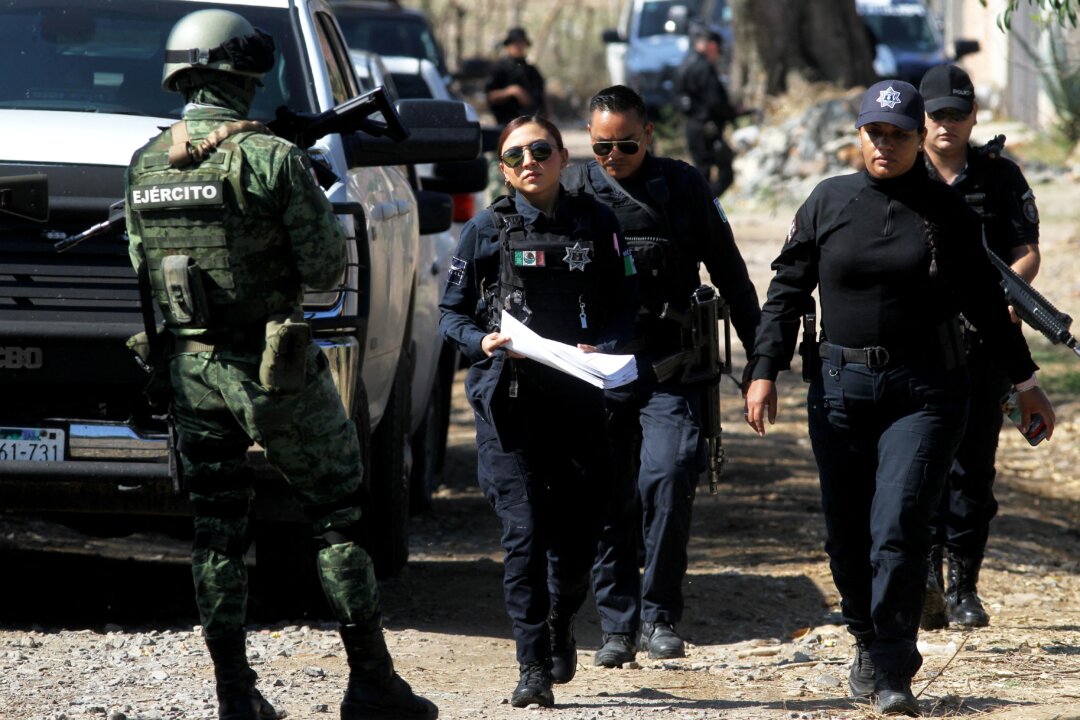 . The institutions are CIBanco S.A., Intercam Banco S.A., and Vector Casa de Bolsa S.A. de C.V.
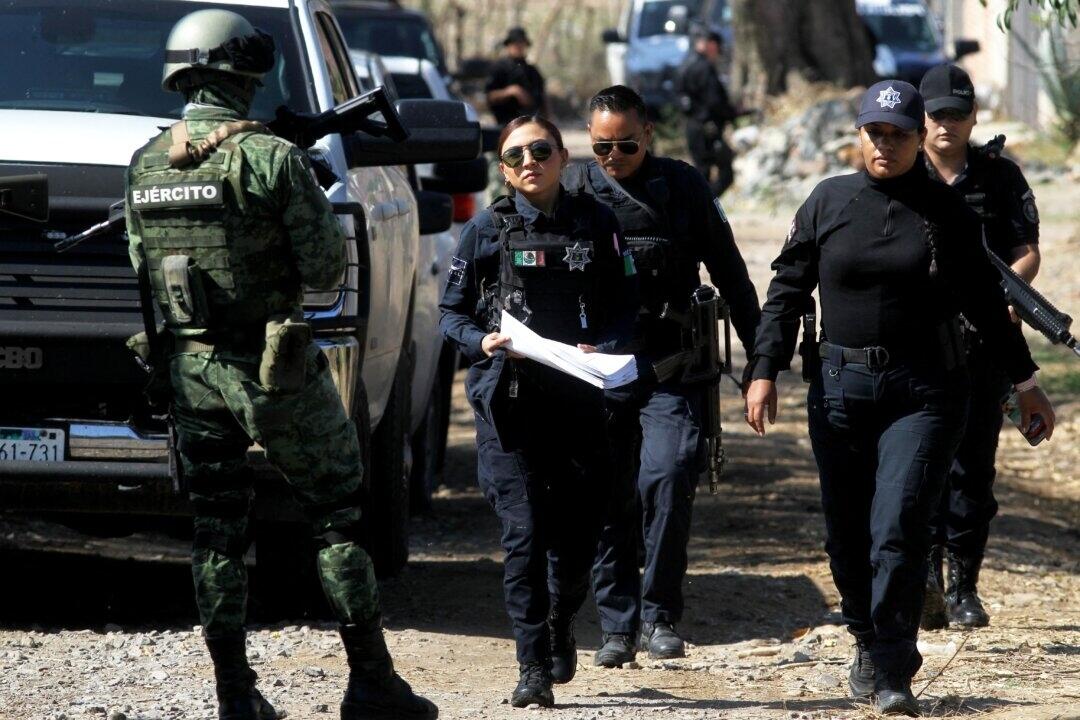 CIBanco and Intercam are commercial banks with assets worth more than $7 billion and $4 billion, respectively. Vector is a brokerage company managing almost $11 billion in assets.
FinCEN has determined that the entities launder money in connection with illicit opioid trafficking, and have “collectively played a longstanding and vital role in laundering millions of dollars on behalf of Mexico-based cartels and facilitating payments for the procurement of precursor chemicals needed to produce fentanyl,” the statement said.
CIBanco facilitated illicit opioid trafficking by Mexican cartels such as Jalisco New Generation Cartel (CJNG), Beltran-Leyva Cartel, and Gulf Cartel. Intercam was linked to CJNG, and Vector with the Sinaloa Cartel and Gulf Cartel, said the statement.
FinCEN said that between 2021 and 2024, CIBanco processed more than $2.1 million in payments from Mexico-based companies to entities in China that shipped precursor chemicals to Mexico. Intercam processed over $1.5 million during the same period.
As for Vector, the institution processed more than $1 million between 2018 and 2023.
The sanctions prohibit financial institutions in the United States from engaging in the transmission of funds from or to CIBanco, Intercam, or Vector. The prohibition also applies to any account or convertible virtual currency address administered by the three institutions.
In a June 25
, CIBanco said it does not maintain illegal business relationships. The bank “reiterates its compliance with all guidelines established by the competent authorities,” it said.
“CIBanco maintains constant communication with the relevant Mexican and U.S. authorities and reaffirms its full willingness to cooperate,” it said.
Intercam https://x.com/IntercamBanco/status/1938007154583019561
they “categorically deny” any links between the institution and illicit activity, specifically money laundering, according to a June 25 statement. The institution reiterated its “firm commitment to transparency and legality.”
In a June 25 https://x.com/VectorCB/status/1937979846526730650
, Vector said it “categorically rejects any accusation that compromises its institutional integrity.” The institution has operated under strict rules, auditing, and supervision of national financial authorities, it said.
Illicit Transactions
In a June 25
, Mexico’s Ministry of Finance and Public Credit said it had asked the U.S. Treasury for evidence of CIBanco, Intercam, and Vector having links to illicit activities that could be corroborated by Mexico’s Financial Intelligence Unit (UIF) or the National Banking and Securities Commission. “However, no substantiating information was received,” it said.
“The only information provided by the Treasury Department that Mexico can verify contains data on some wire transfers made through the aforementioned financial institutions to legally incorporated Chinese companies. However, thousands of these transactions are made through Mexican financial institutions.”
“The UIF found transactions made to these Chinese companies by more than 300 Mexican companies through 10 Mexican financial institutions. This is because Mexico has thousands of regular transactions with legally incorporated Chinese companies, with annual trade totaling $139 billion,” according to the statement.
The ministry clarified that if it receives “conclusive information” proving that CIBanco, Intercam, and Vector engaged in illicit activities, it will “act to the fullest extent of the law.” However, the ministry has not received any such information to date, it added.
According to the June 25 Treasury statement, the sanction orders against the Mexican financial institutions were made pursuant to the https://home.treasury.gov/news/press-releases/sb0179#:~:text=These%20orders%20are%20the%20first,synthetic%20opioids%2C%20including%20by%20cartels.
Sanctions Act and the FEND Off Fentanyl Act.
The two Acts provide the Treasury with additional powers to target money laundering linked with the trafficking of fentanyl and other synthetic opioids. These are the first actions taken by FinCEN under the two Acts, according to the Treasury.
Secretary of the Treasury Scott Bessent said that “financial facilitators like CIBanco, Intercam, and Vector are enabling the poisoning of countless Americans by moving money on behalf of cartels, making them vital cogs in the fentanyl supply chain.”
“Today’s actions affirm Treasury’s commitment to using all tools at our disposal to counter the threat posed by criminal and terrorist organizations trafficking fentanyl and other narcotics,” he said.
In a June 26
CIBanco and Intercam are commercial banks with assets worth more than $7 billion and $4 billion, respectively. Vector is a brokerage company managing almost $11 billion in assets.
FinCEN has determined that the entities launder money in connection with illicit opioid trafficking, and have “collectively played a longstanding and vital role in laundering millions of dollars on behalf of Mexico-based cartels and facilitating payments for the procurement of precursor chemicals needed to produce fentanyl,” the statement said.
CIBanco facilitated illicit opioid trafficking by Mexican cartels such as Jalisco New Generation Cartel (CJNG), Beltran-Leyva Cartel, and Gulf Cartel. Intercam was linked to CJNG, and Vector with the Sinaloa Cartel and Gulf Cartel, said the statement.
FinCEN said that between 2021 and 2024, CIBanco processed more than $2.1 million in payments from Mexico-based companies to entities in China that shipped precursor chemicals to Mexico. Intercam processed over $1.5 million during the same period.
As for Vector, the institution processed more than $1 million between 2018 and 2023.
The sanctions prohibit financial institutions in the United States from engaging in the transmission of funds from or to CIBanco, Intercam, or Vector. The prohibition also applies to any account or convertible virtual currency address administered by the three institutions.
In a June 25
, CIBanco said it does not maintain illegal business relationships. The bank “reiterates its compliance with all guidelines established by the competent authorities,” it said.
“CIBanco maintains constant communication with the relevant Mexican and U.S. authorities and reaffirms its full willingness to cooperate,” it said.
Intercam https://x.com/IntercamBanco/status/1938007154583019561
they “categorically deny” any links between the institution and illicit activity, specifically money laundering, according to a June 25 statement. The institution reiterated its “firm commitment to transparency and legality.”
In a June 25 https://x.com/VectorCB/status/1937979846526730650
, Vector said it “categorically rejects any accusation that compromises its institutional integrity.” The institution has operated under strict rules, auditing, and supervision of national financial authorities, it said.
Illicit Transactions
In a June 25
, Mexico’s Ministry of Finance and Public Credit said it had asked the U.S. Treasury for evidence of CIBanco, Intercam, and Vector having links to illicit activities that could be corroborated by Mexico’s Financial Intelligence Unit (UIF) or the National Banking and Securities Commission. “However, no substantiating information was received,” it said.
“The only information provided by the Treasury Department that Mexico can verify contains data on some wire transfers made through the aforementioned financial institutions to legally incorporated Chinese companies. However, thousands of these transactions are made through Mexican financial institutions.”
“The UIF found transactions made to these Chinese companies by more than 300 Mexican companies through 10 Mexican financial institutions. This is because Mexico has thousands of regular transactions with legally incorporated Chinese companies, with annual trade totaling $139 billion,” according to the statement.
The ministry clarified that if it receives “conclusive information” proving that CIBanco, Intercam, and Vector engaged in illicit activities, it will “act to the fullest extent of the law.” However, the ministry has not received any such information to date, it added.
According to the June 25 Treasury statement, the sanction orders against the Mexican financial institutions were made pursuant to the https://home.treasury.gov/news/press-releases/sb0179#:~:text=These%20orders%20are%20the%20first,synthetic%20opioids%2C%20including%20by%20cartels.
Sanctions Act and the FEND Off Fentanyl Act.
The two Acts provide the Treasury with additional powers to target money laundering linked with the trafficking of fentanyl and other synthetic opioids. These are the first actions taken by FinCEN under the two Acts, according to the Treasury.
Secretary of the Treasury Scott Bessent said that “financial facilitators like CIBanco, Intercam, and Vector are enabling the poisoning of countless Americans by moving money on behalf of cartels, making them vital cogs in the fentanyl supply chain.”
“Today’s actions affirm Treasury’s commitment to using all tools at our disposal to counter the threat posed by criminal and terrorist organizations trafficking fentanyl and other narcotics,” he said.
In a June 26 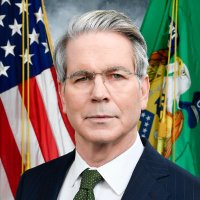 on social media platform X, Bessent said both the United States and Mexico are committed to ensuring that financial systems have “strong anti-money laundering/countering the financing of terrorism controls.”
China’s Long Game
In an
on social media platform X, Bessent said both the United States and Mexico are committed to ensuring that financial systems have “strong anti-money laundering/countering the financing of terrorism controls.”
China’s Long Game
In an 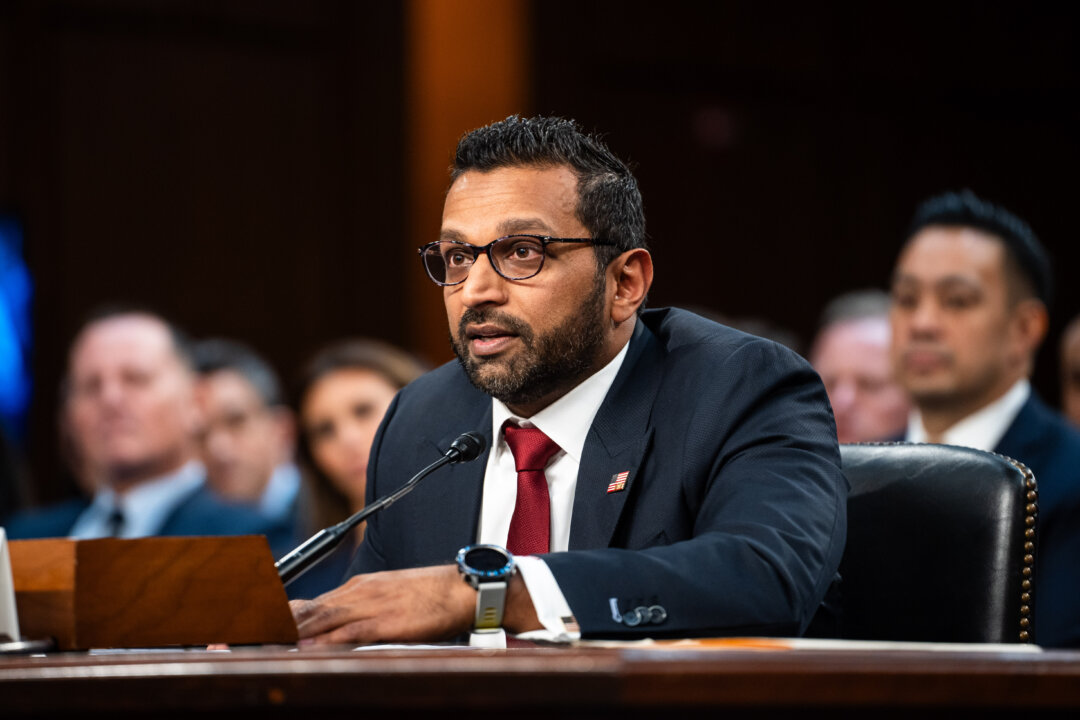 with podcaster Joe Rogan on June 6, FBI Director Kash Patel said that China’s plan was to weaken the United States over the long term using the fentanyl crisis.
The Chinese Communist Party did not make much money off the drug trade by supplying precursor chemicals. The plan is to “take out generations of young men and women” who could have taken on jobs such as a police officer, a soldier, or a teacher, he said.
“That’s what they [China] are doing, when you wipe out tens of thousands of Americans a year. It’s a long-term plan for them,” he said.
According to https://www.cdc.gov/nchs/pressroom/nchs_press_releases/2025/20250514.htm
from the Centers for Disease Control and Prevention, there were an estimated 48,422 deaths in the country involving synthetic opioid fentanyl in 2024.
The Chinese communist regime’s ongoing supply of illegal drugs to the United States was one of the reasons stated by the Trump administration for imposing 20 percent additional
with podcaster Joe Rogan on June 6, FBI Director Kash Patel said that China’s plan was to weaken the United States over the long term using the fentanyl crisis.
The Chinese Communist Party did not make much money off the drug trade by supplying precursor chemicals. The plan is to “take out generations of young men and women” who could have taken on jobs such as a police officer, a soldier, or a teacher, he said.
“That’s what they [China] are doing, when you wipe out tens of thousands of Americans a year. It’s a long-term plan for them,” he said.
According to https://www.cdc.gov/nchs/pressroom/nchs_press_releases/2025/20250514.htm
from the Centers for Disease Control and Prevention, there were an estimated 48,422 deaths in the country involving synthetic opioid fentanyl in 2024.
The Chinese communist regime’s ongoing supply of illegal drugs to the United States was one of the reasons stated by the Trump administration for imposing 20 percent additional 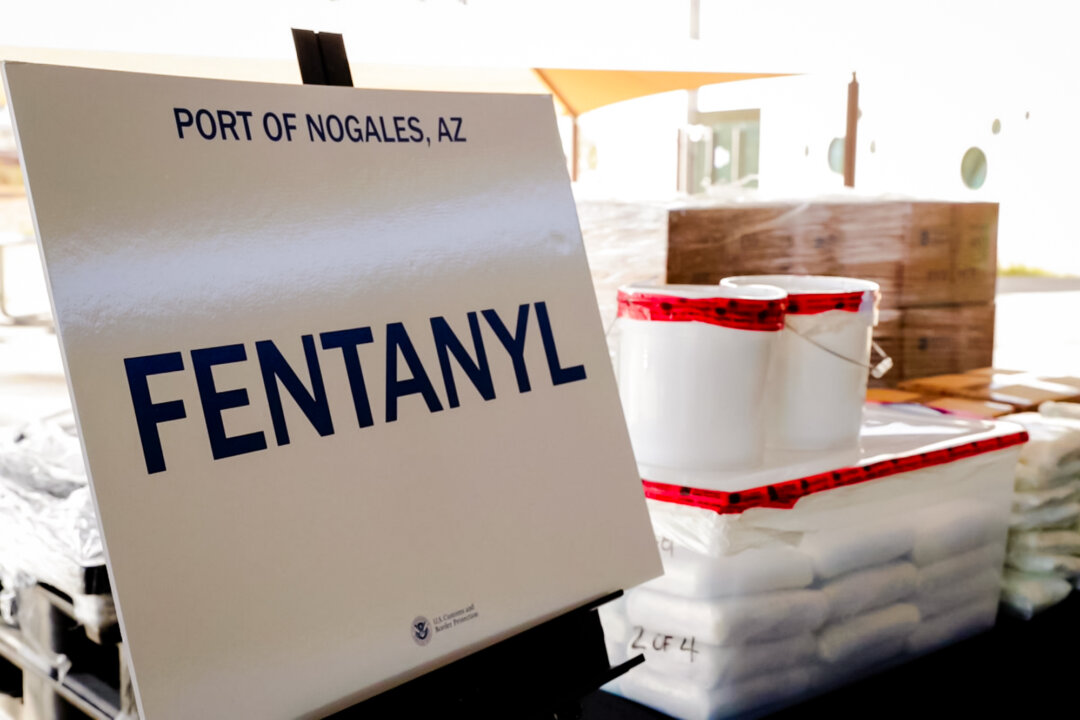 on Chinese imports earlier this year.
Following a recent trade agreement, China has announced new controls for two fentanyl precursors.
Thu, 06/26/2025 - 12:20
on Chinese imports earlier this year.
Following a recent trade agreement, China has announced new controls for two fentanyl precursors.
Thu, 06/26/2025 - 12:20
 At a moment the Trump administration is celebrating to 'obliteration' of the Islamic Republic's core elements and main facilities of its nuclear program, the Ayatollah downplayed the effects of the military campaign.
He described that the United States entered the war along Israel's side "because they felt that if they did not enter, the Zionist regime would be destroyed." He presented this as a sign of Israeli weakness, echoing prior statements issued during the aerial raids.
"However, the Americans did not gain anything in this war," he asserted. He went to say that those that attacked Iran suffered a high cost. According to more from state media
At a moment the Trump administration is celebrating to 'obliteration' of the Islamic Republic's core elements and main facilities of its nuclear program, the Ayatollah downplayed the effects of the military campaign.
He described that the United States entered the war along Israel's side "because they felt that if they did not enter, the Zionist regime would be destroyed." He presented this as a sign of Israeli weakness, echoing prior statements issued during the aerial raids.
"However, the Americans did not gain anything in this war," he asserted. He went to say that those that attacked Iran suffered a high cost. According to more from state media 


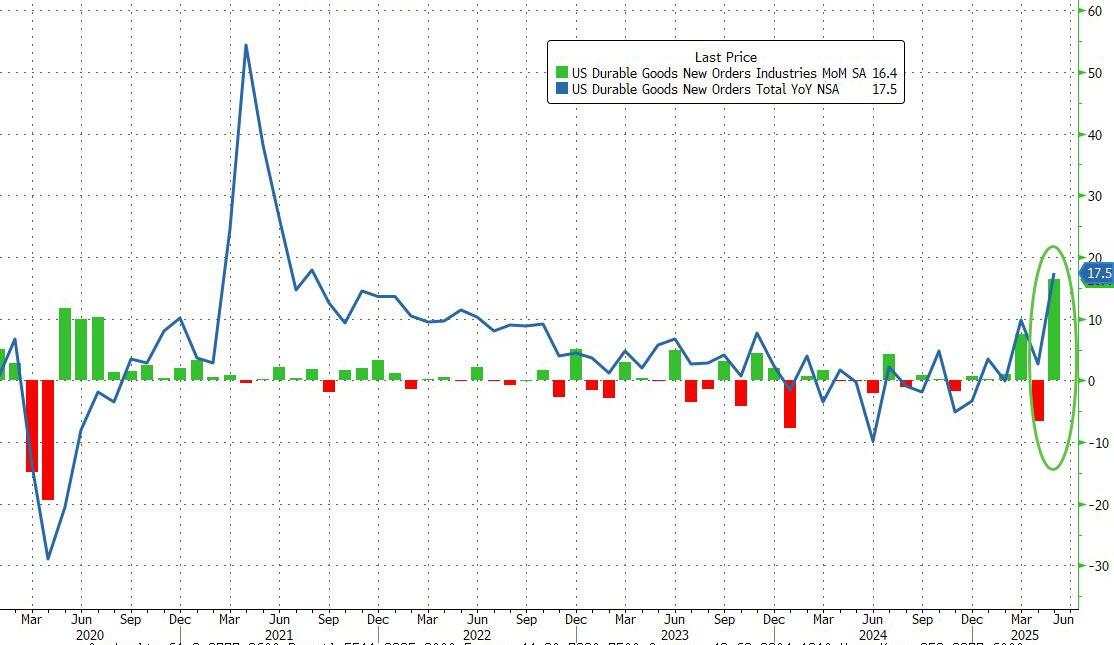 Source: Bloomberg
This was all driven by non-defense aircraft orders... which rose 230% MoM..
Source: Bloomberg
This was all driven by non-defense aircraft orders... which rose 230% MoM..
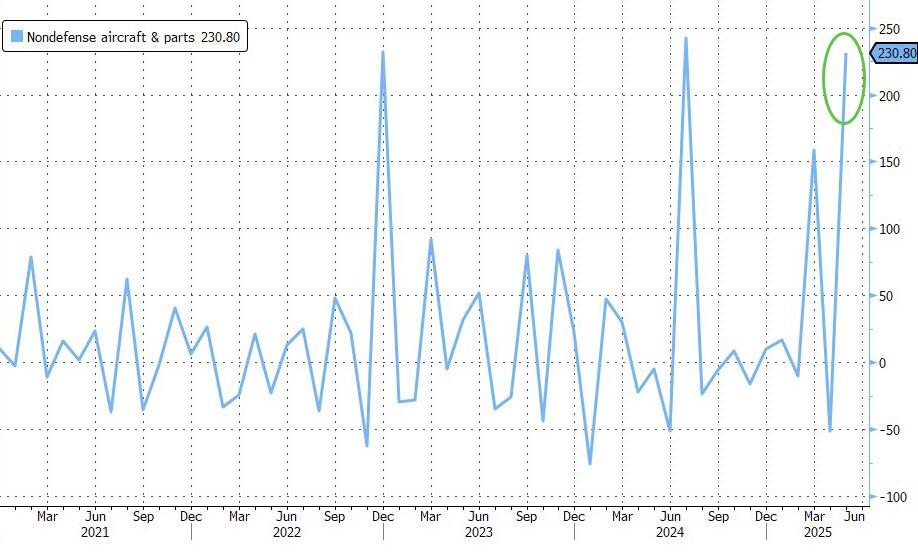 Source: Bloomberg
...as 'ex-transports', orders rose just 0.5% MoM (still better than expected)...
Source: Bloomberg
...as 'ex-transports', orders rose just 0.5% MoM (still better than expected)...
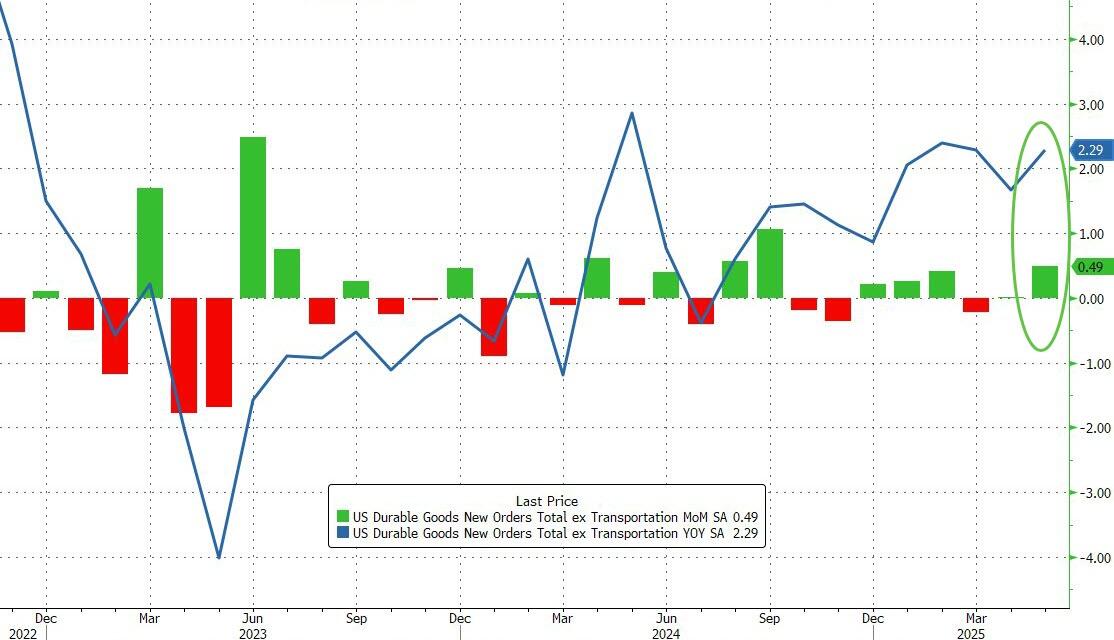 Source: Bloomberg
Capital goods shipments rose 0.5%, excluding defense and commercial aircraft, better than expected, adding to Q2 GDP growth hopes.
Source: Bloomberg
Capital goods shipments rose 0.5%, excluding defense and commercial aircraft, better than expected, adding to Q2 GDP growth hopes.
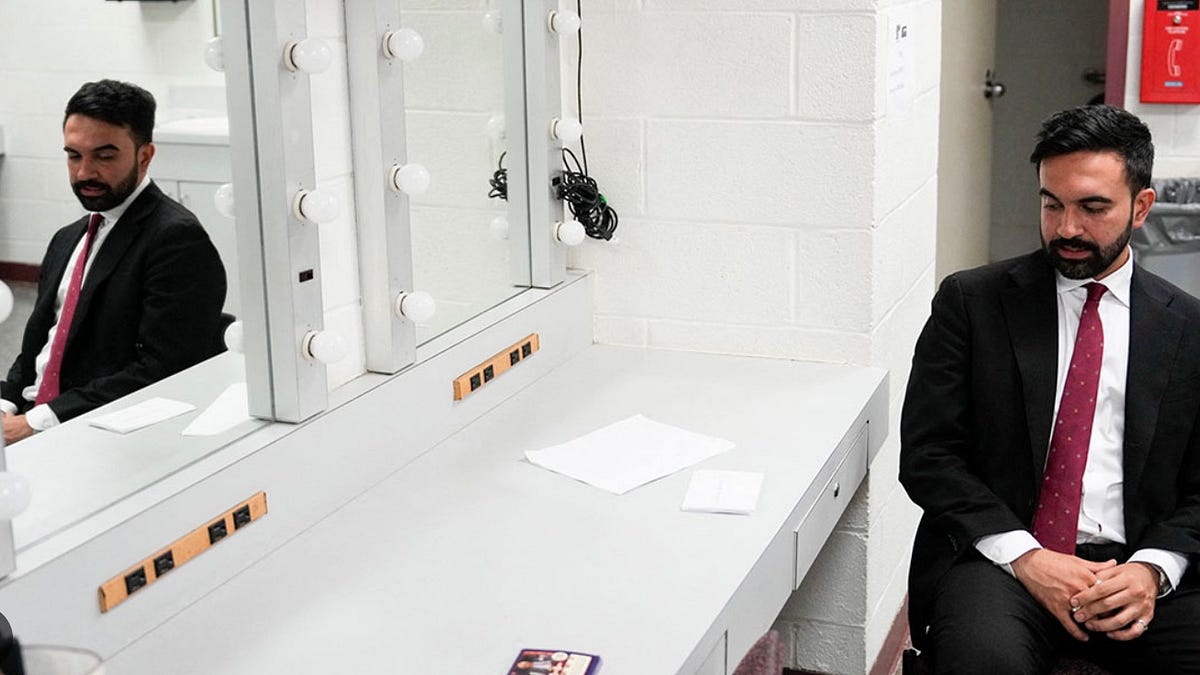
 Free housing. Free transit. Free groceries—courtesy of government-run stores. A policing strategy that replaces cops with counselors and bureaucrats with badges. Tax hikes that seem designed not to generate revenue, but to punish — and will assuredly lead to a massive capital outflow from New York. It’s not policy, it’s bullshit performance art that has no chance of being effective in one of the world’s most important geographic locations. And it is everything that turned off centrist Democrat voters in 2024.
So here’s the opportunity: Democrats can make a statement—not just to New York, but to the country—that they are still the party of rational governance and common sense — and that they can self-correct. That they are capable of breaking with their worst parts when it matters.
And it matters now.
This means one thing for the Democratic party: backing a centrist, independent candidate in November who can beat Mamdani in the general. Not a protest candidate. Not a placeholder. A real, serious contender who speaks to the exhausted majority that is desperate for competence over chaos.
🔥 50% OFF FOR LIFE: Using this coupon entitles you to 50% off an annual subscription to Fringe Finance for life:
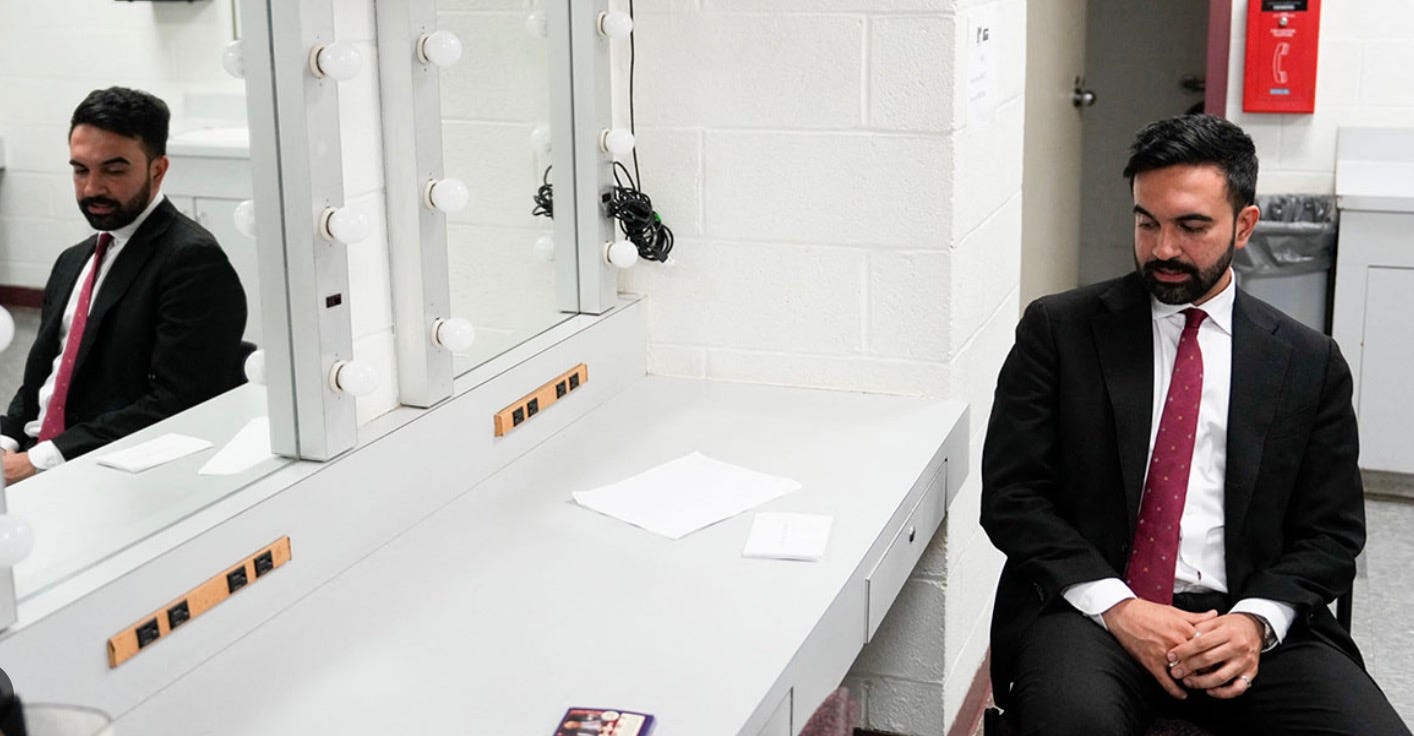
Free housing. Free transit. Free groceries—courtesy of government-run stores. A policing strategy that replaces cops with counselors and bureaucrats with badges. Tax hikes that seem designed not to generate revenue, but to punish — and will assuredly lead to a massive capital outflow from New York. It’s not policy, it’s bullshit performance art that has no chance of being effective in one of the world’s most important geographic locations. And it is everything that turned off centrist Democrat voters in 2024.
So here’s the opportunity: Democrats can make a statement—not just to New York, but to the country—that they are still the party of rational governance and common sense — and that they can self-correct. That they are capable of breaking with their worst parts when it matters.
And it matters now.
This means one thing for the Democratic party: backing a centrist, independent candidate in November who can beat Mamdani in the general. Not a protest candidate. Not a placeholder. A real, serious contender who speaks to the exhausted majority that is desperate for competence over chaos.
🔥 50% OFF FOR LIFE: Using this coupon entitles you to 50% off an annual subscription to Fringe Finance for life: 
 QTR’s Disclaimer: Please read my full legal disclaimer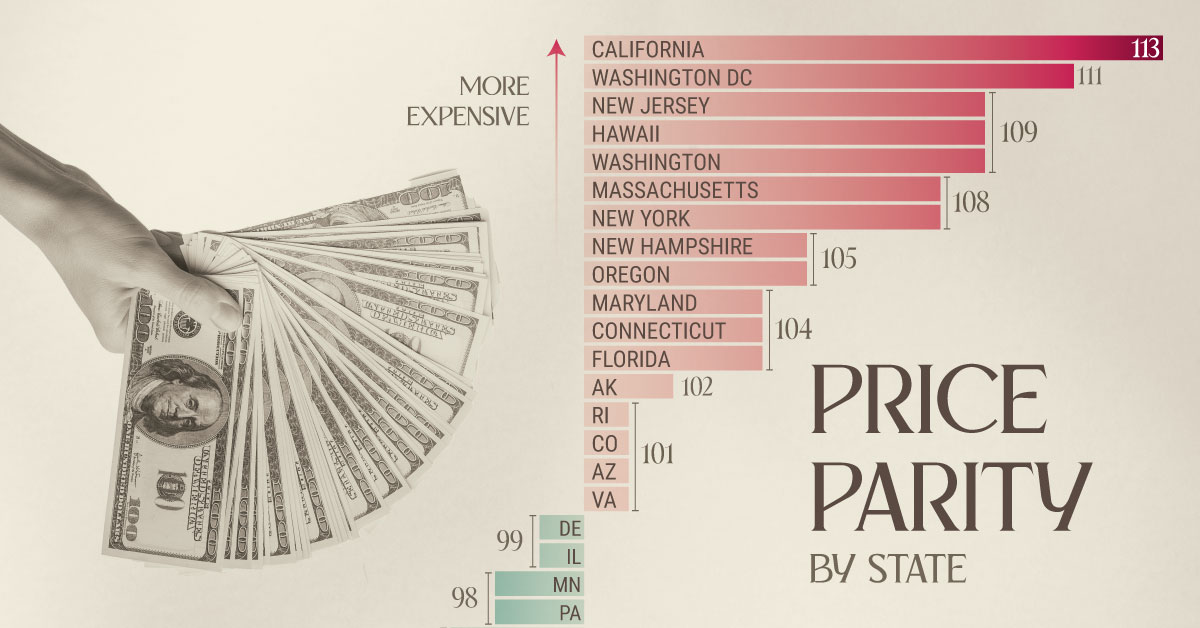
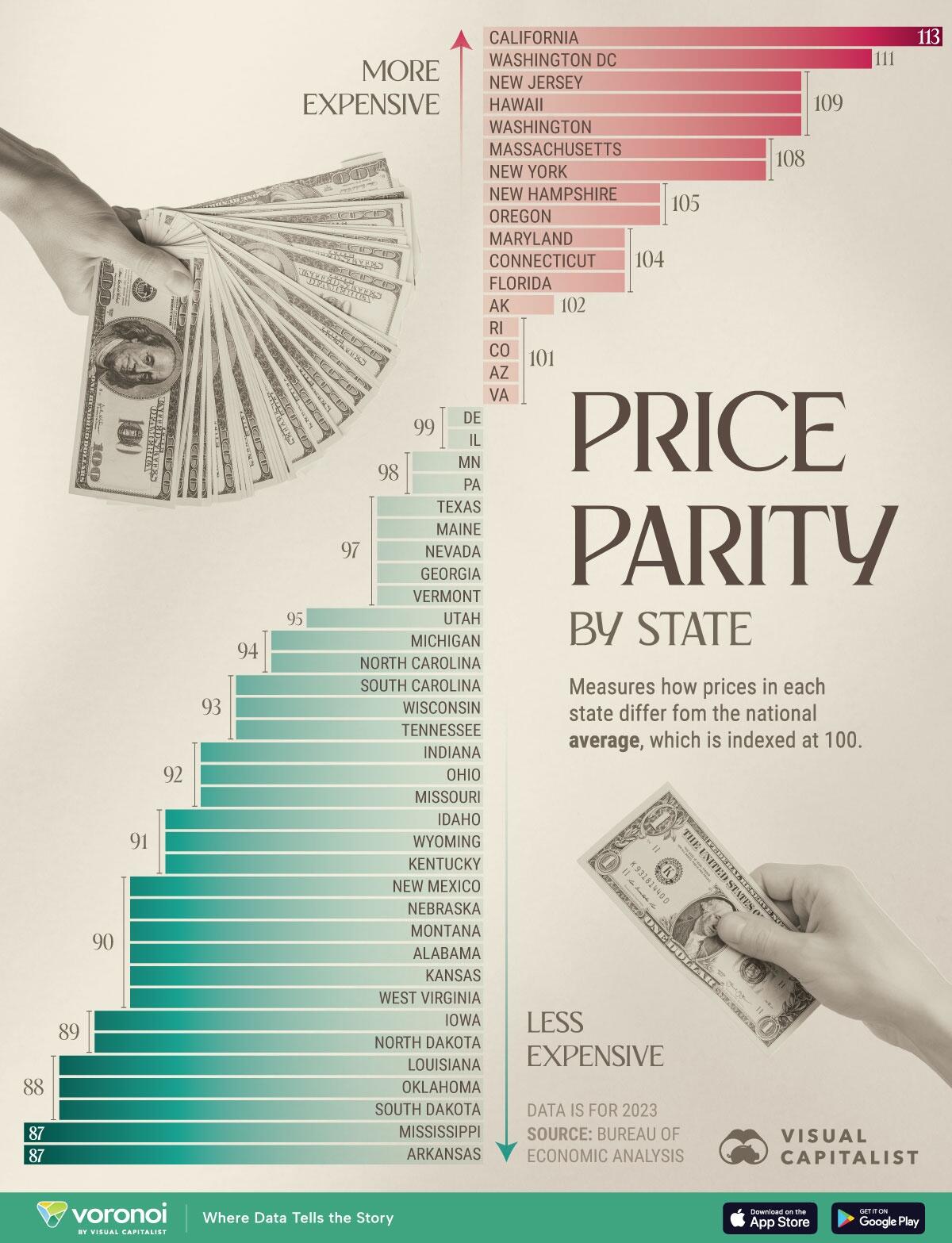 How Price Parity Compares Across America
To show the differences in prices across the country, the BEA compared each state to the national average, represented as 100 as of 2023.
State
Regional Price Parity (U.S. = 100)
California
113
Washington DC
111
New Jersey
109
Hawaii
109
Washington
109
Massachusetts
108
New York
108
New Hampshire
105
Oregon
105
Maryland
104
Connecticut
104
Florida
104
Alaska
102
Rhode Island
101
Colorado
101
Arizona
101
Virginia
101
Delaware
99
Illinois
99
Minnesota
98
Pennsylvania
98
Texas
97
Maine
97
Nevada
97
Georgia
97
Vermont
97
Utah
95
Michigan
94
North Carolina
94
South Carolina
93
Wisconsin
93
Tennessee
93
Indiana
92
Ohio
92
Missouri
92
Idaho
91
Wyoming
91
Kentucky
91
New Mexico
90
Nebraska
90
Montana
90
Alabama
90
Kansas
90
West Virginia
90
Iowa
89
North Dakota
89
Louisiana
88
Oklahoma
88
South Dakota
88
Mississippi
87
Arkansas
87
Ranking as the nation’s most expensive state, prices in California are 13% higher than the national average.
In particular, California’s housing rents are 58% higher overall, second-only to Washington, D.C.. at 69% in 2023. Typically, housing is the primary driver of price disparities across the country.
At the same time, Californians pay more for groceries than any other state—at around 10% higher than the U.S. average.
Ranking in third is New Jersey, driven largely by its proximity to New York. In addition to high housing costs, a separate report shows that people in the Garden State pay 32% more for household bills like utilities and health insurance than the U.S. average.
At the other end of the spectrum, southern states like Arkansas and Mississippi offer some of the lowest costs of living. In August 2024, the
How Price Parity Compares Across America
To show the differences in prices across the country, the BEA compared each state to the national average, represented as 100 as of 2023.
State
Regional Price Parity (U.S. = 100)
California
113
Washington DC
111
New Jersey
109
Hawaii
109
Washington
109
Massachusetts
108
New York
108
New Hampshire
105
Oregon
105
Maryland
104
Connecticut
104
Florida
104
Alaska
102
Rhode Island
101
Colorado
101
Arizona
101
Virginia
101
Delaware
99
Illinois
99
Minnesota
98
Pennsylvania
98
Texas
97
Maine
97
Nevada
97
Georgia
97
Vermont
97
Utah
95
Michigan
94
North Carolina
94
South Carolina
93
Wisconsin
93
Tennessee
93
Indiana
92
Ohio
92
Missouri
92
Idaho
91
Wyoming
91
Kentucky
91
New Mexico
90
Nebraska
90
Montana
90
Alabama
90
Kansas
90
West Virginia
90
Iowa
89
North Dakota
89
Louisiana
88
Oklahoma
88
South Dakota
88
Mississippi
87
Arkansas
87
Ranking as the nation’s most expensive state, prices in California are 13% higher than the national average.
In particular, California’s housing rents are 58% higher overall, second-only to Washington, D.C.. at 69% in 2023. Typically, housing is the primary driver of price disparities across the country.
At the same time, Californians pay more for groceries than any other state—at around 10% higher than the U.S. average.
Ranking in third is New Jersey, driven largely by its proximity to New York. In addition to high housing costs, a separate report shows that people in the Garden State pay 32% more for household bills like utilities and health insurance than the U.S. average.
At the other end of the spectrum, southern states like Arkansas and Mississippi offer some of the lowest costs of living. In August 2024, the 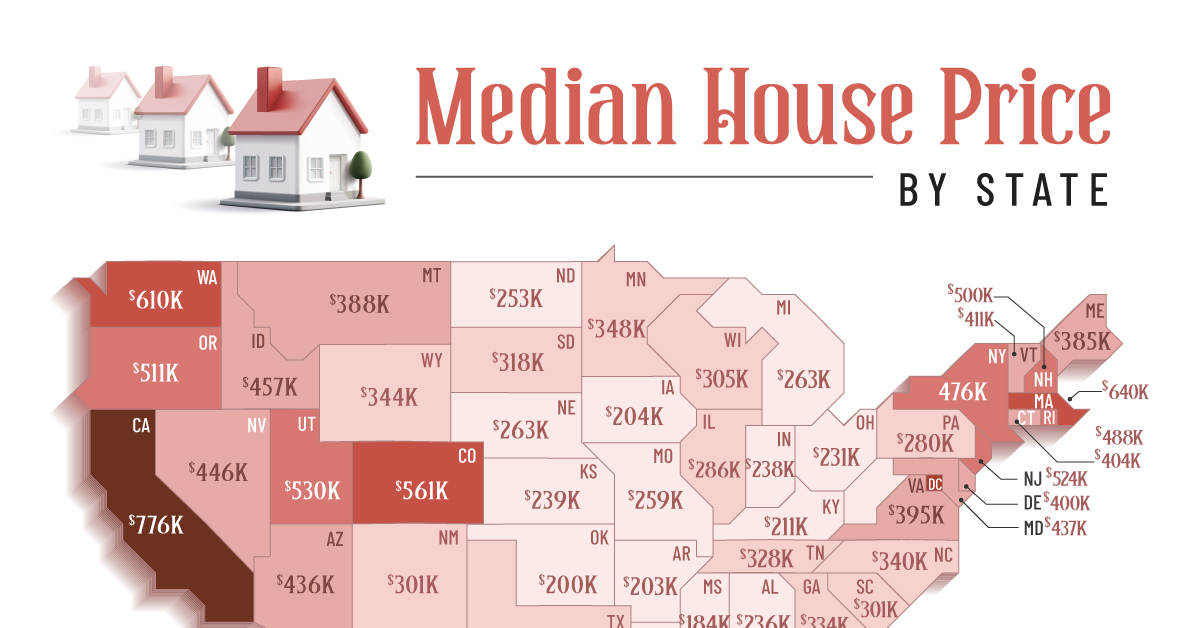

 Earlier this year, President Donald Trump and billionaire entrepreneur Elon Musk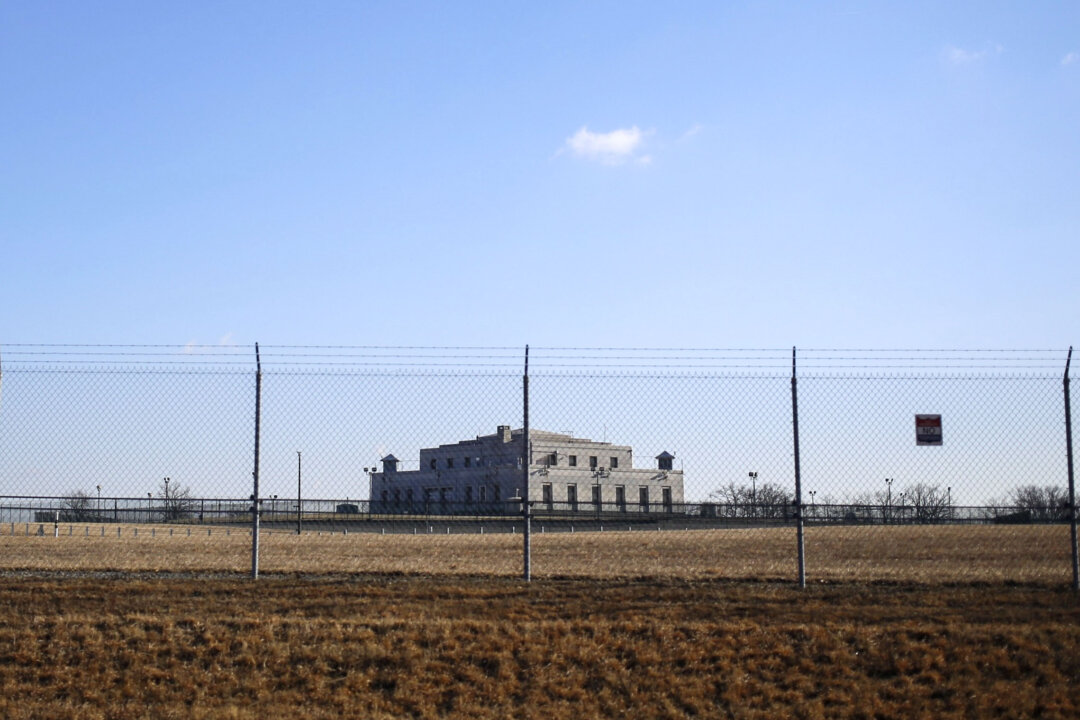
 Three 1-kilogram gold bullion bars at a gold dealer's shop, in Birmingham, England, on Dec. 13, 2023. Christopher Furlong/Getty Images
The last full audit of Fort Knox’s gold holdings was in September 1974. A physical inspection was performed by then-Treasury Secretary William Simon, who also invited congressional officials and the media to tour the location and inspect reserves.
Independent organizations have stated that the audit conducted more than 50 years ago did not compare serial numbers against official records, examine the gold bars for purity, or perform a final tally of the gold bullion.
“The history of the ‘audits’ reveals red flags: lost records and broken compartment seals without explanation or reauditing,” Jp Cortez, the executive director of the public policy group Sound Money Defense League, told The Epoch Times. “As Money Metals gold researcher Jan Nieuwenhuijs has meticulously documented, these practices wouldn’t pass muster at a private depository.”
U.S. officials, including Treasury Secretary Scott Bessent, have pushed back against claims that domestic gold holdings are not subject to audits.
In an
with Bloomberg Television, Bessent said that the U.S. government performs an annual audit of the country’s gold reserves.
“We do an audit every year. ... I can tell the American people on camera right now, there was a report, Sept. 30, 2024, all the gold is there,” Bessent said in February. “Any U.S. senator who wants to come visit it can arrange a visit through our office.”
The Treasury’s Office of Inspector General published a
Three 1-kilogram gold bullion bars at a gold dealer's shop, in Birmingham, England, on Dec. 13, 2023. Christopher Furlong/Getty Images
The last full audit of Fort Knox’s gold holdings was in September 1974. A physical inspection was performed by then-Treasury Secretary William Simon, who also invited congressional officials and the media to tour the location and inspect reserves.
Independent organizations have stated that the audit conducted more than 50 years ago did not compare serial numbers against official records, examine the gold bars for purity, or perform a final tally of the gold bullion.
“The history of the ‘audits’ reveals red flags: lost records and broken compartment seals without explanation or reauditing,” Jp Cortez, the executive director of the public policy group Sound Money Defense League, told The Epoch Times. “As Money Metals gold researcher Jan Nieuwenhuijs has meticulously documented, these practices wouldn’t pass muster at a private depository.”
U.S. officials, including Treasury Secretary Scott Bessent, have pushed back against claims that domestic gold holdings are not subject to audits.
In an
with Bloomberg Television, Bessent said that the U.S. government performs an annual audit of the country’s gold reserves.
“We do an audit every year. ... I can tell the American people on camera right now, there was a report, Sept. 30, 2024, all the gold is there,” Bessent said in February. “Any U.S. senator who wants to come visit it can arrange a visit through our office.”
The Treasury’s Office of Inspector General published a 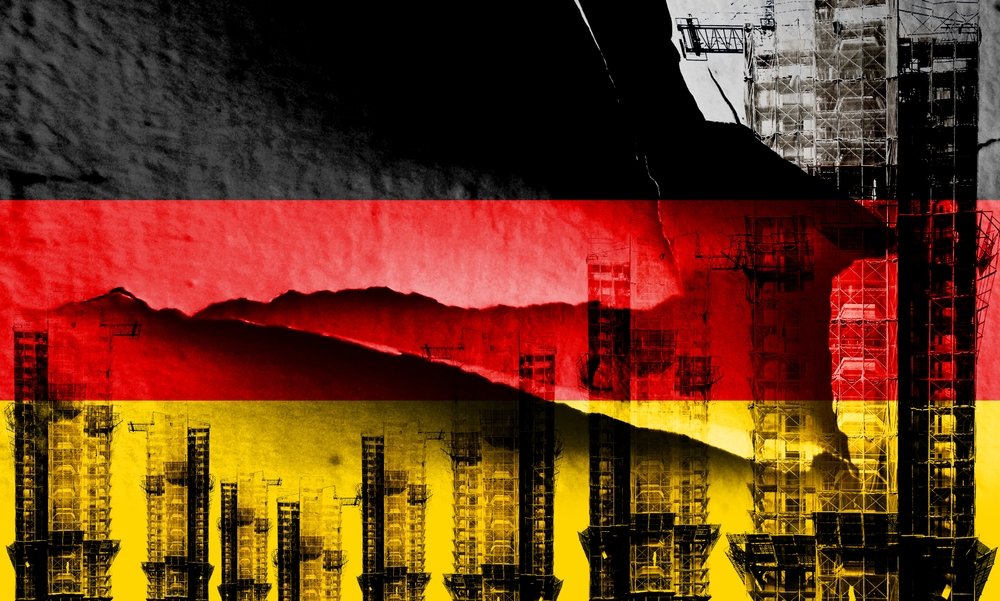
 Allianz Trade forecasts an overall increase of 11 percent in corporate insolvencies in Germany this year, reaching approximately 24,400 cases. A further 3 percent rise to 25,050 cases is anticipated for 2026. These insolvencies put an estimated 210,000 jobs at risk across Germany.
In the first quarter of this year, 16 large German companies—those with revenues of €50 million or more—filed for insolvency. While this is a slight decrease of three cases compared to the same period last year, it’s double the number recorded in the first quarter of 2023.
She predicted Germany's economic demise 3 years ago.
Now, the German economy, run by the left and Greens, is in shambles.
Volkswagen plans to close 3 plants and cut 30,000 workers.
Allianz Trade forecasts an overall increase of 11 percent in corporate insolvencies in Germany this year, reaching approximately 24,400 cases. A further 3 percent rise to 25,050 cases is anticipated for 2026. These insolvencies put an estimated 210,000 jobs at risk across Germany.
In the first quarter of this year, 16 large German companies—those with revenues of €50 million or more—filed for insolvency. While this is a slight decrease of three cases compared to the same period last year, it’s double the number recorded in the first quarter of 2023.
She predicted Germany's economic demise 3 years ago.
Now, the German economy, run by the left and Greens, is in shambles.
Volkswagen plans to close 3 plants and cut 30,000 workers. 














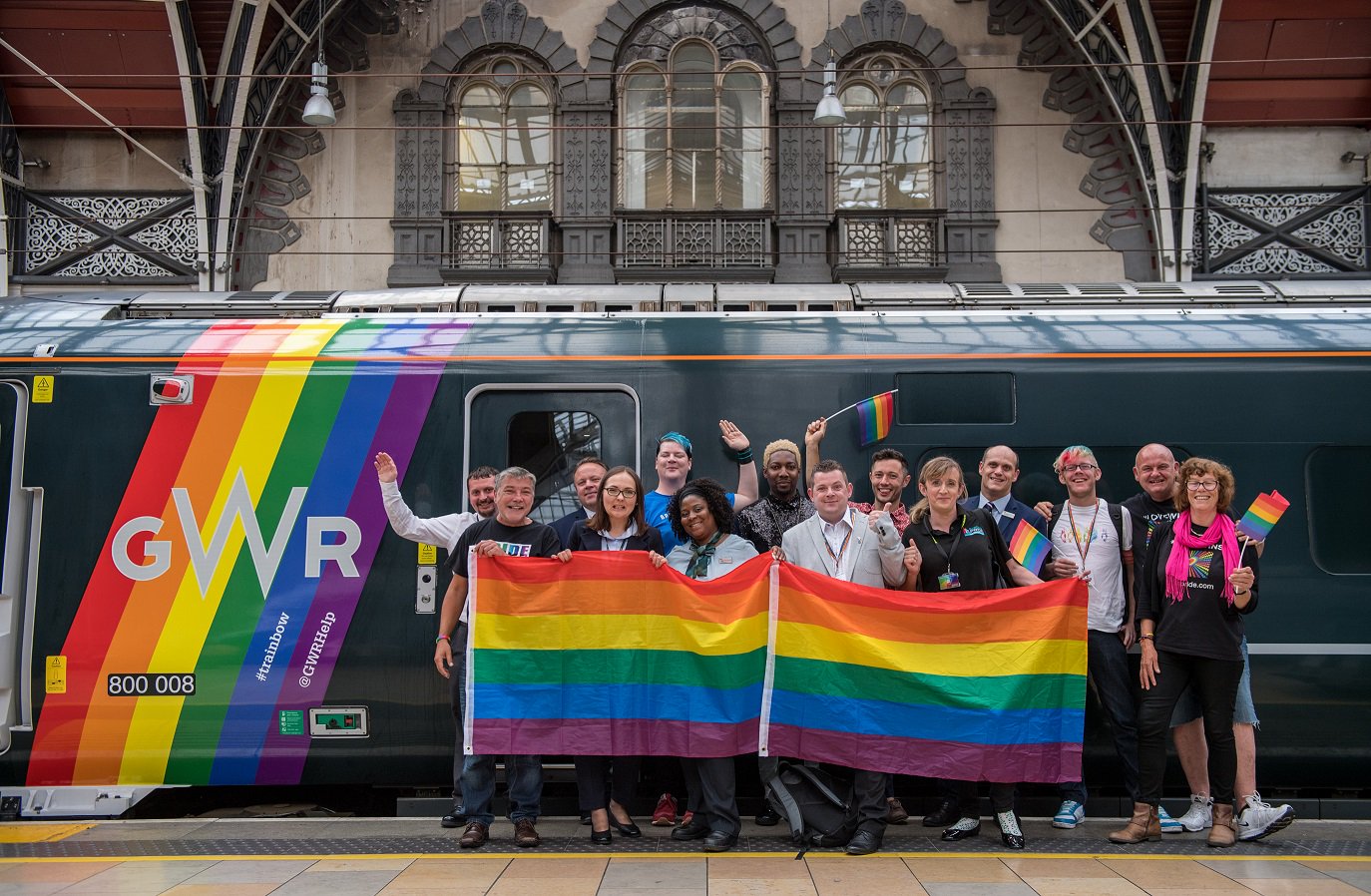



 Organizers said the May 24 event was held at Cal Anderson Park in support of “the sanctity of human life, the sacrality of biological gender, the importance of the nuclear family, and the right to freedom of speech and religion.”
They said the movement organizing the event stands against indoctrination of children “by a liberal, political, and sexual agenda that seeks to destroy their God-given identities.”
Counterprotesters, including the Freedom Socialist Party,
Organizers said the May 24 event was held at Cal Anderson Park in support of “the sanctity of human life, the sacrality of biological gender, the importance of the nuclear family, and the right to freedom of speech and religion.”
They said the movement organizing the event stands against indoctrination of children “by a liberal, political, and sexual agenda that seeks to destroy their God-given identities.”
Counterprotesters, including the Freedom Socialist Party,