Russian-Born Harvard Scientist Detained By US Charged With Smuggling Clawed Frog Embryos
Russian-Born Harvard Scientist Detained By US Charged With Smuggling Clawed Frog Embryos
 (emphasis ours),
A Russian-born scientist and research associate at Harvard University has been arrested and charged with allegedly attempting to smuggle clawed frog embryos and embryonic samples into the United States, the U.S. Attorney’s Office for the District of Massachusetts
on May 14.
(emphasis ours),
A Russian-born scientist and research associate at Harvard University has been arrested and charged with allegedly attempting to smuggle clawed frog embryos and embryonic samples into the United States, the U.S. Attorney’s Office for the District of Massachusetts
on May 14.
 Kseniia Petrova, 31, was charged with one count of smuggling goods into the country.
If found guilty, she faces up to 20 years in prison, five years of supervised release, and a fine of up to $250,000.
The charges were announced just hours after a federal judge in Vermont heard arguments in a lawsuit Petrova filed against the Trump administration alleging she has been unlawfully detained at an immigration detention center in Louisiana for months.
She was transferred out of the custody of Immigration and Customs Enforcement (ICE) to a nearby Louisiana parish jail shortly after being charged.
An initial hearing in her criminal case has been set for May 15.
Petrova, a Russian national, was first taken into immigration custody on Feb. 16 after arriving at Logan International Airport in Boston following a trip to Paris.
According to prosecutors, she was stopped by Customs and Border Protection agents after her checked duffle bag was flagged for inspection, revealing biological items including a foam box containing clawed frog embryos in microcentrifuges, as well as embryonic samples in paraffin well stages and on mounted dyed slides.
Such biological products must be declared and require a permit to be brought into the country.
Prosecutors said that Petrova initially denied carrying such material in her baggage but acknowledged she had biological specimens when asked again.
She was then advised that she was ineligible for entry to the United States, at which point prosecutors say she agreed to willingly withdraw her application for admission, prosecutors said.
The Trump administration has indicated it plans to deport her back to Russia.
Lawyer Says Case Is ‘Meritless’
Petrova said she fled Russia after it invaded Ukraine in February 2022 to avoid conflict or possible political repression. She added that she fears she will be imprisoned if she returns because of her political views.
Her lawyer, Gregory Romanovsky, called the case against his client “meritless” and questioned the timing of the charges being announced, noting she was transferred into criminal custody after the judge in her lawsuit set a May 28 bail hearing to consider releasing her.
“The charge, filed three months after the alleged customs violation, is clearly intended to make Kseniia look like a criminal to justify their efforts to deport her,” he said.
During an interview under oath, Petrova allegedly claimed to be unsure that she was required to declare biological material when entering the country, prosecutors said.
However, prosecutors said text messages on her phone from an individual identified as one of her colleagues informed her that she was required to declare the biological material.
They alleged that in response to one text message asking how she planned to get through customs with the biological samples, Petrova said: “No plan yet. I won’t be able to swallow them.”
Petrova’s case has drawn criticism from Democrats, including Massachusetts Attorney General Andrea Joy Campbell, who filed an amicus brief on May 12 opposing the government’s efforts to dismiss her petition for release.
The brief states that Petrova had been conducting critical research on degenerative diseases at Harvard under a valid J-1 visa prior to her detention 10 weeks ago.
“Ms. Petrova’s case is not an isolated incident—this is just the latest example of the Trump Administration’s reckless and cruel misuse of power to punish and terrorize non-citizen members of the academic community,” Campbell said. “I will continue to fight to defend the rights of our international students and faculty, who meaningfully contribute to the academic and economic success of our communities.”
The U.S. Attorney’s Office for the District of Massachusetts said Petrova was recently employed by the Institute of Genetic Biology in Moscow from 2023 to 2024 and previously served as a bioinformatician of genetic disorders at the Moscow Center for Genetics from 2016 to 2023.
Harvard University said in a statement that it “continues to monitor the situation.”
The Epoch Times has contacted Petrova’s attorney for further comment.
The Associated Press and Reuters contributed to this report.
Fri, 05/16/2025 - 22:30
Kseniia Petrova, 31, was charged with one count of smuggling goods into the country.
If found guilty, she faces up to 20 years in prison, five years of supervised release, and a fine of up to $250,000.
The charges were announced just hours after a federal judge in Vermont heard arguments in a lawsuit Petrova filed against the Trump administration alleging she has been unlawfully detained at an immigration detention center in Louisiana for months.
She was transferred out of the custody of Immigration and Customs Enforcement (ICE) to a nearby Louisiana parish jail shortly after being charged.
An initial hearing in her criminal case has been set for May 15.
Petrova, a Russian national, was first taken into immigration custody on Feb. 16 after arriving at Logan International Airport in Boston following a trip to Paris.
According to prosecutors, she was stopped by Customs and Border Protection agents after her checked duffle bag was flagged for inspection, revealing biological items including a foam box containing clawed frog embryos in microcentrifuges, as well as embryonic samples in paraffin well stages and on mounted dyed slides.
Such biological products must be declared and require a permit to be brought into the country.
Prosecutors said that Petrova initially denied carrying such material in her baggage but acknowledged she had biological specimens when asked again.
She was then advised that she was ineligible for entry to the United States, at which point prosecutors say she agreed to willingly withdraw her application for admission, prosecutors said.
The Trump administration has indicated it plans to deport her back to Russia.
Lawyer Says Case Is ‘Meritless’
Petrova said she fled Russia after it invaded Ukraine in February 2022 to avoid conflict or possible political repression. She added that she fears she will be imprisoned if she returns because of her political views.
Her lawyer, Gregory Romanovsky, called the case against his client “meritless” and questioned the timing of the charges being announced, noting she was transferred into criminal custody after the judge in her lawsuit set a May 28 bail hearing to consider releasing her.
“The charge, filed three months after the alleged customs violation, is clearly intended to make Kseniia look like a criminal to justify their efforts to deport her,” he said.
During an interview under oath, Petrova allegedly claimed to be unsure that she was required to declare biological material when entering the country, prosecutors said.
However, prosecutors said text messages on her phone from an individual identified as one of her colleagues informed her that she was required to declare the biological material.
They alleged that in response to one text message asking how she planned to get through customs with the biological samples, Petrova said: “No plan yet. I won’t be able to swallow them.”
Petrova’s case has drawn criticism from Democrats, including Massachusetts Attorney General Andrea Joy Campbell, who filed an amicus brief on May 12 opposing the government’s efforts to dismiss her petition for release.
The brief states that Petrova had been conducting critical research on degenerative diseases at Harvard under a valid J-1 visa prior to her detention 10 weeks ago.
“Ms. Petrova’s case is not an isolated incident—this is just the latest example of the Trump Administration’s reckless and cruel misuse of power to punish and terrorize non-citizen members of the academic community,” Campbell said. “I will continue to fight to defend the rights of our international students and faculty, who meaningfully contribute to the academic and economic success of our communities.”
The U.S. Attorney’s Office for the District of Massachusetts said Petrova was recently employed by the Institute of Genetic Biology in Moscow from 2023 to 2024 and previously served as a bioinformatician of genetic disorders at the Moscow Center for Genetics from 2016 to 2023.
Harvard University said in a statement that it “continues to monitor the situation.”
The Epoch Times has contacted Petrova’s attorney for further comment.
The Associated Press and Reuters contributed to this report.
Fri, 05/16/2025 - 22:30
The Epoch Times
Russian-Born Harvard Scientist Detained by US Charged With Smuggling
Prosecutors say Kseniia Petrova attempted to smuggle clawed frog embryos and embryonic samples into the country.
Kseniia Petrova, 31, was charged with one count of smuggling goods into the country.
If found guilty, she faces up to 20 years in prison, five years of supervised release, and a fine of up to $250,000.
The charges were announced just hours after a federal judge in Vermont heard arguments in a lawsuit Petrova filed against the Trump administration alleging she has been unlawfully detained at an immigration detention center in Louisiana for months.
She was transferred out of the custody of Immigration and Customs Enforcement (ICE) to a nearby Louisiana parish jail shortly after being charged.
An initial hearing in her criminal case has been set for May 15.
Petrova, a Russian national, was first taken into immigration custody on Feb. 16 after arriving at Logan International Airport in Boston following a trip to Paris.
According to prosecutors, she was stopped by Customs and Border Protection agents after her checked duffle bag was flagged for inspection, revealing biological items including a foam box containing clawed frog embryos in microcentrifuges, as well as embryonic samples in paraffin well stages and on mounted dyed slides.
Such biological products must be declared and require a permit to be brought into the country.
Prosecutors said that Petrova initially denied carrying such material in her baggage but acknowledged she had biological specimens when asked again.
She was then advised that she was ineligible for entry to the United States, at which point prosecutors say she agreed to willingly withdraw her application for admission, prosecutors said.
The Trump administration has indicated it plans to deport her back to Russia.
Lawyer Says Case Is ‘Meritless’
Petrova said she fled Russia after it invaded Ukraine in February 2022 to avoid conflict or possible political repression. She added that she fears she will be imprisoned if she returns because of her political views.
Her lawyer, Gregory Romanovsky, called the case against his client “meritless” and questioned the timing of the charges being announced, noting she was transferred into criminal custody after the judge in her lawsuit set a May 28 bail hearing to consider releasing her.
“The charge, filed three months after the alleged customs violation, is clearly intended to make Kseniia look like a criminal to justify their efforts to deport her,” he said.
During an interview under oath, Petrova allegedly claimed to be unsure that she was required to declare biological material when entering the country, prosecutors said.
However, prosecutors said text messages on her phone from an individual identified as one of her colleagues informed her that she was required to declare the biological material.
They alleged that in response to one text message asking how she planned to get through customs with the biological samples, Petrova said: “No plan yet. I won’t be able to swallow them.”
Petrova’s case has drawn criticism from Democrats, including Massachusetts Attorney General Andrea Joy Campbell, who filed an amicus brief on May 12 opposing the government’s efforts to dismiss her petition for release.
The brief states that Petrova had been conducting critical research on degenerative diseases at Harvard under a valid J-1 visa prior to her detention 10 weeks ago.
“Ms. Petrova’s case is not an isolated incident—this is just the latest example of the Trump Administration’s reckless and cruel misuse of power to punish and terrorize non-citizen members of the academic community,” Campbell said. “I will continue to fight to defend the rights of our international students and faculty, who meaningfully contribute to the academic and economic success of our communities.”
The U.S. Attorney’s Office for the District of Massachusetts said Petrova was recently employed by the Institute of Genetic Biology in Moscow from 2023 to 2024 and previously served as a bioinformatician of genetic disorders at the Moscow Center for Genetics from 2016 to 2023.
Harvard University said in a statement that it “continues to monitor the situation.”
The Epoch Times has contacted Petrova’s attorney for further comment.
The Associated Press and Reuters contributed to this report.
Tyler Durden | Zero Hedge
Zero Hedge
Russian-Born Harvard Scientist Detained By US Charged With Smuggling Clawed Frog Embryos | ZeroHedge
ZeroHedge - On a long enough timeline, the survival rate for everyone drops to zero

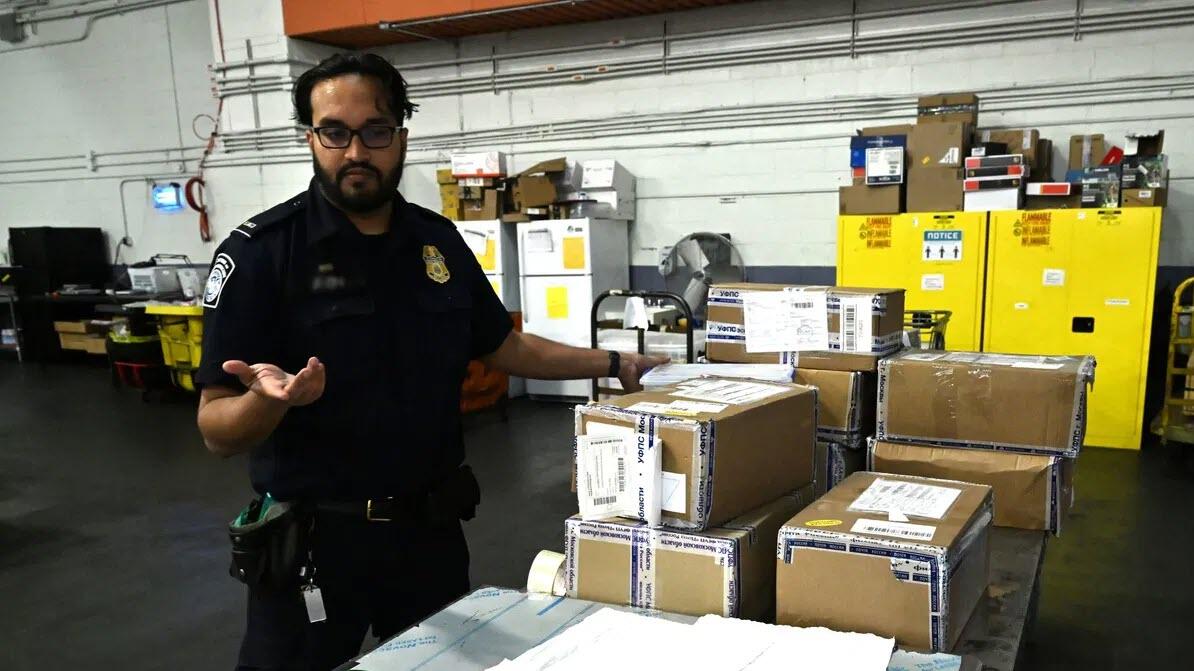 The Trump administration this week rolled back the duty for small-dollar shipments from China and Hong Kong as part of tariff deescalation with China, while a House committee advanced legislation to permanently end the duty-free “de minimis” exemption from all countries.
President Donald Trump’s executive order lowering new 145% tariffs on Chinese goods to 30% for 90 days represents a reprieve for popular Chinese shopping platforms and other e-tailers that ship parcels directly from the factory to individual shoppers. E-commerce orders and airfreight shipments plummeted after the U.S. government on May 2 rescinded duty-free treatment for low-value goods, subjecting them to the same duties imposed on all Chinese products.
Before then, U.S. trade law allowed an individual each day to import goods valued at $800 or less and use an informal entry process. The rule helped fuel cross-border shipping from Chinese shopping platforms direct to consumers. About two-thirds of all packages entering the country through the de minimis channel are from China.
The Trump administration this week rolled back the duty for small-dollar shipments from China and Hong Kong as part of tariff deescalation with China, while a House committee advanced legislation to permanently end the duty-free “de minimis” exemption from all countries.
President Donald Trump’s executive order lowering new 145% tariffs on Chinese goods to 30% for 90 days represents a reprieve for popular Chinese shopping platforms and other e-tailers that ship parcels directly from the factory to individual shoppers. E-commerce orders and airfreight shipments plummeted after the U.S. government on May 2 rescinded duty-free treatment for low-value goods, subjecting them to the same duties imposed on all Chinese products.
Before then, U.S. trade law allowed an individual each day to import goods valued at $800 or less and use an informal entry process. The rule helped fuel cross-border shipping from Chinese shopping platforms direct to consumers. About two-thirds of all packages entering the country through the de minimis channel are from China.



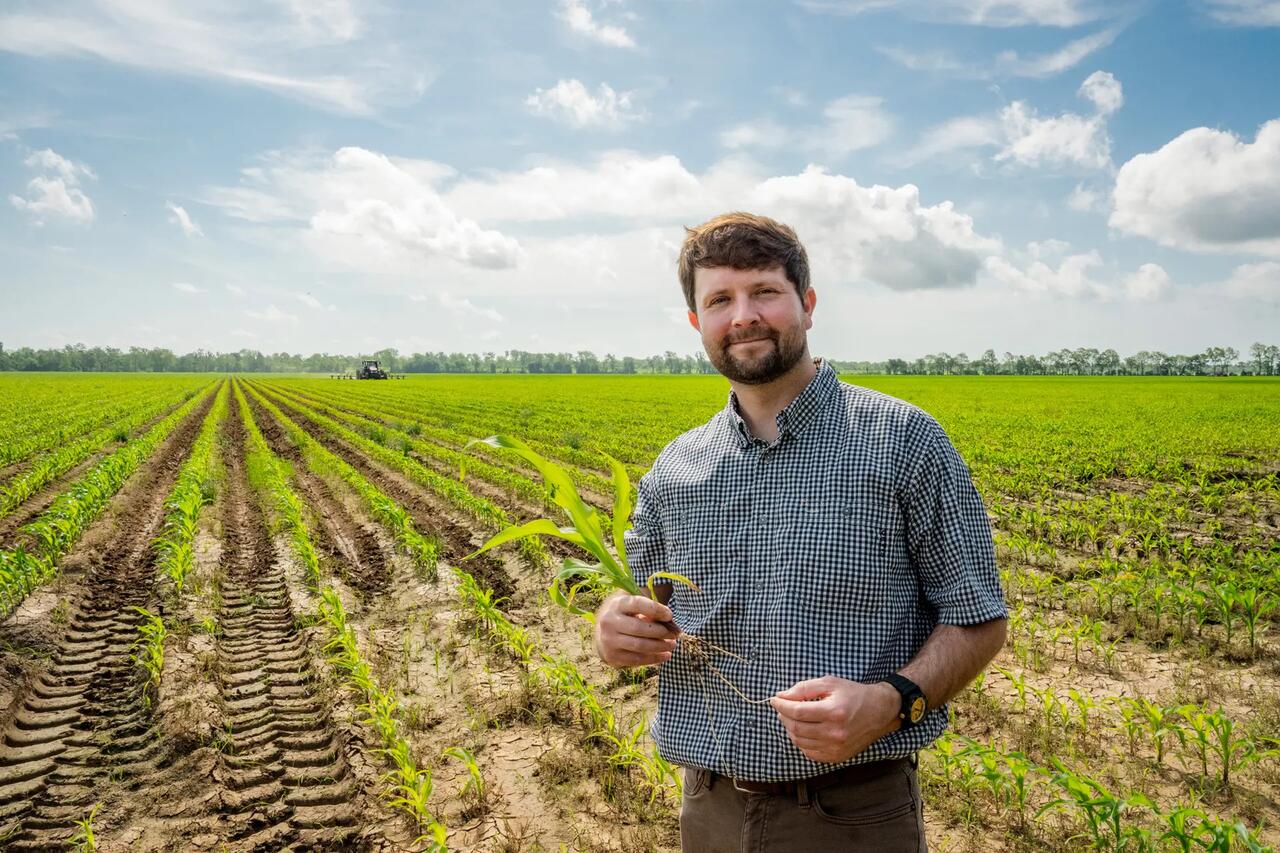
 Lake Village is a small town sitting along Lake Chicot, an abandoned channel of the Mississippi River. Over thousands of years, flooding deposited rich alluvial soil, making it ideal for crops such as rice, cotton, soybeans, and corn.
As a child, William Mencer’s grandfather handed him a cowboy hat and a garden hoe to dig up the pigweeds growing between the crop rows.
The 31-year-old farmer remembers spending long, sweltering days alongside the farmworkers, his hands growing rough and calloused with the effort.
“So I learned, you know, what it was like for these workers,” he told The Epoch Times.
He vowed to escape the sweat and toil of the fields by going to law school and working in an office. But the family farm drew him back like a love song.
Now he is partnering with his father, Joe Mencer, to keep the farm afloat with temporary agriculture workers through the H-2A visa program.
The fourth-generation family farm, which costs $4 million per year to operate, includes 6,000 acres that they own and lease.
While some may claim agriculture needs illegal immigrants to pick crops and work the fields, Joe Mencer told The Epoch Times that they’ve never had an illegal immigrant come looking for work.
They can’t get anyone local to work either, meaning that if they didn’t have the guest farm workers, they couldn’t stay in business.
What Is the H-2A Visa?
It costs more to bring in temporary legal workers than it would if they could find enough people locally to work. But without temporary migrant workers, William Mencer said local farms would go bust, affecting the nation’s food security.
The process has become much more complex since the Mencers began using the guest worker program back in the 1980s.
So much so that the younger Mencer started a small law practice helping other farmers obtain the labor they sorely needed.
He also shares his knowledge with other farmers as a member of the Arkansas Farm Bureau.
The process of hiring workers through the program, sometimes called a guest worker program, starts early in the year for the Mencer family.
Lake Village is a small town sitting along Lake Chicot, an abandoned channel of the Mississippi River. Over thousands of years, flooding deposited rich alluvial soil, making it ideal for crops such as rice, cotton, soybeans, and corn.
As a child, William Mencer’s grandfather handed him a cowboy hat and a garden hoe to dig up the pigweeds growing between the crop rows.
The 31-year-old farmer remembers spending long, sweltering days alongside the farmworkers, his hands growing rough and calloused with the effort.
“So I learned, you know, what it was like for these workers,” he told The Epoch Times.
He vowed to escape the sweat and toil of the fields by going to law school and working in an office. But the family farm drew him back like a love song.
Now he is partnering with his father, Joe Mencer, to keep the farm afloat with temporary agriculture workers through the H-2A visa program.
The fourth-generation family farm, which costs $4 million per year to operate, includes 6,000 acres that they own and lease.
While some may claim agriculture needs illegal immigrants to pick crops and work the fields, Joe Mencer told The Epoch Times that they’ve never had an illegal immigrant come looking for work.
They can’t get anyone local to work either, meaning that if they didn’t have the guest farm workers, they couldn’t stay in business.
What Is the H-2A Visa?
It costs more to bring in temporary legal workers than it would if they could find enough people locally to work. But without temporary migrant workers, William Mencer said local farms would go bust, affecting the nation’s food security.
The process has become much more complex since the Mencers began using the guest worker program back in the 1980s.
So much so that the younger Mencer started a small law practice helping other farmers obtain the labor they sorely needed.
He also shares his knowledge with other farmers as a member of the Arkansas Farm Bureau.
The process of hiring workers through the program, sometimes called a guest worker program, starts early in the year for the Mencer family.
 The paperwork needs to be filed 60 to 75 days before their start date, which is mid- to late-February, he said.
It costs as much as $5,000 to bring in several guest workers from Mexico to the United States, he said, noting that the cost doesn’t include the housing and transportation provided to the workers.
Most return home in mid-December, but they are eligible to stay for up to three years in certain situations when agricultural work is available.
The program requires the Mencers to advertise their farm jobs locally before they can be given to guest workers.
Joe Mencer, 65, noted that the rules call for him to fire any foreign worker he’s brought over if an American shows up and wants the job.
Tangled in Red Tape
The process to petition for workers with the U.S. Citizenship and Immigration Service is antiquated, with all communications taking place via mail, according to William Mencer.
The government does not offer online services, email, or a phone number. If there’s a problem, then the farm’s labor source is jeopardized because of the lack of communication, he said.
“Sometimes things get lost in the mail. You know, literally,” he said.
One of his client’s petition paperwork didn’t arrive in the mail. So they filed a claim for the lost package and resubmitted the paperwork.
This time, the paperwork made it to the Dallas office, but the postal carrier found the original package and shipped it, too.
With both petitions filed with the government, it almost took an act of Congress to clear it up.
The younger Mencer sent a letter explaining what happened with the evidence to the government officials, just like he would in court, but the office didn’t respond.
He enlisted the help of his congressman to clear things up. By the time it was all done, his client was behind by a month in getting guest workers.
It makes him wonder if the difficulty and red tape is “by design.”
The paperwork needs to be filed 60 to 75 days before their start date, which is mid- to late-February, he said.
It costs as much as $5,000 to bring in several guest workers from Mexico to the United States, he said, noting that the cost doesn’t include the housing and transportation provided to the workers.
Most return home in mid-December, but they are eligible to stay for up to three years in certain situations when agricultural work is available.
The program requires the Mencers to advertise their farm jobs locally before they can be given to guest workers.
Joe Mencer, 65, noted that the rules call for him to fire any foreign worker he’s brought over if an American shows up and wants the job.
Tangled in Red Tape
The process to petition for workers with the U.S. Citizenship and Immigration Service is antiquated, with all communications taking place via mail, according to William Mencer.
The government does not offer online services, email, or a phone number. If there’s a problem, then the farm’s labor source is jeopardized because of the lack of communication, he said.
“Sometimes things get lost in the mail. You know, literally,” he said.
One of his client’s petition paperwork didn’t arrive in the mail. So they filed a claim for the lost package and resubmitted the paperwork.
This time, the paperwork made it to the Dallas office, but the postal carrier found the original package and shipped it, too.
With both petitions filed with the government, it almost took an act of Congress to clear it up.
The younger Mencer sent a letter explaining what happened with the evidence to the government officials, just like he would in court, but the office didn’t respond.
He enlisted the help of his congressman to clear things up. By the time it was all done, his client was behind by a month in getting guest workers.
It makes him wonder if the difficulty and red tape is “by design.”
 The workers are so important that the Mencers keep them busy even when the weather is bad, although it doesn’t help their bottom line.
When there’s no field work, they cut firewood for use in the winter months.
Joe Mencer said he realized a few years back that his son’s law degree would be helpful on the farm, especially given the increasing complexity of the H2A visa program.
Guest Worker Success
The Mencers said their farm couldn’t operate without H-2A visa workers, although the labor cost is higher than using local workers.
Farmers’ margins are already slim because of increased production costs for fertilizer, herbicides, seed, and fuel.
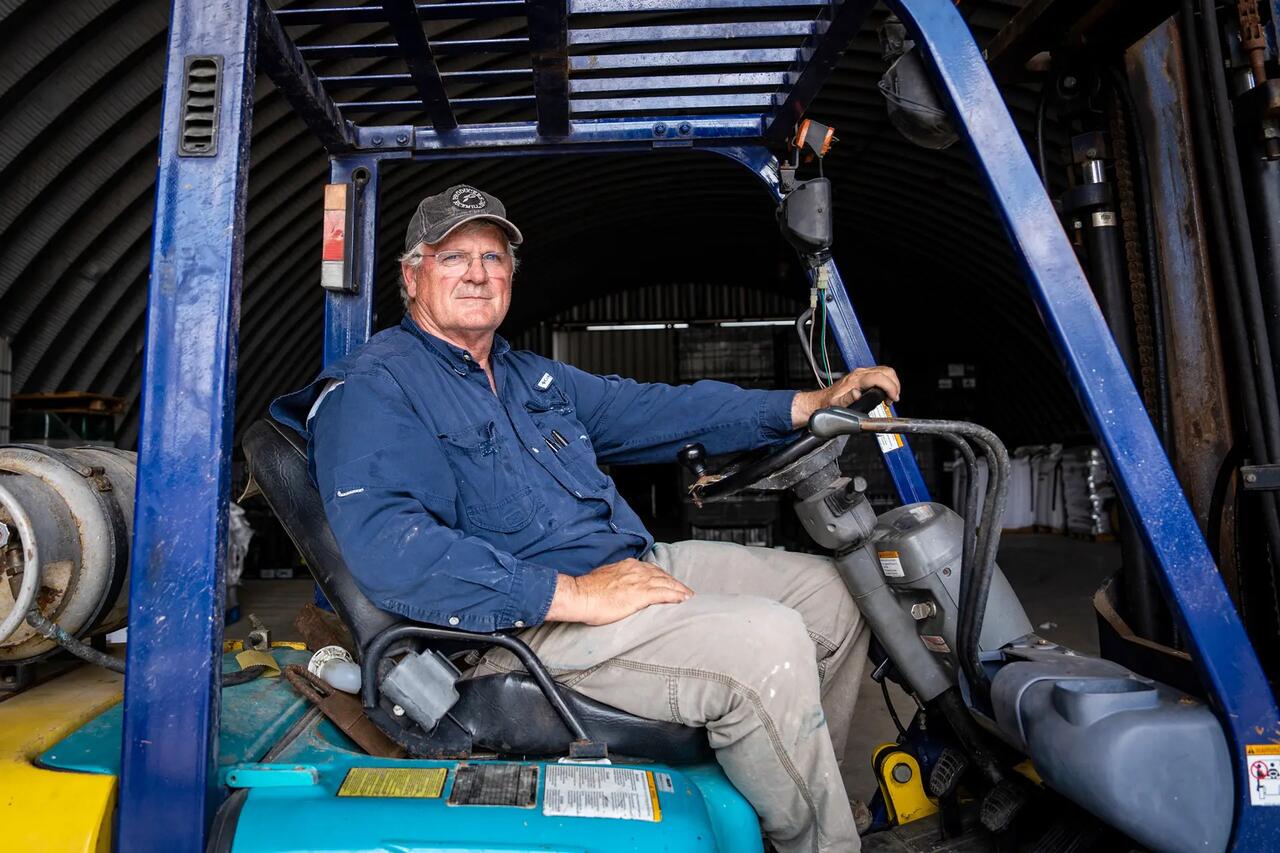
José Mondragon, who started as an H-2A visa worker, is now a green-card holder. He has worked for the Mencer family for nearly 30 years.
Others, such as Gabino Mondragon (no relation to José Mondragon) are H-2A visa holders who have only been working at the farm for a few years.
José Mondragon lives with his wife in a little house on the farm surrounded by flowers and trees. The 57-year-old has deep roots in the land, even serving as a pallbearer when Joe Mencer’s father passed away.
In late April, he operated a self-driving orange Case Magnum row crop tractor, which plowed the earth between the corn rows to improve irrigation.
José Mondragon said he’s seen American workers quit after two or three months, long before the crops are harvested in the fall. The lack of local workers can open the door for temporary visa workers, which is good for everyone, he said.
“The people [are] asking us if we have some opportunities to come with my boss, and we say we will ask him,” he said.
José Mondragon said some people come to the United States illegally because they get into trouble with the law back home or to escape the cartels. Others come to make more money to help support their families in their native countries.
Workers from Mexico make $14.83 per hour on the Mencer farm as legal workers, with the wage
The workers are so important that the Mencers keep them busy even when the weather is bad, although it doesn’t help their bottom line.
When there’s no field work, they cut firewood for use in the winter months.
Joe Mencer said he realized a few years back that his son’s law degree would be helpful on the farm, especially given the increasing complexity of the H2A visa program.
Guest Worker Success
The Mencers said their farm couldn’t operate without H-2A visa workers, although the labor cost is higher than using local workers.
Farmers’ margins are already slim because of increased production costs for fertilizer, herbicides, seed, and fuel.
José Mondragon, who started as an H-2A visa worker, is now a green-card holder. He has worked for the Mencer family for nearly 30 years.
Others, such as Gabino Mondragon (no relation to José Mondragon) are H-2A visa holders who have only been working at the farm for a few years.
José Mondragon lives with his wife in a little house on the farm surrounded by flowers and trees. The 57-year-old has deep roots in the land, even serving as a pallbearer when Joe Mencer’s father passed away.
In late April, he operated a self-driving orange Case Magnum row crop tractor, which plowed the earth between the corn rows to improve irrigation.
José Mondragon said he’s seen American workers quit after two or three months, long before the crops are harvested in the fall. The lack of local workers can open the door for temporary visa workers, which is good for everyone, he said.
“The people [are] asking us if we have some opportunities to come with my boss, and we say we will ask him,” he said.
José Mondragon said some people come to the United States illegally because they get into trouble with the law back home or to escape the cartels. Others come to make more money to help support their families in their native countries.
Workers from Mexico make $14.83 per hour on the Mencer farm as legal workers, with the wage  José Mondragon said human smugglers, known as coyotes, charge people big money to cross the southern border illegally.
Gabino Mondragon has been working at the Mencer farm on a guest visa for two years. He is experienced at running a spreader for nitrogen fertilizer for corn. One truckload of fertilizer can cost $20,000, according to William Mencer, so having a skilled operator is critical.
Gabino Mondragon believes that more people in Mexico would like to apply for an H-2A visa. Still, if they are caught coming into America illegally, they won’t be eligible unless they get a waiver. It would depend on their record.
The Mencers brought Gabino Mondragon’s family over on an H-4 visa so they could live close by while he worked.
The H-4 nonimmigrant visa allows the spouse and unmarried children younger than 21 years of age to accompany the primary visa holder to the United States.
It’s also an excellent opportunity for Gabino Mondragon’s family because his children are going to school and learning English.
“If our people are happy, it just reinforces that it’s a good thing for everybody,” William Mencer said.
Hanging by a Thread
The high cost of labor, diesel, and chemicals is making it extremely difficult for family farms to stay in business, according to William Mencer.
“We’ve been in four or five really bad years now,” he said.
Some farmers are faced with losing their farms to foreclosure by banks over crop production loans, finding a different line of work, or selling out.
Read the rest
José Mondragon said human smugglers, known as coyotes, charge people big money to cross the southern border illegally.
Gabino Mondragon has been working at the Mencer farm on a guest visa for two years. He is experienced at running a spreader for nitrogen fertilizer for corn. One truckload of fertilizer can cost $20,000, according to William Mencer, so having a skilled operator is critical.
Gabino Mondragon believes that more people in Mexico would like to apply for an H-2A visa. Still, if they are caught coming into America illegally, they won’t be eligible unless they get a waiver. It would depend on their record.
The Mencers brought Gabino Mondragon’s family over on an H-4 visa so they could live close by while he worked.
The H-4 nonimmigrant visa allows the spouse and unmarried children younger than 21 years of age to accompany the primary visa holder to the United States.
It’s also an excellent opportunity for Gabino Mondragon’s family because his children are going to school and learning English.
“If our people are happy, it just reinforces that it’s a good thing for everybody,” William Mencer said.
Hanging by a Thread
The high cost of labor, diesel, and chemicals is making it extremely difficult for family farms to stay in business, according to William Mencer.
“We’ve been in four or five really bad years now,” he said.
Some farmers are faced with losing their farms to foreclosure by banks over crop production loans, finding a different line of work, or selling out.
Read the rest 


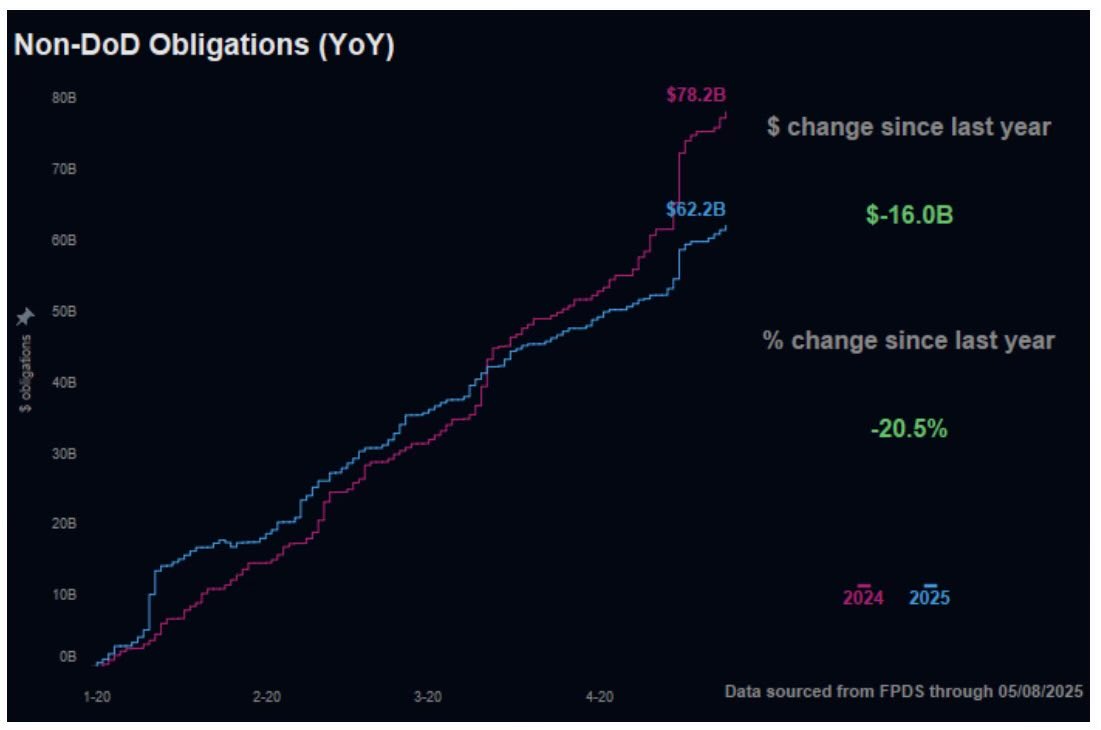
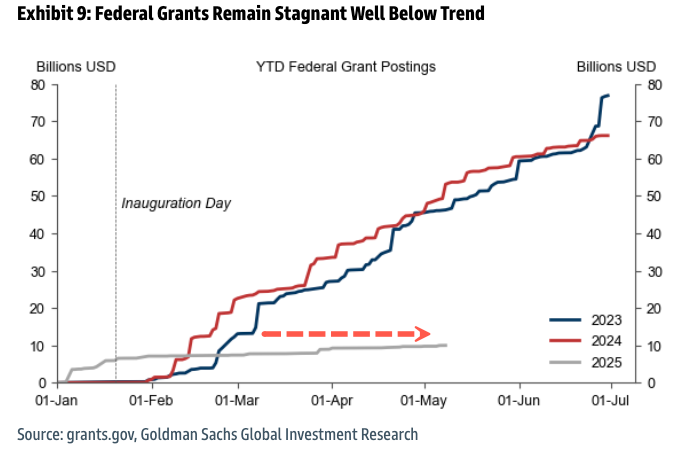
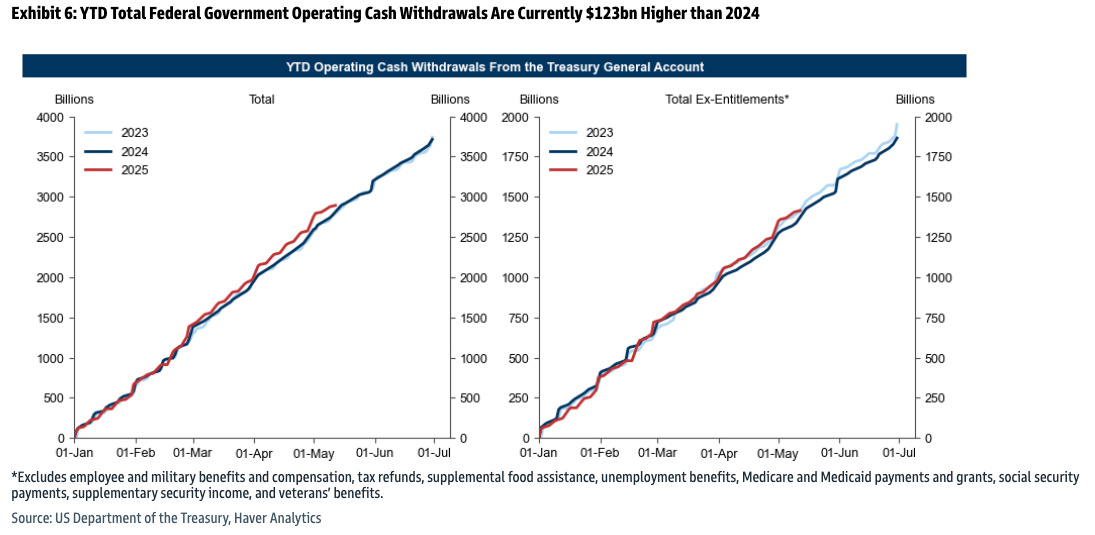
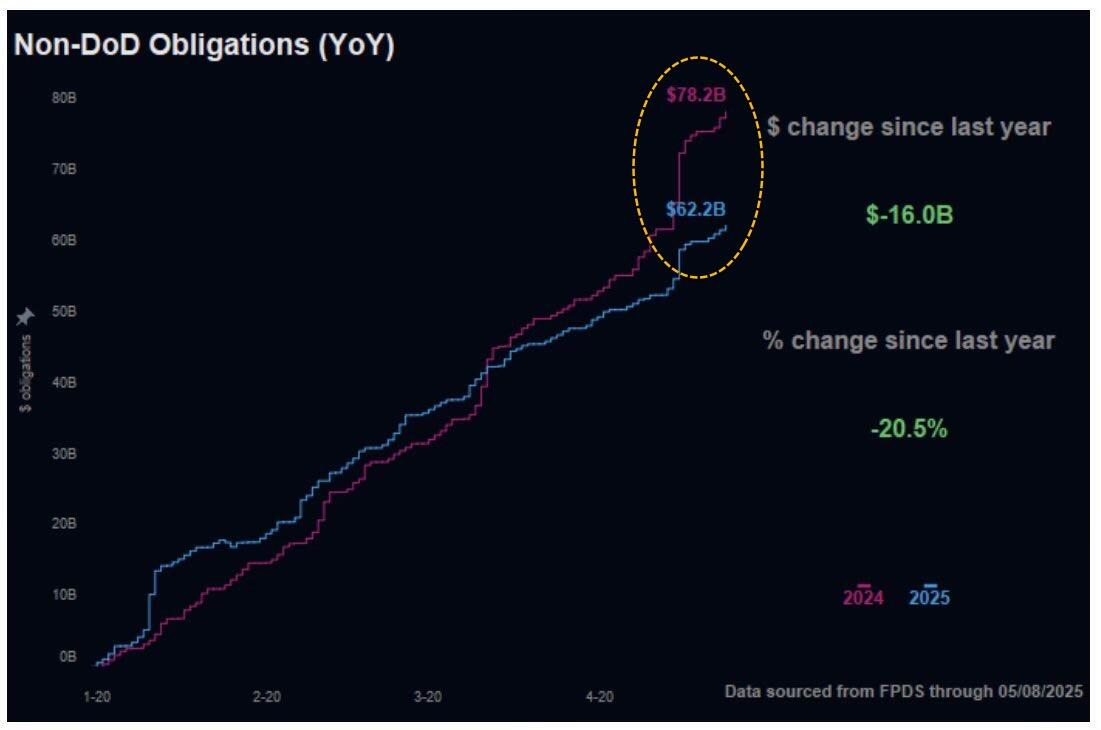 Adding to the visible signs of progress, Goldman chief economist Jan Hatzius, along with analysts Alec Phillips and others, noted Thursday that cash withdrawals from the Treasury General Account across several federal agencies continue to fall below 2023 and 2024 levels—yet another encouraging sign of success.
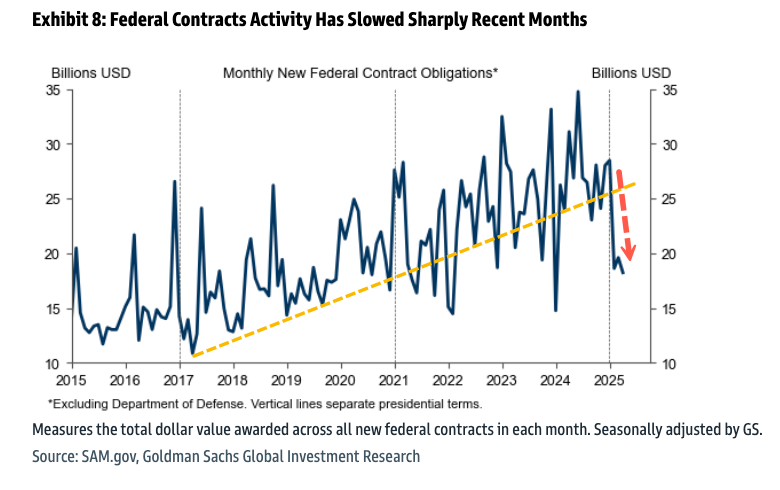
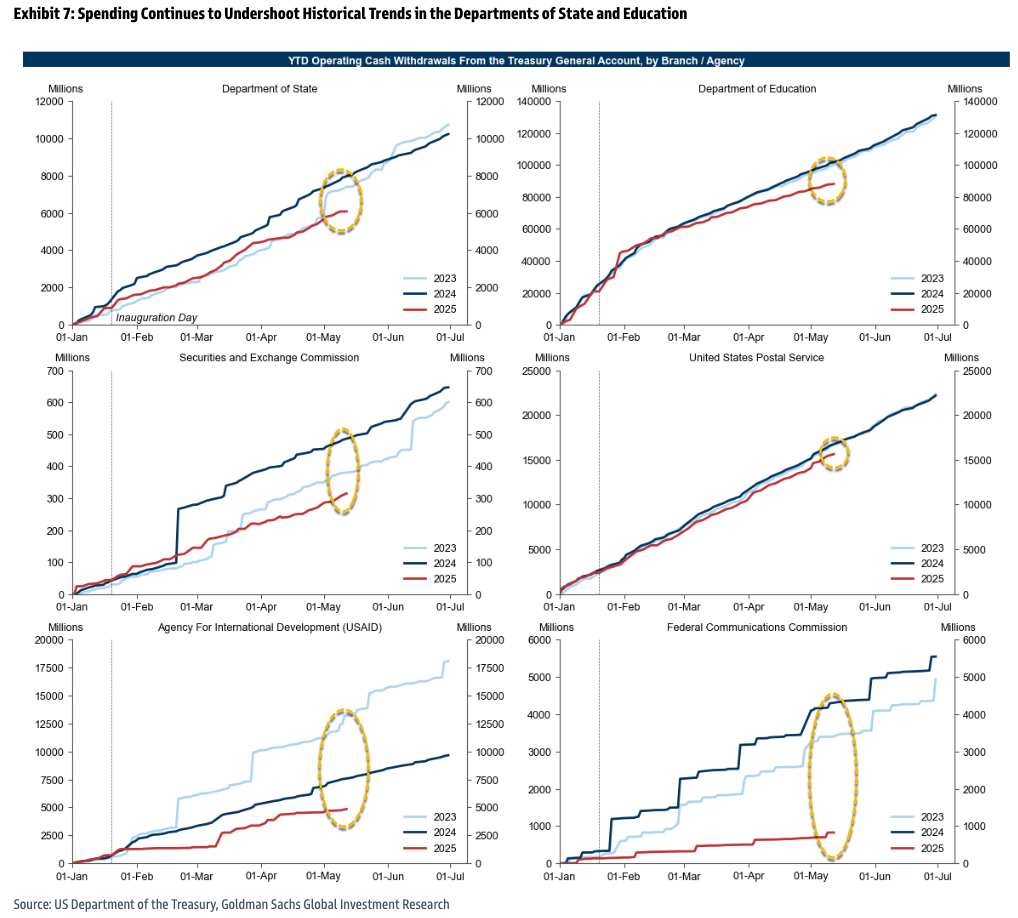 Also, new monthly federal contract obligations have sharply slowed under DOGE after four years of large spikes under the Biden-Harris regime.
"Notably, new federal contracts data has undershot trend in recent months and stood at $18.2bn in April (compared to $31.1bn in April 2024). Total government grant awards remain stagnated at Inauguration Day levels," the analysts said.
Also, new monthly federal contract obligations have sharply slowed under DOGE after four years of large spikes under the Biden-Harris regime.
"Notably, new federal contracts data has undershot trend in recent months and stood at $18.2bn in April (compared to $31.1bn in April 2024). Total government grant awards remain stagnated at Inauguration Day levels," the analysts said.
 More color here.
 However, Hatzius and his team noted that year-to-date cash withdrawals from the Treasury General Account remain $123 billion above 2024 levels.
 The early results of DOGE mark a shift in federal accountability. In just months, DOGE has uncovered hundreds of billions in waste, slashed nearly 300,000 federal jobs, and driven $160 billion in savings. Yet why did it take an executive order from the president to have a group take a deep dive into how federal agencies spend their money?
But this progress is not guaranteed. Without congressional action to lock in these cuts through reconciliation, the swamp remains open for the bureaucratic bloat to return. The message is clear: DOGE is working, but can only be sustained through political action.
The early results of DOGE mark a shift in federal accountability. In just months, DOGE has uncovered hundreds of billions in waste, slashed nearly 300,000 federal jobs, and driven $160 billion in savings. Yet why did it take an executive order from the president to have a group take a deep dive into how federal agencies spend their money?
But this progress is not guaranteed. Without congressional action to lock in these cuts through reconciliation, the swamp remains open for the bureaucratic bloat to return. The message is clear: DOGE is working, but can only be sustained through political action.

 According to Shaheen, Jordan’s King Abdullah II heard about the alleged discussions to assassinate Sharaa and warned against it.
“One of the things that was pointed out to us by King Abdullah was that a change in leadership of that kind would create an all-out civil war in Syria. That would not be good to take advantage of the opportunity we have to move that country forward,” Shaheen said.
Shaheen met with King Abdullah in Washington, DC, in May, suggesting that those discussions may have taken place just before Trump cancelled sanctions on Syria and met Sharaa. Shaheen made the remarks during her questioning of Joel Rayburn, Trump’s nominee for undersecretary of state for the Near East, the top Middle East position in the State Department.
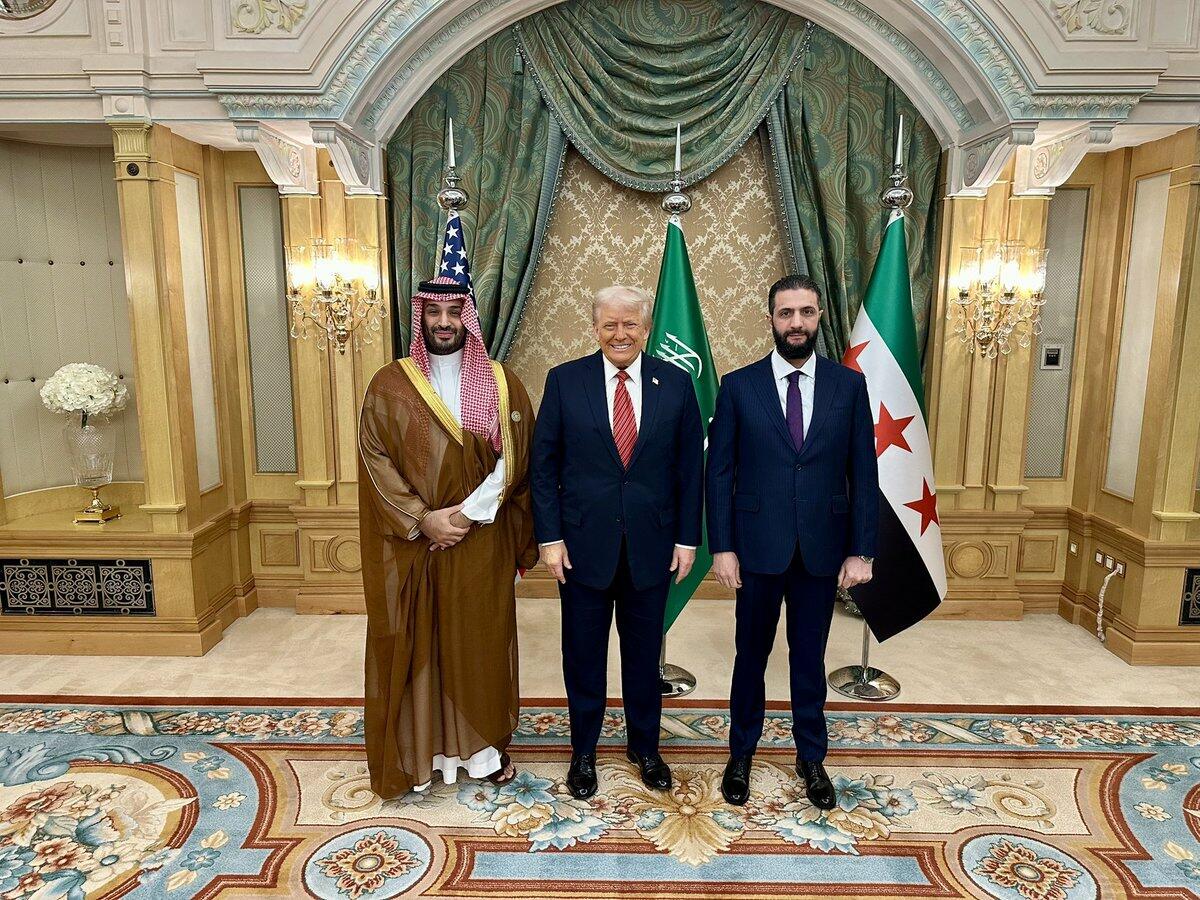
The admission by Shaheen is remarkable, given the events of this week. Trump surprised his own senior officials and Israel by announcing he was lifting all sanctions on Syria. Trump then held a meeting with Sharaa in Riyadh on Wednesday.
Speaking to reporters on Air Force One after the meeting, Trump showered praise on Sharaa, saying he was a “young, attractive guy. Tough guy. Strong past. Very strong past. Fighter”.
Asked to comment on the assassination "option", Rayburn replied, “I’m not familiar with efforts like that, but that's clearly not in line with the president's intention…or his description of Sharaa in the past couple of days.”
Blindsided
Trump’s decision to remove all US sanctions on Syria, going back to 1979, was met with thunderous applause in Riyadh, but has annoyed members of the US government. Some in the US State Department who have advocated for sanctions relief also felt sidelined.
It must have been a tense meeting yesterday in Damascus between HTS chief Jolani and the head of Iraqi intelligence. Especially for the Iraqi delegation a hard pill to swallow as Jolani before his time in Syria was in Iraq with Zarqawi blowing up Iraqis.
According to Shaheen, Jordan’s King Abdullah II heard about the alleged discussions to assassinate Sharaa and warned against it.
“One of the things that was pointed out to us by King Abdullah was that a change in leadership of that kind would create an all-out civil war in Syria. That would not be good to take advantage of the opportunity we have to move that country forward,” Shaheen said.
Shaheen met with King Abdullah in Washington, DC, in May, suggesting that those discussions may have taken place just before Trump cancelled sanctions on Syria and met Sharaa. Shaheen made the remarks during her questioning of Joel Rayburn, Trump’s nominee for undersecretary of state for the Near East, the top Middle East position in the State Department.
The admission by Shaheen is remarkable, given the events of this week. Trump surprised his own senior officials and Israel by announcing he was lifting all sanctions on Syria. Trump then held a meeting with Sharaa in Riyadh on Wednesday.
Speaking to reporters on Air Force One after the meeting, Trump showered praise on Sharaa, saying he was a “young, attractive guy. Tough guy. Strong past. Very strong past. Fighter”.
Asked to comment on the assassination "option", Rayburn replied, “I’m not familiar with efforts like that, but that's clearly not in line with the president's intention…or his description of Sharaa in the past couple of days.”
Blindsided
Trump’s decision to remove all US sanctions on Syria, going back to 1979, was met with thunderous applause in Riyadh, but has annoyed members of the US government. Some in the US State Department who have advocated for sanctions relief also felt sidelined.
It must have been a tense meeting yesterday in Damascus between HTS chief Jolani and the head of Iraqi intelligence. Especially for the Iraqi delegation a hard pill to swallow as Jolani before his time in Syria was in Iraq with Zarqawi blowing up Iraqis. 
 Sharaa’s closest foreign ally is Turkey, but his country has also been moving towards the Gulf states. On Tuesday, Trump told the world he was asked to remove sanctions and had two advocates to credit, President Recep Tayyip Erdogan in
 The experiment was a failure. Rather than the prized drug, Perkin created a thick brown sludge. However, when he went to wash out the beakers with alcohol, it left behind a bright purple residue.
The residue became the world’s first-ever mauve synthetic dye.
Before the invention of synthetic dyes, people obtained dyes through organic materials such as plants, clay, minerals, or certain animals such as insects and squid.
Natural dyes such as those from clay tended to fade quickly, and those that were long-lasting, such as natural indigo dyes, required an arduous extraction process that made them expensive.
However, Perkin’s mauve dye was stable and easy to make.
Mauve dye became an instant hit in the UK and globally. Consumers were seized by “
The experiment was a failure. Rather than the prized drug, Perkin created a thick brown sludge. However, when he went to wash out the beakers with alcohol, it left behind a bright purple residue.
The residue became the world’s first-ever mauve synthetic dye.
Before the invention of synthetic dyes, people obtained dyes through organic materials such as plants, clay, minerals, or certain animals such as insects and squid.
Natural dyes such as those from clay tended to fade quickly, and those that were long-lasting, such as natural indigo dyes, required an arduous extraction process that made them expensive.
However, Perkin’s mauve dye was stable and easy to make.
Mauve dye became an instant hit in the UK and globally. Consumers were seized by “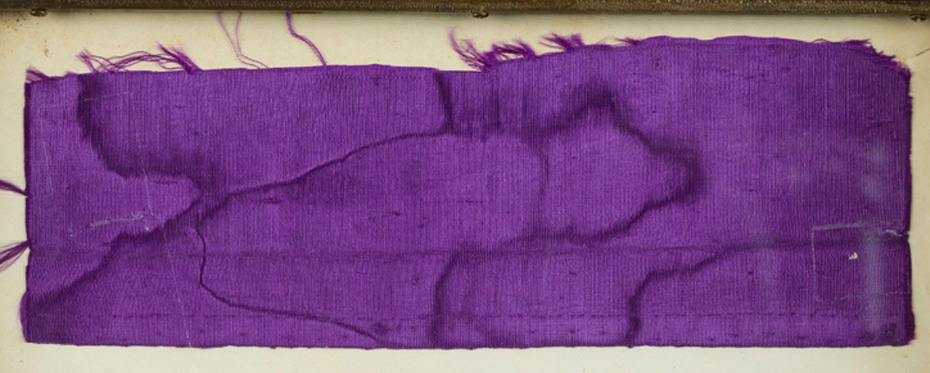
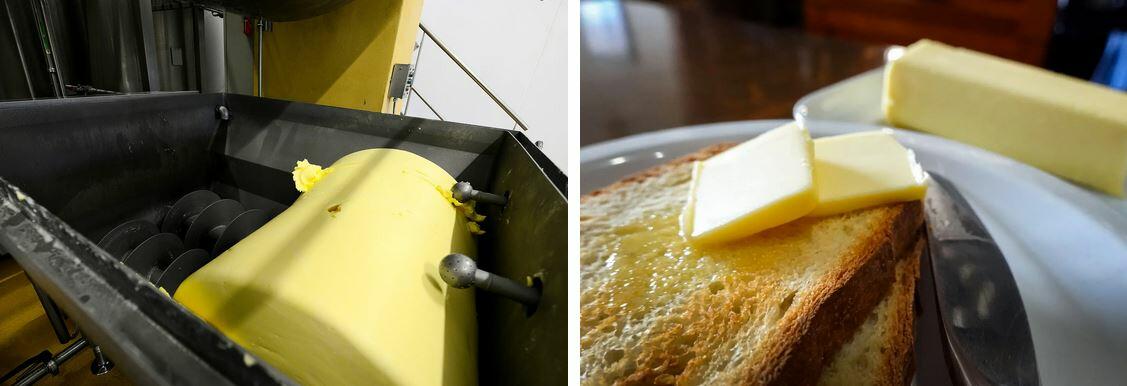 Natural colors, unlike artificial ones, are susceptible to changing pH, temperature, and moisture. They can change in hue and intensity, and yellows can become pale.
The practice of mass coloring and striving for uniformity likely emerged as a result of industrialization in the late 19th century, when packaged and processed foods became widely available, according to Hisano.
“Mass production and industrialization required easier, more convenient ways of making food, and using coal-tar dyes was one of the solutions for creating more standardized food products,” Hisano told The Epoch Times.
Since packaged foods lose freshness, they may lose color or look less natural. So previously, some companies would add compounds such as potassium nitrate and sodium sulfites to products such as meats to preserve their color. These compounds were relatively harmless.
More lurid
Natural colors, unlike artificial ones, are susceptible to changing pH, temperature, and moisture. They can change in hue and intensity, and yellows can become pale.
The practice of mass coloring and striving for uniformity likely emerged as a result of industrialization in the late 19th century, when packaged and processed foods became widely available, according to Hisano.
“Mass production and industrialization required easier, more convenient ways of making food, and using coal-tar dyes was one of the solutions for creating more standardized food products,” Hisano told The Epoch Times.
Since packaged foods lose freshness, they may lose color or look less natural. So previously, some companies would add compounds such as potassium nitrate and sodium sulfites to products such as meats to preserve their color. These compounds were relatively harmless.
More lurid 

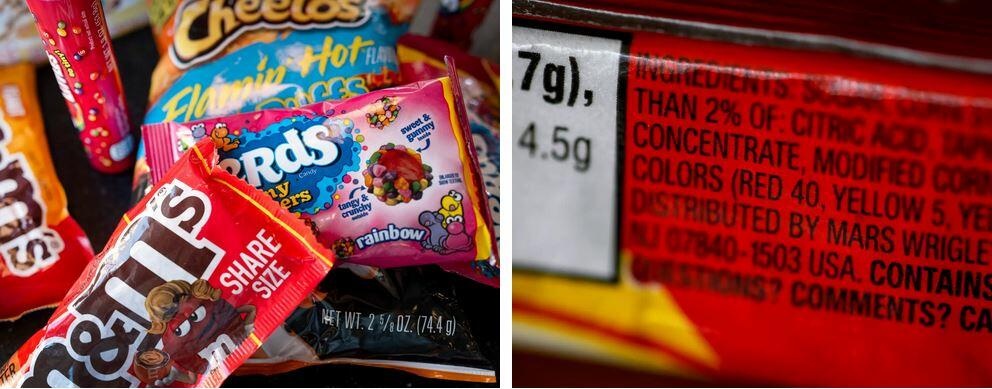 Cancer Concern
By the time Wiley became the first head commissioner of the FDA, experts were in contention over which food dye was riskier than the other. Over the following decades, dyes that were initially approved were gradually whittled down to the six remaining dyes of today.
Cancer Concern
By the time Wiley became the first head commissioner of the FDA, experts were in contention over which food dye was riskier than the other. Over the following decades, dyes that were initially approved were gradually whittled down to the six remaining dyes of today.







 DC Tops the List
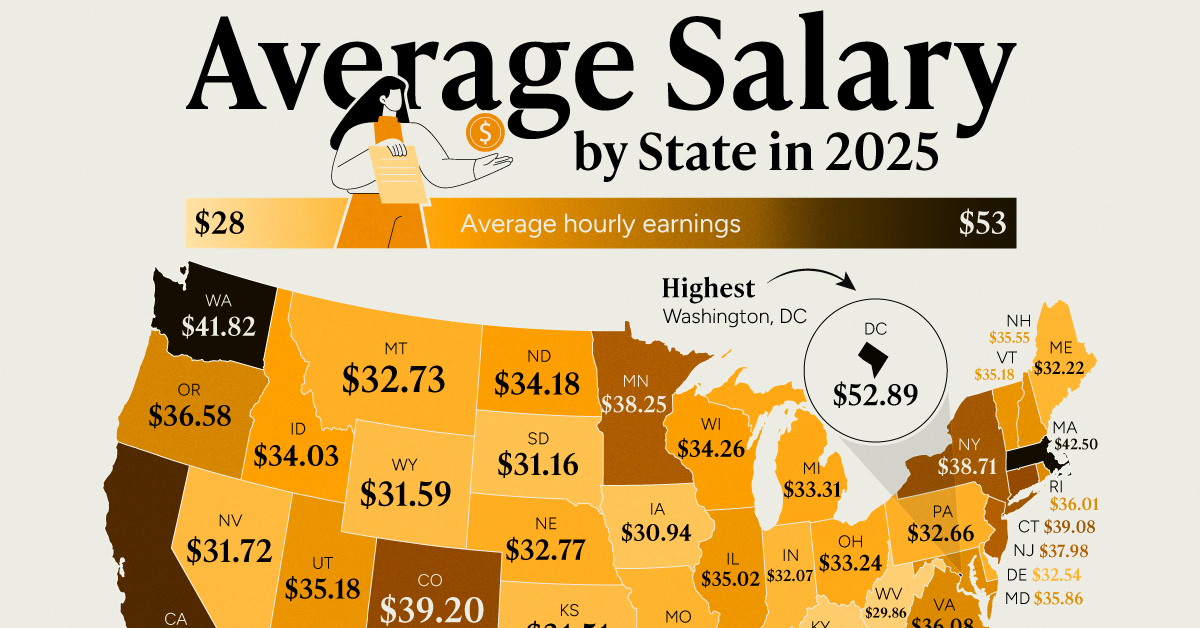
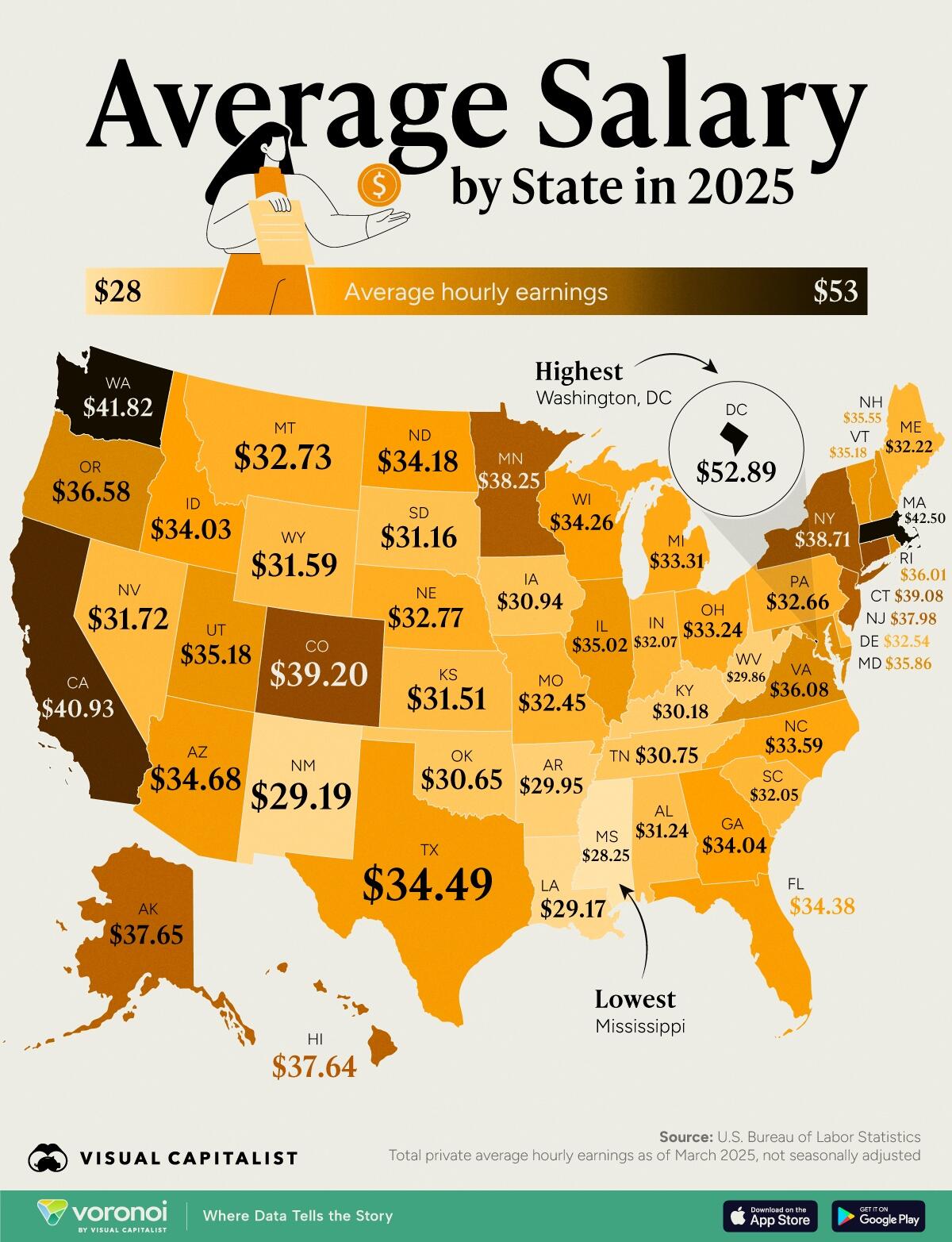
At the top of the list is Washington, DC, where workers earn an average of $52.89 per hour, far outpacing every state. This reflects the region’s concentration of high-paying jobs in government, law, and professional services.
Massachusetts comes in second at $42.50/hour, followed by Washington at $41.82, and California at $40.93. In common, these states are home to major tech, biotech, and finance hubs.
State/District
Average hourly earnings
District of Columbia
$52.89
Massachusetts
$42.50
Washington
$41.82
California
$40.93
Colorado
$39.20
Connecticut
$39.08
New York
$38.71
Minnesota
$38.25
New Jersey
$37.98
Alaska
$37.65
Hawaii
$37.64
Oregon
$36.58
Virginia
$36.08
Rhode Island
$36.01
Maryland
$35.86
New Hampshire
$35.55
Utah
$35.18
Vermont
$35.18
Illinois
$35.02
Arizona
$34.68
Texas
$34.49
Florida
$34.38
Wisconsin
$34.26
North Dakota
$34.18
Georgia
$34.04
Idaho
$34.03
North Carolina
$33.59
Michigan
$33.31
Ohio
$33.24
Nebraska
$32.77
Montana
$32.73
Pennsylvania
$32.66
Delaware
$32.54
Missouri
$32.45
Maine
$32.22
Indiana
$32.07
South Carolina
$32.05
Nevada
$31.72
Wyoming
$31.59
Kansas
$31.51
Alabama
$31.24
South Dakota
$31.16
Iowa
$30.94
Tennessee
$30.75
Oklahoma
$30.65
Kentucky
$30.18
Arkansas
$29.95
West Virginia
$29.86
New Mexico
$29.19
Louisiana
$29.17
Mississippi
$28.25
At the other end of the spectrum are Mississippi ($28.25) and Louisiana ($29.17)—the only two states with average wages below $30 per hour.
Northeastern states dominate the upper end of the scale, with Connecticut and New York joining Massachusetts above the $38/hour mark. In contrast, much of the South and Midwest sits closer to or below the national median. For example, Iowa ($30.94) and Indiana ($32.07) reflect more modest earnings common in the region.
When compared, the earnings gap between the highest (DC) and lowest (Mississippi) is more than $24 per hour. The federal minimum wage is currently $7.25 per hour for workers covered by the Fair Labor Standards Act (FLSA), though many states have set their own, often higher, minimum wage rates.
If you enjoyed this map, check out
DC Tops the List
At the top of the list is Washington, DC, where workers earn an average of $52.89 per hour, far outpacing every state. This reflects the region’s concentration of high-paying jobs in government, law, and professional services.
Massachusetts comes in second at $42.50/hour, followed by Washington at $41.82, and California at $40.93. In common, these states are home to major tech, biotech, and finance hubs.
State/District
Average hourly earnings
District of Columbia
$52.89
Massachusetts
$42.50
Washington
$41.82
California
$40.93
Colorado
$39.20
Connecticut
$39.08
New York
$38.71
Minnesota
$38.25
New Jersey
$37.98
Alaska
$37.65
Hawaii
$37.64
Oregon
$36.58
Virginia
$36.08
Rhode Island
$36.01
Maryland
$35.86
New Hampshire
$35.55
Utah
$35.18
Vermont
$35.18
Illinois
$35.02
Arizona
$34.68
Texas
$34.49
Florida
$34.38
Wisconsin
$34.26
North Dakota
$34.18
Georgia
$34.04
Idaho
$34.03
North Carolina
$33.59
Michigan
$33.31
Ohio
$33.24
Nebraska
$32.77
Montana
$32.73
Pennsylvania
$32.66
Delaware
$32.54
Missouri
$32.45
Maine
$32.22
Indiana
$32.07
South Carolina
$32.05
Nevada
$31.72
Wyoming
$31.59
Kansas
$31.51
Alabama
$31.24
South Dakota
$31.16
Iowa
$30.94
Tennessee
$30.75
Oklahoma
$30.65
Kentucky
$30.18
Arkansas
$29.95
West Virginia
$29.86
New Mexico
$29.19
Louisiana
$29.17
Mississippi
$28.25
At the other end of the spectrum are Mississippi ($28.25) and Louisiana ($29.17)—the only two states with average wages below $30 per hour.
Northeastern states dominate the upper end of the scale, with Connecticut and New York joining Massachusetts above the $38/hour mark. In contrast, much of the South and Midwest sits closer to or below the national median. For example, Iowa ($30.94) and Indiana ($32.07) reflect more modest earnings common in the region.
When compared, the earnings gap between the highest (DC) and lowest (Mississippi) is more than $24 per hour. The federal minimum wage is currently $7.25 per hour for workers covered by the Fair Labor Standards Act (FLSA), though many states have set their own, often higher, minimum wage rates.
If you enjoyed this map, check out 
 Schneider’s own 2030 AI power demand scenarios range from 16.5 GW to 65.3 GW, with 33.8 GW the optimal outcome under a sustainable AI framework that balances AI growth with grid stability.
The wild divergence in near-term AI power demand forecasts hints at a fundamental challenge facing utilities, grid operators and power system regulators today: speculative load interconnection requests, or what Bianca Giacobone of Latitude Media in March called “
Schneider’s own 2030 AI power demand scenarios range from 16.5 GW to 65.3 GW, with 33.8 GW the optimal outcome under a sustainable AI framework that balances AI growth with grid stability.
The wild divergence in near-term AI power demand forecasts hints at a fundamental challenge facing utilities, grid operators and power system regulators today: speculative load interconnection requests, or what Bianca Giacobone of Latitude Media in March called “





 The German Federal Office for the Protection of the Constitution (BfV), the country’s powerful domestic spy agency, had labeled the AfD a “confirmed far-right organization” before suspending this designation last week. The main reason presented was that the AfD is appealing the designation in court and the agency would wait until this appeal is concluded to decide whether to keep the designation.
However, Germany’s ally, the United States, immediately criticized the designation in some of the harshest language possible, with Secretary of State Marco Rubio calling it “tyranny in disguise.” That was not all, though. U.S. Senator Tom Cotton, chairman of the powerful U.S. Senate Intelligence Committee, then asked Director of National Intelligence Tulsi Gabbard (DNI) to suspend intelligence cooperation between the United States and Germany.
According to Cotton, the German authorities’ politically motivated surveillance activities resemble methods used by dictatorships that are unbecoming of a democratic ally.
“Rather than trying to undermine the AfD using the tools of authoritarian states, Germany’s incoming government might be better advised to consider why the AfD continues to gain electoral ground,” he wrote.
I asked
The German Federal Office for the Protection of the Constitution (BfV), the country’s powerful domestic spy agency, had labeled the AfD a “confirmed far-right organization” before suspending this designation last week. The main reason presented was that the AfD is appealing the designation in court and the agency would wait until this appeal is concluded to decide whether to keep the designation.
However, Germany’s ally, the United States, immediately criticized the designation in some of the harshest language possible, with Secretary of State Marco Rubio calling it “tyranny in disguise.” That was not all, though. U.S. Senator Tom Cotton, chairman of the powerful U.S. Senate Intelligence Committee, then asked Director of National Intelligence Tulsi Gabbard (DNI) to suspend intelligence cooperation between the United States and Germany.
According to Cotton, the German authorities’ politically motivated surveillance activities resemble methods used by dictatorships that are unbecoming of a democratic ally.
“Rather than trying to undermine the AfD using the tools of authoritarian states, Germany’s incoming government might be better advised to consider why the AfD continues to gain electoral ground,” he wrote.
I asked