Global Silence As HTS & Allies Take Alawite Women As Sex Slaves In Syria
Global Silence As HTS & Allies Take Alawite Women As Sex Slaves In Syria

thecradle.co
Syria’s stolen daughters: The HTS campaign to enslave Alawite women
In post-Assad Syria, the mass abduction and sexual enslavement of Alawite women under Sharaa’s rule mirrors the darkest atrocities of ISIS – ye...
Since December, when the former Al-Qaeda affiliate, Hayat Tahrir al-Sham (HTS), toppled the government of Bashar al-Assad, Syria has witnessed a chilling wave of mysterious

thecradle.co
Abductions, extra-judicial killings mount in Syria under HTS rule
Some 400 kidnappings and killings have been reported since the government of Bashar al-Assad was toppled in early December
, predominantly from the Alawite community.
Evidence continues to emerge that these women, primarily from the Alawite religious sect, have been abducted and taken to live as

X (formerly Twitter)
Alawite MediaLab (@AlawiteMediaLab) on X
Syria’s Open Slave Market: Telegram Posts Reveal Ongoing Human Trafficking in Lawless Regions
Shocking evidence has emerged from Syrian Telegram...
in Idlib governorate, the traditional HTS stronghold, by armed factions affiliated with the new Syrian government.
Shockingly, the mass kidnapping and enslavement of Alawite women now being carried out by HTS-affiliated factions mirrors the enslavement of the thousands of Yezidi women by ISIS during the

thecradle.co
Masoud Barzani: The Butcher of Sinjar
While ISIS may have executed the genocide against Iraq’s Yezidi population, a US lawsuit reveals that Kurdish leader Masoud Barzani and his untou...
in Sinjar, Iraq.

The activist who spoke out
In a now
https://www.facebook.com/100029216521014/posts/pfbid0VxDXtk2X9jeBbjwVD91CkmwZAfBWF87TGQwThqreYBEX92UPKeu9gtczvc5XypBvl/?app=fbl
carried out by government-affiliated factions and security forces against Alawites in the country's coastal areas on March 7.
“During my last visit to Idlib, I was at a place with my brother when I saw a man I knew with a woman I had never met before,” Hiba explained.
“This man had been married multiple times before and is believed to currently have three wives. What caught my attention was the woman’s appearance – specifically, it was clear she didn’t know how to wear a hijab properly, and her scarf was draped haphazardly.”
After inquiring further, Ezzedeen learned that the woman was from the coastal areas where the March 7 massacres, in which over 1,600 Alawite civilians were killed, took place. “This man had brought her to the village and married her, with no further details available. No one knew what had happened to her or how she got there, and naturally, the young woman was too afraid to speak,” Ezzedeen added.
Because the situation was so strange and alarming to her, she began asking everyone she knew, “rebels, factions, human rights activists,” about the abduction of Alawite women from the coast. “Unfortunately, many confirmed that this had indeed happened, and not just by one faction. Based on what friends said, accusations point to factions of the National Army and some foreign fighters, with varying motives,” she reported.
Syria's new HTS-led security forces have incorporated armed extremist groups, including Uyghurs from the Turkestan Islamic Party (TIP) and Syrian Turkmen from factions of the Turkish-intelligence-backed Syrian National Army (SNA), into their ranks since coming to power in Damascus.
Various SNA commanders and

thecradle.co
Syria's de facto ruler says foreign extremists 'deserve Syrian citizenship'
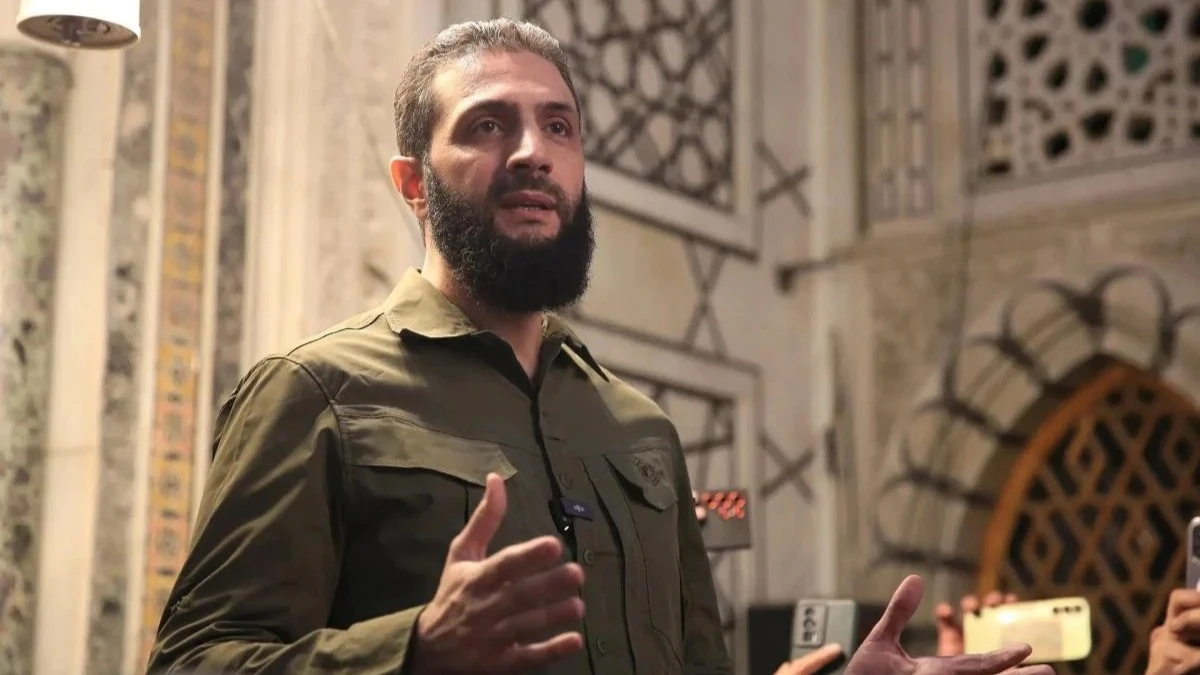
Abu Mohammad al-Julani, a UN-designated terrorist, held a press conference in Damascus to speak with western media about the future of Syria
have been appointed to top positions in the Syrian Ministry of Defense.
While the HTS-dominated General Security units participated in the March 7 massacres in many areas, former SNA and foreign fighter factions are believed to have led the campaign. Militants went door to door in Alawite villages and neighborhoods, executing all military-aged men they could find, looting homes, and at times killing women, children, and the elderly.
Ezzedeen concluded her post by stating, “This is a serious issue that cannot be ignored. The government must immediately reveal the fate of these women and release them.”
Rather than investigate the issue and seek to rescue the captive women, the HTS-appointed governor of Idlib
https://x.com/Ostensiblay/status/1913948692203123170
an order for Ezzedeen's arrest, claiming she had “insulted the hijab.”
Ezzedeen's courageous revelation shed light on the fate of many young women from minority communities who had mysteriously disappeared in recent months, after self-appointed Syrian President Ahmad al-Sharaa and HTS toppled Assad and took power in Damascus.
A pattern of abductions
In one of the earliest cases, a young Druze woman from the Damascus suburb of Jaramana, Karolis Nahlah,
https://x.com/WVanwagenen/status/1886557528110116916
on the morning of February 2, 2024, while on her way to university in the Mezzeh area. The case was strange because no ransom was demanded, and nothing was heard of her again.
Over time, information began to trickle out that young women like Karolis were being kidnapped and taken to Idlib as slaves, as Hiba Ezzedeen finally confirmed.

Above: Screenshot of a Facebook post inquiring about the whereabouts of the missing Karolis Nahla. The caption reads: “Karolis Nahla has been missing since yesterday. She is a second year university student studying French Literature. She had class at 9:00 am. At 12:00 pm we lost contact with her. Please, if anybody knows anything about her or has seen her, inform us.”
On March 21, Bushra Yassin Mufarraj, an Alawite mother of two, went missing from the bus station in Jableh. Her husband later posted a video appeal stating she had been abducted and taken to Idlib. “My wife was taken captive in Idlib. Is there anything more cruel that could happen to a man in the world? That his wife and the mother of his children be in such circumstances,” he stated in a video appeal for help

96K views · 2.8K reactions | قضية السبايا
العدد كبير وتصلني منذ سقوط النظام قصص ومناشدات كثيرة لكني رفضت النشر عن الموضوع بسبب حساسيته وتبعاته وحرصي على تهدئة النفوس والغضب ولأن الحالات التي وصلتني كانت معدودة وخفنا على مصير النساء المختطفات من القتل وبسبب وتأكيدي عدم النشر بدون وثائق وشهادات فكلمتنا ومصداقيتنا لدى من يعرفنا هي أساس عملنا .
اليوم زاد الموضوع عن حده ونخاف تطور الموضوع في ظل اختفاء آلاف المغيبين في مجازر الساحل!!
‏زوج الآنسة بشرى مفرج اللي خطفت قبل ١٠ ايام
‏⁧يناشد:" زوجتي سبيه في ادلب هل هناك أقسى من ذلك ممكن أن يحدث لرجل في الكون أن تكون زوجته وأم أولاده في هكذا ظرف
. #سبايا
#أنقذوا_ما_تبقى_منا
#نحن_نباد_بصمت
#alawitesbeingkilledseilently
#alawitesholocust | نبيل فياض
قضية السبايا
العدد كبير &#x...
on social media 10 days later.
Bushra's disappearance was followed by a wave of kidnappings in the following days and weeks. The Kurdish Jinha Agency

JINHAGENCY News
100 people kidnapped in Syria’s coastal regions in 2 days
News Center- The 61-year-old Baathist regime collapsed when forces led by jihadist group Hayat Tahrir al-Sham (HTS) entered Damascus on December 8,...
on 25 March, citing local reports, that more than 100 people were kidnapped by armed groups in Syria’s coastal regions over the previous 48 hours, including many women.
On April 5, 21-year-old Katia Jihad Qarqat went
https://x.com/cynthia0_019/status/1909660144373297229
The last contact with her was at 9:20 am near a shop at the Bahra circle in Jdeidat Artouz in the Damascus countryside. Her family pleaded that anyone who had seen or had any information about her should contact them.

Above: A screenshot of a social media post inquiring about the whereabouts of the missing Katia Jihad Qarqat. The caption reads: "A girl has gone missing in the Damascus countryside. The young woman, Katia, was last seen yesterday Friday, at 9:20 AM near a shop at the Bahra circle in Jdeidat Artouz. She is from the village of Hina and is a third-year university student. Anyone who has seen her or has any information is kindly asked to contact the following number 0994479206."
On April 8, 17-year-old Sima Suleiman Hasno went

X (formerly Twitter)
Syria Justice Archive (@SyJusticeArc) on X
🚨🚨🇸🇾 Jolani Jihadist Regime Releases 17-Year-Old Alawite Girl
Sima Suleiman Hasno, a 17-year-old #Alawite girl, was released just a fe...
at 11:00 am after leaving her school in the village of Qardaha in the Latakia countryside. Sima was released four days later in Damascus, where she was handed over to her aunt by members of the HTS-led Syrian government. Surveillance footage from shops near the abduction site circulated widely on social media, sparking widespread outrage.
On April 11, at 4:00 pm, contact was lost with 22-year-old Raneem Ghazi Zarifa in the Hama countryside, in the city of Masyaf. “We are extremely worried about her. We ask that anyone with information about her, no matter how small, please contact us immediately,” her family
https://x.com/Sy_intelligence/status/1912630830947541091
in a social media post.
On April 14, Batoul Arif Hassan, a young married woman with a three-year-old child from Safita,
Facebook
Log into Facebook
Log into Facebook to start sharing and connecting with your friends, family, and people you know.
after visiting family in the village of Bahouzi. Contact was lost with her around 4:00 pm as she was traveling in a public minibus on the Homs–Safita Road. Her family asked in a social media post for anyone with information about her whereabouts to contact her brother by phone.

On the morning of April 16, Aya Talal Qassem, 23, was

X (formerly Twitter)
Syria Justice Archive (@SyJusticeArc) on X
🚨🇸🇾 Alawite Woman Kidnapped in Tartus
Aya Talal Qassem, 23, was kidnapped on the morning of Wednesday, April 16, after leaving her home i...
after leaving her home in the coastal city of Tartous. Three days later, Aya's kidnapper freed her and sent her to Tartous on the Homs highway, only for the HTS-led General Prosecution Service to detain her.
Aya's mother

124K views · 4.3K reactions | فيديو والدة المختـ ـطفة #آية قاسم بعد تحررها وهي تشرح مختـ ـطف آية قام بتحريرها وإرسالها إلى طرطوس على اوستراد حمص ، ليقوم جهاز الإހބـاب العام بإحتجازها منذ الساعة 12 صباح اليوم دون السماح لأي أحد من أهلها بالبقاء معها ، محاولاً إجبارها على تبني رواية تقول بأنها هربت مع عشيقها ولم تكن عملية اختـ ـطاف ، رغم وجود آثار جـ ـروح قاطعة وكـމمات نـ ـازفة على جسدها ، كما تم اعتـ ـقال والدها منذ ساعات حين حاول الدخول لرؤيتها #زرافة_المؤسس | زرافة
فيديو والدة المختـ ـطفة #&#...
a video to social media explaining that her family was not allowed to be with her in detention and that her father was arrested when he insisted on seeing her. The mother said that the General Prosecution Service tried to force Aya to give testimony, saying that she was not kidnapped but had instead run away with a lover. The mother added that she was pressured to tell such a story despite the presence of bleeding cuts and wounds on her body.
A video was

62K views · 2.4K reactions | "آية طلال قاسم" في بيتها وبين أهلها ..
ألف الحمد لله ع سلامتها ❤️❤️
#أوبيتو | زرافة
"آية طلال قاسم" في بيتها وب...
with her two daughters, 5-year-old Naya Maher Qaidban and 3-year-old Masa Maher Qaidban.
Nour and her daughters left their home in the village of Al-Mashrafa in rural Homs at noon, heading toward a neighbor’s house. Witnesses saw a masked group affiliated with the HTS-led General Security abduct them, placing them in a vehicle marked with the group’s emblem before fleeing.
Echoes of Sinjar
By April 17, Iraqi media outlet

Daraj
من يخطف علويات سوريات في وضح النهار؟ - Daraj
"عذبونا وضربونا، لم يكن مسموحاً أن نتحدّث مع بعضنا بعضاً، لكني سمعت لهجة الخاطفيÙ...
reported on ten confirmed kidnappings of Alawite women from the coastal regions. According to one survivor, pseudonym Rahab, she was abducted in broad daylight and held in a locked room with another woman.
One woman who spoke to Al-Daraj under the pseudonym Rahab was released after the kidnappers allegedly feared a raid by General Security. She said she was kidnapped in broad daylight and held in a room with another woman, stating:
“They tortured and beat us. We weren't allowed to speak to each other, but I heard the kidnappers' accents. One had a foreign accent and the other a local Idlib accent. I knew this because they were cursing us because we were Alawites.”
The other woman, held with her, pseudonym Basma, remains in captivity. She was forced to call her family to tell them she was “fine” and to assure them that “they should not publish anything” about her abduction.
Al-Daraj also documented the case of an 18-year-old girl who was also kidnapped in broad daylight, from the countryside of a coastal city in Syria. Her family later received a text message warning them to remain silent about her abduction or else she would be sent back dead. The girl later sent the family a voice recording from a phone number registered in the Ivory Coast, saying she was fine and unsure where she had been taken.

The Iraqi media outlet compared these cases to the ISIS genocide of Yezidis in Sinjar. Over 6,400 Yezidis were enslaved by ISIS in 2014. Thousands were trafficked into Syria and Turkiye, sold as domestic or sex slaves, or trained for battle. Many remain missing.
HTS: The ideological continuity of ISIS
That Alawite women are now appearing in Idlib is unsurprising given HTS’s ideological lineage. HTS, which seized Idlib in 2015 with
Ambassador Ford Lied About Giving TOW Missiles to Al-Qaeda in Syria | The Libertarian Institute
, who was dispatched to Syria in 2011 by the late “caliph” Abu Bakr al-Baghdadi to establish the Nusra Front, forerunner to HTS.
In 2014, Syria analyst Sam Heller therefore

RadioFreeEurope/RadioLiberty
Al-Qaeda Speaks The Language Of Syrian Sectarianism
As the extremist group Islamic State and its rival Al-Qaeda have captured pieces of Iraq, Syria, and other countries in the region, they have had t...
Nusra’s clerics as promoting “toxic – even genocidal – sectarianism," towards Alawites, based on the teachings of the medieval Islamic scholar Ibn Taymiyyah.
Though HTS and ISIS clashed in 2014, their ties endured. When Baghdadi was killed in 2019, he was hiding in Barisha, just outside HTS-held Sarmada. At the time, numerous enslaved Yezidis were also in Idlib.
The Guardian

the Guardian
‘Still going through hell’: the search for Yazidi women seven years on
As two women are rescued in Syria after being kidnapped by Isis years earlier, Yazidis renew calls for international help to find the thousands sti...
this, quoting Abdullah Shrem, a Yezidi rescuer, and Alexander Hug of the International Commission on Missing Persons (ICMP), who said missing persons were often held “in areas beyond government control.”
In 2019, Ali Hussein, a Yezidi from Dohuk,
https://www.npr.org/2019/03/14/703287508/yazidis-tell-their-stories-about-life-under-isis
NPR journalist Jane Arraf of his attempt to purchase the freedom of an 11-year-old Yezidi girl who had been abducted by ISIS but was “sold to an emir of an Al-Qaeda affiliate in Syria – Jabhat al-Nusra [Nusra Front] – [and] that she's no longer a virgin.”
“I told you $45,000 from the beginning. I know what they pay in Raqqa. I told you, in Turkiye, they would pay $60,000 or $70,000 and take out the girl's organs. But I don't want to do that,” the ISIS contact threatened during the negotiation.
Reuters
https://www.reuters.com/investigations/iraqs-missing-yazidis-inside-long-search-islamic-state-captives-2024-11-16/
the rescue of a young Yezidi boy, Rojin, who had been captured and enslaved by ISIS along with his brother in 2014. At 13 years old, Rojin was taken to the Kurdish-run Al-Hol camp in eastern Syria. He was held there alongside thousands of ISIS families and supporters after the organization's final defeat in the Syrian border town of Baghouz in 2019.
Some of the women kidnapped from the coast of
https://twitter.com/hashtag/Syria?src=hash&ref_src=twsrc%5Etfw
— Joshua Landis (@joshua_landis)

X (formerly Twitter)
Joshua Landis (@joshua_landis) on X
Some of the women kidnapped from the coast of #Syria
The Saudi ISIS fighter who had purchased Rojin then arranged for him to be smuggled from Al-Hol to Idlib. He was freed five years later, in November 2024, as HTS was preparing its lightning assault on Aleppo.
Reuters reported that in another case, a 21-year-old Yezidi named Adnan Zandenan received a Facebook message from a younger brother he presumed was dead, but who also had been trafficked to Idlib.
“My hands were trembling. I thought one of my friends was messing with me,” Zandenan recalled. However, Zandenan's euphoria quickly turned to despair when his brother, now 18 years old and thoroughly brainwashed by extremist Salafi ideology, refused to leave Idlib and return to the Yezidi community in Sinjar.
The repackaged caliphate
In December 2024, just one day after Julani's HTS entered Damascus to topple Assad, Rudaw
https://manage.rudaw.net/english/middleeast/09122024
that a 29-year-old Yezidi woman had been rescued from slavery in Idlib. The Iraqi Kurdish outlet stated that many Yezidi women have been rescued from the Kurdish-run Al-Hol camp.
However, others “have been found in areas of Syria controlled by rebels [HTS] or Turkish-backed armed groups [SNA], and some have been located in third countries,” it added.
In the days following Assad’s fall, jubilant crowds took to city squares, chanting in support of Julani, now rebranded as Ahmad al-Sharaa. Yet as western diplomats scrambled to meet the new ruler, the meaning of his “freedom” quickly became clear. The abductions of Alawite women – mirroring the Yezidi tragedy –signaled that Julani had simply repackaged the ISIS model.
Under the guise of liberation, a brutal system of
thecradle.co
'Soft-spoken' Sharaa makes Time 100 list as sectarian massacres continue in Syria
The new president of Syria formerly headed an extremist group that has been incorporated into the new Syrian military and is targeting Alawites alo...
of the same pattern that surrounded the initial days of the Yezidi genocide: disbelief, dismissal, and derision – until the truth proved far worse.
“No one believed it could be happening … Even Western analysts and journalists did not believe our claims,” Barber said. “The reality was even worse than what we were claiming.”
The victims’ silence is not voluntary – it is coerced. And as this campaign of gendered terror continues, the question remains: How long will the world avert its gaze?
Tyler Durden | Zero Hedge
Zero Hedge
Thu, 04/24/2025 - 22:10
Global Silence As HTS & Allies Take Alawite Women As Sex Slaves In Syria | ZeroHedge
ZeroHedge - On a long enough timeline, the survival rate for everyone drops to zero

 In his
  in Munich this year, Vice President J.D. Vance confronted the Europeans over their attacks on free speech, declaring “If you are running in fear of your own voters, there is nothing America can do for you.” That is manifestly true, but it appears that there is something that certain Americans can still do for Europe. As the European Union ramps up its long-standing campaign against free speech, it is increasingly calling upon Americans to make the case against both free speech and the United States.
 The Europeans and globalists see the Trump Administration as a threat in the effort to create transnational governance systems. German diplomat Christoph Heusgen became emotional in responding to Vance, declaring “It is clear that our rules-based international order is under pressure. It is my strong belief that this more multipolar world needs to be based on a single set of norms and principles.”
American politicians and journalists quickly added their voices of condemnation.
to suggest that Vance’s support for free speech was outrageous because he was “standing in a country where free speech was weaponized to conduct a genocide.” Brennan’s bizarre suggestion that free speech contributed to the death camps was amplified by Rep. Seth Moulton (D-MA) who accused Vance of using “some of the same language that Hitler used to justify the Holocaust.”
After the Munich speech, some of the leading anti-free speech figures in the world gathered at the World Forum in Berlin. I was one of the few
The Europeans and globalists see the Trump Administration as a threat in the effort to create transnational governance systems. German diplomat Christoph Heusgen became emotional in responding to Vance, declaring “It is clear that our rules-based international order is under pressure. It is my strong belief that this more multipolar world needs to be based on a single set of norms and principles.”
American politicians and journalists quickly added their voices of condemnation.
to suggest that Vance’s support for free speech was outrageous because he was “standing in a country where free speech was weaponized to conduct a genocide.” Brennan’s bizarre suggestion that free speech contributed to the death camps was amplified by Rep. Seth Moulton (D-MA) who accused Vance of using “some of the same language that Hitler used to justify the Holocaust.”
After the Munich speech, some of the leading anti-free speech figures in the world gathered at the World Forum in Berlin. I was one of the few  that declared “A New World Order with European Values.” Various Americans were present to reaffirm the worst about the United States as a nation descending into tyranny.
The two most celebrated figures were Bill and Hillary Clinton, who also criticized the current Administration.
The appearance of Hillary Clinton was particularly chilling for the free speech community at the Forum. Clinton has been unrelenting in her attacks on free speech and is a favorite of globalists who want to create this new world order. After Musk bought Twitter with the intention of restoring free speech protections, Clinton
that declared “A New World Order with European Values.” Various Americans were present to reaffirm the worst about the United States as a nation descending into tyranny.
The two most celebrated figures were Bill and Hillary Clinton, who also criticized the current Administration.
The appearance of Hillary Clinton was particularly chilling for the free speech community at the Forum. Clinton has been unrelenting in her attacks on free speech and is a favorite of globalists who want to create this new world order. After Musk bought Twitter with the intention of restoring free speech protections, Clinton  arresting those spreading disinformation.
The EU did precisely that and is now threatening Musk with confiscatory fines unless he resumes the censorship of Americans and others.
After returning from Berlin, I https://jonathanturley.org/2025/03/25/turley-to-testify-in-the-senate-judiciary-committee-on-free-speech/
in the Senate Judiciary Committee and warned about the building threat to free speech from the use of the DSA.
Since then, the EU has moved forward with its aggressive campaign against U.S. companies and figures who are not yielding to their expansive censorship demands.
They continue to rely on Americans to make the case against the United States and they are finding a long list of eager experts.
Many are disgruntled Democrats after the election or “disinformation experts” left without positions or grants after the start of the Trump administration. Unemployed censors now roam the Earth like rōnin, or masterless disgraced samurai. They are finding opportunities in Europe where free speech in a virtual free fall.
It was not surprising, therefore, that Nina Jankowicz, the former head of Biden’s infamous Disinformation Governance Board,
arresting those spreading disinformation.
The EU did precisely that and is now threatening Musk with confiscatory fines unless he resumes the censorship of Americans and others.
After returning from Berlin, I https://jonathanturley.org/2025/03/25/turley-to-testify-in-the-senate-judiciary-committee-on-free-speech/
in the Senate Judiciary Committee and warned about the building threat to free speech from the use of the DSA.
Since then, the EU has moved forward with its aggressive campaign against U.S. companies and figures who are not yielding to their expansive censorship demands.
They continue to rely on Americans to make the case against the United States and they are finding a long list of eager experts.
Many are disgruntled Democrats after the election or “disinformation experts” left without positions or grants after the start of the Trump administration. Unemployed censors now roam the Earth like rōnin, or masterless disgraced samurai. They are finding opportunities in Europe where free speech in a virtual free fall.
It was not surprising, therefore, that Nina Jankowicz, the former head of Biden’s infamous Disinformation Governance Board,  the 27 EU countries to fight against the United States, which she called a world threat.
How the “
the 27 EU countries to fight against the United States, which she called a world threat.
How the “ as a foreign agent to continue her work to block views that she considers disinformation.
Jankowicz fed the anti-American fervor sweeping over Europe. While she was called to address Russian disinformation, she went out of her way to attack the United States as a global menace: “Before I describe the details of Russia’s recent online influence campaigns, I would like to call upon you to stand firm against another autocracy: The United States of America.”
The false portrayal of the United States as a lawless, autocratic nation no doubt thrilled the Europeans. In announcing her heading a private disinformation group called the American Sunlight Project, Jankowicz
as a foreign agent to continue her work to block views that she considers disinformation.
Jankowicz fed the anti-American fervor sweeping over Europe. While she was called to address Russian disinformation, she went out of her way to attack the United States as a global menace: “Before I describe the details of Russia’s recent online influence campaigns, I would like to call upon you to stand firm against another autocracy: The United States of America.”
The false portrayal of the United States as a lawless, autocratic nation no doubt thrilled the Europeans. In announcing her heading a private disinformation group called the American Sunlight Project, Jankowicz 
 Of note, the WHO has received over $3.5 billion from US taxpayers since 2010.
In Trump's Jan. 20 order halting US funding from the United Nations body, the president cited WHO's "mishandling of the COVID-19 pandemic that arose out of Wuhan, China," as well as other global health concerns. It was Trump’s second attempt to withdraw from the WHO - the first being in 2020 over the WHO’s complicity in China’s coverup of details surrounding the transmission of SARS-CoV-2 at the start of the COVID-19 pandemic.
In addition to praising Beijing for its response to Covid,
Of note, the WHO has received over $3.5 billion from US taxpayers since 2010.
In Trump's Jan. 20 order halting US funding from the United Nations body, the president cited WHO's "mishandling of the COVID-19 pandemic that arose out of Wuhan, China," as well as other global health concerns. It was Trump’s second attempt to withdraw from the WHO - the first being in 2020 over the WHO’s complicity in China’s coverup of details surrounding the transmission of SARS-CoV-2 at the start of the COVID-19 pandemic.
In addition to praising Beijing for its response to Covid, 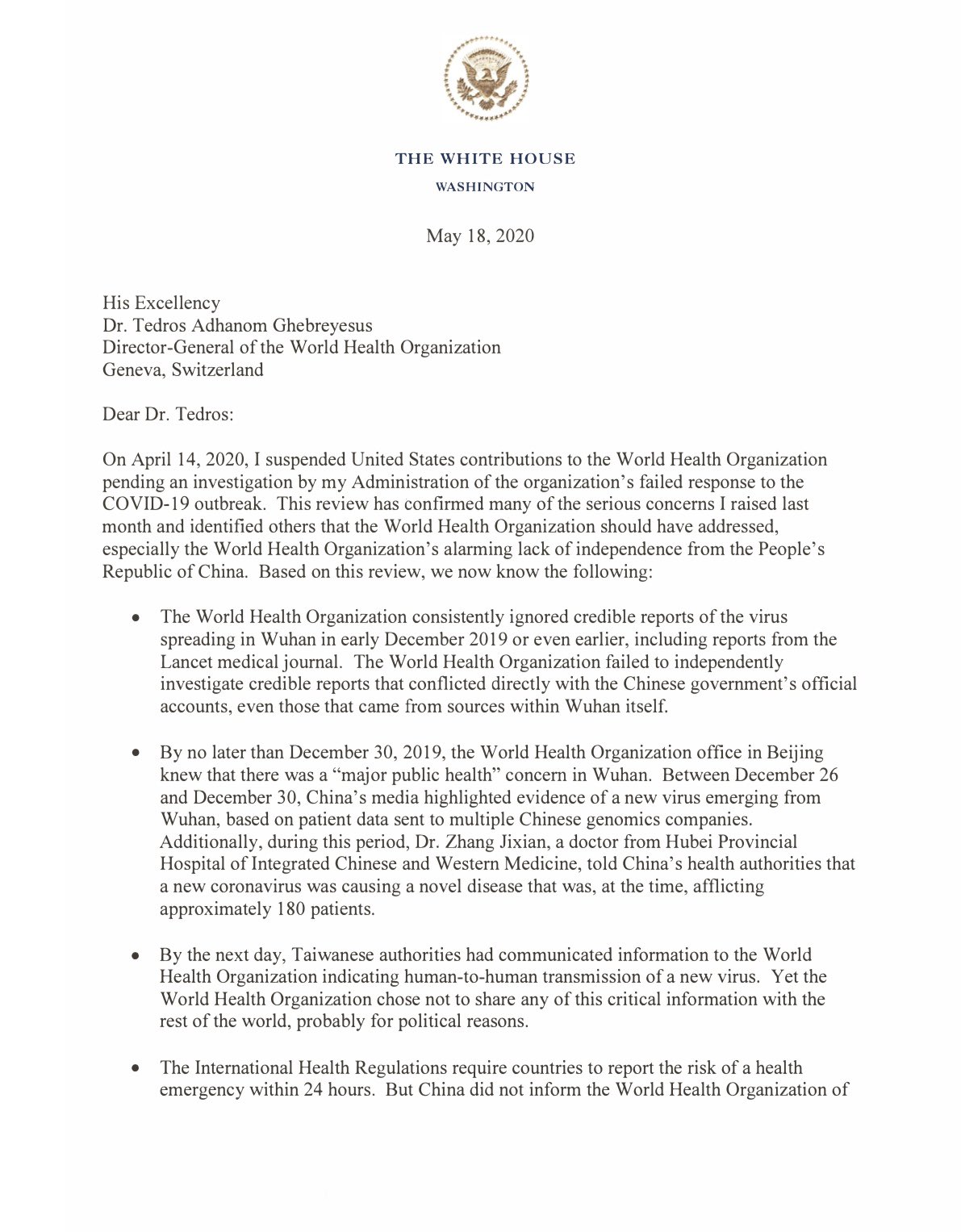

 Migration Minister Johan Forssell confirmed the agreement among the coalition parties and emphasized that the program would include strong oversight mechanisms, telling Swedish news agency TT that the government wants to minimize the risk of people exploiting the allowance by coming to Sweden solely to claim the payment.
As reported by the
Migration Minister Johan Forssell confirmed the agreement among the coalition parties and emphasized that the program would include strong oversight mechanisms, telling Swedish news agency TT that the government wants to minimize the risk of people exploiting the allowance by coming to Sweden solely to claim the payment.
As reported by the 


 I was thrilled when the news cycle opened up and included ever more voices and more real-time updates. It seems like a better world than the one into which I was born, wherein three newscasters read almost identical scripts about the same big events. Everyone trusted them. We moved on with our lives.
Now we are tempted to believe that constant refreshing of pages will make us more informed. We are going to find out the truth of public life now. We are no longer denied alternative voices and we are being given stunning looks into alternative explanations. This is great, and we naturally think it is an improvement.
Maybe it is. Surely it is. But the question is, at what cost? It is gravely tempting to spend whatever excess time we have obsessing about this or that thing with infinite options of sources, podcasts, videos, feeds, trending topics, and unrelating blasts of breaking news that amaze us and probably further tribalize us.
What is the cost? It is what we would otherwise be doing. Maybe that is investing in personal relationships and family. Maybe it is picking up a big physical unplugged book and reading from page one, thrilling in the gradual unfolding of a narrative. Maybe it is thinking about long-term financial planning and learning new ways to think about finance and implementing the lessons.
There can be no doubt that this goes on ever less and less. A 20-something friend says he knows of only two people in several years who have read an actual book. We all know that it is true. Empirical evidence on this varies, and the book market itself seems to be doing fine. Whether and to what extent people under the age of 30 actually have extended and disciplined time with mighty books is a real question. Surveys alone won’t give the answer.
What does it matter anyway? Again, I asked my Uber driver.
“It’s completely changing people. And the culture too. It’s all about now, not the future. It’s all about whatever stimulation we can realize in the moment without a thought about the long term.”
So what?
“The problem is that this outlook makes people selfish. It’s all about themselves. They don’t care about others. They don’t even notice others. People are nowhere near as aware of what is around them and how others respond to them. Social media is turning everyone into a sociopath.”
That’s a serious charge, but I’m hard-pressed to dispute it. Several experiences on my travels have confirmed this, not big things but small ways in which people are disinclined to give up their temporary comfort for something larger than themselves.
Maybe it is making the middle seat available to someone on a plane where seating is unassigned. The first thought these days is to look out for number one and plot to keep everyone away.
How often do people help strangers with luggage? Do they even notice? How about letting someone else order food or drink before you do? How about letting others who might miss a flight get in front of you in a line to deplane?
These are small points but it certainly seems true that we grant less social deference to each other than we once did. Indeed, we once took basic manners for granted. Now it seems like it is every man for himself under all circumstances.
Of course every generation decries the corruption of its time while looking back nostalgically on times past. It’s a bias that stems from selection: It is easier to remember the good and forget the bad the more time has marched forward, and easier to be more aware of the bad around you than dig deeper for the good.
That’s always true. And yet, the advent of social media, universal pocket media displays, personalized earbuds, and infinite content choices is all very much new. Nor are they going away. If they have changed us as a people and a culture, is it forever? Can we push back on it?
My driver’s thesis—I’ve come to take more seriously the observations of a common worker over an Ivy professor—causes me to consider all the other ways in which our time horizons have been shortened.
It’s documented thoroughly that appliances that once lasted a generation now break in two or three years. We buy phones and computers—very expensive items—with no sense that we are investing for the future. We know for sure that they will last two or three years before we get another.
Shoes are the same. Throw down $150 for a pair that looks great but in six months of wear, they seem ready for the bin. It’s this way with most clothing. Forget handing down a suit to offspring. It falls apart after a few wears. The sweater that looks great at the store has tears here and there by the end of the season.
Most clothing has become disposable. Most everything in the digital world is this way, and the more our real-world products become digitized, the less they have by way of longevity. Hardly anything is fixable anymore; you are almost always better off throwing out and buying new.
With inflation as it has been for years, we are encouraged to spend now rather than save because the saving isn’t being rewarded. At best, we break even so why not go into debt buying “experiences” rather than thinking of the future?
The economist Irving Fisher introduced the concept of time preference to explain interest rates. He said that a lower rate of time preference means that people are willing to sacrifice consumption today by saving. That drives down the interest rate by making more funds available for lending.
The opposite is true too: a higher rate of time preference—the burning desire to consume now rather than plan for the future—leads to lower savings and a depleted fund for capital expansion. That causes higher interest rates, all else equal.
It’s fascinating to follow the thinking of Murray Rothbard, who saw in this time preference theory a big explanation for the rise and fall of societies. More developed civilizations are a result of lower time preferences: investment, long-term thinking, frugality, and putting off today’s joys for a better tomorrow. Less developed societies do the opposite, all the way toward the state of nature in which everyone is just getting by for today.
We might be living through what we could call the Great Shortening. Our time preferences are higher. Our attention spans are shorter. Our horizons and outlooks on our place in society are characterized by getting what’s good for me now rather than thinking about what’s good for family, community, and society in the long run. Instant gratification is the defining mark of cultural life. You see it everywhere.
In some ways, what happened five years ago with lockdowns shattered community feeling and drove forward a kind of short-term egoism. That has been reinforced by technology that feeds us exactly what we want: a zip and zing now rather than edification and contemplation about the future. The less hopeful we are about the future, the more it makes sense to live only for the present.
Is this the Great Shortening? Maybe so, but there is no need to acquiesce. I recently took on a great book over three days, reading every sentence and word with rapt attention. The book in question is Laura Delano’s “
I was thrilled when the news cycle opened up and included ever more voices and more real-time updates. It seems like a better world than the one into which I was born, wherein three newscasters read almost identical scripts about the same big events. Everyone trusted them. We moved on with our lives.
Now we are tempted to believe that constant refreshing of pages will make us more informed. We are going to find out the truth of public life now. We are no longer denied alternative voices and we are being given stunning looks into alternative explanations. This is great, and we naturally think it is an improvement.
Maybe it is. Surely it is. But the question is, at what cost? It is gravely tempting to spend whatever excess time we have obsessing about this or that thing with infinite options of sources, podcasts, videos, feeds, trending topics, and unrelating blasts of breaking news that amaze us and probably further tribalize us.
What is the cost? It is what we would otherwise be doing. Maybe that is investing in personal relationships and family. Maybe it is picking up a big physical unplugged book and reading from page one, thrilling in the gradual unfolding of a narrative. Maybe it is thinking about long-term financial planning and learning new ways to think about finance and implementing the lessons.
There can be no doubt that this goes on ever less and less. A 20-something friend says he knows of only two people in several years who have read an actual book. We all know that it is true. Empirical evidence on this varies, and the book market itself seems to be doing fine. Whether and to what extent people under the age of 30 actually have extended and disciplined time with mighty books is a real question. Surveys alone won’t give the answer.
What does it matter anyway? Again, I asked my Uber driver.
“It’s completely changing people. And the culture too. It’s all about now, not the future. It’s all about whatever stimulation we can realize in the moment without a thought about the long term.”
So what?
“The problem is that this outlook makes people selfish. It’s all about themselves. They don’t care about others. They don’t even notice others. People are nowhere near as aware of what is around them and how others respond to them. Social media is turning everyone into a sociopath.”
That’s a serious charge, but I’m hard-pressed to dispute it. Several experiences on my travels have confirmed this, not big things but small ways in which people are disinclined to give up their temporary comfort for something larger than themselves.
Maybe it is making the middle seat available to someone on a plane where seating is unassigned. The first thought these days is to look out for number one and plot to keep everyone away.
How often do people help strangers with luggage? Do they even notice? How about letting someone else order food or drink before you do? How about letting others who might miss a flight get in front of you in a line to deplane?
These are small points but it certainly seems true that we grant less social deference to each other than we once did. Indeed, we once took basic manners for granted. Now it seems like it is every man for himself under all circumstances.
Of course every generation decries the corruption of its time while looking back nostalgically on times past. It’s a bias that stems from selection: It is easier to remember the good and forget the bad the more time has marched forward, and easier to be more aware of the bad around you than dig deeper for the good.
That’s always true. And yet, the advent of social media, universal pocket media displays, personalized earbuds, and infinite content choices is all very much new. Nor are they going away. If they have changed us as a people and a culture, is it forever? Can we push back on it?
My driver’s thesis—I’ve come to take more seriously the observations of a common worker over an Ivy professor—causes me to consider all the other ways in which our time horizons have been shortened.
It’s documented thoroughly that appliances that once lasted a generation now break in two or three years. We buy phones and computers—very expensive items—with no sense that we are investing for the future. We know for sure that they will last two or three years before we get another.
Shoes are the same. Throw down $150 for a pair that looks great but in six months of wear, they seem ready for the bin. It’s this way with most clothing. Forget handing down a suit to offspring. It falls apart after a few wears. The sweater that looks great at the store has tears here and there by the end of the season.
Most clothing has become disposable. Most everything in the digital world is this way, and the more our real-world products become digitized, the less they have by way of longevity. Hardly anything is fixable anymore; you are almost always better off throwing out and buying new.
With inflation as it has been for years, we are encouraged to spend now rather than save because the saving isn’t being rewarded. At best, we break even so why not go into debt buying “experiences” rather than thinking of the future?
The economist Irving Fisher introduced the concept of time preference to explain interest rates. He said that a lower rate of time preference means that people are willing to sacrifice consumption today by saving. That drives down the interest rate by making more funds available for lending.
The opposite is true too: a higher rate of time preference—the burning desire to consume now rather than plan for the future—leads to lower savings and a depleted fund for capital expansion. That causes higher interest rates, all else equal.
It’s fascinating to follow the thinking of Murray Rothbard, who saw in this time preference theory a big explanation for the rise and fall of societies. More developed civilizations are a result of lower time preferences: investment, long-term thinking, frugality, and putting off today’s joys for a better tomorrow. Less developed societies do the opposite, all the way toward the state of nature in which everyone is just getting by for today.
We might be living through what we could call the Great Shortening. Our time preferences are higher. Our attention spans are shorter. Our horizons and outlooks on our place in society are characterized by getting what’s good for me now rather than thinking about what’s good for family, community, and society in the long run. Instant gratification is the defining mark of cultural life. You see it everywhere.
In some ways, what happened five years ago with lockdowns shattered community feeling and drove forward a kind of short-term egoism. That has been reinforced by technology that feeds us exactly what we want: a zip and zing now rather than edification and contemplation about the future. The less hopeful we are about the future, the more it makes sense to live only for the present.
Is this the Great Shortening? Maybe so, but there is no need to acquiesce. I recently took on a great book over three days, reading every sentence and word with rapt attention. The book in question is Laura Delano’s “ Even Democrat Seth Koslow agreed: “Our cops and first responders shouldn’t have to fight crowds while they’re saving lives. This bill gives them the authority to keep chaos out and do their jobs without interference. It’s backed by both parties — because protecting those who protect us shouldn’t be political.”
New York law already penalizes interfering with first responders, but Nassau County's proposed 15-foot buffer zone would go further, barring even approaching them during emergencies — a move critics call ripe for abuse.
“Floating buffer zones offer yet another way for police to keep their activities hidden from public scrutiny,” said Justin Harrison of the NYCLU. “Laws that make it harder to monitor the police…violate the Constitution… and foster distrust in law enforcement.”
Similar laws in Louisiana, Arizona, and Indiana have been blocked by federal courts, the
Even Democrat Seth Koslow agreed: “Our cops and first responders shouldn’t have to fight crowds while they’re saving lives. This bill gives them the authority to keep chaos out and do their jobs without interference. It’s backed by both parties — because protecting those who protect us shouldn’t be political.”
New York law already penalizes interfering with first responders, but Nassau County's proposed 15-foot buffer zone would go further, barring even approaching them during emergencies — a move critics call ripe for abuse.
“Floating buffer zones offer yet another way for police to keep their activities hidden from public scrutiny,” said Justin Harrison of the NYCLU. “Laws that make it harder to monitor the police…violate the Constitution… and foster distrust in law enforcement.”
Similar laws in Louisiana, Arizona, and Indiana have been blocked by federal courts, the 
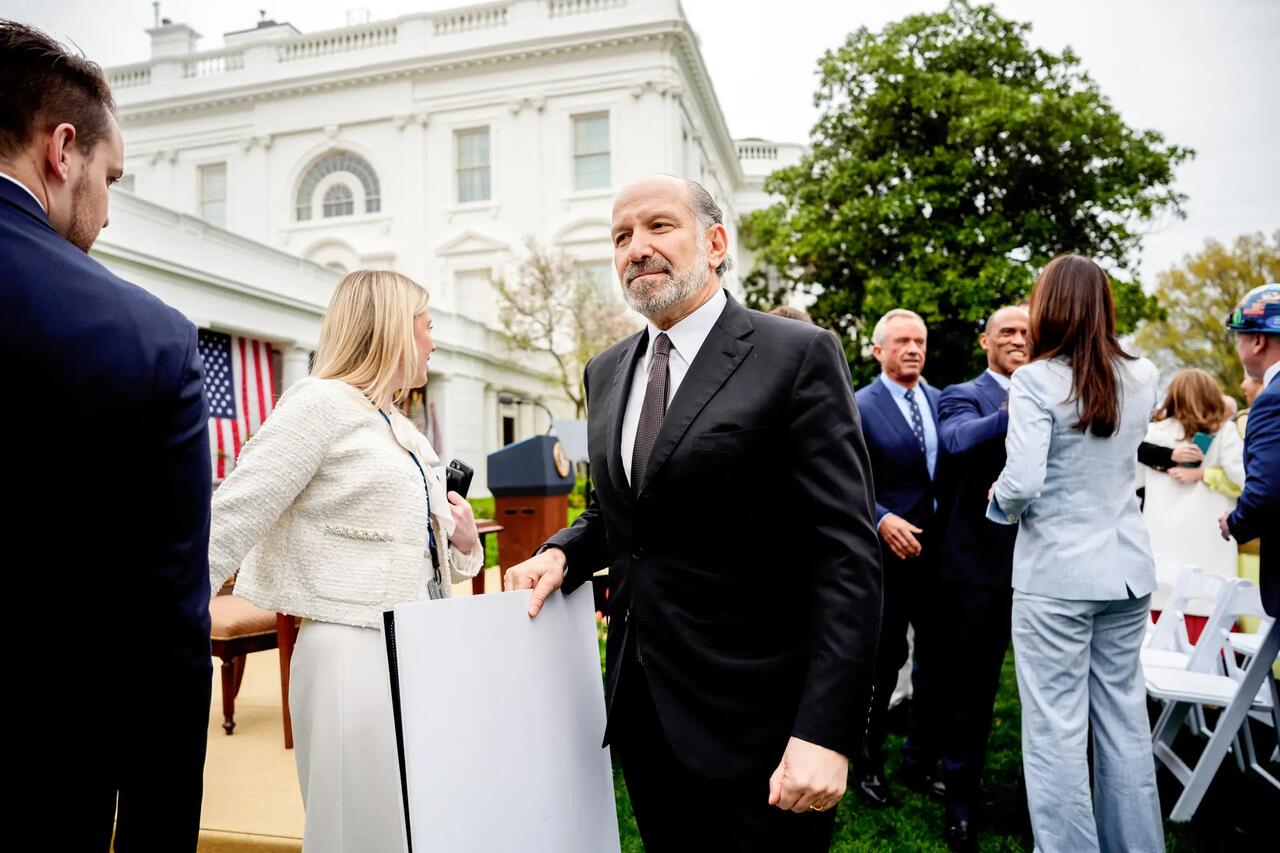
 While the United States has most of the 17 rare earth elements and 50 critical minerals underground, it has no industrial capacity to refine them into processed metals and magnets, according to Melissa “Mel” Sanderson, American Rare Earths board member and Critical Minerals Institute co-chair.
“Currently in the United States, we have zero magnet manufacturers,” Sanderson told The Epoch Times.
She said that’s why China imposed export restrictions on seven “heavy” rare earth elements on April 4 in
While the United States has most of the 17 rare earth elements and 50 critical minerals underground, it has no industrial capacity to refine them into processed metals and magnets, according to Melissa “Mel” Sanderson, American Rare Earths board member and Critical Minerals Institute co-chair.
“Currently in the United States, we have zero magnet manufacturers,” Sanderson told The Epoch Times.
She said that’s why China imposed export restrictions on seven “heavy” rare earth elements on April 4 in 
 “Absolutely, we can overcome the problem,” he said. “In the long run, it’s going to be much better if China cuts us off. [Industry] will definitely find a way.”
Colorado School of Mines economics professor Ian Lange agrees. “I’m on the optimistic side,” he said.
Lange said there are substitute materials for the seven restricted rare earths, and some manufacturers are telling him they'll survive without them.
He questioned if China can sustain its rare earth export restrictions because American industries are their biggest market.
“We’ll see if this is a real or just another hoop to jump through,” Lange told The Epoch Times. “And we have been slowly building up the supply chain over the last couple years.
“We’re getting close to having something here in the United States.”
But “close” is a relative term when it comes to mining and refining, where proposed projects can routinely take 10 to 20 years to be approved.
‘Long Way Off’
Australian-based American Rare Earths is among a wave of start-ups in the United States engaged in rare earth and critical mineral mining.
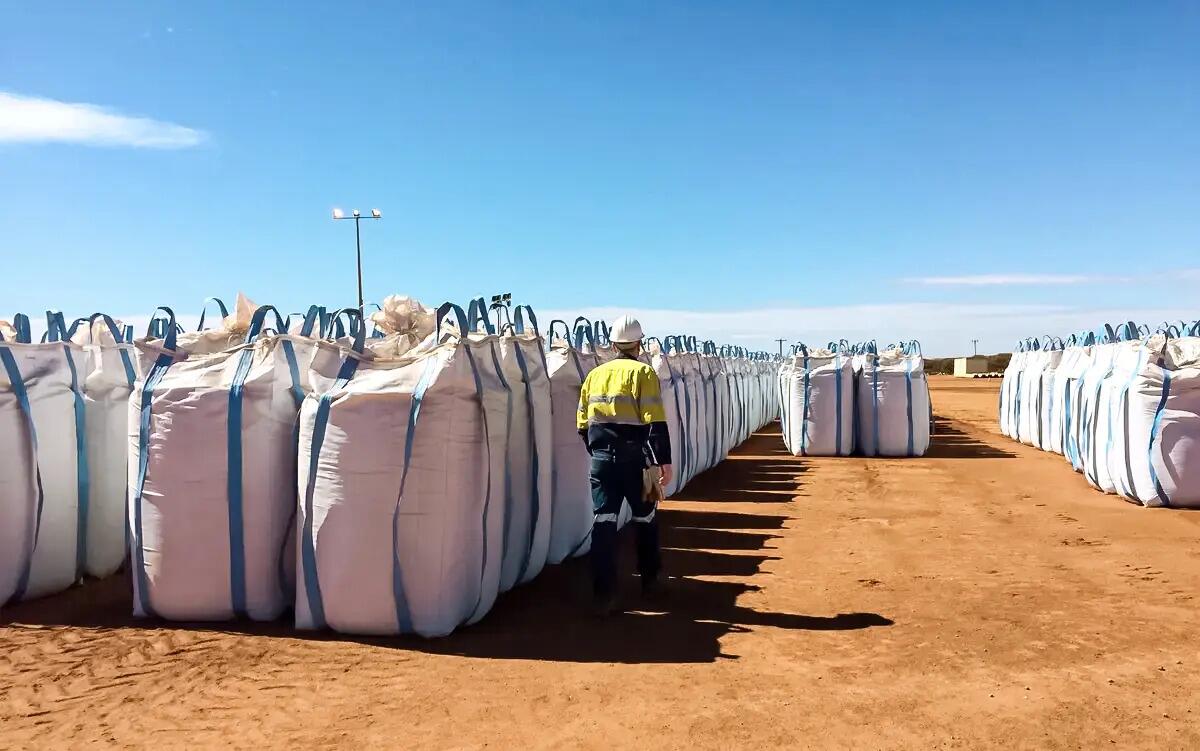
It will also process dysprosium and terbium, two of the seven restricted “heavies,” by building a refinery near its Halleck Creek mine outside Wheatland, Wyoming. Dysprosium is used in magnets incorporated in motors and generators for wind turbines, electrical vehicles, and nuclear reactor control rods. Terbium compounds are used in electronics, semiconductors, and fluorescent lighting.
The company, which also has a mine in Arizona, secured a $7.1 million
“Absolutely, we can overcome the problem,” he said. “In the long run, it’s going to be much better if China cuts us off. [Industry] will definitely find a way.”
Colorado School of Mines economics professor Ian Lange agrees. “I’m on the optimistic side,” he said.
Lange said there are substitute materials for the seven restricted rare earths, and some manufacturers are telling him they'll survive without them.
He questioned if China can sustain its rare earth export restrictions because American industries are their biggest market.
“We’ll see if this is a real or just another hoop to jump through,” Lange told The Epoch Times. “And we have been slowly building up the supply chain over the last couple years.
“We’re getting close to having something here in the United States.”
But “close” is a relative term when it comes to mining and refining, where proposed projects can routinely take 10 to 20 years to be approved.
‘Long Way Off’
Australian-based American Rare Earths is among a wave of start-ups in the United States engaged in rare earth and critical mineral mining.
It will also process dysprosium and terbium, two of the seven restricted “heavies,” by building a refinery near its Halleck Creek mine outside Wheatland, Wyoming. Dysprosium is used in magnets incorporated in motors and generators for wind turbines, electrical vehicles, and nuclear reactor control rods. Terbium compounds are used in electronics, semiconductors, and fluorescent lighting.
The company, which also has a mine in Arizona, secured a $7.1 million 
 Both are crucial in processing rare earths for the U.S. Department of Defense, which is midway through a five-year plan to build a “sustainable mine-to-magnet supply chain” to support its needs by 2027.
Lynas Rare Earth subsidiary Lynas USA was
Both are crucial in processing rare earths for the U.S. Department of Defense, which is midway through a five-year plan to build a “sustainable mine-to-magnet supply chain” to support its needs by 2027.
Lynas Rare Earth subsidiary Lynas USA was
 Adding to the conversation, FreightWaves CEO Craig Fuller posted on X that trucking activity at the LA Port, the largest container port in the Western Hemisphere, has just plunged ...
"Year-over-year trucking activity out of Los Angeles down 23%. It will likely drop to 50% in the coming weeks if there isn't trade war resolution," Fuller said.
Year-over-year trucking activity out of Los Angeles down 23%.
It will likely drop to 50% in the coming weeks if there isn't trade war resolution.
Massive layoffs coming to the West Coast trucking sector
Adding to the conversation, FreightWaves CEO Craig Fuller posted on X that trucking activity at the LA Port, the largest container port in the Western Hemisphere, has just plunged ...
"Year-over-year trucking activity out of Los Angeles down 23%. It will likely drop to 50% in the coming weeks if there isn't trade war resolution," Fuller said.
Year-over-year trucking activity out of Los Angeles down 23%.
It will likely drop to 50% in the coming weeks if there isn't trade war resolution.
Massive layoffs coming to the West Coast trucking sector 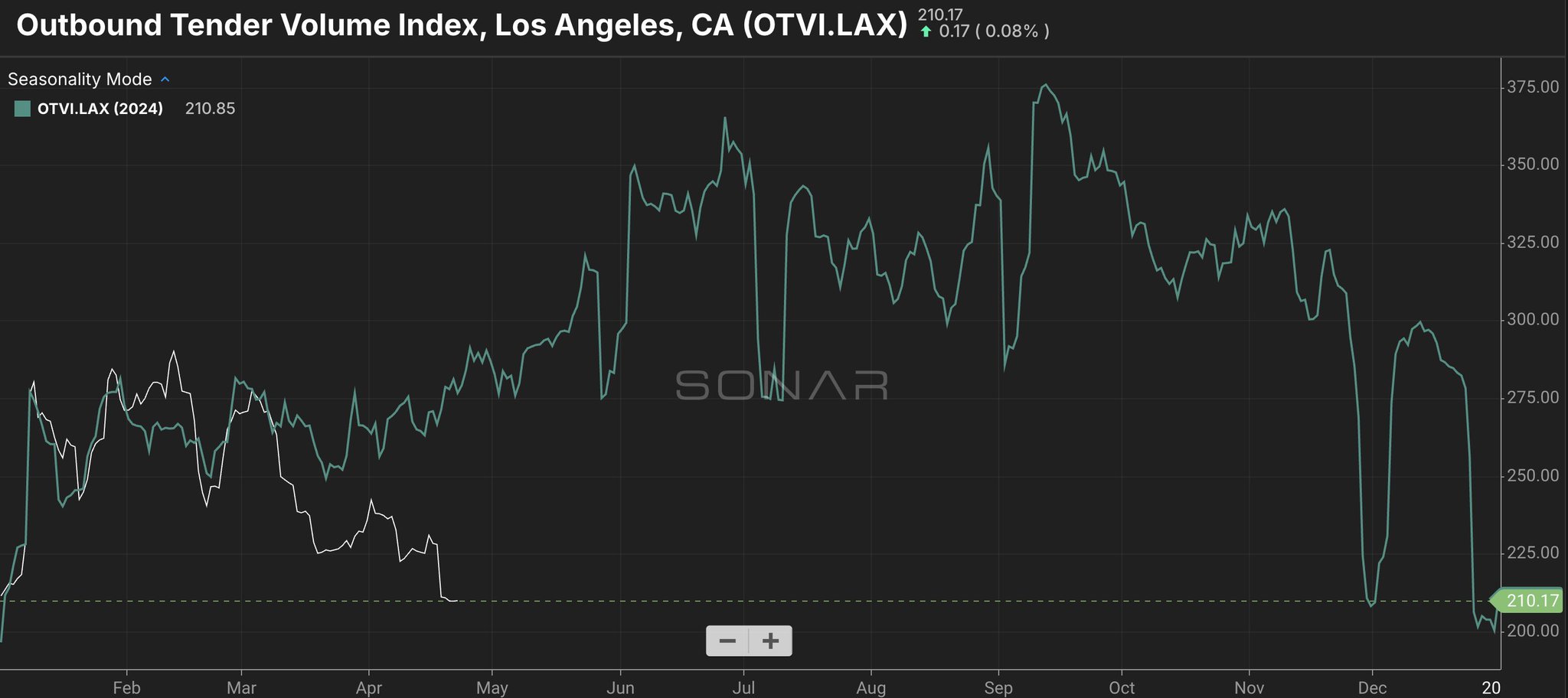
 Here's how the disruption could unfold:
Plunging Container Volumes
Volume Drop: A decline in imports would slash throughput at the port, disrupting operations that rely on consistent traffic for profitability.
Revenue Hit: The Port of LA, which generates revenue through container handling fees, leases, and other port services, would face a significant decline in income.
Job Losses
Dockworkers & Terminal Staff: ILWU labor hours would be cut; possible layoffs or furloughs.
Truckers & Warehouse Workers: Major layoffs in the Inland Empire's massive logistics hub (Ontario, Riverside, etc.)—home to over 200 million square feet of warehousing.
Broader Economic Fallout (Southern California)
The logistics sector is the largest private employer in the Inland Empire. A large drop in volume could collapse parts of the warehouse economy.
Retail & Consumer Ripple Effects
Higher costs and shortages for imported goods would pressure retailers and consumers alike.
Port Diversions
Shippers would increasingly reroute to Mexican and Canadian ports, bypassing LA entirely.
Companies could shift sourcing to Mexico or other non-tariffed nations, reducing LA's role as a China-facing import hub.
While the first wave of disruptions is materializing at Port LA and could soon ripple across the Inland Empire and then the Heartland, across the Pacific, high tariffs on Chinese goods have already sent factories in the world's second-largest economy into a tailspin, as per a new
Here's how the disruption could unfold:
Plunging Container Volumes
Volume Drop: A decline in imports would slash throughput at the port, disrupting operations that rely on consistent traffic for profitability.
Revenue Hit: The Port of LA, which generates revenue through container handling fees, leases, and other port services, would face a significant decline in income.
Job Losses
Dockworkers & Terminal Staff: ILWU labor hours would be cut; possible layoffs or furloughs.
Truckers & Warehouse Workers: Major layoffs in the Inland Empire's massive logistics hub (Ontario, Riverside, etc.)—home to over 200 million square feet of warehousing.
Broader Economic Fallout (Southern California)
The logistics sector is the largest private employer in the Inland Empire. A large drop in volume could collapse parts of the warehouse economy.
Retail & Consumer Ripple Effects
Higher costs and shortages for imported goods would pressure retailers and consumers alike.
Port Diversions
Shippers would increasingly reroute to Mexican and Canadian ports, bypassing LA entirely.
Companies could shift sourcing to Mexico or other non-tariffed nations, reducing LA's role as a China-facing import hub.
While the first wave of disruptions is materializing at Port LA and could soon ripple across the Inland Empire and then the Heartland, across the Pacific, high tariffs on Chinese goods have already sent factories in the world's second-largest economy into a tailspin, as per a new 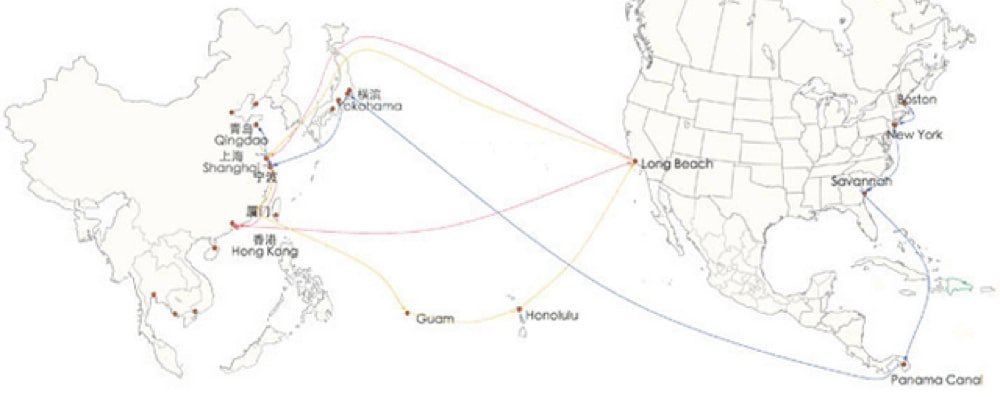


 Nobody should deny that the anxiety is genuine. An older friend of mine, well into his 70s, still working but ready to retire, is wondering how he and his wife will survive if their savings are wiped out. That’s true for all of us, but it begs the question: What if the painful restructuring we may be about to endure, and which may last for many years, is necessary to avoid an even worse fate?
Trump’s abrupt escalation of import tariffs goes well beyond violating the principles of comparative advantage, but we can start there. “
Nobody should deny that the anxiety is genuine. An older friend of mine, well into his 70s, still working but ready to retire, is wondering how he and his wife will survive if their savings are wiped out. That’s true for all of us, but it begs the question: What if the painful restructuring we may be about to endure, and which may last for many years, is necessary to avoid an even worse fate?
Trump’s abrupt escalation of import tariffs goes well beyond violating the principles of comparative advantage, but we can start there. “



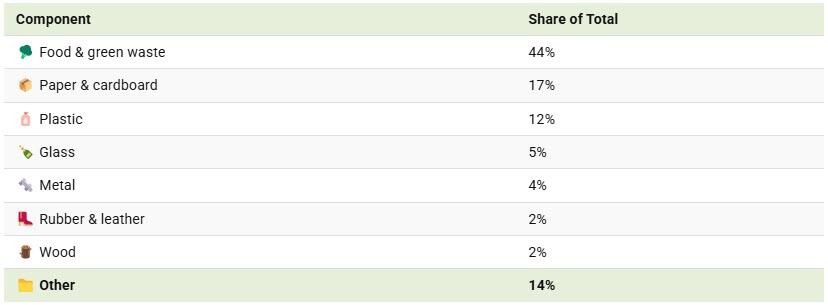
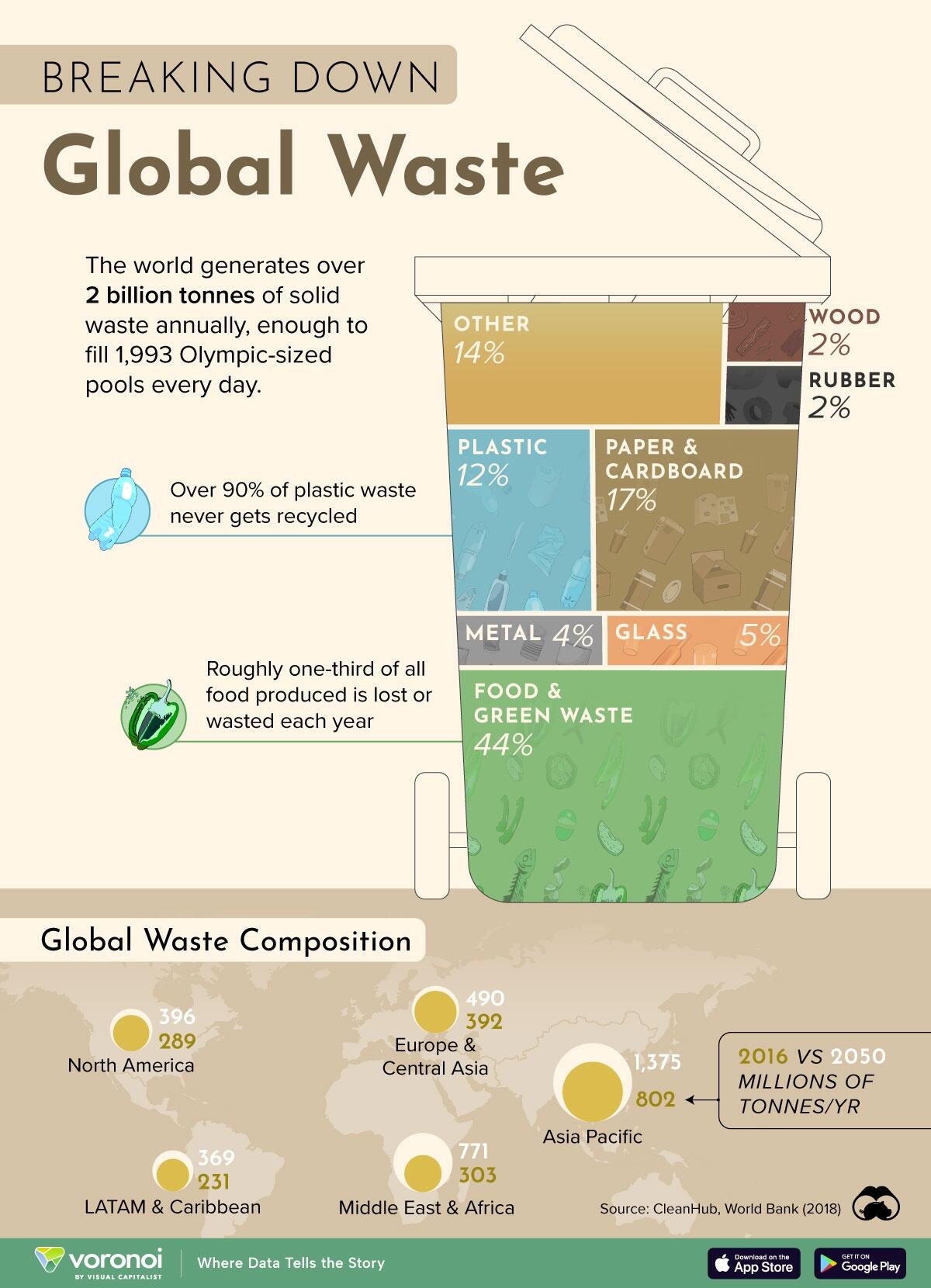 What Fills the World’s Trash Bins
Food and green waste accounts for a majority of the world’s garbage (44% of the total).
Paper and cardboard (17%)
What Fills the World’s Trash Bins
Food and green waste accounts for a majority of the world’s garbage (44% of the total).
Paper and cardboard (17%) 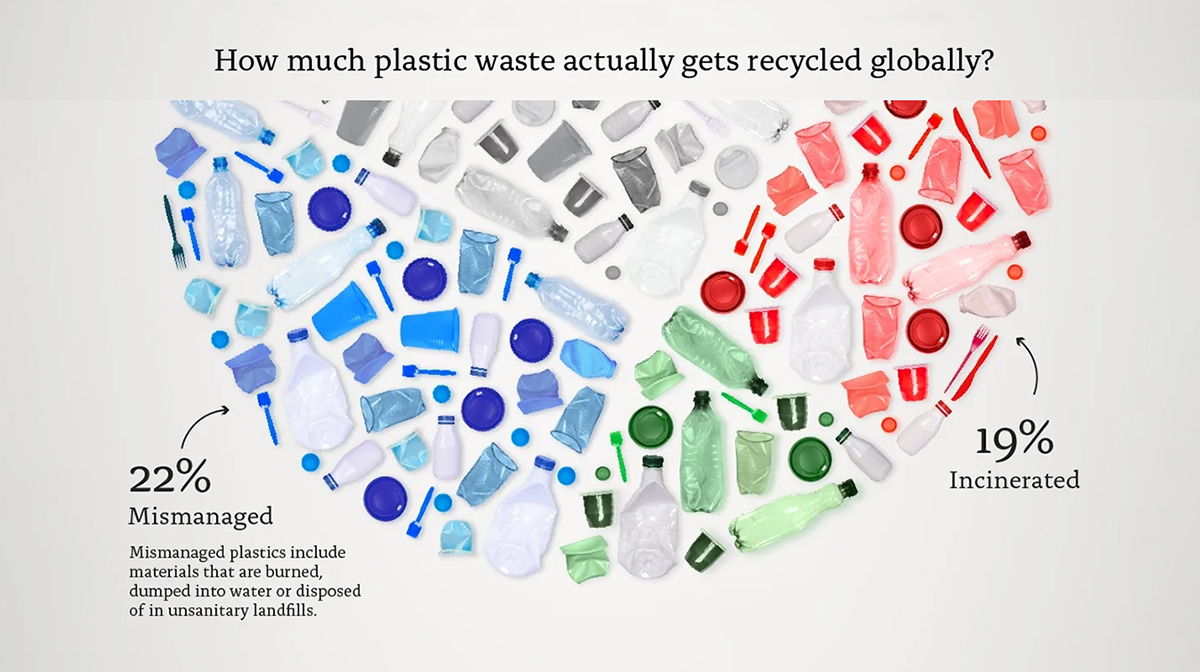
 There’s a positive correlation between income and waste generation. High-income countries account for only 16% of the world’s population but more than one-third of the waste generated.
However, it’s the middle- and low-income countries that will lead to more waste generation by 2050, particularly in Asia and Africa.
Why is this?
As the World Bank explains, waste generation scales up as income levels rise.
For high-income countries, per capita waste generation is already peaking, and is expected to grow 19% by 2050.
On the other hand, low- and middle-income countries (where per capita waste is much lower but where incomes are rising quickly) could see their waste generation grow by 40%.
According to the World Bank, global waste is growing at more than twice the rate of the population.
Want to get more perspective on staggering food waste? Check out:
There’s a positive correlation between income and waste generation. High-income countries account for only 16% of the world’s population but more than one-third of the waste generated.
However, it’s the middle- and low-income countries that will lead to more waste generation by 2050, particularly in Asia and Africa.
Why is this?
As the World Bank explains, waste generation scales up as income levels rise.
For high-income countries, per capita waste generation is already peaking, and is expected to grow 19% by 2050.
On the other hand, low- and middle-income countries (where per capita waste is much lower but where incomes are rising quickly) could see their waste generation grow by 40%.
According to the World Bank, global waste is growing at more than twice the rate of the population.
Want to get more perspective on staggering food waste? Check out: 