
The Wicked Flee...
The Wicked Flee...
 "No more government in the shadows."
- Mike Benz
The decade-long treasonous hectoring of Mr. Trump keeps on coming, you understand, for the simple reason that there have been absolutely zero consequences for any of the vicious rogues behind it.
Not so much as a rap on the knuckles for seeking to overthrow a president, steal elections, hide high crimes, rob the treasury, and recklessly frame the innocent.
And suddenly this week, as startling as a mythic goddess of justice riding a spring zephyr, comes a brisk demonstration of exactly what-to-do.
"No more government in the shadows."
- Mike Benz
The decade-long treasonous hectoring of Mr. Trump keeps on coming, you understand, for the simple reason that there have been absolutely zero consequences for any of the vicious rogues behind it.
Not so much as a rap on the knuckles for seeking to overthrow a president, steal elections, hide high crimes, rob the treasury, and recklessly frame the innocent.
And suddenly this week, as startling as a mythic goddess of justice riding a spring zephyr, comes a brisk demonstration of exactly what-to-do.
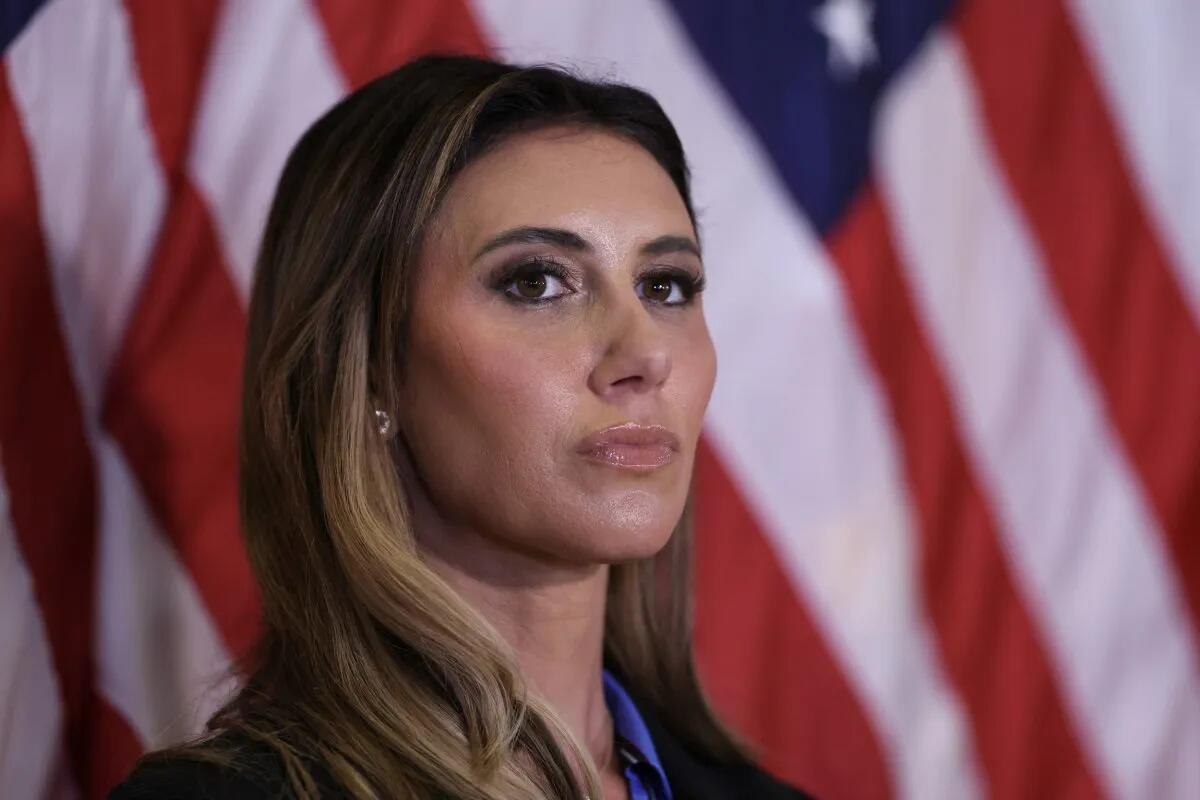 Days ago, Governor Phil Murphy of New Jersey ordered his state police to not cooperate with federal immigration enforcement officers (ICE) — a nice bit of grandstanding for a guy seeking to occupy the Democratic Party’s leadership vacuum. So, Thursday night, newly-appointed US Attorney for the New Jersey federal district, Alina Habba, opened a criminal investigation against Gov. Murphy for “obstruction and concealment.”
That means, possibly, jail. Badda-bing! This ain’t no foolin’ around.
The reason the Democrat pols and their activist agents pule and mewl about “retribution” is because they know they are guilty of so many manifest crimes against the country and against decency, that a fair system would have jailed or hanged them by now.
They evaded their reckonings only because their own filthy mitts gripped the levers of justice until very recently.
Since January 20, that has obviously changed.
But two questions have dogged the necessary restoration of fairness and good faith in the backbone of government we call the law. 1) Since the culpable are such well-known figures — the Clintons, Obama, Biden, Comey, Brennan, Mayorkas, Garland, Wray, Fauci, Collins, Pelosi, Eisen, Weissmann, McCord, Schiff, and dozens more:
how do you seek justice without appearing to “go after” individuals in the old Soviet mode of “show me the person and I’ll find you the crime”? And
where do you begin with such a cosmic-scale panorama of treasonous malfeasance spanning many years and many theaters-of-action?
I’d say US Attorney Alina Habba’s move this week is an excellent place to start.
For one thing, Governor Murphy’s defiant act is a fresh crime, only days old, and a clear-cut one: you can’t order state officials to flout federal law, especially where public safety is concerned. Ms. Habba smacked him instantly, like an insolent biting insect. Now, follow through. Prosecute. Mere apologies not accepted. No “mulligan” on that shot. If she brings a case, then other mayors and governors of the many self-proclaimed “sanctuary” jurisdictions around the country, trolling for virtue brownie points in their Woke waters, will rethink their lawless posturing.
Couple of other good starts just this week.
Mr. Trump issued executive orders yesterday that will afford a fresh look into some older but critical crimes against the nation.
One directs US Attorney General Bondi to investigate the actions of a key player in wide-ranging 2020 election mischief. From the White House memo itself:
Christopher Krebs, the former head of the Cybersecurity and Infrastructure Security Agency (CISA), is a significant bad-faith actor who weaponized and abused his government authority. Krebs’ misconduct involved the censorship of disfavored speech implicating the 2020 election and COVID-19 pandemic. CISA, under Krebs’ leadership, suppressed conservative viewpoints under the guise of combatting supposed disinformation, and recruited and coerced major social media platforms to further its partisan mission. CISA covertly worked to blind the American public to the controversy surrounding Hunter Biden’s laptop. Krebs, through CISA, promoted the censorship of election information, including known risks associated with certain voting practices. Similarly, Krebs, through CISA, falsely and baselessly denied that the 2020 election was rigged and stolen, including by inappropriately and categorically dismissing widespread election malfeasance and serious vulnerabilities with voting machines. Krebs skewed the bona fide debate about COVID-19 by attempting to discredit widely shared views that ran contrary to CISA’s favored perspective.
Next, the White House directed an investigation of Homeland Security officer Miles Taylor who proclaimed, during the first Trump term in an anonymous New York Times op-ed, that he was party to “a resistance within the Federal Government that ‘vowed’ to undermine and render ineffective a sitting president... [T]his conduct could properly be characterized as treasonous and as possibly violating the Espionage Act,” the EO said.
Sounds serious, a little bit.
Next, in another EO, the White House severely disciplined the swamp law firm Susman Godfrey for its racist DEI activism in the federal agencies it did work for, saying, “Lawyers and law firms that engage in activities detrimental to critical American interests should not have access to our nation’s secrets, nor should their conduct be subsidized by Federal taxpayer funds or contracts.” Hence, Sussman Godfrey lost its security clearances, its federal work contracts were cancelled, and its lawyers are barred from entering federal buildings, including courthouses.
FAFO.
Next, Director of National Intelligence, Tulsi Gabbard announced at Thursday’s cabinet meeting that her office has obtained evidence of massive vulnerabilities in voting machines that allow hackers to flip votes. This has long been written off as “baseless conspiracy theory” for years by degenerate news outlets like The New York Times. The key word in Ms. Gabbard’s statement, is “evidence.” You realize, of course, that there is no reason to use vote-counting machines in our election except for the purpose of hacking and cheating. Most other putatively “democratic” nations use paper ballots and manage to tabulate and report election results within twenty-four hours.
Of course, this motley batch of sudden cases — Gov. Murphy of NJ, Chris Krebs, Miles Taylor, Susman Godfrey — are relative outliers to the notorious operations such as RussiaGate, the Schiff-Vindman-Ciaramella-Eisen plot behind Impeachment No. 1, The Covid-19 intrigue, The BLM rampage, the Hunter Biden Laptop ruse (and Biden family’s bribery and treason), J-6 riot and the DNC Pipe-bomb caper, and four years of a wide-open border.
That long train of crimes, seditions, and treasons came close to wrecking the country.
We know exactly who was behind and involved in all of that.
What remains is the heavy-lifting to build cases that can be brought to grand juries in good faith.
Perhaps a comprehensive omnibus RICO case can incorporate all of these in what appears to amount to a single, complex orchestrated, long-running attempted coup. Don’t bet that this isn’t coming. And, by-the-way, the infamous “Crossfire-Hurricane” binder was just released last night. As of this writing, there is almost no analysis available yet. Stand by.
Fri, 04/11/2025 - 16:20
Days ago, Governor Phil Murphy of New Jersey ordered his state police to not cooperate with federal immigration enforcement officers (ICE) — a nice bit of grandstanding for a guy seeking to occupy the Democratic Party’s leadership vacuum. So, Thursday night, newly-appointed US Attorney for the New Jersey federal district, Alina Habba, opened a criminal investigation against Gov. Murphy for “obstruction and concealment.”
That means, possibly, jail. Badda-bing! This ain’t no foolin’ around.
The reason the Democrat pols and their activist agents pule and mewl about “retribution” is because they know they are guilty of so many manifest crimes against the country and against decency, that a fair system would have jailed or hanged them by now.
They evaded their reckonings only because their own filthy mitts gripped the levers of justice until very recently.
Since January 20, that has obviously changed.
But two questions have dogged the necessary restoration of fairness and good faith in the backbone of government we call the law. 1) Since the culpable are such well-known figures — the Clintons, Obama, Biden, Comey, Brennan, Mayorkas, Garland, Wray, Fauci, Collins, Pelosi, Eisen, Weissmann, McCord, Schiff, and dozens more:
how do you seek justice without appearing to “go after” individuals in the old Soviet mode of “show me the person and I’ll find you the crime”? And
where do you begin with such a cosmic-scale panorama of treasonous malfeasance spanning many years and many theaters-of-action?
I’d say US Attorney Alina Habba’s move this week is an excellent place to start.
For one thing, Governor Murphy’s defiant act is a fresh crime, only days old, and a clear-cut one: you can’t order state officials to flout federal law, especially where public safety is concerned. Ms. Habba smacked him instantly, like an insolent biting insect. Now, follow through. Prosecute. Mere apologies not accepted. No “mulligan” on that shot. If she brings a case, then other mayors and governors of the many self-proclaimed “sanctuary” jurisdictions around the country, trolling for virtue brownie points in their Woke waters, will rethink their lawless posturing.
Couple of other good starts just this week.
Mr. Trump issued executive orders yesterday that will afford a fresh look into some older but critical crimes against the nation.
One directs US Attorney General Bondi to investigate the actions of a key player in wide-ranging 2020 election mischief. From the White House memo itself:
Christopher Krebs, the former head of the Cybersecurity and Infrastructure Security Agency (CISA), is a significant bad-faith actor who weaponized and abused his government authority. Krebs’ misconduct involved the censorship of disfavored speech implicating the 2020 election and COVID-19 pandemic. CISA, under Krebs’ leadership, suppressed conservative viewpoints under the guise of combatting supposed disinformation, and recruited and coerced major social media platforms to further its partisan mission. CISA covertly worked to blind the American public to the controversy surrounding Hunter Biden’s laptop. Krebs, through CISA, promoted the censorship of election information, including known risks associated with certain voting practices. Similarly, Krebs, through CISA, falsely and baselessly denied that the 2020 election was rigged and stolen, including by inappropriately and categorically dismissing widespread election malfeasance and serious vulnerabilities with voting machines. Krebs skewed the bona fide debate about COVID-19 by attempting to discredit widely shared views that ran contrary to CISA’s favored perspective.
Next, the White House directed an investigation of Homeland Security officer Miles Taylor who proclaimed, during the first Trump term in an anonymous New York Times op-ed, that he was party to “a resistance within the Federal Government that ‘vowed’ to undermine and render ineffective a sitting president... [T]his conduct could properly be characterized as treasonous and as possibly violating the Espionage Act,” the EO said.
Sounds serious, a little bit.
Next, in another EO, the White House severely disciplined the swamp law firm Susman Godfrey for its racist DEI activism in the federal agencies it did work for, saying, “Lawyers and law firms that engage in activities detrimental to critical American interests should not have access to our nation’s secrets, nor should their conduct be subsidized by Federal taxpayer funds or contracts.” Hence, Sussman Godfrey lost its security clearances, its federal work contracts were cancelled, and its lawyers are barred from entering federal buildings, including courthouses.
FAFO.
Next, Director of National Intelligence, Tulsi Gabbard announced at Thursday’s cabinet meeting that her office has obtained evidence of massive vulnerabilities in voting machines that allow hackers to flip votes. This has long been written off as “baseless conspiracy theory” for years by degenerate news outlets like The New York Times. The key word in Ms. Gabbard’s statement, is “evidence.” You realize, of course, that there is no reason to use vote-counting machines in our election except for the purpose of hacking and cheating. Most other putatively “democratic” nations use paper ballots and manage to tabulate and report election results within twenty-four hours.
Of course, this motley batch of sudden cases — Gov. Murphy of NJ, Chris Krebs, Miles Taylor, Susman Godfrey — are relative outliers to the notorious operations such as RussiaGate, the Schiff-Vindman-Ciaramella-Eisen plot behind Impeachment No. 1, The Covid-19 intrigue, The BLM rampage, the Hunter Biden Laptop ruse (and Biden family’s bribery and treason), J-6 riot and the DNC Pipe-bomb caper, and four years of a wide-open border.
That long train of crimes, seditions, and treasons came close to wrecking the country.
We know exactly who was behind and involved in all of that.
What remains is the heavy-lifting to build cases that can be brought to grand juries in good faith.
Perhaps a comprehensive omnibus RICO case can incorporate all of these in what appears to amount to a single, complex orchestrated, long-running attempted coup. Don’t bet that this isn’t coming. And, by-the-way, the infamous “Crossfire-Hurricane” binder was just released last night. As of this writing, there is almost no analysis available yet. Stand by.
Fri, 04/11/2025 - 16:20
The Wicked Flee
"No more government in the shadows." —Mike Benz
Days ago, Governor Phil Murphy of New Jersey ordered his state police to not cooperate with federal immigration enforcement officers (ICE) — a nice bit of grandstanding for a guy seeking to occupy the Democratic Party’s leadership vacuum. So, Thursday night, newly-appointed US Attorney for the New Jersey federal district, Alina Habba, opened a criminal investigation against Gov. Murphy for “obstruction and concealment.”
That means, possibly, jail. Badda-bing! This ain’t no foolin’ around.
The reason the Democrat pols and their activist agents pule and mewl about “retribution” is because they know they are guilty of so many manifest crimes against the country and against decency, that a fair system would have jailed or hanged them by now.
They evaded their reckonings only because their own filthy mitts gripped the levers of justice until very recently.
Since January 20, that has obviously changed.
But two questions have dogged the necessary restoration of fairness and good faith in the backbone of government we call the law. 1) Since the culpable are such well-known figures — the Clintons, Obama, Biden, Comey, Brennan, Mayorkas, Garland, Wray, Fauci, Collins, Pelosi, Eisen, Weissmann, McCord, Schiff, and dozens more:
how do you seek justice without appearing to “go after” individuals in the old Soviet mode of “show me the person and I’ll find you the crime”? And
where do you begin with such a cosmic-scale panorama of treasonous malfeasance spanning many years and many theaters-of-action?
I’d say US Attorney Alina Habba’s move this week is an excellent place to start.
For one thing, Governor Murphy’s defiant act is a fresh crime, only days old, and a clear-cut one: you can’t order state officials to flout federal law, especially where public safety is concerned. Ms. Habba smacked him instantly, like an insolent biting insect. Now, follow through. Prosecute. Mere apologies not accepted. No “mulligan” on that shot. If she brings a case, then other mayors and governors of the many self-proclaimed “sanctuary” jurisdictions around the country, trolling for virtue brownie points in their Woke waters, will rethink their lawless posturing.
Couple of other good starts just this week.
Mr. Trump issued executive orders yesterday that will afford a fresh look into some older but critical crimes against the nation.
One directs US Attorney General Bondi to investigate the actions of a key player in wide-ranging 2020 election mischief. From the White House memo itself:
Christopher Krebs, the former head of the Cybersecurity and Infrastructure Security Agency (CISA), is a significant bad-faith actor who weaponized and abused his government authority. Krebs’ misconduct involved the censorship of disfavored speech implicating the 2020 election and COVID-19 pandemic. CISA, under Krebs’ leadership, suppressed conservative viewpoints under the guise of combatting supposed disinformation, and recruited and coerced major social media platforms to further its partisan mission. CISA covertly worked to blind the American public to the controversy surrounding Hunter Biden’s laptop. Krebs, through CISA, promoted the censorship of election information, including known risks associated with certain voting practices. Similarly, Krebs, through CISA, falsely and baselessly denied that the 2020 election was rigged and stolen, including by inappropriately and categorically dismissing widespread election malfeasance and serious vulnerabilities with voting machines. Krebs skewed the bona fide debate about COVID-19 by attempting to discredit widely shared views that ran contrary to CISA’s favored perspective.
Next, the White House directed an investigation of Homeland Security officer Miles Taylor who proclaimed, during the first Trump term in an anonymous New York Times op-ed, that he was party to “a resistance within the Federal Government that ‘vowed’ to undermine and render ineffective a sitting president... [T]his conduct could properly be characterized as treasonous and as possibly violating the Espionage Act,” the EO said.
Sounds serious, a little bit.
Next, in another EO, the White House severely disciplined the swamp law firm Susman Godfrey for its racist DEI activism in the federal agencies it did work for, saying, “Lawyers and law firms that engage in activities detrimental to critical American interests should not have access to our nation’s secrets, nor should their conduct be subsidized by Federal taxpayer funds or contracts.” Hence, Sussman Godfrey lost its security clearances, its federal work contracts were cancelled, and its lawyers are barred from entering federal buildings, including courthouses.
FAFO.
Next, Director of National Intelligence, Tulsi Gabbard announced at Thursday’s cabinet meeting that her office has obtained evidence of massive vulnerabilities in voting machines that allow hackers to flip votes. This has long been written off as “baseless conspiracy theory” for years by degenerate news outlets like The New York Times. The key word in Ms. Gabbard’s statement, is “evidence.” You realize, of course, that there is no reason to use vote-counting machines in our election except for the purpose of hacking and cheating. Most other putatively “democratic” nations use paper ballots and manage to tabulate and report election results within twenty-four hours.
Of course, this motley batch of sudden cases — Gov. Murphy of NJ, Chris Krebs, Miles Taylor, Susman Godfrey — are relative outliers to the notorious operations such as RussiaGate, the Schiff-Vindman-Ciaramella-Eisen plot behind Impeachment No. 1, The Covid-19 intrigue, The BLM rampage, the Hunter Biden Laptop ruse (and Biden family’s bribery and treason), J-6 riot and the DNC Pipe-bomb caper, and four years of a wide-open border.
That long train of crimes, seditions, and treasons came close to wrecking the country.
We know exactly who was behind and involved in all of that.
What remains is the heavy-lifting to build cases that can be brought to grand juries in good faith.
Perhaps a comprehensive omnibus RICO case can incorporate all of these in what appears to amount to a single, complex orchestrated, long-running attempted coup. Don’t bet that this isn’t coming. And, by-the-way, the infamous “Crossfire-Hurricane” binder was just released last night. As of this writing, there is almost no analysis available yet. Stand by.
Tyler Durden | Zero Hedge
Zero Hedge
The Wicked Flee... | ZeroHedge
ZeroHedge - On a long enough timeline, the survival rate for everyone drops to zero
 The result, during the hyper-polarized years spanning the Trump-to-Biden-to-Trump administrations, was predictable: The two men were accused of partisanship, lambasted by Democratic members of Congress and the press, and had their reputations impugned by high-powered lawyers paid for by those sympathetic to the Bidens.
The fortunes of these political victims have now turned. In mid-March, incoming Treasury Secretary Scott Bessent announced Ziegler and Shapley would start work as senior advisers, helping to guide tax reform.
Which is all the agents had ever wanted and tried to do. “At the end of the day, this is truly about doing the right thing and standing up for what is right,” Ziegler would testify before the House Ways & Means Committee in December 2023. “I will say this again and again, this is much bigger than the Hunter Biden investigation. This was not a personal attack on Hunter Biden, but a call for change.”
While the reprisals they say they endured for their acts of conscience appear to have ended, Ziegler and Shapely do not want their experience to be memory-holed – especially because
The result, during the hyper-polarized years spanning the Trump-to-Biden-to-Trump administrations, was predictable: The two men were accused of partisanship, lambasted by Democratic members of Congress and the press, and had their reputations impugned by high-powered lawyers paid for by those sympathetic to the Bidens.
The fortunes of these political victims have now turned. In mid-March, incoming Treasury Secretary Scott Bessent announced Ziegler and Shapley would start work as senior advisers, helping to guide tax reform.
Which is all the agents had ever wanted and tried to do. “At the end of the day, this is truly about doing the right thing and standing up for what is right,” Ziegler would testify before the House Ways & Means Committee in December 2023. “I will say this again and again, this is much bigger than the Hunter Biden investigation. This was not a personal attack on Hunter Biden, but a call for change.”
While the reprisals they say they endured for their acts of conscience appear to have ended, Ziegler and Shapely do not want their experience to be memory-holed – especially because 

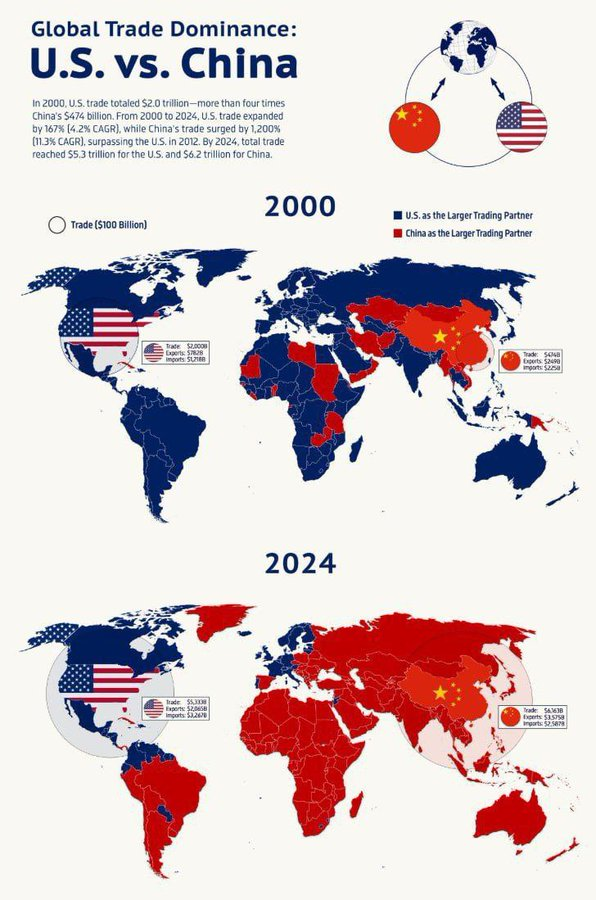 To end the week, there are no indications that either China or the U.S. is willing to sit down and resolve trade disputes, while new evidence mounts that dislocations in global trade have begun to emerge:
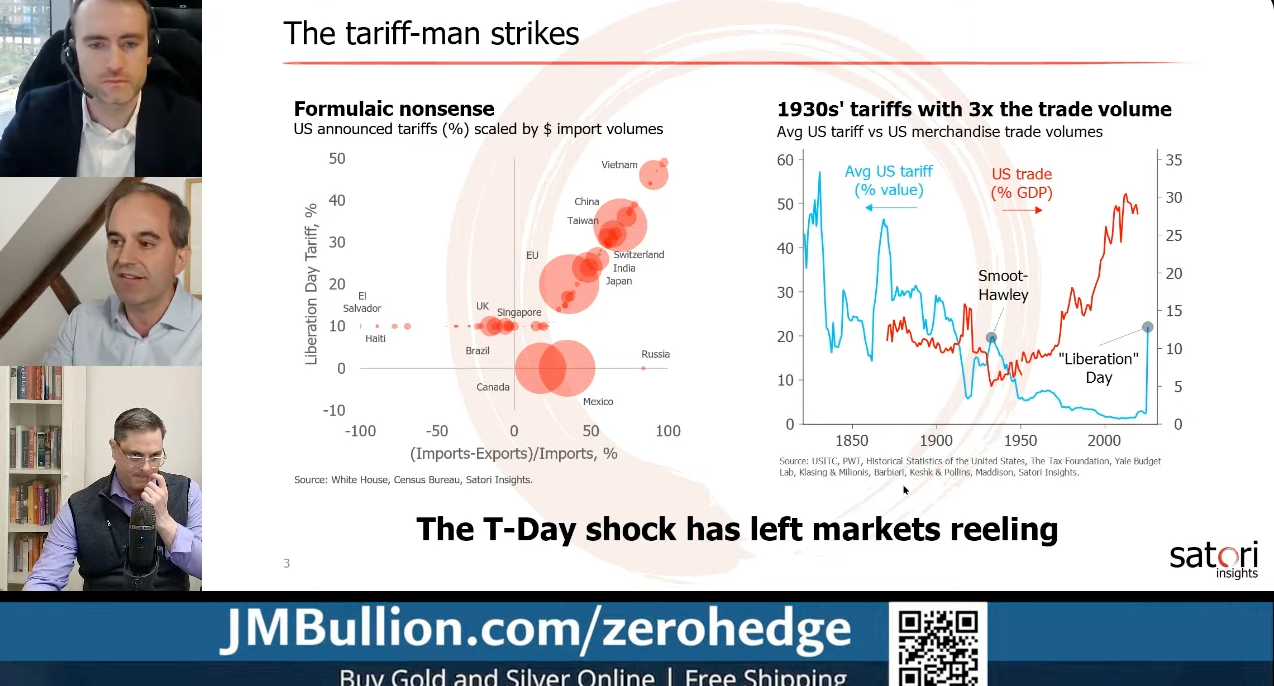 Continuing on the theme of global trade disruptions, Goldman analysts Dominic Wilson and Vickie Chang provided clients earlier with a note titled: Too Early for the "All Clear" that
 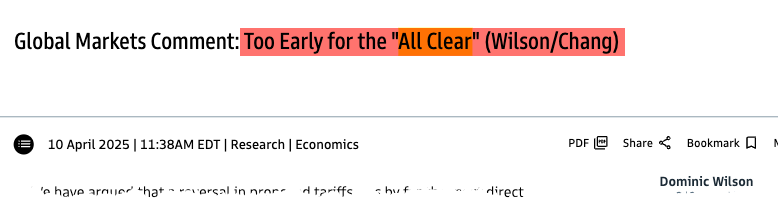 Substantial tariffs remain in place and the outcome even as it stands today looks considerably hawkish than was expected ahead of April 2. A simple thought experiment is to imagine that the current outcome—a 10% across the board tariff, a more than 100% China tariff, potential sectoral tariffs and large reciprocal tariffs to be implemented after a 90-day pause—had been announced. The implied roughly 15pp overall effective tariff rate increase would still have been a significant negative surprise to markets and its impact is still likely to be meaningful without further changes.
While the pause to reciprocal tariffs reduces some key tail risks, policy uncertainty remains very high, and businesses and consumers are likely to continue to be wary of making long-term commitments when the path of policy going forward remains very unclear.
Allocators are also likely to remain worried about the institutional and policy uncertainties that have led them to question their historic overweight in U.S. assets, while the recent price action has highlighted the risks both to longer-dated Treasury holdings and to the potential for simultaneous declines in U.S. equities and the USD that are especially painful for unhedged overseas investors. With some of the financial stress risk receding that often ultimately works to push the USD stronger (the left edge of the "dollar smile"), we think the case for ongoing USD weakness is intact, if not clearer.
The turmoil has revealed some cracks in the ability of the market to function effectively in the face of these kinds of large shocks. Confidence that Treasuries will provide an effective "safe haven" in periods of extreme risk is likely to have been dented and the back end of the UST curve could remain fragile.
What's clear is that global trade disruptions are emerging, and this risk suggests to Goldman analysts that it's still too early to give the "all clear" for markets.
As we were the first to warn this week - all eyes are on the Basis Trade blowing up (read
Substantial tariffs remain in place and the outcome even as it stands today looks considerably hawkish than was expected ahead of April 2. A simple thought experiment is to imagine that the current outcome—a 10% across the board tariff, a more than 100% China tariff, potential sectoral tariffs and large reciprocal tariffs to be implemented after a 90-day pause—had been announced. The implied roughly 15pp overall effective tariff rate increase would still have been a significant negative surprise to markets and its impact is still likely to be meaningful without further changes.
While the pause to reciprocal tariffs reduces some key tail risks, policy uncertainty remains very high, and businesses and consumers are likely to continue to be wary of making long-term commitments when the path of policy going forward remains very unclear.
Allocators are also likely to remain worried about the institutional and policy uncertainties that have led them to question their historic overweight in U.S. assets, while the recent price action has highlighted the risks both to longer-dated Treasury holdings and to the potential for simultaneous declines in U.S. equities and the USD that are especially painful for unhedged overseas investors. With some of the financial stress risk receding that often ultimately works to push the USD stronger (the left edge of the "dollar smile"), we think the case for ongoing USD weakness is intact, if not clearer.
The turmoil has revealed some cracks in the ability of the market to function effectively in the face of these kinds of large shocks. Confidence that Treasuries will provide an effective "safe haven" in periods of extreme risk is likely to have been dented and the back end of the UST curve could remain fragile.
What's clear is that global trade disruptions are emerging, and this risk suggests to Goldman analysts that it's still too early to give the "all clear" for markets.
As we were the first to warn this week - all eyes are on the Basis Trade blowing up (read 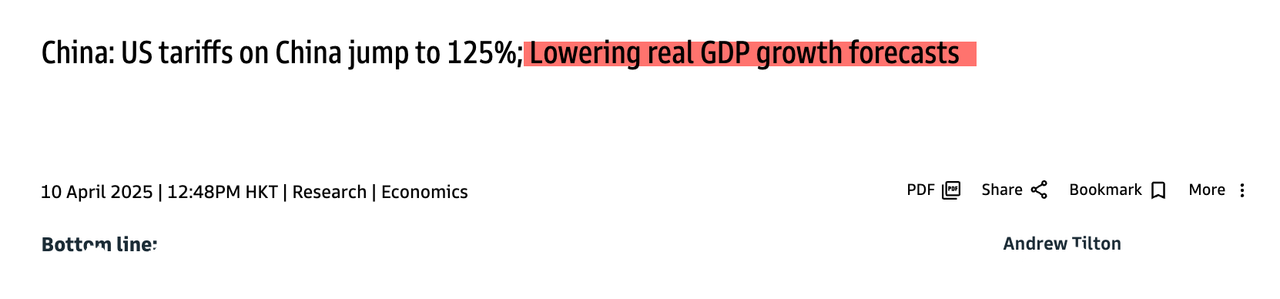 Tilton expects the Chinese government to ramp up easing support to offset tariff turmoil.
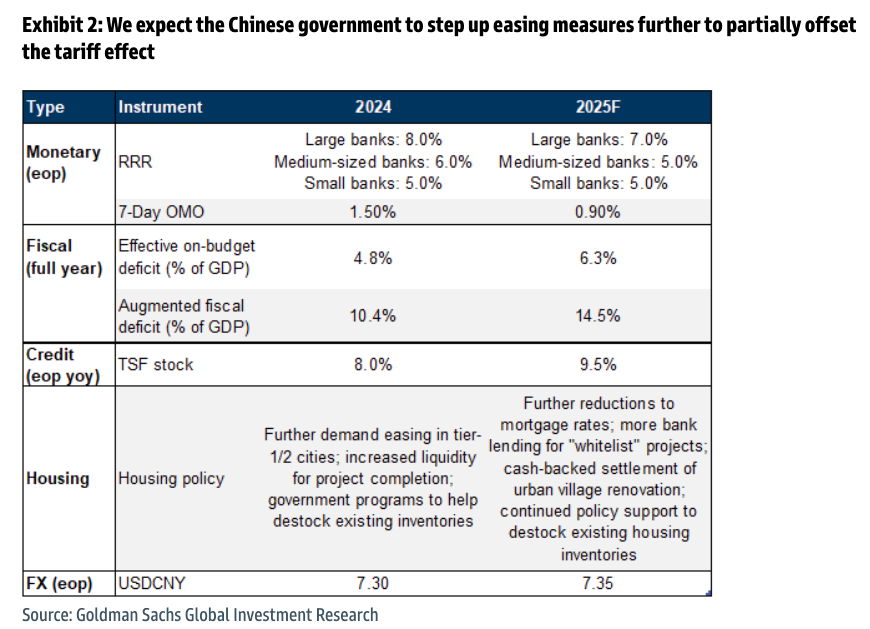 Despite a week of tit-for-tat trade wars, a spokesperson for China's commerce ministry reiterated that Beijing is open to negotiating with the U.S.
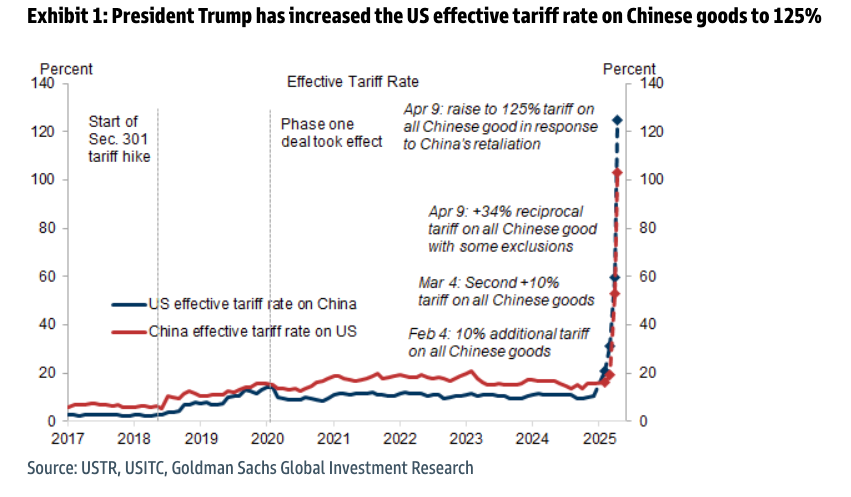 The question becomes how long China can weather the economic storm, given U.S. Treasury Secretary Scott Bessent's comments earlier this week, calling the Chinese economy "the most imbalanced economy in the history of the modern world, and I can tell you that this escalation is a loser for them." Hence, the PBoC is easing.
China also reiterated that it would continue to "resolutely counter-attack and fight to the end" if the trade war deepened.
The question becomes how long China can weather the economic storm, given U.S. Treasury Secretary Scott Bessent's comments earlier this week, calling the Chinese economy "the most imbalanced economy in the history of the modern world, and I can tell you that this escalation is a loser for them." Hence, the PBoC is easing.
China also reiterated that it would continue to "resolutely counter-attack and fight to the end" if the trade war deepened.


 Russia Strategy
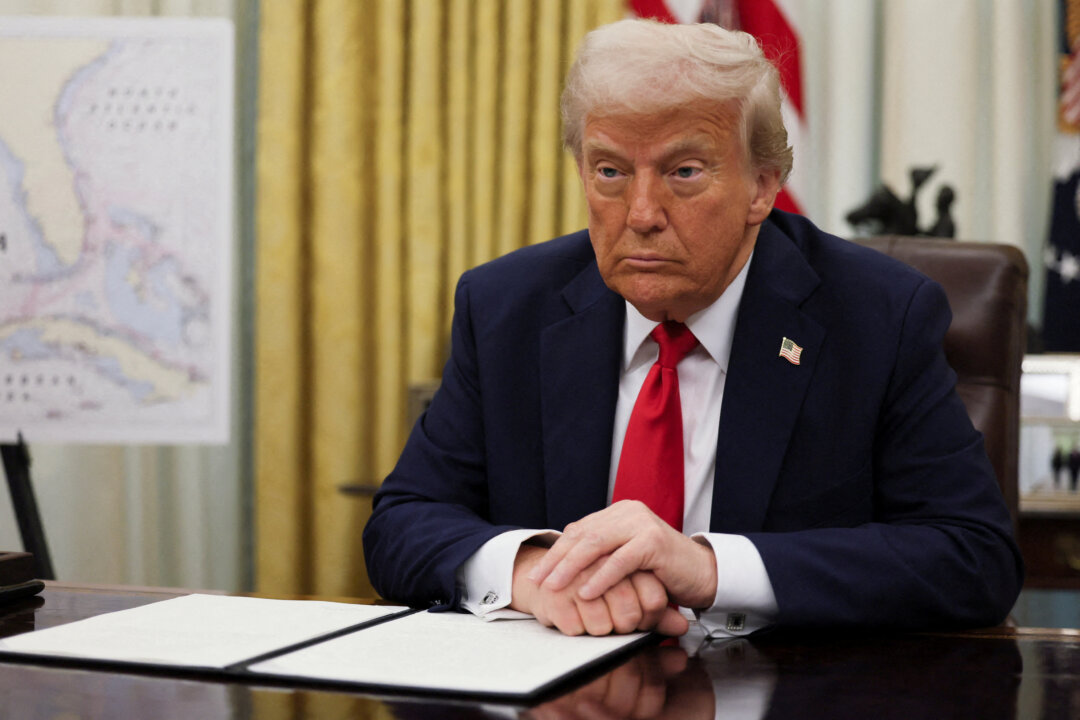
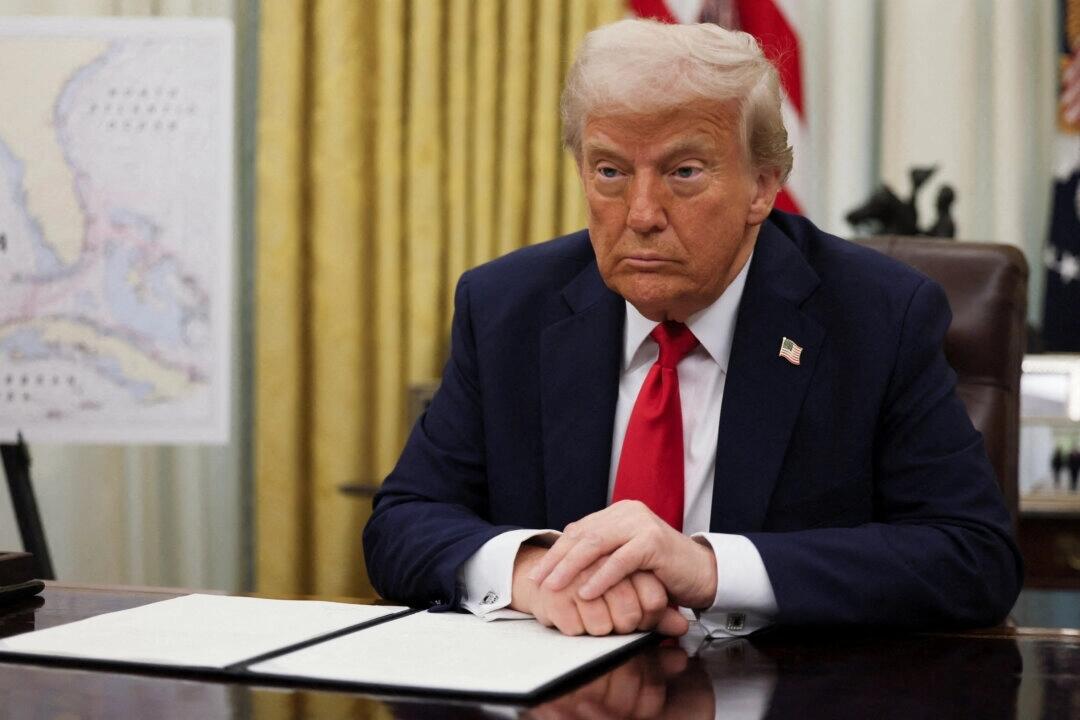
President Donald Trump is focused on quickly resolving the Russia–Ukraine conflict by providing Moscow with a way out while maintaining pressure on the CCP, which remains his main target. After taking office, he shifted U.S. policy toward Russia, incorporating a mix of incentives and some level of coercion, with a stronger emphasis on the former. This strategy has yielded positive results, initiating discussions for a cease-fire.
On Jan. 22, just days into his presidency, Trump
Russia Strategy
President Donald Trump is focused on quickly resolving the Russia–Ukraine conflict by providing Moscow with a way out while maintaining pressure on the CCP, which remains his main target. After taking office, he shifted U.S. policy toward Russia, incorporating a mix of incentives and some level of coercion, with a stronger emphasis on the former. This strategy has yielded positive results, initiating discussions for a cease-fire.
On Jan. 22, just days into his presidency, Trump 

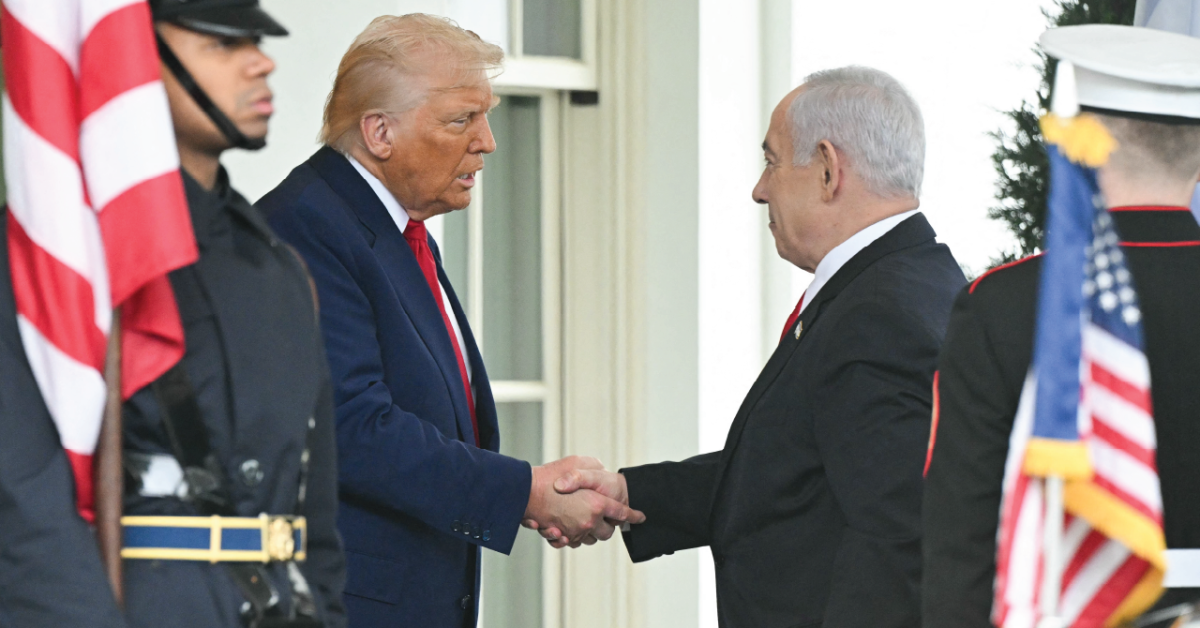
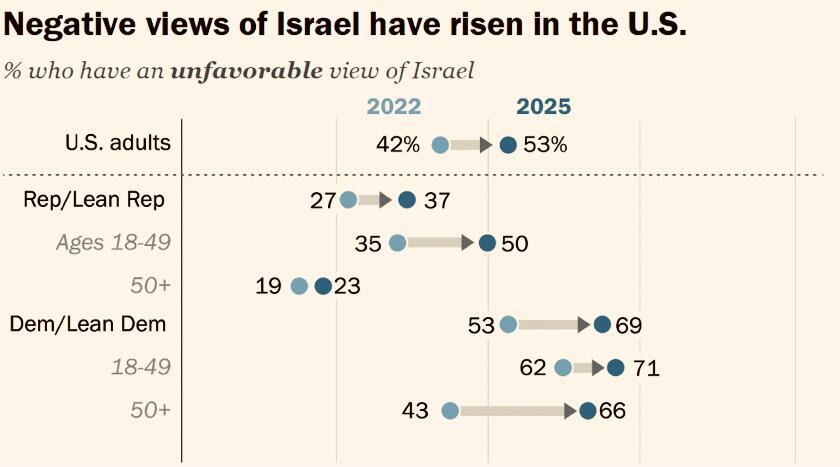 Extending back several years, support for Israel had started to sharply polarize along major-party lines, with Democrats' affinity for Israel plummeting while GOP support held relatively steady. In the
 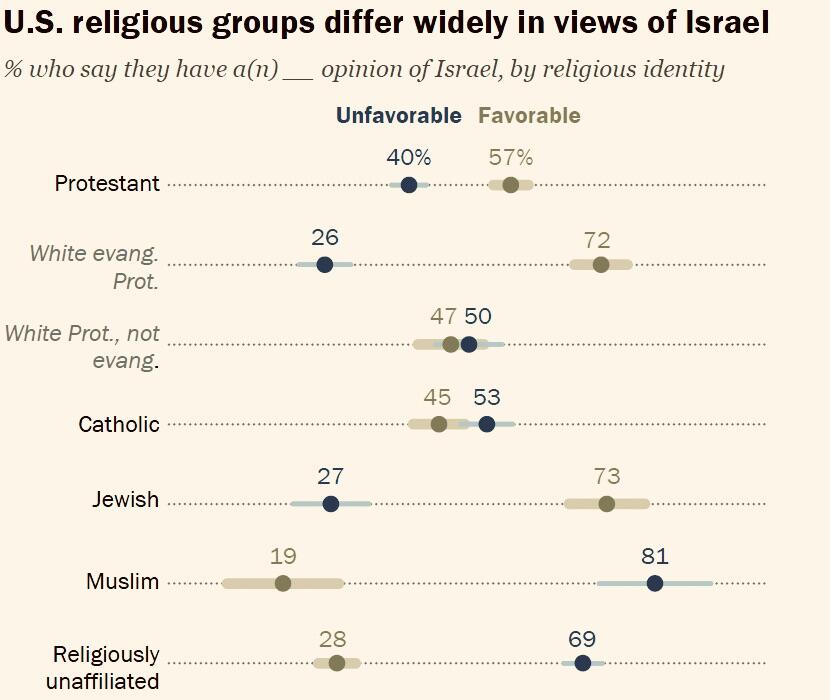 Pew's survey didn't probe the factors driving rising negative views of Israel, but it's safe to say the major shift springs from Israel's conduct of the war in Gaza. Beyond the war per se, the exposure of that war's horrors on social media platforms has also been decisive in our view, with Americans having access to raw portrayals of the bloodshed and suffering, including reporting from alternative and foreign media outlets that shines a light on the high civilian death toll, destruction of hospitals, mass-displacement from homes, hunger and disease.
An IDF soldier laughs and smashes up a shop in Jabalia refugee camp. The store will have been someone’s pride and joy, and a source of livelihood.
Such brutal cruelty without a second thought — carried out with pride and a camera.
Pew's survey didn't probe the factors driving rising negative views of Israel, but it's safe to say the major shift springs from Israel's conduct of the war in Gaza. Beyond the war per se, the exposure of that war's horrors on social media platforms has also been decisive in our view, with Americans having access to raw portrayals of the bloodshed and suffering, including reporting from alternative and foreign media outlets that shines a light on the high civilian death toll, destruction of hospitals, mass-displacement from homes, hunger and disease.
An IDF soldier laughs and smashes up a shop in Jabalia refugee camp. The store will have been someone’s pride and joy, and a source of livelihood.
Such brutal cruelty without a second thought — carried out with pride and a camera. 


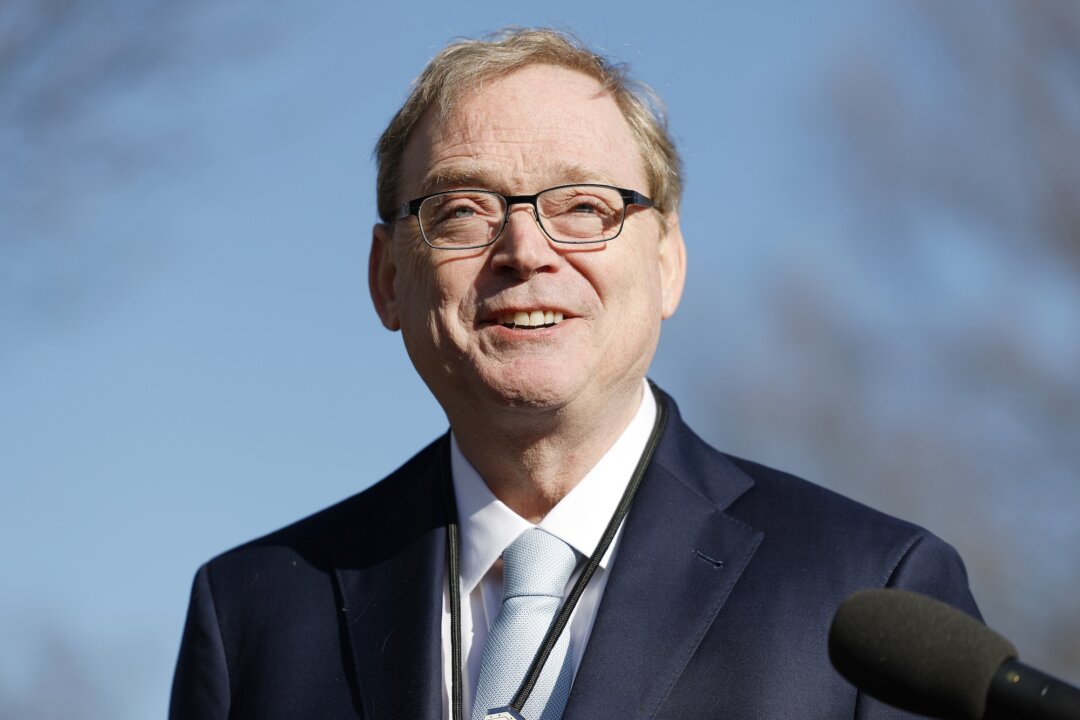
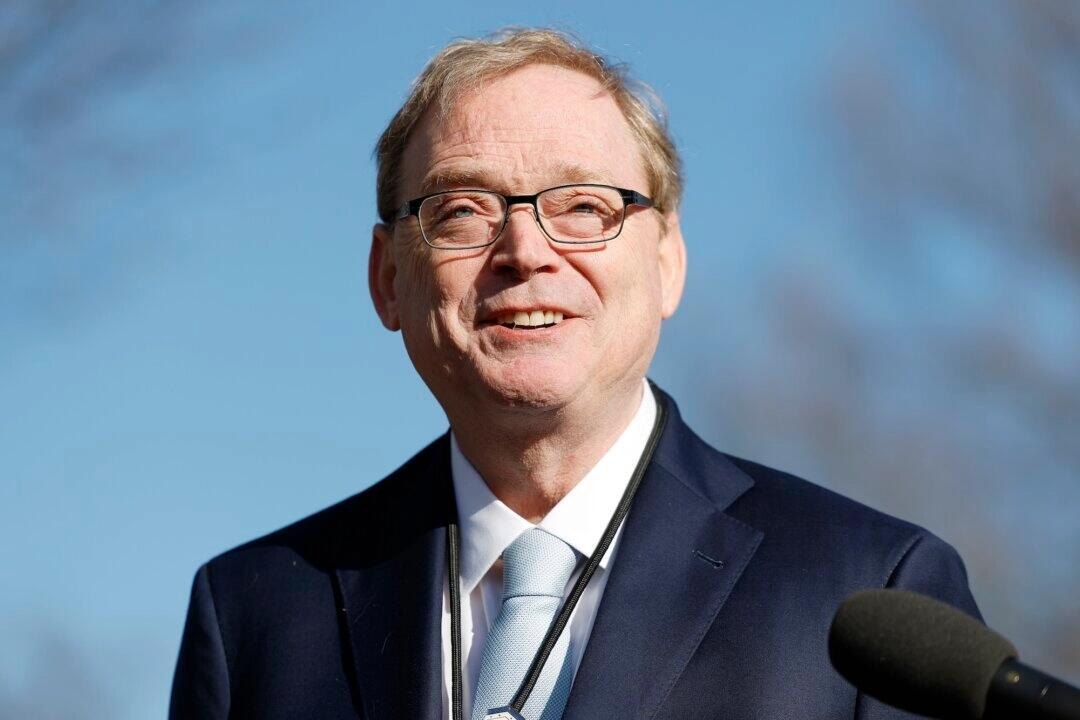 National Economic Council Director Kevin Hassett told reporters at the White House on Thursday that the Office of the U.S. Trade Representative “has informed us that there are maybe 15 countries now that have made explicit offers that we’re studying and considering and deciding whether they’re good enough to present [to] the president.”
In an interview with CNBC, Hassett on Thursday
National Economic Council Director Kevin Hassett told reporters at the White House on Thursday that the Office of the U.S. Trade Representative “has informed us that there are maybe 15 countries now that have made explicit offers that we’re studying and considering and deciding whether they’re good enough to present [to] the president.”
In an interview with CNBC, Hassett on Thursday 

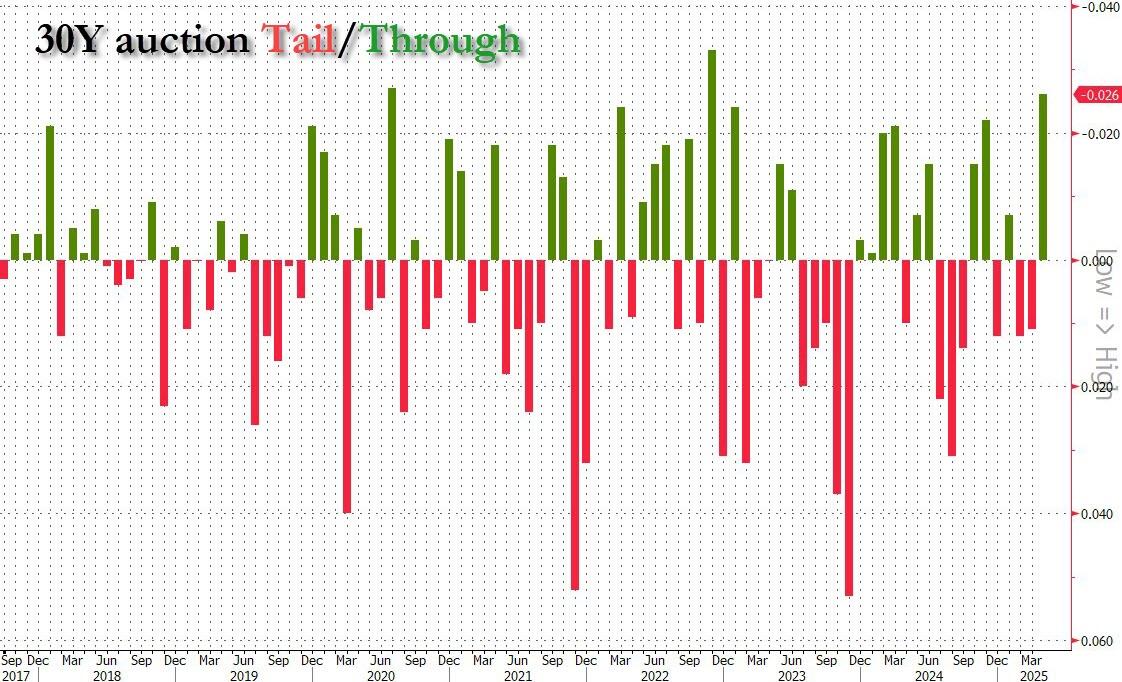 Looking at the bid to cover, no big surprises there: at 2.435, it was above last month's 2.366 but just below the recent average 2.47%.
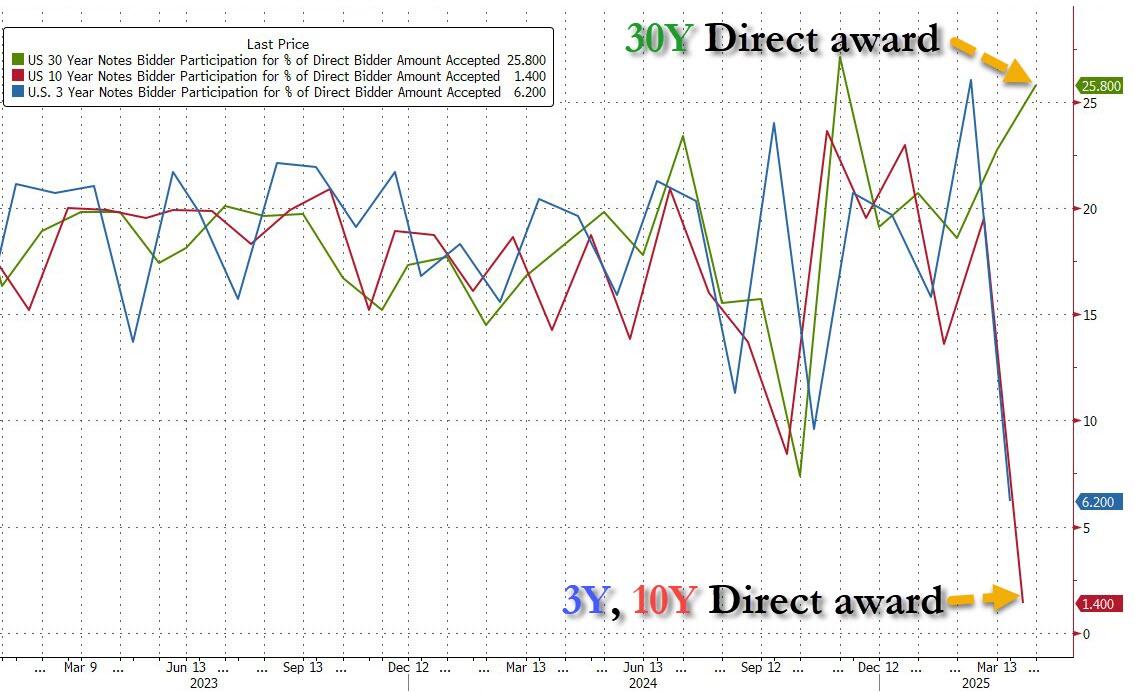
But it was the internals that were the big story again: while Indirects were awarded 61.88%, or roughly the same as last month's 60.45%, below the recent average 67.0%, and hardly an upside outlier like yesterday's record Indirect award to the 10Y auction, it was the Directs that everyone was looking at again because as we noted earlier today, the Basis Trade is blowing out again.
Basis trade resumes rapid unwind
Looking at the bid to cover, no big surprises there: at 2.435, it was above last month's 2.366 but just below the recent average 2.47%.
But it was the internals that were the big story again: while Indirects were awarded 61.88%, or roughly the same as last month's 60.45%, below the recent average 67.0%, and hardly an upside outlier like yesterday's record Indirect award to the 10Y auction, it was the Directs that everyone was looking at again because as we noted earlier today, the Basis Trade is blowing out again.
Basis trade resumes rapid unwind 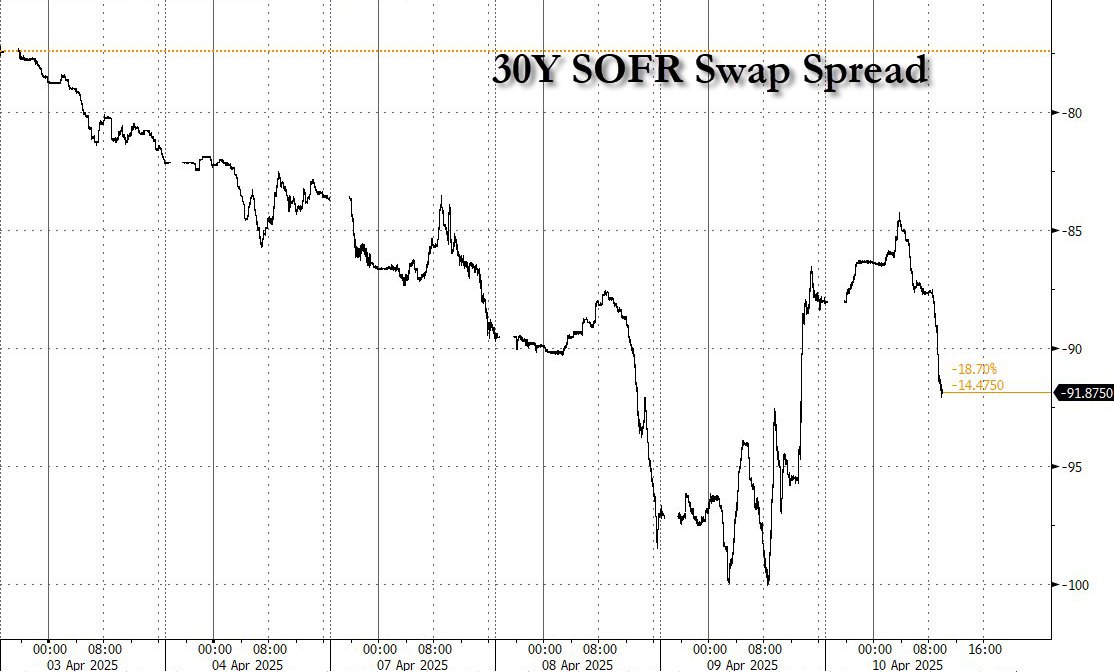
 The market reaction was curious: while yields dropped modestly amid relief there was not major challenges to digesting the sale of long-dated paper, stocks plunged, with spoos tumbling from 5300 to below 5200 in minutes, in what appears to have been disappointment that yields arent going to blow out and force the Fed to step in and bailout the market sooner!
Then again, since the Fed continues to allow the unwind of the basis trade (just look at the ongoing collapse in the swap spreads) we are confident that stocks will have more than enough opportunities to blow up the bond market and force Powell to finally panic.
The market reaction was curious: while yields dropped modestly amid relief there was not major challenges to digesting the sale of long-dated paper, stocks plunged, with spoos tumbling from 5300 to below 5200 in minutes, in what appears to have been disappointment that yields arent going to blow out and force the Fed to step in and bailout the market sooner!
Then again, since the Fed continues to allow the unwind of the basis trade (just look at the ongoing collapse in the swap spreads) we are confident that stocks will have more than enough opportunities to blow up the bond market and force Powell to finally panic.
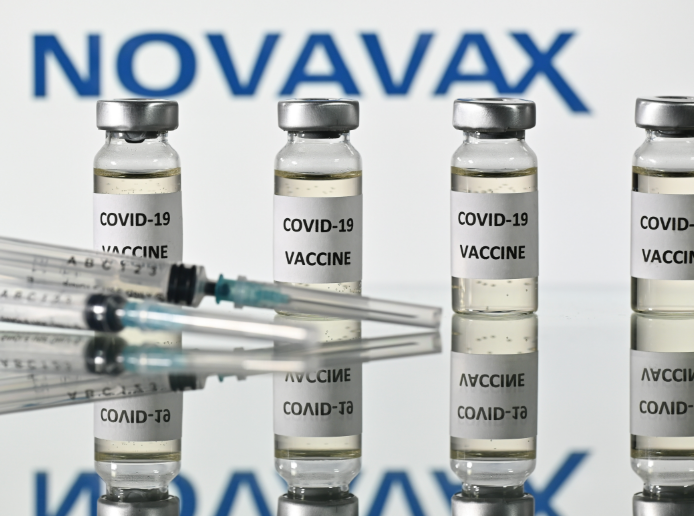 RFK Jr. told LaPook that Novavax's shot targets just one piece of the virus, an approach he said has "never worked" for respiratory illnesses:
We're looking at that vaccine, and it is a single-antigen vaccine. And, for respiratory illnesses, the single-antigen vaccines have never worked and we're actually shifting our priorities to multiple-antigen vaccines. And NIH is already working on a number of those.
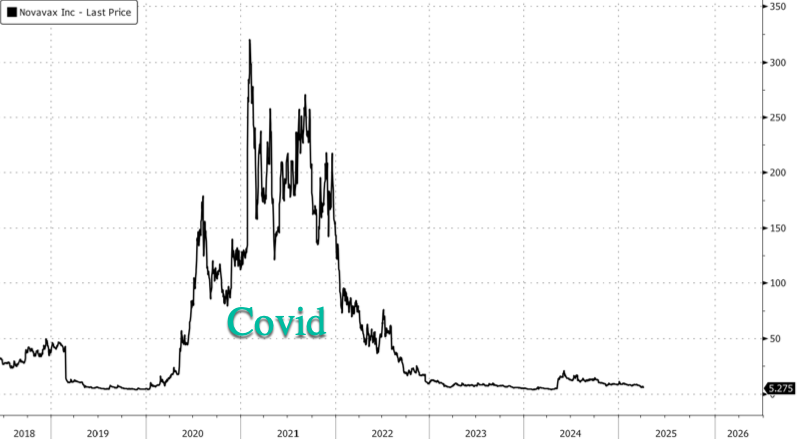
RFK Jr.'s comments sent Novavax shares into a tailspin, plunging 24% during late-morning trading in New York. The stock has already suffered steep losses in recent years, falling back to pre-pandemic lows after the pandemic ended.
RFK Jr. told LaPook that Novavax's shot targets just one piece of the virus, an approach he said has "never worked" for respiratory illnesses:
We're looking at that vaccine, and it is a single-antigen vaccine. And, for respiratory illnesses, the single-antigen vaccines have never worked and we're actually shifting our priorities to multiple-antigen vaccines. And NIH is already working on a number of those.
RFK Jr.'s comments sent Novavax shares into a tailspin, plunging 24% during late-morning trading in New York. The stock has already suffered steep losses in recent years, falling back to pre-pandemic lows after the pandemic ended.
 "Novavax's shot is already on the market under a conditional approval. It's awaiting from the Food and Drug Administration a full approval that was expected April 1,"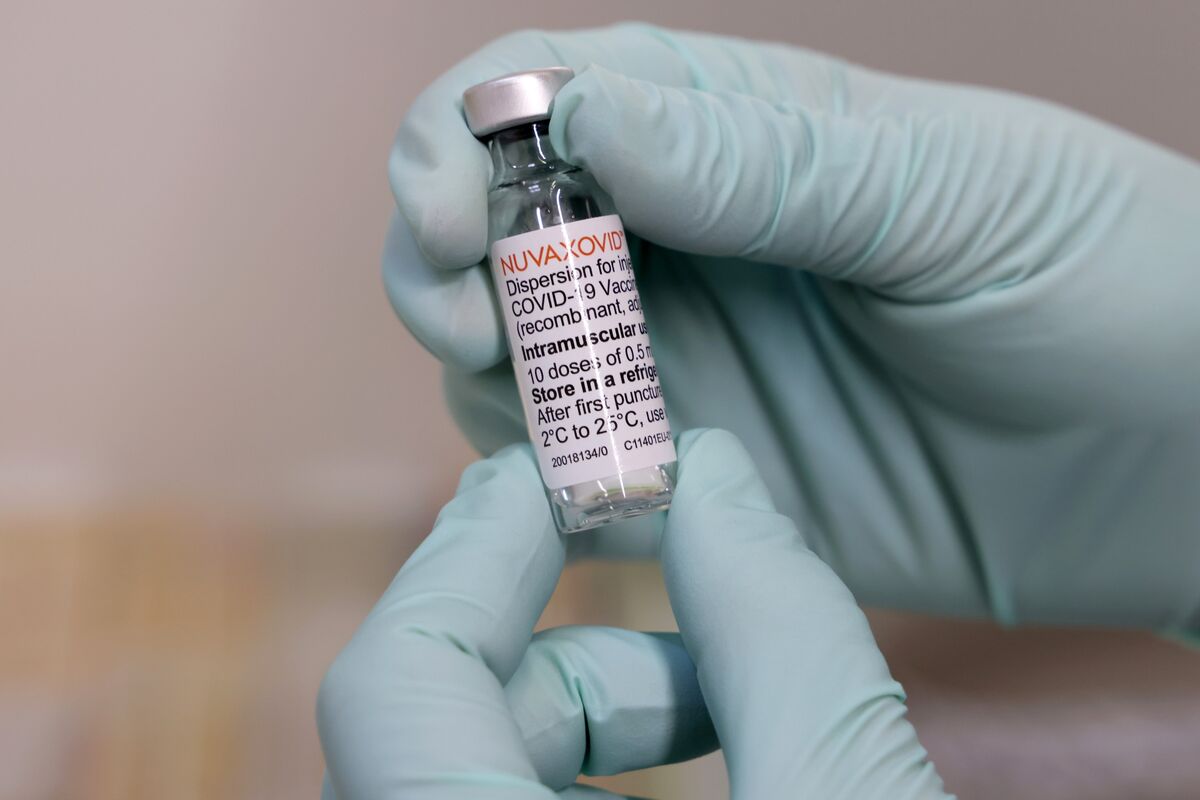
 . . .
. . .