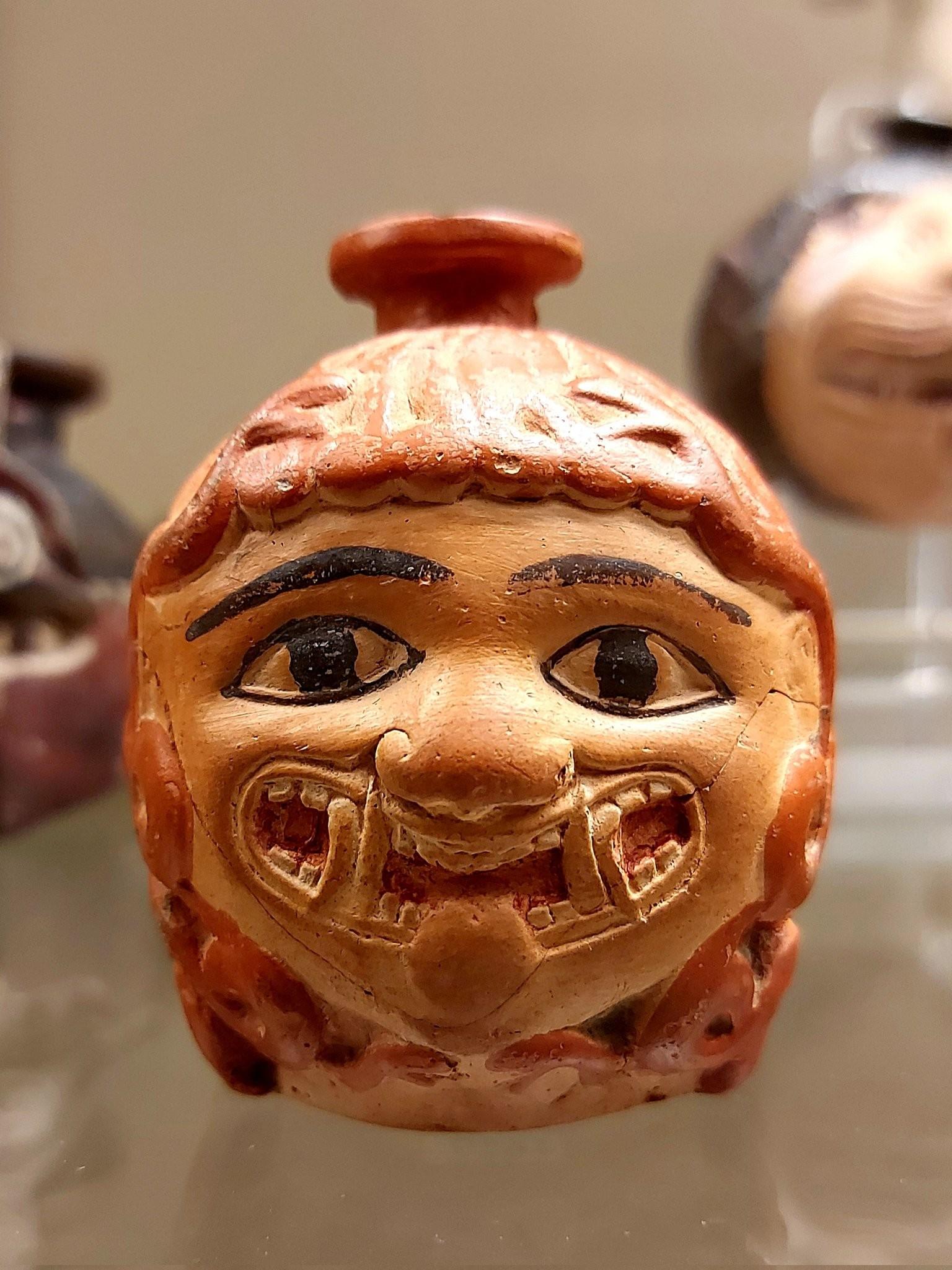
An aryballos in the shape of Medusa's head. The vessel was used to hold perfumes oil. Medusa was a mythical creature whose sight turned everyone to stone. Her head was a popular motif and used to ward off any evil. From Vulci, 6th c. BC. On display at British Museum. 📷 me #archaeology image
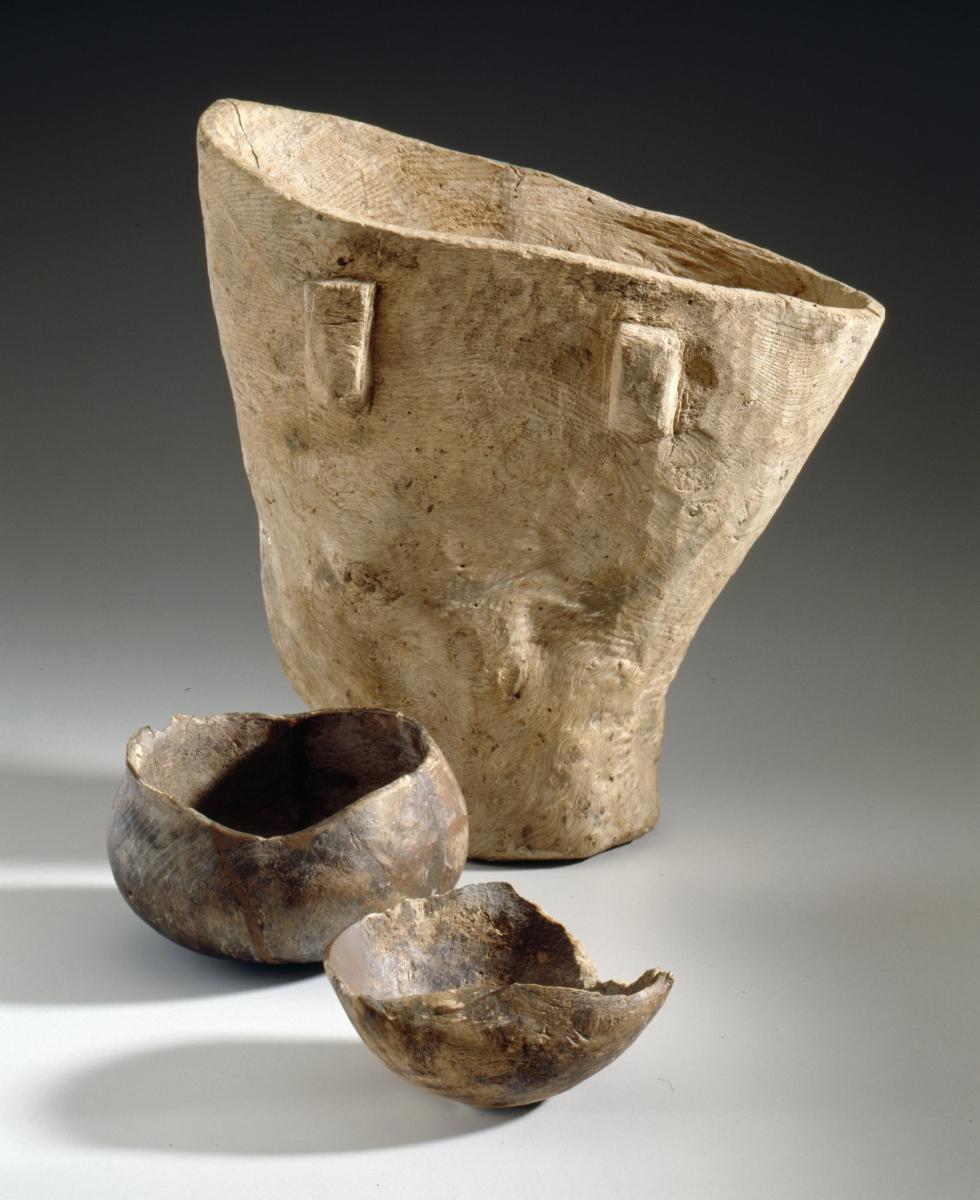
The waterlogged, anaerobic environment within prehistoric pile dwellings provided ideal conditions for the preservation of organic materials like #wood. This bucket-like vessel made of oak wood and two smaller bowls (maple and ash wood) were found in In Reute Schorrenried. Dating 3900-3500 BC. #archaeology image
This one never gets old. #Epiphany image
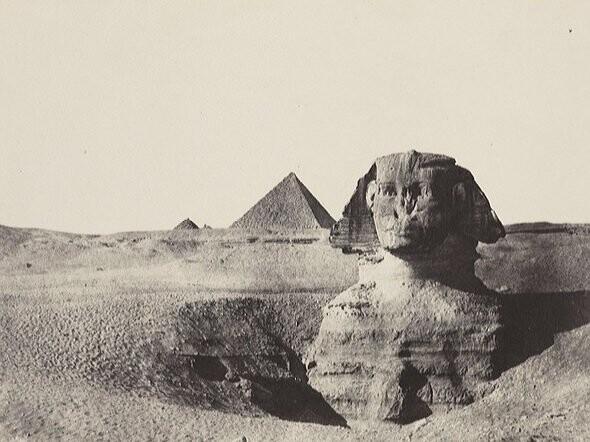
The Sphinx and the Pyramids of #Giza, photographed by Maxime du Camp in 1849. The chest area of the Sphinx had only recently been uncovered, previously the statue was covered with sand up to the shoulders. image
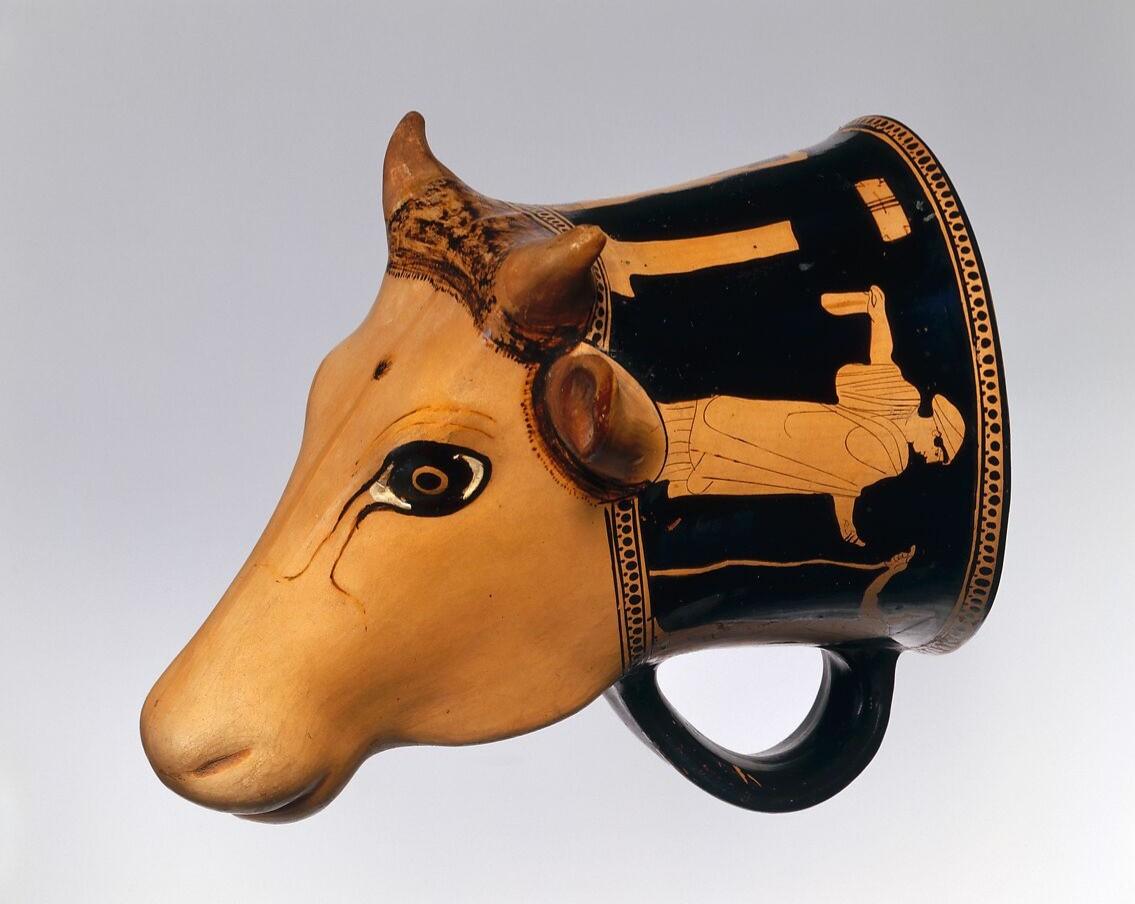
I think we all need a timeline cleanse right now…. An adorable #Greek rhyton in the shape of a #cow's head. Vessels such as this one were used in drinking parties. Since they didn't have a base, their contents had to be consumed before the vessel could be put down Dating ca. 460 BC. Photo: Metropolitan Museum of Art #archaeology image
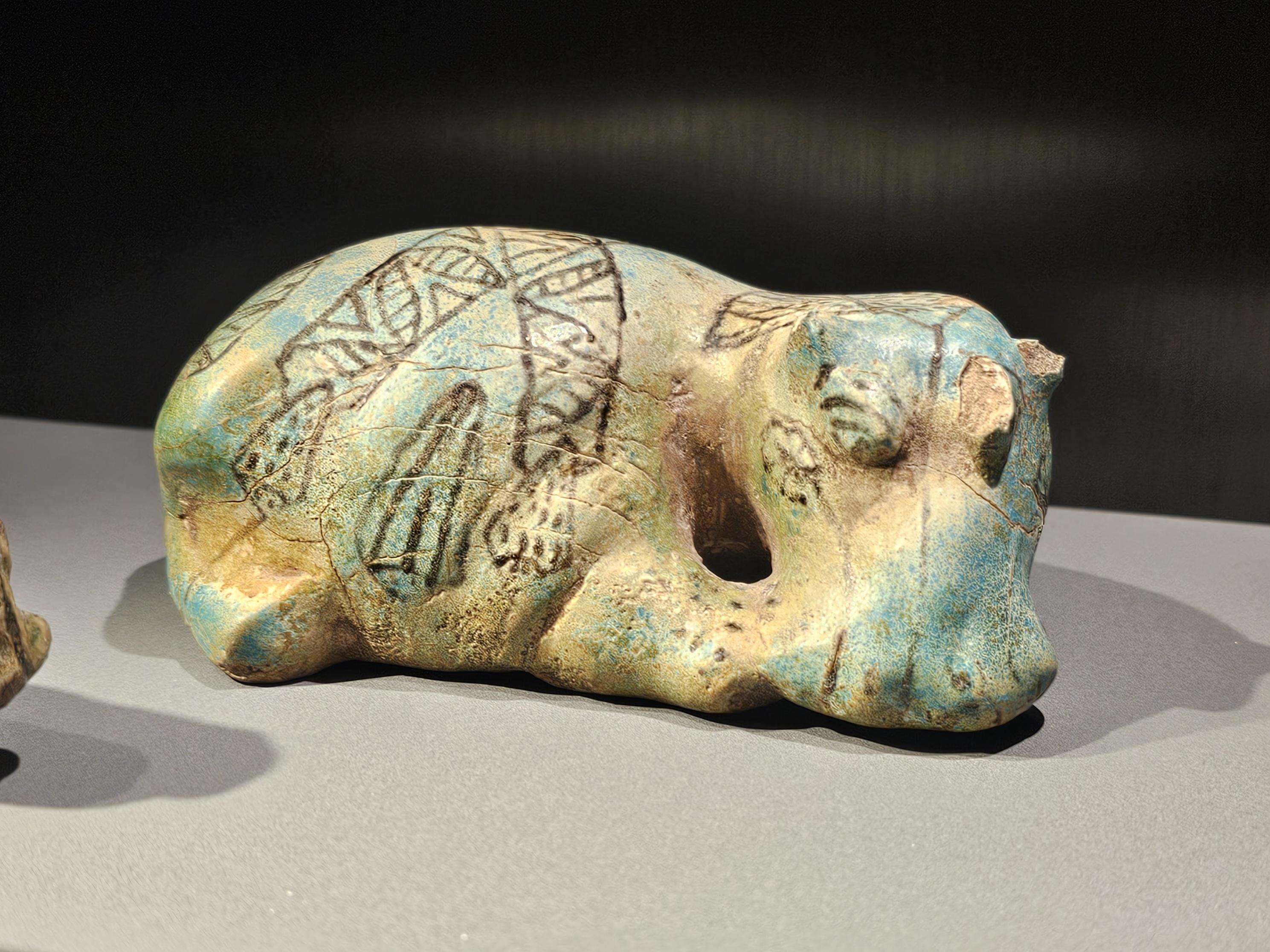
An adorable Egyptian figurine: a resting hippo, painted with Nile flora in black lines, evoking the lush riverbanks where hippos lived. In Egyptian culture, hippos were generally associated with life, fertility, and rebirth. Dating around 1900 BC. On display at Staatliches Museum für Ägyptische Kunst, München 📷 me image
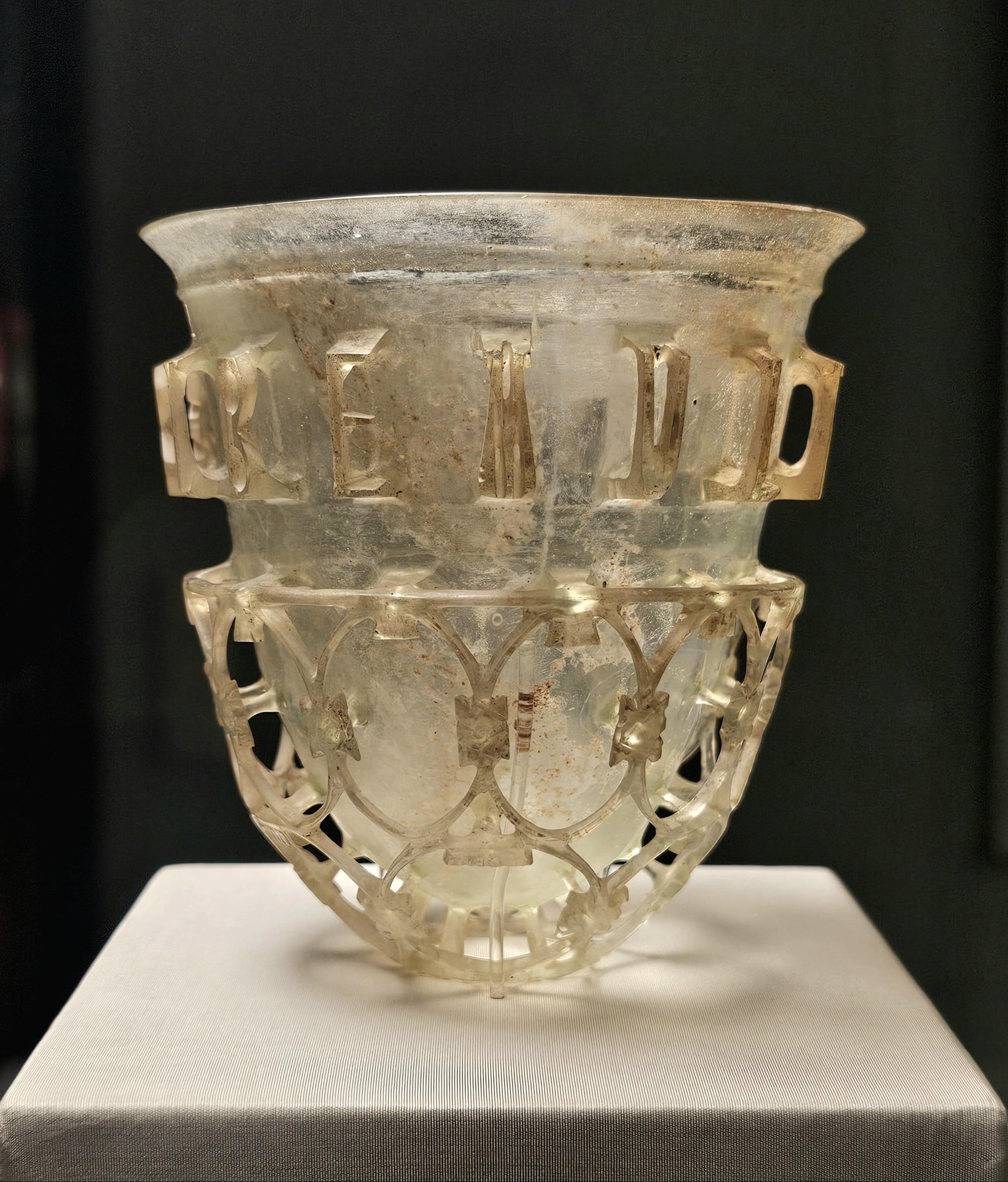
As 2026 approaches a happy new year's toast to you all with this marvellous 4th century Roman cage-cup, which bears an inscription, a toast that reads: BIBE MULTIS ANNIS - Drink for many years! Cheers and here's to a far better year in 2026! 🥂 #NewYear2026 🍀 image
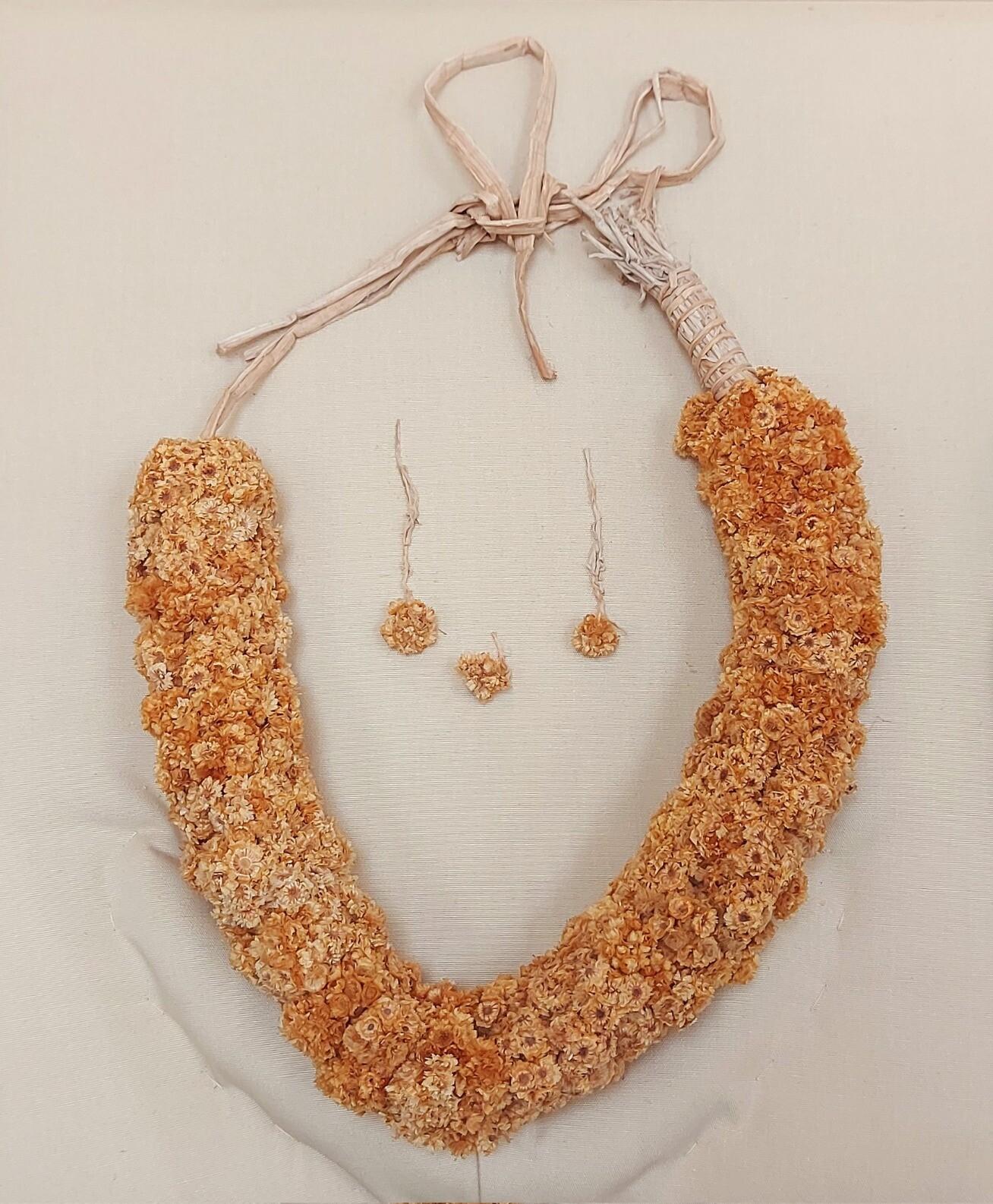
This funerary wreath is made of everlasting flowers (Helichrysum stoechas) and is more than 1,700 years old! It was found in a tomb of the #Roman period in Hawara/#Egypt and has survived due to Egypt's dry climate. Dating 2nd/3rd c. AD. On display at British Museum 📷 me #archaeology image
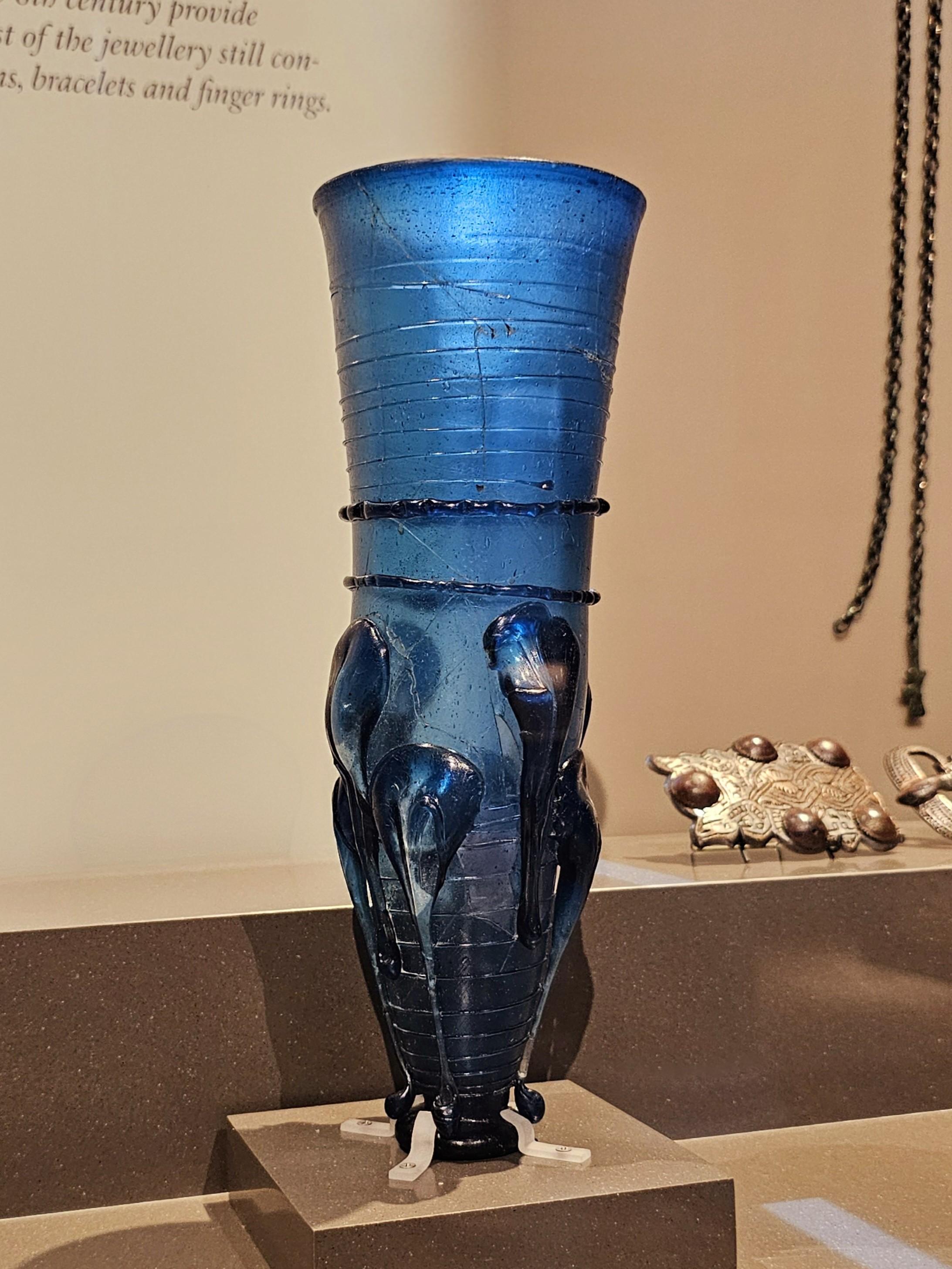
An early medieval claw beaker from Nettersheim. Claw beakers, so named for the applied "claws" attached to their bodies, were prevalent during the 6th and 7th centuries. Fun fact: in German, these vessels are called Rüsselbecher - trunk beaker On display at Neues Museum Berlin 📷me #archaeology image
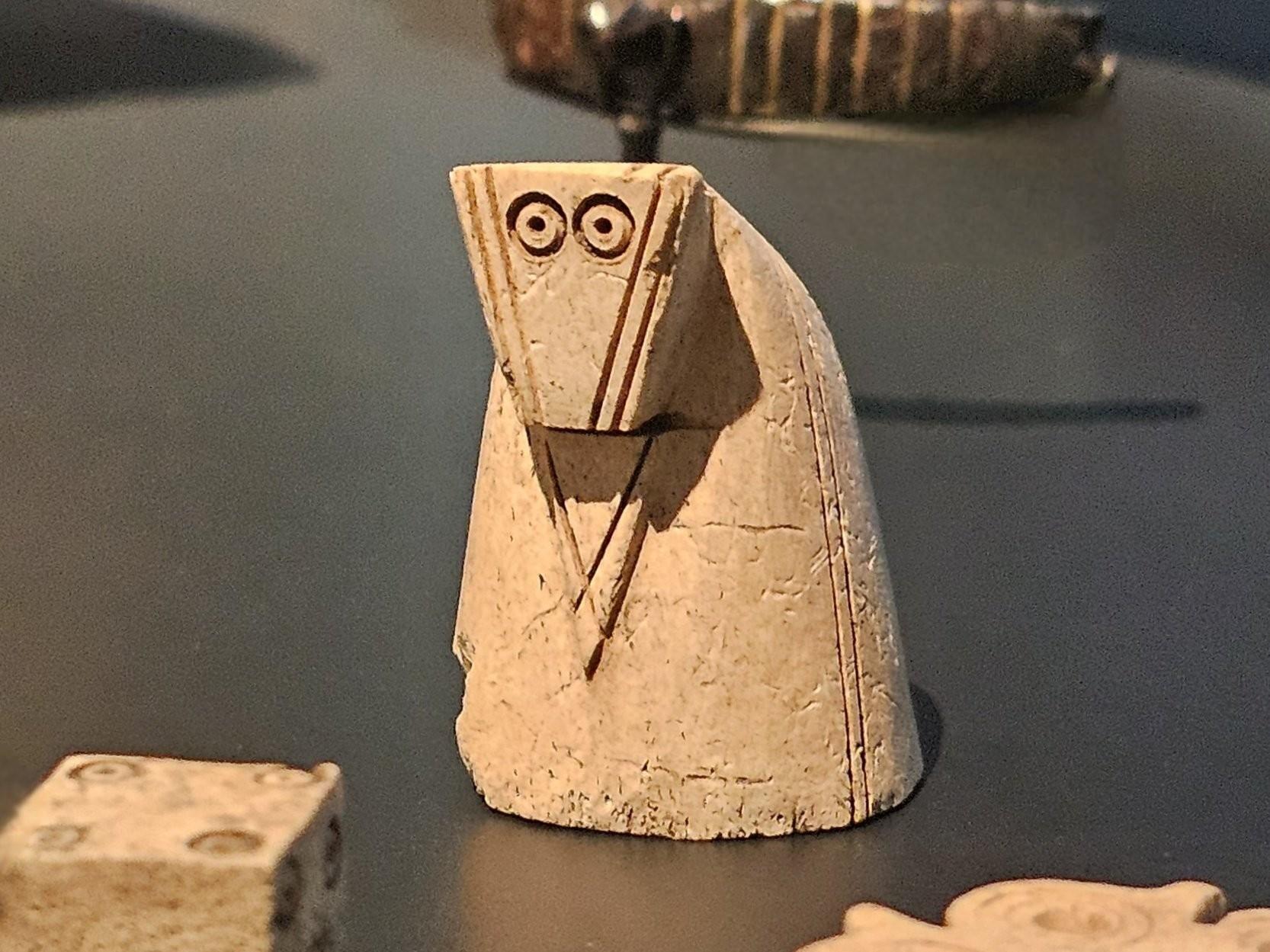
The most adorable chess piece ever! A knight, made of antler. Dating 11/12th century Found at the Burgstein, Lichtenstein-Holzelfingen. 📷 me #archaeology image