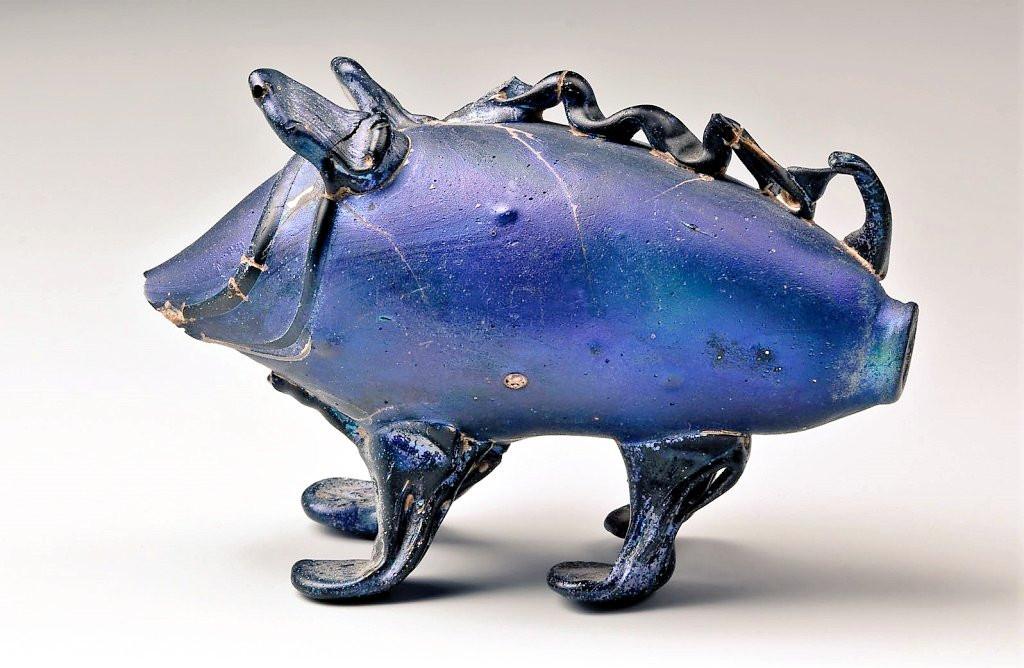
One of my most favourite glass vessels: A marvellous Roman vessel in the form of a pig, made of blue glass. It was used to hold ointment or perfume. Found in a burial in Cologne. Dating late 2nd/early 3rd century AD 📷 Römisch-Germanisches Museum Köln #archaeology #romanarchaeology image
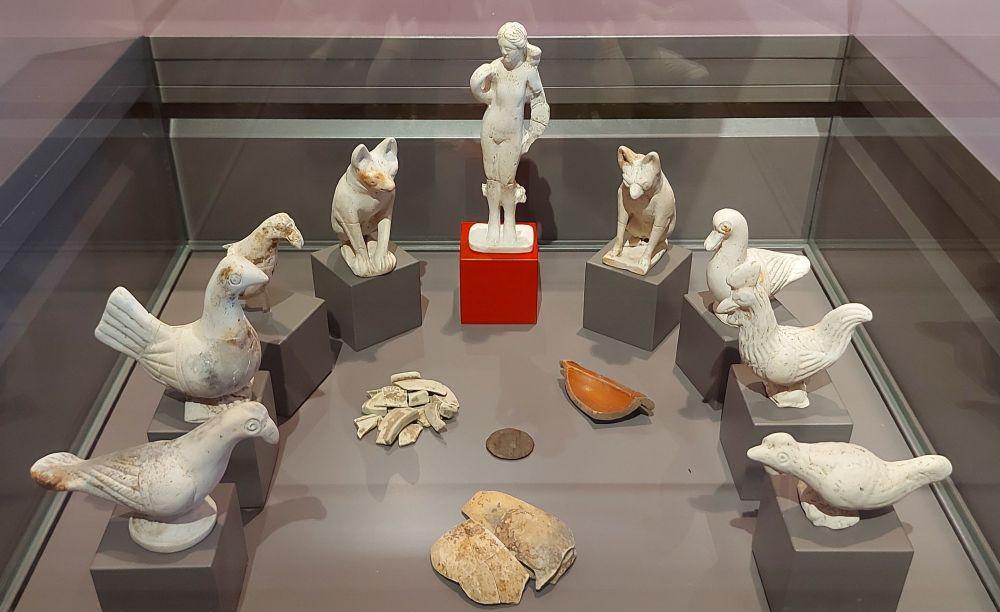
Some 1,900 years ago a child was buried with an array of terracotta figurines in the #Roman town of Arae Flaviae, #Rottweil: 2 pigeons, 2 dogs, 2 roosters, a chicken, a duck, and a female figure, commonly identified as Iuventas, the personification of youth. Rather than being toys, the figurines had religious or protective purpose, a kind of companions or guides for the child in afterlife. On display at Dominikanermuseum Rottweil. 📷 me #archaeology #romanarchaeology image
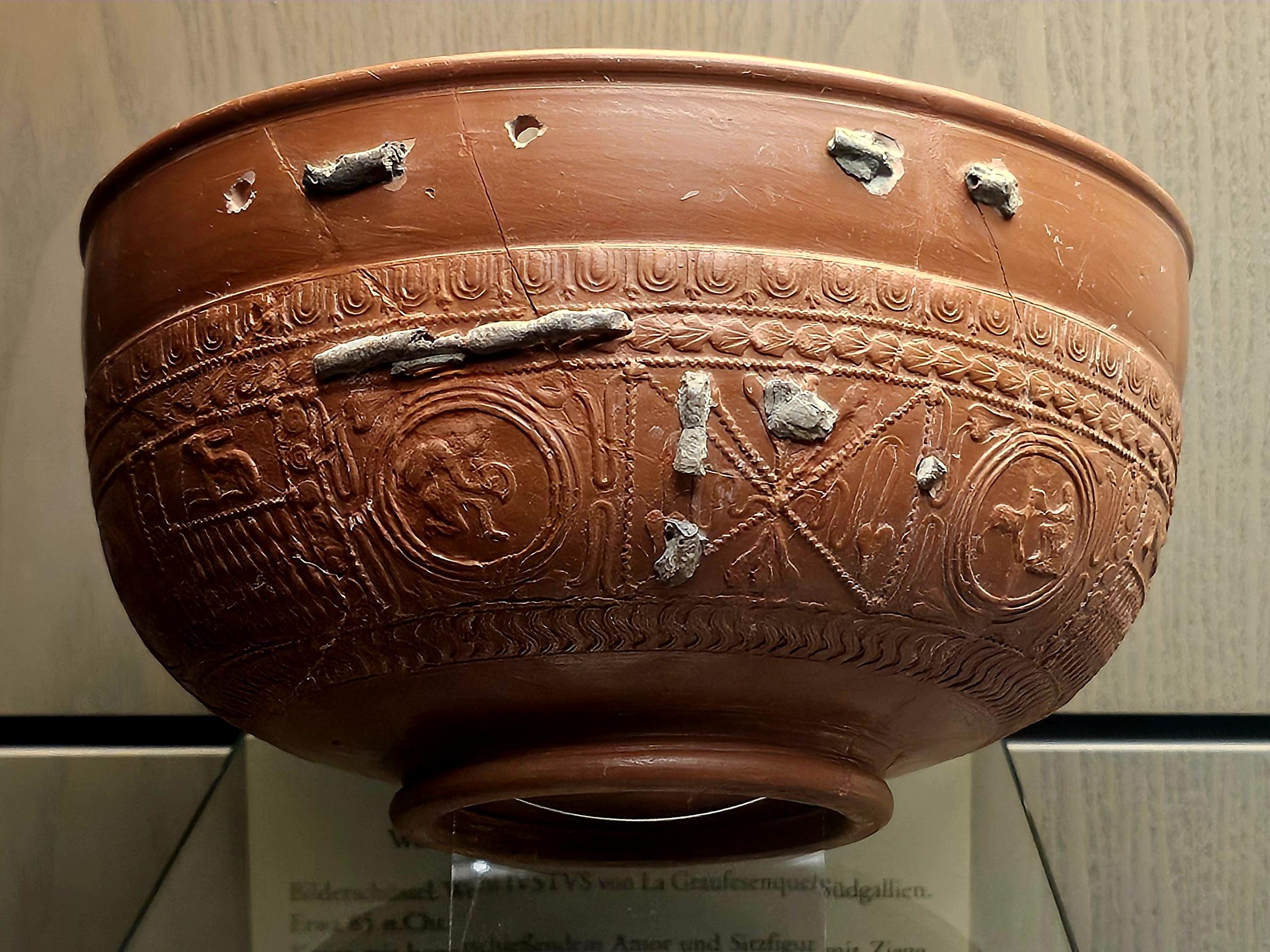
Fascinating glimpse into everyday Roman life: This samian ware bowl was repaired with lead rivets — clear evidence that it was valued enough to mend rather than discard. The repair reflects either the practical mindset and economic realities of a Roman household, or it may have been a cherished item, kept and cared for because of its personal significance. Found in Ladenburg, dating 1st century AD. On display at Lobdengau-Museum. 📷 me #archaeology #romanarchaeology image
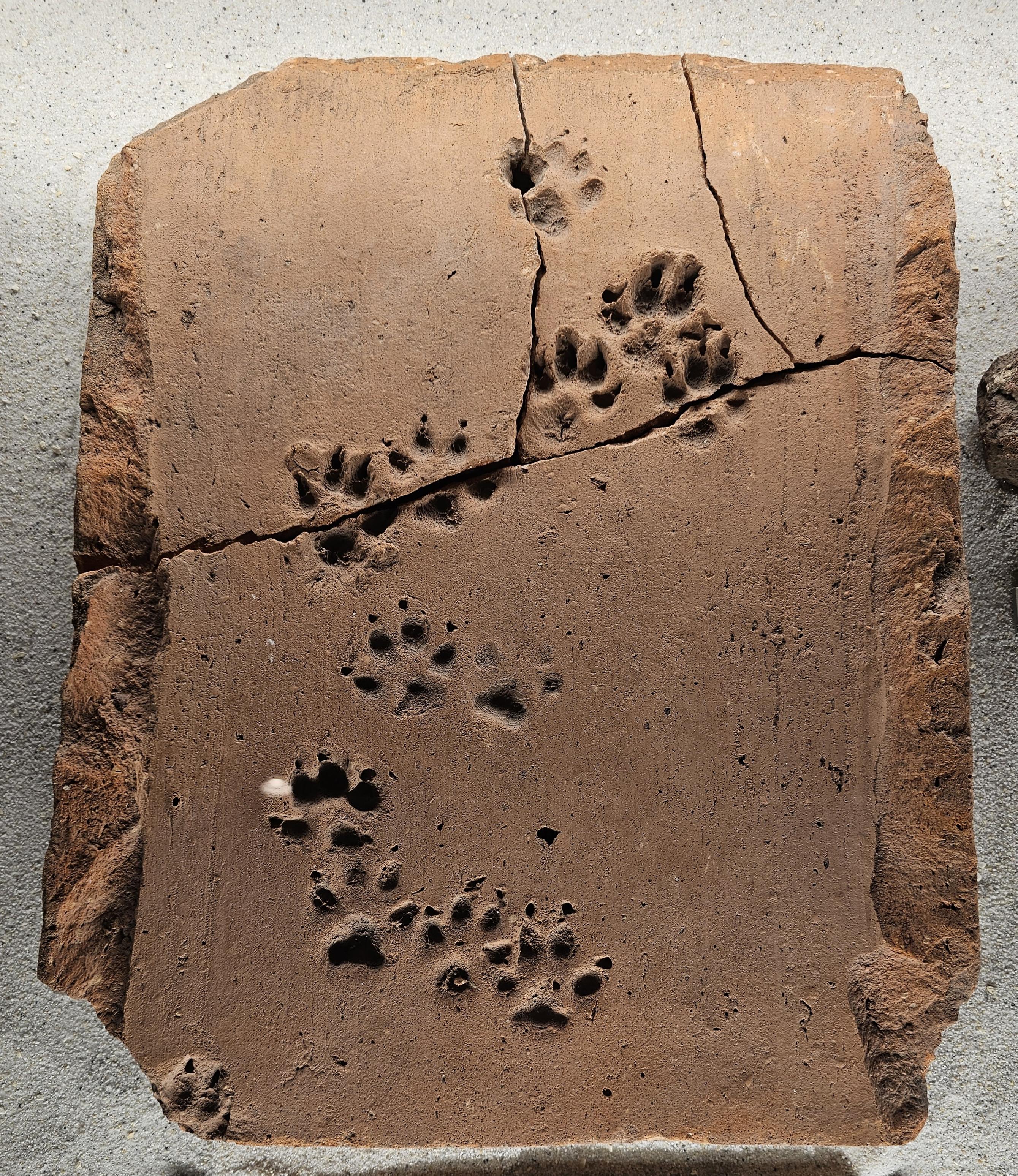
Moments in time captured in fired clay! Somewhere in a Roman brickyard, around 1800 years ago, a fresh tile was drying peacefully ahead of firing - until a small dog trotted straight across it. Centuries later, the tile has made it into a museum: not because of an emperor or a legion, but thanks to one dog who accidentally walked his way into history. Found in Ladenburg, on display at Lobdengau-Museum. 📷me image
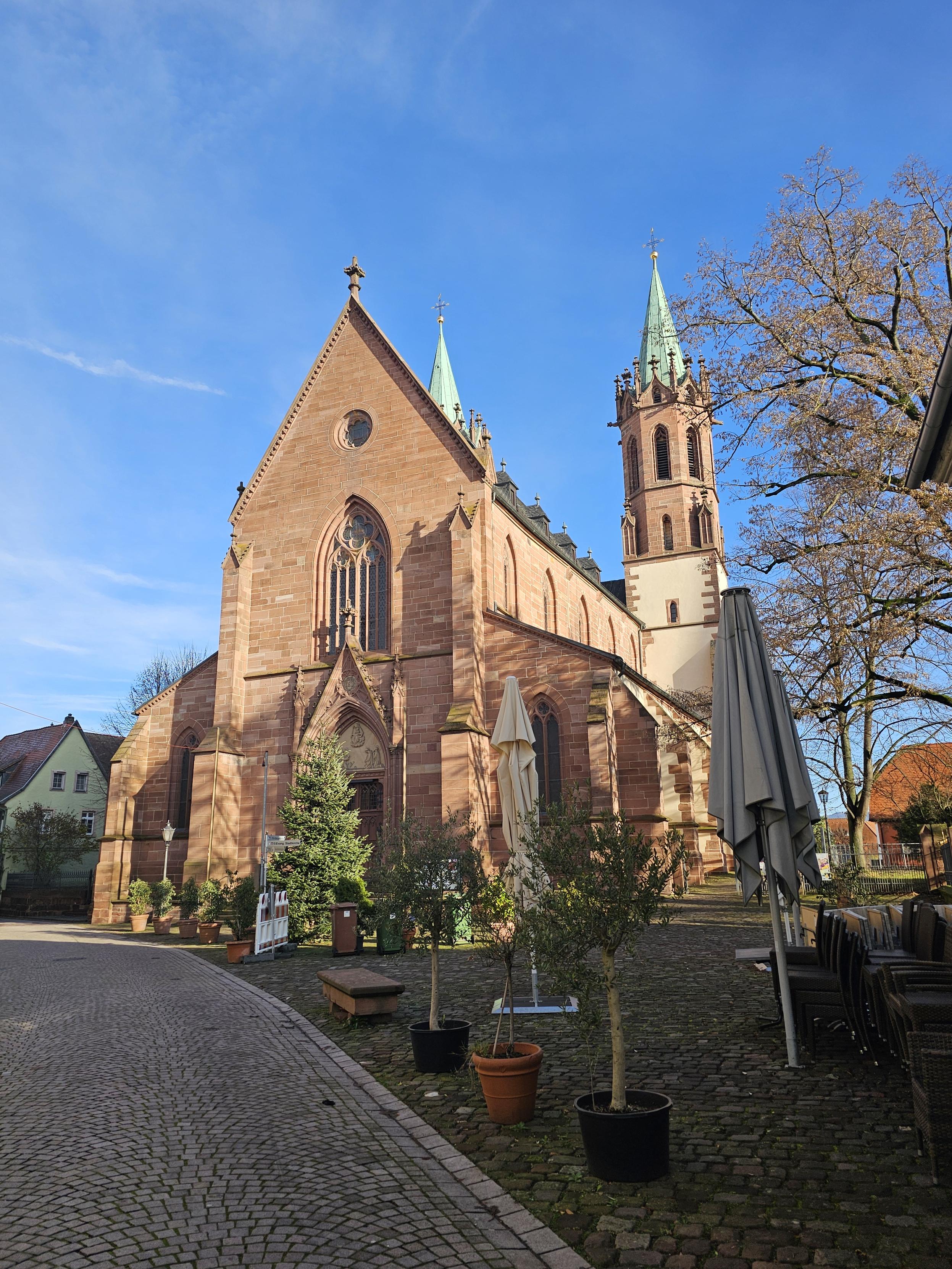
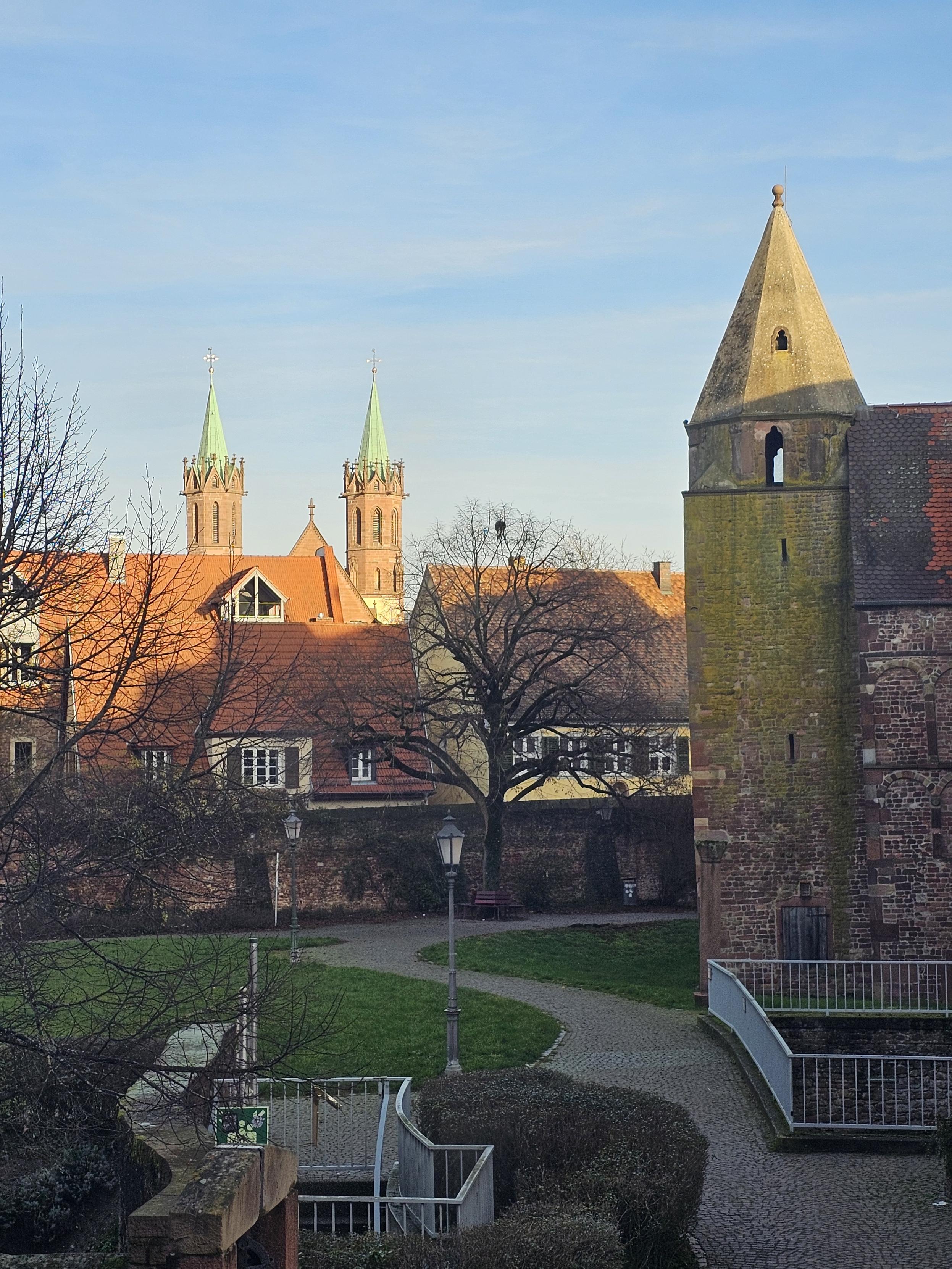
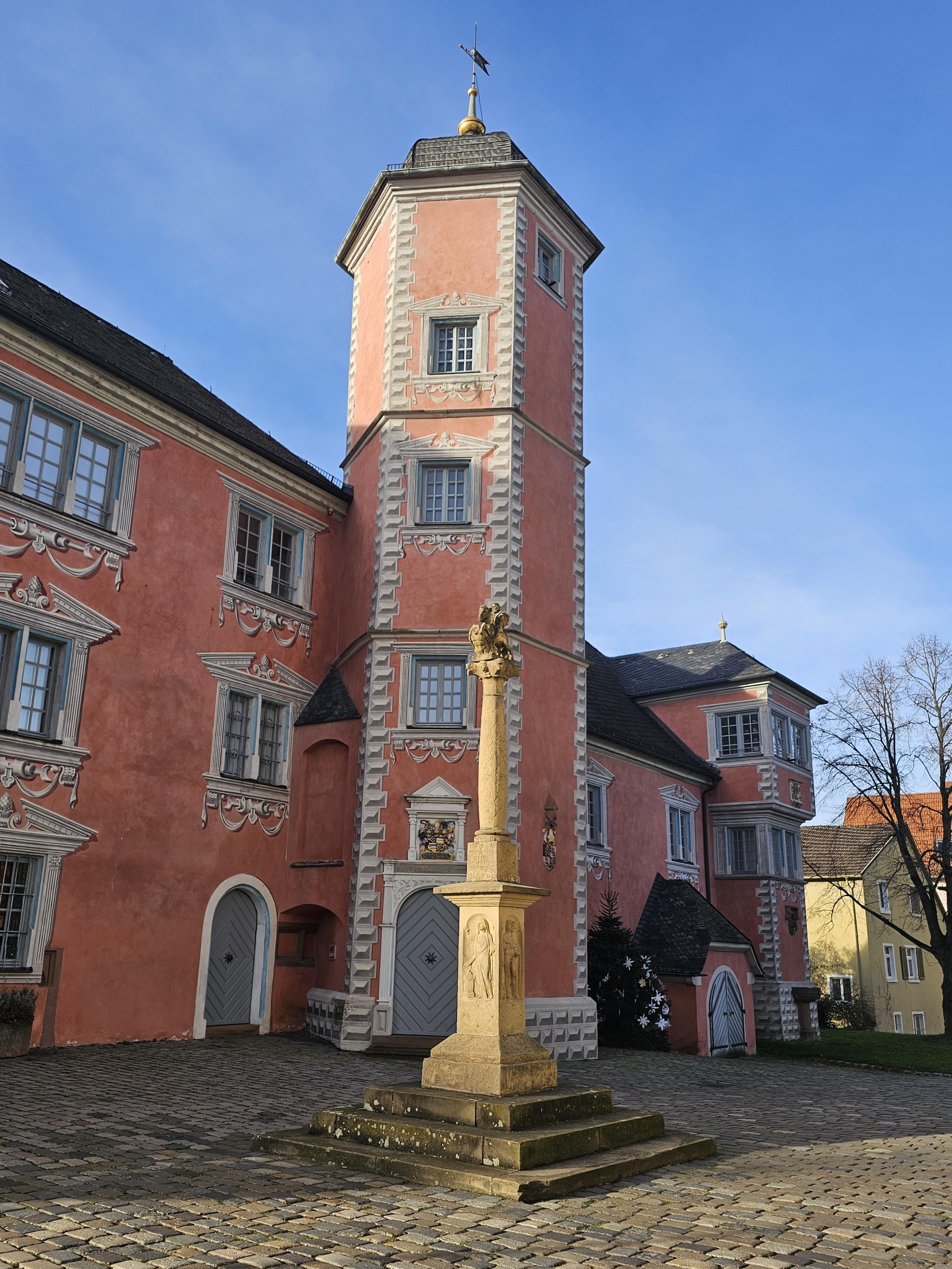
Beautiful day in Ladenburg
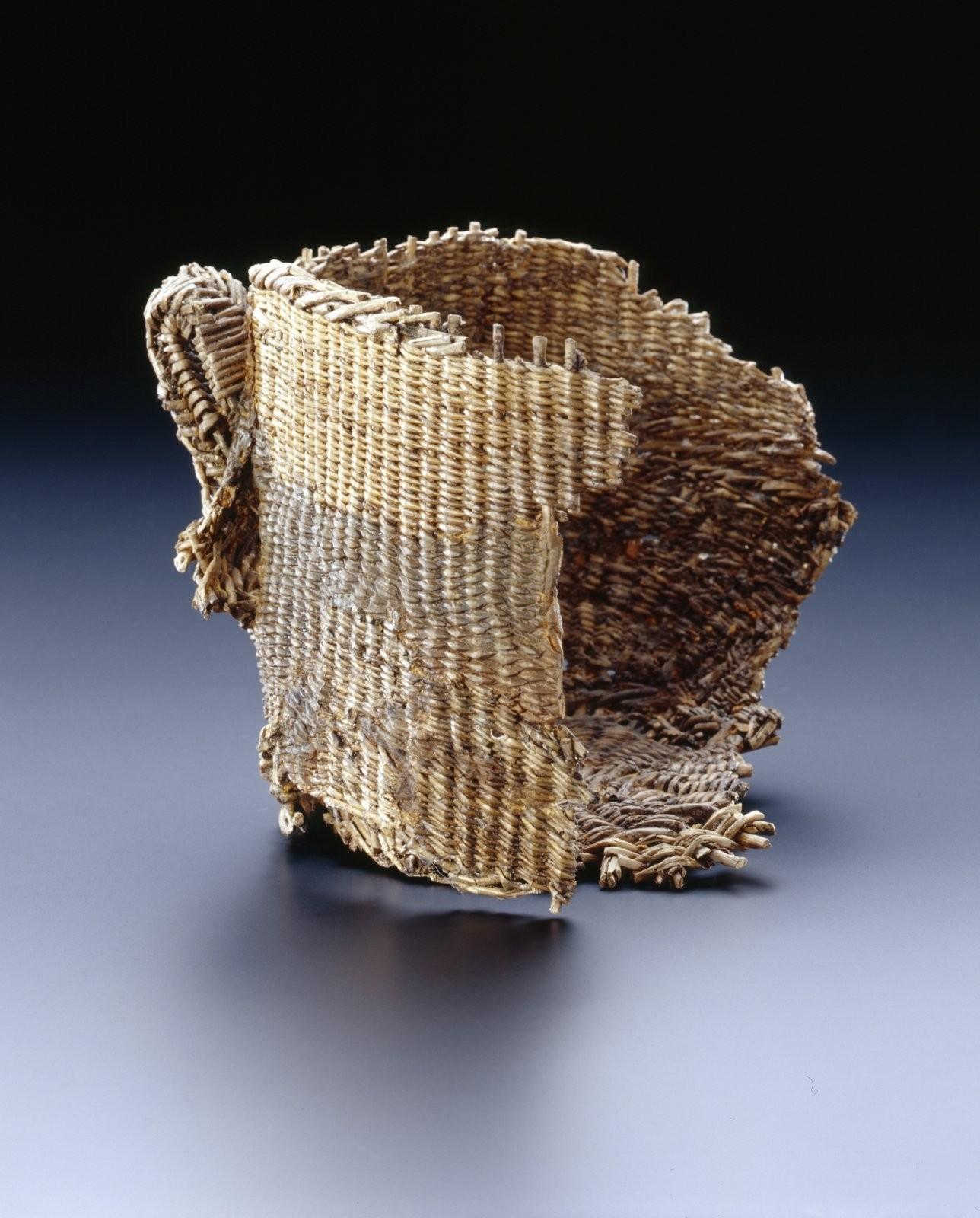
A #Roman basket found in a well at the eastern fort at Welzheim. The damp environment has preserved it in a good condition. On display at our branch museum Limesmuseum Aalen #RomanArchaeology #archaeology 📷 Archäologisches Landesmuseum Baden-Württemberg image
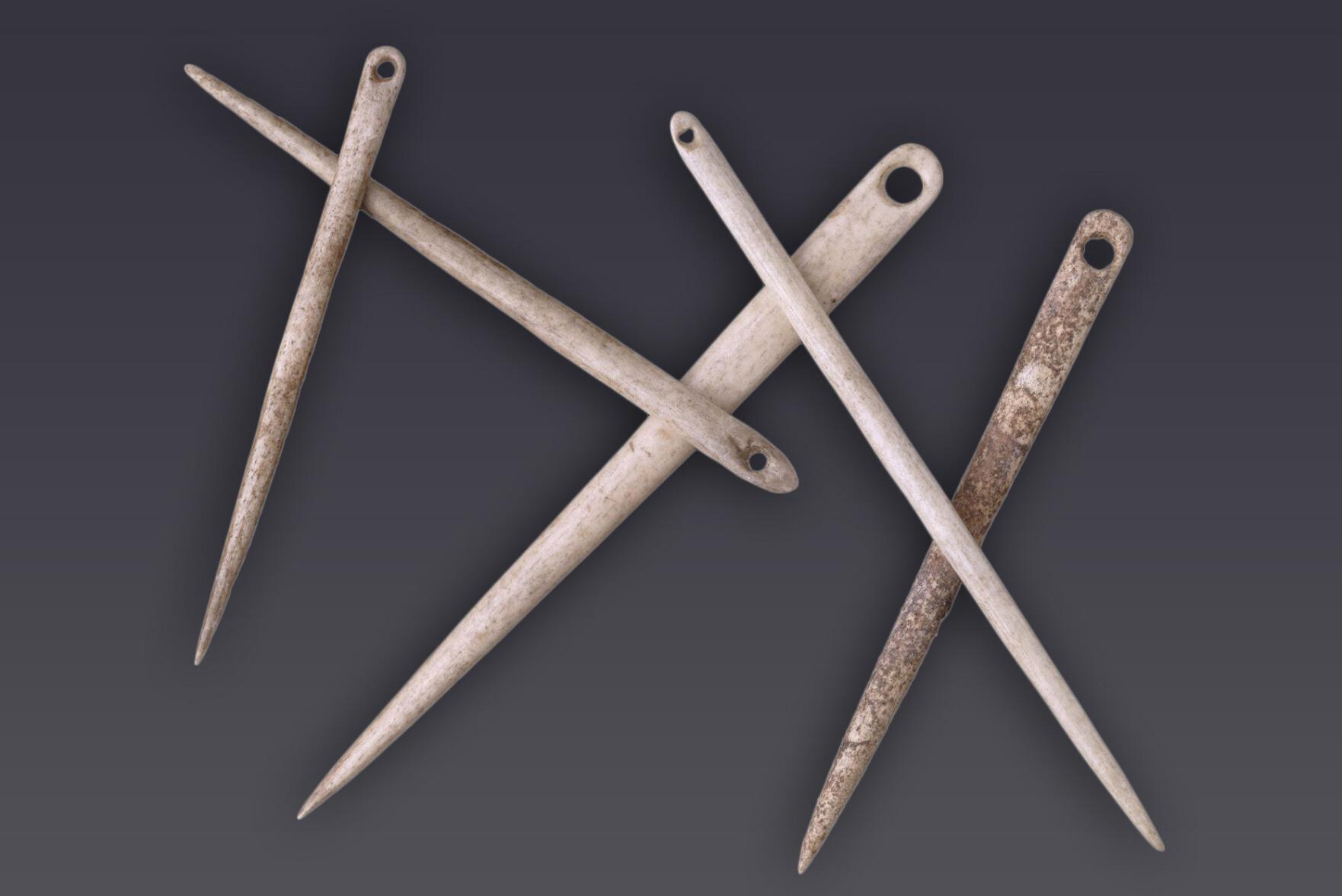
Things used in everyday life are the real archaeological treasures! These sewing #needles were made from animal bone some 15,000 years ago. Some designs simply don't need to be improved, because form and functions were perfectly matched from the start. Form follows function! Found in the Grotte du Placard à Vilhonneur (Charente). Photo: RMNGP/MAN #archaeology image
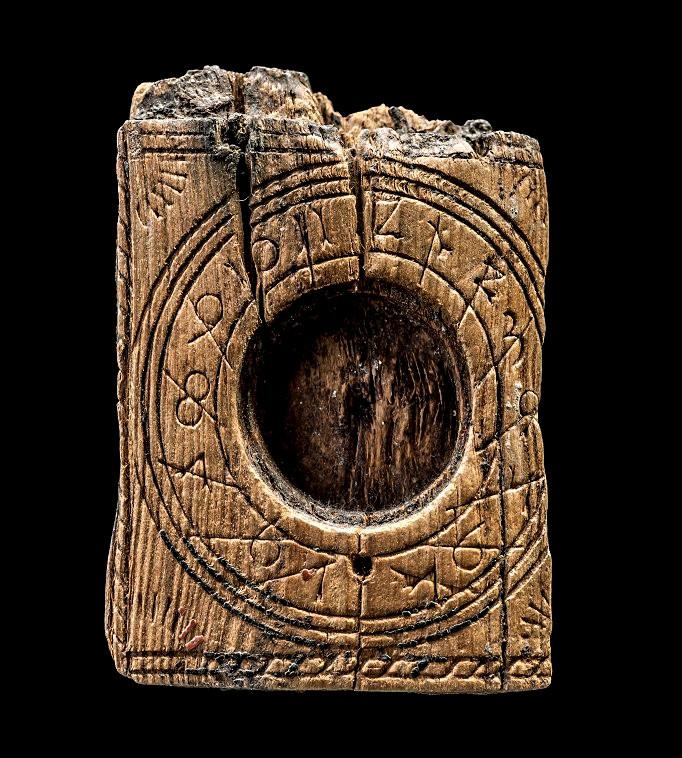
A late medieval pocket sundial from Freiburg. The portable sundial once contained a small compass in the circular recess, helping to align the sundial along the north–south axis so the correct time could be determined. 📷 Archäologisches Landesmuseum Baden-Württemberg image
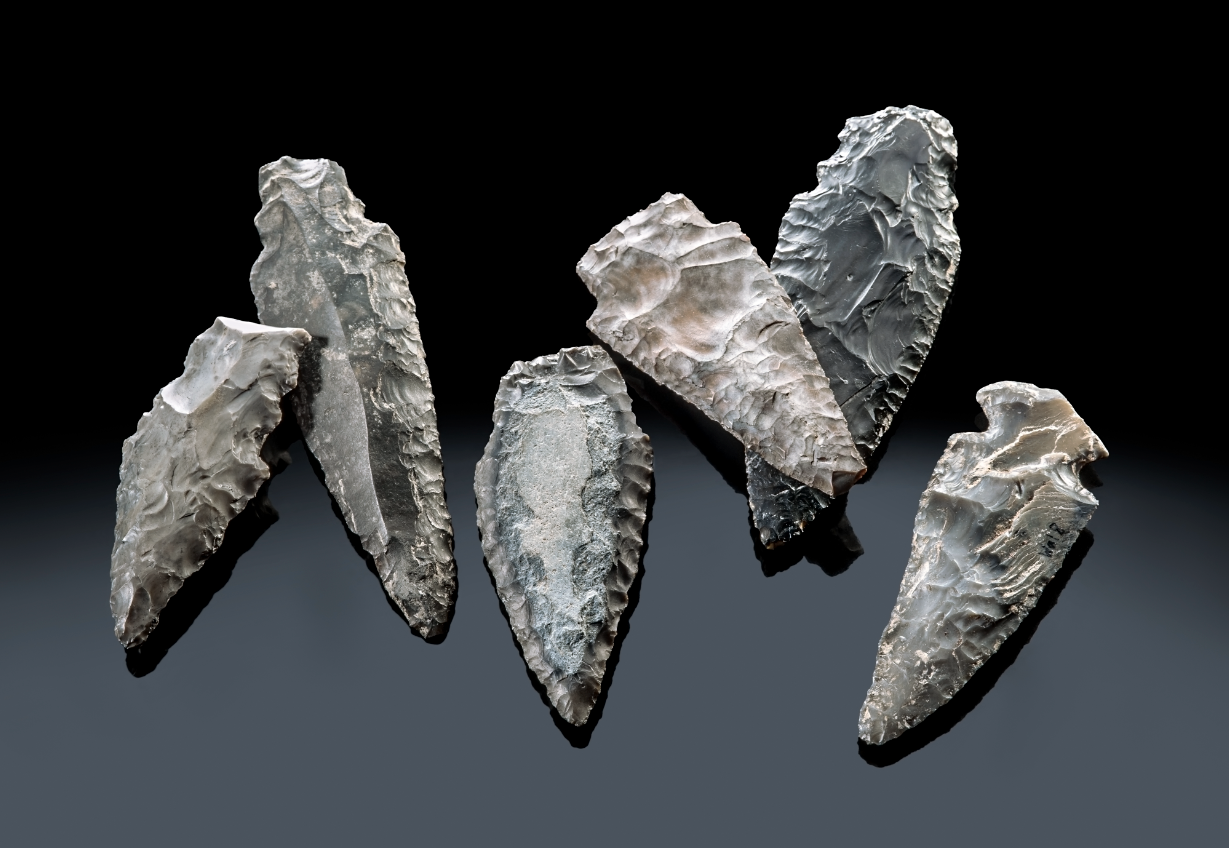
Neolithic flint dagger blades from various sites around Lake Constance. The wooden handles have not survived. The flint material was sourced from the Southern Alpine region, highlighting early trade networks and cultural connections between the Alpine Foreland and the Southern Alps during the Neolithic period. These daggers represent the skilled craftsmanship and wide-ranging interactions of prehistoric communities. 📷 Archäologisches Landesmuseum Baden-Württemberg #archaeology image
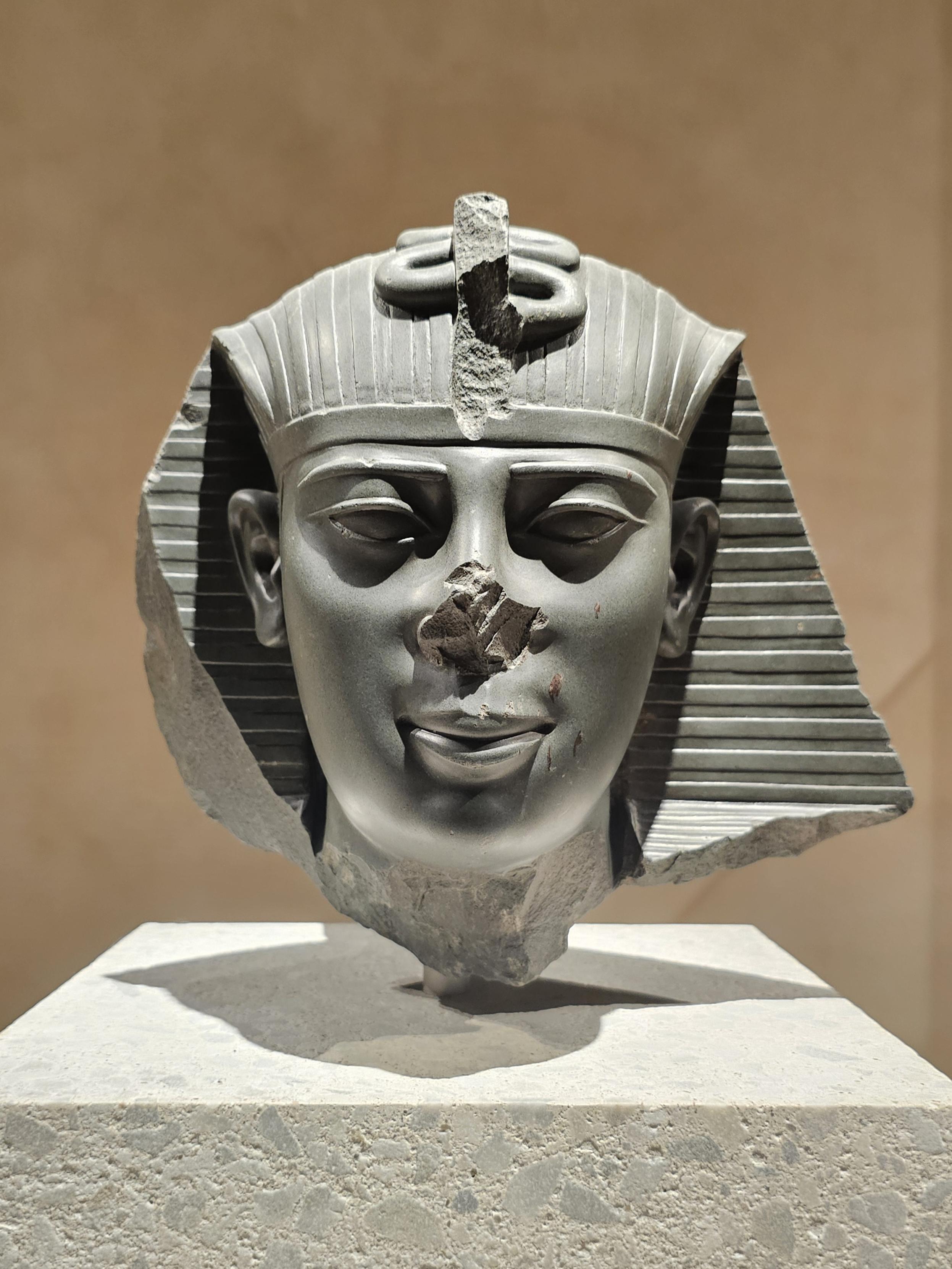
This stunning head is part of a life-sized, free-standing sculpture and exemplifies an idealized portrayal of a ruler. This head has been attributed to Pharaoh Amasis (570-526 BC), who ascended to the throne through a military revolt. His rule then brought a new era of peace to the country. On display at Neues Museum Berlin 📷 me image