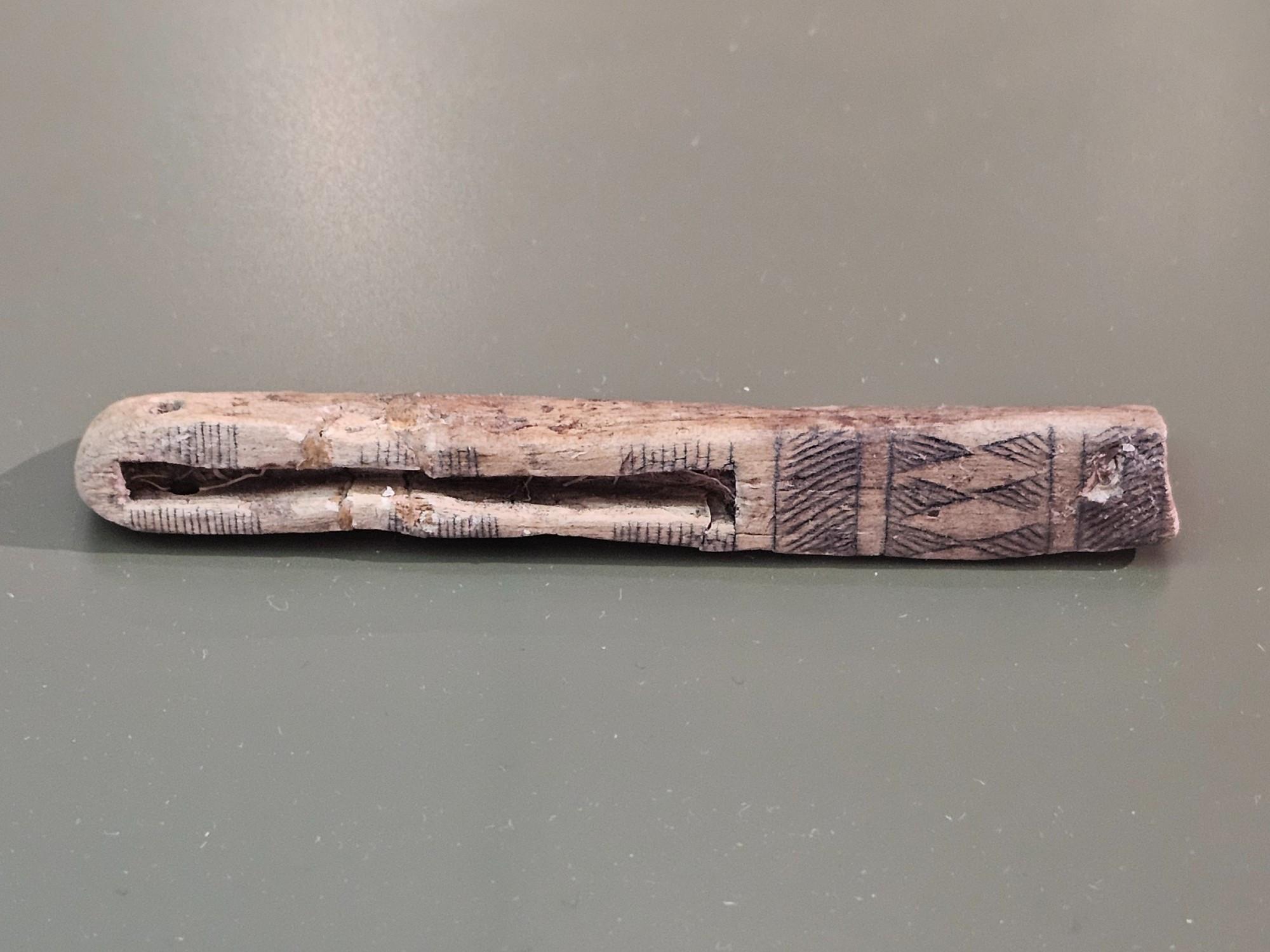
What could this be? The label simply describes it as a ‘decorated part of a item of unknown function made of maple wood’. A lot of effort clearly went into decorating it, whatever it was. Any suggestions? Found in the Bronze Age pile dwelling settlement of Ludwigshafen-Seehalde, 2000–1600 BC #archaeology image
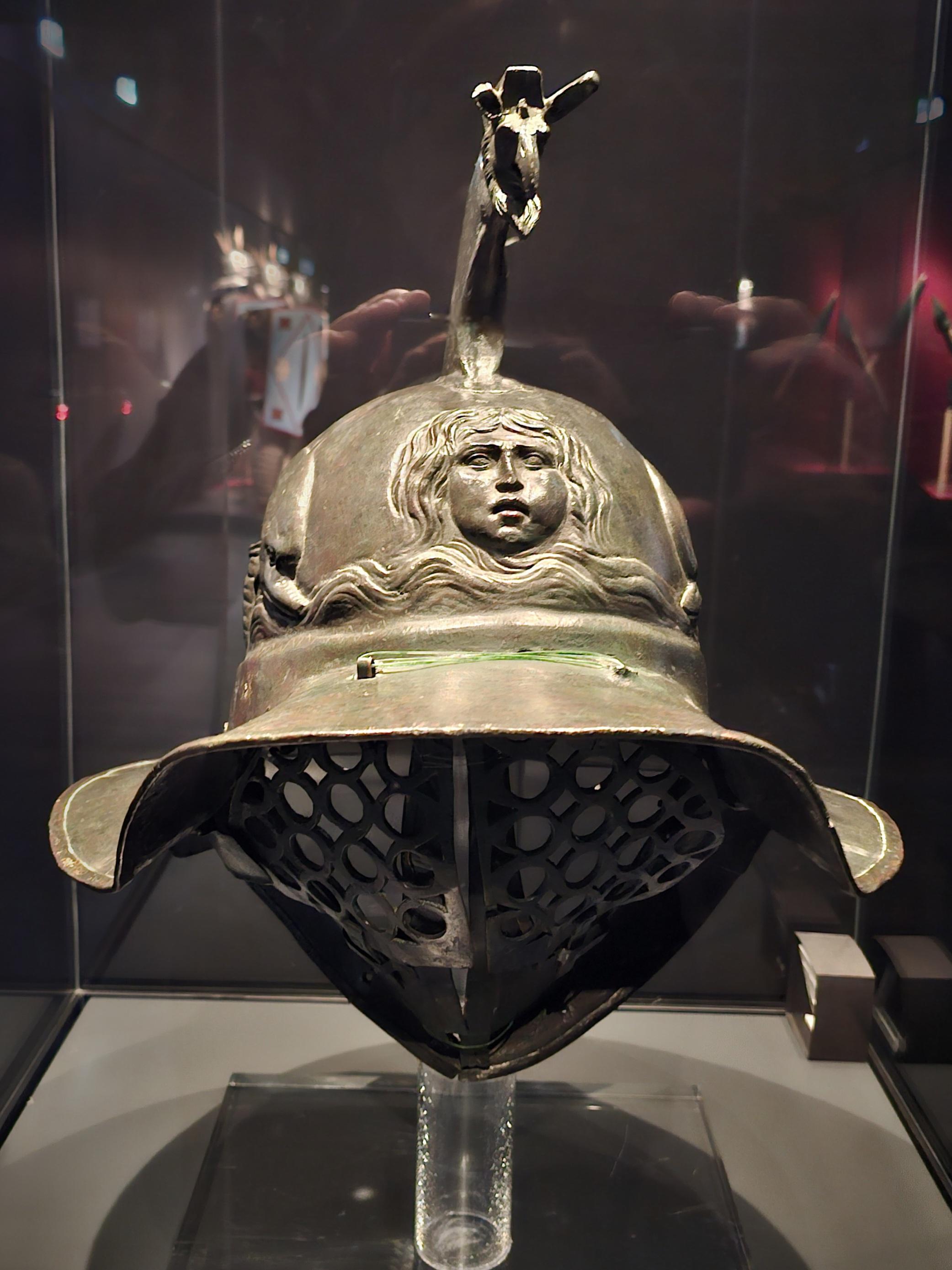
A helmet of a Thraex gladiator found in the gladiatorial barracks in Pompeii. The different classes of gladiators can be distinguished by their armor and weapons. A Thraex was equipped with a small shield and a short, curved blade. The helmet has a griffin crest and protective two-part visor. Gladiators usually fought in particular combinations, like the Thraex against the Murmillo. Currently on display at Archäologische Staatssammlung München, on loan from MAN Napoli. 📷 me image
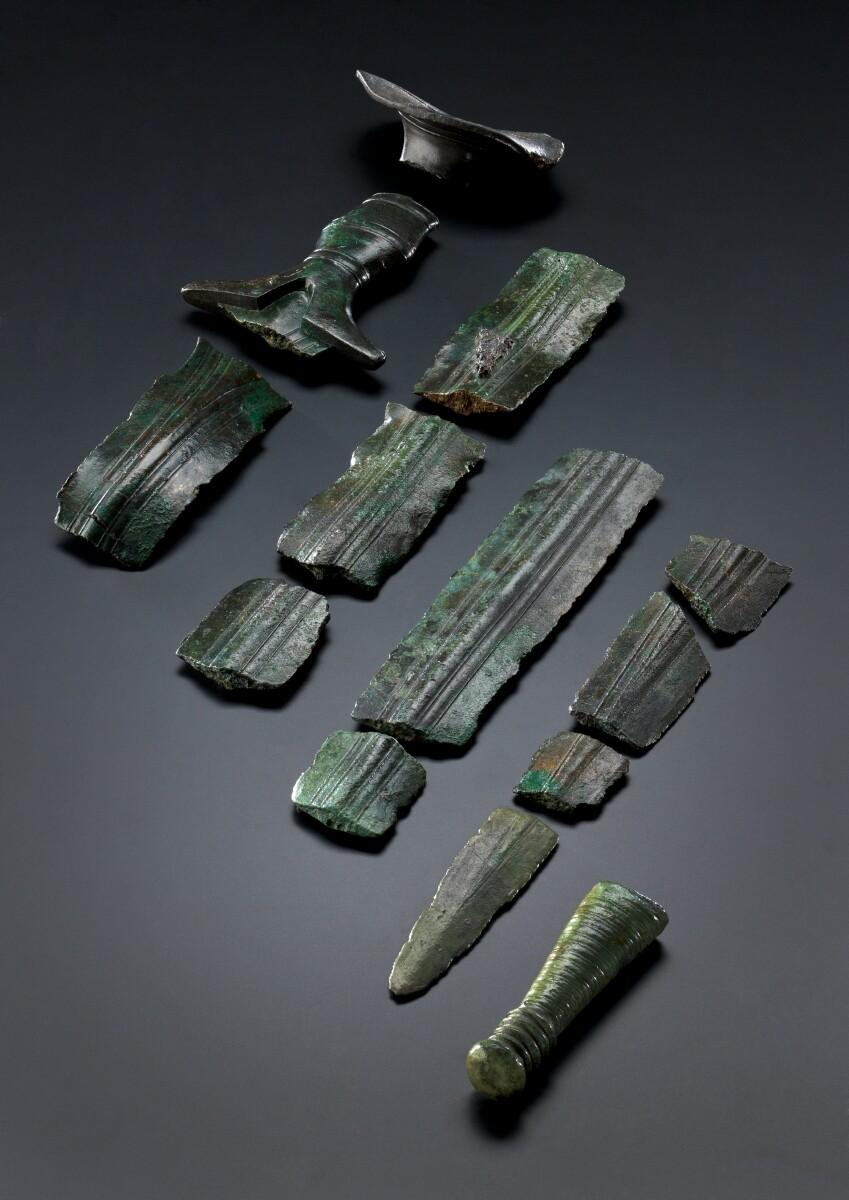
An intentionally destroyed #BronzeAge #sword found in a burial at Blaubeuren-Asch. Bronze Age weapons deposited in burials were often bent or hacked into pieces before placed into the grave, in this way they 'died' with the owner. Dating 9th century BC. 📷 Landesmuseum Württemberg 🏺 image
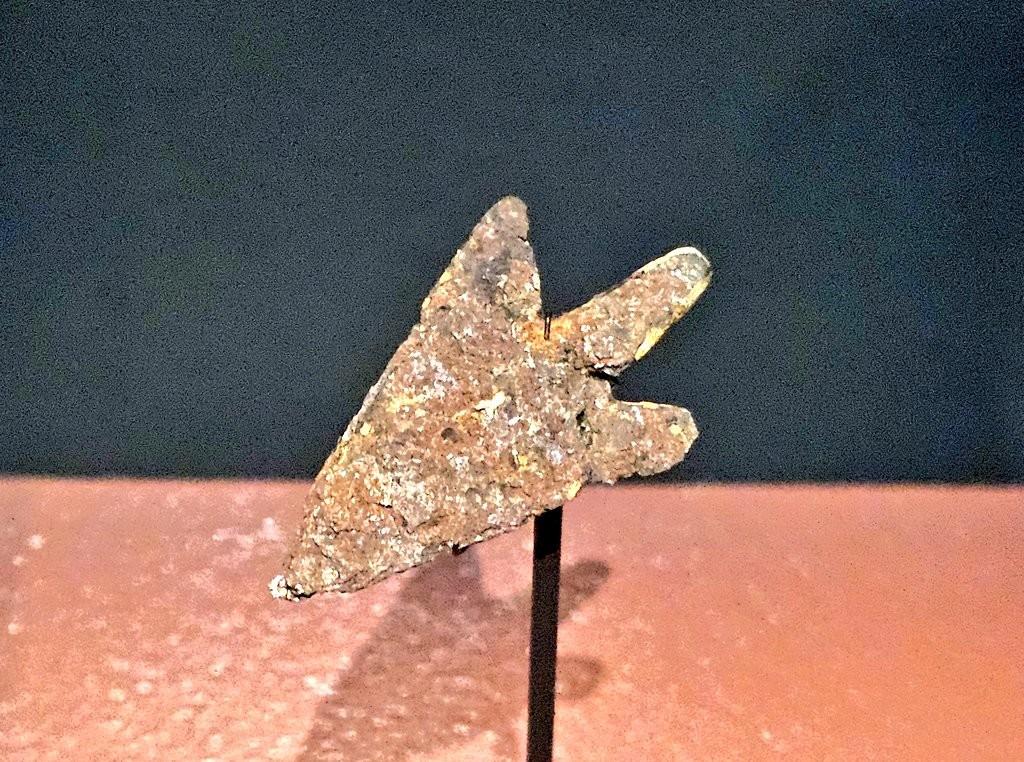
#FindsFriday! An arrowhead made of #meteorite iron: around 1,500 BC, a meteorite struck #Estonia. A fragment of it arrived - presumably in the baggage of an amber trader - at what is now Lake Biel, #Switzerland. An arrowhead was then made there from the cosmic iron. From Mörigen, 900-800 BC. 📷 me image
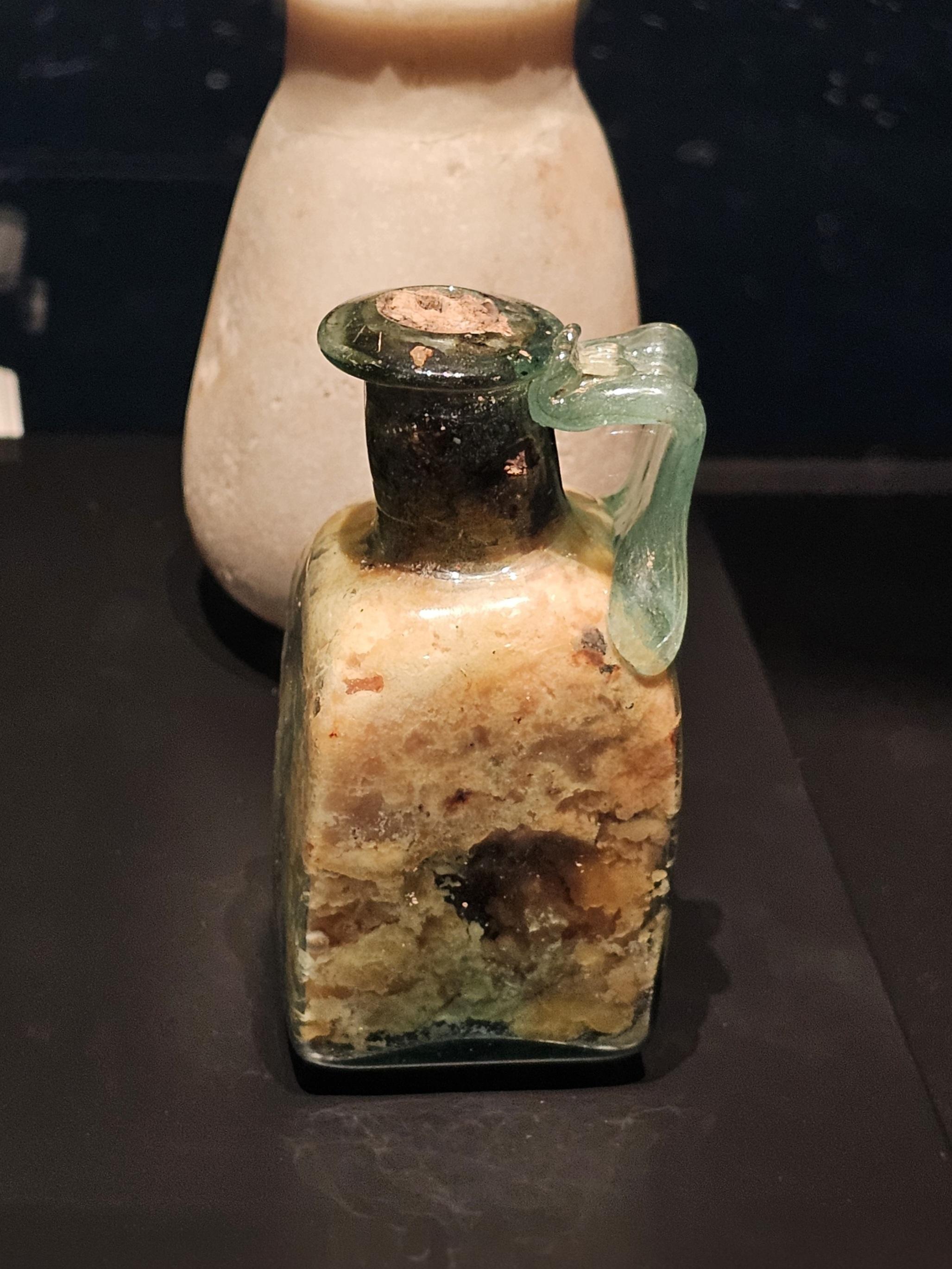
Some archaeological finds may appear unremarkable and ordinary, yet they often are more interesting than any treasure, such as this Roman glass square bottle remarkably containing a rare find – preserved ointment. The waxy mass of fatty acids and glycerine contains plant fibres from wood, pollen and seeds. Found in Wederath, dating 1st century AD. #archaeology image
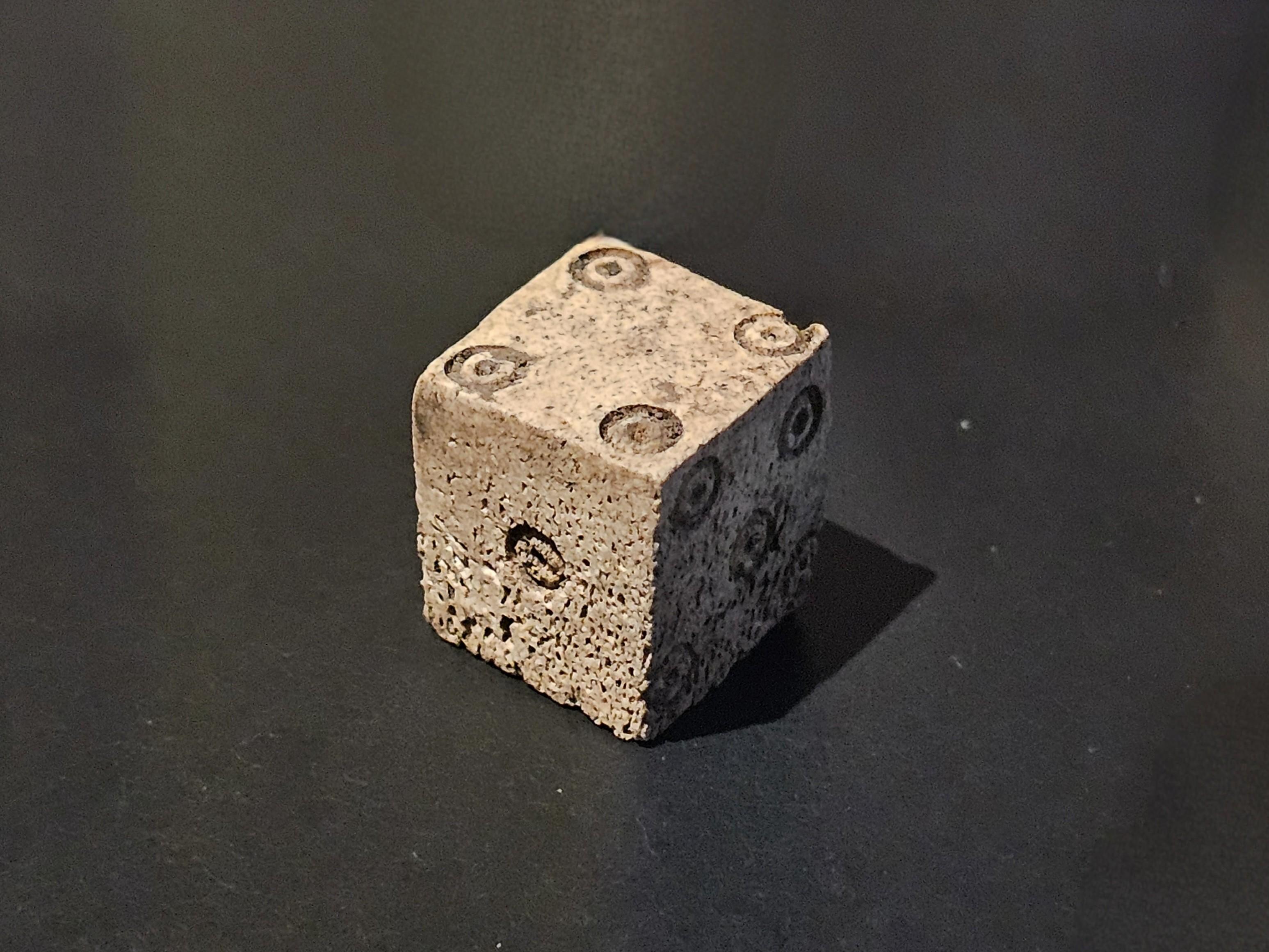
A die made from animal bones, found in Burgstein Castle, dating 11th century. Just like today, opposite sides of a die always add up to 7. Dice were quite popular among all social classes during the Middle Ages. In the early 10th century, for instance, the scholar Ekkhardt IV of Sankt Gallen documented a dice game played between Bishop Salomon of Constance and Archbishop Hatto of Mainz. 📷 me #archaeology image
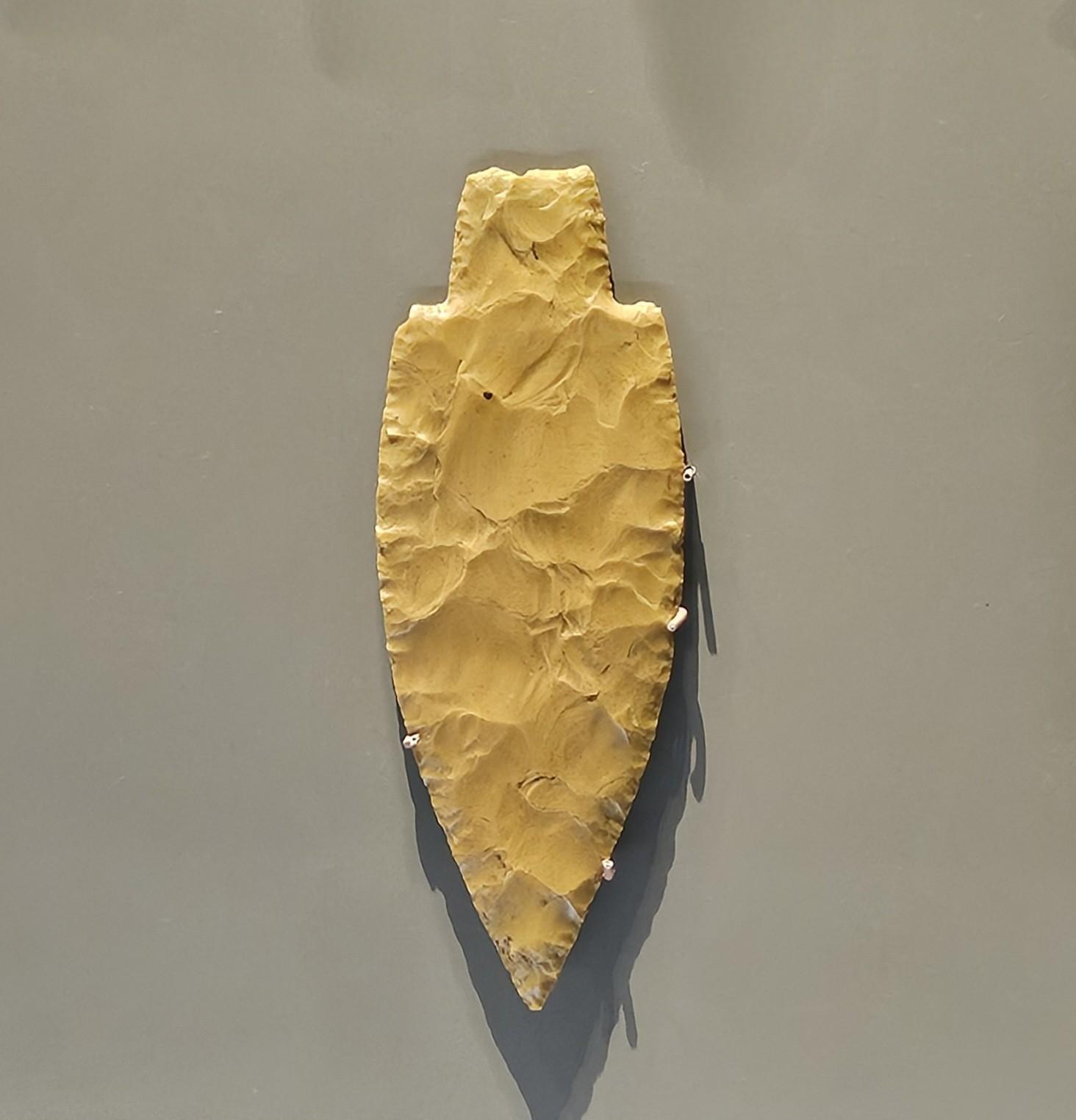
A late Neolithic dagger found in the pile dwelling site of the Roseninsel, Bavaria.The blade is made of flint from the Monti Lessini, upper Italy. Dating 3500 - 2700 BC. On display at Archäologische Staatssammlung München 📷 me #archaeology image
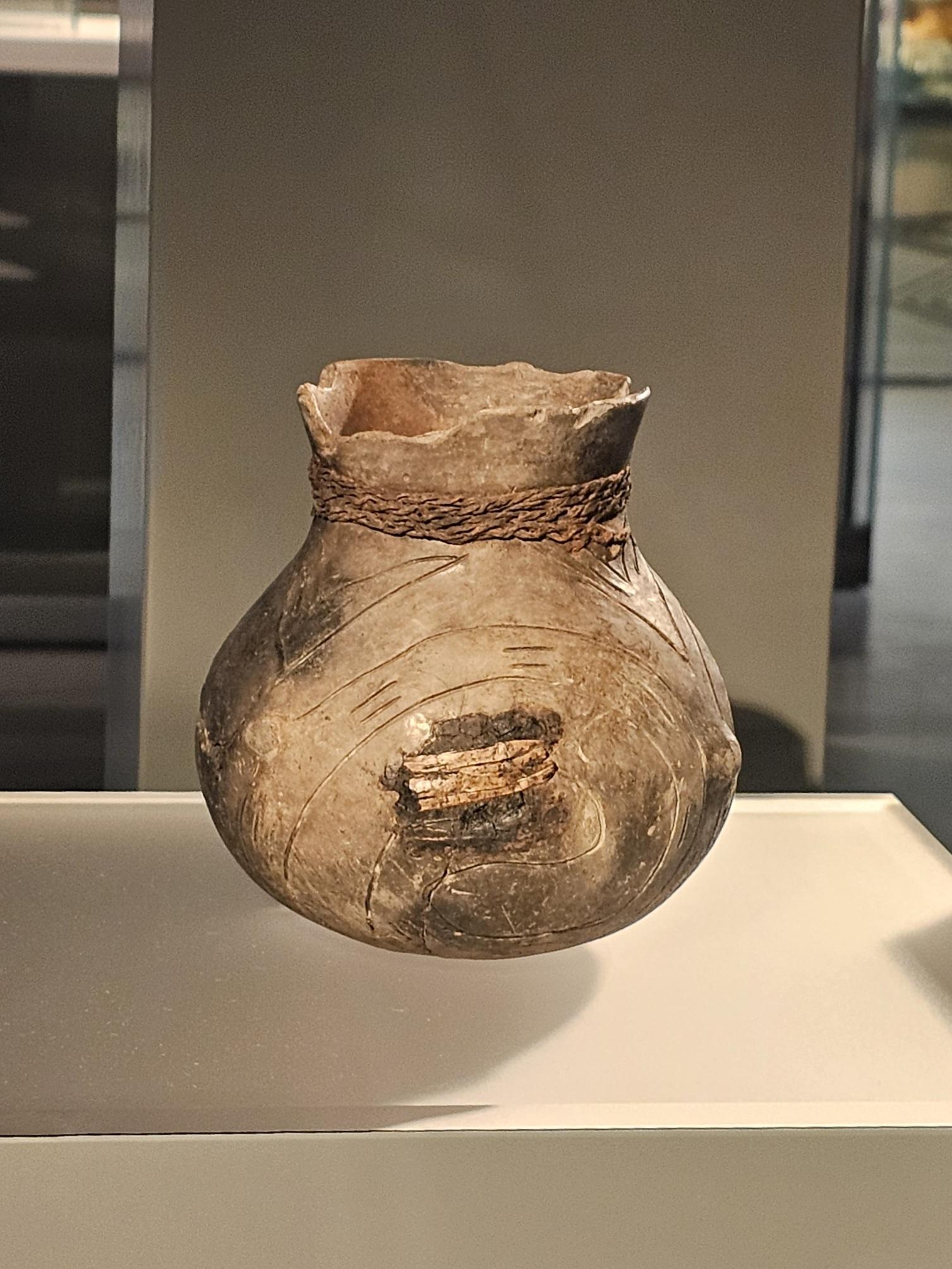
A complete pottery vessel, featuring repairs mid-body and a cord tied around its neck. Found in a Neolithic well in Altscherbitz, Saxony, dating 5100-5000 BC. Multiple complete vessels have been discovered within the well. They may have been intentionally placed there as part of a ritual associated with the well's closure and subsequent filling. On display at Staatliches Museum für Archäologie Chemnitz 📷 me #archaeology image
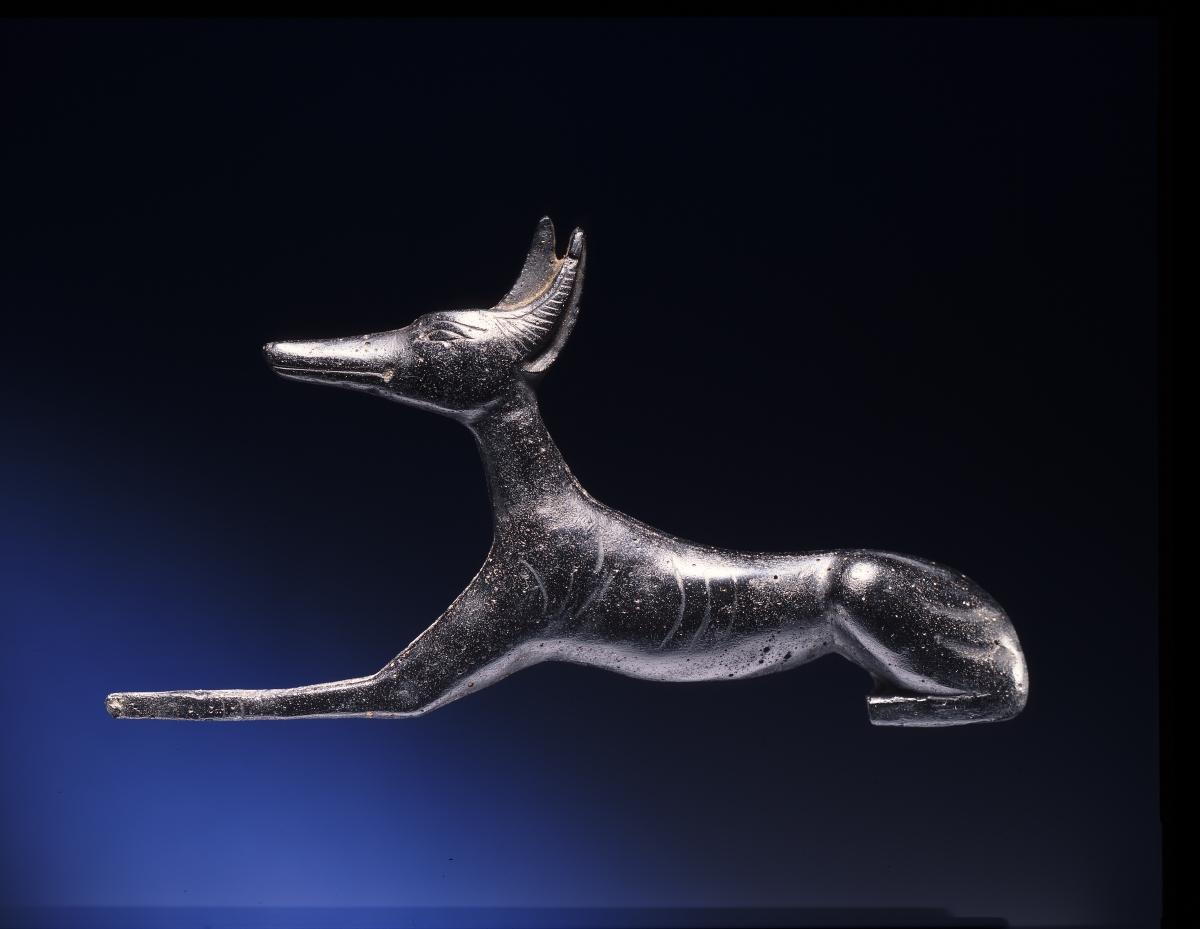
An #Egyptian glass inlay of a jackal. Jackals were linked with the dead, because they were present in the desert regions near to the cemeteries. The most popular jackal-shaped god was Anubis, the god of embalming. Dating 5th -1st c. BC. 📷 Landesmuseum Württemberg image
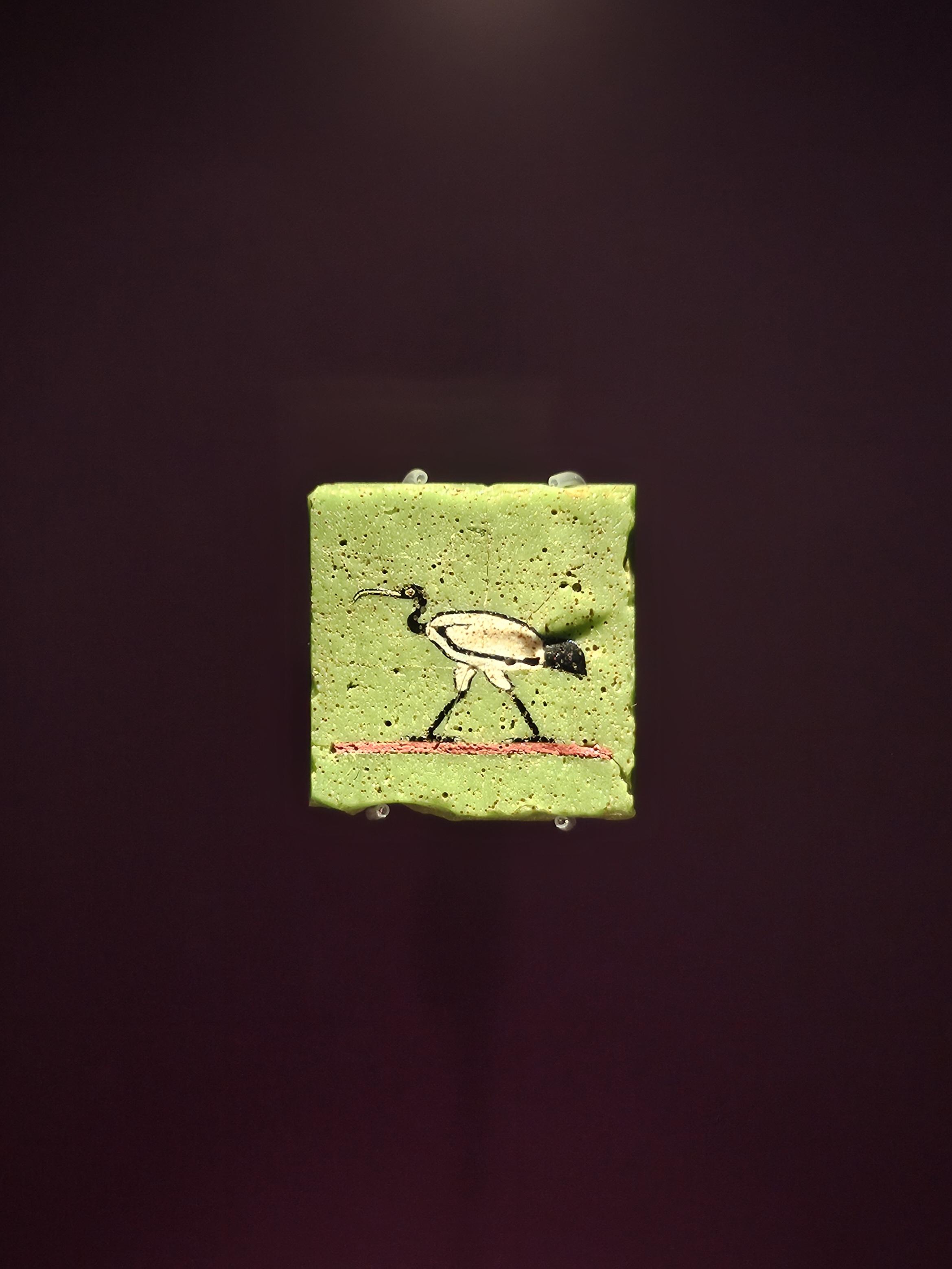
Fascinating world of ancient #glass ! A small-scale but colourful mosaic glass inlay depicting an Ibis. This inlay, originating from a workshop in Roman-era Egypt, was discovered in Tawern, near Trier, Germany. The ibis was considered a sacred animal of Thoth, the Egyptian deity associated with wisdom, writing, and the moon. Mosaic glass inlays were used to decorate caskets and furniture. 1st century BC / 1st century AD On display at Rheinische Landesmuseum Trier. 📷 me #archaeology image