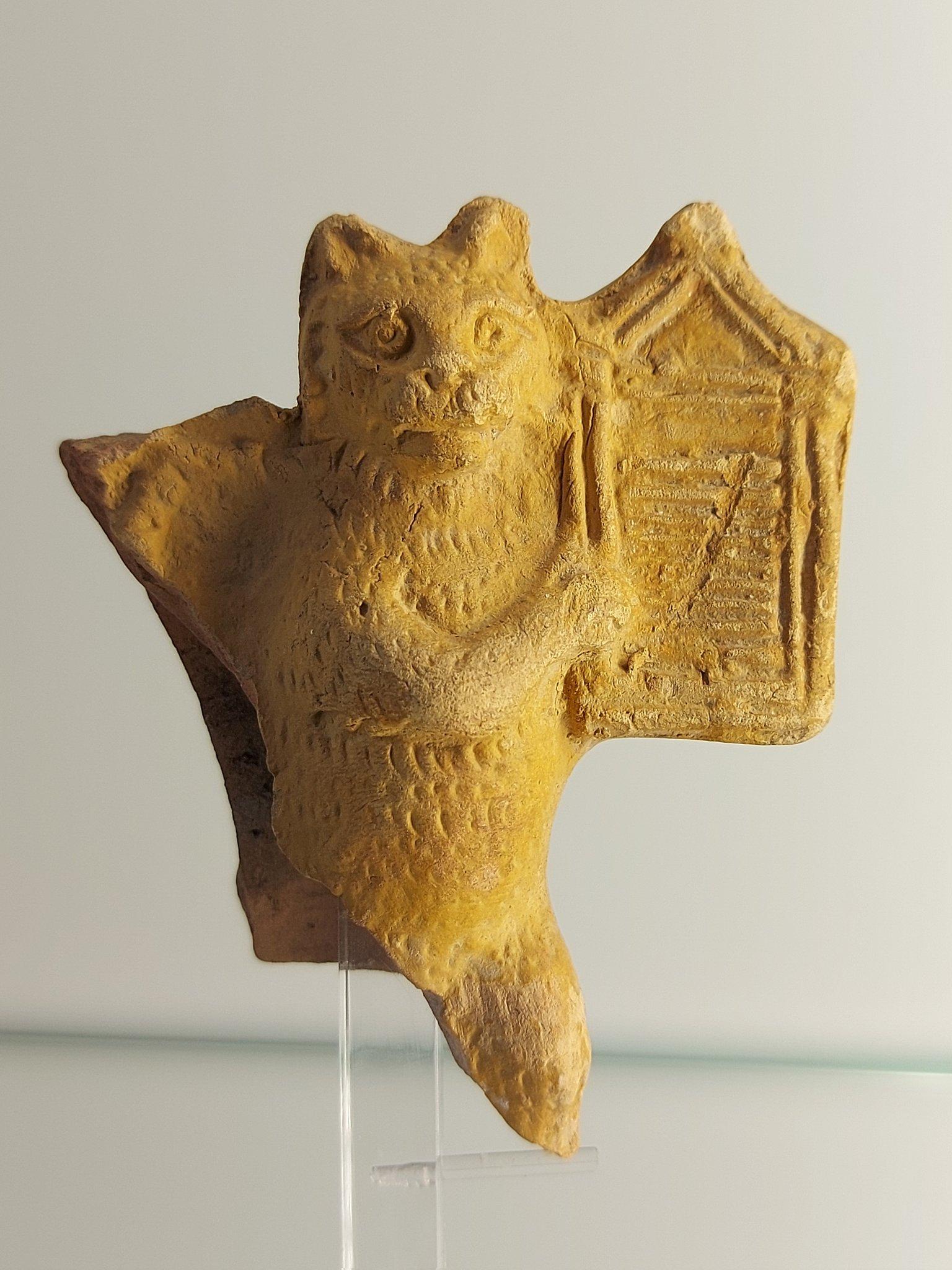
It's time for #Caturday and a timeline cleanse! A terracotta figurine of a #cat playing the harp. From #Egypt, #Roman period, late 1st century AD. On display at Museum August Kestner, Hannover. Have a lovely #weekend! πŸ“· me #archaeology image
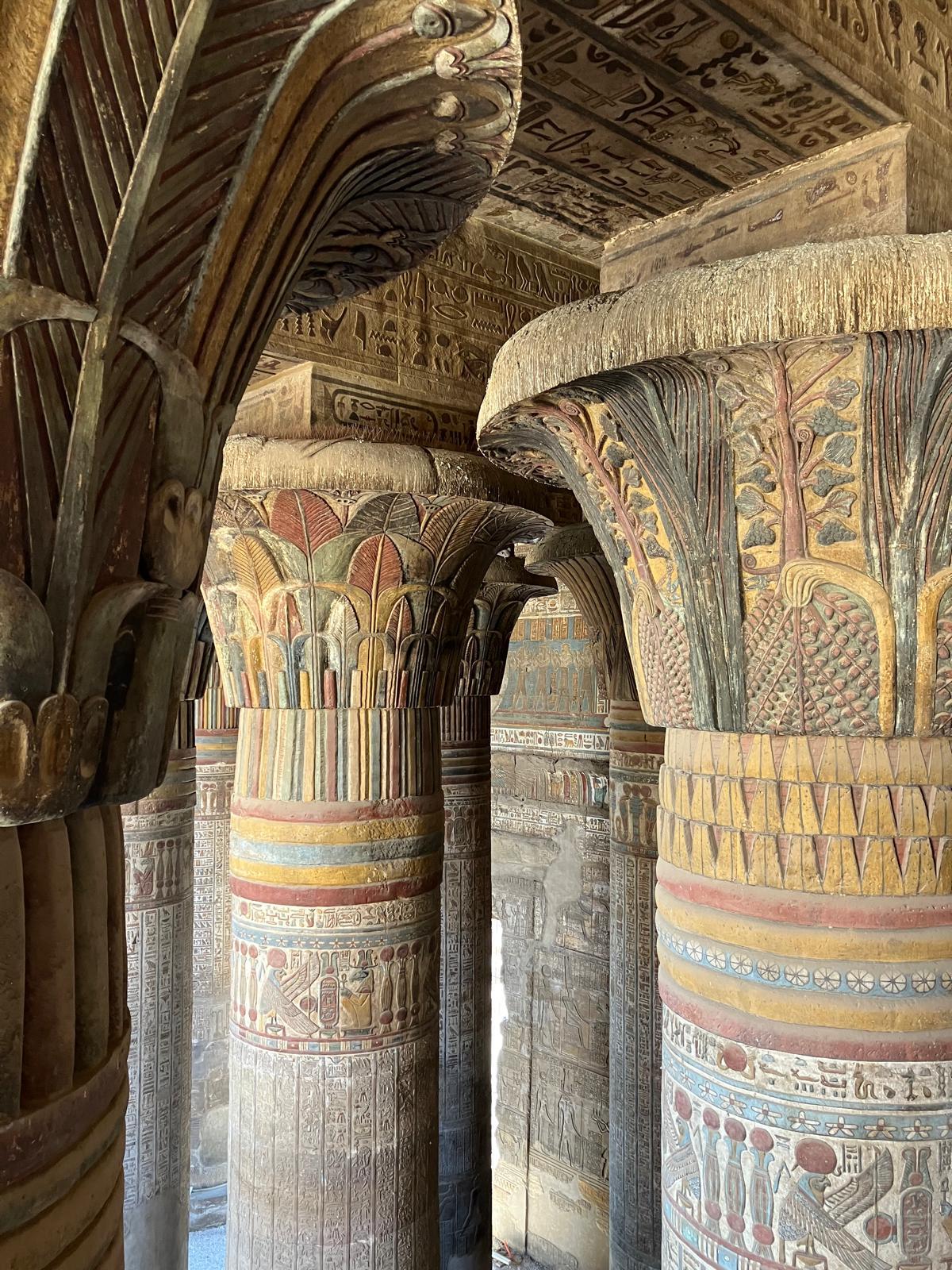
Today, a friend involved in the Esna restoration project has shared with me his latest stunning photos of the restored ceiling and columns of the Temple of Khnum in Esna, Upper #Egypt. During a multi-year restoration project, the dirt and soot that had obscured the colors of the reliefs and inscriptions within the building for ca 2000 years were carefully removed. The temple is located 60 kilometers south of Luxor. πŸ“· D. v. Recklinghausen image
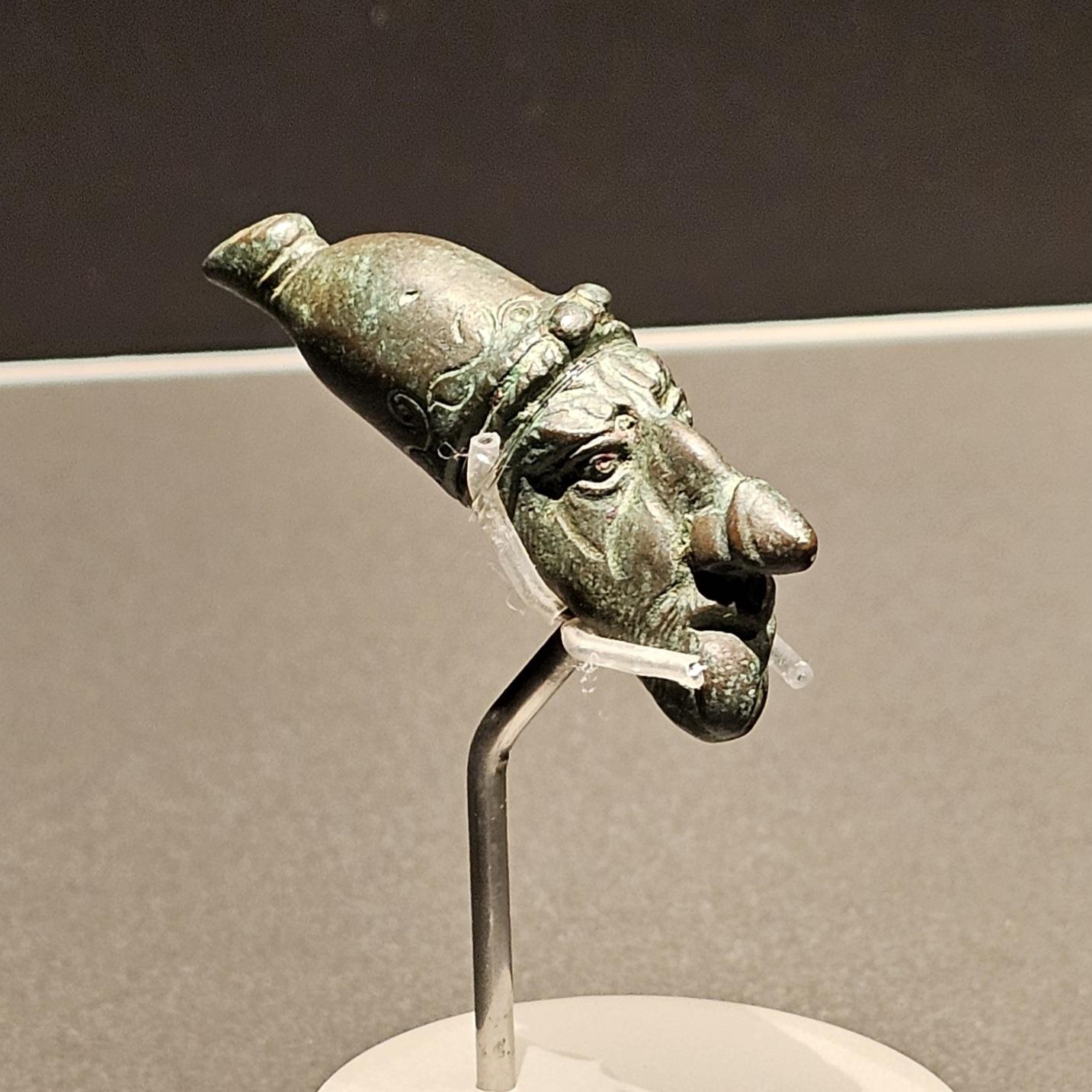
I just leave this one for #PhallusThursday πŸ‘ƒ Bronze amulet from Egypt, 1st c. BC. Mougins, MusΓ©e d’art classique de Mougin πŸ“· me #archaeology image
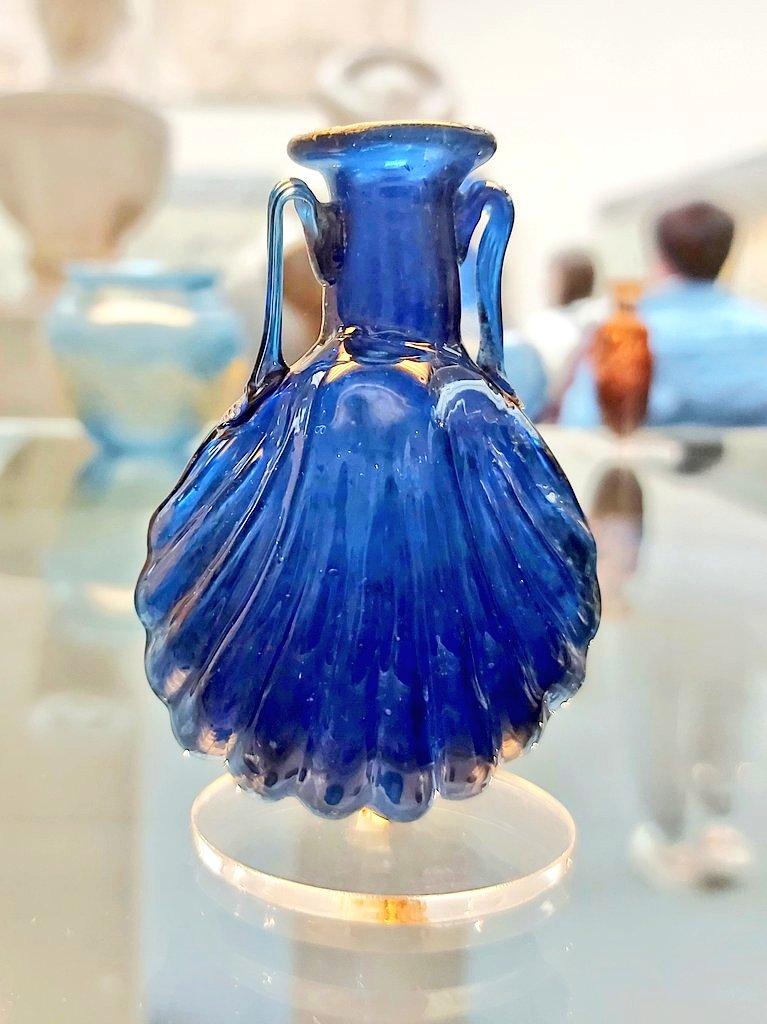
Today's a perfect day to post some beautiful blue glass! A gorgeous #Roman flask in the form of a shell, mold-blown from dark blue glass. It was used to hold perfume. Dating 1st century AD. On display at British Museum. πŸ“· me #archaeology #RomanArchaeology image
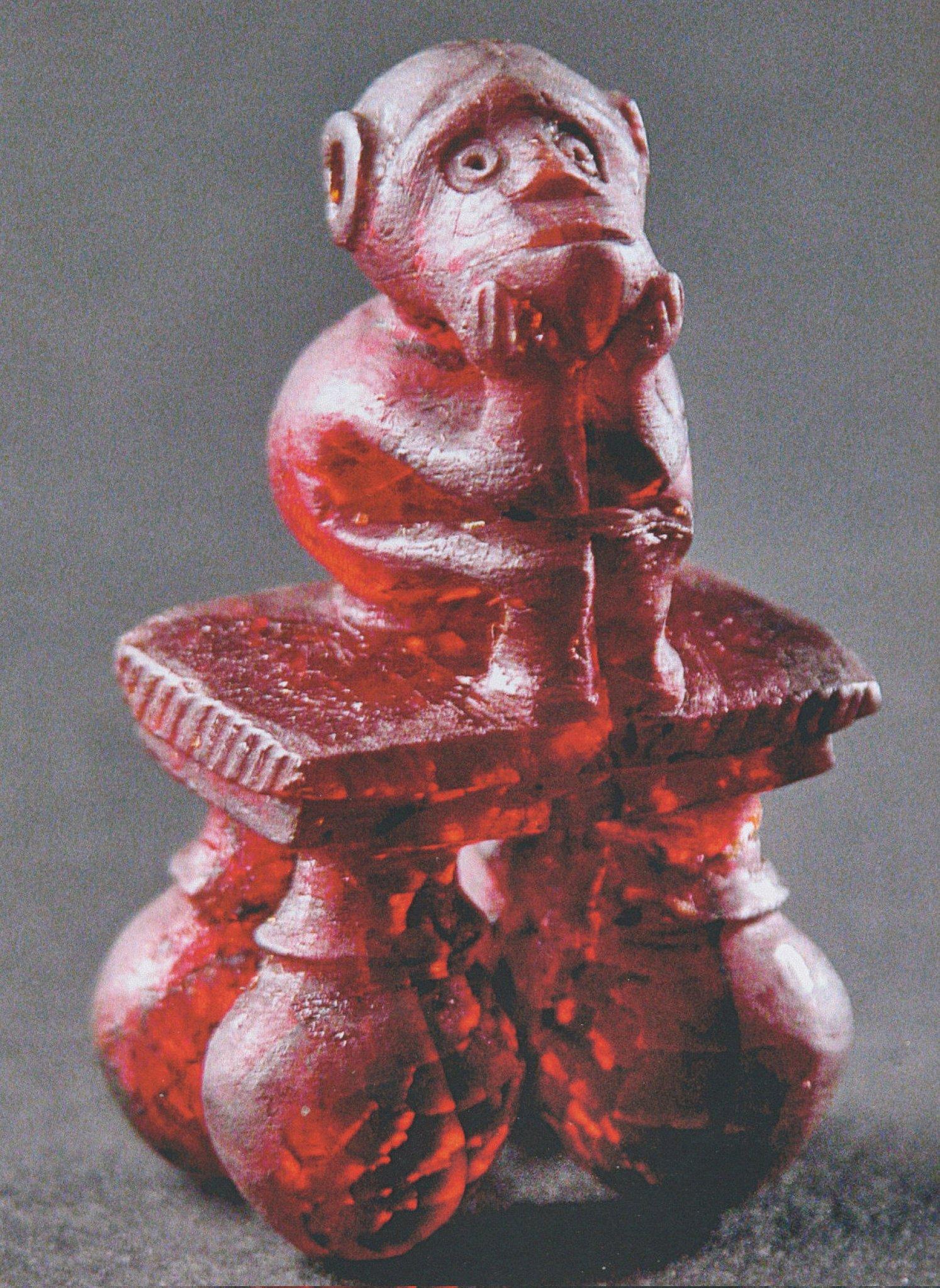
A tiny but very charming #Etruscan amber pendant in the shape of a squatting #monkey, height 4.7 cm. Found in Vetulonia, #Italy, dating late 8th/early 7th century BC. Photo: Soprintendenza per i Beni Archeologici della Toscana #archaeology image
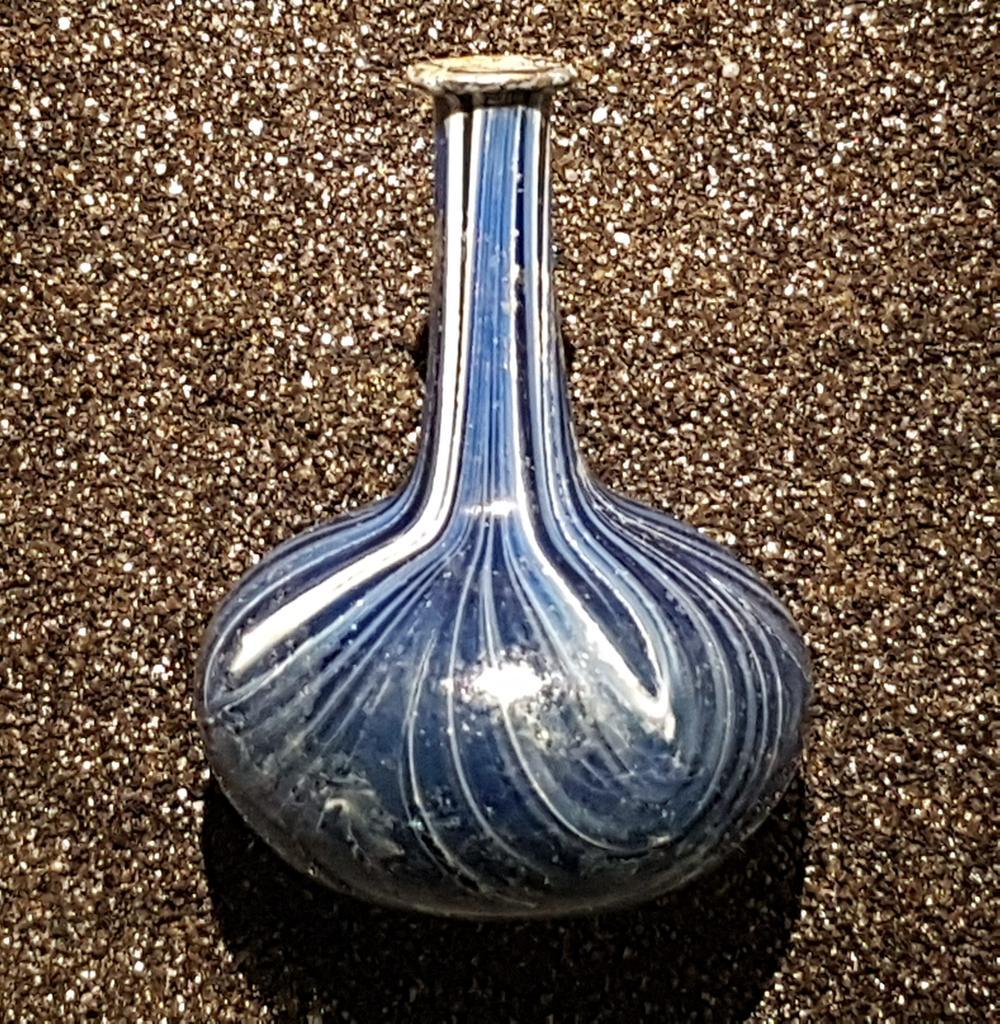
Fascinating world of ancient #glass: This delicate #Roman blue and white marbled glass unguentarium, a vessel to hold oil/perfume, was made from translucent dark blue glass with trails in opaque white, dating 1st century AD. On display at Landesmuseum WΓΌrttemberg πŸ“· me #archaeology #RomanArchaeology image
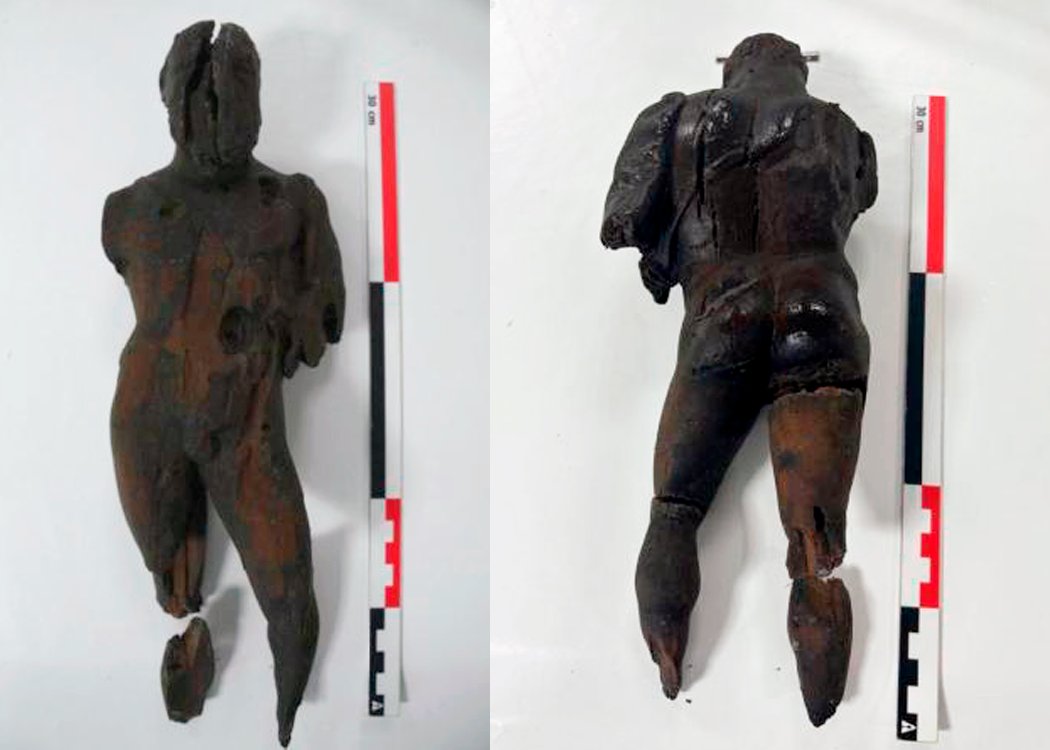
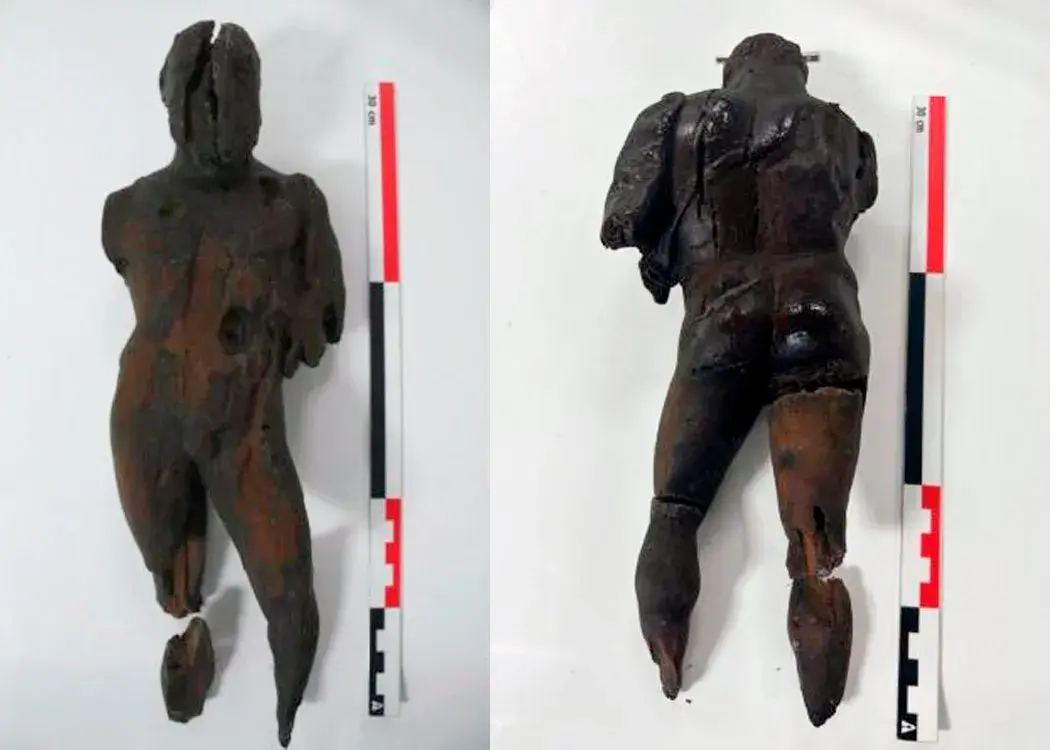
An extraordinary discovery was made in Ibiza: a 30-centimeter wooden sculpture representing Hercules. Considering the scarcity of wooden sculptures preserved from the Roman era, this discovery is truly remarkable. The figure was found in a Roman well that was later reused as a refuse pit. Alongside the sculpture, fragments of wood, a leather sole, and plant remains were recovered. #archaeology #RomanArchaeology image
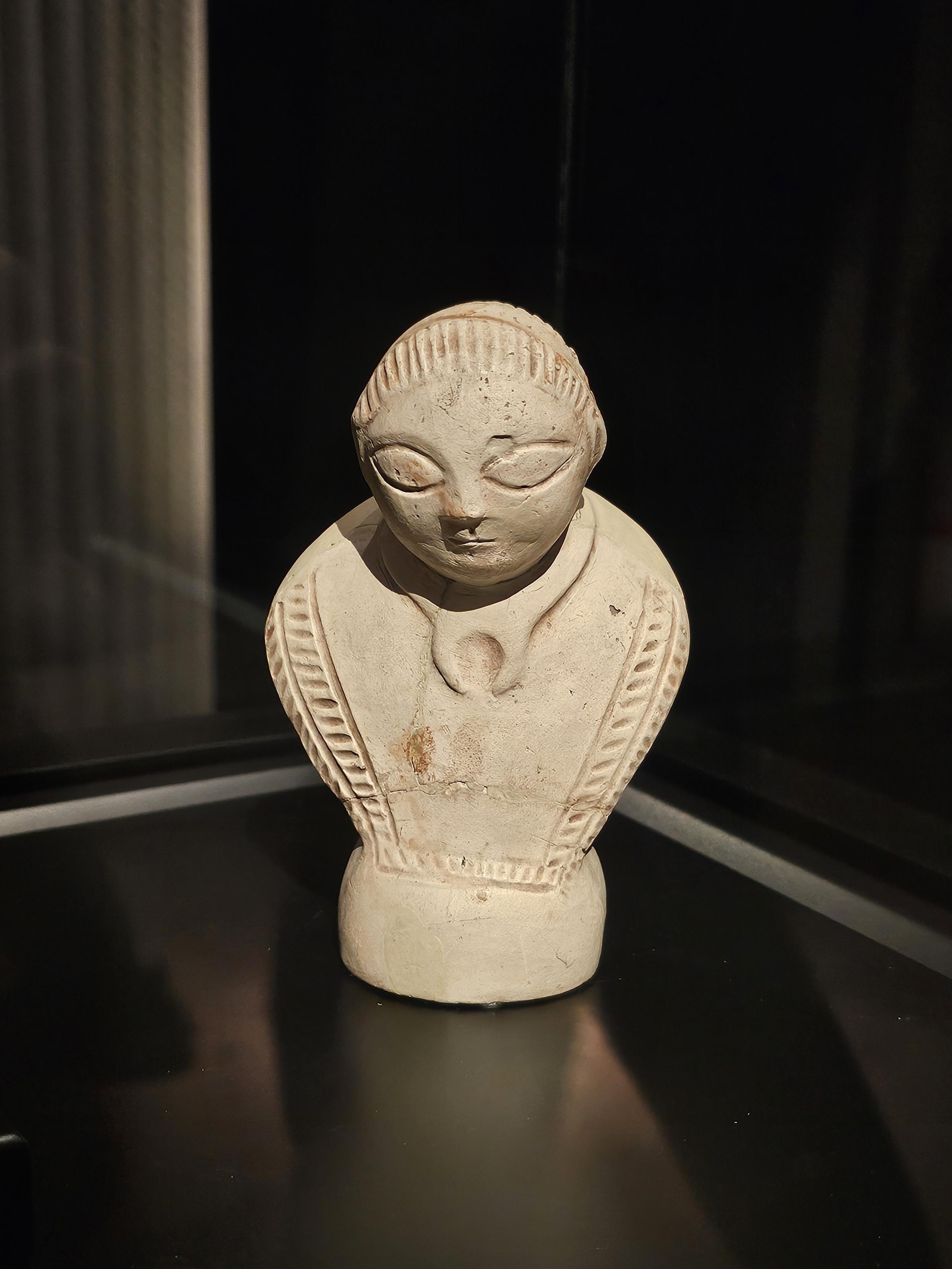
A terracotta bust of a girl wearing a crescent-shaped pendant, known as a lunula, which was typically worn by females. Lunula pendants were believed to possess apotropaic qualities, meaning they were intended to ward off evil. The moon was a symbol associated with women, but men also utilized items decorated with crescent designs too. Found in Trier, 2nd/3rd c. AD. Currently on display at the Major State Exhibition "Marcus Aurelius", Landesmuseum Trier. πŸ“· me #archaeology #RomanArchaeology image
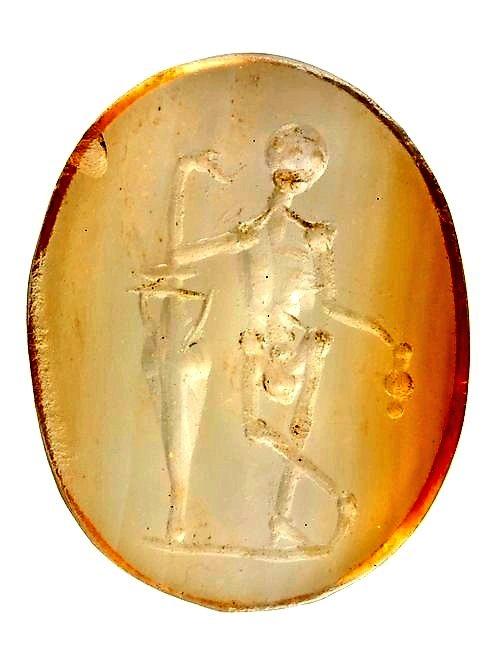
Happy #Halloween This intaglio depicts a skeleton resting on an amphora and holding a jug. Such representations were intended to remind to enjoy life to the fullest since pleasure ends irrevocably with death. Photo: Museum August Kestner/Christian Tepper #RomanArchaeology #archaeology image
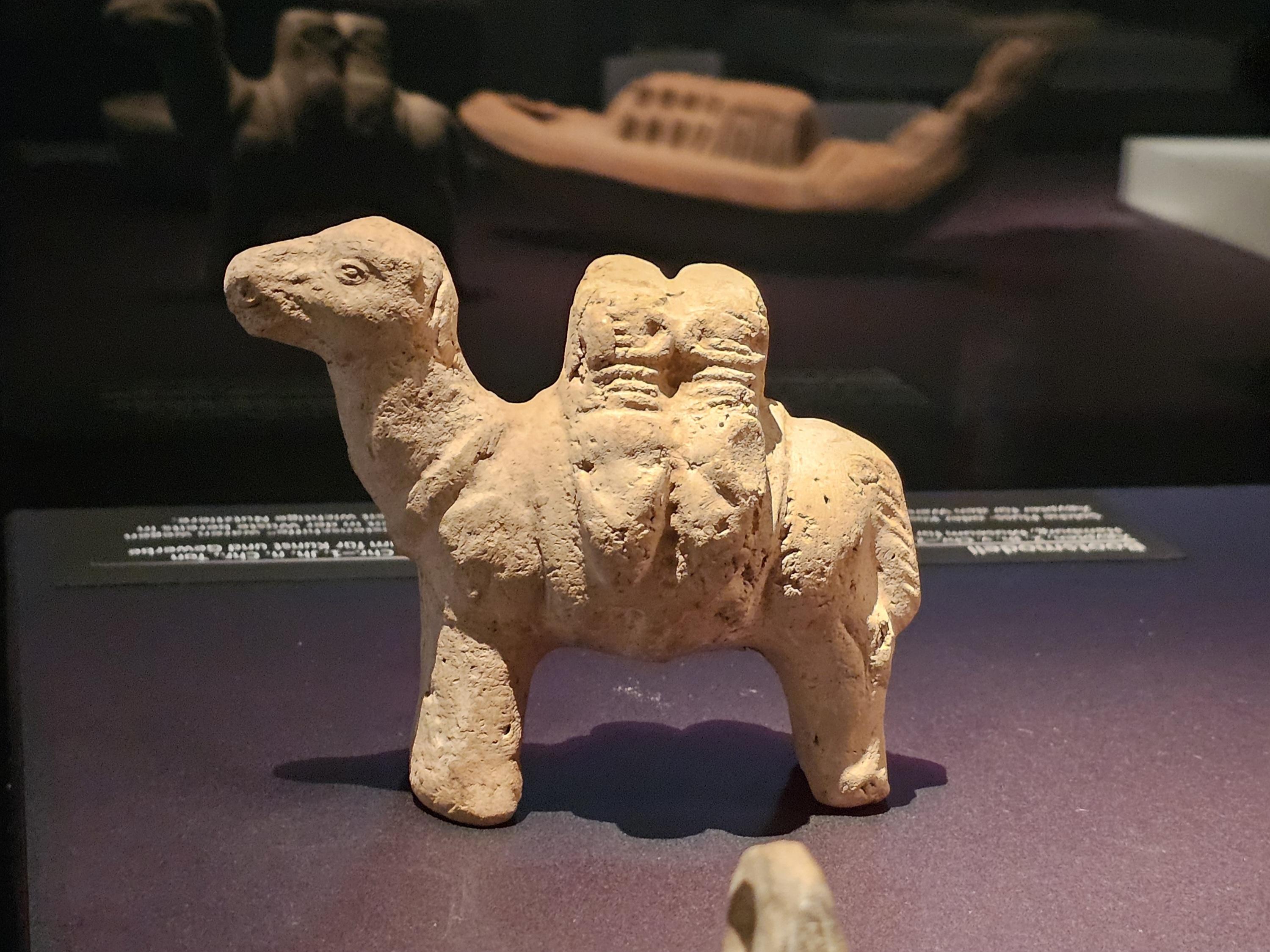
A terracotta figurine of a dromedary carrying two large amphorae on each side of a load frame. From Egypt, Roman period, 2nd/3rd century AD. πŸ“· me The photo was taken at the Caesar and Cleopatra exhibition in Speyer, having been loaned by the Museum fΓΌr Kunst und Gewerbe Hamburg. image