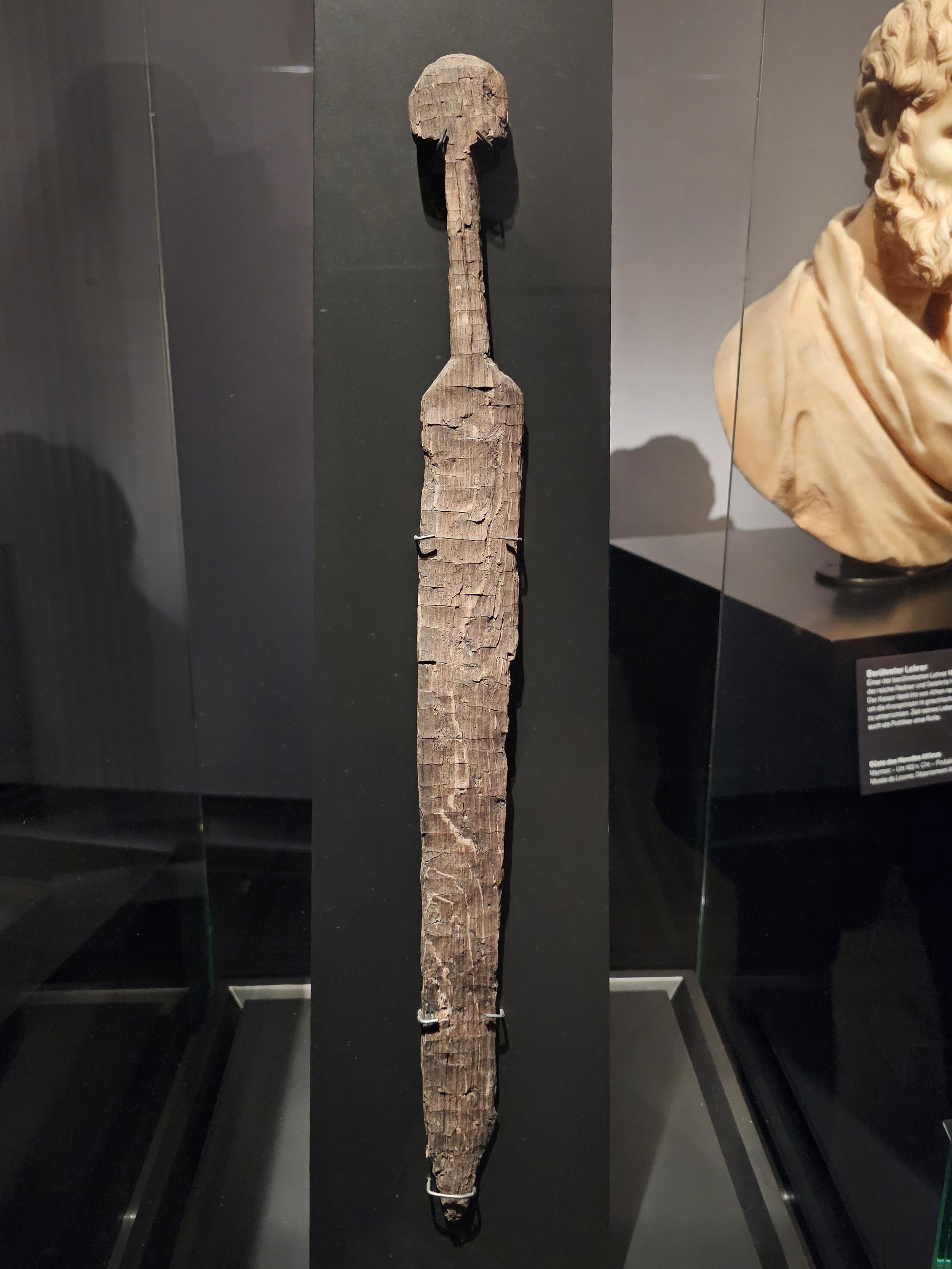
A wooden Roman sword, dating 1st century AD. Found in Carlisle. The sword, crafted entirely from wood, was a practice weapon used by Roman soldiers during training drills - or a kid's toy! Currently on display the Marcus Aurelius exhibition at the Rheinisches Landesmuseum Trier, on loan from Tullie House Museum Carlisle. πŸ“·me #archaeology #RomanArchaeology image
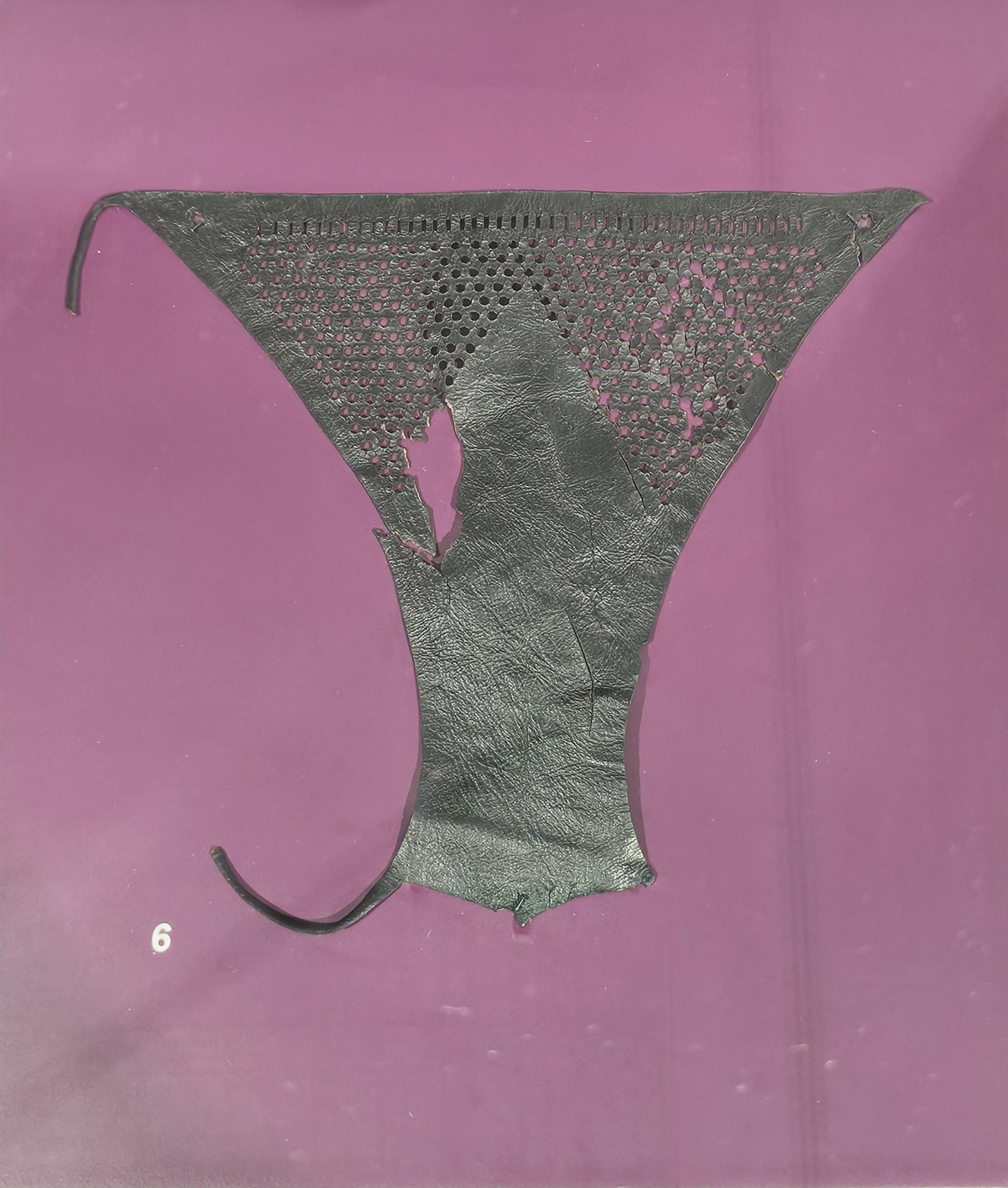
Victoria's Secret? A #Roman leather #brief/#bikini bottom with a cut-out design, tied on each side of the hips with leather laces. Made of goat leather, from Trier, dating 2nd c. AD. So far, seven differently cut leather briefs are known. It's unclear whether they were use das underwear or whether they were worn by acrobats. On display at Rheinisches Landesmuseum Trier πŸ“· me image
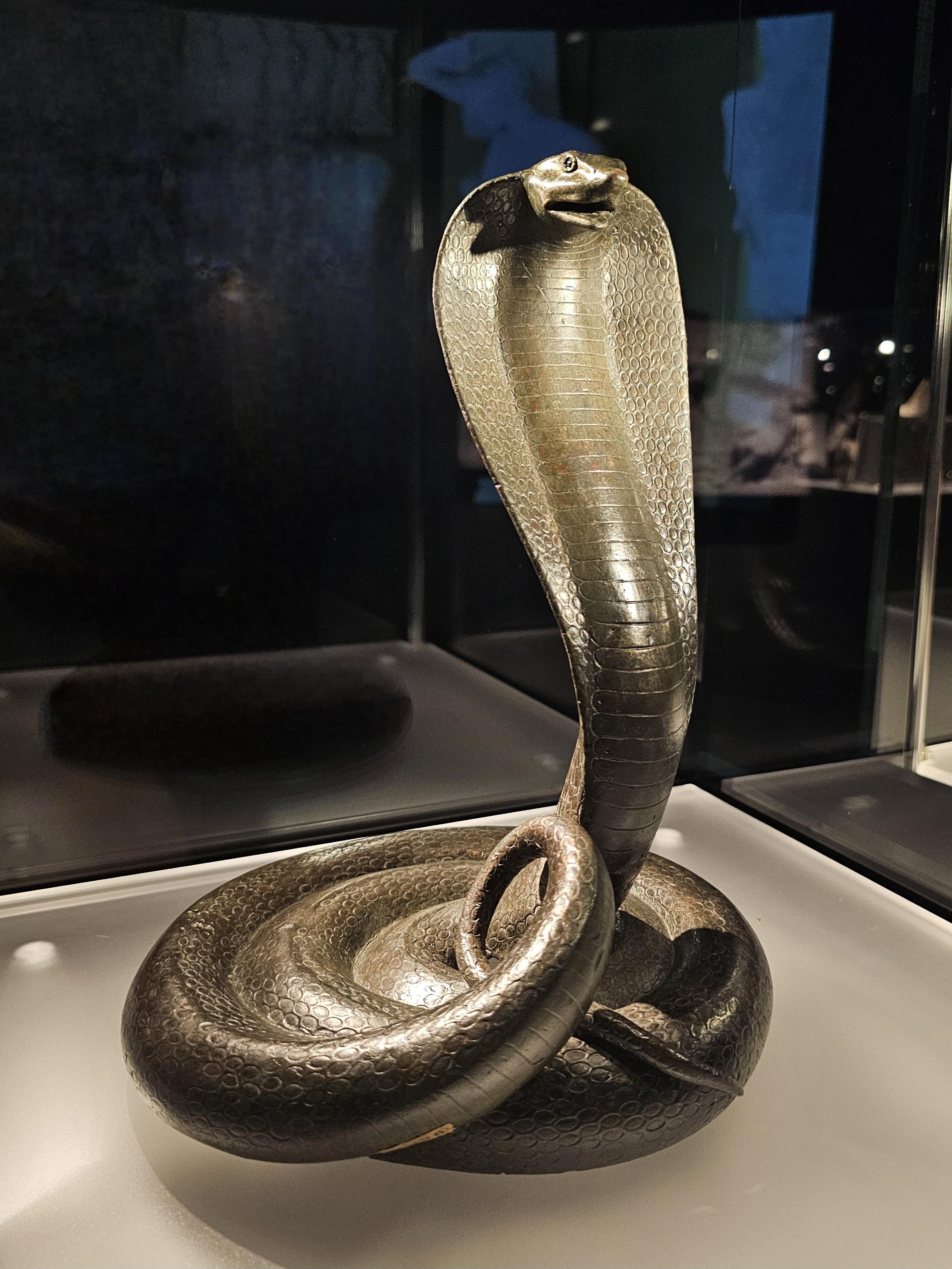
This bronze cobra with eyes inlaid likely originated from a workshop in Alexandria. The cobra motif is prevalent in Egyptian iconography, symbolizing royal authority and safeguarding against the Pharaoh's enemies. The Greek author Plutarch indicates that Cleopatra favored a quick death through a cobra bite. This narrative is nowadays questioned, considering the painful and prolonged impact of cobra venom. Currently on display at the Caesar and Cleopatra exhibition in Speyer πŸ“· me image
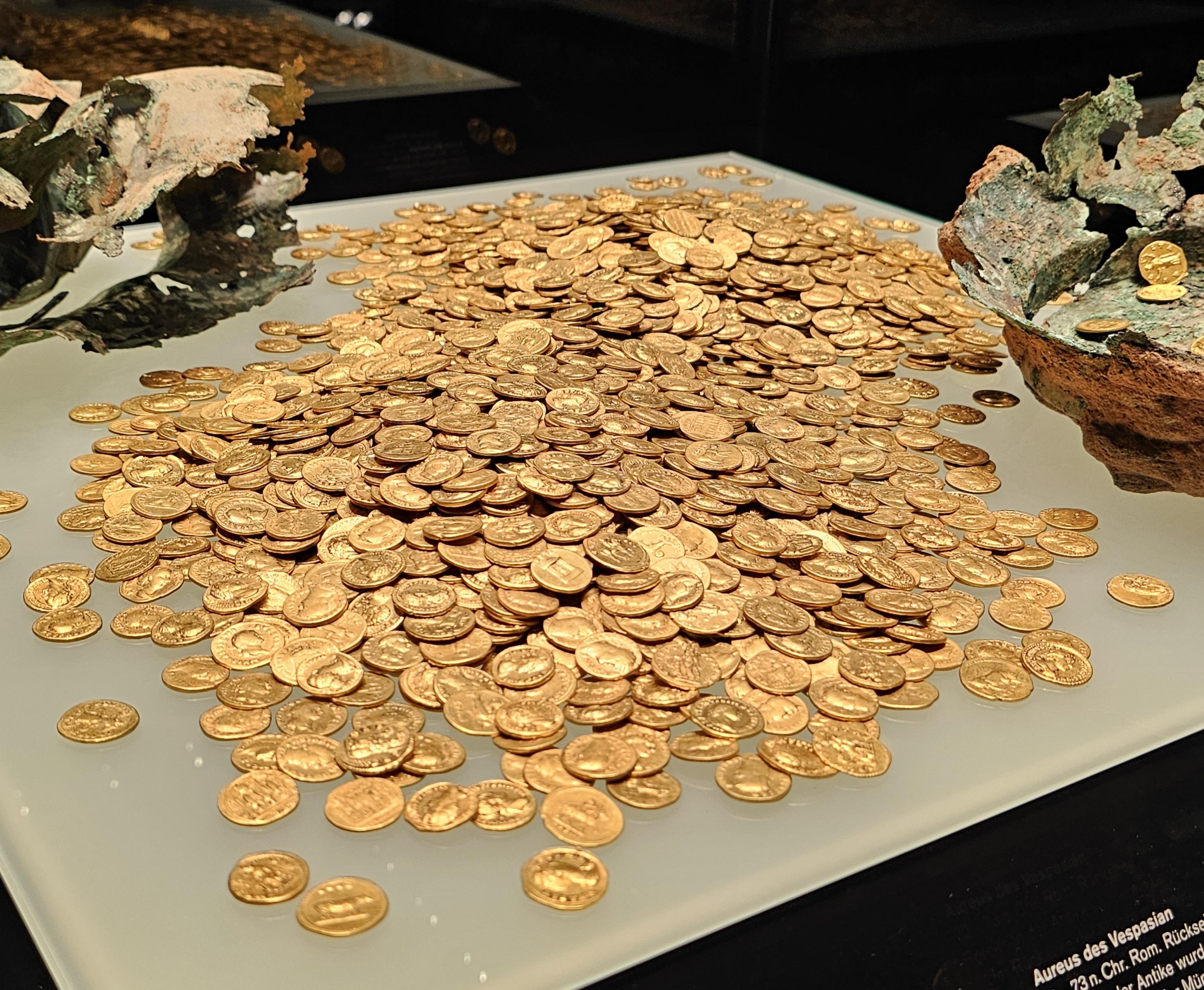
The impressive Trier Gold Hoard is the largest #Roman gold hoard ever discovered. It comprises more than 2650 aurei (gold coins) with a total weight of about 18.5 kilogram. The aurei were hidden in 196 AD during the revolt of Clodius Albinus against emperor Septimius Severus. The hoard was discovered in 1993 during construction works. On display at Rheinisches Landesmuseum Trier πŸ“· me #archaeology #romanarchaeology image
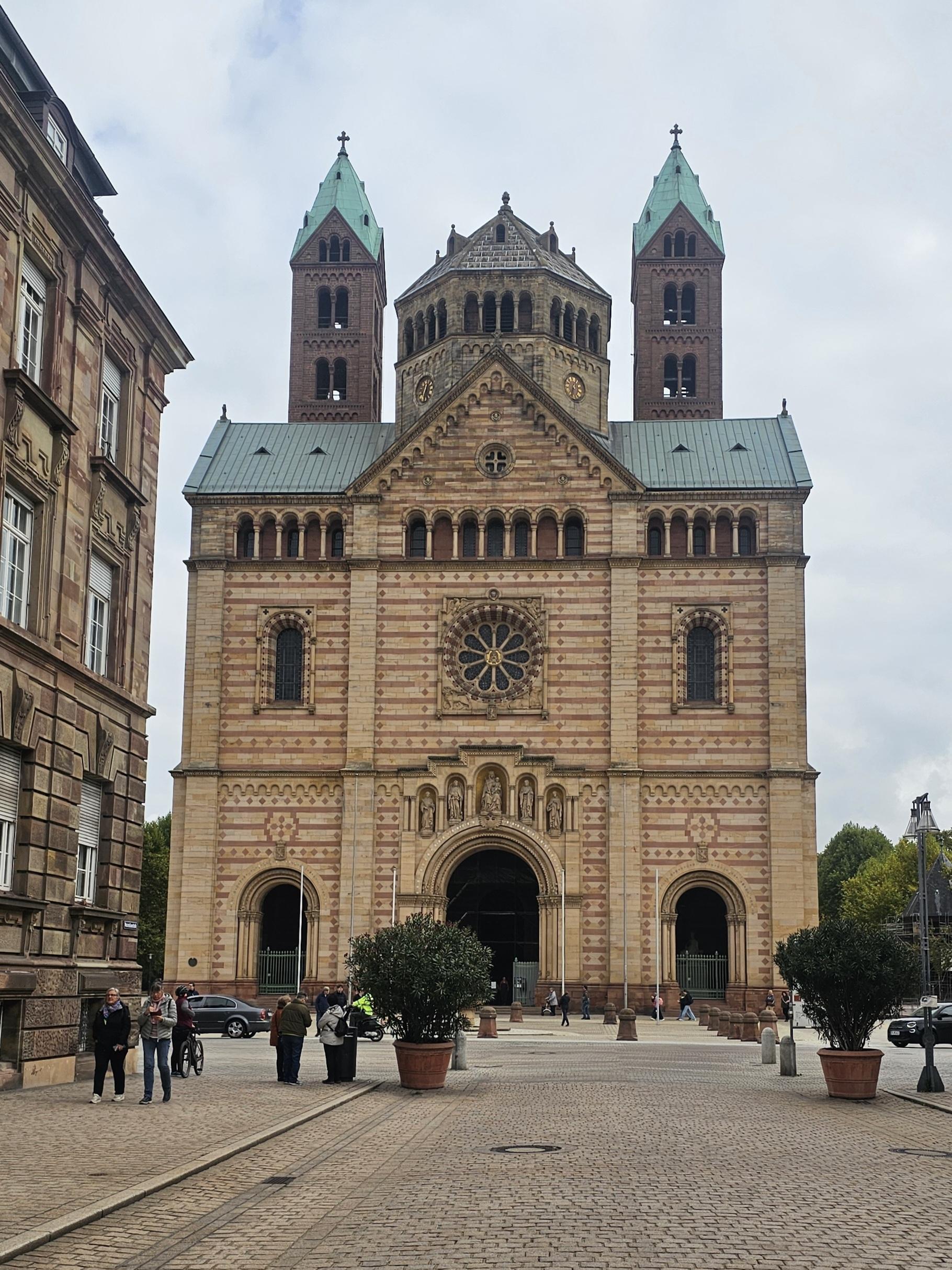
Visiting Speyer today with its impressive Kaiserdom (Imperial Cathedral), which was which was consecrated in 1061. The building was regarded as a monumental symbol of imperial power and faith. Built of sandstone and measuring about 133 meters long, it remains the largest surviving Romanesque church in the world and a masterpiece of medieval architecture. πŸ“· me image
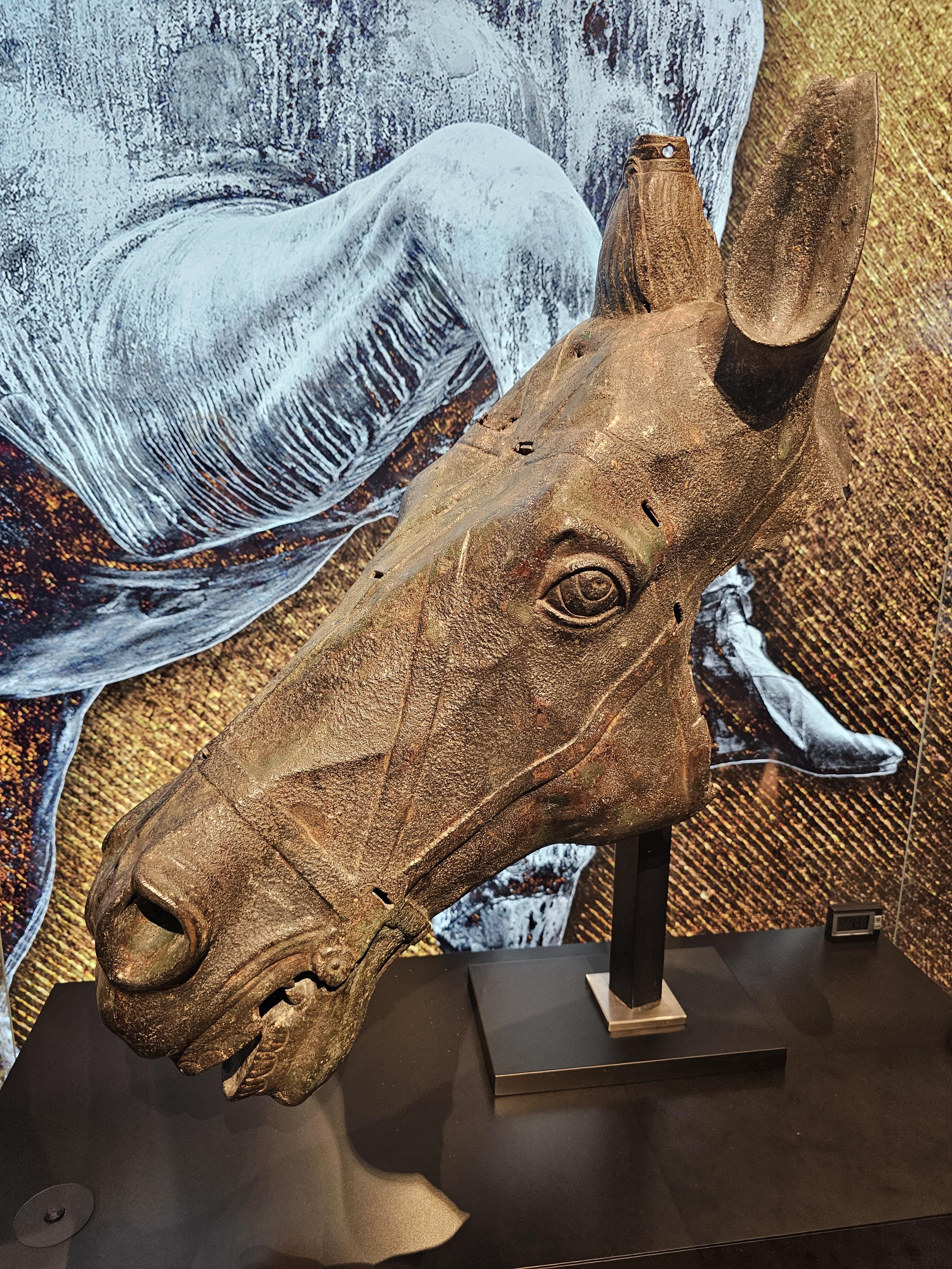
This marvellous life-sized #horse head made of gilded bronze belonged to a figural group of a #Roman emperor in a quadriga or a biga (a chariot drawn by four or two horses). Found in Augsburg, dating 1st/2nd century AD Currently on display at the Marcus Aurelius Exhibition in Trier, on loan from RΓΆmisches Museum Augsburg. πŸ“· me #archaeology ##RomanArchaeology image
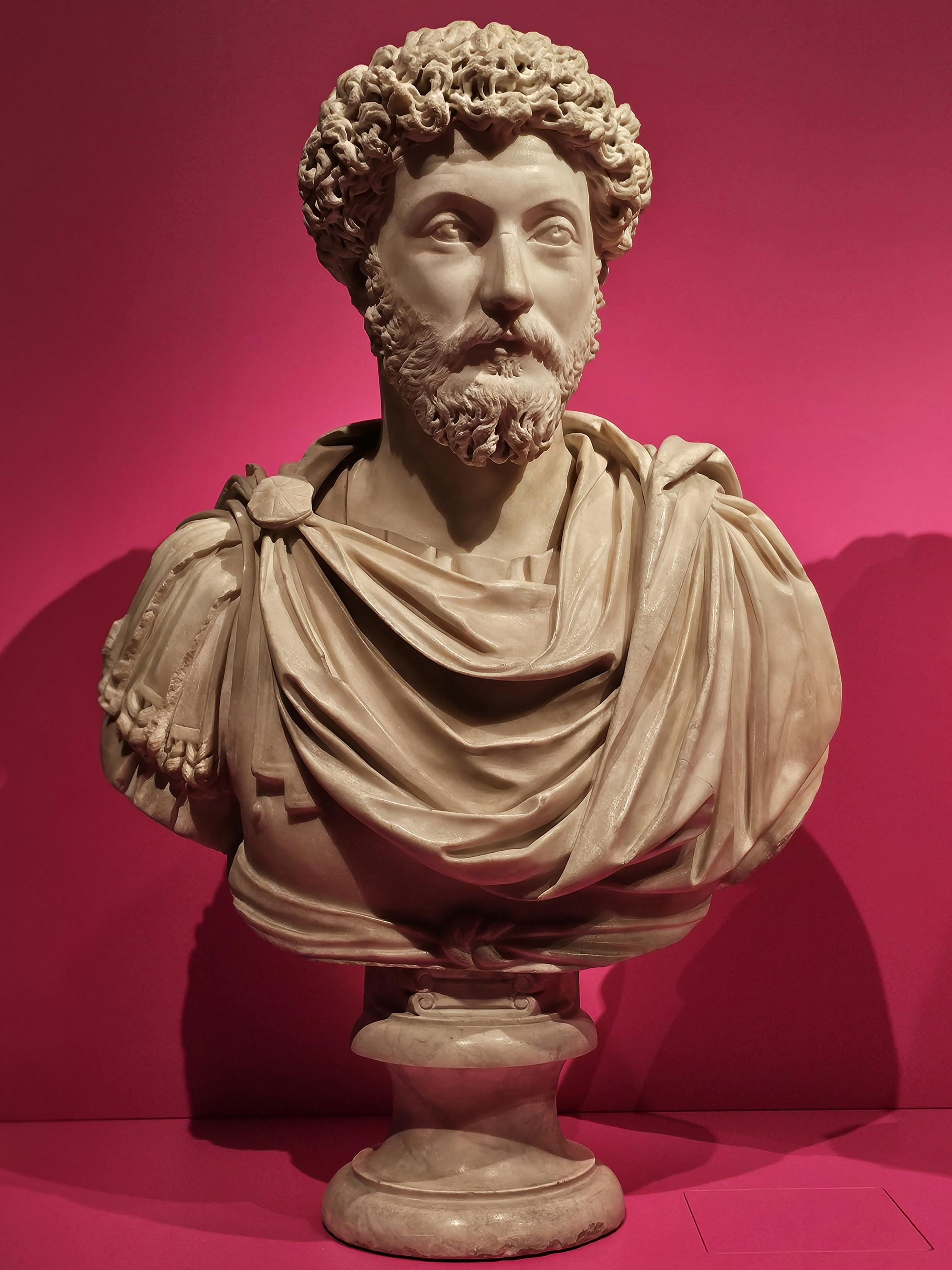
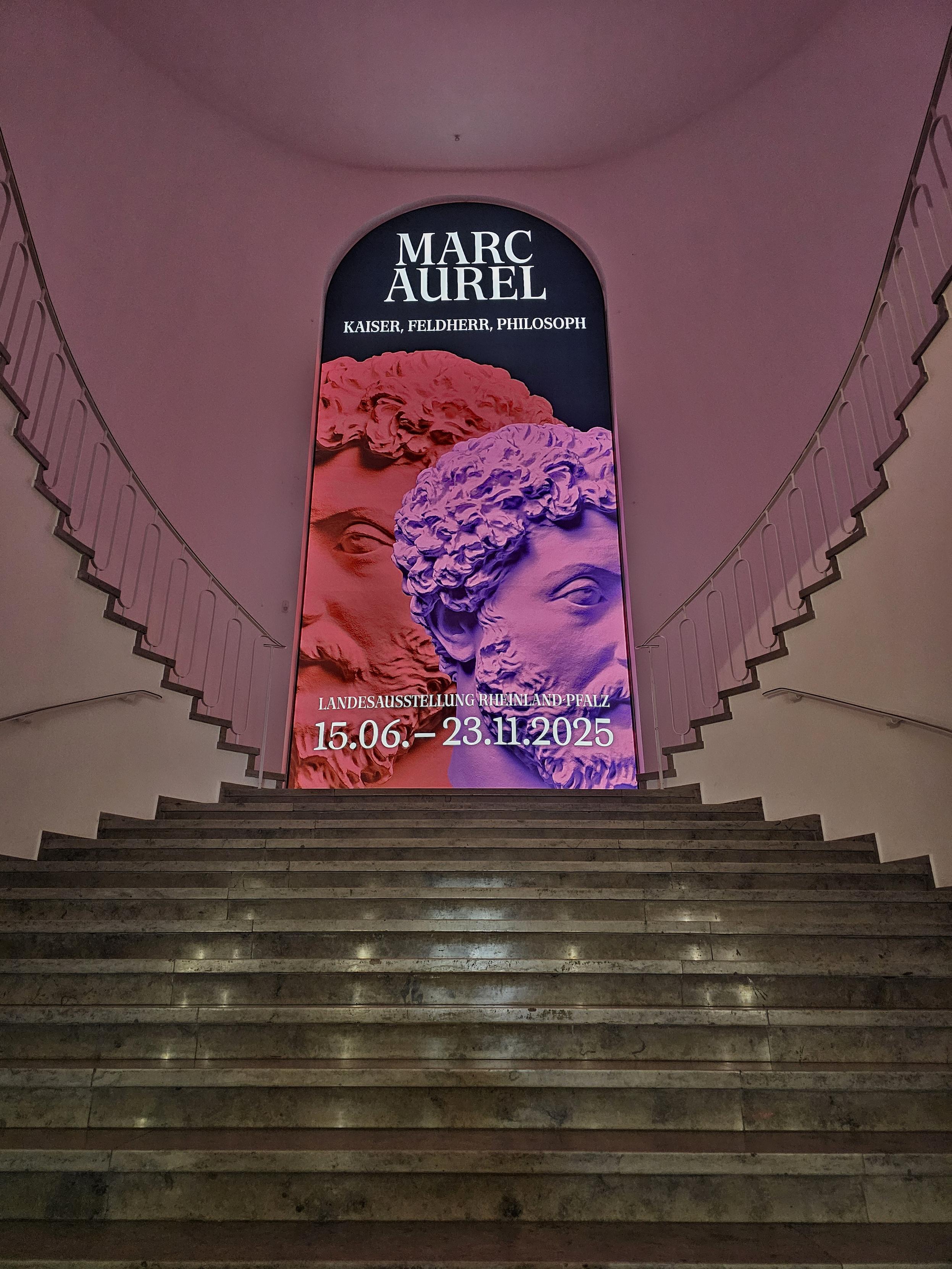
I must say, I am feeling quite exhausted after a truly wonderful day spent in the "Marcus Aurelius" exhibition and the Landesmuseum Trier.
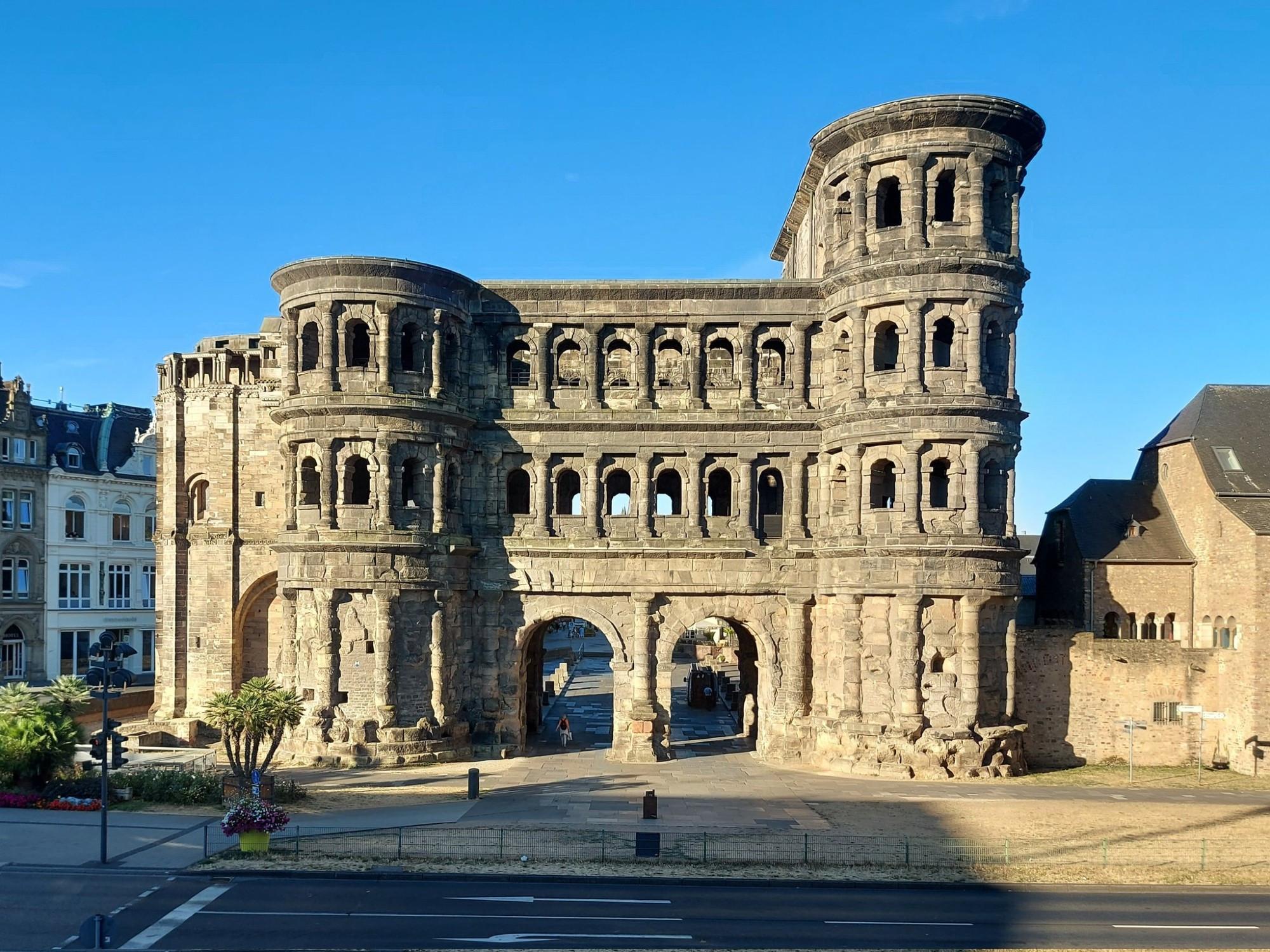
Off to Trier for the Major State Exhibition "Marcus Aurelius." The photo shows the Porta Nigra in Trier, a Roman city gate, dating 2nd century AD. image
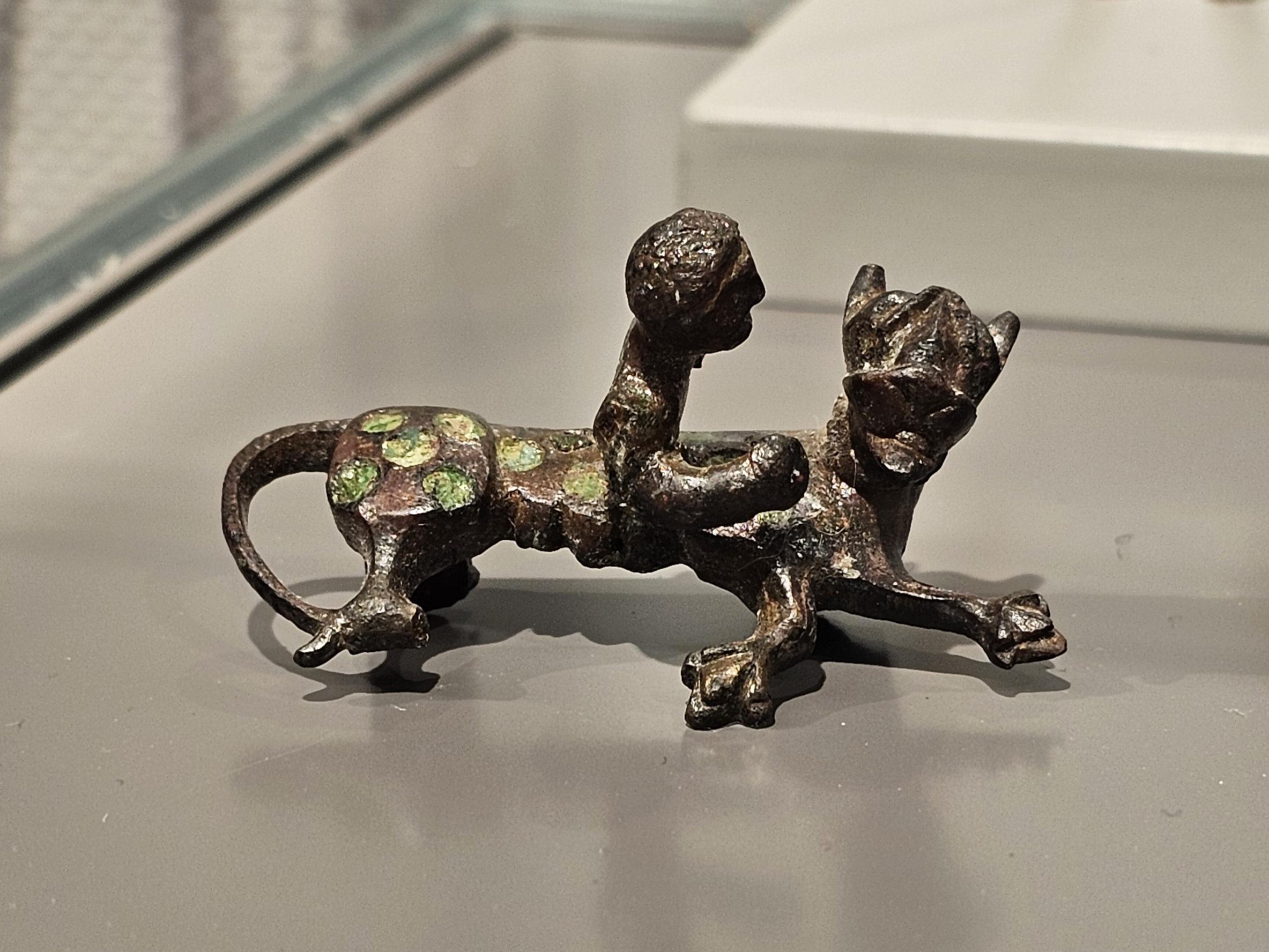
A Roman fibula shaped like a panther with a human rider on its back, crafted in bronze with colorful enamel inlay. Panthers were linked to the god Dionysus/Bacchus, often depicted as his favored mounts, suggesting a symbolic or protective function for fibulae featuring this motif beyond their practical role as garment fasteners. Found in Rottweil, dating 2nd/3rd century AD On display at Dominikanermuseum Rottweil. πŸ“· me #archaeology #RomanArchaeology image
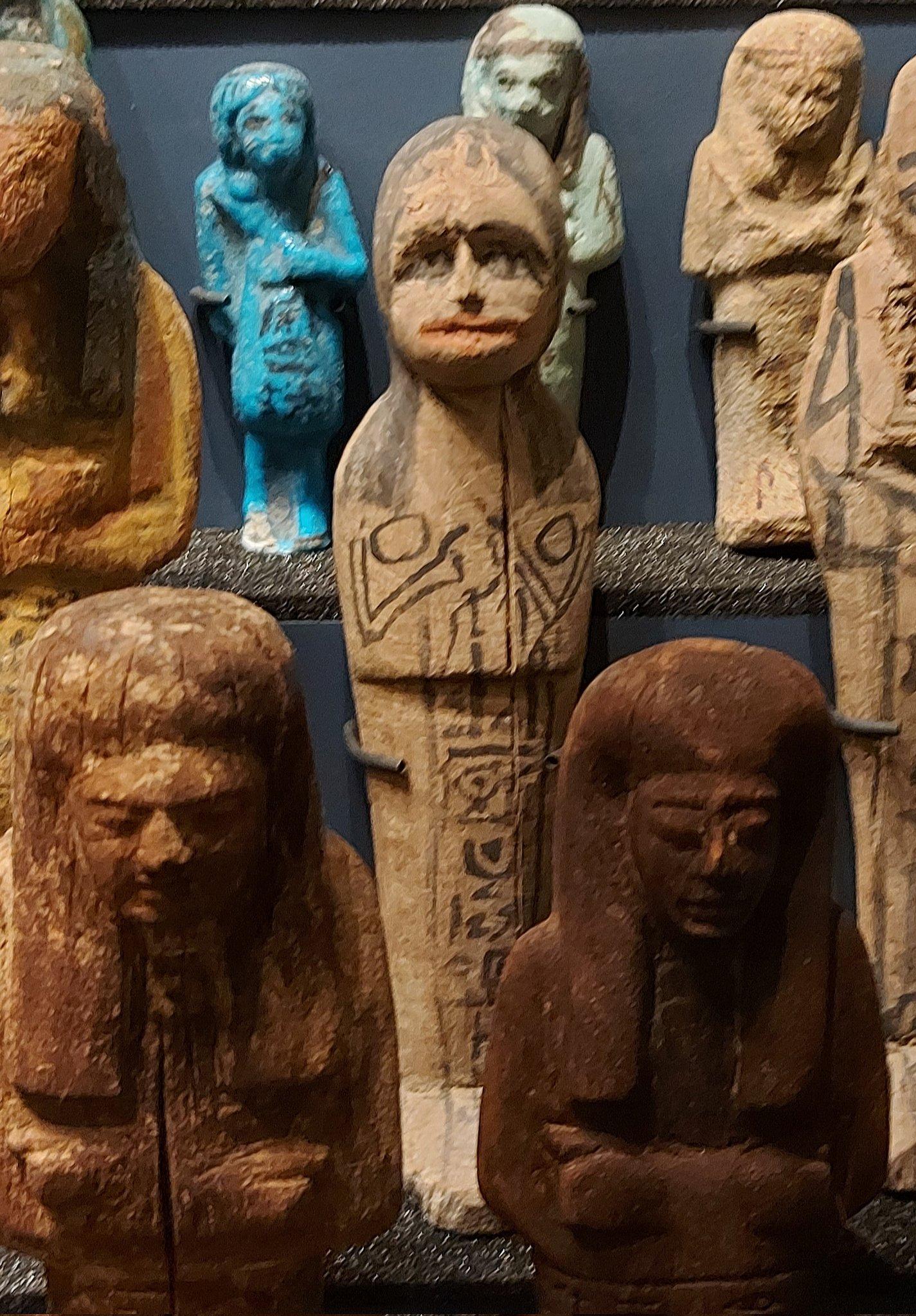
Current mood.... An Egyptian shabti (a figurine who acted as servant for a deceased to perform the manual labour in the afterlife), on display at the Petrie Museum of Egyptian Archaeology. image