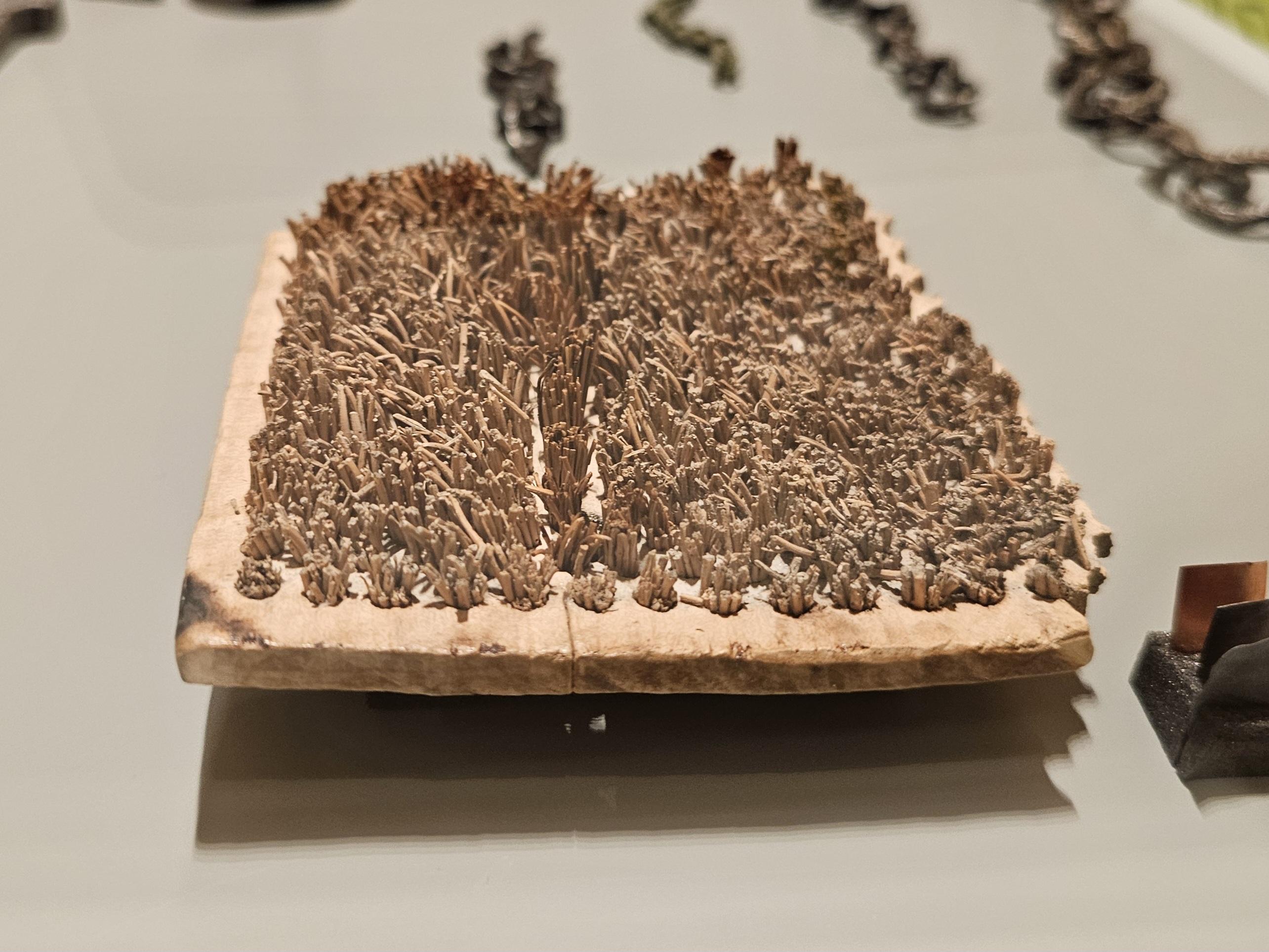
#FindsFriday! A Roman brush found in Bregenz. Roman brush fragments are sometimes difficult to interpret; in this case, their function may relate to textile production, as suggested for similar finds in Eschenz.The bristled surface is suitable for carding or teasing wool fibers. The thickness and coarse texture suggest its role was to disentangle, clean, and align raw wool prior to spinning. However, it may also have been used as a tool for cleaning tasks. On display at Vorarlberg Museum 📷 me image
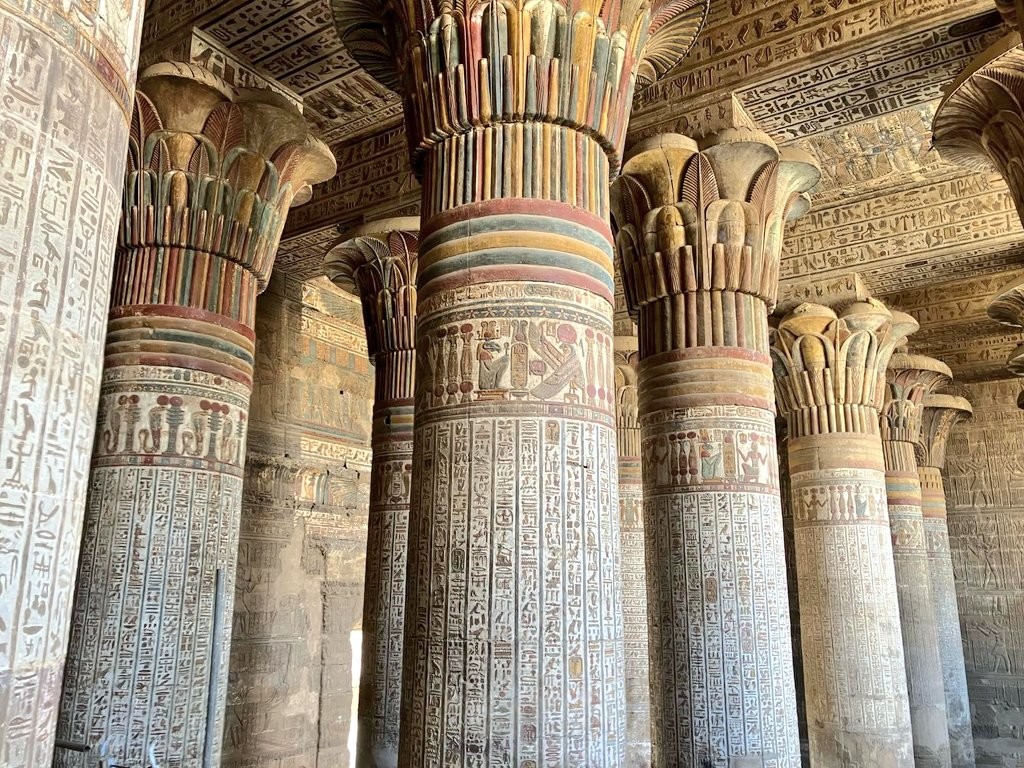
Fantastic photo of the columns and ceiling of the Temple of Khnum in Esna, Upper #Egypt after the restoration. The reliefs and inscriptions had been covered by a coating of dirt and soot for about 2,000 years. They were uncovered in a 5-year project. 📸 D. v. Recklinghausen image
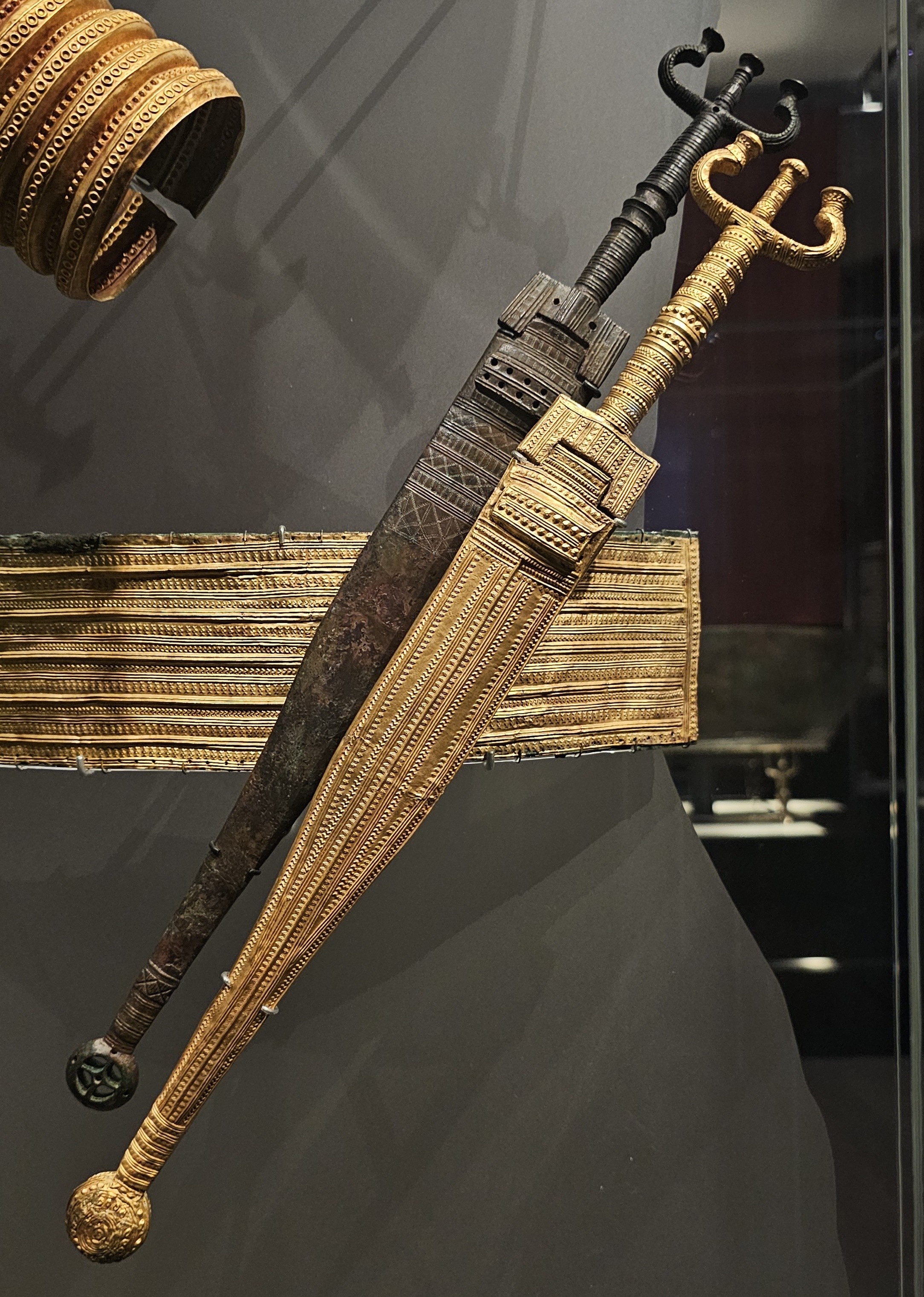
The early Celtic "prince" of Hochdorf was buried with two bronze daggers with so-called antenna-hilt, one of which was elaborately covered with gold foil for the burial - a symbol of the deceased's social rank. Dating around 530 BC. On display at Landesmuseum Württemberg #archaeology image
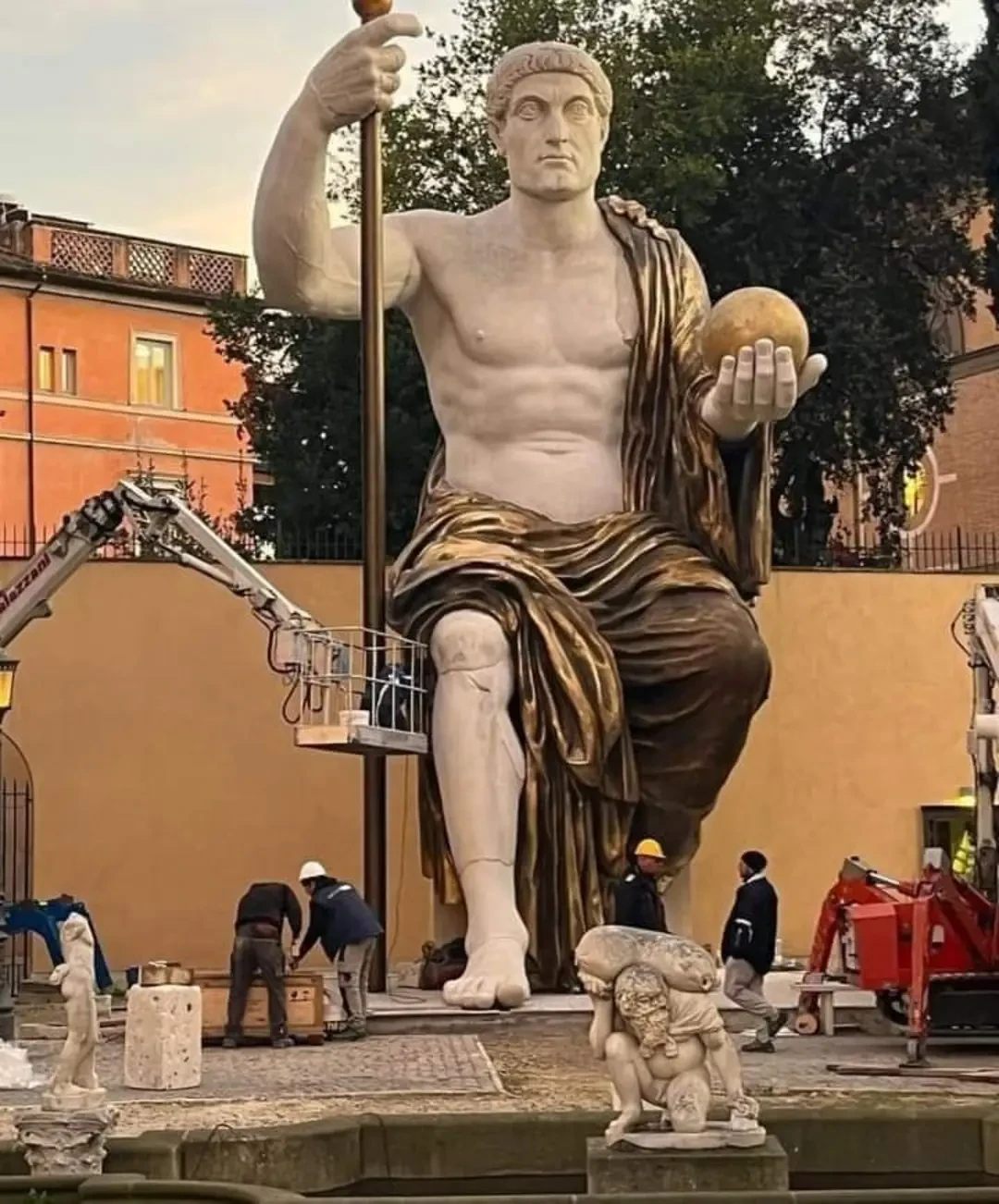
Constantine the Great returns - a copy of the colossal statue (height 12 metre) is being reconstructed at the Capitoline Museum, Rome. image
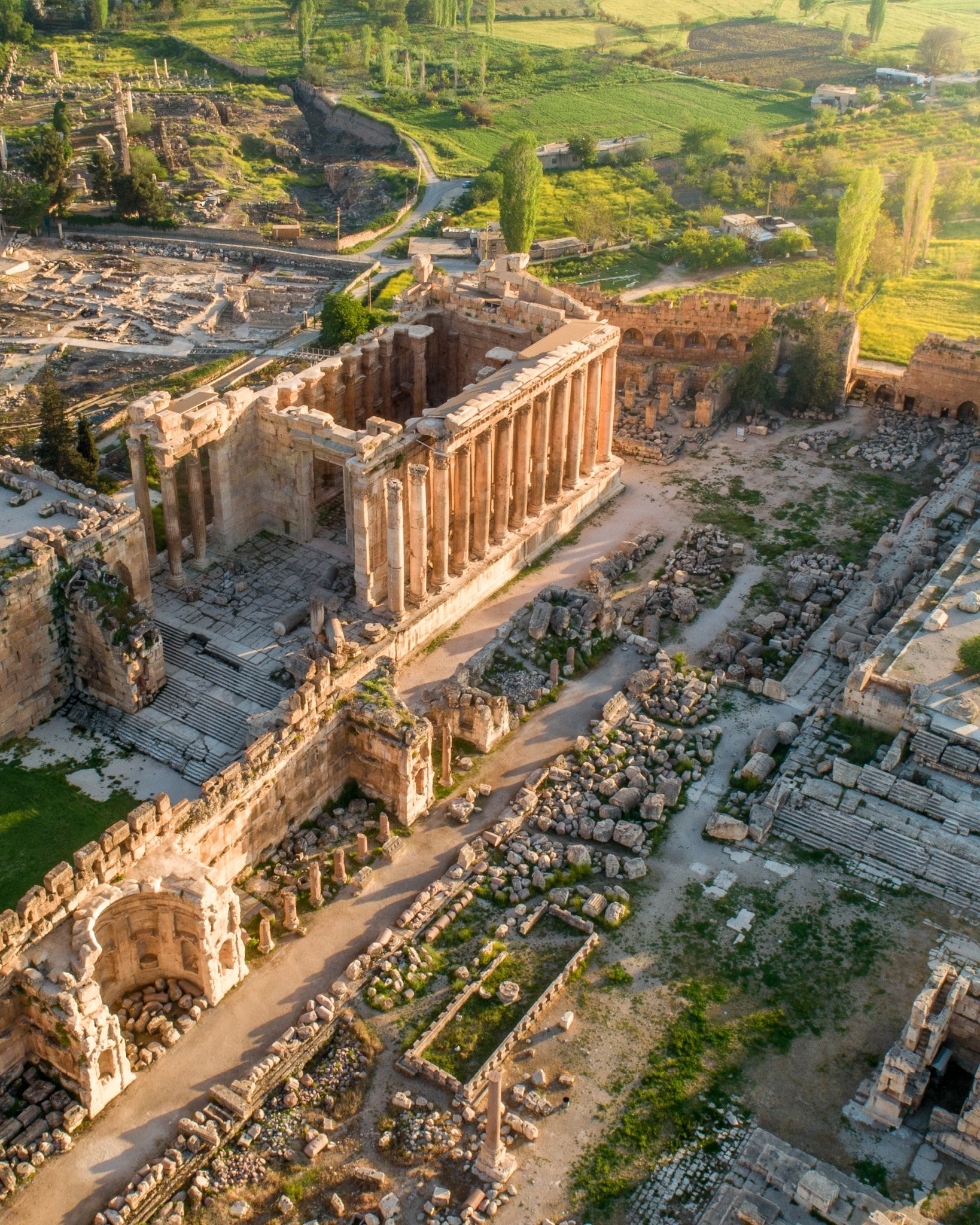
For #RomanSiteSaturday let's go to my favourite #Roman site: the temple complex of #Baalbek, located in the Bekaa Valley/#Lebanon. The breathtaking site contains some of the largest Roman temples ever built. The so-called Bacchus temple is one of the best preserved temples of the Roman period. Baalbek is an UNESCO World Heritage site since 1984 and one of the most amazing places I have ever been to. Photos: Rami Rizk #RomanArchaeology #archaeology
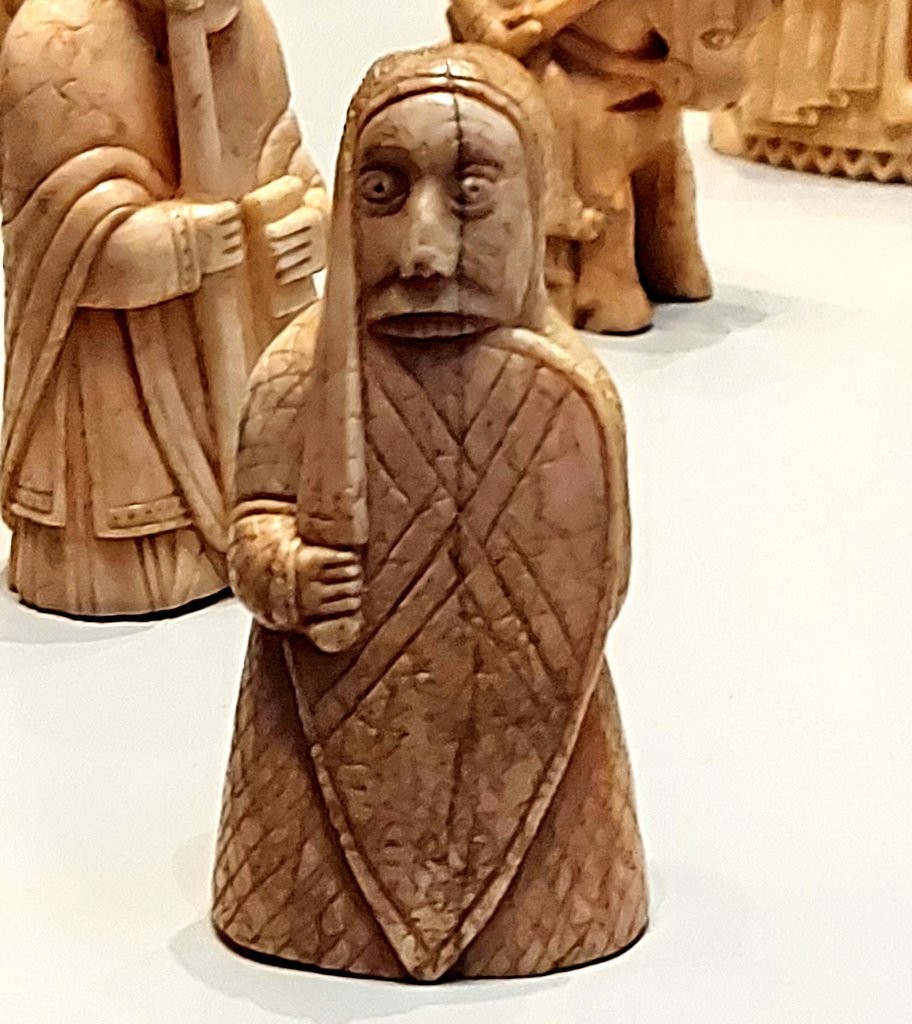
Current mood.... The 'shield-biting berserker’, one of the terrific Lewis Chessmen. The 78 chess pieces were found in a wooden box in a stone chamber on the Isle of Lewis, #Scotland. They were carved from #walrus ivory and #whale teeth. Dating 12th AD. On display at BritishMuseum #Archaeology image
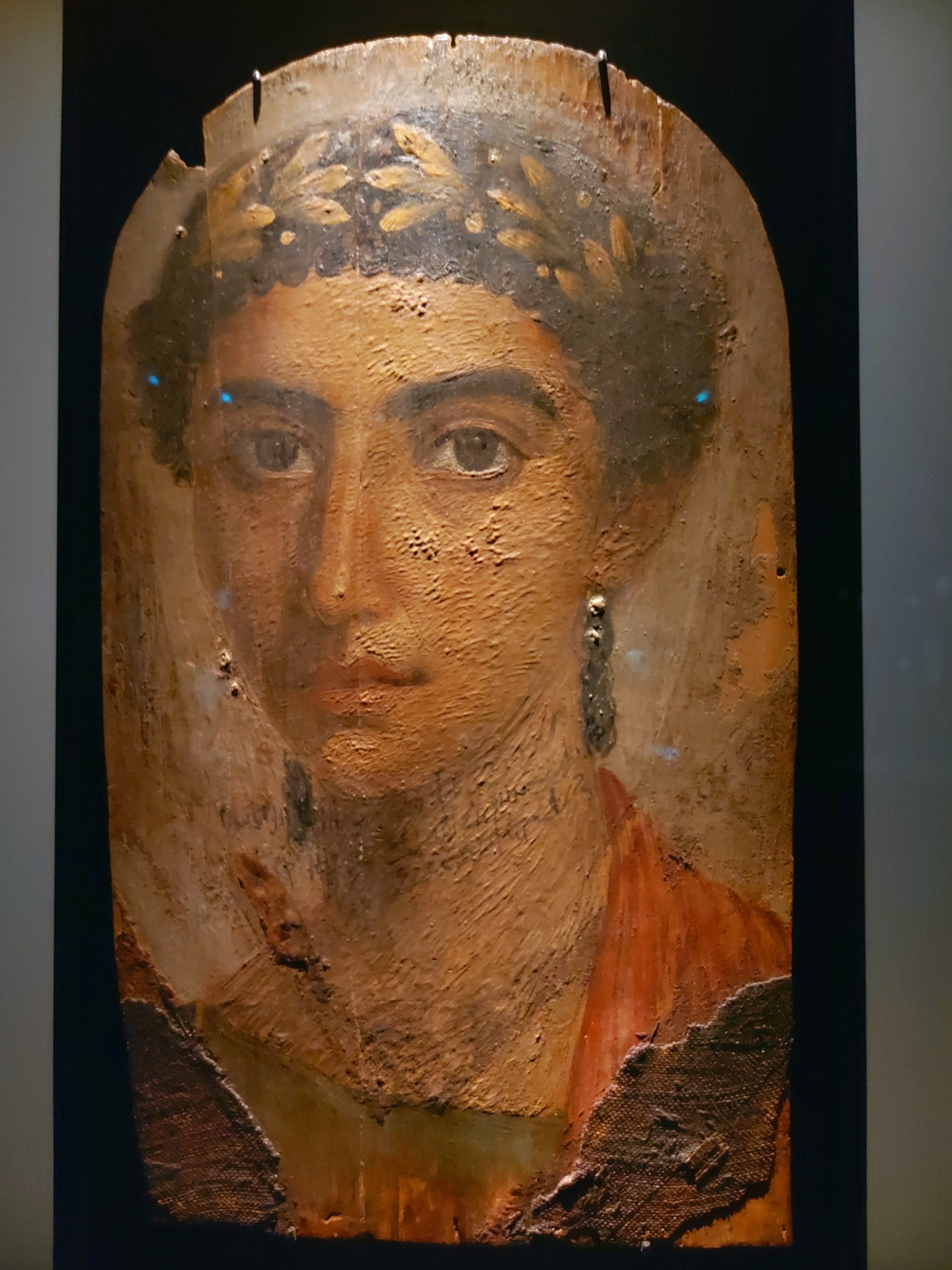
One of the few mummy portraits that bears an inscription. The translation reads: Eirene, daughter of Silvanos, her mother is Senpnoutis. May her soul live forever before Osiris-Sokar, the great god, the Lord of Abydos. Dating 40/50 AD. On display at Landesmuseum Württemberg #archaeology image
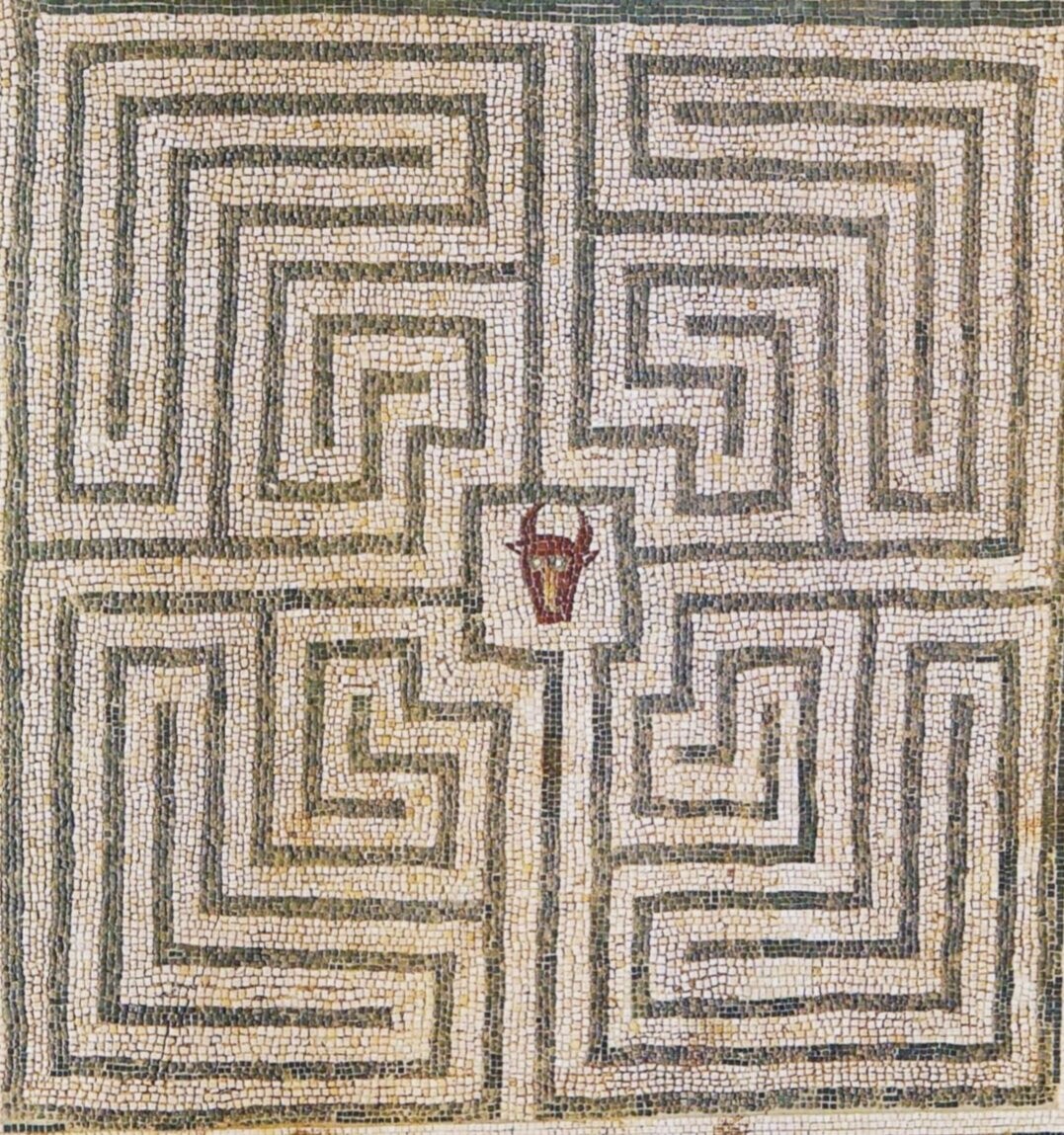
For #MosaicMonday a #Roman mosaic showing the labyrinth of the Minotaur on Crete. The monster’s head is depicted in the centre. The simple depiction is alluding to the myth of Theseus, in which the Greek hero slays the Minotaur in the labyrinth with the help of Ariadne’s thread. The mosaic was found in the peristyle of the House of the Fountain in Conimbriga/Portugal, dating 3rd century AD. #RomanArchaeology image
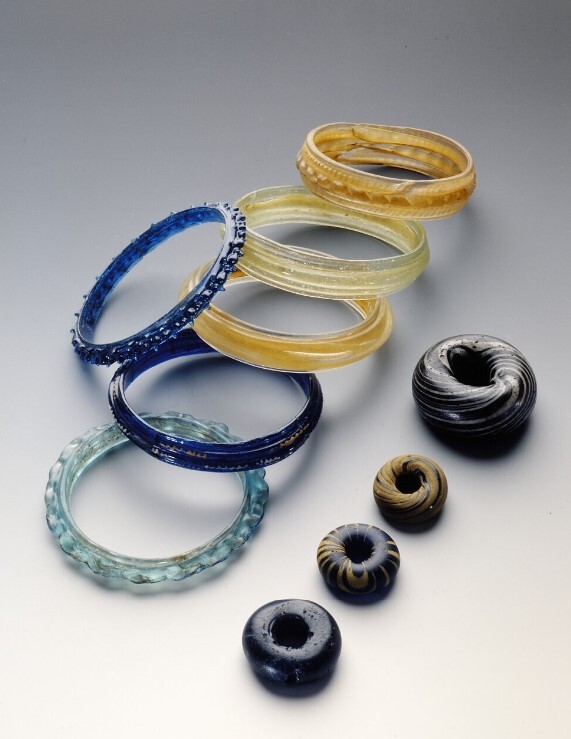
Glass bracelets and beads found in the oppidum (#Celtic settlement) at Manching. Manching was a centre of Celtic glass industry. It was specialized on the production of seamless colourful glass bracelets from ca. 260 - 40 BC. The raw glass was imported from the eastern Mediterranean region, the colourants were added by the local craftsmen. To produce the seamless bracelets a glass bead was made and gradually enlarged with a metal rod and a cone. Photo: Archäologische Staatssammlung München. image