The so-called TikTok ban “has only resulted in turning over the platform to the allies of a president who seems to have no respect for the First Amendment,” EFF’s @David Greene (no not that one) told the @npub1wepe...xvdk. https://www.washingtonpost.com/technology/2025/09/23/tiktok-sale-investors-china-ellison/
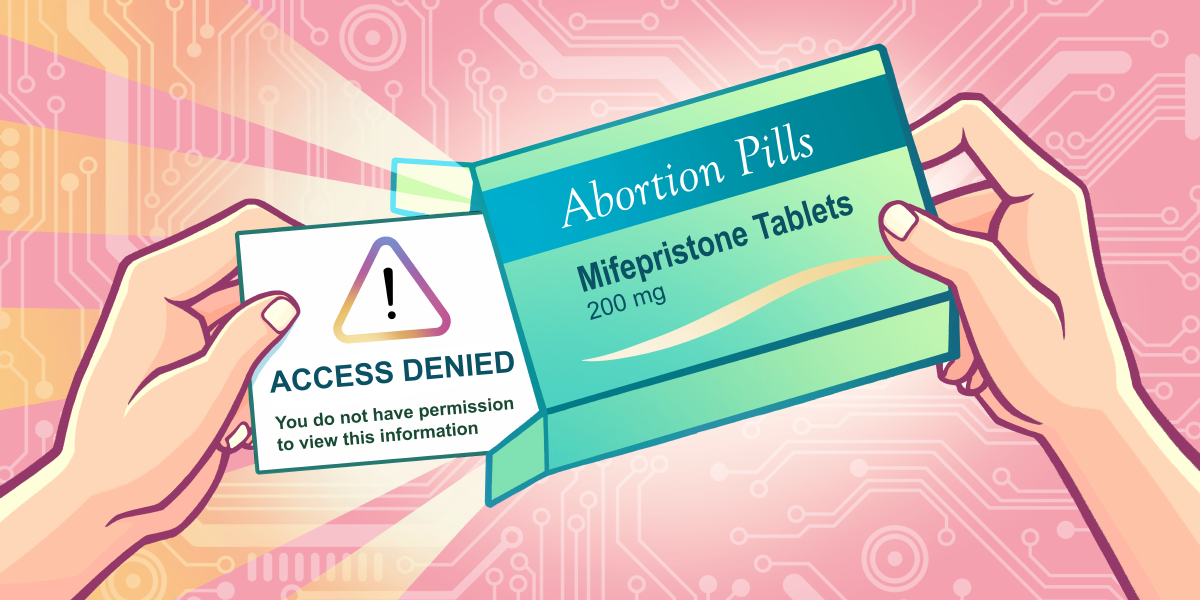
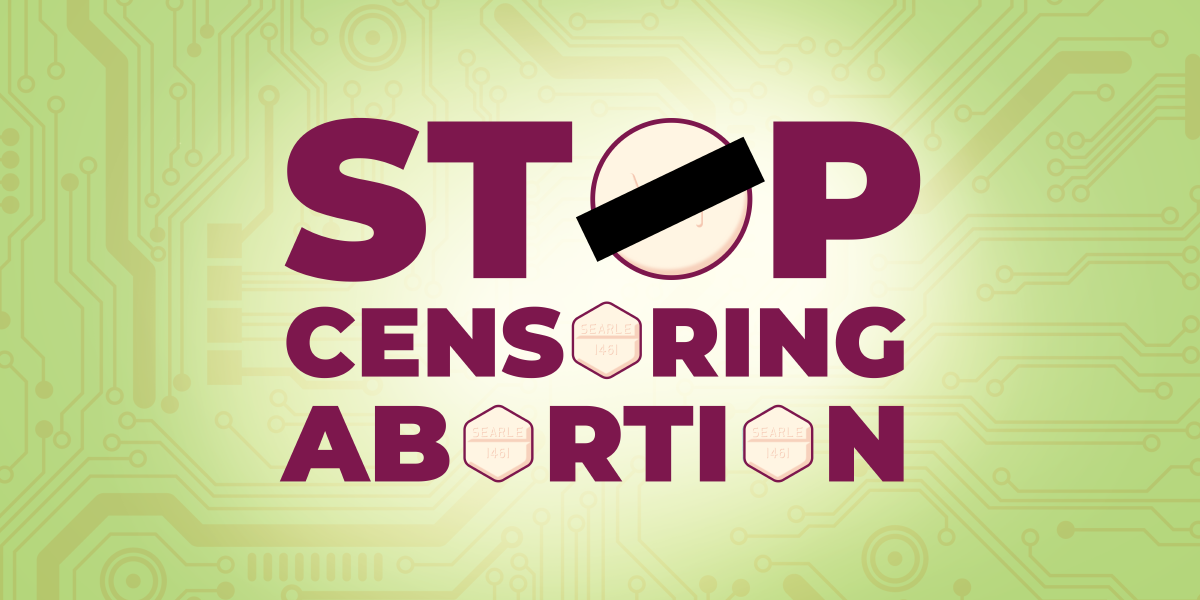
Meta’s rules for “Dangerous Organizations and Individuals” were supposed to be narrow—but over the years, we’ve seen these rules applied in far broader and more troubling ways, most recently in this story about reproductive health care.
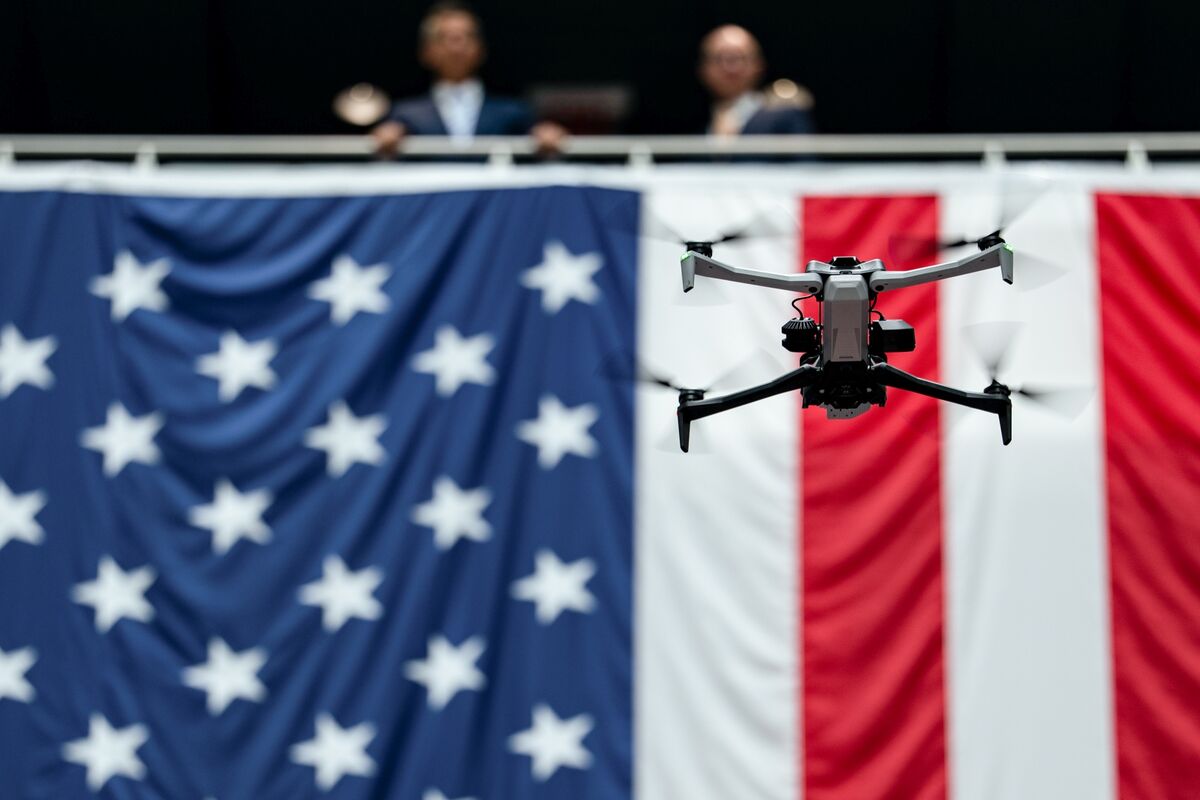
“What we see with police surveillance technology in general is that there’s a lot of lip service paid up front to the privacy concerns, but then there is mission creep that happens,” EFF’s Beryl Lipton told Bloomberg Opinion.
Meta admits that some categories of speech aren’t eligible for recommendation. Abortion content doesn’t clearly fit those rules, but content creators who use their platforms to spread educational information about abortion are feeling the consequences of being shadowbanned anyway.
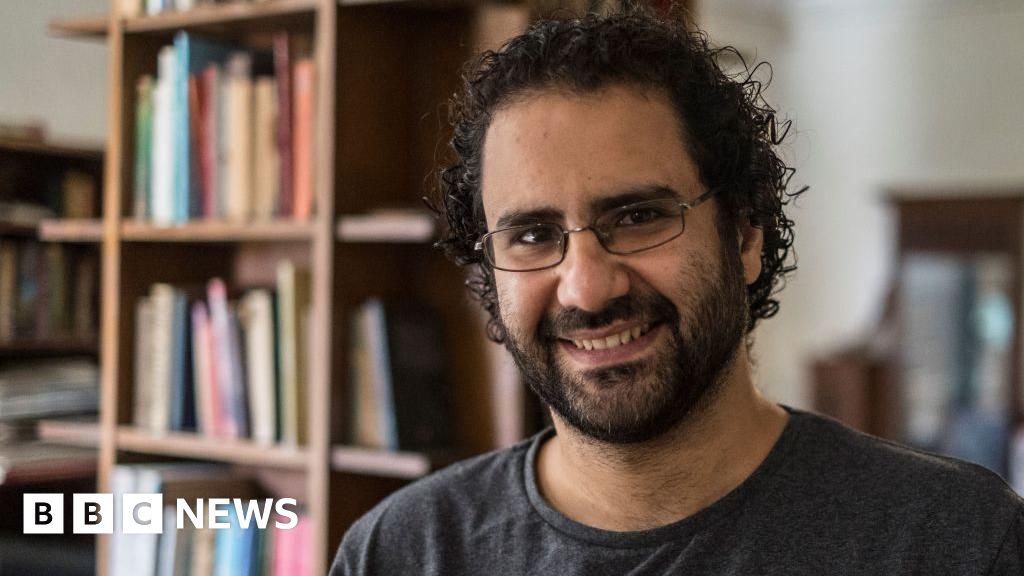
Egypt's President Abdul Fattah al-Sisi has pardoned the prominent British-Egyptian coder, blogger, and activist Alaa Abdel Fattah, who has been imprisoned for six years, state media and his family say.
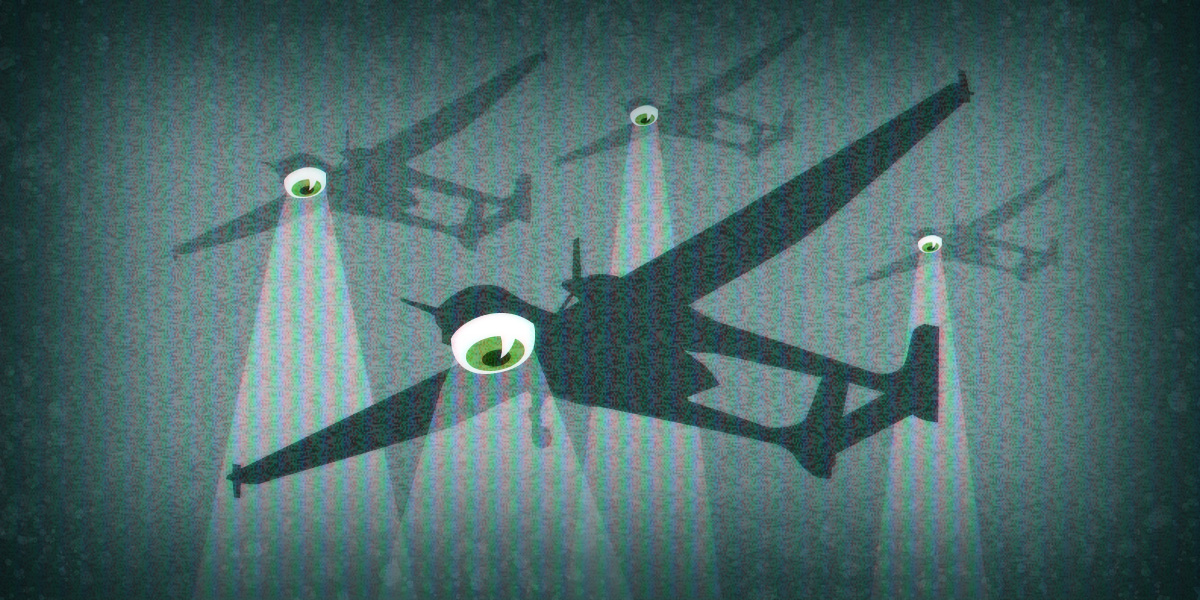
Drones from Flock Safety are also flying ALPR cameras, a terribly dangerous combo for privacy.
Join EFF as a legal intern and fight for privacy, human rights, and freedoms! Your work can make a real difference.
A VPN is not a tool for anonymity, and while it can protect your location from some companies, there are many other ways companies may track you.
Want safer tech? It starts with real consent.
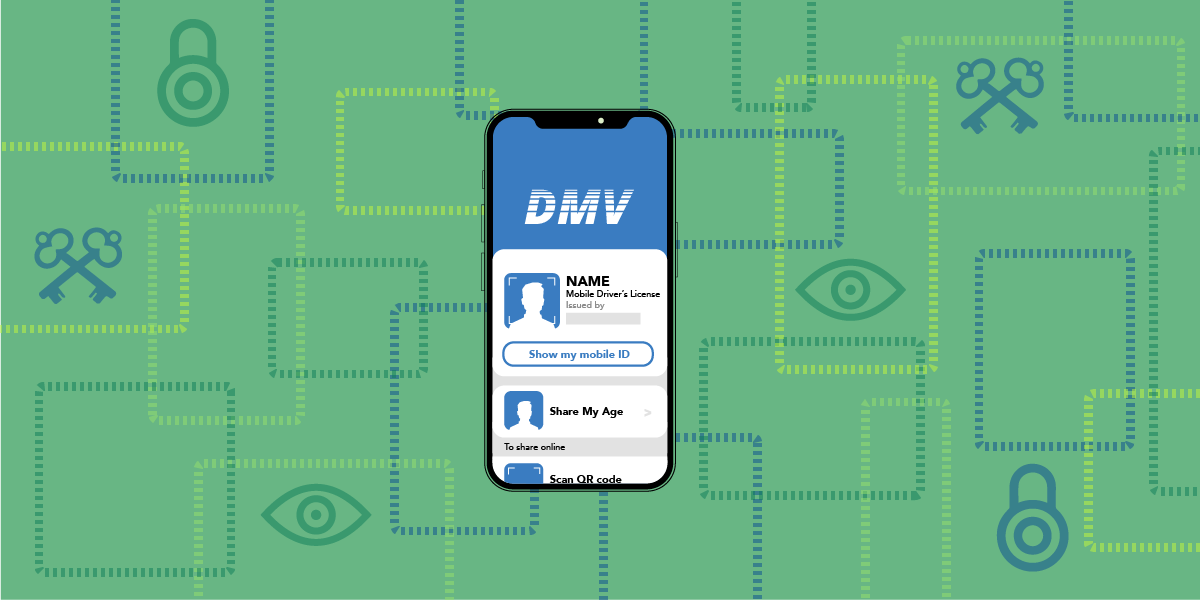
Zero‑Knowledge Proofs let users prove they are over 18 without exact birthdates, but they don’t stop verifiers from collecting information like your IP address. These alone aren’t enough to protect privacy and shouldn’t be pushed forward without proper protections in place.