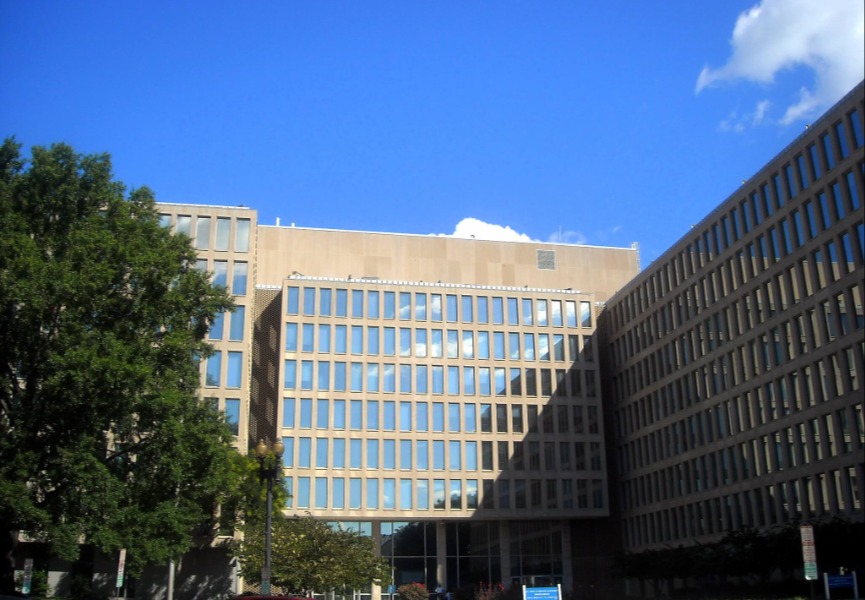
On Tuesday, over 2 million federal employees received an email with the subject line "Fork in the Road," introducing a deferred resignation program. Nick Bednar explains that not only could this violate the law, it may backfire & increase the incentives for employees to stay.
This morning, the Senate Judiciary Committee is holding Kash Patel's confirmation hearing to be FBI director. Anna Bower and Benjamin Wittes dive deep into the controversies around Patel, from his time as a staffer for Devin Nunes to his actions in the run up to Jan. 6.
"Biden’s press freedom legacy may end up dominated by his laying the groundwork for Trump or a future administration to prosecute journalists for news reporting." Seth Stern examines the prosecutions of Julian Assange and Tim Burke by the Biden Justice Department.
On Lawfare Daily, Kevin Frazier spoke to Aram Gavoor about the Trump administration’s initial moves on AI policy, the pivot toward relentless innovation, Trump rescinding the Biden administration’s 2023 EO on AI, and the recently announced Stargate Project.
Today, a federal judge granted the motion by the attorneys general of Washington, Arizona, Illinois, and Oregon to temporarily block President Trump's executive order on birthright citizenship from going into effect. Read the decision, from Anna Hickey.
In The Situation, Benjamin Wittes writes that if the goal of President Trump's pardons of the Jan. 6 defendants is to erase what happened in 2021, it won’t work because “a president can frustrate justice, but he can’t change the truth."
It's the “Tornado Kash” Edition! On this week's Rational Security, Scott Anderson, Benjamin Wittes, Eugenia Lostri, and Tyler McBrien broke down the week's big national security news, including Syria’s Assad regime collapsing, President-elect Donald Trump’s decision to nominate Kash Patel for FBI director, and more.
Foreign governments are interfering in democratic politics by funding campaigns and propaganda. Liberal democracies can apply financial intelligence tools to counter these efforts, writes Jessica Davis this week’s Foreign Policy Essay.
Susan Landau looks at how the 1994 Communications Assistance for Law Enforcement Act allowed a successful cyberattack tied to the Chinese government to access U.S. wiretapping orders—and what can be done to keep this from happening again.
Today in The Situation, Benjamin Wittes puts forth 6 "principles for staying sane and rational during a period of a democratic stress born of the screaming."