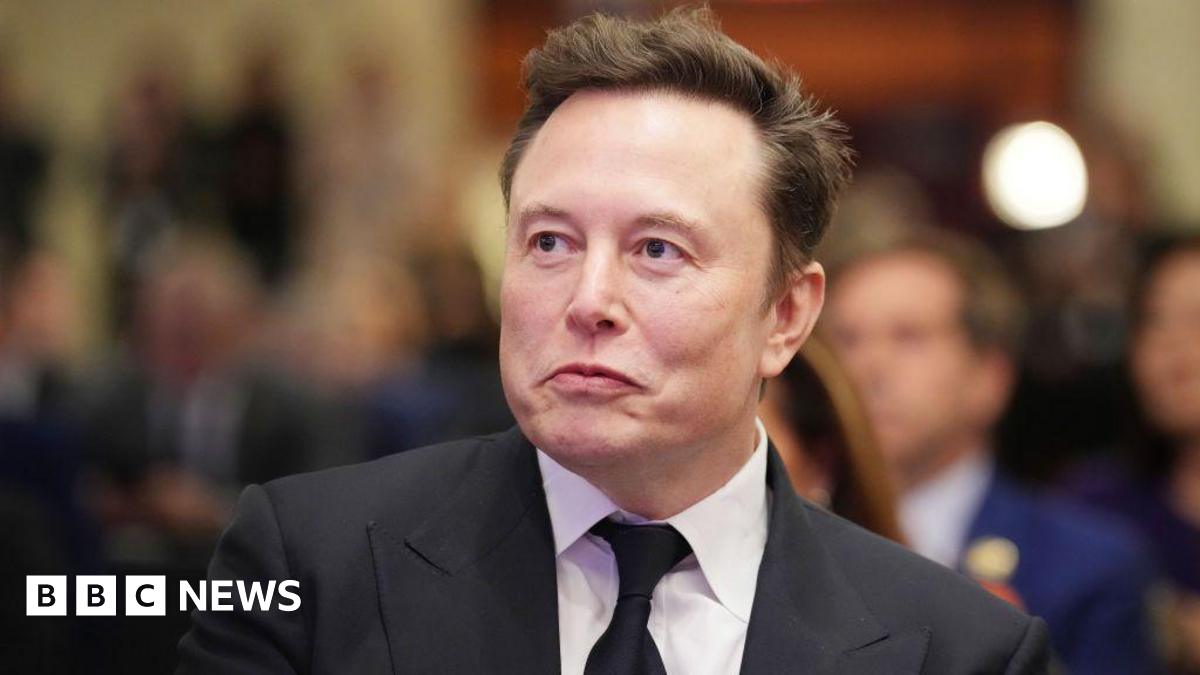
Tesla has applied to Ofgem for a licence to sell electricity to UK homes and businesses. Pair that with Powerwalls, Megapacks and Bitcoin mining and you have a perfect grid balancing tool that can soak up excess wind power and power down instantly when needed. At @BitcoinPolicyUK we have long argued this makes business sense and it clearly does. Why can’t our government and energy companies get on board? The challenge? UK politics, regulation and outdated mining FUD. The full BBC article: Read our demand response paper: 📄.pdf
We are throwing away clean energy while bills keep rising. Bitcoin mining can be a 24/7 buyer of last resort, turning wasted power into revenue, stabilising the grid and lowering bills without taxpayer subsidies. We’ve told the government and National Grid’s Future Energy Scenarios team. They aren’t listening. Read our paper on Bitcoin Mining as a Demand Side Flexible Response: 📄.pdf image
Back from Baltic Honeybadger and feeling more inspired than ever. I moderated the State & Bitcoin panel and spent time with brilliant builders and educators tackling real problems and turning them into practical solutions. What struck me most is that we are all championing bitcoin in our own ways yet united in purpose. If you want signal you will find it at Baltic Honeybadger. @Hodl Hodl ⚡️
When did criticising policy make you a target of the state? Why is a secret government unit policing public opinion? What exactly is happening behind the scenes in government? A secretive government unit, empowered by the Online Safety Act, is quietly flagging and suppressing online criticism of immigration policy. It operates behind closed doors. It is unelected. It is unaccountable. And it is being used to control the narrative under the guise of safety. A front page Telegraph exposé, titled "Exposed: Labour’s plot to silence migrant hotel critics"reveals disturbing details . The article uncovers that a secretive Whitehall unit called NSOIT (the National Security and Online Information Team), formerly known as the Counter Disinformation Unit, has been used by Labour ministers in the Department for Science, Innovation and Technology (DSIT) to flag and monitor social media posts that criticised migrant hotels, asylum seekers, or raised concerns about “two-tier policing.” According to internal government emails dated August 3 - 4, 2024, during the peak of the Southport riots, officials actively flagged posts with “concerning narratives,” warning that they might inflame public tensions. These posts were then forwarded to platforms like TikTok, many of them labelled as urgent, despite simply reporting factual information such as hotel locations or referring to asylum seekers as “undocumented fighting-age males”. One flagged example involved a user sharing a Freedom of Information (FOI) rejection letter regarding migrant hotel sites. Another was a video captioned “Looks like Islamabad but it’s Manchester,” flagged for fuelling racial stereotypes, yet still not unlawful under current speech laws. Although the government insists it did not request content removals, civil liberties advocates, including Big Brother Watch and the Free Speech Union, argue that this behaviour amounts to censorship of lawful dissent, carried out by unelected officials with no statutory oversight, using the infrastructure created by the Online Safety Act. This has the fingerprints of the 77th Brigade all over it, covert monitoring, narrative control, and a quiet war on the public's right to speak freely. This is not safety. It’s censorship and control.
The newly released White House Digital Assets Report represents a clear policy shift. For the first time, Bitcoin is treated as something distinct, quoted, cited, and understood on its own terms. Satoshi is referenced, the whitepaper is cited, and Bitcoin is positioned as the foundation of the digital asset ecosystem. The report outlines Bitcoin’s peer-to-peer structure, its operation without intermediaries, and its role in financial innovation. It goes further than past U.S. publications in explaining what sets Bitcoin apart from the wider crypto sector. It also mentions the Strategic Bitcoin Reserve. While details remain limited, the fact that Bitcoin is being considered a strategic asset, separate from other digital assets, insicates a clear shift in policy tone. For Bitcoiners, this is progress. The framing is more deliberate. The tone is more respectful. And the message is clear: Bitcoin is being taken seriously. The groundwork is laid. What matters now is whether policymakers engage with Bitcoin on its own terms and begin treating it as a serious strategic asset. Meanwhile, in the UK, spot Bitcoin ETFs remain unavailable, and Economic Secretary Emma Reynolds has dismissed the idea of a national Bitcoin reserve: “We don’t believe that’s the right approach for our market… that’s not the path we plan to take.” They say when the U.S. acts, the rest of the world follows. Let’s hope that’s true for the UK, because Bitcoin offers the kind of hope we badly need in a dysfunctional, collapsing system. Read the report here:
The Bank of England and Treasury are costing UK taxpayers eye-watering sums, quietly burning through over £85 billion with £130 billion more on the way. No debate. No scrutiny. Just a stealth bailout of bad bond bets, and we’re footing the bill. The Bank of England is offloading government bonds (gilts) bought during QE instead of holding them to maturity. With gilt prices down, every sale locks in a loss. These losses will soon overtake annual debt interest payments, which are already nearing record highs. These sales flood the market and drive yields up, raising the UK’s borrowing costs. https://www.reuters.com/world/uk/bank-england-poised-slow-qt-after-rise-yields-2025-07-28/ Analysts estimate that simply letting bonds mature instead could save £10–13 billion per year. Though framed as monetary policy, the Bank’s actions have major fiscal consequences. Losses are indemnified by the Treasury, meaning taxpayers cover the bill, with minimal parliamentary scrutiny. They call it monetary policy. What it looks like is economic vandalism rubber stamped in Westminster. This deserves real scrutiny. Where is Parliament? Image credit: @Dominic frisby image
Trump tells Starmer to axe inheritance tax on farms. But the cracks run deeper: soaring debt, collapsing margins, rural land being sold off. Bitcoin is a practical lifeline for farmers. See my Forbes article on the Westminster farmers’ protest, where I explain how Bitcoin can build financial resilience, support rural livelihoods, and restore independence. https://www.forbes.com/sites/digital-assets/2024/11/20/bitcoin-offers-a-solution-to-the-global-farming-and-economic-crisis/