Farmers protest in London today. The UK government is crippling its people—rising energy bills, delinked payments, and cruel tax changes are threatening the backbone of UK agriculture. No farmers, no food. Real farmers, real food. #Bitcoin #NoFarmersNoFood
Bitkey’s inheritance feature enables secure and user-friendly bitcoin transfers to beneficiaries, offering self-custody, ease of use, recovery, and simplicity. Launching January 2025. My latest piece in Forbes. #Bitcoin @jack https://www.forbes.com/sites/digital-assets/2024/11/18/bitkeys-inheritance-feature-simplifies-self-custody-for-bitcoin-users/
Craig Wright, discredited as Satoshi in UK courts, launches a £911B legal battle against Bitcoin Core developers. My latest piece in Forbes featuring COPA & @hodlonaut #Bitcoin https://www.forbes.com/sites/digital-assets/2024/10/18/craig-wright-who-is-not-satoshi-launches-bitcoin-core-legal-battle/
As the UK moves closer to a CBDC, growing concerns about state surveillance are leading to urgent calls for stronger safeguards to protect privacy and civil liberties. My latest piece in Forbes. https://www.forbes.com/sites/digital-assets/2024/10/13/uk-faces-privacy-challenges-ahead-of-2025-cbdc-pilot/
Day 1 in Amsterdam has been amazing! The Bull Stage is epic, and the lineup was fire. We covered everything from bitcoin mining to the M2 money supply. @Frank Corva @Aaron van Wirdum @Shinobi
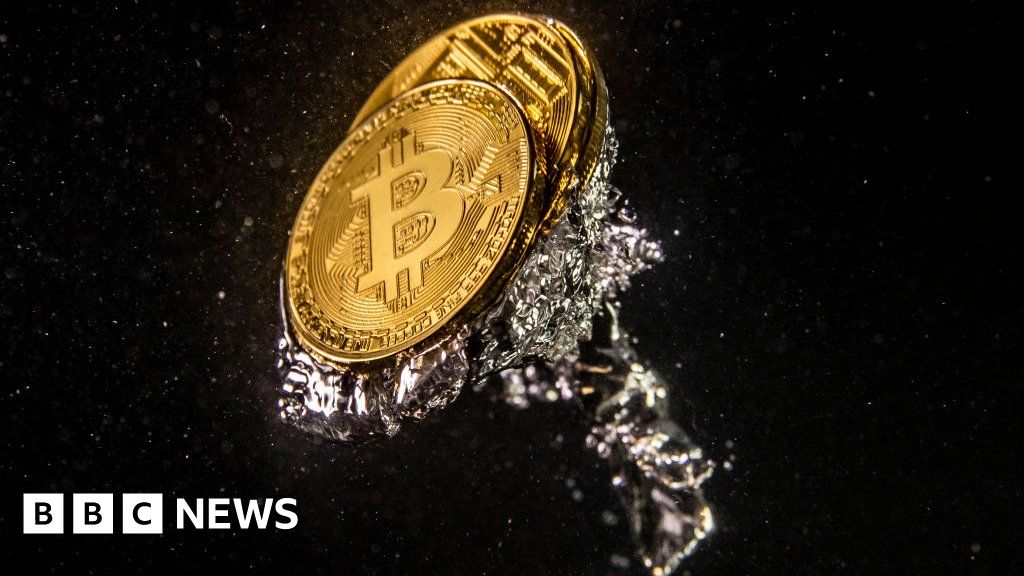
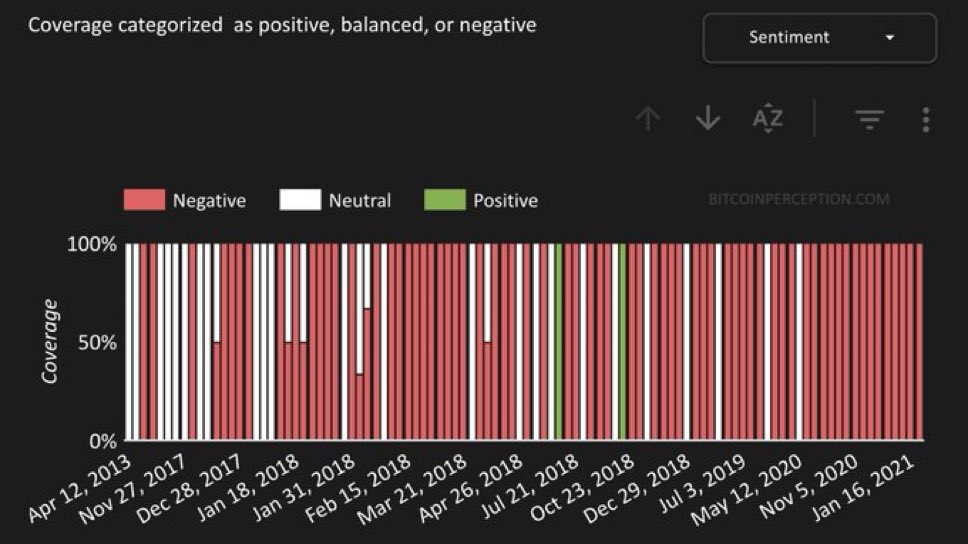
In ongoing efforts to promote accuracy in media reporting on Bitcoin, I've partnered with the Digital Assets Research Institute (DARI) to draft a detailed rebuttal to a misleading BBC article published on 30 November 2023. The BBC’s formal response to my complaint showed a disappointing disregard for the substantial evidence and expert analysis provided. To understand the context behind their dismissive reply, you can read the full text here: The article by Chris Vallance from November 2023 relied heavily on Alex de Vries-Gao commentary, which lacks a foundation in solid research. The lack of rigor in the BBC’s approach and their reliance on a single, debunked perspective—such as de Vries’s—compromises the integrity of their reporting and spreads misinformation. DARI’s experts crafted a rebuttal addressing each of the BBC's and de Vries’s points with precision. We're asking for a retraction of any claims based on de Vries’s debunked work, or at the very least, a public acknowledgment of our concerns. The claim that "every Bitcoin payment uses a swimming pool of water" is not just scientifically inaccurate, but also misleading. These types of claims lack methodological soundness. It has been incredibly challenging to raise this concern, as the BBC has continuously tied me up in bureaucracy. We’re urging the BBC to correct their narrative and provide a more balanced view of Bitcoin's environmental impact. Media accountability and accurate reporting should remain at the forefront of the Bitcoin conversation. https://www.forbes.com/sites/digital-assets/2024/09/09/new-research-shows-bitcoin-mining-cuts-carbon-emissions/
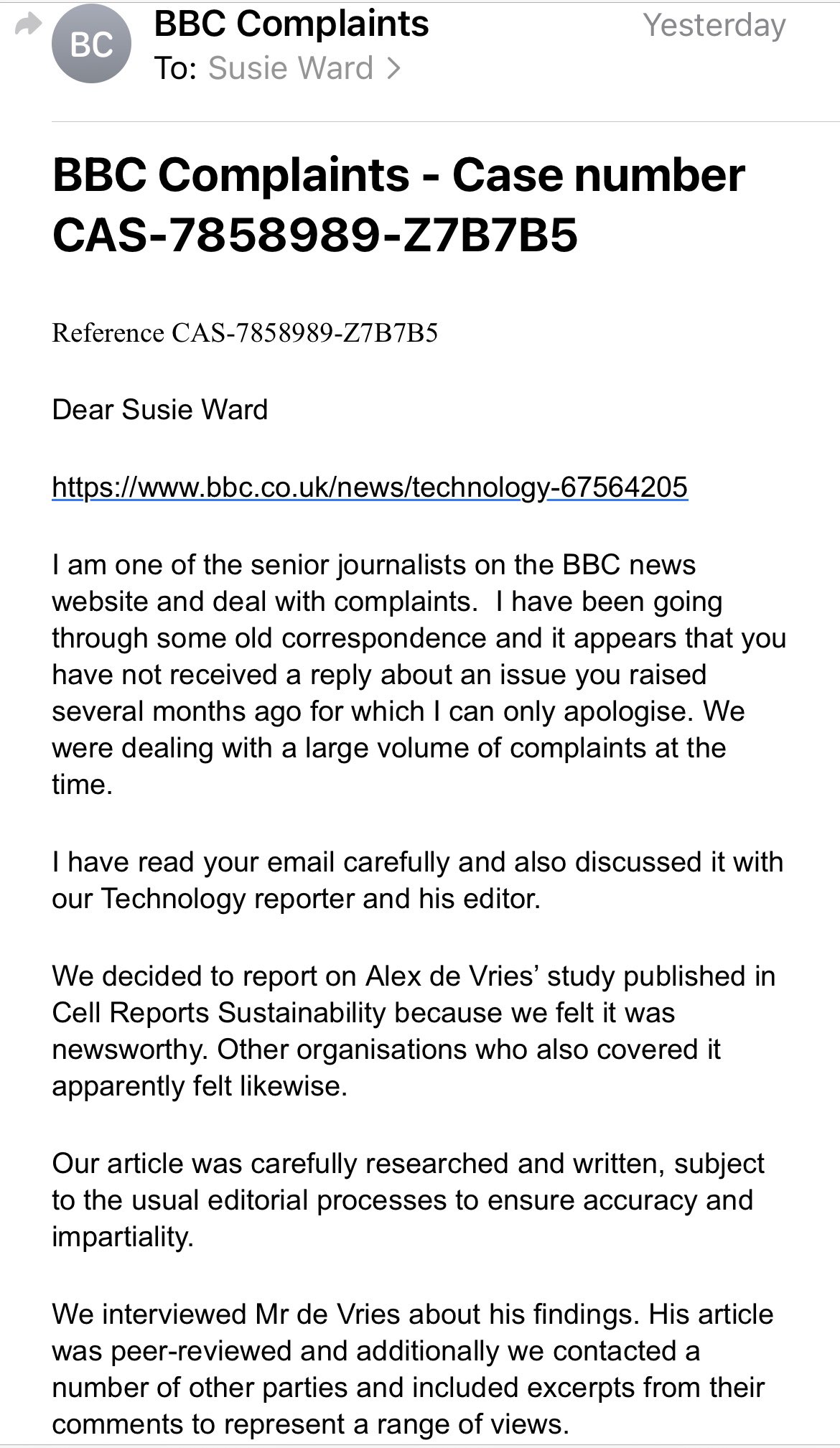
Following up with BBC. Evidence previously overlooked has been resubmitted, and further research will be provided in collaboration with the Digital Assets Research Institute to push for a necessary retraction. I have requested that the case remain open. View quoted note → image
I've had a response from the BBC, and they're doubling down, further proving how difficult it is to hold the BBC accountable for their misinformation. Here’s a short summary on their response: Flawed Metrics: The BBC relies on Alex de Vries' debunked "per transaction" metric to assess Bitcoin's environmental impact, despite Cambridge University disproving this methodology as early as 2018. The BBC ignored credible research that highlights the fundamental flaws in de Vries' study, failing to fact-check before publishing. https://x.com/DecentraSuze/status/1834671256299257876  Misleading Headline: The BBC admitted to using "payment" and "transaction" interchangeably in their headline, allegedly to make it more accessible to readers. However, this distinction is critical—confusing the two leads to gross overestimation of Bitcoin's water use by a factor of 1000x or more. This misrepresentation is not a small error; it's misinformation. https://www.bbc.co.uk/news/technology-67564205  Undisclosed Conflict of Interest: De Vries works for the Dutch Central Bank, which has a vested interest in discrediting Bitcoin, yet the BBC did not disclose this conflict. Central banks stand to lose from decentralised finance systems, making de Vries’ affiliation highly relevant and worth disclosing. The BBC dismissed this concern outright. Impartiality in Question: Despite claiming impartiality, the BBC consistently fails to provide balanced reporting on Bitcoin. This article is just one of many examples, amplifying flawed studies while ignoring counter-evidence and perpetuating a one-sided narrative. Broken Complaint Process: Beyond the article’s provable flaws, which have been dismissed by the editorial complaints team, I can’t even respond to the email I received. The BBC’s process forces me to deliver responses over the phone, making it more difficult to address these serious issues. Accountability feels impossible. https://x.com/DecentraSuze/status/1834669804923322843  This isn’t just about bitcoin. It’s about journalistic standards and the integrity of the information that the public relies on. We need to demand better fact-checking, transparency, and accountability from organisations like the BBC. The links they have provided in support of their response are provided below: https://doi.org/10.1016/j.jclepro.2023.137268 https://www.sciencedirect.com/science/article/pii/S2949790623000046 📄.pdf https://www.bbc.co.uk/editorialguidelines/guidelines 
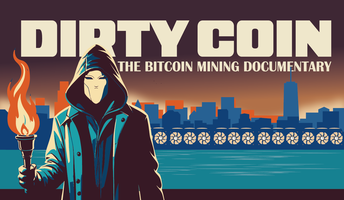
If you haven't seen Dirty Coin The Movie, I recommend that you do. For those unfamiliar, it's a bitcoin mining documentary that investigates the often misunderstood industry. The film dissects environmental debates, energy consumption myths, and the behind-the-scenes realities of mining operations. It is beautifully crafted and appeals to a wide audience, not just for its cinematic beauty, but for the compelling story it tells and the thought-provoking issues it addresses. I've seen it twice and I'll see it for a third time in November. There are screenings worldwide; here is a schedule if you want to see if there is a screening near you. 🎬 Dirty Coin Upcoming Screenings: 📍 Washington D.C. 🗓 Sept 23, 2024 🎟 📍 NYC 🗓 Sept 25, 2024 🎟 📍 Baxter 🗓 Sept 28, 2024 🎟 📍 Montreal 🗓 Oct 02, 2024 🎟 📍 Amsterdam 🗓 Oct 08, 2024 🎟 📍 South Carolina 🗓 Oct 17, 2024 🎟 It's so worth a watch, and it won the Best Movie award at the Bitcoin Film Festival in Warsaw earlier this year. https://www.forbes.com/sites/digital-assets/2024/04/24/bitcoin-halving-party-unites-art-and-tech-at-warsaw-bitcoin-filmfest/ @Dirty Coin: The Bitcoin Mining Documentary This is not a paid promotion, I’m just a huge fan of the film! 😁⚡️💕
I absolutely loved penning my column, “MyTwo Sats,” for CityAM. It was a dream come true to rant about the complexities of money, economics, and how bitcoin could fix it. It was aimed at London’s city workers—from bankers to brokers. I also had the privilege of collaborating with an incredibly talented (and anonymous) bitcoin artist who transformed my words into art. This article explores the critical link between energy and money—a foundational aspect of any economy. By reconnecting money to real-world assets like energy, bitcoin is proposing a theoretical fix and offering a practical pathway to sustainable, fair economic practices. But I know you guys already get it; hopefully, a few more people in the City of London will catch on now too. image