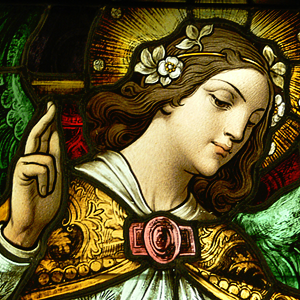
Título da obra em latim
MEDULLA S. THOMAE AQUITATIS PER OMNES ANNI LITURGICI DIES DISTRBUITA, SEU MEDITATIONES EX OPERIBUS S. THOMAE DEPROMPTAE
Recopilação e ordenação de
FR. Z. MÉZARD O. P.
OBSERVAÇÃO
Todos os títulos com asterisco contêm material que hoje
não mais se atribui a Santo Tomás de Aquino

18. Sábado depois do II domingo da Quaresma: A Paixão de Cristo obrou nossa salvação a modo de Redenção.
Sábado da II Semana da Quaresma
Diz a Escritura: «Não por ouro nem por prata, que são coisas corruptíveis, haveis sido resgatados da vossa vã existência, que recebestes de vossos pais; mas pelo precioso sangue de Cristo, como de um cordeiro imaculado e sem contaminação alguma.» (1 Pd 1, 18). Noutro lugar: «Cristo nos remiu da maldição da lei, feito ele mesmo maldição por nós» (Gl 3, 13). E dito do Apóstolo «feito maldição por nós» significa que sofreu por nós no madeiro. Logo, pela sua Paixão nos remiu. Pelo pecado o homem estava escravizado de dois modos:
1. Primeiro, pela servidão do pecado; pois, «todo o que comete pecado é escravo do pecado» (Jo 8, 344) e «todo o que é vencido é escravo daquele que venceu» (2 Pd 2, 19). Ora, como o diabo venceu ao homem, induzindo-o ao pecado, o homem foi feito escravo do diabo.
2. Segundo, quanto ao reato da pena pela qual o homem estava ligado, segundo a justiça de Deus. E esta também é uma escravidão; pois é próprio do escravo sofrer o que não quer, ao contrário do homem livre, que pode dispor de si mesmo como quer.
Por onde, sendo a Paixão de Cristo uma satisfação suficiente e superabundante pelo pecado e pelo reato do gênero humano, a sua Paixão foi um como preço, pelo qual fomos livrados de uma e outra escravidão. Assim, a satisfação pela qual satisfazemos por nós ou por outrem é considerada um preço pelo qual nos remimos do pecado e da pena, segundo a Escritura: «Redime os teus pecados com a esmola» (Dn 4, 24).
Ora, Cristo satisfez, não certo dando dinheiro nem por qualquer forma semelhante, mas dando-se a ele próprio — bem máximo — por nós. Por isso é que se diz ser a Paixão de Cristo nossa redenção.
***
O homem, pecando, contraiu uma obrigação tanto para com Deus como para o diabo:
— Pois, pela culpa, ofendeu a Deus e sujeitou-se ao diabo, pelo seu consentimento. E assim, em razão da culpa, não se tornou servo de Deus; mas antes, afastando-se do seu serviço, incorreu na escravidão do diabo, por justa permissão de Deus, por causa da ofensa contra ele cometida.
— Mas, quanto à pena, o homem contraiu principalmente uma obrigação para com Deus, como supremo juiz; e para com o diabo, como seu algoz, segundo aquilo do Evangelho (Mt 5, 25): «Para que te não suceda que o teu adversário te entregue ao juiz e que o juiz te entregue ao seu ministro», i. é, ao anjo cruel da pena, como interpreta Crisóstomo. Embora, pois, o diabo retivesse, injustamente e na medida do seu poder, sob o seu jugo o homem enganado pela sua fraude, tanto quanto à culpa como quanto à pena, contudo, era justo que isso o homem o sofresse, por permissão de Deus, quanto à culpa, e pela ordem do mesmo Deus, quanto à pena.
Por onde, relativamente a Deus, a justiça exigia fosse o homem redimido; não porém relativamente ao diabo.
III q. XLVIII, a. IV.
(P. D. Mézard, O. P., Meditationes ex Operibus S. Thomae.)
#God #Deus #Isten #Gott #Jesus #Católico #Catholic #Katholik #katholisch #Katolikus #catholique #Faith #Fé #foi #信仰 #Latin #Latim #Gospel #Evangelho #Evangélium #évangile #Dieu #福音 #日本 #カトリック #Bible #Biblestr #Nostr #Grownostr
View quoted note →
 19. Third Sunday of Lent: By the Passion We Are Released from Sin
III Sunday of Lent
"Who loved us and washed us from our sins in His own blood" (Revelation 1:5)
The Passion of Christ is the proper cause of the remission of sins for three reasons:
1. First, as a cause that provokes charity. For, as the Apostle says, "God demonstrates His own love toward us, in that while we were still sinners, Christ died for us" (Romans 5:8). Now, through charity, we obtain the forgiveness of sins, according to the Gospel: "Her many sins have been forgiven; therefore she has loved much" (Luke 7:47).
2. Second, the Passion of Christ causes the remission of sins in the manner of redemption. For, being Christ our head, by the Passion He suffered for obedience and charity, He freed us, as His members, from sin, as the price of His Passion; like in the case of someone who redeems himself from a sin he has committed with his feet through a meritorious manual work. Just as the natural body is one, in the diversity of its members, so the whole Church, which is the mystical body of Christ, is considered almost one person with its head, which is Christ.
3. Third, in the manner of efficiency, insofar as the flesh in which Christ suffered His Passion is the instrument of divinity; through which the sufferings and actions of Christ act with divine virtue, with the purpose of delivering from sin.
Christ, by His Passion, freed us from sins casually, that is, by having instituted the cause of our liberation, by virtue of which He could forgive at any given moment any sins — past, present, or future. Such is the doctor who prepares a remedy capable of curing any diseases, even future ones.
However, since the Passion of Christ is the universal antecedent cause of the remission of sins, it is necessary to apply it to each individual in order to free them from their own sins. This is done through baptism, penance, and the other sacraments, which draw their power from the Passion of Christ.
Through faith, the Passion of Christ is also applied to us, so that we may receive its fruits, according to what the Apostle says: "Whom God set forth as a propitiation by His blood, through faith" (Romans 3:25). But the faith by which we are purified from sin is not a faith without form, which can coexist with sin, but faith informed by charity. Thus, the Passion of Christ is applied to us, not only with respect to the intellect, but also with respect to affection. And in this way, sins are also forgiven by virtue of the Passion of Christ.
III q. XLIX, a. I
(P. D. Mézard, O. P., Meditationes ex Operibus S. Thomae.)
#God #Deus #Isten #Gott #Jesus #Católico #Catholic #Katholik #katholisch #Katolikus #catholique #Faith #Fé #foi #信仰 #Latin #Latim #Gospel #Evangelho #Evangélium #évangile #Dieu #福音 #日本 #カトリック #Bible #Biblestr #Nostr #Grownostr
19. Third Sunday of Lent: By the Passion We Are Released from Sin
III Sunday of Lent
"Who loved us and washed us from our sins in His own blood" (Revelation 1:5)
The Passion of Christ is the proper cause of the remission of sins for three reasons:
1. First, as a cause that provokes charity. For, as the Apostle says, "God demonstrates His own love toward us, in that while we were still sinners, Christ died for us" (Romans 5:8). Now, through charity, we obtain the forgiveness of sins, according to the Gospel: "Her many sins have been forgiven; therefore she has loved much" (Luke 7:47).
2. Second, the Passion of Christ causes the remission of sins in the manner of redemption. For, being Christ our head, by the Passion He suffered for obedience and charity, He freed us, as His members, from sin, as the price of His Passion; like in the case of someone who redeems himself from a sin he has committed with his feet through a meritorious manual work. Just as the natural body is one, in the diversity of its members, so the whole Church, which is the mystical body of Christ, is considered almost one person with its head, which is Christ.
3. Third, in the manner of efficiency, insofar as the flesh in which Christ suffered His Passion is the instrument of divinity; through which the sufferings and actions of Christ act with divine virtue, with the purpose of delivering from sin.
Christ, by His Passion, freed us from sins casually, that is, by having instituted the cause of our liberation, by virtue of which He could forgive at any given moment any sins — past, present, or future. Such is the doctor who prepares a remedy capable of curing any diseases, even future ones.
However, since the Passion of Christ is the universal antecedent cause of the remission of sins, it is necessary to apply it to each individual in order to free them from their own sins. This is done through baptism, penance, and the other sacraments, which draw their power from the Passion of Christ.
Through faith, the Passion of Christ is also applied to us, so that we may receive its fruits, according to what the Apostle says: "Whom God set forth as a propitiation by His blood, through faith" (Romans 3:25). But the faith by which we are purified from sin is not a faith without form, which can coexist with sin, but faith informed by charity. Thus, the Passion of Christ is applied to us, not only with respect to the intellect, but also with respect to affection. And in this way, sins are also forgiven by virtue of the Passion of Christ.
III q. XLIX, a. I
(P. D. Mézard, O. P., Meditationes ex Operibus S. Thomae.)
#God #Deus #Isten #Gott #Jesus #Católico #Catholic #Katholik #katholisch #Katolikus #catholique #Faith #Fé #foi #信仰 #Latin #Latim #Gospel #Evangelho #Evangélium #évangile #Dieu #福音 #日本 #カトリック #Bible #Biblestr #Nostr #Grownostr