Título da obra em latim
MEDULLA S. THOMAE AQUITATIS PER OMNES ANNI LITURGICI DIES DISTRBUITA, SEU MEDITATIONES EX OPERIBUS S. THOMAE DEPROMPTAE
Recopilação e ordenação de
FR. Z. MÉZARD O. P.
OBSERVAÇÃO
Todos os títulos com asterisco contêm material que hoje
não mais se atribui a Santo Tomás de Aquino

Quarta-Feira de Cinzas
1. Quarta-feira de cinzas: A morte «Por um homem entrou o pecado neste mundo e, pelo pecado, a morte» (Rm 5, 12)
1. Se alguém, por culpa sua, foi privado de algum benefício, que lhe fora dado, a privação desse benefício será a pena da culpa cometida. Ora, o homem, desde o primeiro instante da sua criação, recebeu de Deus o benefício de, enquanto tivesse o seu espírito sujeito a Deus, ter sujeitas à alma racional as potências inferiores dela, e o corpo, à alma. Ora, tendo o espírito do homem repelido, pelo pecado original, a sujeição divina, daí resultou que as potências inferiores já não se sujeitaram totalmente à razão, donde procedeu a tão grande rebelião dos apetites carnais contra ela, nem já o corpo se subordinou totalmente à alma, donde resultou a morte e as outras deficiências corporais. Ora, a vida e a saúde do corpo consiste em sujeitar-se à alma, como o perfectível, à sua perfeição. Por onde e ao contrário, a morte, a doença e todas as misérias do corpo resultam da falta de sujeição do corpo à alma. Donde, é claro que, assim como a rebelião do apetite carnal contra o espírito é a pena do pecado dos nossos primeiros pais, assim também o é a morte e todas as misérias do corpo.
2. A alma racional é, por essência, imortal. Por onde, a morte não é natural ao homem quanto à sua alma. Quanto ao corpo do homem, uma vez que é composto de elementos opostos, dele se segue necessariamente a corruptibilidade. E, quanto a isso, a morte é natural ao homem. Ora, Deus, criador do homem, é onipotente. Por isso, por benefício seu, livrou o homem, desde o primeiro instante da sua criação, da necessidade de morrer, resultante da matéria que o constituía. Ora, esse benefício perderam-no pelo pecado os nossos primeiros pais. E assim, a morte é natural pela condição da matéria; e é penal pela perda do benefício divino, que dela preservava.
IIa IIae, q. CLXIV, a. 1
3. A culpa original e a atual são removidas por Cristo, isto é, por aquele mesmo por quem se removem as misérias corpóreas, conforme aquilo do Apóstolo: «dará vida aos vossos corpos mortais, pelo seu Espírito, que habita em vós». Mas, uma e outra coisa se realizarão em tempo oportuno, segundo a ordem da divina sabedoria. Pois, havemos de chegar à imortalidade e à impassibilidade da glória, começada em Cristo, que no-la adquiriu, depois de lhe termos, durante a vida, participado dos sofrimentos. Por isso, é necessário que, conformes com Cristo, a sua passibilidade perdure nos nossos corpos, para merecermos a impassibilidade da glória.
Ia IIae, q. LXXXV, a. V, ad 2um.
(P. D. Mézard, O. P., Meditationes ex Operibus S. Thomae.)
#God #Deus #Isten #Gott #Jesus #Católico #Catholic #Katholik #katholisch #Katolikus #catholique #Faith #Fé #foi #信仰 #Latin #Latim #Gospel #Evangelho #Evangélium #évangile #Dieu #福音 #日本 #カトリック #Bible #Biblestr #Nostr #Grownostr

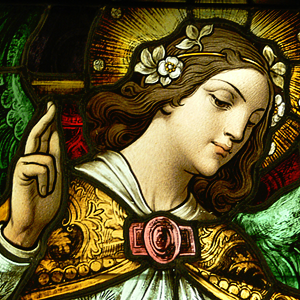
 Friday after Ashes: The Crown of Thorns*
6th Friday after Ash Wednesday
“Go forth, O daughters of Zion, and behold King Solomon with the crown wherewith his mother crowned him in the day of his wedding, and in the day of the joy of his heart” (Ct 3:11)
It is the voice of the Church inviting the souls of the faithful to contemplate how admirable and beautiful is their Spouse. For the daughters of Zion are like the daughters of Jerusalem, holy souls, inhabitants of the Kingdom of God, who enjoy, with the angels, perpetual peace and the contemplation of the glory of the Lord.
I. — Go forth, that is, leave the turbulent life of this world, so that, with a free spirit, you may contemplate Him whom you love. And behold King Solomon, that is, the true and peaceful Christ. With the crown wherewith his mother crowned him; as if to say: consider Christ, who, for us, became flesh, who took the flesh from the flesh of His Virgin Mother. The crown is His flesh, the flesh He took for us, the flesh in which He died, destroying the empire of death; the flesh in which He rose, leaving us the hope of resurrection.
Of this crown, the Apostle says (Heb 2:9): “But we see Jesus, who was made a little lower than the angels, crowned with glory and honor because of the suffering of death.” It is said that His mother crowned Him, for the Virgin Mary gave Him the flesh of her flesh.
On the day of His wedding, that is, at the time of His Incarnation, when He united Himself to the Church, without blemish or wrinkle; or when God united Himself to man. On the day of the joy of His heart. The joy and jubilation of Christ is the salvation and redemption of humankind; “and when he comes home, he calls together his friends and neighbors, saying to them, ‘Rejoice with me, for I have found my sheep’” (Lk 15:6).
II. — All this can also be applied to the Passion of Christ, in a literal sense. Indeed, Solomon, foreseeing in spirit the Passion of Christ long before, warns the daughters of Zion, that is, the Israelite people: Go forth, O daughters of Zion, and behold King Solomon, that is, Christ; with the crown, or the crown of thorns, which His mother, the synagogue, crowned Him on the day of His wedding, when He united Himself to the Church, and on the day of the joy of His heart, when He rejoiced for having, through His Passion, redeemed the world from the power of hell.
Go forth, therefore, and leave the darkness of unbelief, and behold, that is, understand that He who suffers as a man is truly God. Or again: go outside of His city to see Him, crucified, on Mount Calvary.
Expositio in Canticum canticorum, III
(P. D. Mézard, O. P., Meditationes ex Operibus S. Thomae.)
#God #Deus #Isten #Gott #Jesus #Católico #Catholic #Katholik #katholisch #Katolikus #catholique #Faith #Fé #foi #信仰 #Latin #Latim #Gospel #Evangelho #Evangélium #évangile #Dieu #福音 #日本 #カトリック #Bible #Biblestr #Nostr #Grownostr
Friday after Ashes: The Crown of Thorns*
6th Friday after Ash Wednesday
“Go forth, O daughters of Zion, and behold King Solomon with the crown wherewith his mother crowned him in the day of his wedding, and in the day of the joy of his heart” (Ct 3:11)
It is the voice of the Church inviting the souls of the faithful to contemplate how admirable and beautiful is their Spouse. For the daughters of Zion are like the daughters of Jerusalem, holy souls, inhabitants of the Kingdom of God, who enjoy, with the angels, perpetual peace and the contemplation of the glory of the Lord.
I. — Go forth, that is, leave the turbulent life of this world, so that, with a free spirit, you may contemplate Him whom you love. And behold King Solomon, that is, the true and peaceful Christ. With the crown wherewith his mother crowned him; as if to say: consider Christ, who, for us, became flesh, who took the flesh from the flesh of His Virgin Mother. The crown is His flesh, the flesh He took for us, the flesh in which He died, destroying the empire of death; the flesh in which He rose, leaving us the hope of resurrection.
Of this crown, the Apostle says (Heb 2:9): “But we see Jesus, who was made a little lower than the angels, crowned with glory and honor because of the suffering of death.” It is said that His mother crowned Him, for the Virgin Mary gave Him the flesh of her flesh.
On the day of His wedding, that is, at the time of His Incarnation, when He united Himself to the Church, without blemish or wrinkle; or when God united Himself to man. On the day of the joy of His heart. The joy and jubilation of Christ is the salvation and redemption of humankind; “and when he comes home, he calls together his friends and neighbors, saying to them, ‘Rejoice with me, for I have found my sheep’” (Lk 15:6).
II. — All this can also be applied to the Passion of Christ, in a literal sense. Indeed, Solomon, foreseeing in spirit the Passion of Christ long before, warns the daughters of Zion, that is, the Israelite people: Go forth, O daughters of Zion, and behold King Solomon, that is, Christ; with the crown, or the crown of thorns, which His mother, the synagogue, crowned Him on the day of His wedding, when He united Himself to the Church, and on the day of the joy of His heart, when He rejoiced for having, through His Passion, redeemed the world from the power of hell.
Go forth, therefore, and leave the darkness of unbelief, and behold, that is, understand that He who suffers as a man is truly God. Or again: go outside of His city to see Him, crucified, on Mount Calvary.
Expositio in Canticum canticorum, III
(P. D. Mézard, O. P., Meditationes ex Operibus S. Thomae.)
#God #Deus #Isten #Gott #Jesus #Católico #Catholic #Katholik #katholisch #Katolikus #catholique #Faith #Fé #foi #信仰 #Latin #Latim #Gospel #Evangelho #Evangélium #évangile #Dieu #福音 #日本 #カトリック #Bible #Biblestr #Nostr #Grownostr
 Thursday After Ash Wednesday: Fasting
Thursday After Ash Wednesday
I. — Fasting is practiced for three reasons:
First, to repress the concupiscences of the flesh. Hence the Apostle says (2 Cor 6, 5): "In fasting, in need," because fasting preserves chastity. For, as Jerome says, "without Ceres and Bacchus, Venus cools," that is, by abstaining from food and drink, lust is dulled.
Secondly, we practice fasting so that our soul may be more freely elevated in the contemplation of sublime truths. Therefore, Scripture refers that Daniel (Dn 10), after having fasted for three weeks, received revelation from God.
Thirdly, to make satisfaction for our sins. For this reason, Scripture says (Jl 2, 12): "Return to me with all your heart, with fasting and weeping and mourning." And this is what Augustine teaches in a sermon: "Fasting purifies the soul, elevates the senses, subjects the flesh to the spirit, makes our heart contrite and humble, dissipates the fog of concupiscence, extinguishes the odors of sensuality, and ignites the true light of chastity."
II. — Fasting is the object of a precept. For fasting is useful to cleanse and restrain our faults and elevate our mind to spiritual things. Now, each person is obliged, by natural reason, to fast as much as necessary to achieve such an end. Therefore, fasting, in general, constitutes a precept of natural law. However, the determination of the time and manner of fasting, according to the convenience and utility of the Christian people, constitutes a precept of positive law, instituted by ecclesiastical superiors. And such is the fasting of the Church, which differs from natural fasting.
III. — The times of fasting are conveniently determined by the Church. Fasting is ordered for two reasons: to cleanse the fault and to elevate our mind to spiritual matters. Therefore, fasts have been ordered especially during those times when we, the faithful, must purify ourselves from sins and elevate our minds to God through devotion. This especially occurs before the Paschal solemnity when sins are cleansed through baptism, solemnly celebrated in the Easter Vigil, in memory of the Lord's burial; for, through baptism, we are buried with Christ to "die to sin," in the words of the Apostle (Rm 6, 4). And also at the Paschal feast, we must, above all, by devotion, elevate our minds to the glory of eternity, which Christ began with His resurrection. Therefore, immediately before the Paschal solemnity, the Church commands us to fast; and for the same reason, during the vigils of the main festivities, when we must prepare devoutly to celebrate the upcoming feasts.
Ia IIae, q. CXLVII, a. 1, 3, 5.
(P. D. Mézard, O. P., Meditationes ex Operibus S. Thomae.)
#God #Deus #Isten #Gott #Jesus #Católico #Catholic #Katholik #katholisch #Katolikus #catholique #Faith #Fé #foi #信仰 #Latin #Latim #Gospel #Evangelho #Evangélium #évangile #Dieu #福音 #日本 #カトリック #Bible #Biblestr #Nostr #Grownostr
Thursday After Ash Wednesday: Fasting
Thursday After Ash Wednesday
I. — Fasting is practiced for three reasons:
First, to repress the concupiscences of the flesh. Hence the Apostle says (2 Cor 6, 5): "In fasting, in need," because fasting preserves chastity. For, as Jerome says, "without Ceres and Bacchus, Venus cools," that is, by abstaining from food and drink, lust is dulled.
Secondly, we practice fasting so that our soul may be more freely elevated in the contemplation of sublime truths. Therefore, Scripture refers that Daniel (Dn 10), after having fasted for three weeks, received revelation from God.
Thirdly, to make satisfaction for our sins. For this reason, Scripture says (Jl 2, 12): "Return to me with all your heart, with fasting and weeping and mourning." And this is what Augustine teaches in a sermon: "Fasting purifies the soul, elevates the senses, subjects the flesh to the spirit, makes our heart contrite and humble, dissipates the fog of concupiscence, extinguishes the odors of sensuality, and ignites the true light of chastity."
II. — Fasting is the object of a precept. For fasting is useful to cleanse and restrain our faults and elevate our mind to spiritual things. Now, each person is obliged, by natural reason, to fast as much as necessary to achieve such an end. Therefore, fasting, in general, constitutes a precept of natural law. However, the determination of the time and manner of fasting, according to the convenience and utility of the Christian people, constitutes a precept of positive law, instituted by ecclesiastical superiors. And such is the fasting of the Church, which differs from natural fasting.
III. — The times of fasting are conveniently determined by the Church. Fasting is ordered for two reasons: to cleanse the fault and to elevate our mind to spiritual matters. Therefore, fasts have been ordered especially during those times when we, the faithful, must purify ourselves from sins and elevate our minds to God through devotion. This especially occurs before the Paschal solemnity when sins are cleansed through baptism, solemnly celebrated in the Easter Vigil, in memory of the Lord's burial; for, through baptism, we are buried with Christ to "die to sin," in the words of the Apostle (Rm 6, 4). And also at the Paschal feast, we must, above all, by devotion, elevate our minds to the glory of eternity, which Christ began with His resurrection. Therefore, immediately before the Paschal solemnity, the Church commands us to fast; and for the same reason, during the vigils of the main festivities, when we must prepare devoutly to celebrate the upcoming feasts.
Ia IIae, q. CXLVII, a. 1, 3, 5.
(P. D. Mézard, O. P., Meditationes ex Operibus S. Thomae.)
#God #Deus #Isten #Gott #Jesus #Católico #Catholic #Katholik #katholisch #Katolikus #catholique #Faith #Fé #foi #信仰 #Latin #Latim #Gospel #Evangelho #Evangélium #évangile #Dieu #福音 #日本 #カトリック #Bible #Biblestr #Nostr #Grownostr