We’ve been busy but quiet these last months.
@btc_remnant improved the site a lot by adding new features around #nostr based build verifications.
We hope other projects in the nostr ecosystem like
@franzap @Zapstore will see the value of these verifications and start integrating them. The more products that build on reproducibility, the more users can truly apply the principle of “Don’t trust - verify.” Binary transparency shouldn’t remain a niche feature - it needs to become the default.
If you run software that touches your private keys - be it nostr clients or bitcoin wallets - without binary transparency, only whoever built the binary really knows what code you’re running.
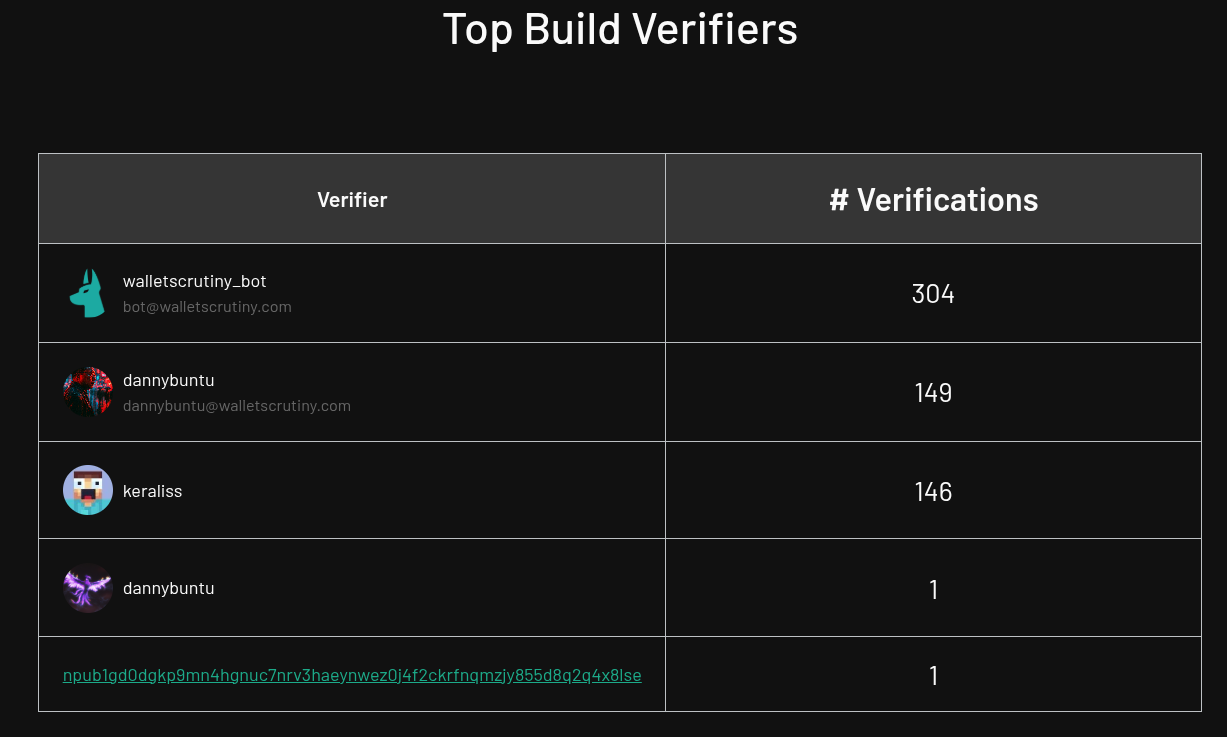 @dannybuntu
 and
@keraliss checked the reproducibility of almost 300 binaries. The 304 verifications by
@WalletScrutiny Bot are all the old verifications we had migrated to nostr. And the backlog keeps growing as we cover more and more products with frequent updates.
Are we doing something valuable for the space? A
@Spiral grant says yes, and community endorsements confirm it - but the project itself also needs scrutiny.
We recently introduced "verification endorsements":
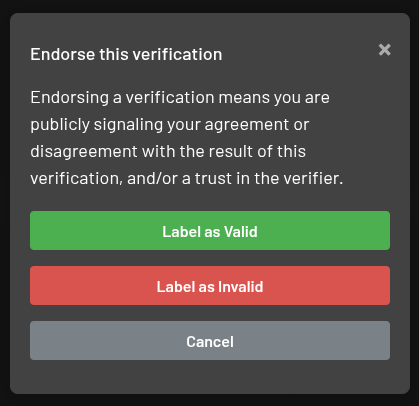
This is a simple contribution many could provide. If you read a verification and it looked plausible and complete and you trust the author, mark the verification as verified. If you ran the documented commands yourself on your hardware and got to similar results, please endorse the verification!
Even more importantly label verifications as invalid and leave a comment about what's missing when you find issues! Don't be shy!
Our goal is to document all steps such that all mildly technical users (you should be comfortable with a Linux shell) can reproduce our findings. If that's not the case, please provide your feedback and we will improve ✋.
And if you maintain one of the products we check, share your own verification as a template for others!

 WalletScrutiny turned 6!
We've come a long way over the years. In the beginning, we only looked into Android wallets - 40 of them - and now we've grown to more than 6000 products across many platforms. Your favorite hardware wallet? We got you covered. Desktop? Probably, too. And desktop is a lot of work as here we found many open source and reproducible products!
WalletScrutiny turned 6!
We've come a long way over the years. In the beginning, we only looked into Android wallets - 40 of them - and now we've grown to more than 6000 products across many platforms. Your favorite hardware wallet? We got you covered. Desktop? Probably, too. And desktop is a lot of work as here we found many open source and reproducible products!


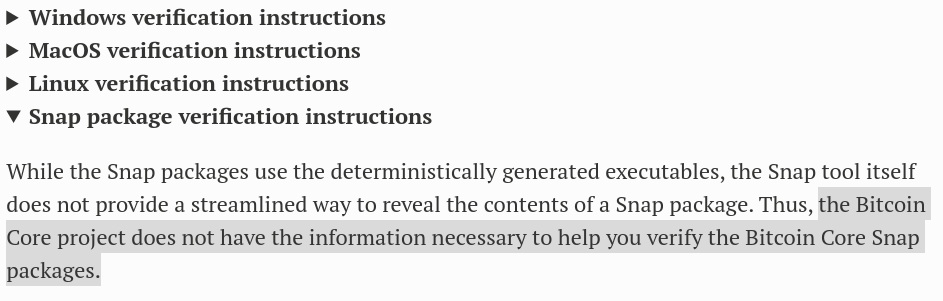
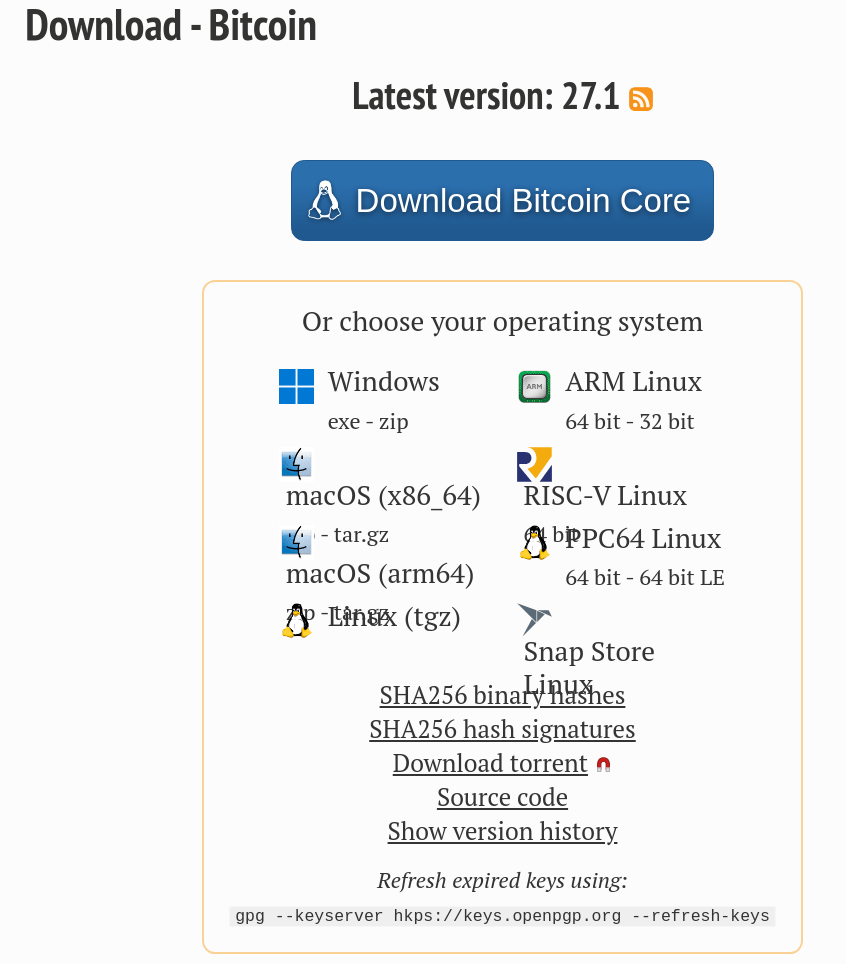 With snapcraft obviously being tricky:
 Either way, for desktop wallets, most of the time people have download links and want to verify those downloads, so Chris is working on a binary checker. It's still only a draft merge request and clearly needs a design but what it will enable is actually pretty cool:
WalletScrutiny calculates the hash of the file dropped onto it and if it's an apk, it also determines the appId which allows finding the right product. If the hash is known, the verdict is immediately displayed. If not, the page invites the user to upload the file for analysis.
The attestations for artifacts will live on nostr as signed events and nostr will also be used to advertise the existance of new binaries for reviewers.
Either way, for desktop wallets, most of the time people have download links and want to verify those downloads, so Chris is working on a binary checker. It's still only a draft merge request and clearly needs a design but what it will enable is actually pretty cool:
WalletScrutiny calculates the hash of the file dropped onto it and if it's an apk, it also determines the appId which allows finding the right product. If the hash is known, the verdict is immediately displayed. If not, the page invites the user to upload the file for analysis.
The attestations for artifacts will live on nostr as signed events and nostr will also be used to advertise the existance of new binaries for reviewers. But running these tests must have been great fun, right