RE: Tagging for #SolarPunkSunday! #TreePlanting #eco #treeplanting #wellingborough View quoted note →
#VirtualEvent - Best Crops for #SchoolGardens & Orchards Thursday, January 22, 2026 at 6:00 pm "January is a key time for dreaming up a bountiful garden space! Join #SeedStLouis staff for a virtual presentation on our top recommendations for edible school and youth garden spaces. This presentation will detail various options for vegetables, perennials, and orchard plants that consider safety, youth interest, curriculum connections, the academic calendar, attainable maintenance, and reliable crop varieties accessible through Seed St. Louis." #SolarPunkSunday #SeedSaintLouis #GrowYourOwn #GrowYourOwnFood #SchoolGarden #SchoolOrchards #SpendTimeInNature #NatureBasedLearning #MoreGreenTimeLessScreenTime
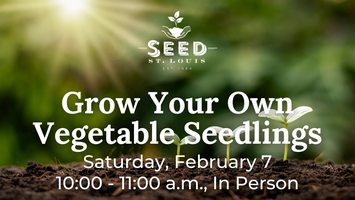
#InPerson and #VirtualClass - #SaintLouisMO - Grow Your Own Vegetable Seedlings (In Person) By #SeedSaintLouis In Person - Saturday, Feb 7, 2026 from 10am to 11am CST Virtually - Thursday, January 29, 2026 6:00-7:00 pm! "It's time to start your vegetable and herb seedlings! Chani Sorkin, Seed St. Louis' Director of Community Projects, will cover the basics of starting seeds, what supplies you will need, and general tips and tricks so you have happy, healthy seedlings to grow bountiful food come spring. At this in person class, each person will be planting a few of their own seeds to take home. This in person class will be located at the Delmar Divine at 5501 Delmar Blvd., St. Louis, MO 63112 in the Berges Conference Room. There is free street parking all along Belt Avenue. We are also offering this as a virtual class on Thursday, January 29th, 6:00-7:00 pm! Seed St. Louis may photograph and record portions of this event for promotional purposes. By registering for this event, you grant permission for your image to appear in a public media production and in print and digital materials. Delmar Divine 5501 Delmar Boulevard St. Louis, MO 63112 Preregistration required. Cost is free." "Since 1984 Seed St. Louis has connected people to the land, to their food, and to each other. We are a 501c3 nonprofit who supports a network of over 250 #CommunityGardens, #SchoolGardens, and #UrbanOrchards in neighborhoods throughout the St. Louis region. Our purpose is to provide communities with the tools, education, and empowerment to grow their own food." Learn more, sign up. #SolarPunkSunday #SeedStarting #Gardening #GardeningClasses #FoodSecurity #GrowYourOwn #GrowYourOwnFood #Missouri
How to Start a #SchoolGarden: Your Complete Guide Excerpt: "Benefits of school gardens 1. School gardens help children learn. Gardening is the study of life. The simple act of caring for living soil and plants gives children a foundation for understanding the principles of birth, growth, maturity, death, competition, cooperation and many other lessons that transfer to human lives. In a school garden, children experience these lessons ‘hands on’ through a learning method that is rich and inclusive to varied learning abilities. The results teachers see every day are now supported by science: school gardens can help our children learn better, both academically and emotionally. For more information, read School Gardens: Can They Make Our Children Smarter? 2. Gardening together strengthens ties between school and community. School gardening programs offer opportunities for community members to get involved, reducing the social isolation of seniors with skills to share and connecting children to older generations. They also help connect schools to local businesses and groups when they request sponsorship or volunteer assistance. 3. Getting their hands dirty helps connect children with nature. Children who garden get a close-up look at natural processes and the living organisms that thrive in these environments. By learning to care for a living, breathing #ecosystem, children develop an understanding of nature’s importance in their lives and the lives of other beings. This fosters a culture of #EnvironmentalStewardship. 4. Gardening strengthens children’s immune systems. There’s more and more evidence that getting #dirty exposes us to a variety of #microbes that can fortify our health and balance our immune systems against our overly sterilized world. This is particularly true for children who benefit from reduced allergies and asthma when exposed early in life to #dirt and the outdoors. The #VitaminD they absorb when gardening doesn’t hurt, either! 5. Working in a school garden helps children stay active, reducing obesity. Teachers across the country agree: when children garden, they move their bodies more than when passively listening in a classroom. Jumping, bending, lifting, and stretching all take place during a typical gardening session. This is one of the objectives of gardening in school that most can agree is necessary given our increasingly sedentary way of life. 6. Gardening moderates moods and eases anxiety. There’s some evidence that exposure to the beneficial microbes in soil can help regulate the neurotransmitters affecting our brain’s emotional state. A whole practice involving exposing yourself to green spaces to lift the mood has even emerged globally, with convincing results. But gardens are more than just another green space: they’re hands-on, outdoor classrooms that teach children self-regulation and mindfulness—both of which have been shown to decrease anxiety and depression. 7. Children who garden at school develop empathy and practice risk. Teachers who garden with their students notice increased empathy towards other students and the organisms living in their school patch. That’s because tending to a ‘bug hotel’ or watching birds and earthworms thrive in the garden helps children understand the interdependency of nature. A garden also provides the perfect place for children to learn about boundaries and responsibility by practicing new activities in a safe space. Using a paring knife, trying out a hammer, or balancing on the edge of a raised bed are all ways for children to test their edges and learn new skills in a supportive environment. 8. Teaching and food gardens improve children’s diets. Academics and journalists agree: children who garden eat more fresh vegetables. This extends beyond what they nibble on during classroom gardening time. Apparently just having a garden at school increases their intake of vegetables at home. And that’s good news for parents, teachers, and kids." Learn more: #SolarPunkSunday #SchoolGardens #FoodSecurity #NatureBasedLearning #MoreGreenTimeLessScreenTime #GrowYourOwn #GrowYourOwnFood
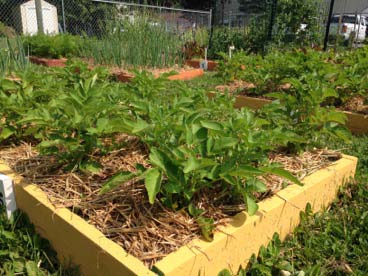
Bulletin #2761, #ContainerGardening Series: #GardeningInSmallSpaces Developed by Extension Specialists Richard E. Durham and Deborah B. Hill, University of Kentucky. Adapted for Maine by Associate Extension Professors Donna Coffin, Kathy Hopkins, and Frank Wertheim, and Extension Agriculture Coordinator Casey Bowie, The University of Maine. Reviewed by Associate Extension Professor Marjorie Peronto, The University of Maine. Revised by Donna Coffin, Extension Professor, Pamela Hargest, Horticulture Professional and Kate Garland, Horticulture Professional, University of Maine Cooperative Extension. "Gardening, in one form or another, is often described as one of the most popular hobbies in the United States, and rightly so. Involvement by people in gardening activities helps promote healthy habits including: - Exercise - Healthy food - Food safety & security - Stress & anxiety reduction So, most would agree that gardening is a worthwhile endeavor. However, when most people think of a garden, they imagine a large field that has been plowed with long, neat rows spaced 3 or 4 feet apart to allow cultivation by a tractor or tiller. Gardening on such a scale is impossible for city dwellers, considering that residential lot sizes continue to decrease and more and more people are choosing to live in townhomes, condominiums, or apartments. Our modern landscapes have little enough room for outdoor leisure in general, not to mention gardening. Nevertheless, you would be surprised at the number of vegetables that can be produced in a very small area. A cherry tomato seedling project in Piscataquis County averaged over $9.50 worth of cherry tomatoes from each seedling. When gardening in a small space, there is little need for spacing plants in rows, so planting can be more efficient. Also, placing plants in a bed or container reduces the need to walk in or closely around your plants. This reduces the chance that soils will become compacted and need frequent tilling. And with a little planning, even residents of apartments and condominiums can grow vegetables on their patios. Raised-bed and container gardening may also allow those with limited mobility to garden. This publication will outline three common methods for gardening in small spaces: - Raised-bed gardening - Square Foot Gardening - Layer gardening" Learn more: #SolarPunkSunday #GrowYourOwnFood #GrowYourOwn #GardeningInMaine #FoodSecurity
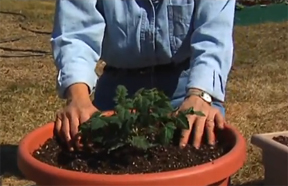
Bulletin #2762, #ContainerGardening Series: Growing #Vegetables in Container Gardens Adapted for Maine by Associate Extension Professors Kathryn Hopkins, Donna Coffin, and Frank Wertheim, and Extension Agriculture Coordinator Casey Bowie. "Are you short on space? Many kinds of vegetables can be easily grown in containers. Just follow these basic guidelines: - Select containers. You can use buckets, empty milk jugs, dishpans, or window boxes. Each container should be clean and have at least one drainage hole in the bottom. Use a potting mix or mix your own with garden soil, compost, peat, and vermiculite. - If you are starting plants from seed, check seed packets for planting and space recommendations. Not all of the seeds will germinate, so plant more seed than you need and thin later. - If you are using transplants, fill each container until it is about half to three-quarters full. Then set your plants on the mix. Keep all plants at least one inch away from the side edge of the container so they don’t get too hot. Add potting mix around plants to within an inch of the top of the container and press lightly. Put your container where it will get at least 6 hours of sun each day. - Water thoroughly. Plants in containers dry out more quickly than plants that are in the ground: you may have to water them daily. - To keep plants growing and flowering, water with a balanced (20-20-20), water-soluble fertilizer, mixed as directed, every other week in summer. Pull any weeds out of your container. - Pick your vegetables when they are ripe so the plant will continue to set more fruit. Then wash them and make something good to eat!" Learn more: #SolarPunkSunday #GrowYourOwnFood #GrowYourOwn #GardeningInMaine #ContainerGardening #GardeningInSmallSpaces
Bulletin #4311, Planning and Managing a Community “Giving” Garden in Maine By John Jemison, Extension Professor, Soil and Water Quality, University of Maine Cooperative Extension "This guide is intended to help anyone who has an interest in community gardening to do that task with skill and capacity. Gardening isn’t difficult, but gardening well is not easy. This guide can be useful for anyone who gardens, but I have designed it intentionally to help people start community gardens and community giving gardens. This guide provides information on gardening methods; pest management; what, when, and how to plant specific vegetables with a focus on New England growing conditions; delivery program basics; and putting the garden to bed for the winter. I have also included some links to recipes that can be given to the food recipients so that they know what to do with the foods we provide." Includes topics such as: - Starting a Garden Program - Volunteers and Volunteer Management - Why Raised Beds - Proper Use of Compost - Feeding Plants - Controlling Insects and Other Pests Organically Learn more: #SolarPunkSunday #GivingGardens #GardeningInMaine #CommunityGardens #GardeningInNewEngland #BuildingCommunity #FoodSecurity
#StartingSeeds at Home with #UMaineExtension Mar 3, 2021 "You can get a big jump on #Maine’s short #gardening season when you grow your own #seedlings. Instead of waiting for the ground to warm up enough to sow seeds outside, start enjoying flowers and harvesting vegetables four to six weeks earlier by starting seeds at home. Starting your own plants from seed also allows you to choose from the much broader array of varieties offered in seed catalogs. Using transplants instead of direct-seeding is especially important for plants that take a longer time to mature or are sensitive to frost." Watch: Find more research-based information about home #gardening in Maine from UMaine Extension: #SolarPunkSunday #GrowYourOwnFood #GrowYourOwn #GardeningInMaine #SeedStarting
#SouthAustralia - #PointPearce #FirstNations #CultureGarden "#LandcareAustralia is proud to partner with #PointPearceAboriginalCorporation in establishing a First Nations community-led conservation and education project. Located in South #Australia’s Point Pearce in the #WardangIsland #IndigenousProtectedArea (IPA), the project is led by the #TraditionalOwners, the #Narungga people, and aims to support #Indigenous youth to learn about their Cultural heritage and knowledge that will lead to career and leadership pathways in #EnvironmentalConservation. 
 At the heart of this initiative is the Point Pearce First Nations Culture Garden, a space where #Elders, #FirstNationsRangers, and #IndigenousYouth come together to bridge and transfer #CulturalKnowledge. Designed as a hands-on learning environment, it will inspire young people to explore environmental conservation, deepen their appreciation for the natural world and discover career pathways that utilise Cultural knowledge. 
 The Culture Garden will feature a #medicinal and #ceremonial plant area, #NativeBushFoods, water features to attract #wildlife, #SensoryGarden, and dedicated spaces for learning and Cultural practice. With a #seedling #propagation zone, a #NativeSeed cleaning station, a fruit and nut #orchard, and interpretive walking trail. More than just a garden, it serves as a ‘cultural learning hub’—fostering pride and offering a comprehensive setting for community events, educational programs, and vocational training opportunities. With funding from #OneTreePlanted, the tree planting will also help #restore #NativeVegetation and improve habitat for threatened species including the Southern Hairy-nosed #Wombat. 
 Aligned with the South Australian Department for Education’s Aboriginal Education Strategy, the project aims to inspire engagement, Cultural pride, and environmental responsibility among First Nations students. It focuses on educational outcomes and how Cultural activities can play in enhancing social and academic competence among First Nations students." #SolarPunkSunday #Rewilding #PreservingNature #CulturalPreservation #NativeAustralians #Australia #NatureEducation #NativePlants #BushTucker

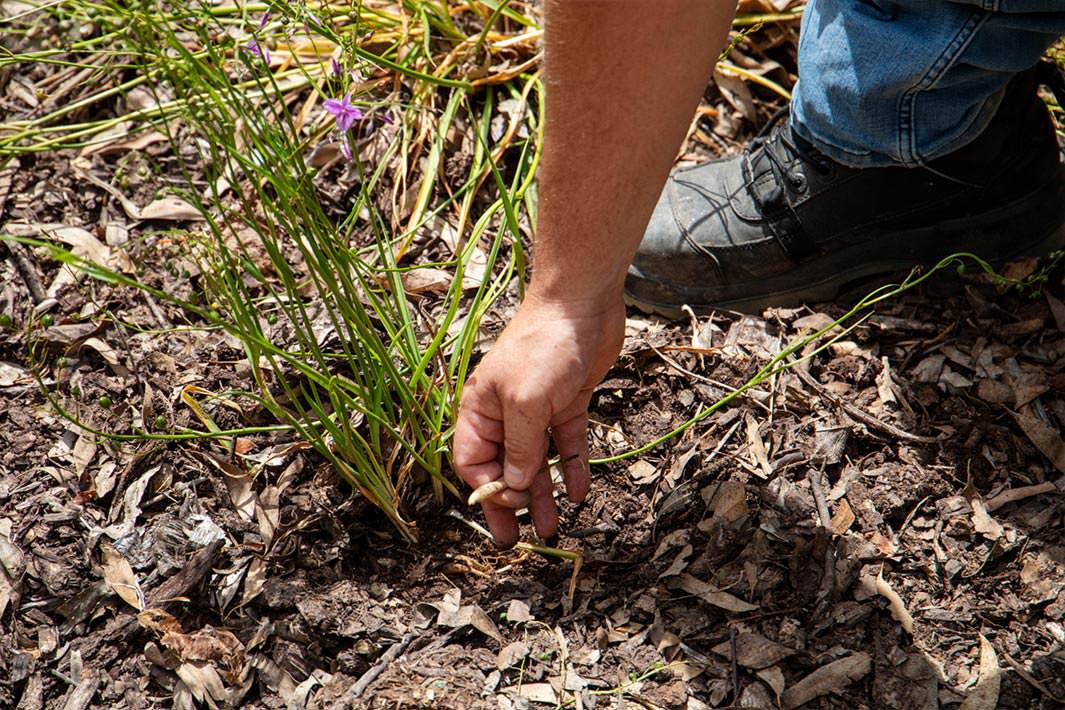
#Australia - Creating an #Indigenous plant-use #garden: harvesting April 14, 2022, #LandCareAustralia "The satisfaction of eating straight from the garden is one of life’s best learning experiences, however we need to be respectful and mindful to only harvest what we need to allow the plant to continue to thrive for generations to come. This activity involves the assessment and mapping of local environments to create a successful and thriving Indigenous plant-use garden. To understand local perspectives and support these activities, we recommend reaching out to the local #TraditionalOwners and #FirstNations peoples community groups who can assist in knowledge sharing and understanding local land, histories and culture. This is an important consideration to ensure that any reconciliation initiatives are being driven in a local, meaningful way. This learning activity is the last part of a sequence of 6 individual learning activities focused on creating an Indigenous plant-use garden. The order of these learning activities are: resources from the bush, vision, plant list, site assessment, planting and harvesting. Landcare is an amazing grass roots, volunteer movement that harnesses individuals and groups under the ethic of caring for the land. There are approximately 6,000 volunteer environmental group across Australia that fall under the Landcare umbrella. The movement focuses on the sustainable management of all of Australia's natural resource assets and encompasses individuals and groups across the whole landscape from coastal to urban and remote areas of Australia." Watch video: Full learning activity: Landcare website: #SolarPunkSunday #HonorableHarvest #NativeAustralians #IndigenousGardens #IndigenousPlants #NativePlants