Ada Palmer

Ada Palmer's avatar
Ada Palmer
adapalmer_at_wandering.shop@momostr.pink
npub1v85l...mqcs
F&SF Novelist (Terra Ignota), historian (U Chicago), Renaissance, book history, censorship, classics, disability activism, FILK music Sassafrass, manga/anime Tezuka, chronic pain blog: exurbe.com homepage: adapalmer.com Next nonfiction:: Inventing the Renaissance Next fiction:: Norse Myth!
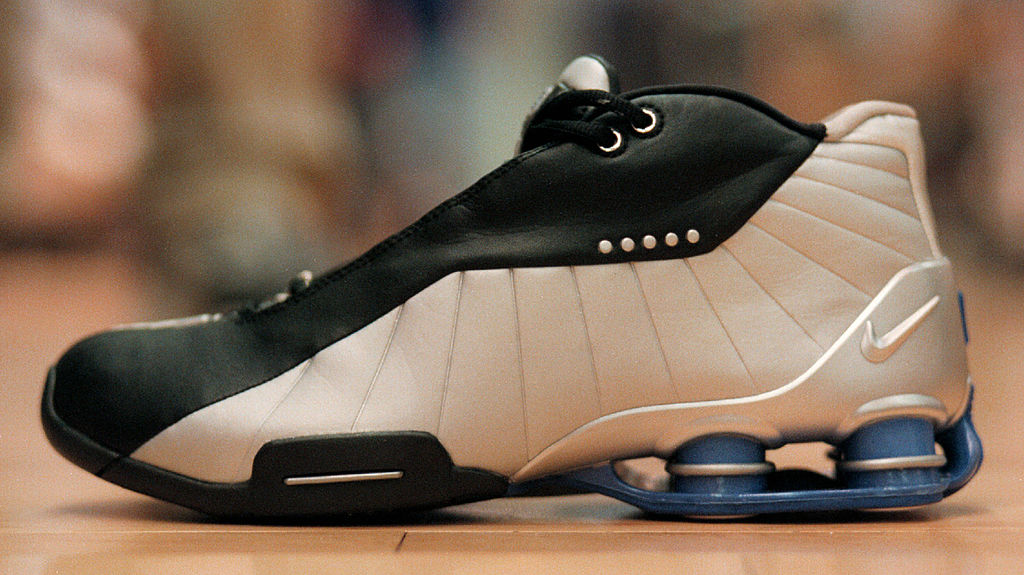
Scientists have used artificial intelligence to create an enzyme that can eat one of the toughest plastics on Earth: the kind used in foam mattresses and sneakers. The enzyme breaks polyurethane down into reusable chemicals in just 12 hours at 50°C, turning it back into raw materials. Truly circular recycling. Wild. We know it’s already in the headline, but did we mention they used AI to design this thing? Ars Technica #ShareGoodNewsToo
In September, The Lancet released a report with one of the most extraordinary statistics I’ve ever seen: since 2010, humanity’s total burden of illness and early death has dropped by 12.6 percent, driven by declining deaths from the world's deadliest infectious diseases: tuberculosis, lower respiratory infections, diarrhoea, HIV/AIDS, all down by between 25 and 49 percent. #ShareGoodNewsToo
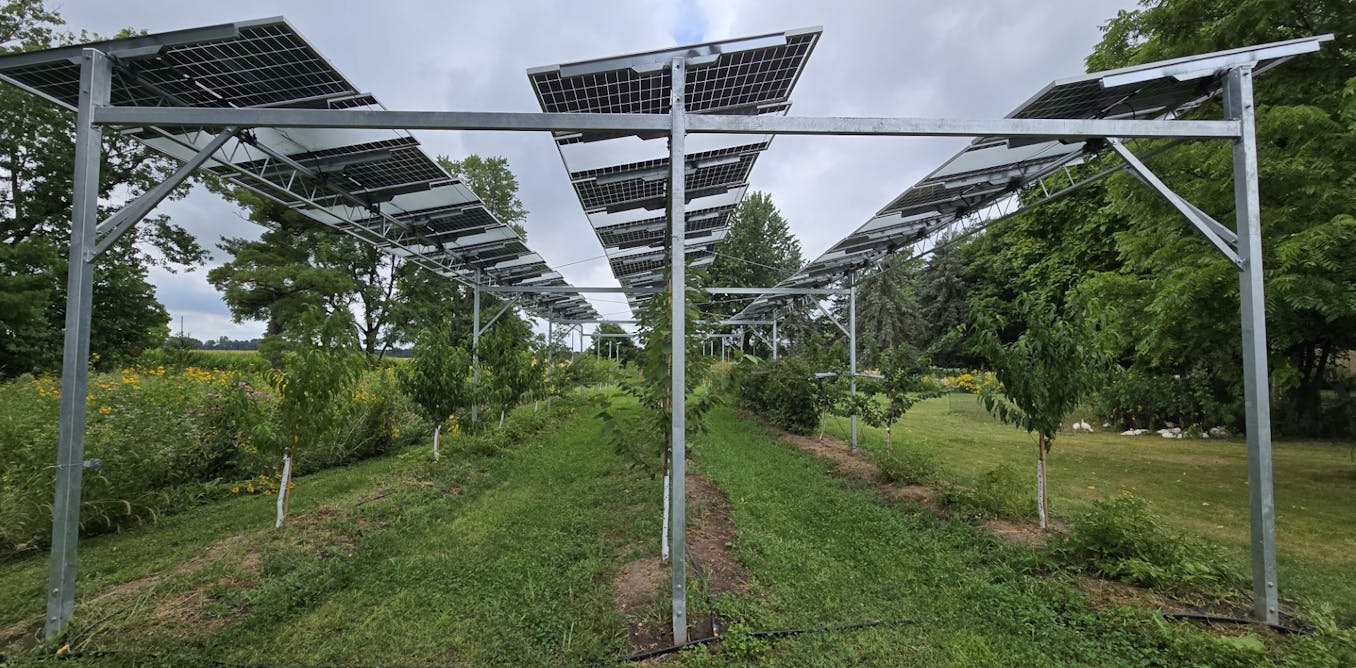
Agrivoltaics boost crop yields even when the solar panels aren’t generating power. New research from Canada shows that shading crops with elevated solar panels creates a cooler, wetter microclimate that can lift yields and improve performance across dozens of crops, from peppers to pasture grass. These benefits persist even when panels are offline, strengthening the case for agrivoltaics as dual-use infrastructure. The Conversation #ShareGoodNewsToo
US coal generation has collapsed from about 50% of electricity in 2005 to just 14% today. It’s one of the fastest energy transitions in modern history. Nearly 400 plants have retired or been scheduled for closure, and operating a coal plant now costs more than building new wind and solar in every state. #ShareGoodNewsToo
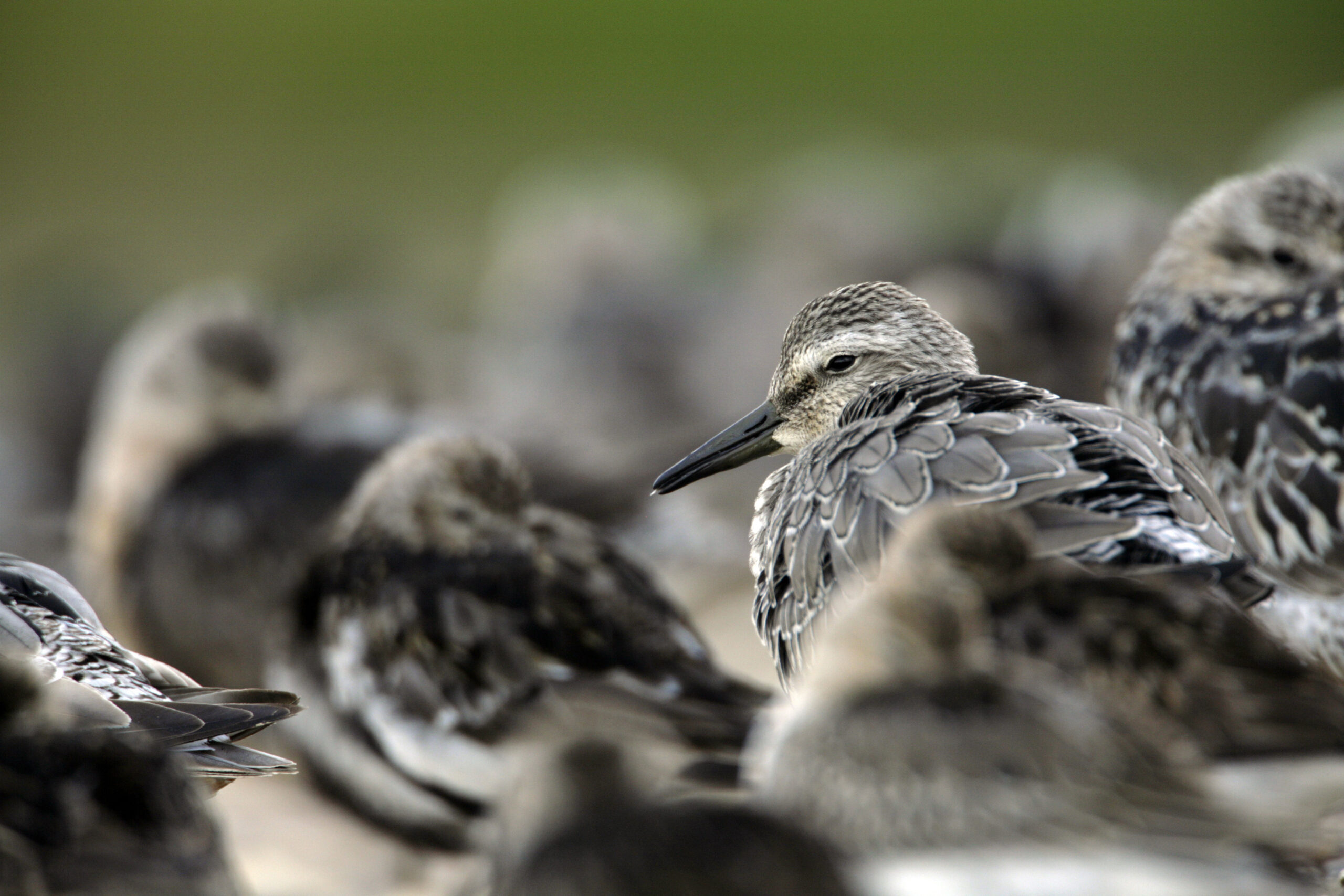
400 years ago, Jubilee Marsh was walled off from the sea and stopped being a saltwater marsh. In the mid-2000s, the Royal Society for the Protection Of Birds bought the land and decided to ‘rewet’ the marsh. Just letting the sea back in wouldn’t be enough though — the land had sunk — but in London, the Crossrail project was excavating the Elizabeth line tunnel and needed a place to put dirt. Cue collaboration, and now a hugely successful bird refuge #ShareGoodNewsToo
Britain ends new fossil fuel exploration. The government has introduced a legal moratorium on all new oil and gas exploration licences, ending five decades of North Sea expansion and aligning policy with 1.5°C targets. Existing fields will keep producing under stricter climate tests, but future investment will now flow to offshore wind, carbon-free heat and upgrades to the grid. Greenpeace UK #ShareGoodNewsToo
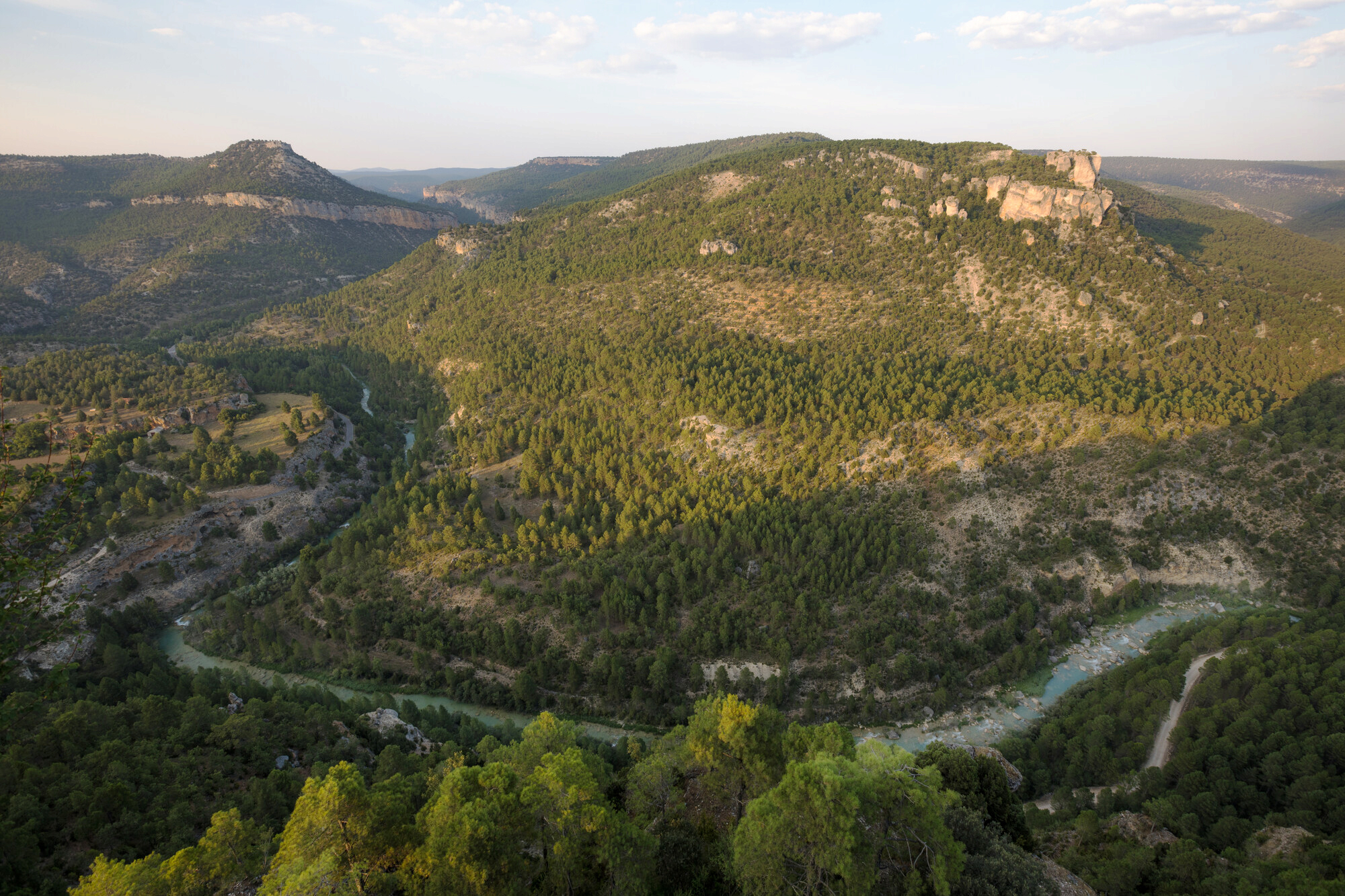
In Europe, rewilding is reversing the fortunes of ‘Empty Spain.’ In the sparsely populated Serranía Celtibérica, a decade of rewilding efforts has revived ecosystems, wildlife and rural livelihoods. Semi-wild herbivores and predators are returning to abandoned farmland, local timber and resin businesses are gaining sustainable footing, and young volunteers are helping build a rewilding movement rooted in community and ecological renewal. Rewilding Europe #ShareGoodNewsToo
3,150-year-old papyrus reveals the world’s earliest recorded labour strike. New analysis of the Turin Strike Papyrus—a detailed account from 1157 BCE—shows how artisans building the royal tombs at Deir el-Medina staged a coordinated walkout after going 18 days without grain rations. The document reads like an ancient industrial dispute: workers blocking gates, sending written demands to officials, and ultimately winning emergency payments. #ShareGoodNewsToo
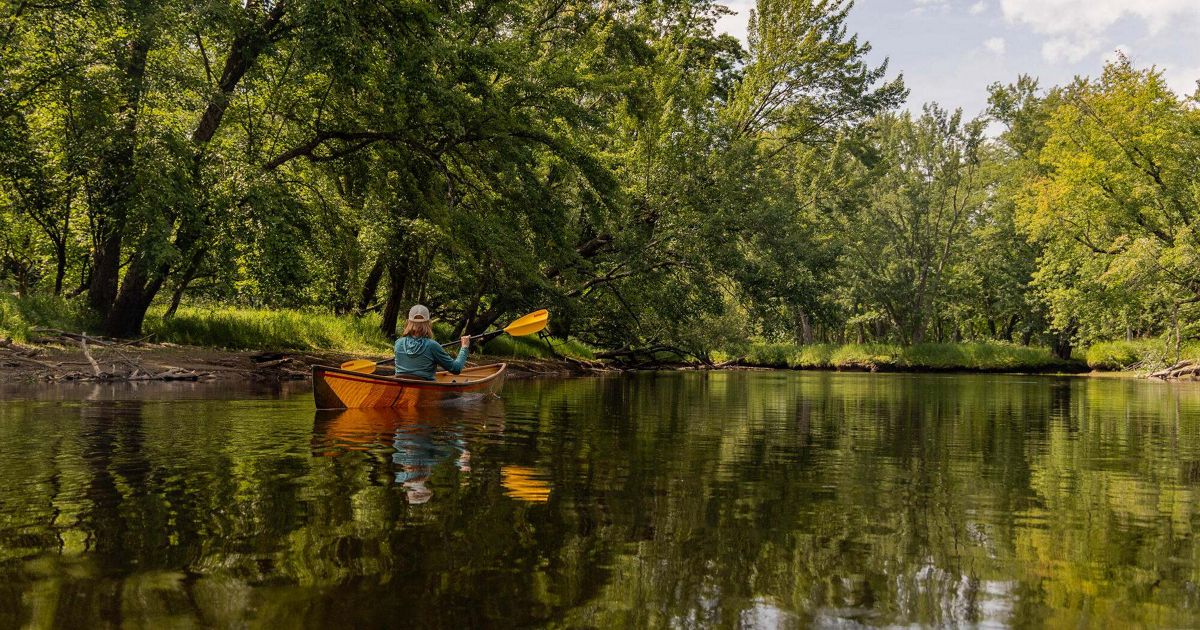
15,000 acres of New York’s Adirondacks has passed from private hands to parkland — and for the first time in 100 years, will be re-opened to the public. 6,000 acres along ten miles of the Raquette River will now allow hiking, paddling and camping, while 9,000 additional acres around the lake are protected as a freshwater research preserve supporting rare cold-water species. The Nature Conservancy #ShareGoodNewsToo
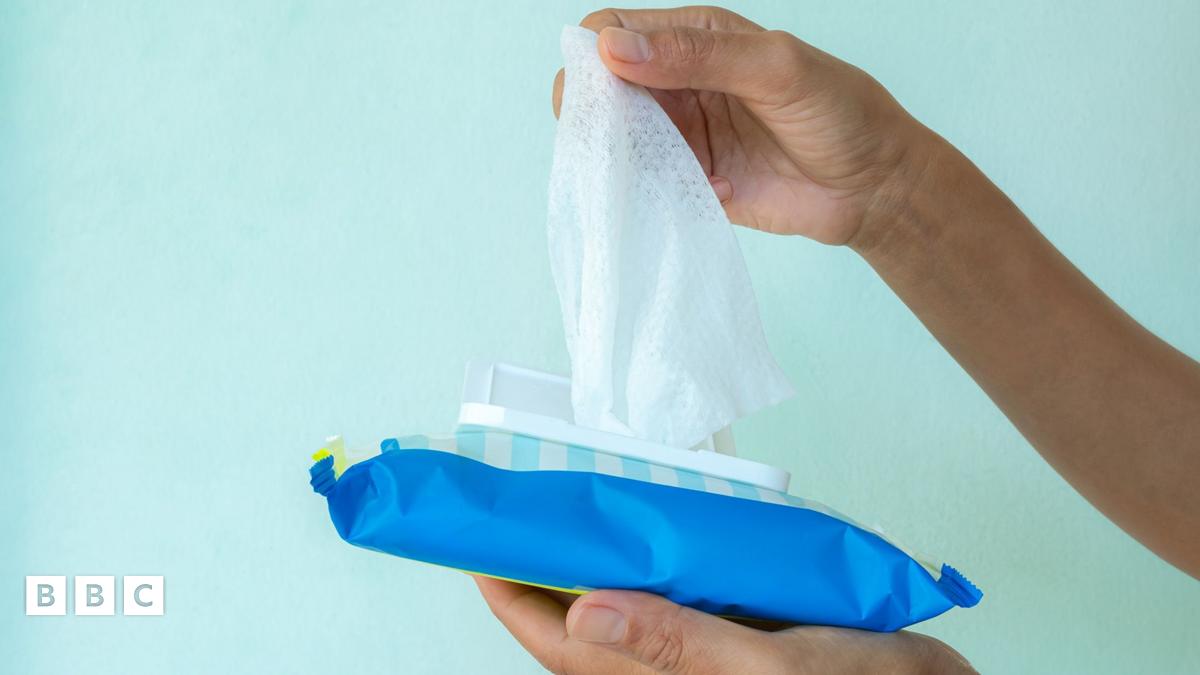
The U.K. will ban the sale of plastic-based wet wipes from 2026, targeting a major source of sewer blockages and riverine microplastics. Water companies say wipes form up to 90% of fatbergs, costing millions to remove and degrading ecosystems downstream.The ban forces a full market shift toward biodegradable alternatives that the country’s pipes and treatment plants can actually handle, closing a long-standing gap in wastewater regulation. BBC #ShareGoodNewsToo