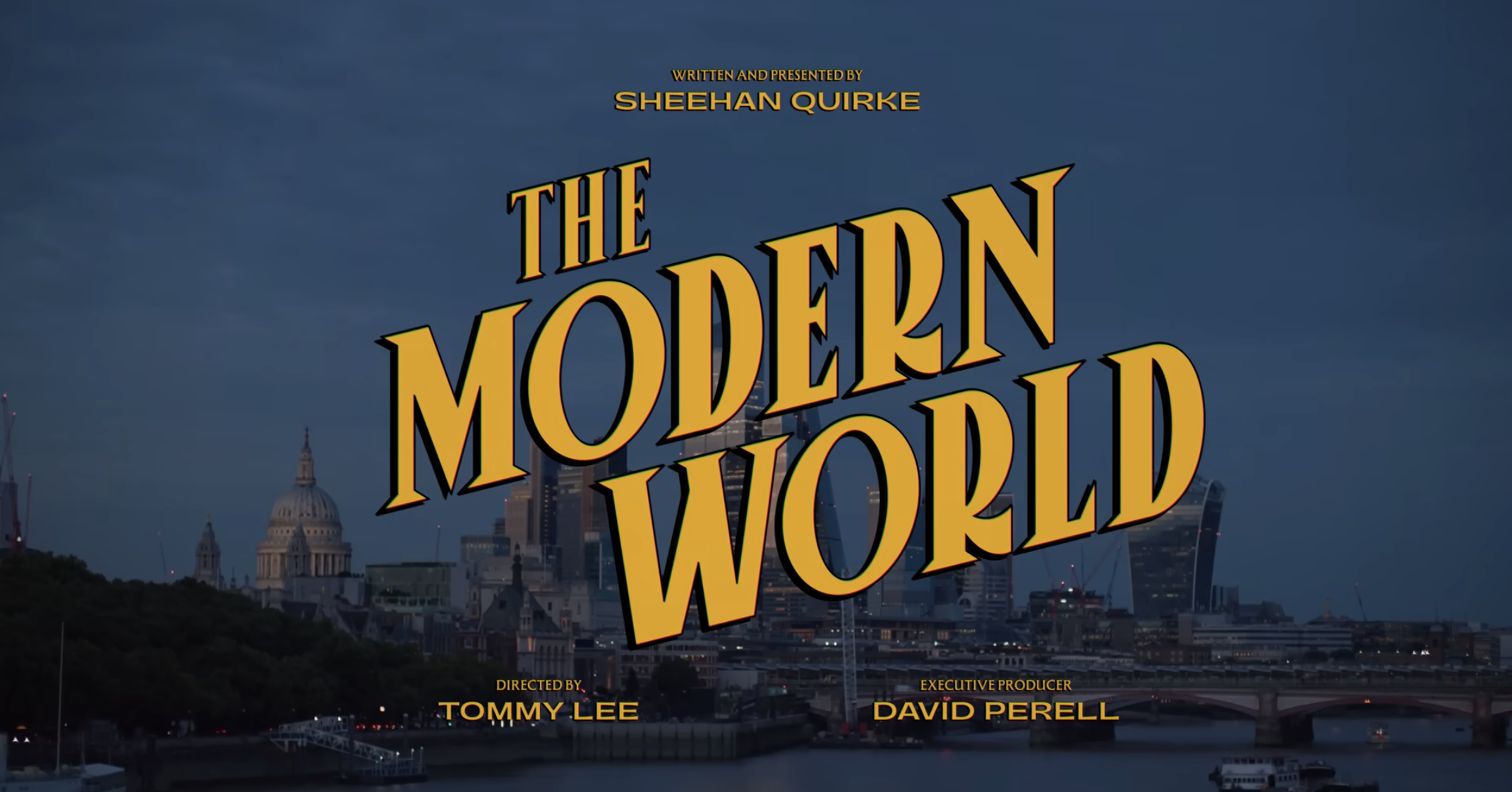
The Modern World - How Did The World Get So Ugly?
Look at the objects around you: furniture, cars, doors, bins, staircases, railings, doorbells, doorhandles, windows.
Do you like how they look, or not?
Modern design has become boring, but it doesn’t have to be this way.
The word “beautiful” is overused. We don’t need “beautiful” lamps, bus stops, and water fountains — we just need lamps, bus stops, and water fountains that are interesting, that actually mean something. At the very least, we need the details of our cities and homes to be not boring.
The aesthetics of architecture and urban design aren’t just a bonus; they totally change how we think, feel, and behave.
Boring environments make us more stressed and less productive; they erode our sense of community; they make us sadder, less trusting, and lonelier. A boring world is one where we spend even more time online and where our addictions are even harder to battle.
There is a widespread feeling of dissatisfaction; with this film, and the documentary series it will lead to, we want to investigate that feeling and give it a voice.
The point isn’t that we should return to the past or get rid of modernism. It’s about learning from the past in order to improve the present, and about giving the public what they very clearly want, which isn’t the eradication of modernism but the co-existence of modernism AND traditionalism.
Just look where tourists go, where they take their photos, and that tells you everything you need to know about what most people find interesting or beautiful.
We are incredibly rich and have a sprawling choice of shows to stream, phones to buy, or shoes to wear… but everything feels more and more generic all the time.
If you want to understand a society, don’t listen to what it says about itself — look at what it creates. You can learn everything about the Victorians — the good and the bad — just by looking at their lamp posts.
And what do the ordinary details of the modern world say about us? That we are technologically advanced, very efficient… and care more about making money, about making things as quickly and cheaply as possible, than making our world an enjoyable place to actually live in.
Although in this film we look at how the Victorians designed ordinary objects, this isn’t about past versus present. It’s about learning from the past in order to improve the present.
It’s important to learn about why and how things have changed, but that’s for another time. The first step is establishing that the public aren’t happy with modern architecture and design, and that something needs to change. But what we need isn’t a total revival of so-called ‘traditionalism’; the truth is that traditionalism and modernism can (and should) co-exist. The trouble right now is that we only have one, and that people are tired of it.
Everybody, from all sides of the political spectrum and all backgrounds, stands to benefit from a world that is designed more thoughtfully and imaginatively. The world could be such a colourful, meaningful, and thrilling place!
So this isn’t about left versus right or conservatism versus progressivism; it’s about making our world a more interesting and meaningful place to live in. This should be a unifying cause, because everybody loses out when our homes and cities are badly designed.
I want this film to unite people who think they’re on opposite sides, and to create a consensus that we need to change our approach to how we design our buildings and the objects - benches, bus stops, bins, lamp posts, aircon units - that fill our cities.
But this film (and the series it will, all being well, lead to) is about more than the specific argument it presents. Above all it’s about a way of seeing the world around us, a way of noticing and thinking.
“How you do anything is how you do everything.” That is probably true, and it also applies to whole societies, not just individuals; a single doorbell implies everything else about the whole socio-economic and political system that gave rise to its creation.
And, beyond being merely “useful”, the ability to notice details makes the world a richer place to live in, and life a richer thing to lead. This is what the film is about, more than anything: the power and joy of noticing.

The Modern World — Coming Soon
Stacker News
The Modern World - How Did The World Get So Ugly? \ stacker news
Look at the objects around you: furniture, cars, doors, bins, staircases, railings, doorbells, doorhandles, windows. Do you like how they look, or ...