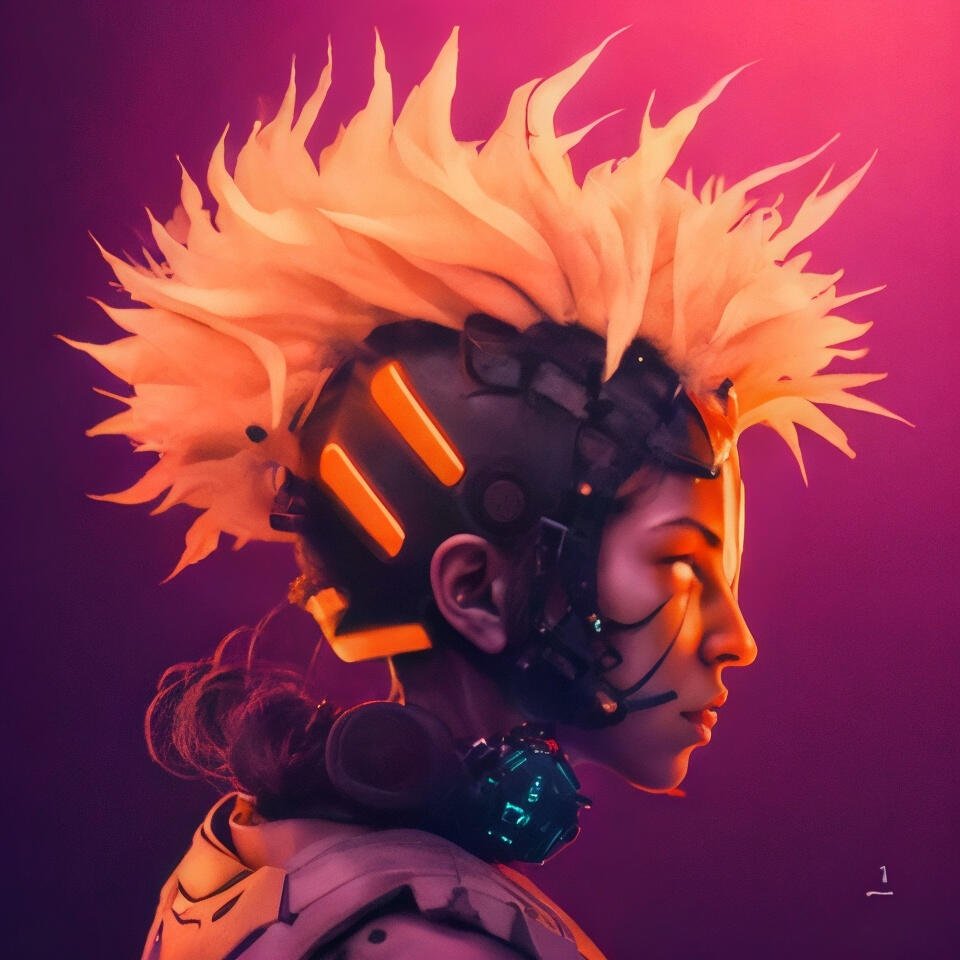
How To Design A Good Sci-Fi Space Helmet: Interview With Prospect's Filmmakers ![](https://m.stacker.news/99447) ![](https://m.stacker.news/99448) Pedro's helmet we actually designed so that it sat on his shoulders and that was really smart. Applying that design to the other characters might've been a good idea. And then the other thing for the actors is the sound. Usually, particularly in sci-fi movies, they try to do action in the helmets, but then when there's big dialogue scenes, they try to move that outside the helmets. And for us it's like, "Nope, you're in a survival scenario. We're not going to come up with excuses for you to get out of your helmets." But when actors are performing, they have to get used to the sound bouncing back at them. You're kind of in an echo chamber.


When Figma Starts Designing Us / Design Systems International # The subtle ways in which design tools shape how we think and what we make ![](https://m.stacker.news/99446) Figma is extremely powerful, but it is bending us toward a way of working that prioritizes structure over spontaneity. As designers, we should remain alert to this shift, not because Figma is inherently bad, but because the values it encodes can quietly reshape our practices. The best design work rarely starts with order. It starts with questions, with play, with a lot of mess. We need tools that make room for that. Because if everything is neatly aligned from the beginning, we may never discover what lies just outside the grid.
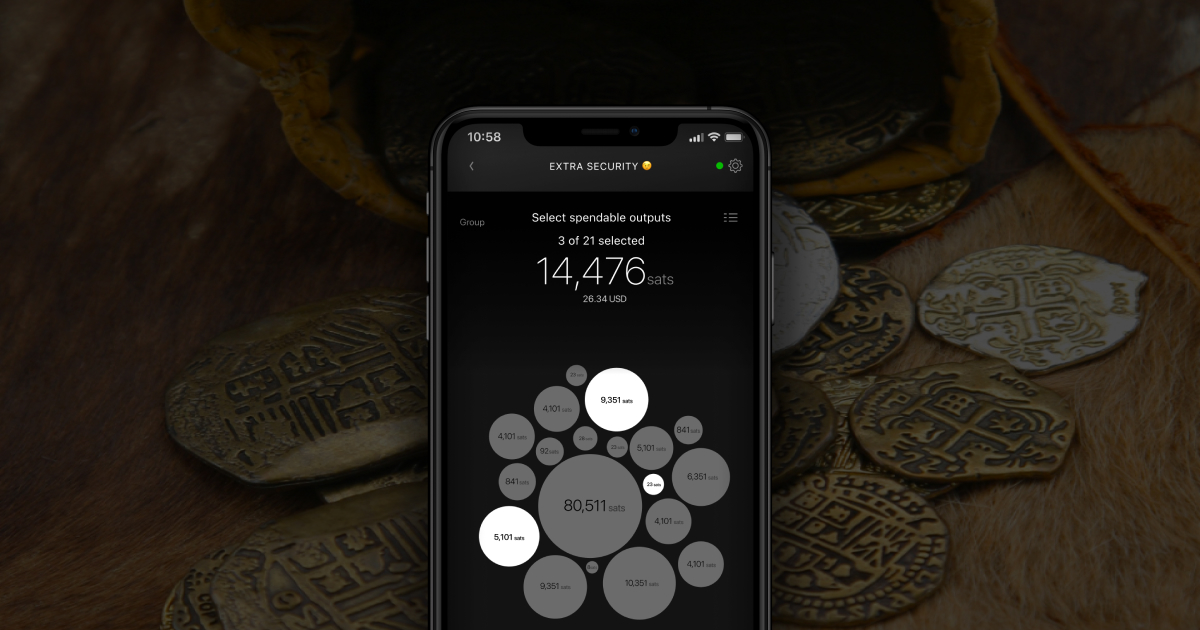
"NostrPay Kids Wallet App - The Fun, Safe Bitcoin Wallet for the Next Generation" by @deSign_r - because authentic #creativity isn't negotiable, that's the true #art of #design.
Discover Next-Gen #Bitcoin #FREE and #OpenSource #Security powered by #Nostr Unlock the future of #selfcustody with #BitcoinSafe #Wallet and #Satsigner! This video dives deep into setting up a robust #multisig wallet using Bitcoin Safe (an open-source collaborative wallet) and Satsigner (a #hardware signer for offline transaction signing). Learn how to remotely sign transactions, sync keys securely, and communicate with co-signers via encrypted nostr powered group chat—all while maintaining maximum security for your Bitcoin keys. 🔑 Key Features Covered: - Multisig Setup: Create 2-of-3 or complex quorums with distributed key storage. - Remote Signing: Sign transactions air-gapped using Satsigner (supports QR, NFC, or Bluetooth). - Encrypted Chat: Coordinate with co-signers via Bitcoin Safe’s built-in messaging. - Real-Time Sync: Automatically sync transaction proposals and approvals across devices. - Self-Custody Focus: Zero third-party trust; you control all private keys. 💡 Why This Matters: - Ultimate Security: Mitigate single points of failure with multisig + hardware signing. - Convenience: Collaborate securely from anywhere in the world without compromising safety. - Open-Source & Auditable: Bitcoin Safe & Satsigner partner to be transparent, community-driven tools. 👇 Get Started: - Bitcoin Safe - SatSigner 🔔 Subscribe for more Bitcoin security tutorials, wallet reviews, and decentralized tech deep dives! Enable notifications so you never miss an update. 💬 Join the Discussion: What’s your experience with multisig wallets? Share below! Questions? Drop them in the comments—we’ll help! #FOSS #GM #BitcoinWallet #BitcoinSecurity #HardwareWallet #Decentralized #grownostr #asknostr #zap #btc #wisdom
Wutopia Lab Designs Ceramic Pages Bookshop in China to Resemble inside of Teapot ![](https://m.stacker.news/99340) Smooth curving walls and a spout-like skylight are intended to evoke the inside of a teapot at Ceramic Pages, a bookshop in China by local architecture studio [Wutopia Lab](). Ceramic Pages forms part of the wider redevelopment of a former clayware factory in Yixing into a cultural district, for which Kengo Kuma & Associates also recently completed [UCCA Clay Museum](). Wutopia Lab's design for the bookshop is informed by the process of sculpting and firing the purple clay teapots once made on the site, with visitors moving from an earthy, purple-toned lobby, through a fiery red cafe and up to a water-themed gallery. ![](https://m.stacker.news/99343) ![](https://m.stacker.news/99345) ![](https://m.stacker.news/99346) ![](https://m.stacker.news/99347) ![](https://m.stacker.news/99341) ![](https://m.stacker.news/99348) ![](https://m.stacker.news/99342) ![](https://m.stacker.news/99344)
Jenny Wen — Don't trust the (design) process For a good period of time, between like, 2014–2020, design was all about The Process. You know it. Yeah, that’s the one: ![](https://m.stacker.news/99336) Instead of portfolios of mockups or prototypes, it was all these artifacts — journeys, flows, personas, user stories. Proof of the process. ![](https://m.stacker.news/99337) And our output started looking more like this: ![](https://m.stacker.news/99338) We stopped caring so much about the actual design of the thing — what people actually saw or felt when they used the thing we made. And we self-indulged in all the “practice of design”.