Curious to know about "Where the design jobs are in 2025" by @deSign_r in #Design? Learn more
This is really an active post "Beyond Liquid Glass: Apple's new design system is a mess" by @deSign_r on #Design. Join in at
Curious to know about "Why JPEG Became the Web's Favorite Image Format" by @deSign_r in #Design? Learn more
Where the design jobs are in 2025 https://www.fastcompany.com/91334577/where-the-design-jobs-are-2025-salaries-cities-skills-graphic-architects-urban-interior-ux-product-game ![](https://m.stacker.news/97196) Generative AI—and the velocity of its evolution—is forcing every breed of designer to contemplate a future without them. Will Midjourney and DALL-E eliminate the need for graphic designers? Will Claude and Gemini obviate the UX lead? What happens to motion artists in a world where Sora supposedly becomes the newest auteur? We’re no sages. And we’re certainly not clairvoyant. But we can comfortably say that, even if an AI-driven design industry apocalypse is coming, it hasn’t arrived yet.
Why don't you own any #Bitcoin? Start #earning from the #content you generate #today.
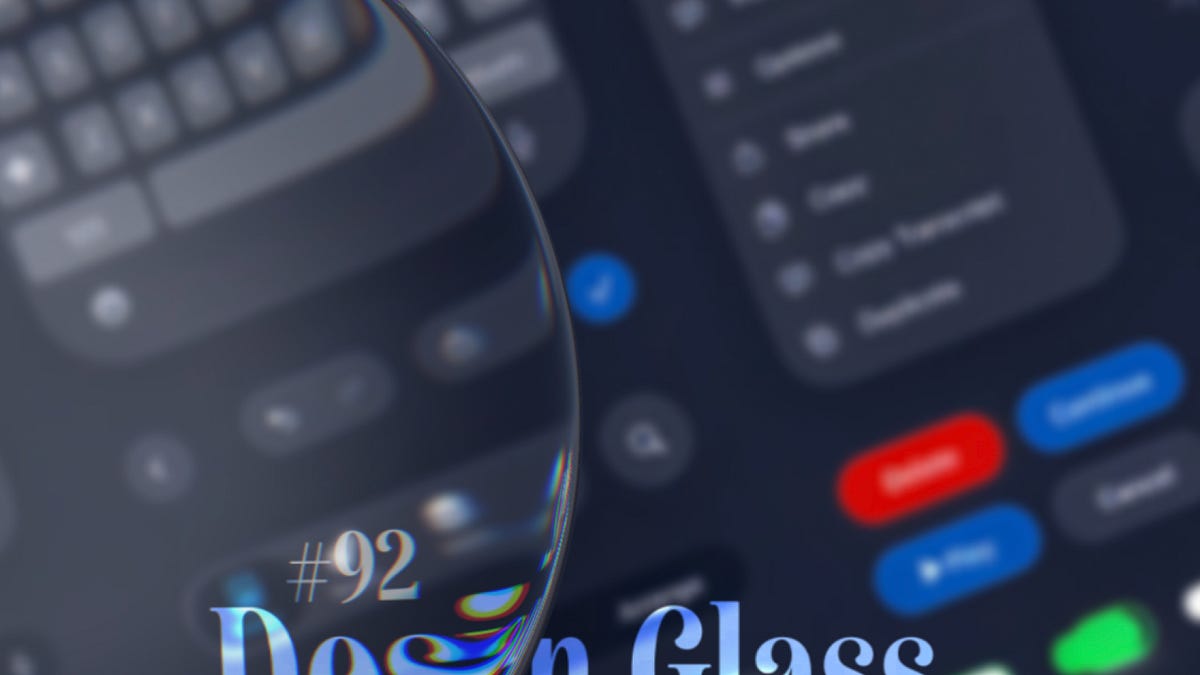
Beyond Liquid Glass: Apple's new design system is a mess Whether it's the jarringly dark Control Center on iOS or the out-of-place toolbars on macOS, most of Liquid Glass's current visual "missteps" can be attributed to the tight development schedule of Developer Beta 1, preventing the design from achieving its intended effect. Rather than showcasing a brand new visual language, it feels more like a solo showcase for Liquid Glass. While WebGL implementations have existed for some time, Apple's refraction and edge reflection effects are notably refined, striking a preliminary balance between aesthetics and performance. However, when integrated into the interface, background interference becomes a significant issue. In fact, the Liquid Glass material itself seems designed to accentuate background content.
Why JPEG Became the Web's Favorite Image Format https://spectrum.ieee.org/jpeg-image-format-history Thirty years ago, the JPEG became the dominant way we share digital photos on the Internet. ![](https://m.stacker.news/97193) For roughly three decades, the JPEG has been the World Wide Web’s primary image format. But it wasn’t the one the Web started with. In fact, the first mainstream graphical browser, NCSA Mosaic, didn’t initially support inline JPEG files—just inline GIFs, along with a couple of other formats forgotten to history. However, the JPEG had many advantages over the format it quickly usurped.
This is really an active post "Design system annotations" by @deSign_r on #Design. Join in at
Curious to know about "The Campfire That Fits In Your Pocket" by @kr in #Design? Learn more
This is really an active post "Design is care (and sensing carelessness)" by @deSign_r on #Design. Join in at