Adaptive Reuse in Asia: Singapore's Ownership, Japan's Revival, & Korea's Limits
Adaptive Reuse Across Asia: Singapore's Fragmented Ownership, Japan's Rural Revival, & Korea's Material Limits
An interview with Architect Calvin Chua
# Adaptive Reuse Across Asia: Singapore's Fragmented Ownership, Japan's Rural Revival, & Korea's Material Limits. An interview with Architect Calvin Chua
> We debate policy and push for development, but what about the actual city that emerges? For my fellow urbanists and YIMBYs, I hope this interview offers something a bit new. The aesthetics, forms, and textures born from history, politics, resources, and constraints. Beyond regulations and economic models, how do planning ideas manifest visually? What does adaptive reuse mean beyond headline projects?
### Singapore: When Ownership Gets Complicated
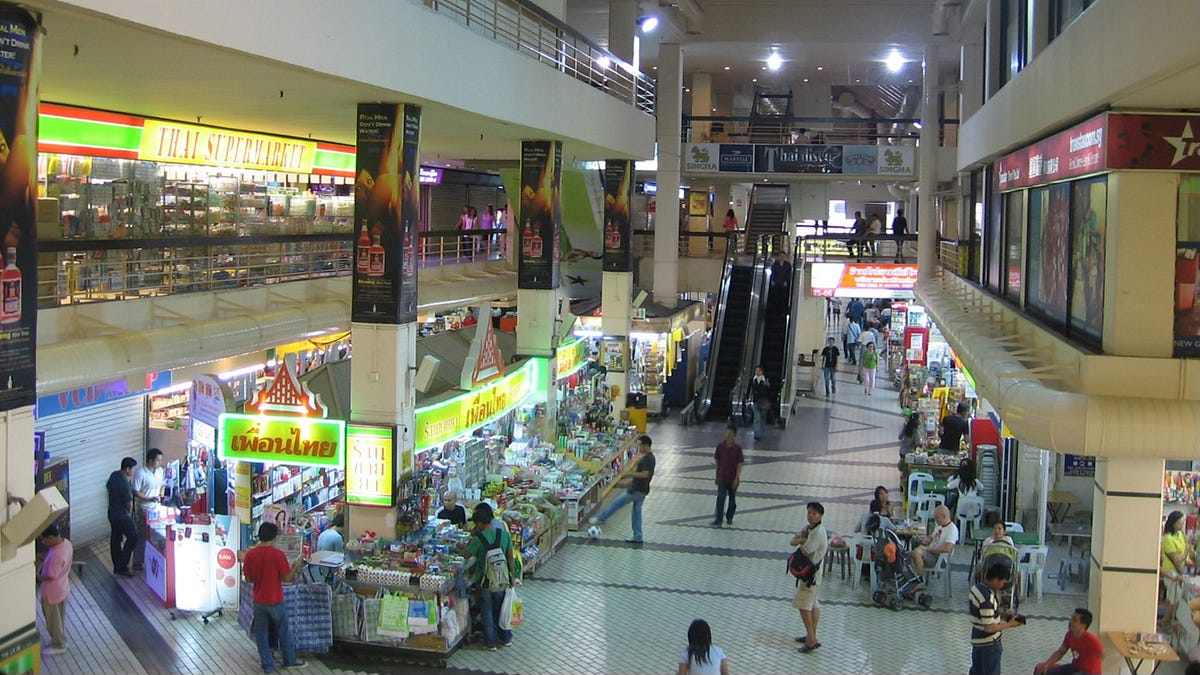
Singapore's "strata malls" let individuals own shops outright, not rent them. Any building change needs 80% owner approval. Result: retirees treating shops as social clubs, refusing million-dollar buyouts. These malls become uncurated havens for niche businesses and retirement communities disguised as retail.
_Singapore labels everything temporary as "interim": schools, housing, bus stops. These "temporary" solutions routinely last 20+ years._
### Korean Peninsula: Design Across Division
For the 2017 Seoul Biennale, Chua built a replica Pyongyang apartment in Seoul. 36 square meters showing how people actually live versus headlines about missiles. His "Pyonghattan" project used replication to make complex conditions accessible without sensationalizing.
From 2012-2019, Chua trained urban planners in Pyongyang through an NGO. He goes over the constraints: no steel imports mean everything's concrete. Result: 40-story towers with walls so thick they eat living space. Kim Jong-un mandates bright colors for modernity, creating colorful but chunky buildings. Juche self-reliance ideology made physical.
### Nuances of Adaptive Reuse
Chua distinguishes between different scales and models of reuse. High-capital conversions like Tate Modern (power plant to museum) or Zeitz MOCAA (grain silo to gallery) grab headlines as architectural showpieces. Every city wants one. But these represent just one approach.
More compelling to Chua are systematic, community-focused efforts. Karl Bengs renovating abandoned kominka in dying Japanese villages creates actual homes, not tourist attractions. Some villages see their first births in decades. This model now attracts international investors, creating a new rural real estate sector. The tension: are we saving communities or displacing them?
Read or listen to the entire interview
Adaptive Reuse Across Asia: Singapore's Fragmented Ownership, Japan's Rural Revival, & Korea's Material Limits
An interview with Architect Calvin Chua

Stacker News
Adaptive Reuse in Asia: Singapore's Ownership, Japan's Revival, & Korea's Limits \ stacker news
Adaptive Reuse Across Asia: Singapore's Fragmented Ownership, Japan's Rural Revival, & Korea's Material Limits. An interview with Architect Calvin ...