Mathematical Beauty, Truth and Proof in the Age of AI | Quanta Magazine
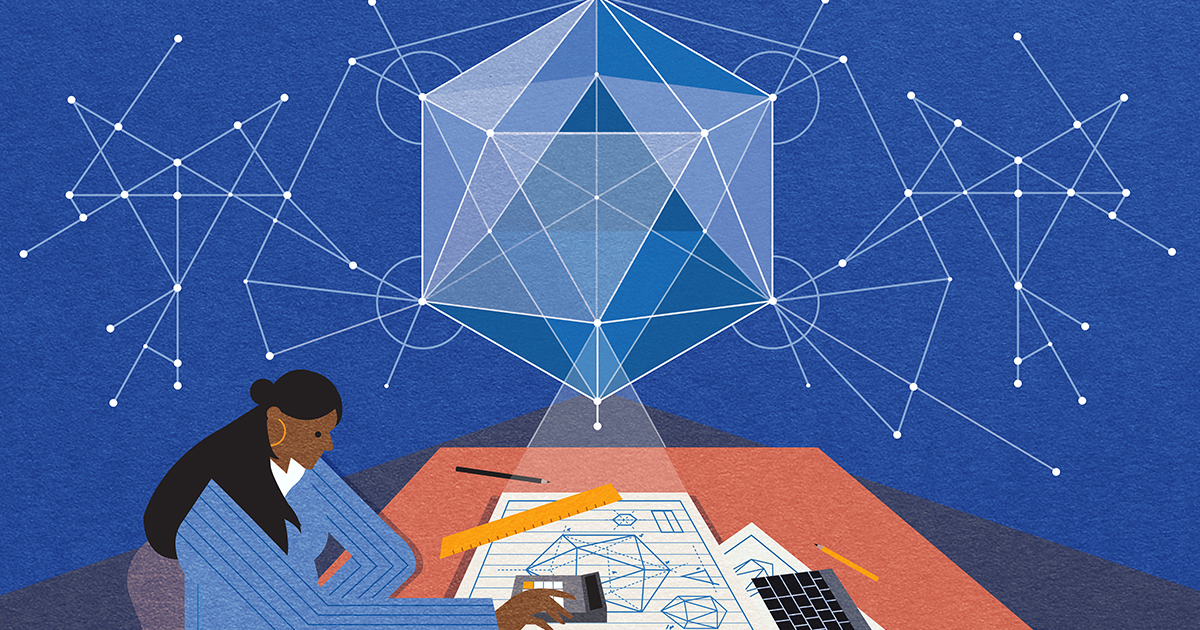 Since the start of the 20th century, the heart of mathematics has been the proof — a rigorous, logical argument for whether a given statement is true or false. Mathematicians’ careers are measured by what kinds of theorems they can prove, and how many. They spend the bulk of their time coming up with fresh insights to make a proof work, then translating those intuitions into step-by-step deductions, fitting different lines of reasoning together like puzzle pieces.
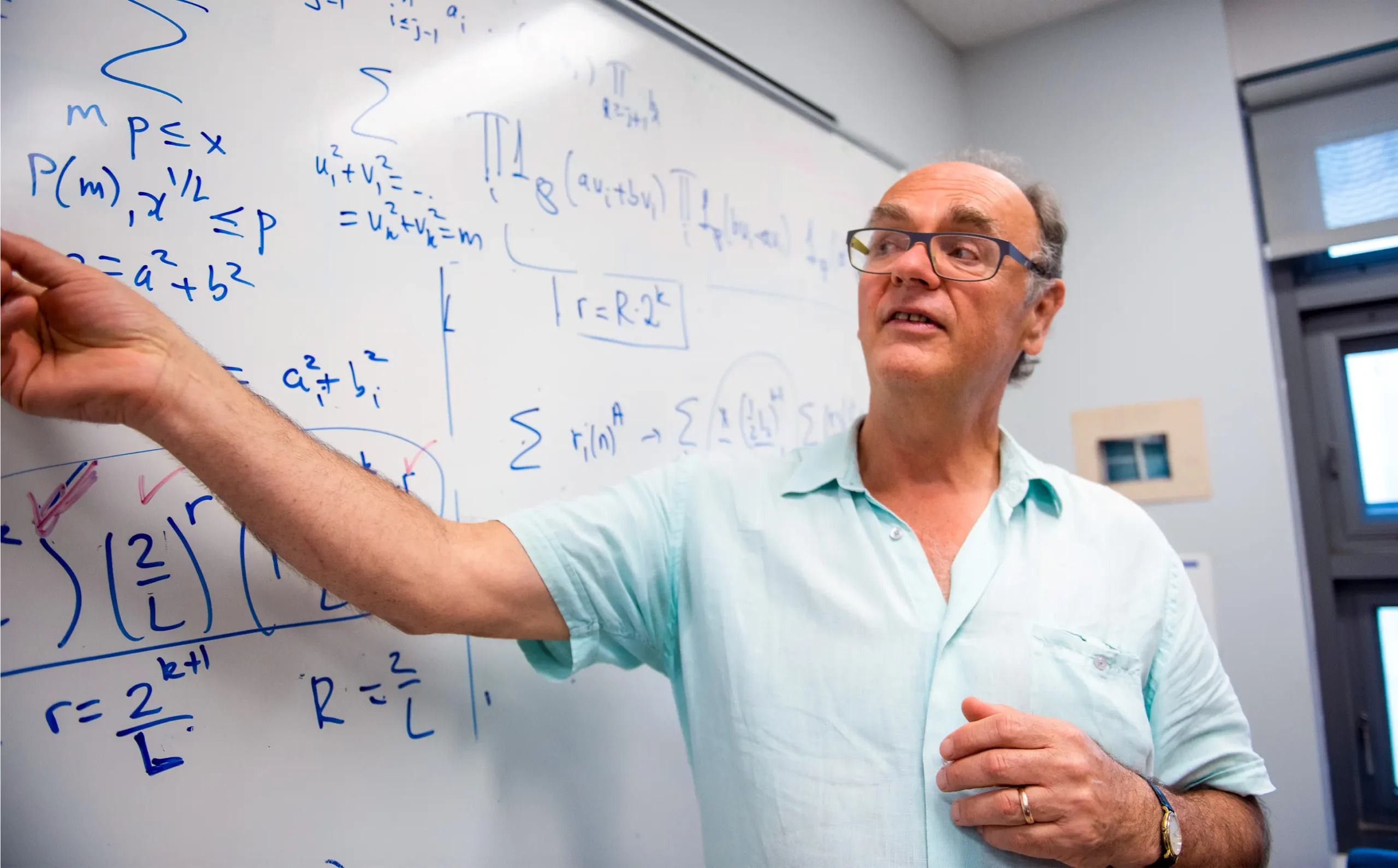
Andrew Granville worries that outsourcing more rigorous aspects of mathematics to AI could adversely affect researchers’ ability to think. “I feel that my own understanding is not from the bigger picture,” he said. “It’s from getting your hands dirty.”
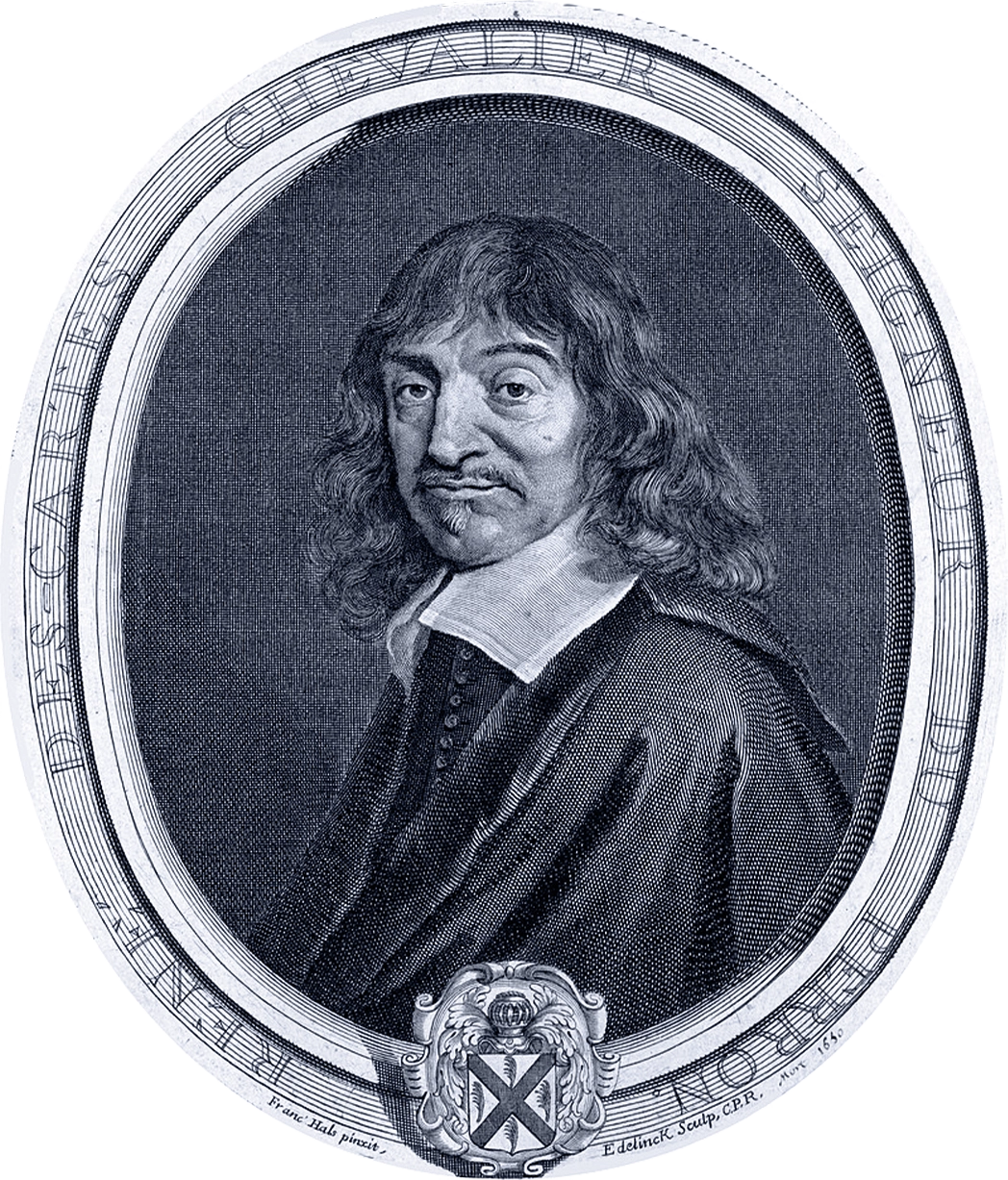
In the 17th century, René Descartes introduced a way to represent geometric curves as algebraic equations. It transformed how mathematics was done. Some mathematicians felt that algebraic methods were taking mathematics in the wrong direction. Chief among them was Isaac Newton.
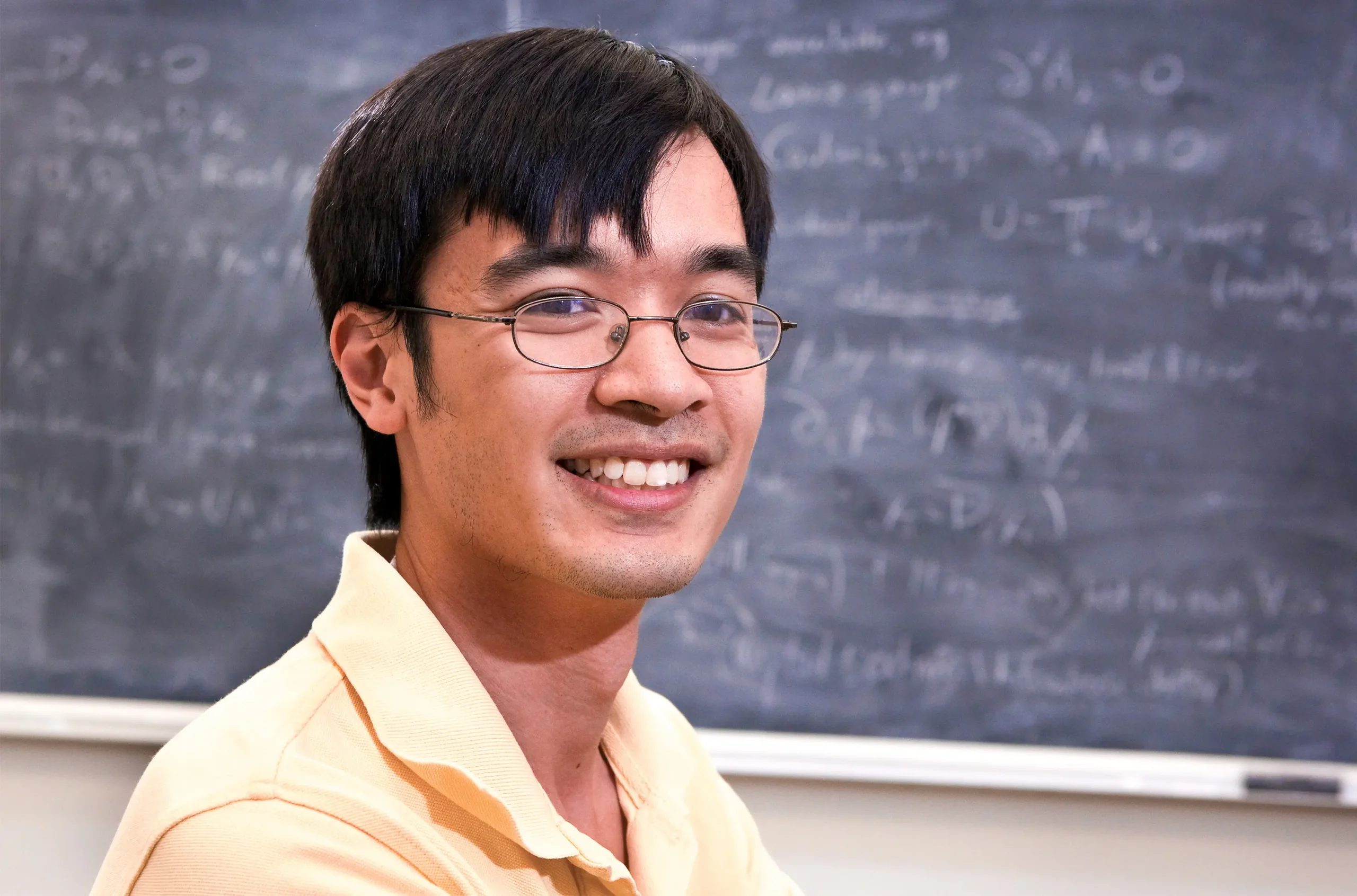
The mathematician Terence Tao proposed his “equational theories project” to test what a more collaborative, experimental, AI-powered future might look like. Like physics and other laboratory sciences, then, mathematics might also involve more division of labor. Currently, a mathematician is responsible for performing all mathematical tasks from start to finish: coming up with new ideas, proving lemmas and theorems, writing up proofs, and communicating them. That’s very likely to change with AI.
[Continue reading]()
originally posted at
Since the start of the 20th century, the heart of mathematics has been the proof — a rigorous, logical argument for whether a given statement is true or false. Mathematicians’ careers are measured by what kinds of theorems they can prove, and how many. They spend the bulk of their time coming up with fresh insights to make a proof work, then translating those intuitions into step-by-step deductions, fitting different lines of reasoning together like puzzle pieces.

Andrew Granville worries that outsourcing more rigorous aspects of mathematics to AI could adversely affect researchers’ ability to think. “I feel that my own understanding is not from the bigger picture,” he said. “It’s from getting your hands dirty.”

In the 17th century, René Descartes introduced a way to represent geometric curves as algebraic equations. It transformed how mathematics was done. Some mathematicians felt that algebraic methods were taking mathematics in the wrong direction. Chief among them was Isaac Newton.

The mathematician Terence Tao proposed his “equational theories project” to test what a more collaborative, experimental, AI-powered future might look like. Like physics and other laboratory sciences, then, mathematics might also involve more division of labor. Currently, a mathematician is responsible for performing all mathematical tasks from start to finish: coming up with new ideas, proving lemmas and theorems, writing up proofs, and communicating them. That’s very likely to change with AI.
[Continue reading]()
originally posted at 
Quanta Magazine
Mathematical Beauty, Truth and Proof in the Age of AI | Quanta Magazine
Mathematicians have started to prepare for a profound shift in what it means to do mathematics.
Quanta Magazine
Mathematical Beauty, Truth and Proof in the Age of AI | Quanta Magazine
Mathematicians have started to prepare for a profound shift in what it means to do mathematics.
Stacker News
Mathematical Beauty, Truth and Proof in the Age of AI | Quanta Magazine \ stacker news
Since the start of the 20th century, the heart of mathematics has been the proof — a rigorous, logical argument for whether a given statement is ...


