Archaeologists estimate there were roughly 8,000 to 10,000 miles (13,000โ€“16,000 km) of Roman roads built across Roman Britain (Britannia) between the 1st and 4th Centuries AD. Of these, about 2,000 miles (3,200 km) are still visible, traceable, or form the basis of modern roads today. Built primarily by the Roman army, they connected forts, towns, ports, and military outposts across the province. #archaeohistories image

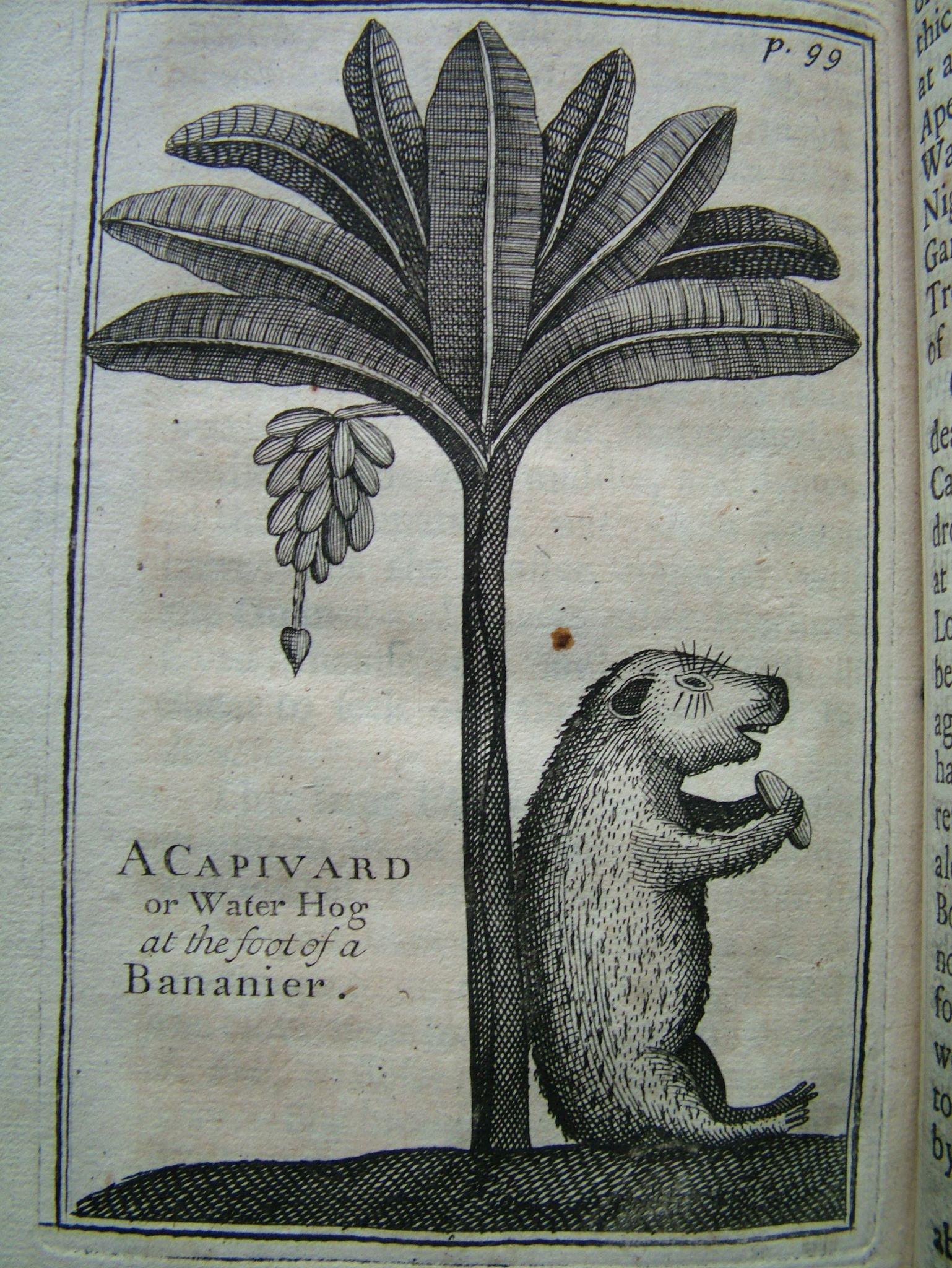
A 17th Century CE, illustration from an account of a voyage, by the French explorer and engineer Franรงois Froger; featuring a capybara (described as a "Water Hog") at the base of a banana tree. The image is from page 99 of a publication. The creature depicted is a capybara, the world's largest living rodent, native to South America. Capybaras are semi-aquatic herbivores that live near water bodies and have partially webbed feet. #archaeohistories image
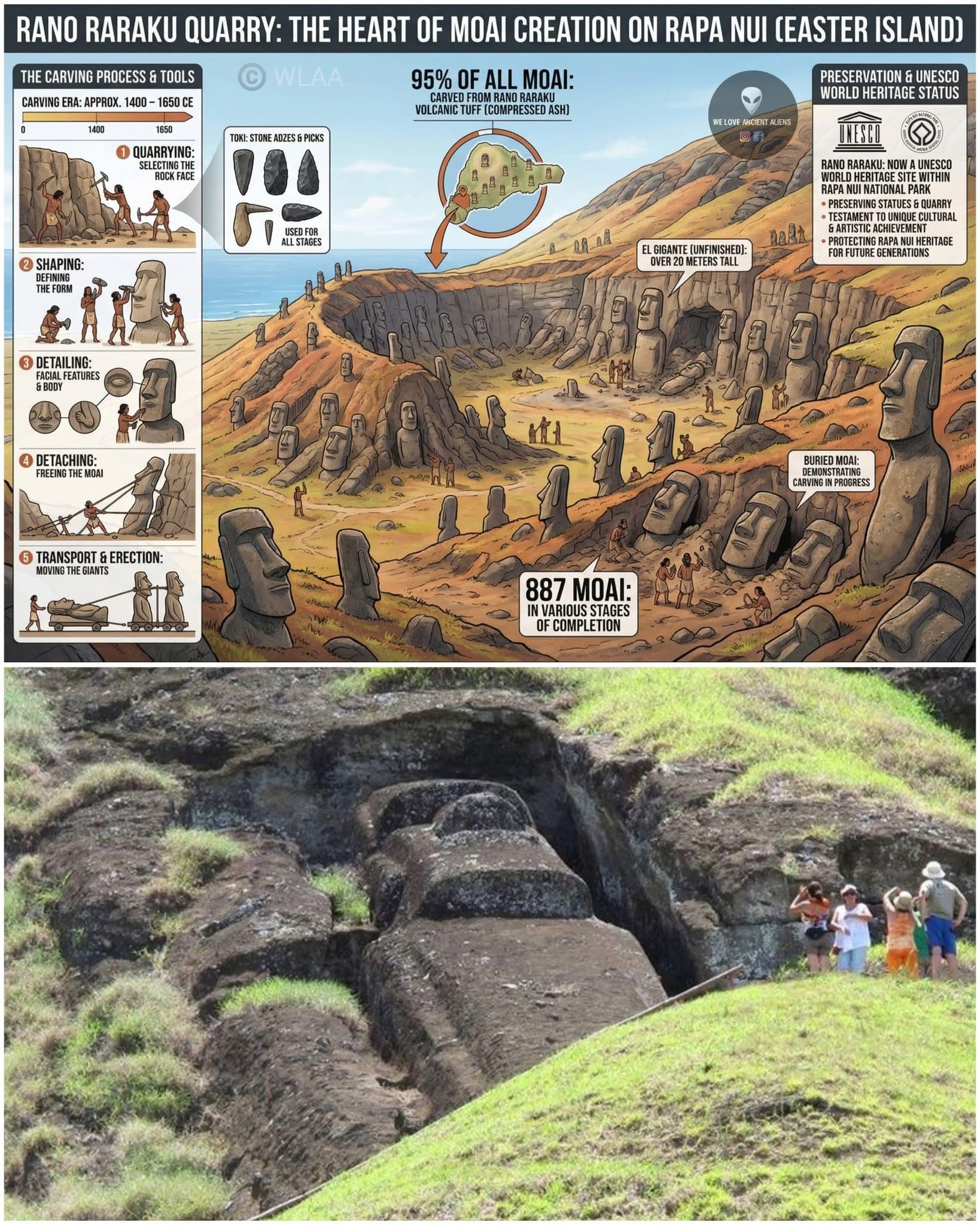
Rano Raraku quarry on Easter Island (Rapa Nui) served as principal source of stone for the islandโ€™s iconic Moai statues, with roughly 95% of all Moai carved from volcanic tuff extracted at this site. The quarry contains 887 Moai in various stages of completion, including many partially buried in the ground, providing a vivid record of carving process. These monumental statues were shaped exclusively with stone tools, known as toki, by the Rapa Nui people between approximately 1400-1650 CE. image
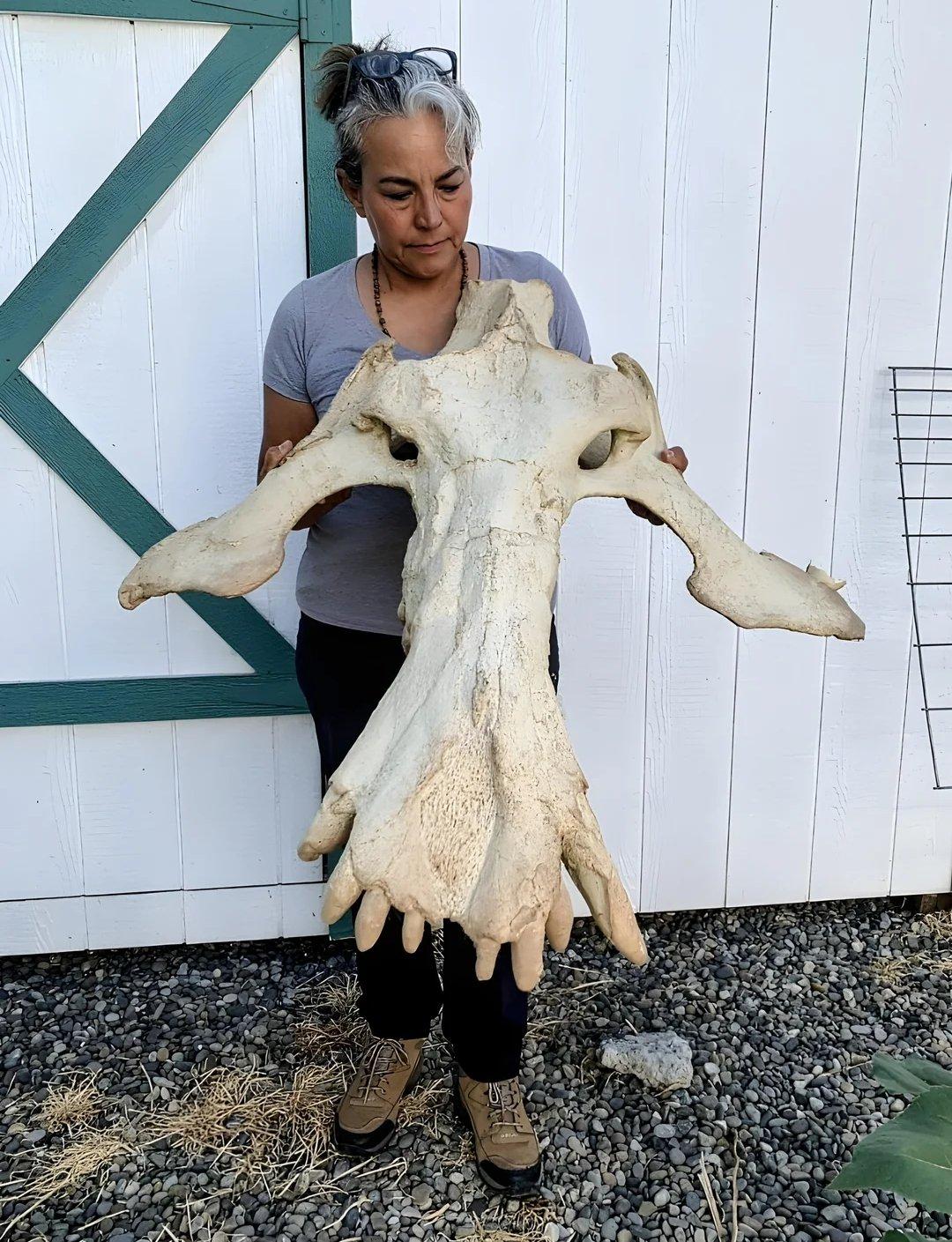
This enormous Entelodont skull from North America dates back approximately 30 million years, to a time when giant predators dominated the Earth during the Oligocene epoch. Known as the โ€œhell pigs,โ€ Entelodonts were neither pigs nor carnivores in the modern sense, but rather powerful omnivores that dominated their ecosystem. #archaeohistories image
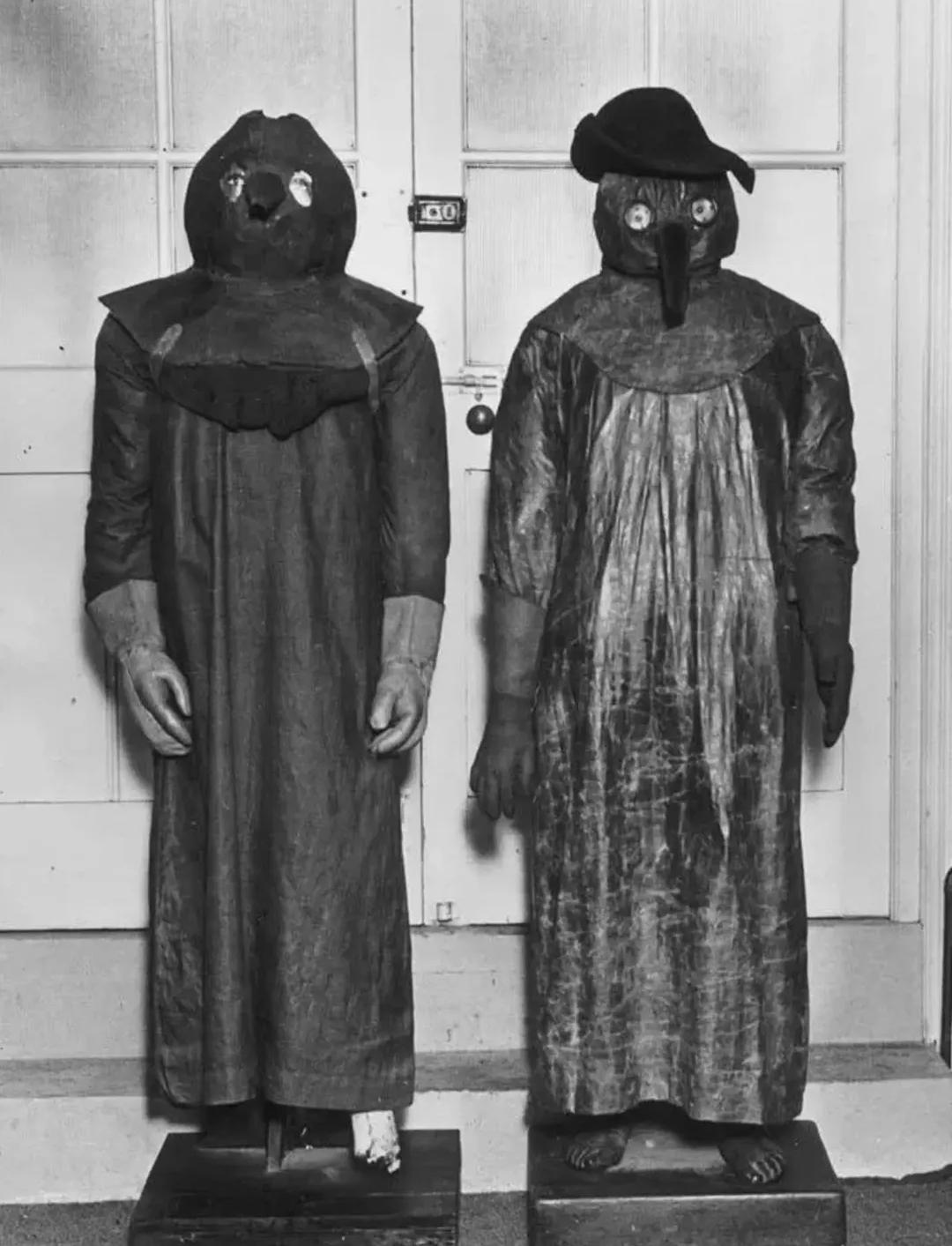
These are the real-life outfits doctors would wear to treat plague patients in 1600s... The eerie beaked masks you see here belonged to plague doctors of 1600s, who worked in Europe during outbreaks of bubonic plague. Their appearance has become iconic, but the design was rooted in medical theories of the time. Long beak was stuffed with herbs, flowers, and spices, things like lavender, cloves or mint, which doctors believed could filter out โ€œmiasma,โ€ or bad air, thought to spread disease. image
In late 17th Century CE, England, response to Great Fire of London was to make chimneys much narrower. Children were employed to be human chimney sweeps. Child labor was common in chimney sweeping industry for over 200 years because children were small enough to fit into the narrow flues. Typical age was between 5-10 years of age. Some as young as 4 years old. Master sweeps bought children from orphanages, took homeless young boys or from destitute parents. #archaeohistories image
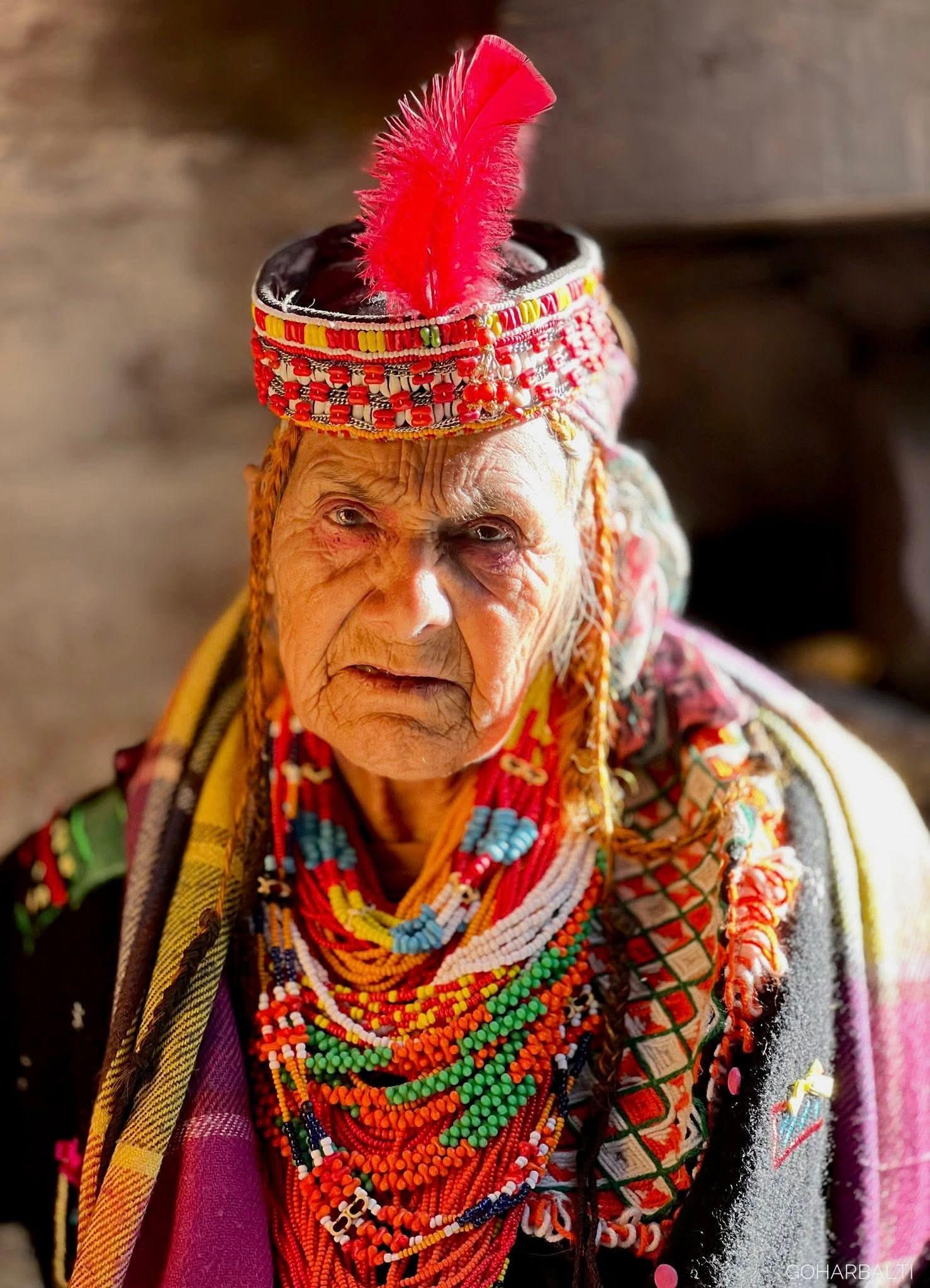
An elderly woman from Kalash community..... Kalash people are an indigenous ethnic group living in Chitral district of Khyber Pakhtunkhwa province, Pakistan ๐Ÿ‡ต๐Ÿ‡ฐ They are known for their unique culture, language, and traditions, which differ from those of the majority Pakistani population. Some members of Kalash community have distinctive physical features, such as blond hair and blue eyes, which has led to unconfirmed speculation that they are descended from the army of Alexander the Great. image
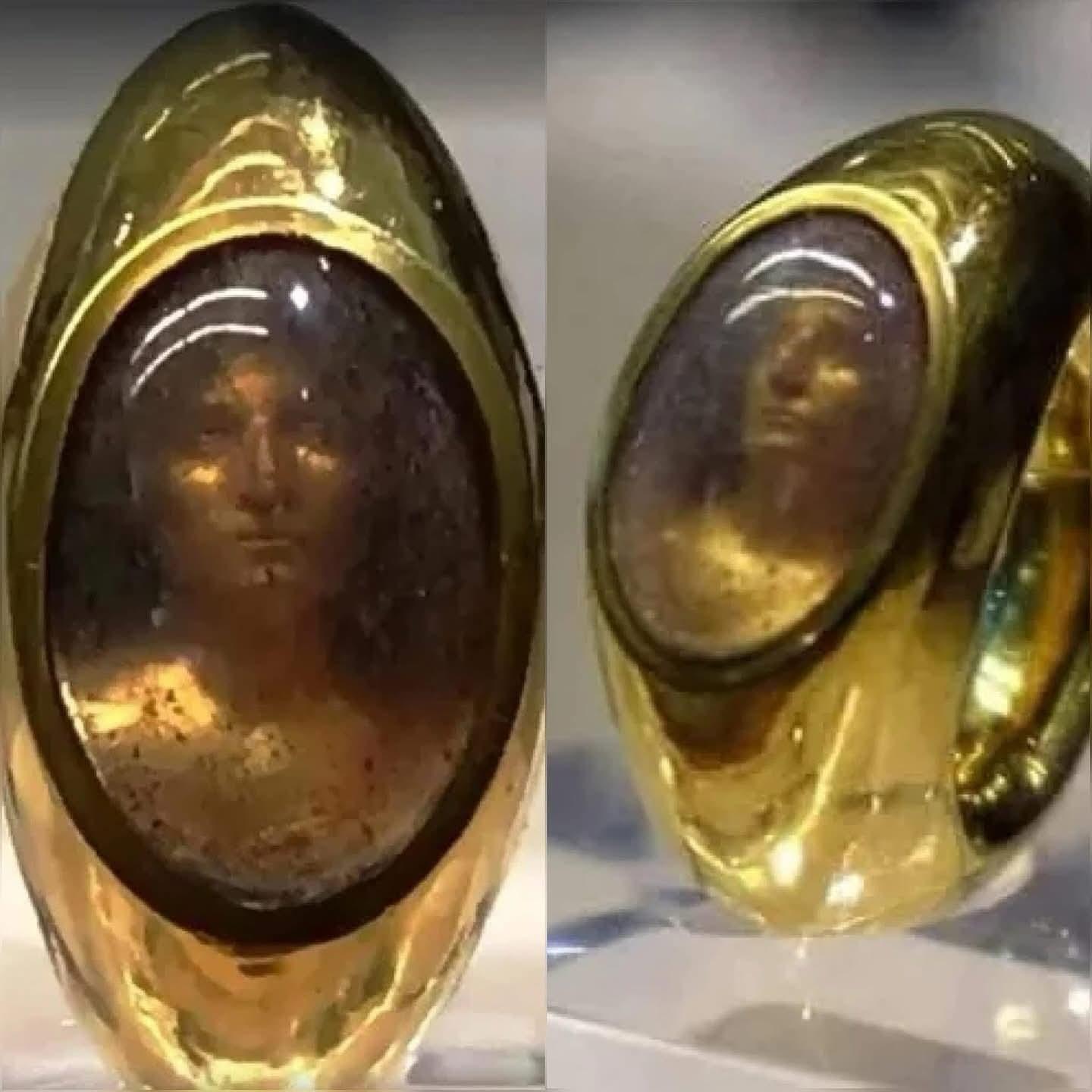
A 2,000-year-old Roman gold ring, engraved with what looks like a holographic image, was discovered in tomb of Aebutia Quarta near Rome ๐Ÿ‡ฎ๐Ÿ‡น The ring features a rock crystal carved with a portrait of her son, Titus Carvilius Gemello. The engraving, done on the reverse side of the crystal, bends and refracts light, creating a three dimensional effect that makes image appear lifelike. this artifact showcases the intricate craftsmanship of ancient Rome. Museo Archeologico Nazionale di Palestrina image