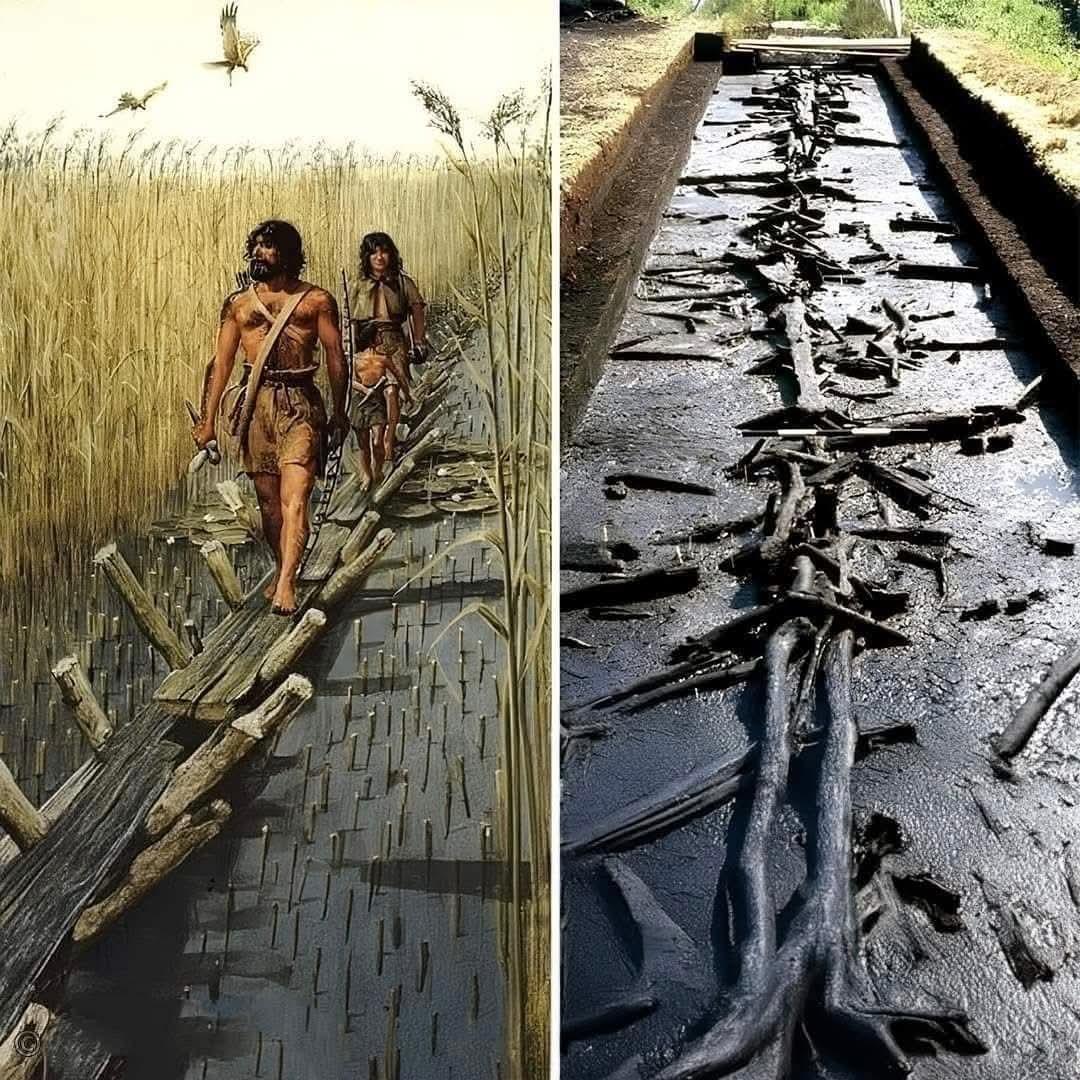
Hey, have you heard about the "Sweet Track"? It's this ancient wooden walkway discovered in the British Isles that's over 5,800 years old. Can you believe it? It's actually the second oldest timber trackway they've found in the area. This cool pathway was built to help people cross the marshy terrain back in the Neolithic days. The way it’s been preserved really shows how resourceful our early ancestors were. #archaeohistories image
Archaeologists in China uncovered ceramic water pipes in Henan province, dating back more than 4,000 years.... Found at the Pingliangtai site in the Central Plains, these pipes formed a fully engineered drainage system, designed to control flooding and manage water across an ancient settlement. #archaeohistories image
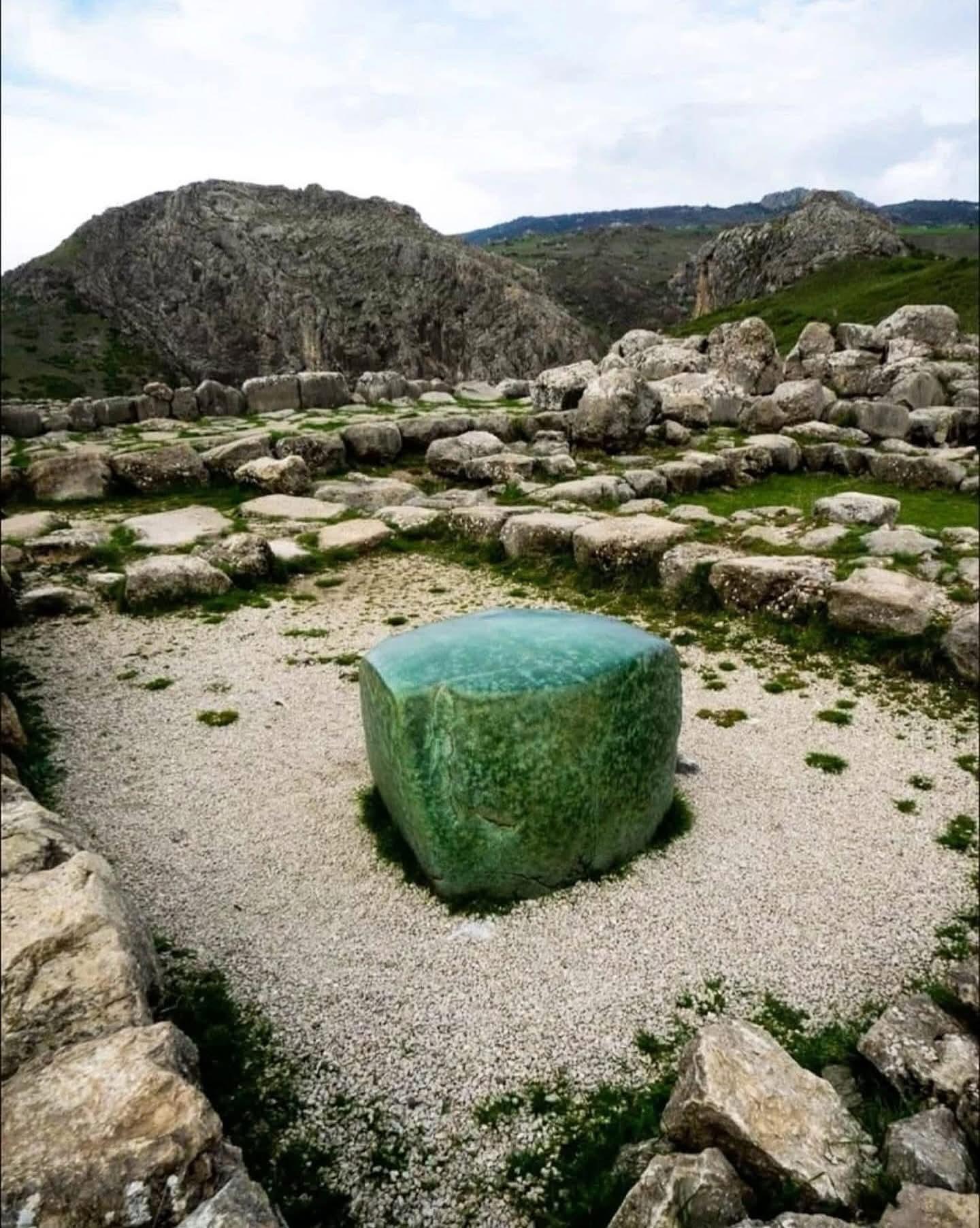
The mysterious stone at Hattusa, located in modern day Türkiye 🇹🇷, was the ancient capital of the Hittite Empire and dates back approximately 3200-3600 years. Its exact purpose remains unknown despite its connection to one of history’s most powerful civilizations. #archaeohistories image
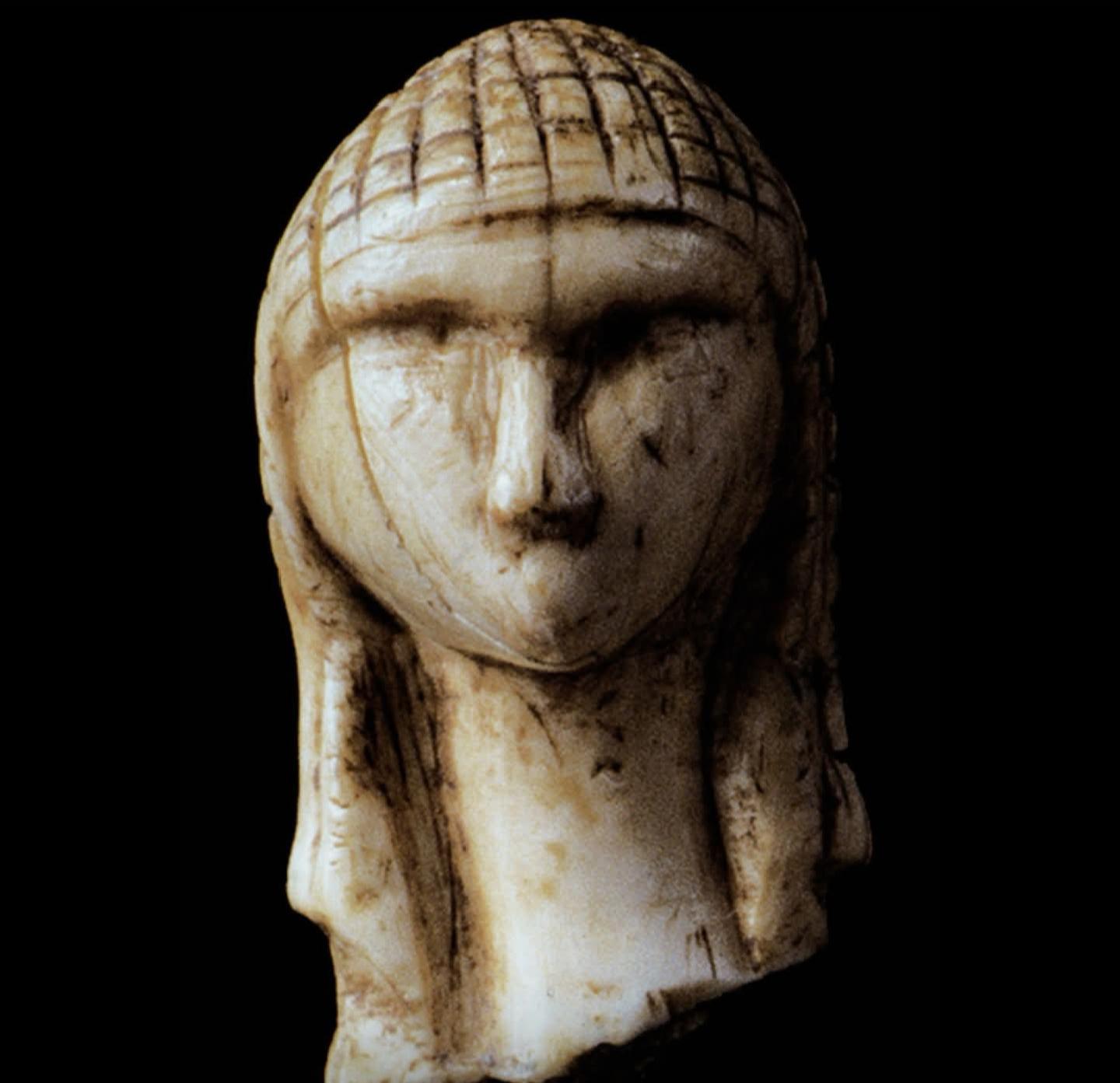
The Venus of Brassempouy, often called “The Lady with the Hood,” a tiny Ice Age ivory carving discovered in 1892 inside Grotte du Pape (“Pope’s Cave”) in Brassempouy, France. Carved from mammoth ivory around 25,000 years ago, it is one of oldest realistic human faces ever created. Its distinctive “hood” pattern remains a mystery—possibly stylized hair, a woven garment or an artistic convention. Today, this small sculpture stands as one of the most iconic examples of early human artistry. image
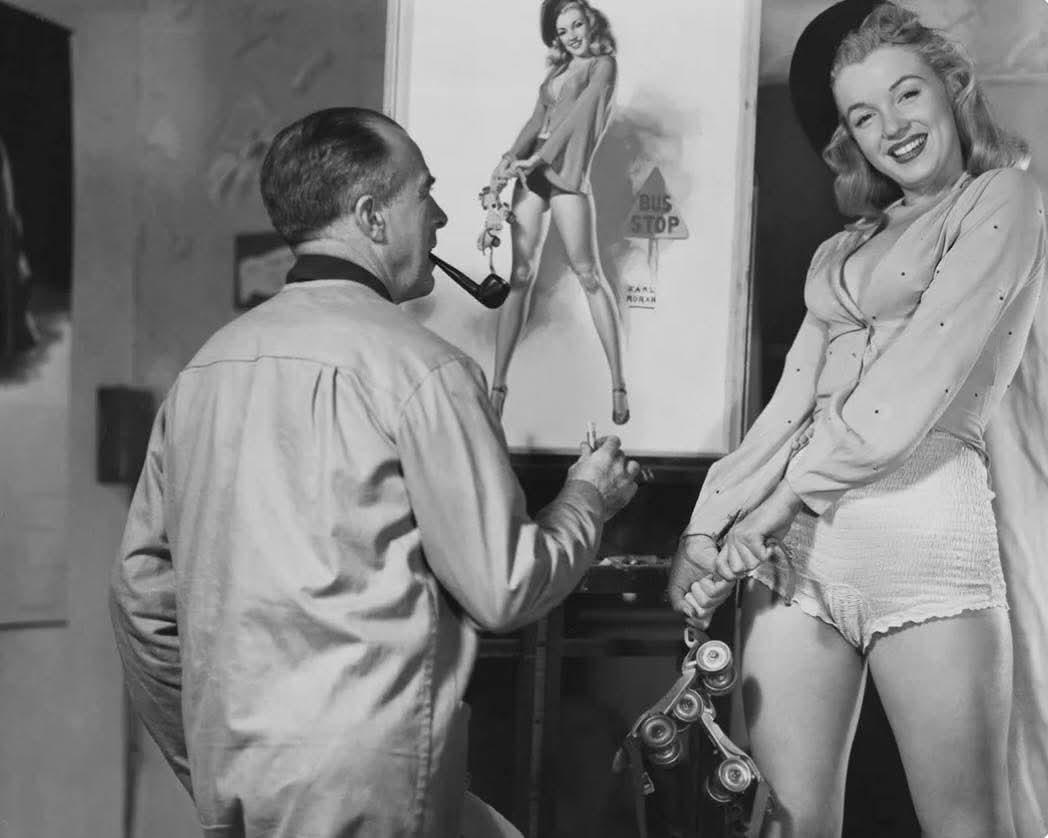
In 1946, Marilyn Monroe worked as a pin up girl and charged $10 an hour to be photographed as reference for images that were turned into paintings. This is an example of one of the more safe for work images. © Hollywood Historia #archaeohistories image
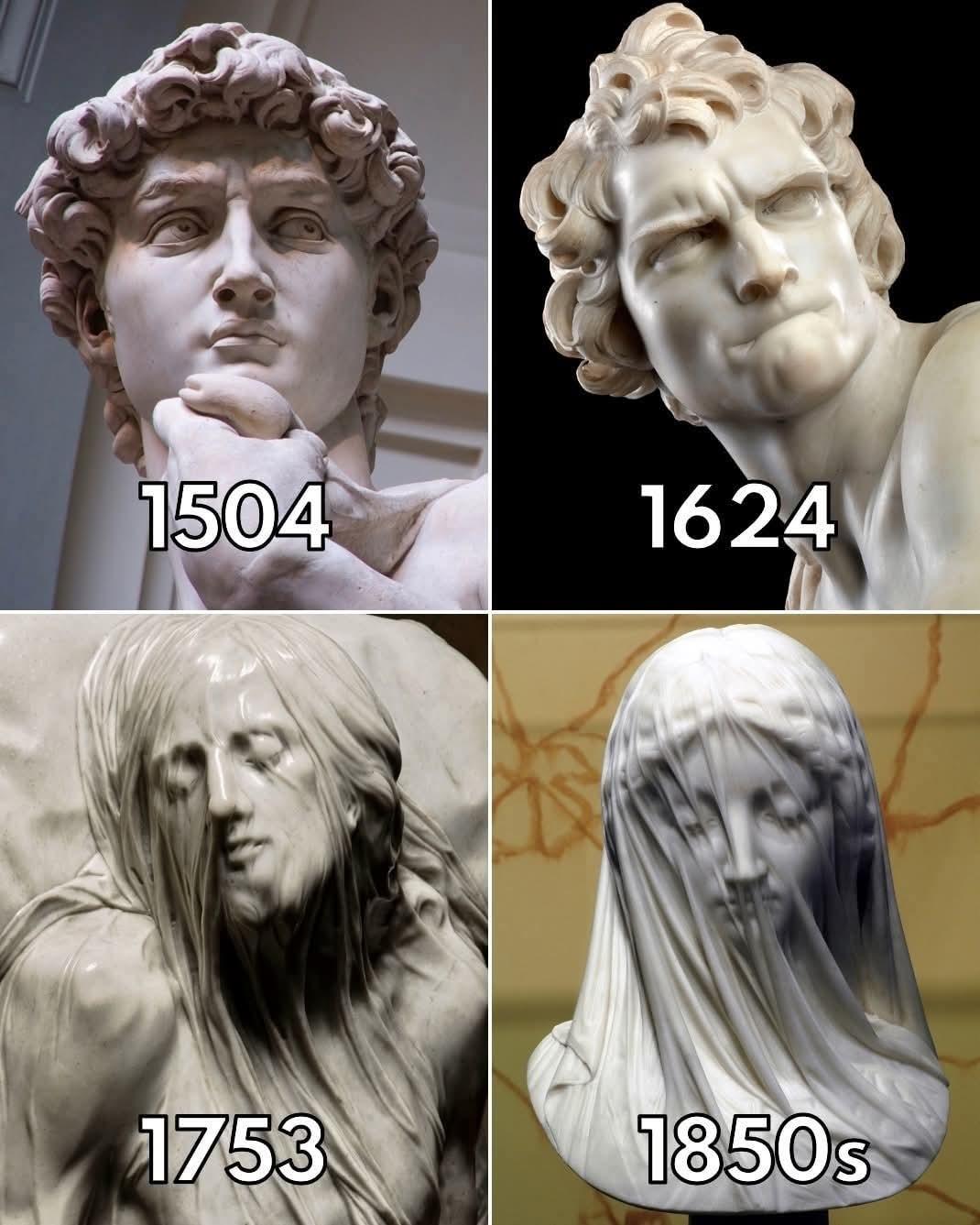
A look at beautifully crafted sculptures from the 1500s to the 1850s — masterpieces shaped by Renaissance harmony, Baroque drama, Neoclassical elegance, and early modern refinement. Each piece reflects the evolution of artistic vision, technical mastery, and the timeless human drive to carve beauty from stone. #archaeohistories image
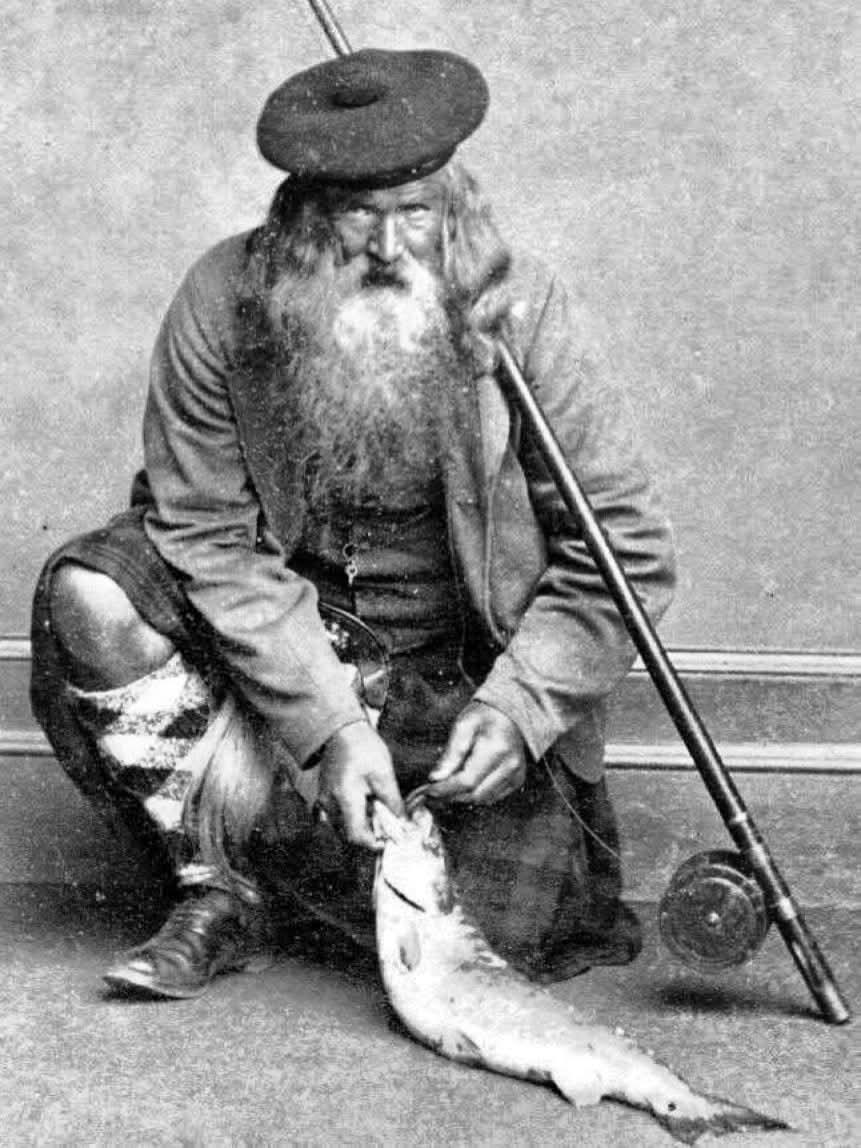
Portrait of a Scottish ghillie (fishing guide) with a catch, believed to be William Duff, a well-known Victorian ghillie, violin maker and estate worker from Blair Atholl Estate in Perthshire, Scotland 🏴󠁧󠁢󠁳󠁣󠁴󠁿 Ghillies were highly skilled experts responsible for knowing local conditions, weather, and the best fishing spots. Photograph taken circa 1870s by photographer Andrew Findlay Mackenzie. © National Gallery of Scotland #archaeohistories image
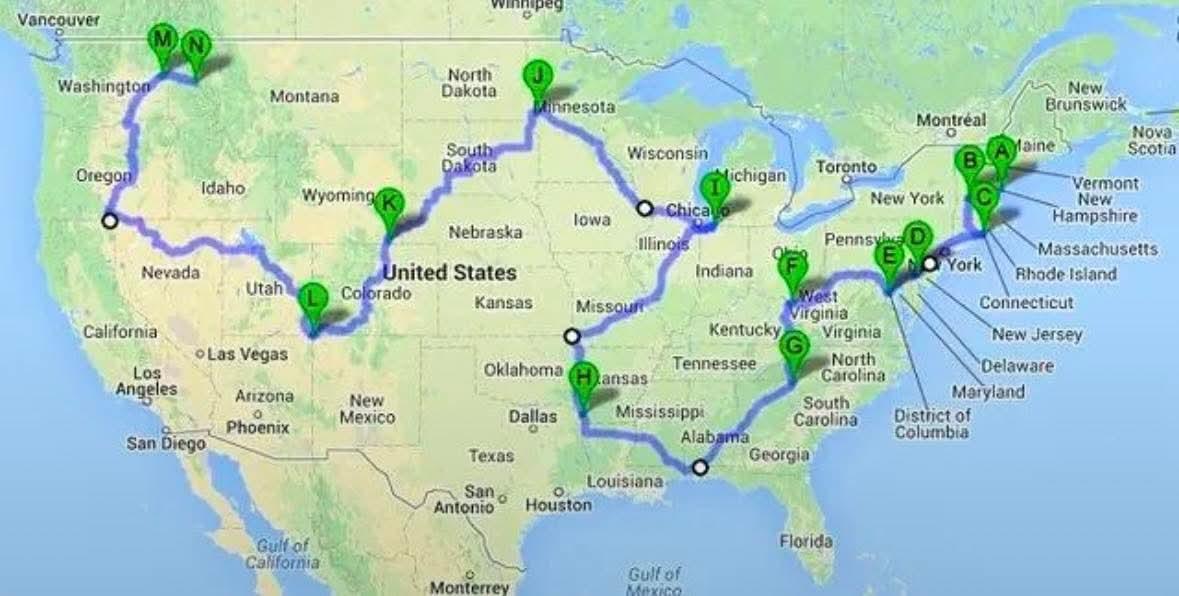
The most efficient driving route through 48 U.S. states (113 hours of driving)..... © Reddit #archaeohistories image
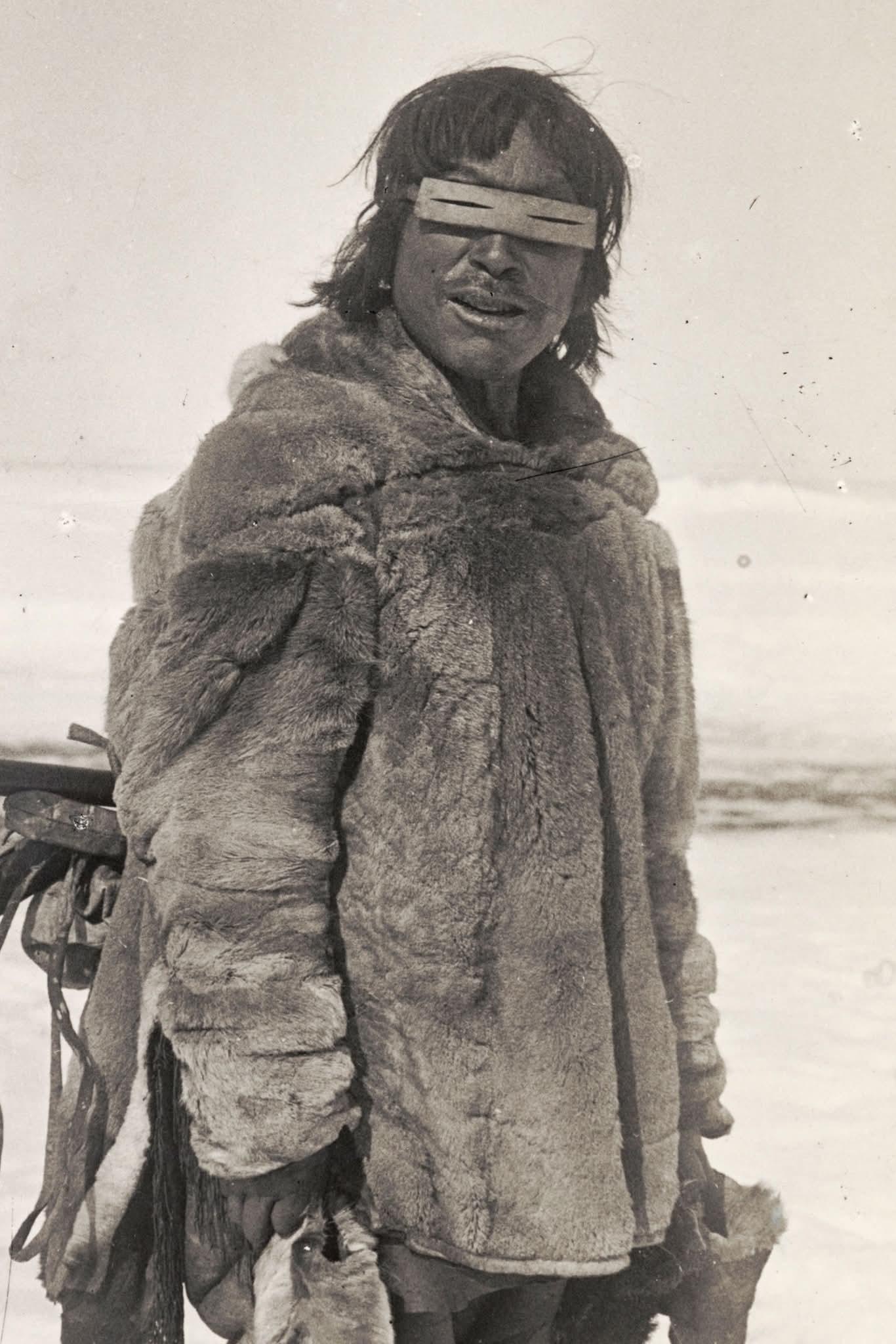
A Caribou Inuk from Arviat, Northwest Territories, Canada, donning Ilgaak, traditional snow goggles crafted from wood, bone, walrus ivory, and caribou antler. These goggles shielded the eyes from snow blindness caused by the Arctic glare. (1921) #archaeohistories image
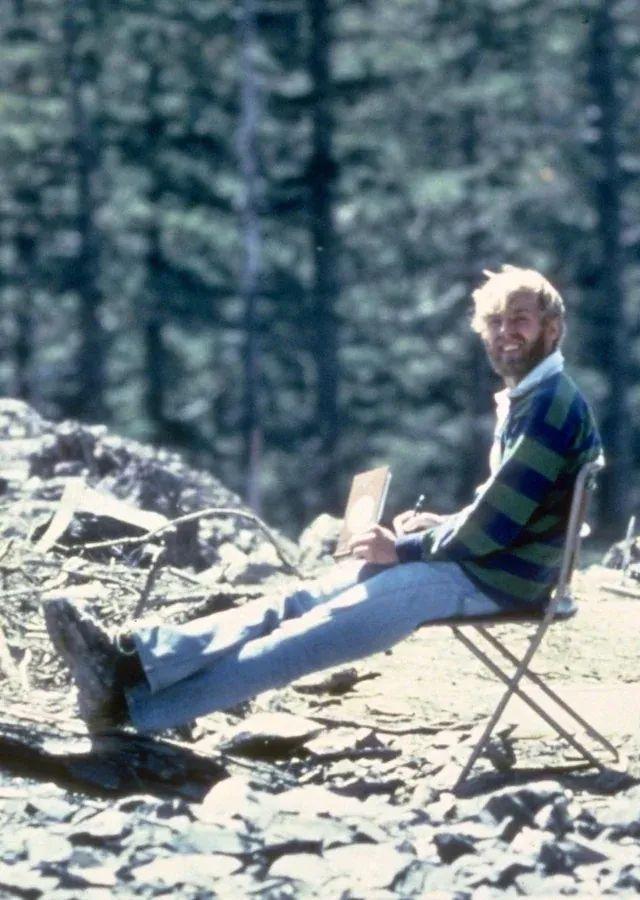
Volcanologist David A. Johnston, pictured 13 hours before he lost his life during the 1980 eruption of Mount St. Helens. He was the first to report the eruption from an observation post 6 miles away, transmitting "Vancouver! Vancouver! This is it!" before being overtaken by the blast. © Historic Photographs #archaeohistories image