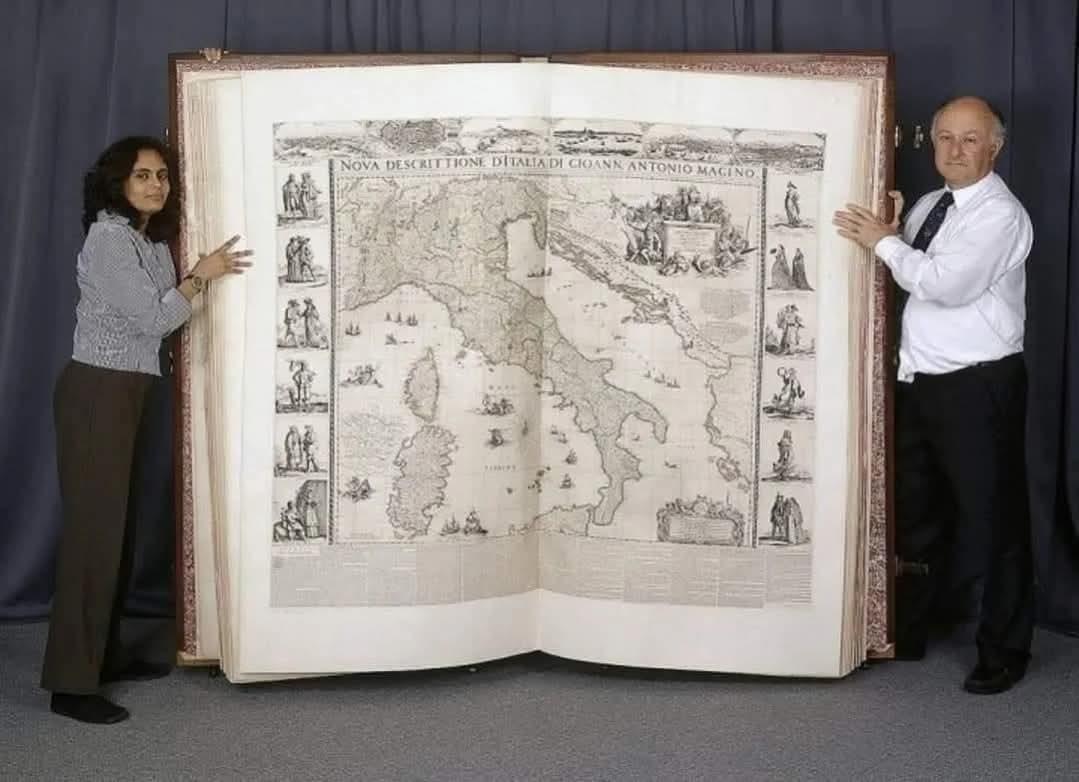
Klencke Atlas, first published in 1660 AD, one of the world's largest atlases. Originating in The Netherlands, it is 1.75m tall by 1.9m wide when open, and so heavy the British Library needed 6 people to carry it. It was presented by a consortium of Dutch sugar merchants, represented by Professor Johannes Klencke, to King Charles II of England in 1660 to mark the occasion of his Restoration to throne. Klencke Atlas is housed in British Library and contains 41 wall maps. #archaeohistories image
๐Ÿ˜†๐Ÿ˜†๐Ÿ˜† #archaeohistories image
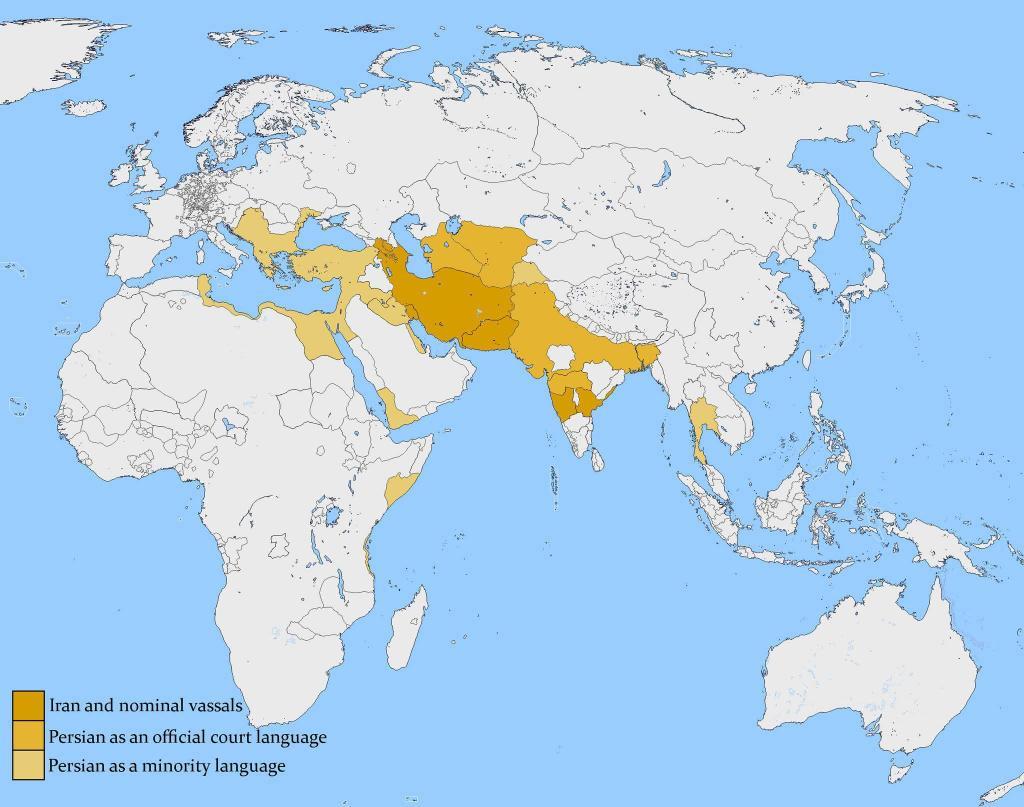
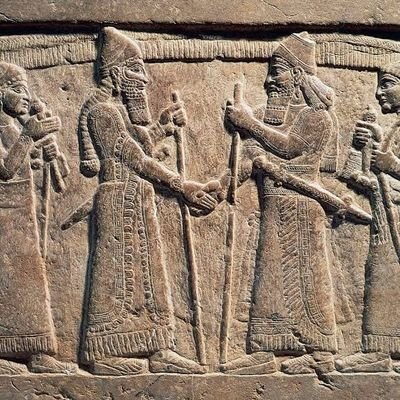
The Persian language in 17th Century CE : The 17th Century Persian functioned as a transregional chancery and literary language. Safavid Iran, Mughal empire, and Central Asian khanates used it officially; it persisted as a minority and commercial tongue on the Ottoman frontier, in the Caucasus, and across the Indian Ocean. ยฉ Iranian History - The Land of the Original Aryans #archaeohistories image
Something has gone wrong with ..... Hooomans ๐Ÿ˜€ #archaeohistories image
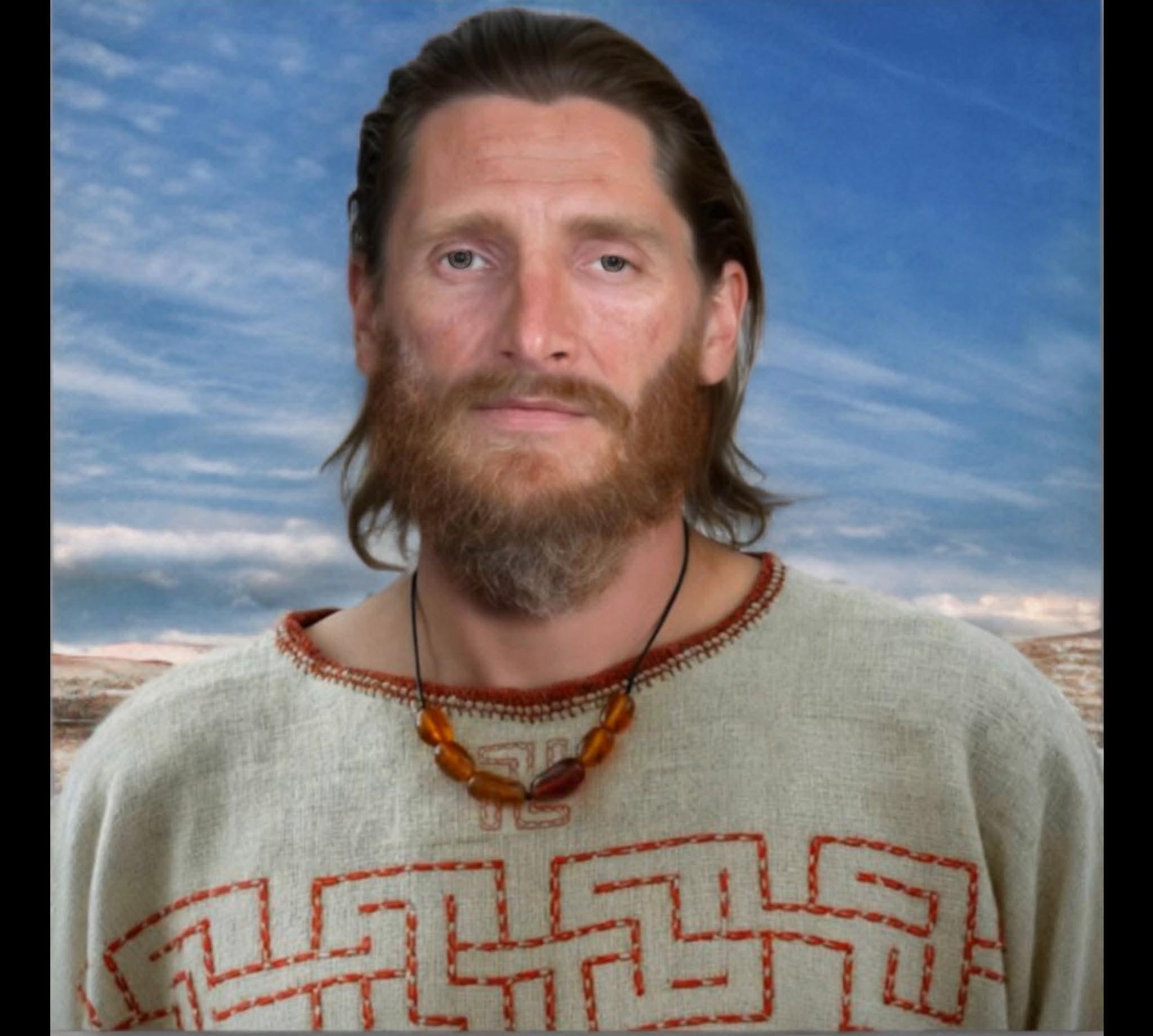
Modern Reconstruction of the Middle Bronze Age Indo-Iranian (Aryan) man from Kokcha, ancient Khwarazm. Belonging to Tazabagyab culture, an Andronovo-derived horizon, dated to 1600โ€“1200 BC. His face has been sculpturally reconstructed by Taisia Surnina, based directly on the original skull. The clothing, necklace, and beard shown are based on archaeological parallels from the region, with the final styling remaining genetically and statistically informed. #archaeohistories image
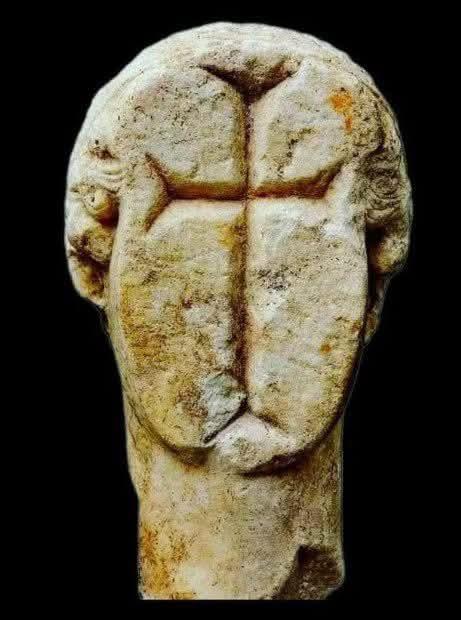
A Hellenic or Roman marble head of a goddess statue, defaced with a Christian cross during the Late Antique period. The statue dates back to 2nd-1st Century BC. Defaced during late Antiquity (2nd-7th Century AD). Archaeological Museum of Samos, Greece #archaeohistories image
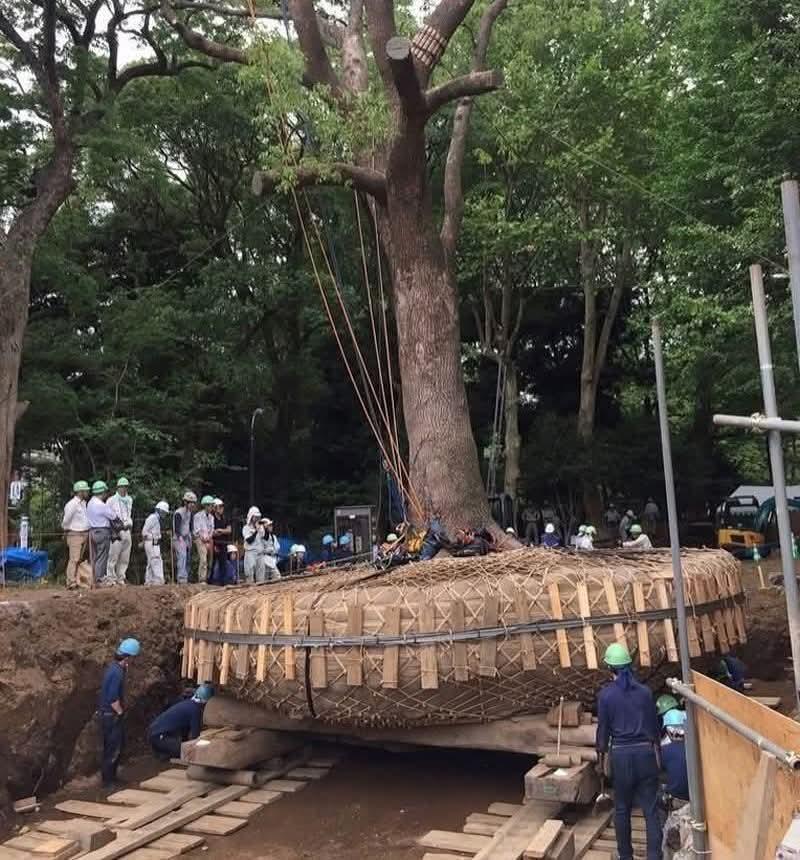
In Japan, trees in the path of urban development or road construction are often relocated rather than cut down. This reflects the countryโ€™s deep respect for nature and commitment to environmental preservation. Using specialized techniques, experts carefully bind and protect the roots before transplanting the tree to a new location. This approach ensures the preservation of greenery while allowing infrastructure projects to move forward. #archaeohistories image
Apennine Colossus (Colosso dell'Appennino), a large stone statue located in estate of Villa Demidoff in Vaglia, Tuscany, Italy. This colossal figure, 11m high, was created by Flemish sculptor Giambologna in late 1580s. It is a personification of Apennine Mountains, which are a major mountain range in Italy. The statue was originally built on grounds of Villa di Pratolino, a Renaissance villa, and later became part of Villa Demidoff estate. #archaeohistories image
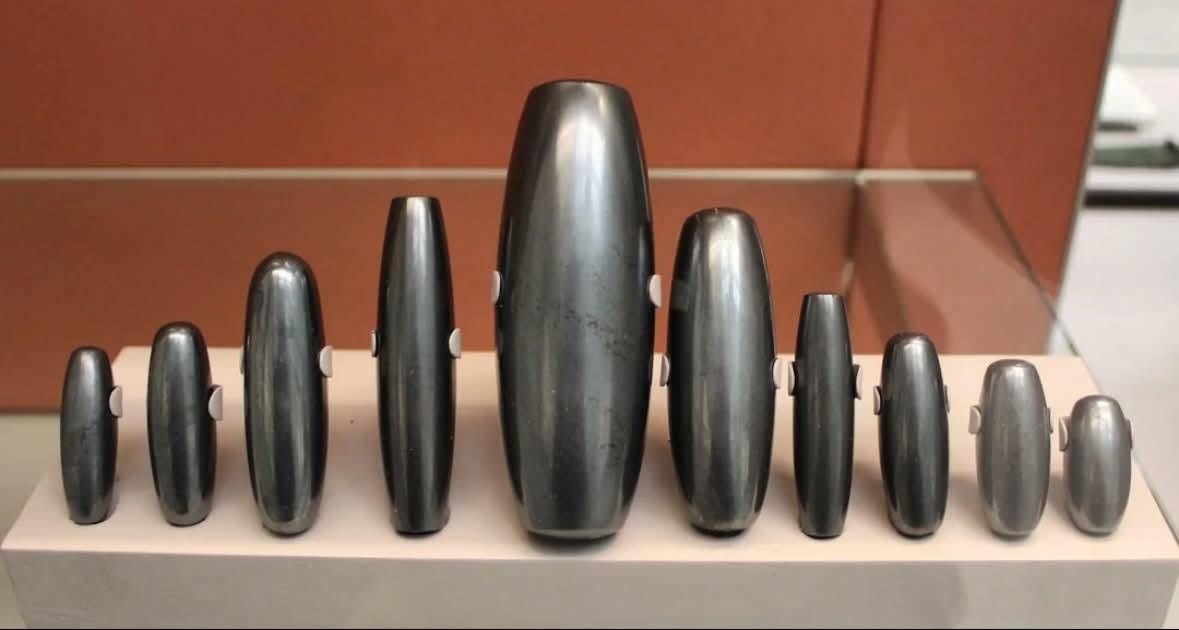
Group of Cylindrical Haematite Weights - Old Babylonian Period (2000-1600 BC), from Uruk in modern-day Iraq ๐Ÿ‡ฎ๐Ÿ‡ถ The biggest one in the centre weights 1 mina, 500 grms, the other are its subdivision, down to 3 shekeles (25 grms). British Museum #archaeohistories image
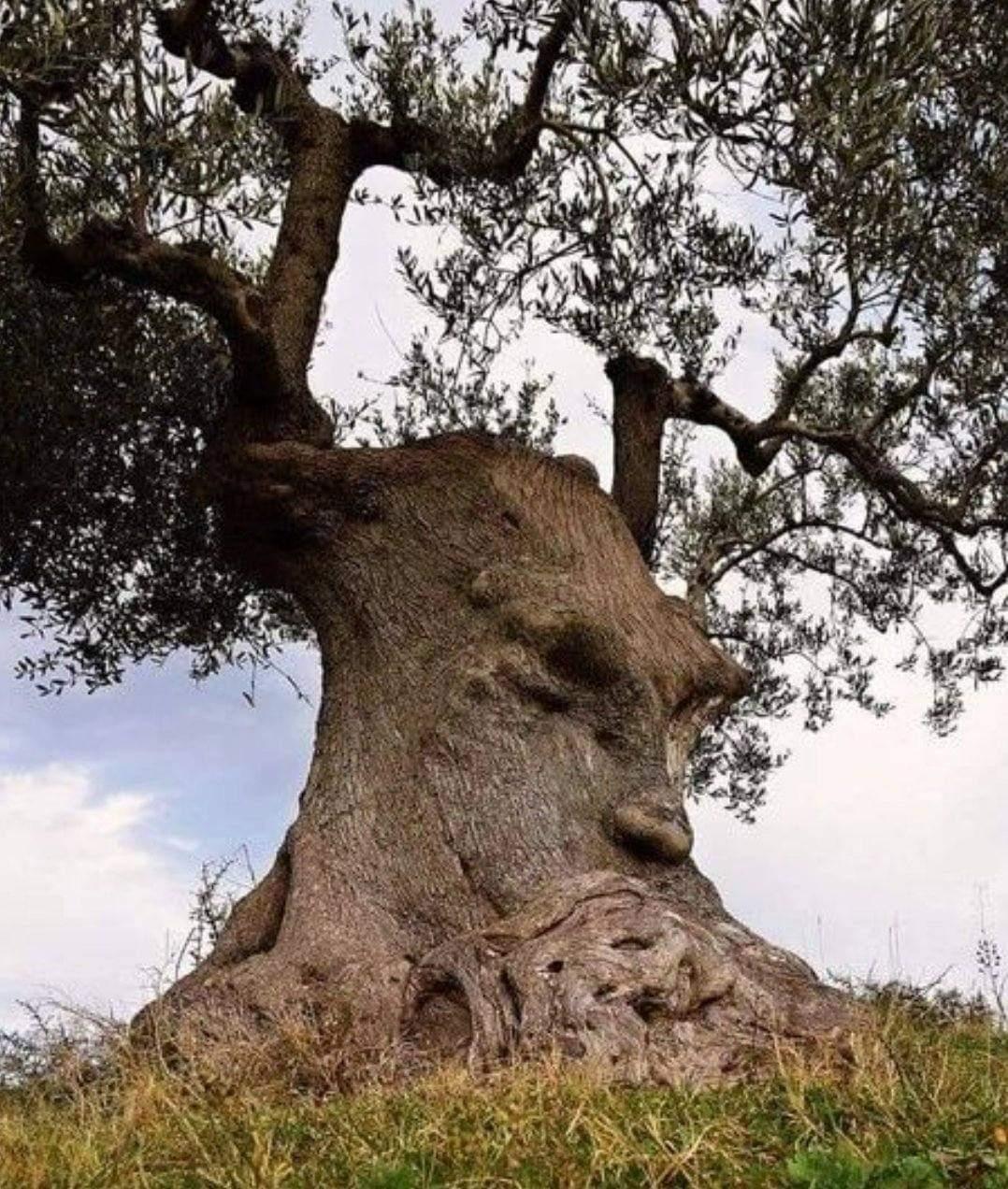
"The Thinking Tree" An ancient Olive Tree in Puglia, Italy ๐Ÿ‡ฎ๐Ÿ‡น Over 1500 years old..... #archaeohistories image