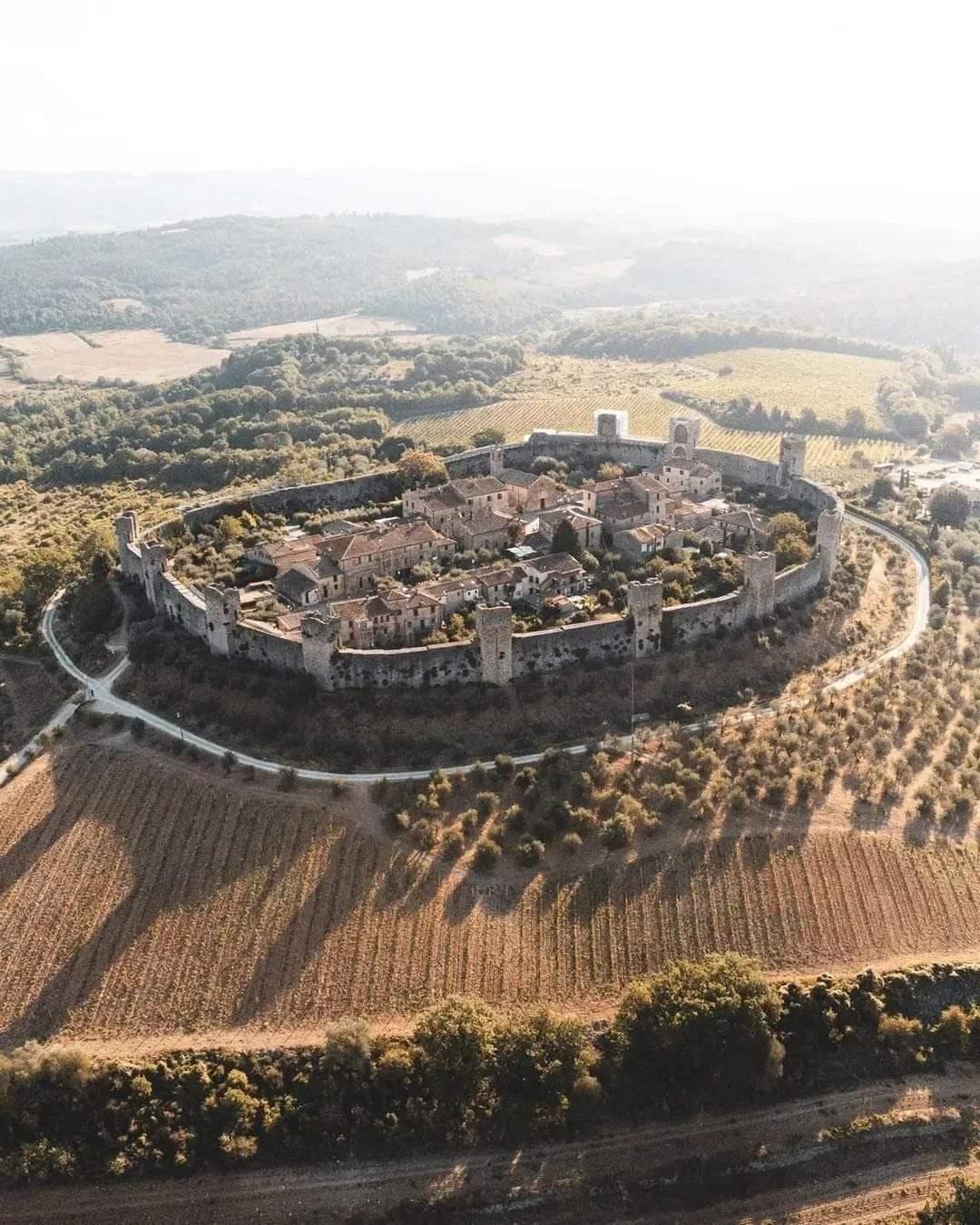
Monteriggioni is one of the best preserved walled Medieval towns in Tuscany, Italy. It's the typical fortified village that started its life as a castle in the early 13th Century AD, to protect the Sienese from their historical rivals, the Florentines. The town is architecturally and culturally significant; it hosts several piazzas, and is referenced in Dante Alighieri's "Divine Comedy". #archaeohistories image
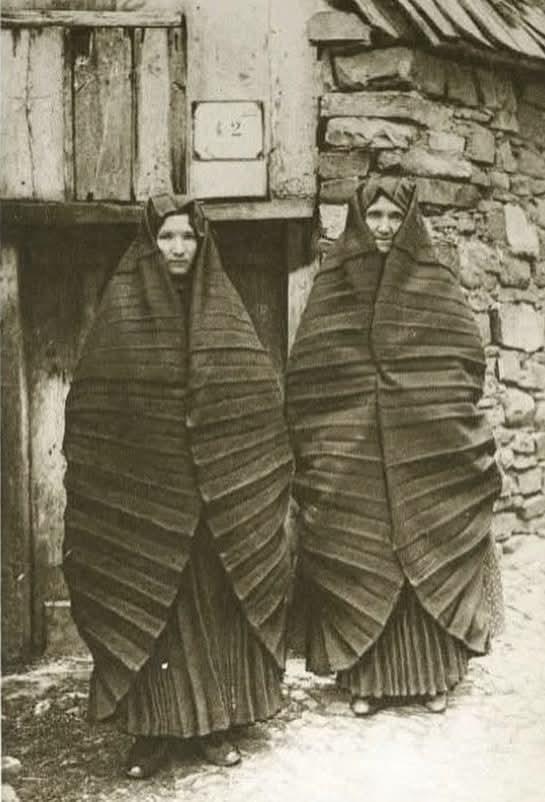
This is a traditional women’s dress of Ochagavía, a mountain town in Navarre near French border, 1900s. For centuries, Navarre was an independent kingdom. It emerged in early Middle Ages and, at its height, included lands on both sides of the Pyrenees. This independence lasted until 1512, when southern portion was conquered by Ferdinand of Aragon and integrated into Spain, while a smaller northern part remained under French influence. #archaeohistories image
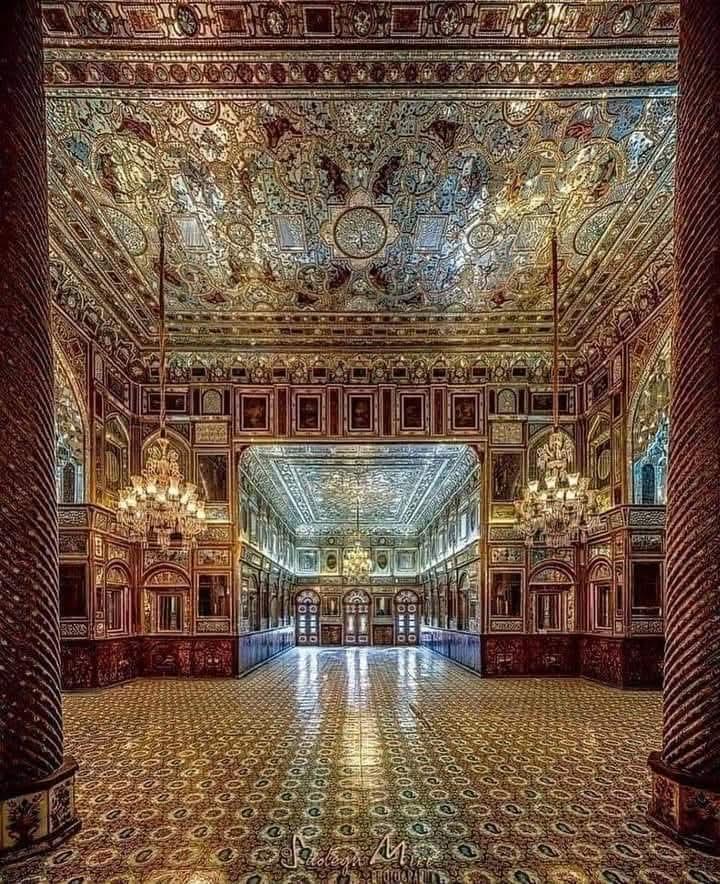
The Golestan Palace, designated as a UNESCO World Heritage Site in Iran 🇮🇷, stands as a magnificent testament to Persian architectural excellence. Once a residence for royalty, this remarkable palace features elaborate tile designs, breathtaking frescoes, and lush gardens that exemplify the rich cultural legacy of the region. It showcases a seamless fusion of traditional Persian and contemporary architectural elements, creating a captivating and visually stunning experience. #archaeohistories image
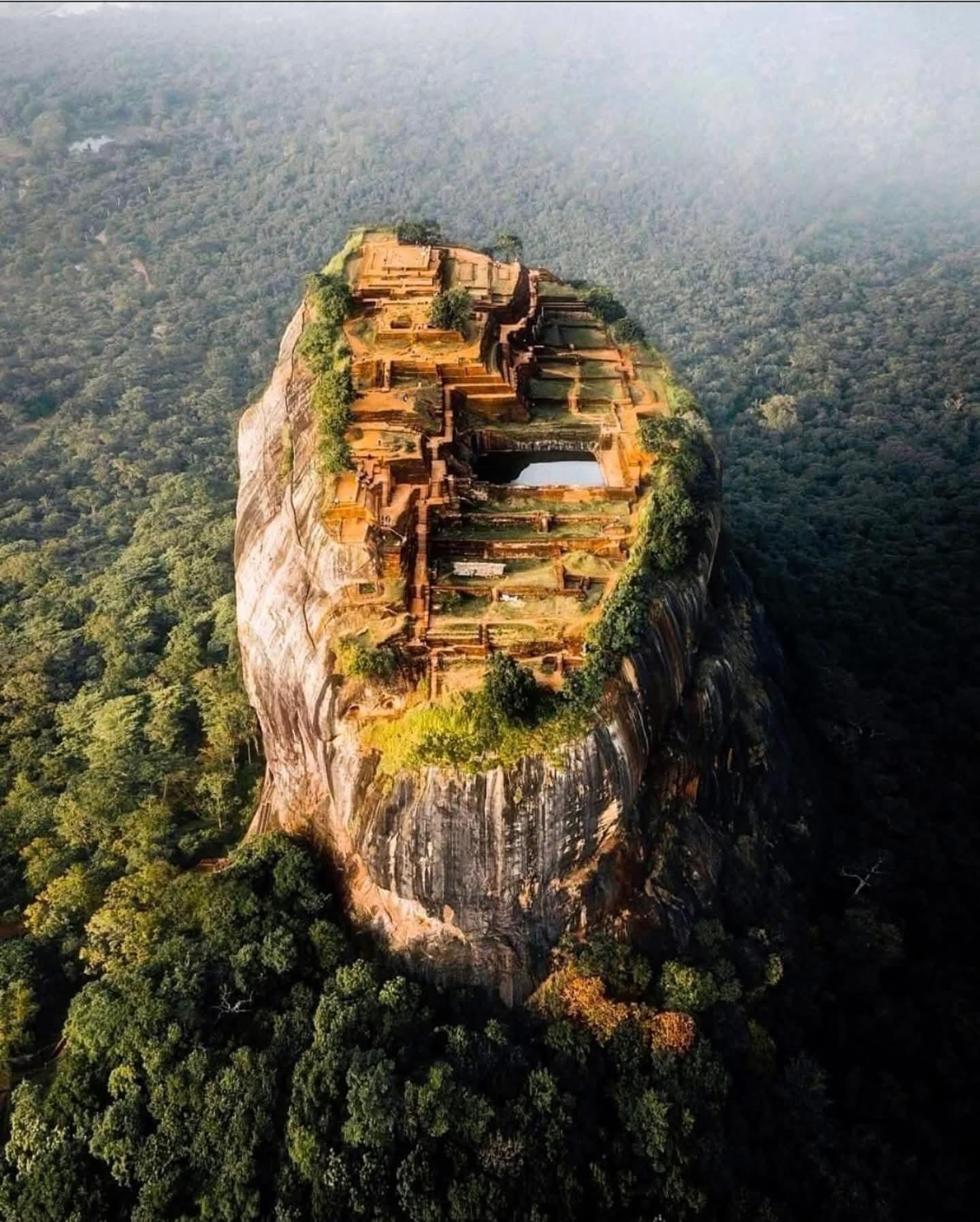
Sigiriya or Lion Rock, a 200m tall ancient fortress in central Sri Lanka, built by King Kasyapa in the 5th Century AD. Notable features include the lion’s paws entrance, frescoes of celestial maidens, and Mirror Wall with ancient graffiti. At the summit, the ruins of the king’s palace overlook advanced water and terraced gardens. Recognized as a UNESCO World Heritage Site, Sigiriya highlights ancient Sinhalese innovation and history. #archaeohistories image
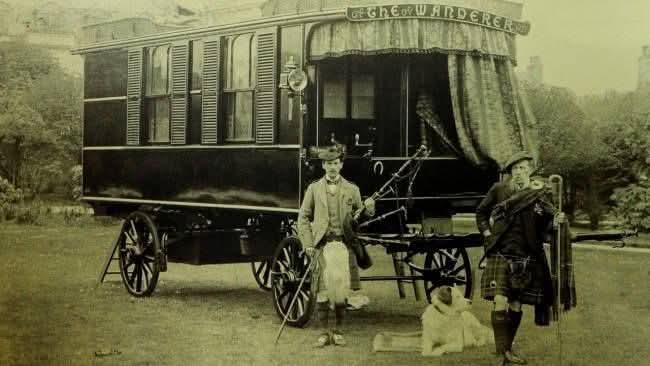
The first known "camper" made by a Scottish man was a horse-drawn touring caravan, the Wanderer, commissioned by Dr. Gordon Stables in 1884. This pioneering vehicle was conceived as a "home on wheels," though it faced challenges with its horses and navigation. The idea was later developed into the first practical caravan, the Eccles Motor Caravan, produced in 1919, and the concept of a camper, or motorhome, evolved over time, with the term "campervan" becoming popular later. #archaeohistories image
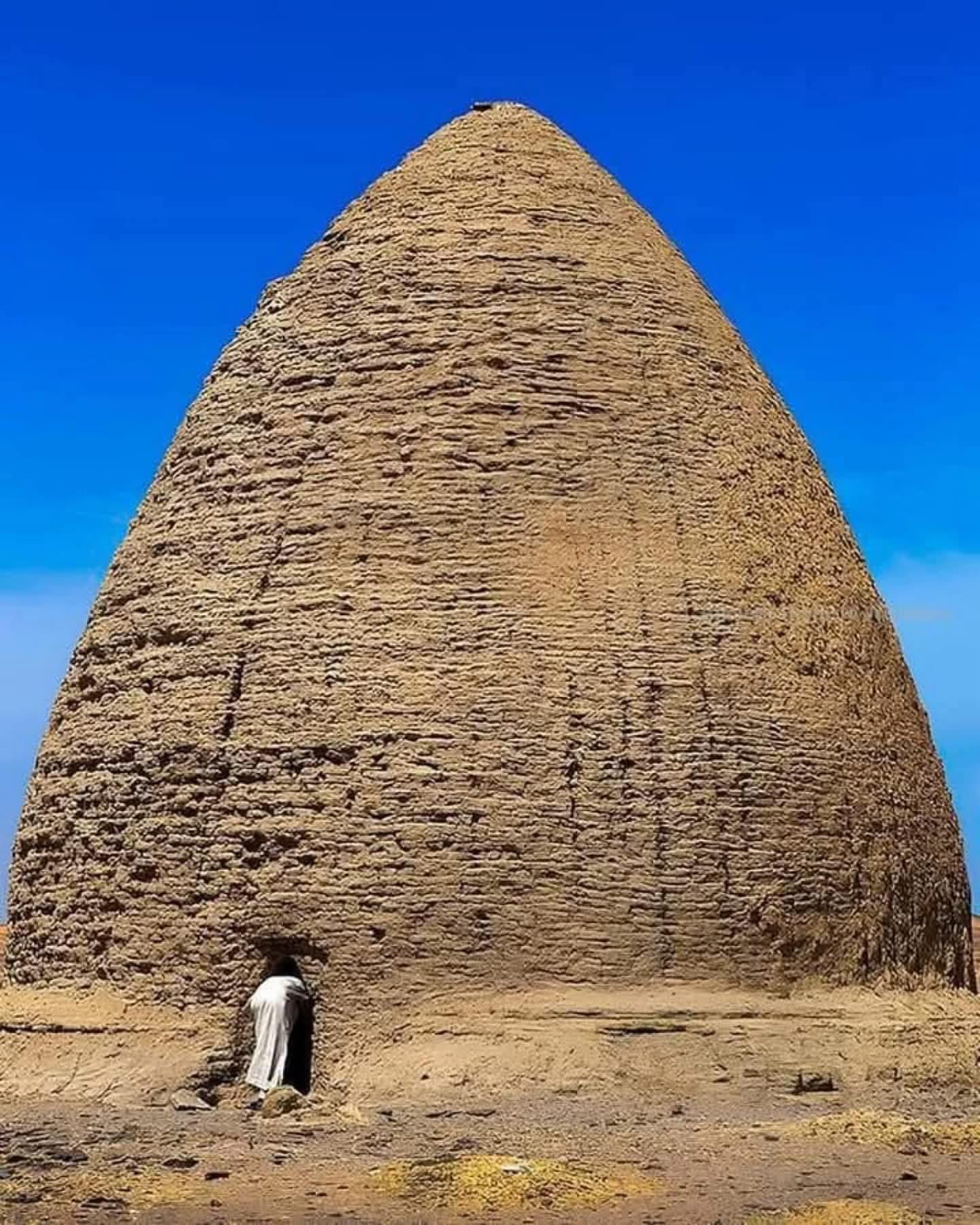
Old Dongola’s beehive tombs, dating back over 1,000 years, showcase the burial traditions of the Kingdom of Makuria. Constructed from mud bricks, they likely housed high-ranking individuals of medieval Nubia. #archaeohistories image
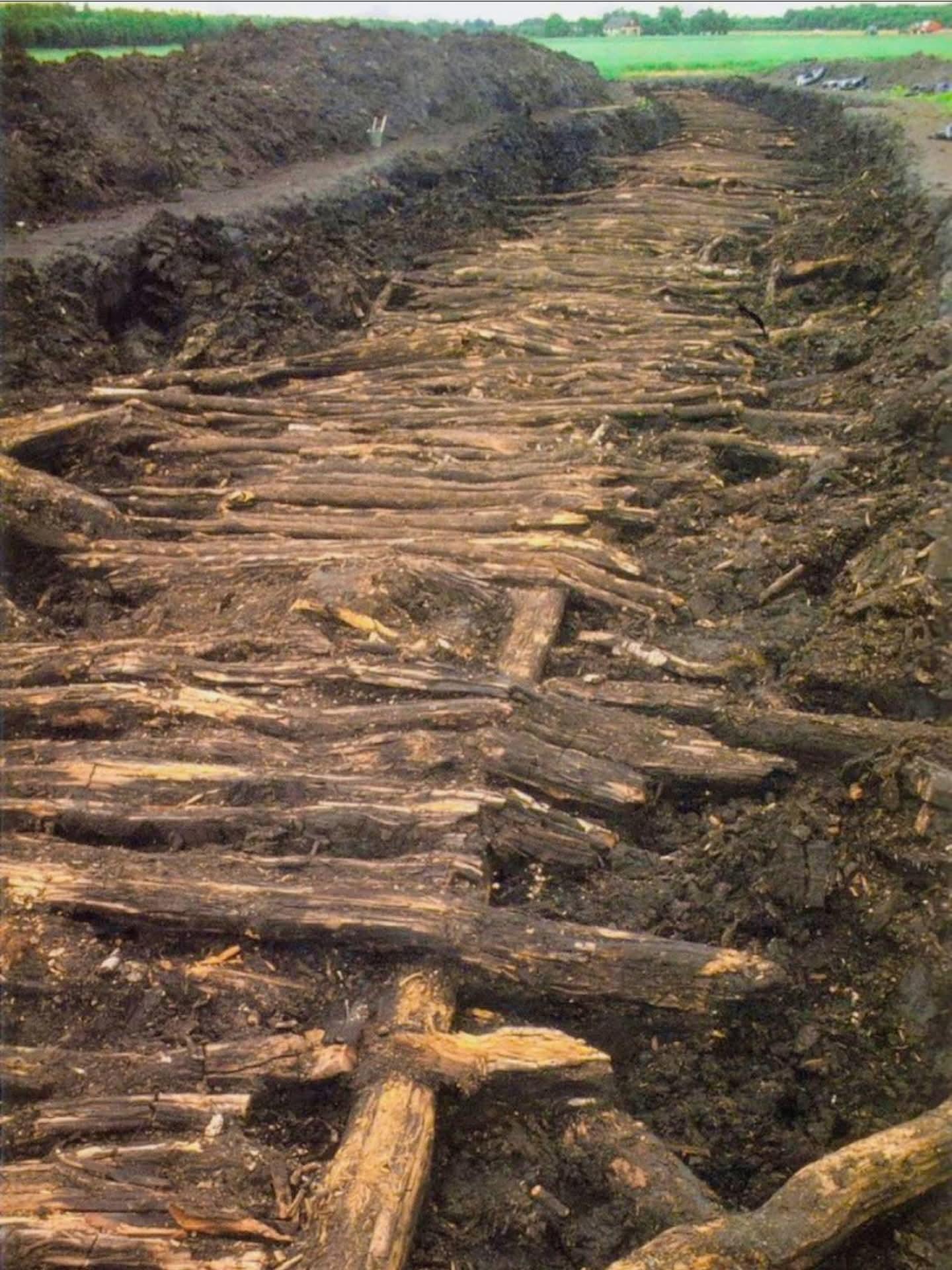
In 1980s, archaeologists uncovered a remarkable Neolithic wooden road near Nieuw-Dordrecht in the Netherlands. This ancient peat road, dating back 4573 years, stretches for 800m. Through meticulous science of dendrochronology, or tree-ring dating, experts have pinpointed its construction to 2549 BC. This discovery not only highlights advanced engineering skills of Neolithic communities but also offers invaluable insights into their transportation and trade practices. #archaeohistories image
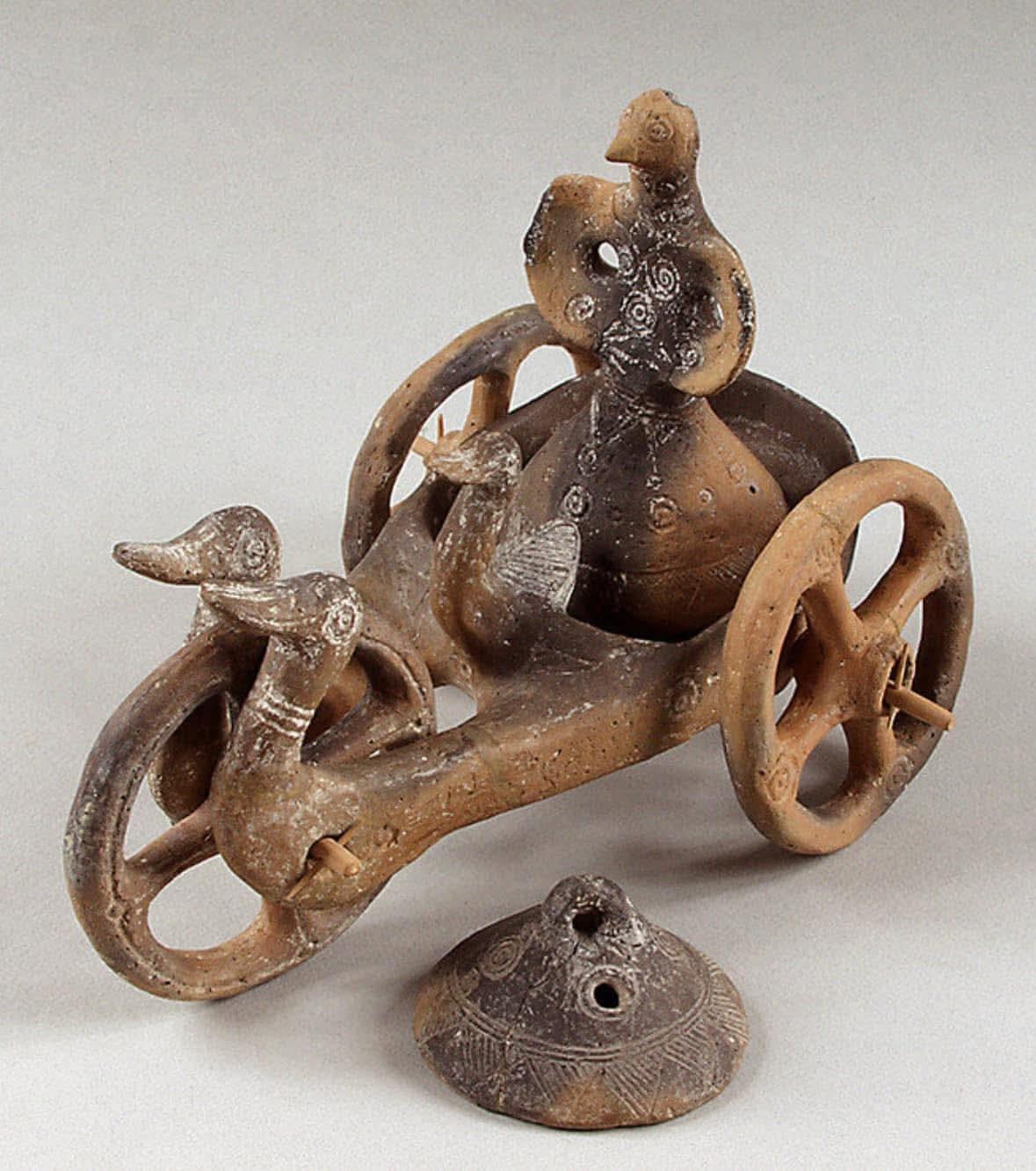
Ceramic figure of a bird goddess on a chariot pulled by water birds, dated 1500-1200 BC. It was discovered by the Danube river at Dupljaja near Dubovac, Banat area, Serbia. She is not attached to the rest of the composition and can be removed and used separately, lavilshy decorated with spirals, solar circles and other ornaments. Resembles later associations of Aphrodite (as great goddess) riding a bird. National Museum of Serbia, Belgrade #archaeohistories image
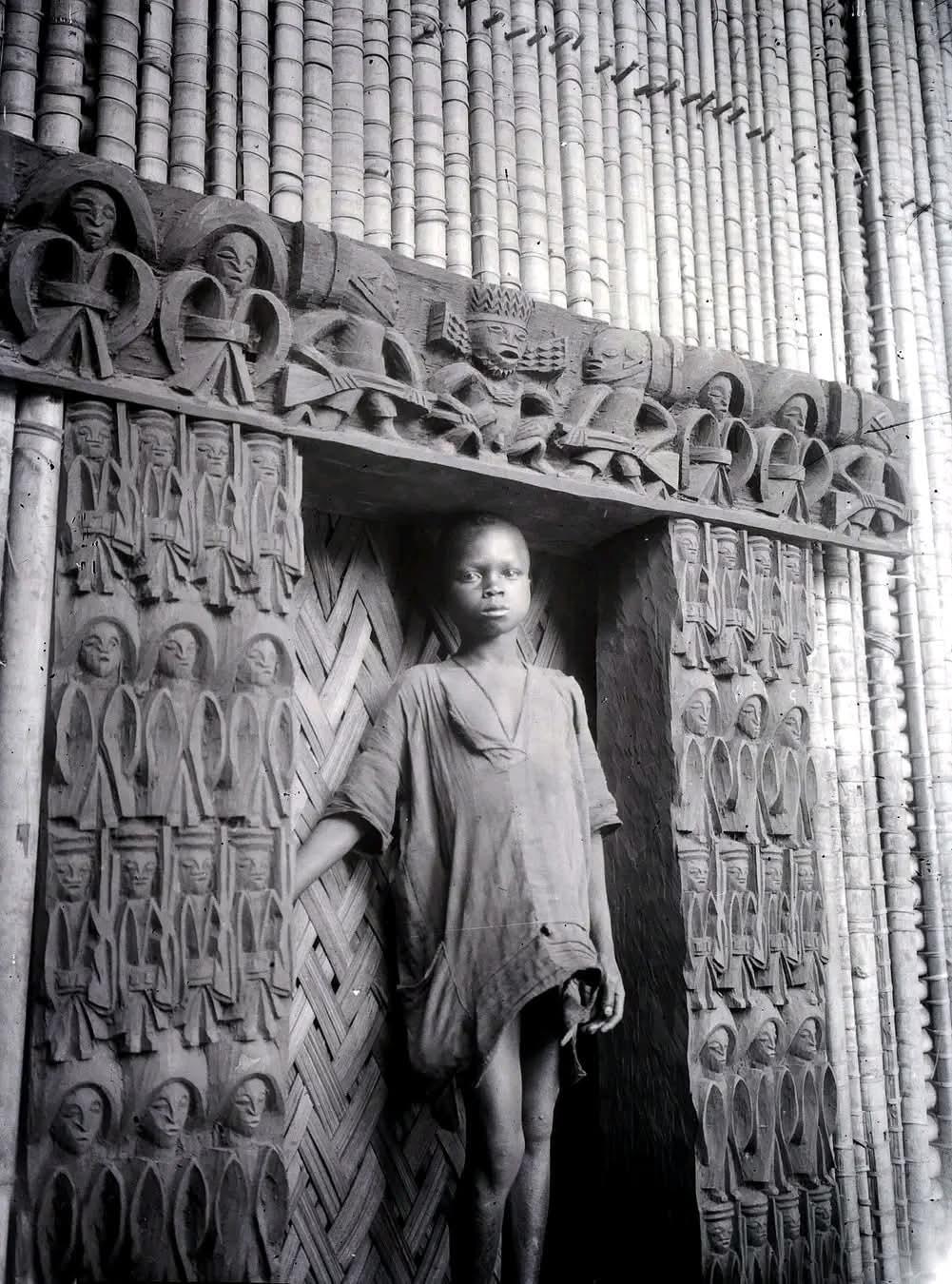
A young boy stands before traditional residence of a local chief in Dschang, one of prominent centers of Bamileke people in Cameroon. This photograph, taken by Frank Christol in early 20th Century during French occupation period, captures layered social and architectural world of Bamileke chieftaincy. The chief’s compound, often built with fortified walls, elaborately decorated façades, and steep thatched roofs, served as hub of political authority, spiritual leadership, and cultural heritage. image
😁😁😁 #archaeohistories image