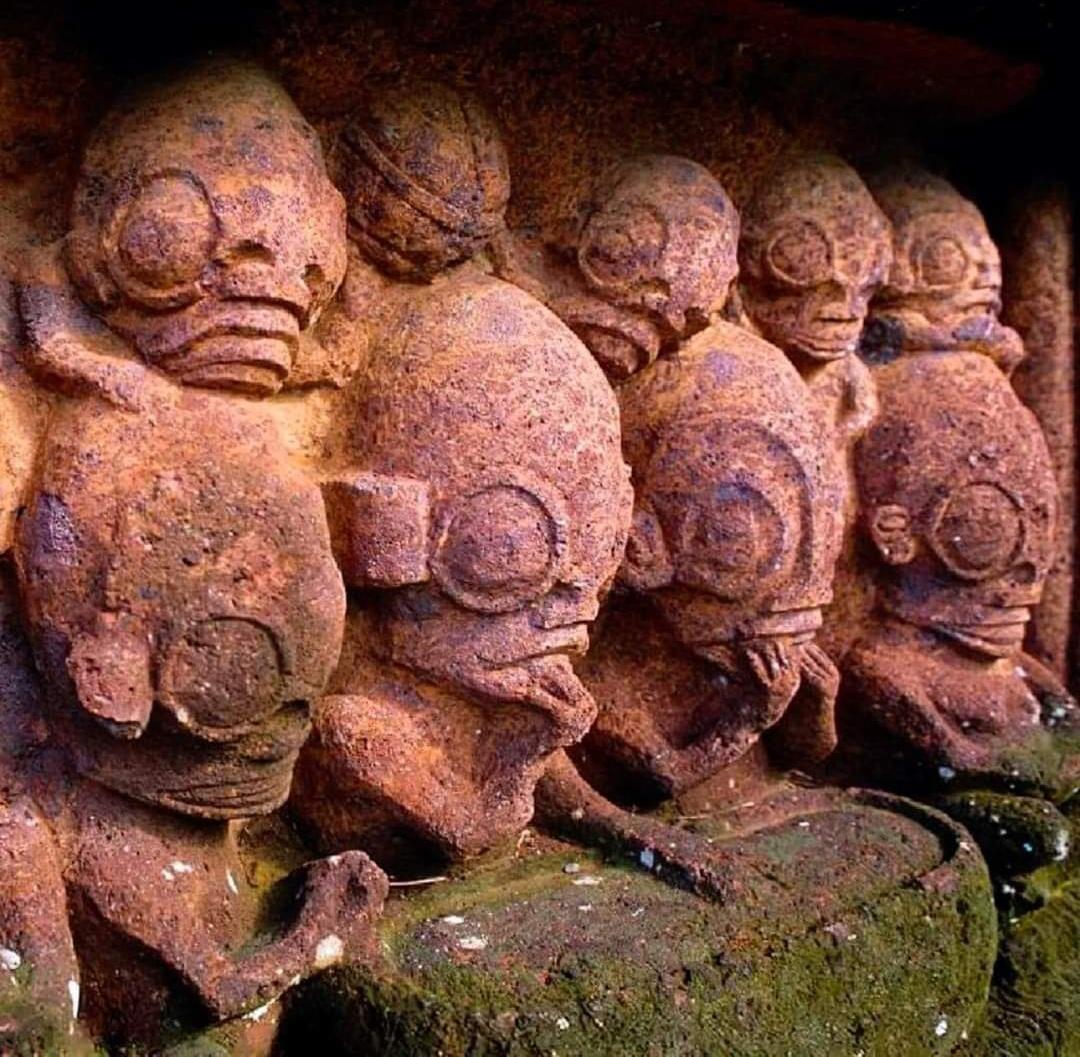
On the remote island of Nuku Hiva, located in the Marquesas Islands of French Polynesia, strange stone carvings are scattered across the rugged landscape. Dating from 11th-14th Centuries AD, these unusual figures are found in various locations, hinting at a once-important cultural context. Many aspects of their origins and purpose remain unclear, leaving their significance and the identity of their creators open to speculation. #archaeohistories image
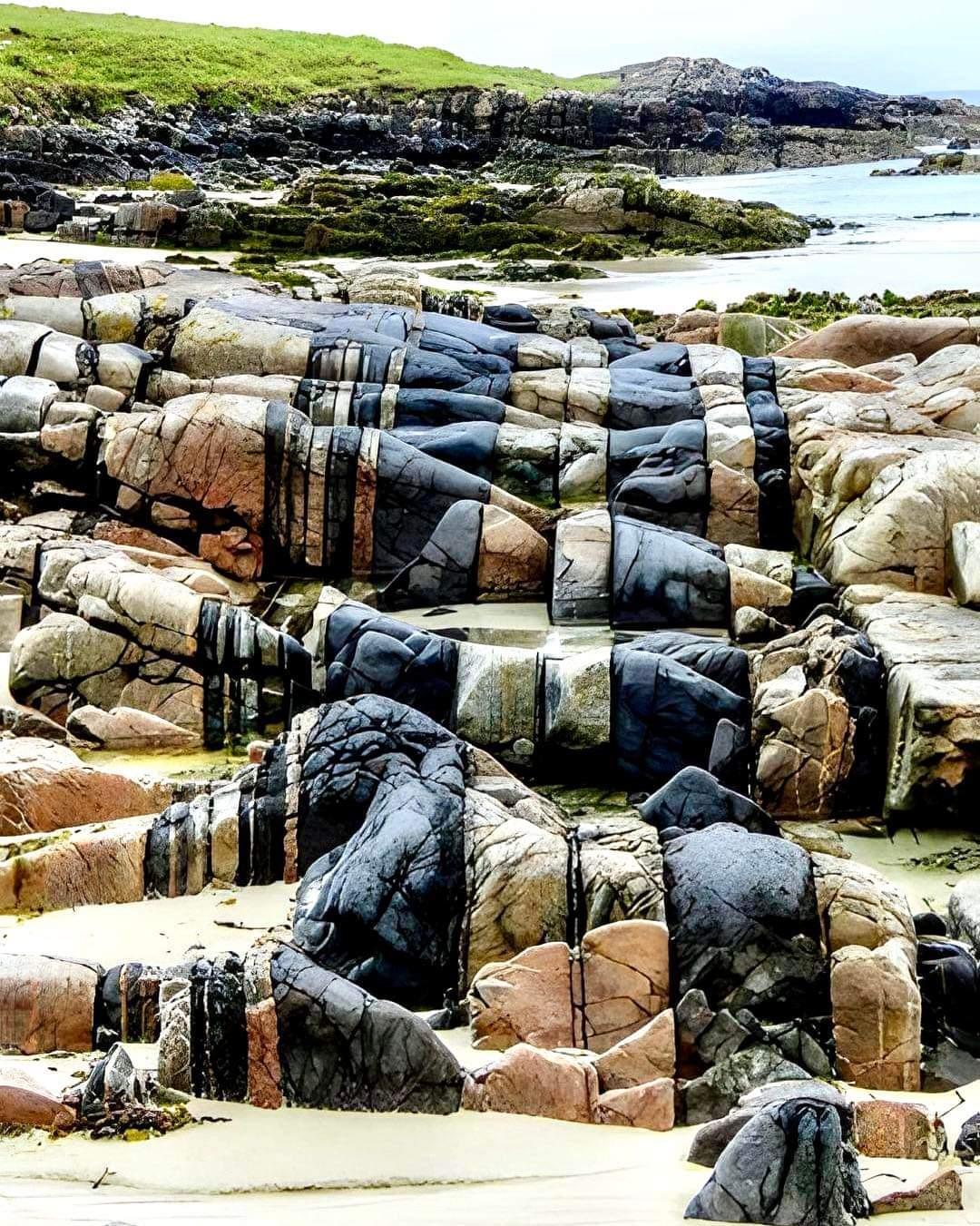
The striking banded rocks of Hosta Beach, North Uist, Outer Hebrides, Scotland. #archaeohistories image
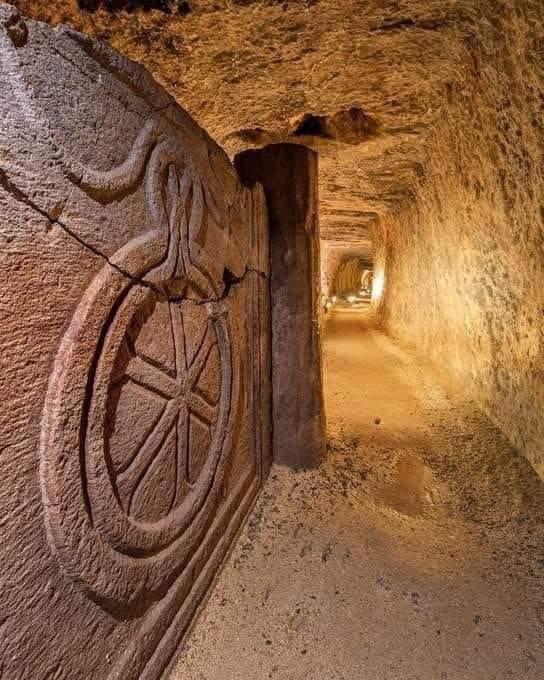
Tunnel of Eupalinos a tunnel of 1036m length in Samos, Greece, built in 6th Century BC to serve as an aqueduct. Eupalinian aqueduct was used for a thousand years, as proved from archaeological findings. Rediscovered in 1882-1884 and now open to visitors. πŸ“·Β© Sofianos Drapaniotis #archaeohistories image
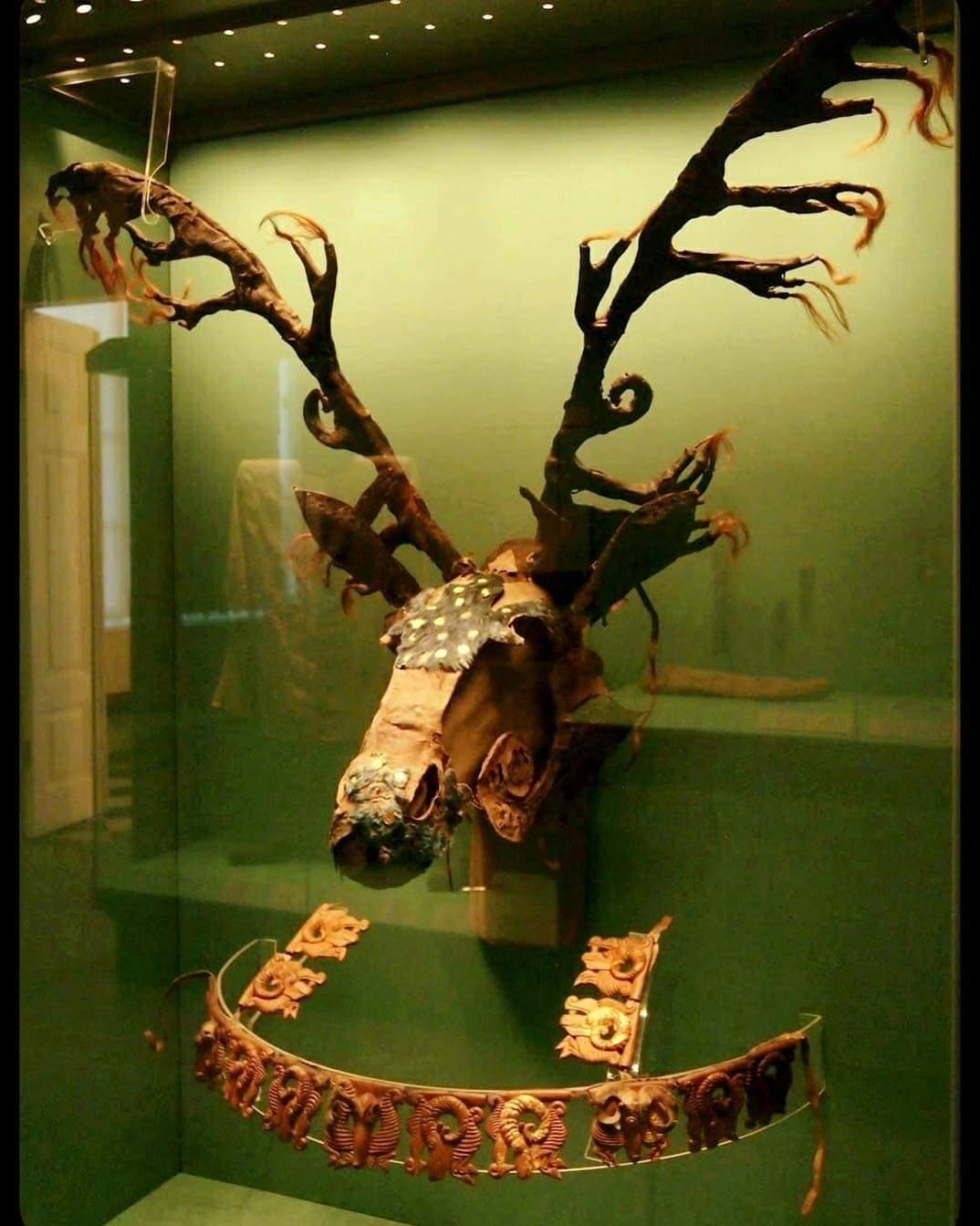
A 2300 year-old Horse Headdress from Siberia (350-250 BC): this ceremonial headdress was found on the body of a horse that had been buried in the frozen tombs of Pazyryk, Siberia - Russia. The Hermitage - St. Petersburg #archaeohistories image
Armenian guerrilla fighters who opposed Ottoman soldiers during theΒ Hamidian massacres, 1895. The woman on the right is known to be Eghisapet Sultanian, the other woman is unidentified. Armenian Massacres in 1894-1896 were the first near-genocidal series of atrocities committed against the Armenian population of the Ottoman Empire. They were carried out during the reign of Abdul Hamid (Abdulhamit) II (1876-1909), last sultan effectively to rule over the Turkish state. #archaeohistories image
The Inca "Stairway of Death" - It leads to the summit of Huayna Picchu in Peru at 8,850 feet (2,700 meters). Created 600 years ago, these perilous stone steps provide access to the peak where the Incas built temples and terraces. The vertical climb is a testament to their architectural ingenuity and endurance, as they transformed the rugged landscape into functional spaces while connecting the sacred site to the sky. #archaeohistories image
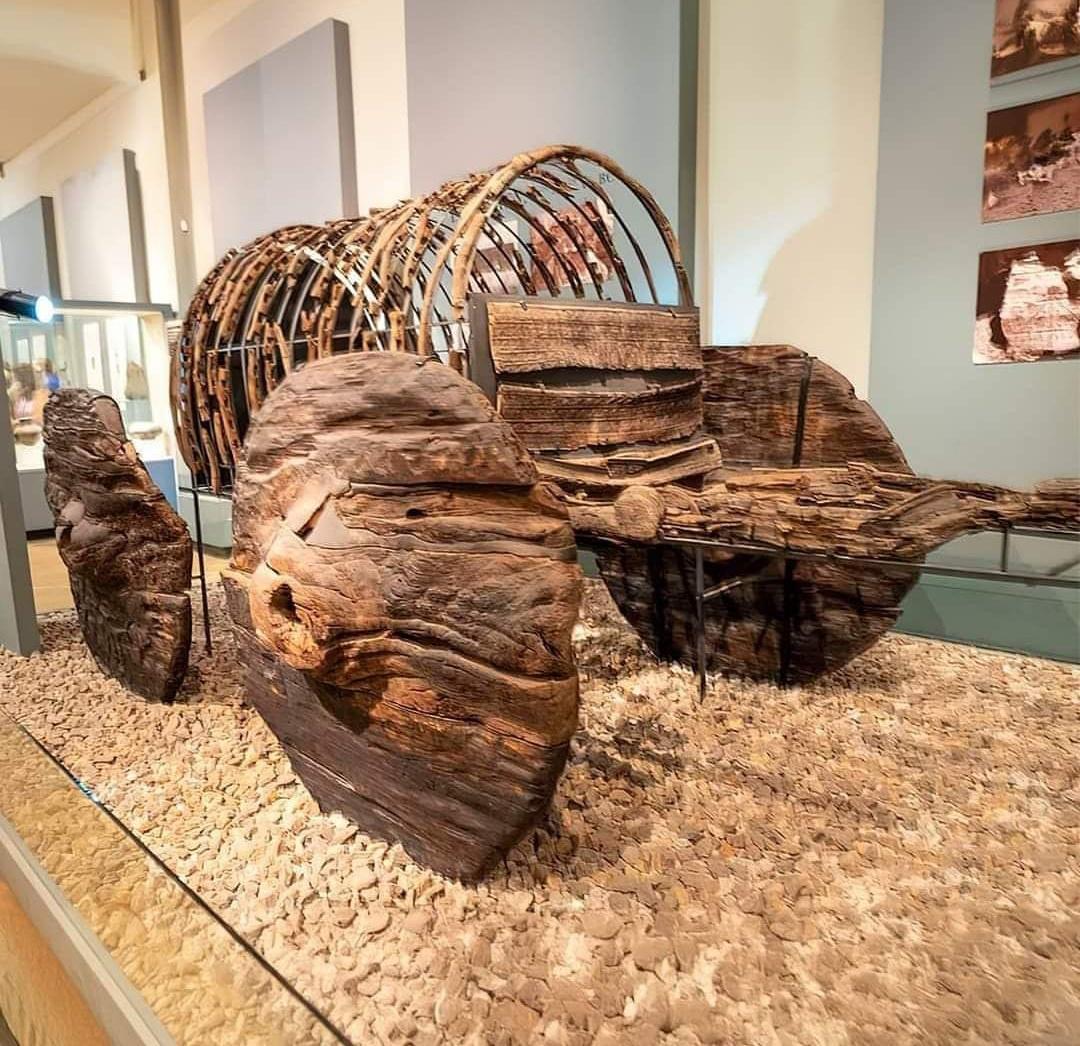
The oak wagon, estimated to be approximately 4,000 years old, was excavated from the vicinity of Lchashen village near Lake Sevan and is recognized as one of the oldest known wheeled vehicles in existence. Unearthed during archaeological endeavors in 1950s, this artifact is currently showcased at the History Museum of Armenia. Its remarkable state of preservation provides significant insights into the transportation methods and craftsmanship of ancient civilizations. #archaeohistories image
Good Old Days πŸ˜€ #archaeohistories image
Paintings of hammerhead sharks depicted in the "Oki National Products Illustration Notes". From Japan, Edo Period, 1735 AD. #archaeohistories image
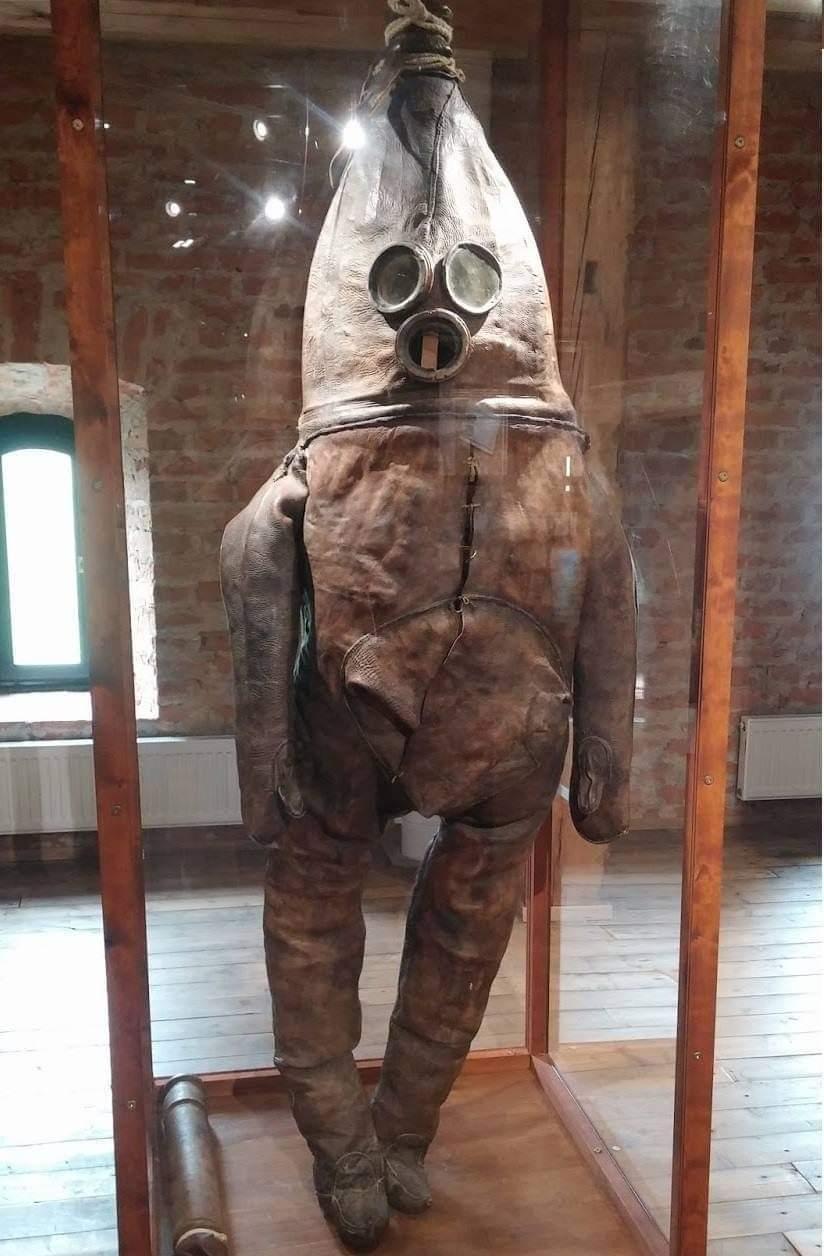
'Raahe Wanha Herra' or 'The old gentleman of Raahe' is believed to be the oldest surviving diving suit in existence, dating back to the 1700s, from Finland. It was made from stitched calfskin. The diving suit was made waterproof by sealing it with a mixture of pork fat, tar and pitch. The hood-shaped head is reinforced from the inside with a wooden framework. In the upper part of the hood is an opening for a wooden air pipe. #archaeohistories image