The Worm Hole, also known as “Serpent’s Lair,” is a striking natural formation on Inis Mór, part of the Aran Islands in Ireland. This nearly perfect rectangular pool carved from limestone and granite has intrigued both visitors and extreme sports enthusiasts. Located off Ireland’s west coast, the site is not only a geological marvel but also a popular location for extreme sports competitions. 🎥 : Credit to the Owner #archaeohistories
Devils Tower - iconic monolith in northeastern Wyoming juts straight into air, rising 1200ft from the grasslands near the Belle Fourche River. This geologic formation is so mesmerizing it’s no wonder that in 1906, President Teddy Roosevelt established it as nation’s first national monument. Today, it’s a mecca for hikers and rock climbers seeking to marvel at its beauty and scale its steep walls. The sacred legend of Devils Tower, however, is just as varied and fascinating as its many visitors.
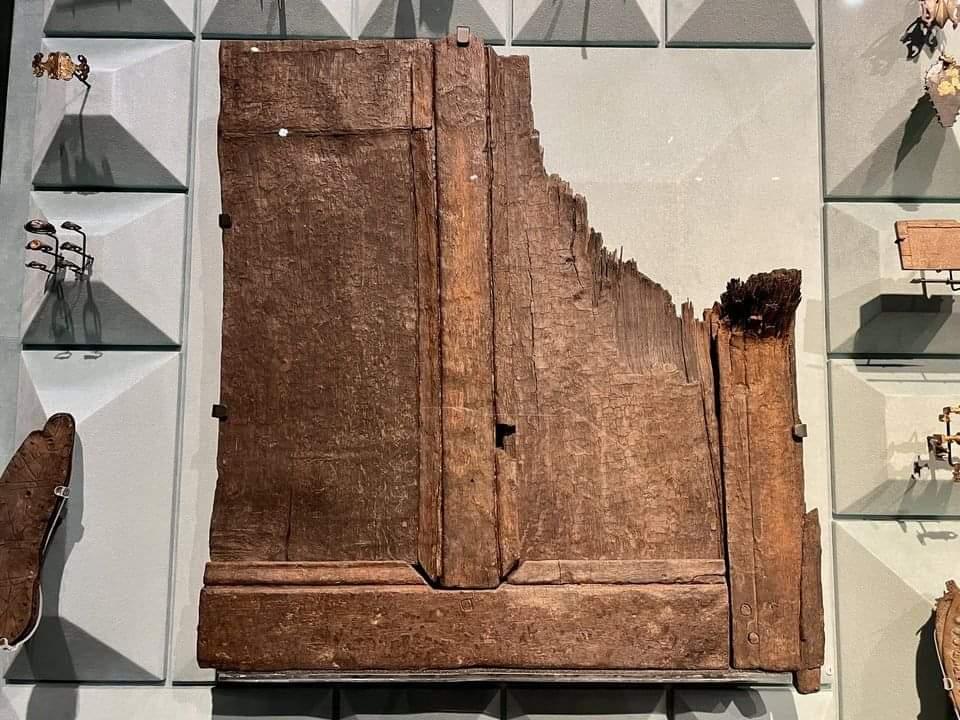
The lower section of a wooden Roman door; an incredibly rare survival from the early phases of Roman Londinium, around 50-100 AD, preserved under the City in the wet soil of the lost Walbrook river. London Museum #archaeohistories image
Members of the Hazda tribe eats cooked monkey meat... Hadza Tribe, a notable African tribe in Tanzania. This is a contemporary hunter-gatherer culture that has existed for thousands of years. Hadza are a small community of around 1000 individuals who have managed to hold onto their ancient way of life in an increasingly modernized world. They live in a beautiful and rugged landscape, relying on their deep knowledge of nature to hunt game and gather wild plants for food. #archaeohistories
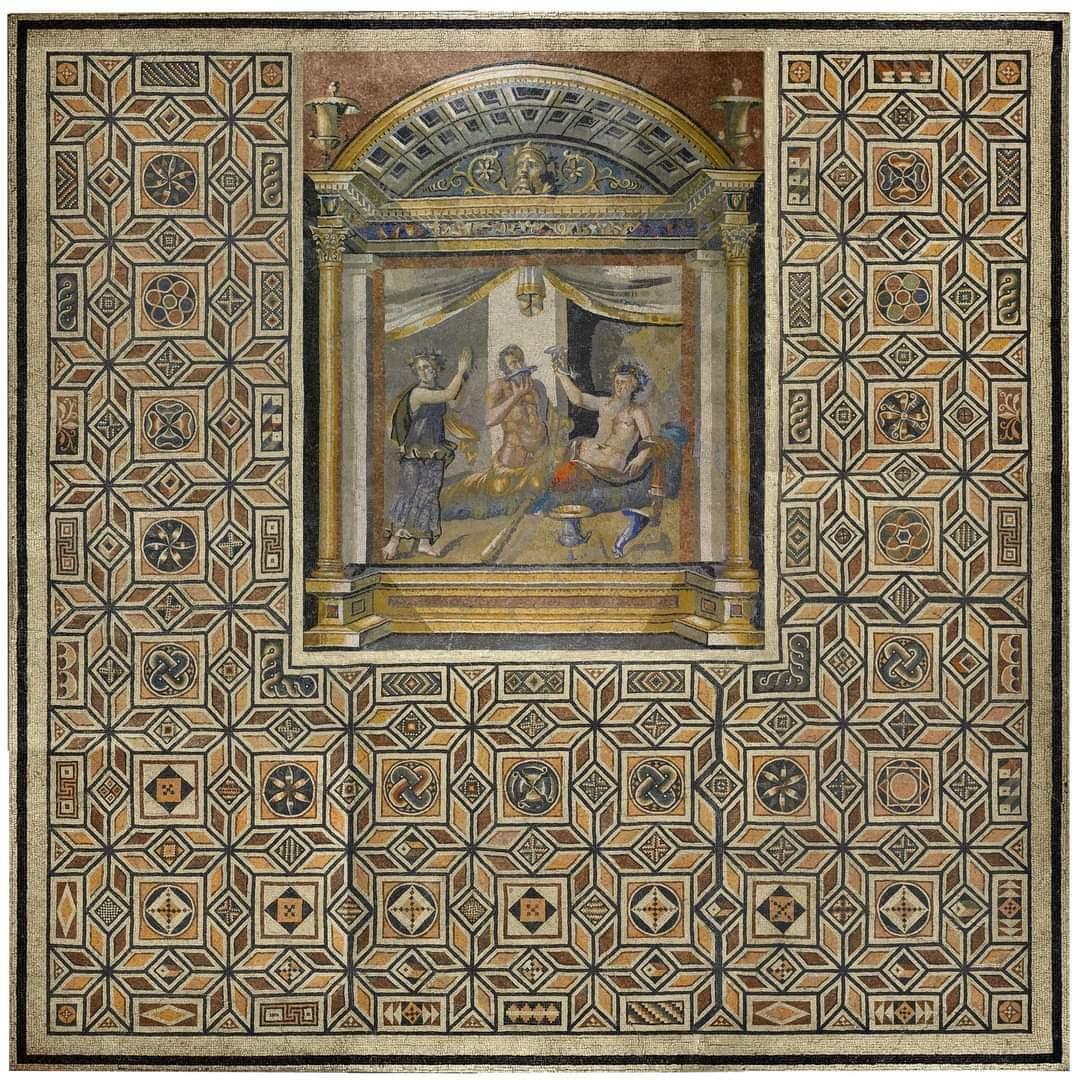
This beautiful mosaic depicts a drinking contest between Heracles and Dionysus. Discovered on the site of ancient Antioch, in present-day Turkiye, it dates from 3rd Century AD. It is now housed in the Princeton University Art Museum. #archaeohistories image
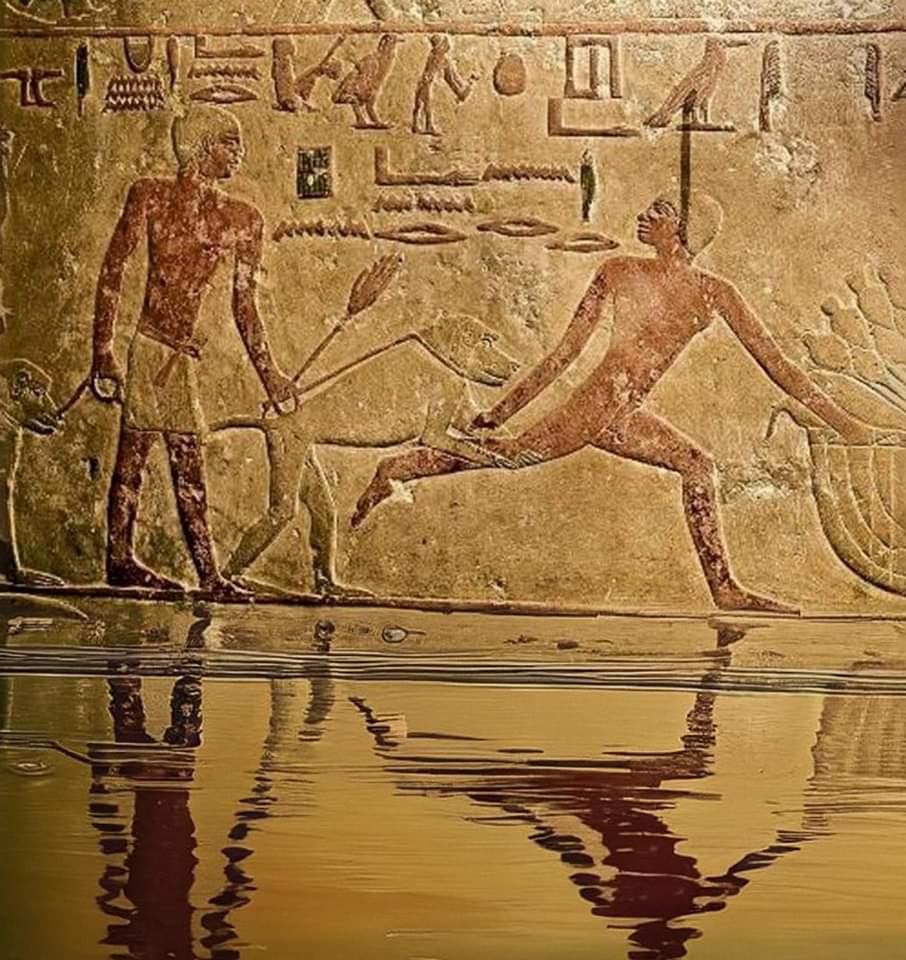
Relief of a baboon unleashed to catch criminals - Old Kingdom, 5th Dynasty, 2498-2345 BC. Detail from the Mastaba of Tepemankh, Saqqara necropolis. (Egyptian Museum, Cairo. JE 37101) The hieroglyphs and artwork have survived the ages depicting Egyptian authorities using baboon on leashes to catch criminals, in much the way modern police would use a dog. The most surprising use for trained baboons was as police animals. #archaeohistories image
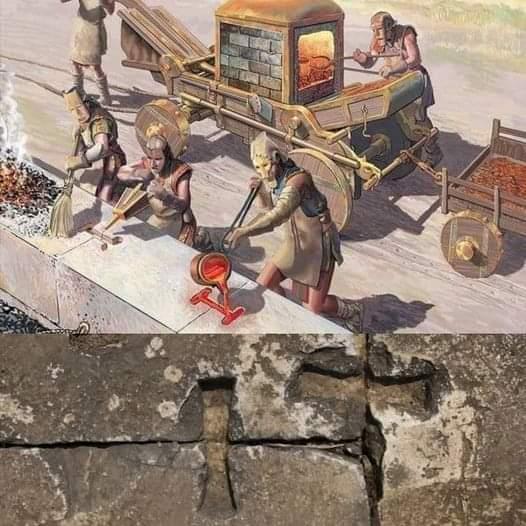
The construction of metal clamps that hold giant stone blocks together. There are structures that have stood for thousands of years are still standing. #archaeohistories image
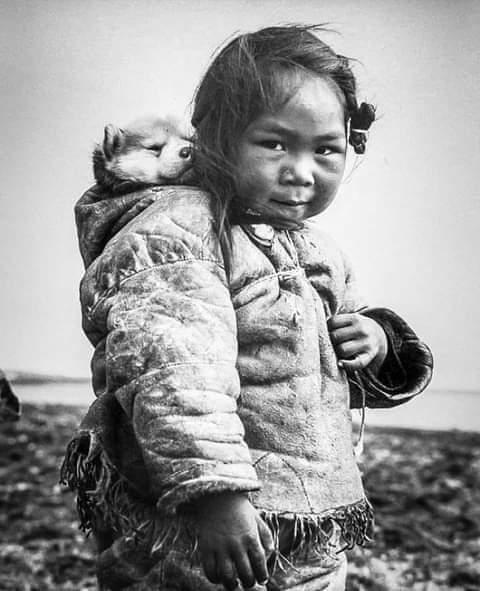
A young Inuit girl with her husky puppy, 1949. The Inuit are an indigenous group of people who live in the Arctic and subarctic regions of North America and Greenland. They are culturally and historically similar, and their ancestors are related to the Iñupiat, Yupik, and Aleut. #archaeohistories image
A mosaic discovered in ancient Hadrianoupolis, Eskipazar district, Karabük province, Türkiye. The ancient city has not yet been excavated. It is mentioned in the sources that the city was founded in 4th Century AD, of the Roman period. #archaeohtories image
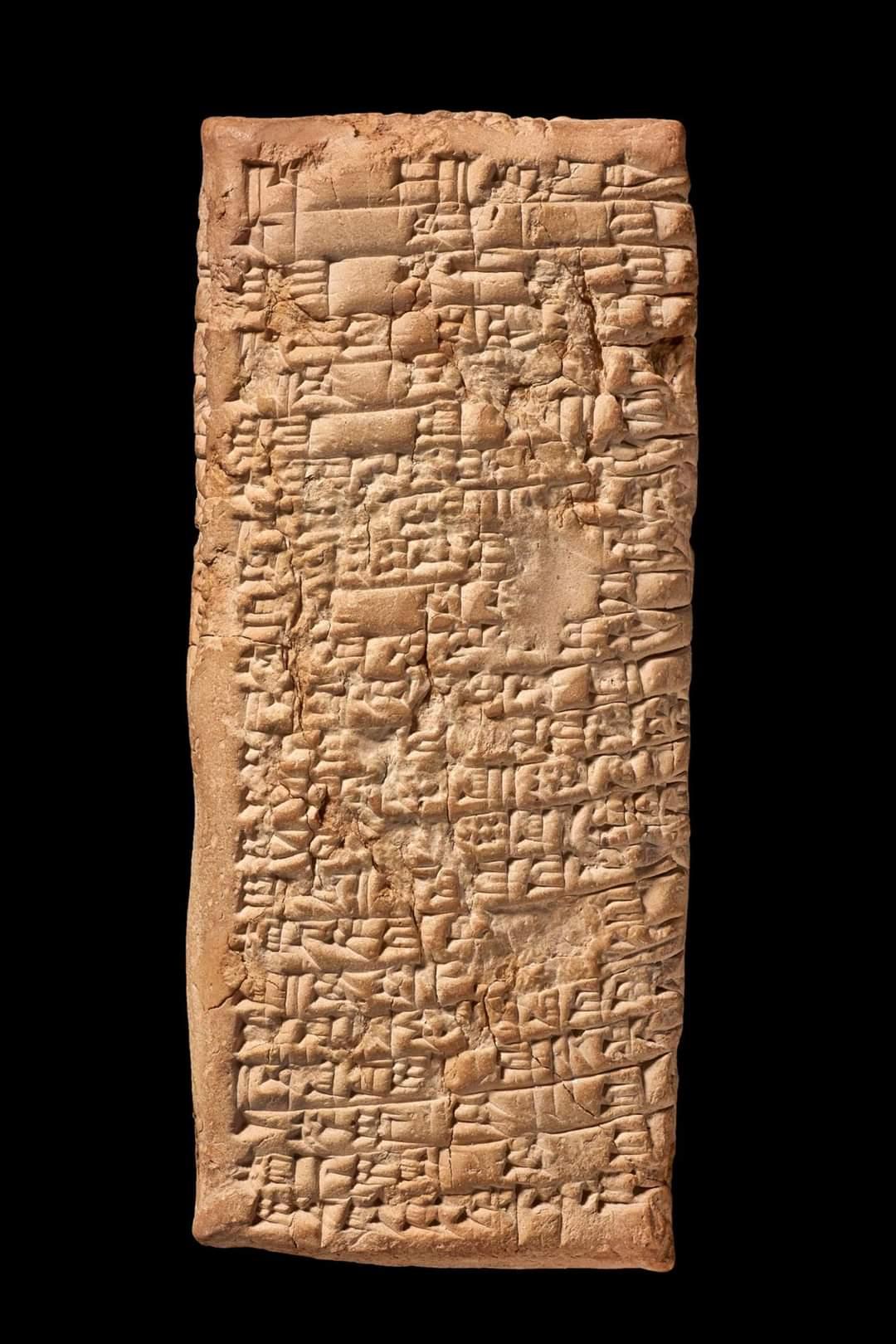
Babylonian Clay Tablet (1750 BC); letter from Nanni to Ea-nasir complaining that the wrong grade of copper ore has been delivered after a gulf voyage and about misdirection and delay of a further delivery. It was excavated by Sir Leonard Woolley, from Ur (in modern-day Iraq). This is the oldest written customer complaint is "Complaint tablet to Ea-nasir" (1750 BC), around more than 3500 years old, acquired by the British Museum, in 1953. (H: 11.60cm; Th: 2.60cm, W: 5cm) #archaeohistories image