Just a Historical Humor... 😁😁😁 #archaeohistories image
These rocks in Algerian desert sounds like an empty metal tank : Ringing rocks are a fascinating geological phenomenon where specific rocks resonate with a bell-like sound when struck. These seemingly ordinary rocks hold hidden musicality, captivating scientists and music enthusiasts alike. Although scientists don’t have a definitive answer as to why the rocks ring, they do have a name for ringing rocks. They are called with sonorous rocks or lithophonic rocks. 🎥© Lone Wolf #archaeohistories
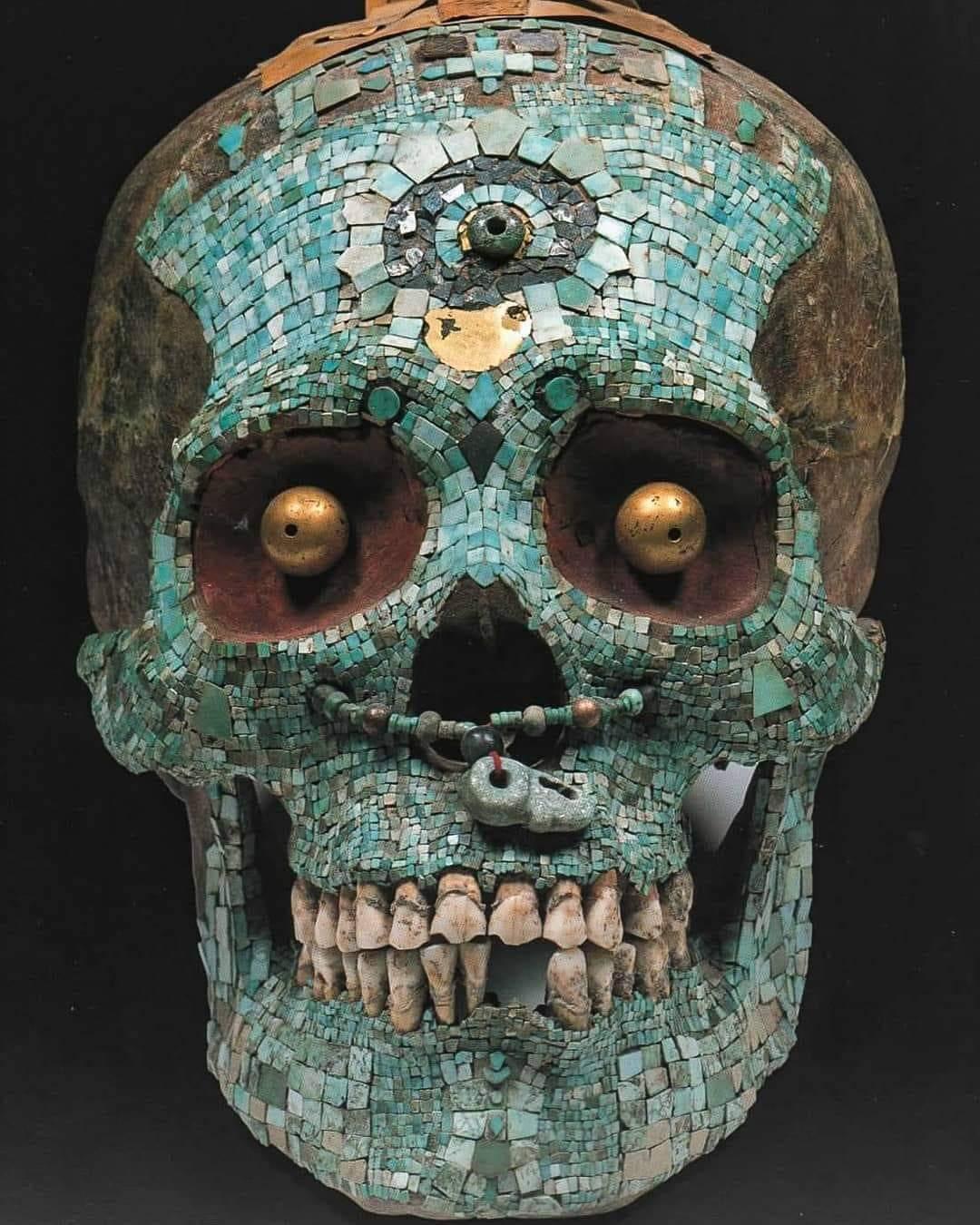
Aztec Skull from Tonalá covered with turquoise mosaic, with gold eyes and a jade ornament in the forehead (900-1519 AD). Archeological Museum of Soconusco #archaeohistories image
Illuminated tires developed by Goodyear but were never mass produced (1961) © Automobile Historia #archaeohistories image
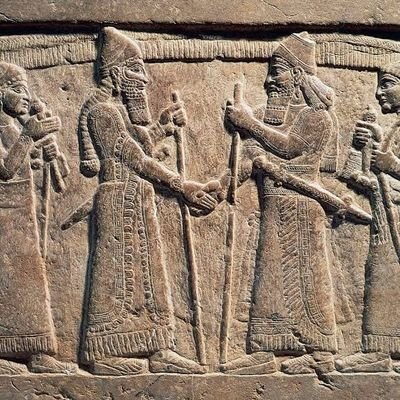
Ziggurat one of last standing monuments of Sumarians. Built sometime in 21st Century BC by King Ur-Nammu and his son Shulgi. It stood in the center of the city and was center of all administration. It is located near the modern-day city of Nasiriyah in southern Iraq, along the banks of the Euphrates River. It lies within the ancient city of Ur, which was one of the most important urban centers of ancient Mesopotamia. 🎥 : Credit to the Owner #archaeohistories
Originating in what is now Iraq before 3200 BC, cuneiform script is, as far as we know, oldest form of writing in the world. The recording of a spoken language, emerged from earlier recording systems at the end of 4th Millennium BC. The first written language in Mesopotamia is called Sumerian. Most of early tablets come from the site of Uruk, in southern Mesopotamia, and it may have been here that this form of writing was invented. 🎥© art.heology (IG) © British Museum #archaeohistories
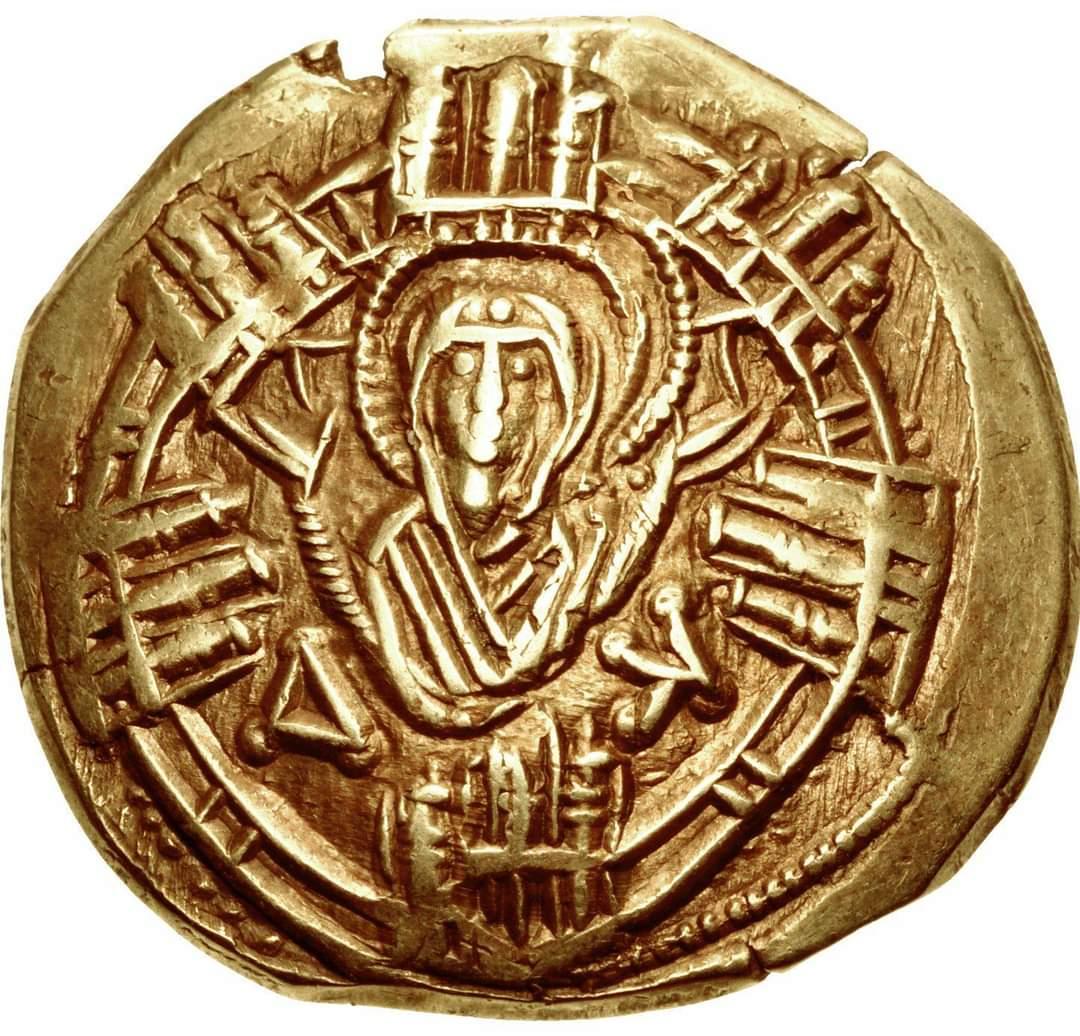
Gold Hyperpyron of the Byzantine Emperor Michael VIII Palaiologos (r. 1261-1282), depicting Virgin Mary rising above the walls of Constantinople, commemorating the capture of the city from the Latins in 1261. Byzantine Museum, Athens #archaeohistories image
Whistling jars are pottery vessels from Chimu culture of North Coast, Peru, that date back to 1000–1476 CE. The jars are often decorated with bird's heads that conceal whistle and smaller whistles may have fingerholes to adjust pitch. The sounds jars make depend on their size, shape, and fluid levels. These unique instruments or shamanic tools as we will later discuss, are called whistling vessels or otherwise known in Spanish as huaco silbadors. 🎥 : Credit to the Owner #archaeohistories
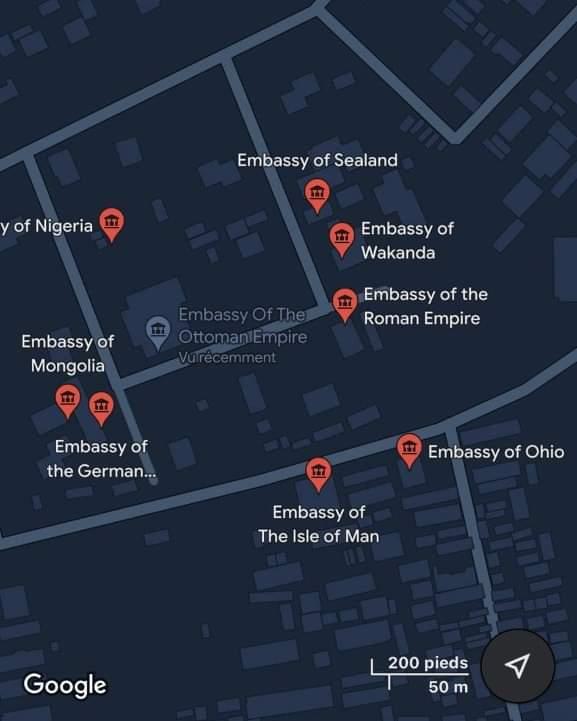
Embassies in North Korea could benefit from being reminded about the histories of the Ottoman and Roman Empires. Perhaps someone should ensure they stay informed. 😆 © The Archaeologist #archaeohistories image
Hirta Island (Ghost Town), outer Hebrides, Scotland - the last inhabitants of one of the U.K.'s most remote islands were evacuated in 1930... Though St Kilda had been inhabited for more than 2,000 years, it’s been abandoned since 1930. When the last residents of the United Kingdom’s remotest islands requested evacuation to the mainland, they left behind a traditional Scottish coastal village which now lies in ruins. 📷© akissfromuk #archaeohistories image