Superheavy-lift rockets like SpaceX’s Starship could transform astronomy by making space telescopes cheaper. An astrophysicist explains:

Methamphetamine triggers brain inflammation through the same immune mechanisms that make it addictive. Scientists found that blocking a key immune molecule could reduce meth's effects on dopamine neurons, potentially offering a new prospect for treatment.
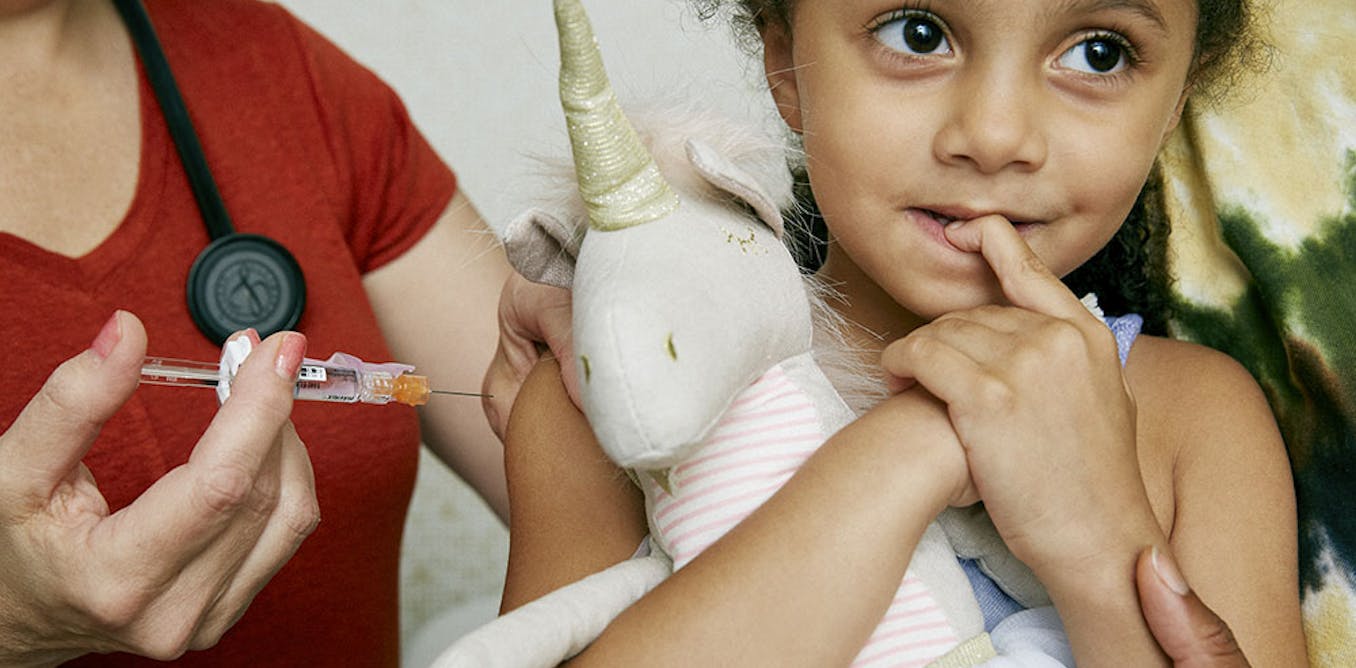
Federal health officials have moved 6 childhood vaccines off the routinely recommended schedule, framing it as expanding parental choice. A health policy researcher explains why the shift to "shared decision-making" could mean many children don’t get protected – especially in low-income families.
You can improve your home’s air quality this year with a few straightforward hanges—especially in how you cook, clean and use personal care products. An atmospheric chemist explains:
29 states allow mail-in ballots postmarked by Election Day sent from overseas to be counted days after an election. A case before the Supreme Court could take that decision away from the states.
When reputable local news outlets close, fewer people vote and get involved in local politics, and misinformation, corruption and polarization increase, an expert on the U.S. media and its role in democracy explains.
The 6-7 craze that disrupted classrooms and sports events worldwide was more than just nonsense. Media scholars from 3 countries say the fad reveals how children use meaningless language and games to carve out spaces where they hold the power and adults don't make the rules.
For the nation’s first president, friendliness was strategy, not concession: the republic would treat other nations with civility in order to remain independent of their appetites and quarrels.
Racial profiling by immigration agents isn’t new. It echoes one of the darkest chapters in U.S. history, with clear parallels between today’s targeting of Latino communities and the incarceration of Japanese Americans during World War II. #ice #history #Histodons [@histodons]( )
Very unfortunately, Elon Musk’s AI chatbot Grok is letting users on X generate nonconsensual sexual images of real people. Including minors. A tech law scholar explains why this outcome was predictable and and what (limited) accountability options exist at this time: