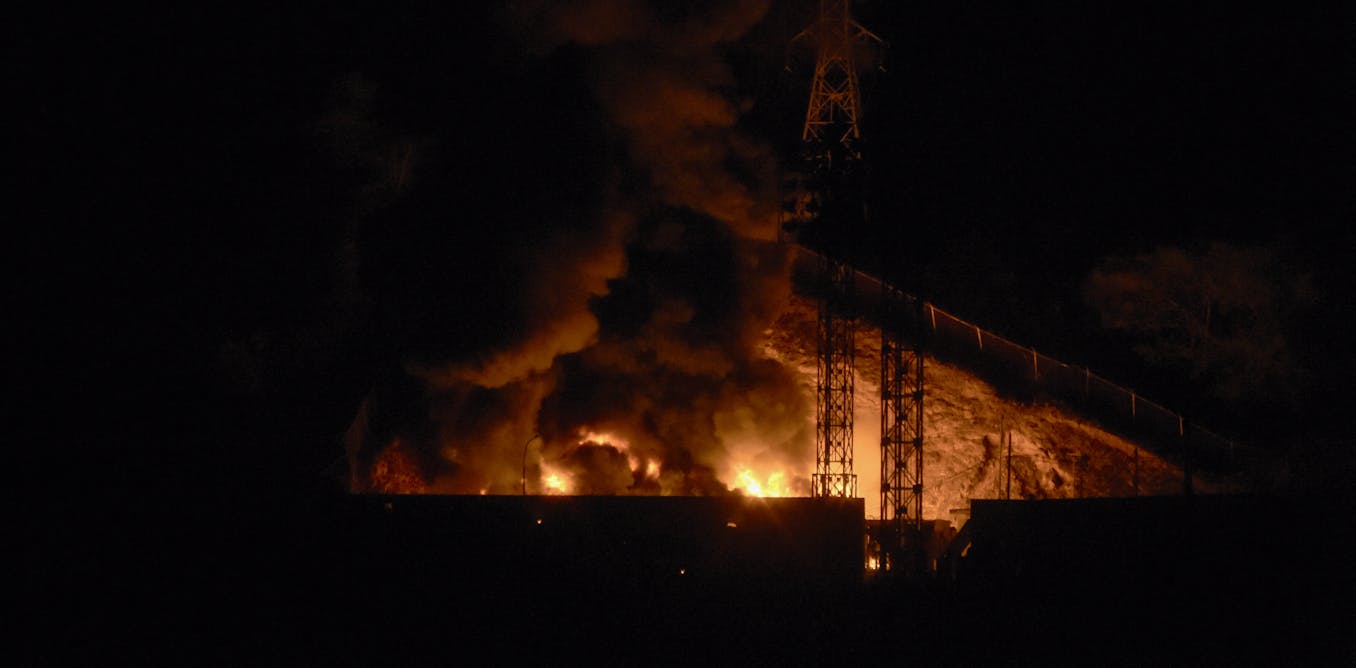
Managing wildfire risk isn’t just about regulations — it’s about neighborliness: the choices people make on their own property that help keep the people around them safe. #LAFires
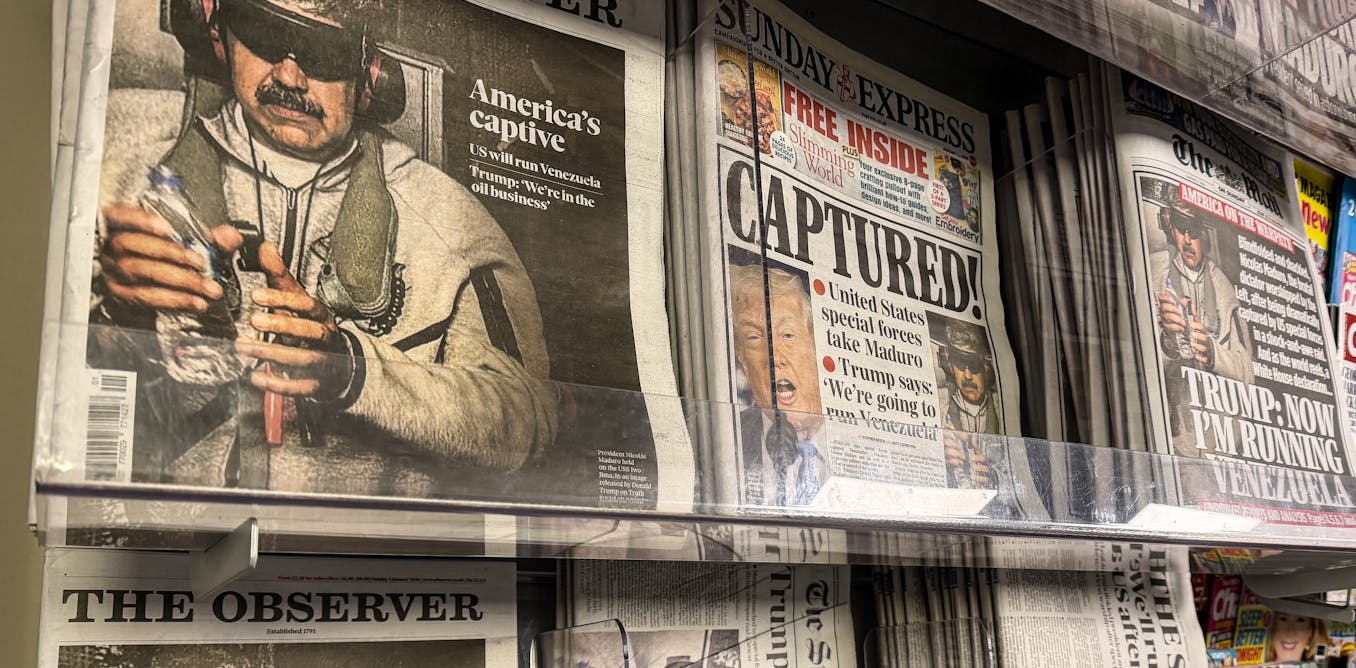
The U.S. military action in Venezuela marks a turning point. An international human rights and democracy scholar warns it reflects a shift toward unilateral, autocratic power, unconstrained by law and balance of power, and using force to impose the Trump administration’s will on other nations.
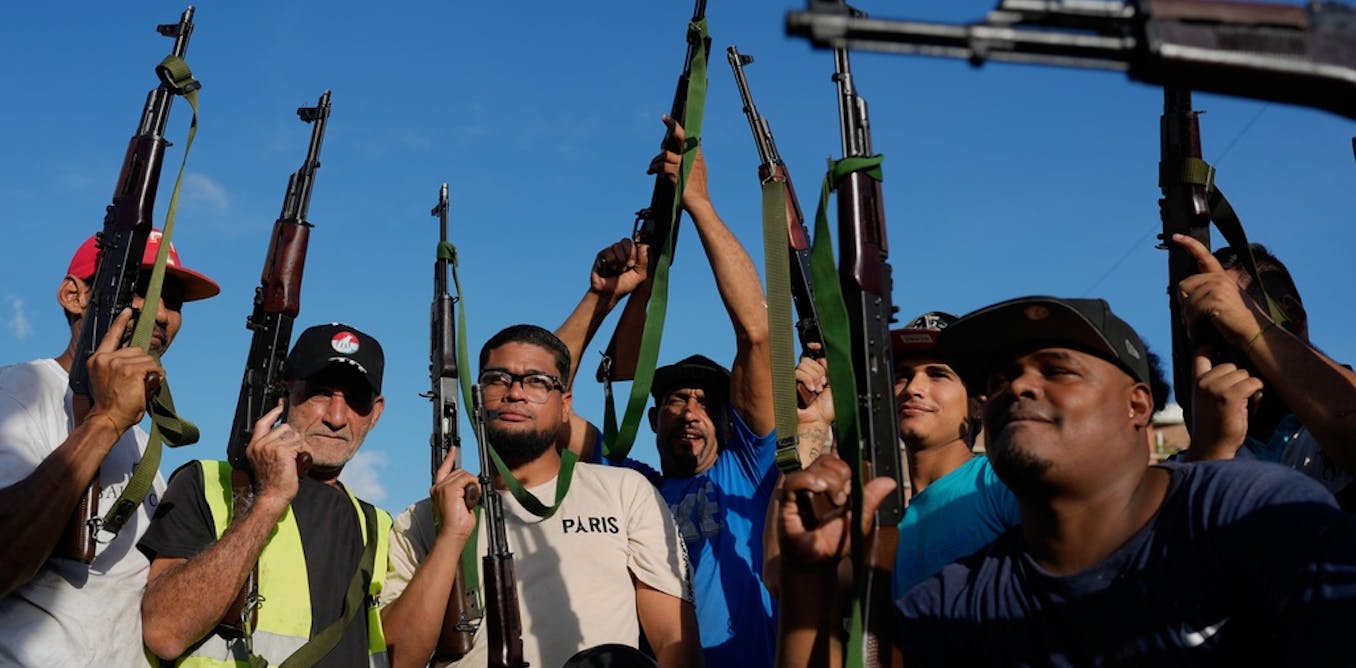
Maduro’s removal has not stabilized Venezuela. A fragile civil military alliance is under growing strain, and if it breaks, colectivos, gangs and guerrilla groups could be drawn into a chaotic conflict to control the country’s future.
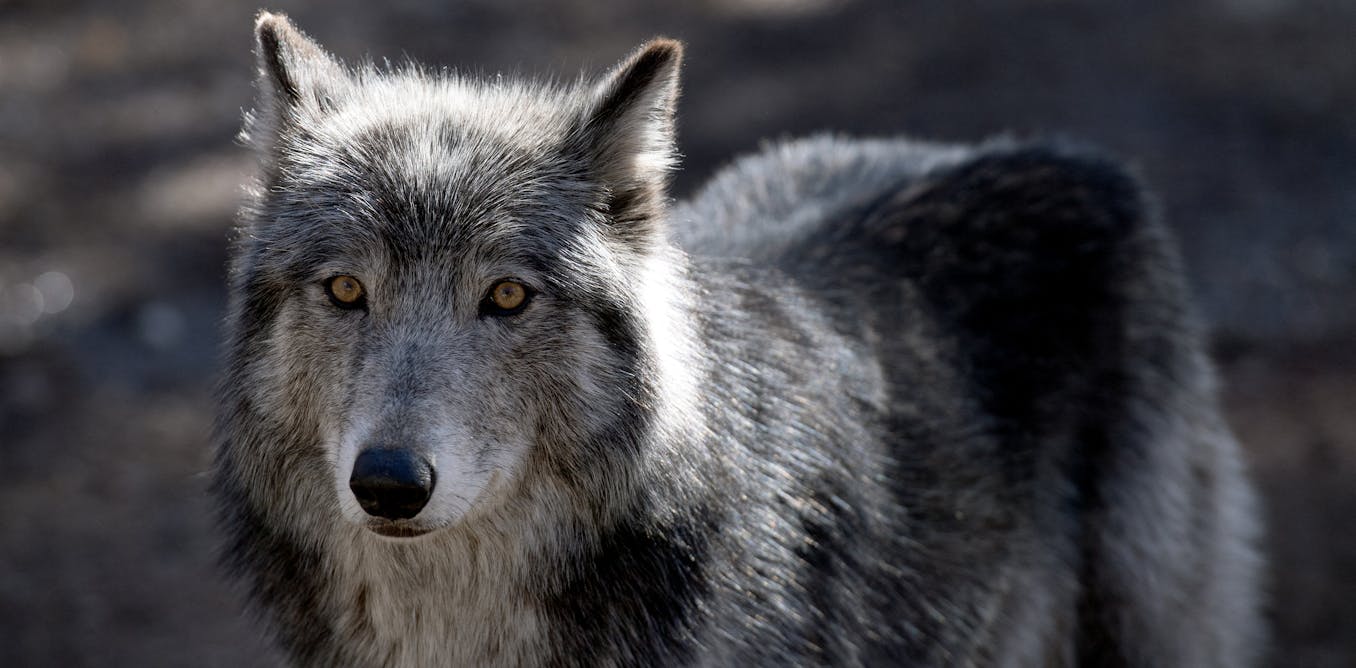
Most Americans actually like wolves, no matter their politics. But when researchers reminded people of their political identities, Democrats became more friendly to wolves and Republicans far more opposed. It’s an interesting study in how politics and social identity can fuel partisan polarization.
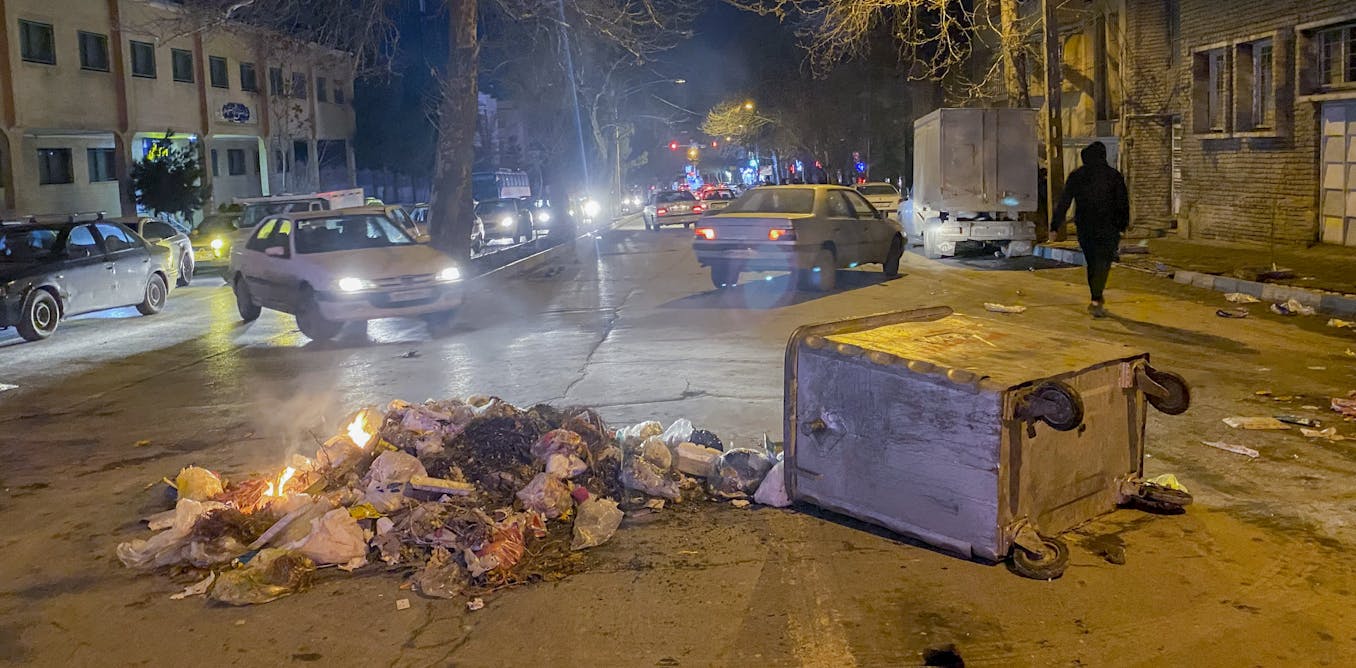
Iranian protesters are calling on their government to prioritize lowering prices and creating jobs, instead of international issues.
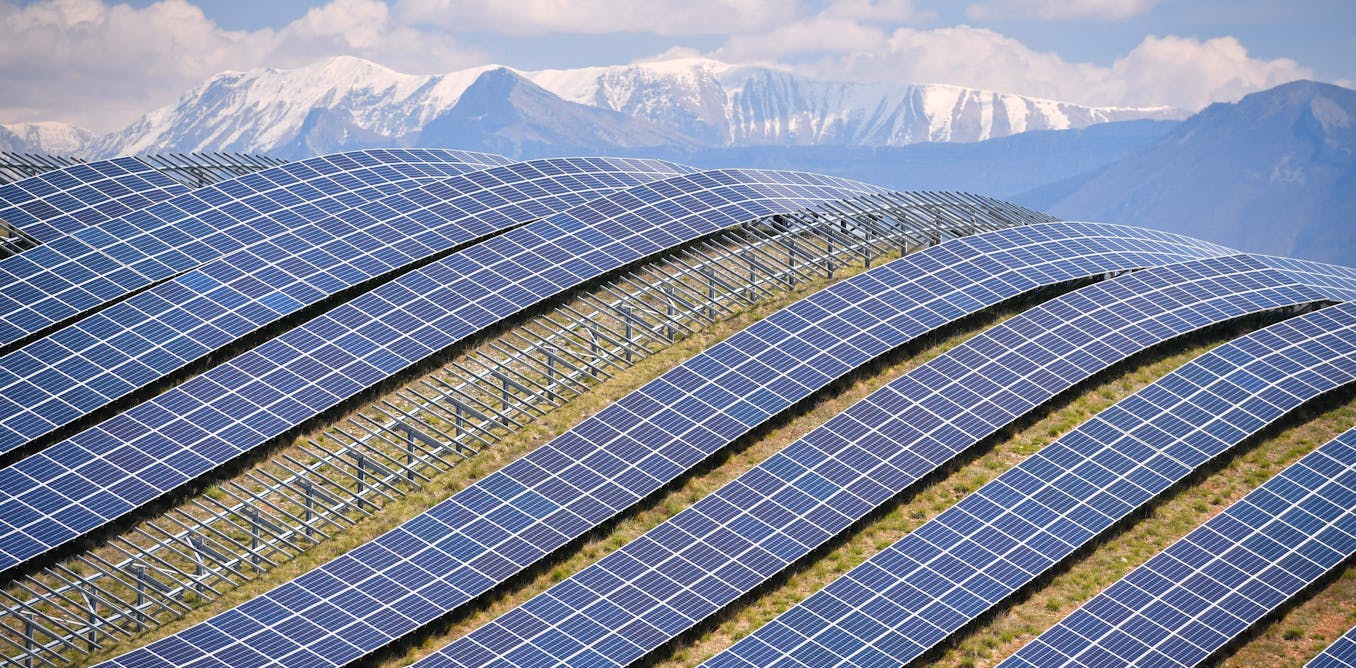
The clean energy transition is turning into a power struggle. Countries built on fossil fuels are pushing back, while others are racing ahead on renewables.
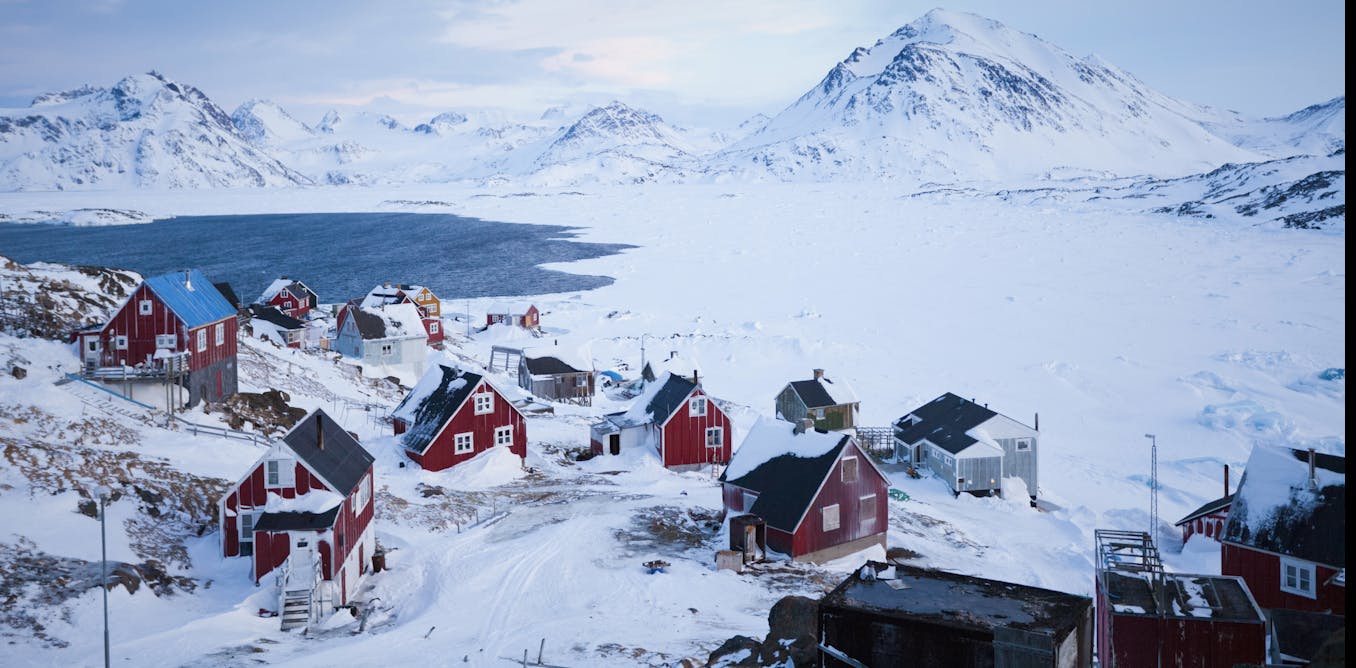
Trump keeps eyeing Greenland’s oil and minerals. A geoscientist explains why melting ice, unstable fjords and climate-driven hazards make mining and drilling there extraordinarily risky, expensive and potentially deadly ⬇️
“Regime change” ≠ just removing a leader. The U.S. seizure of Nicolás Maduro has revived the term, often as shorthand for ending Venezuela’s crisis. But in foreign policy, the term ‘regime change’ means an outside power remaking a country’s political system — not simply replacing one person with another. That distinction matters and history shows it’s where real instability often begins.
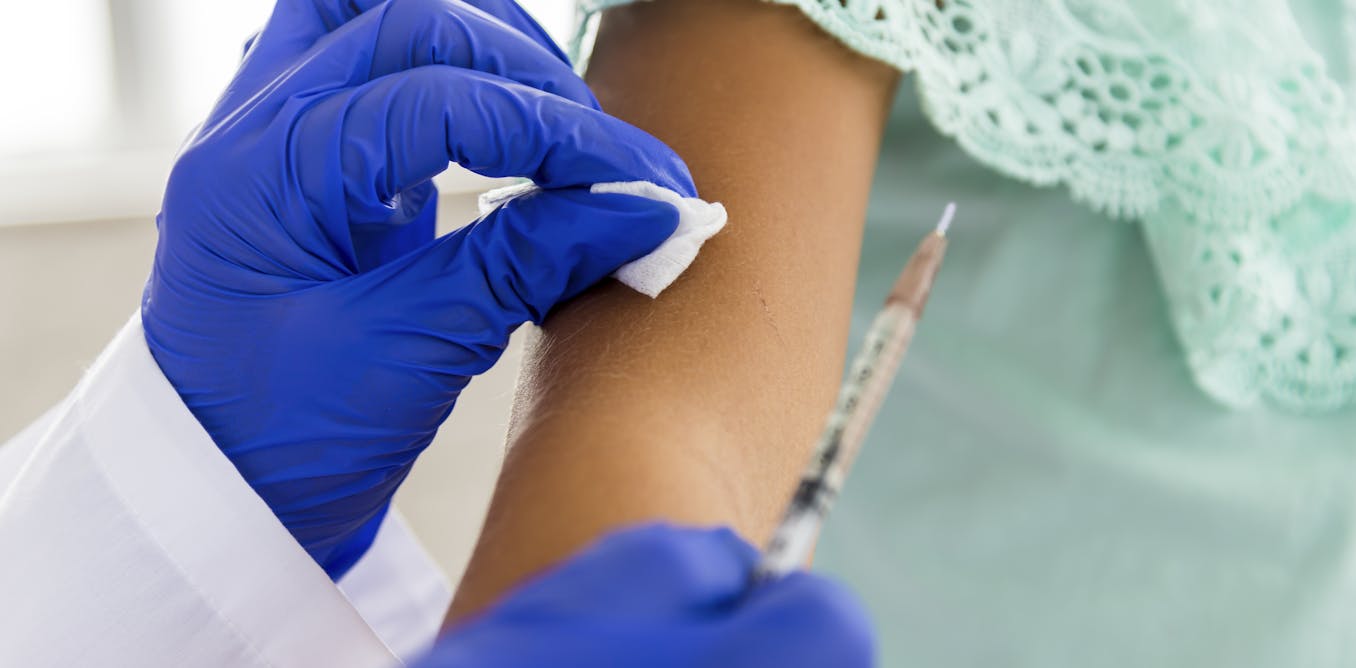
The U.S. childhood vaccine schedule is not a list doctors randomly decided on. It evolved over decades in response to deadly outbreaks, hard lessons and rigorous research. Rolling it back, says infectious disease specialist Dr. Jake Scott, risks relearning those lessons the hard way.
What makes your clean, minty mouth taste so gross when it meets OJ? A psychologist who has spent more than 40 years researching the science of how people experience taste and flavor explains what happens: