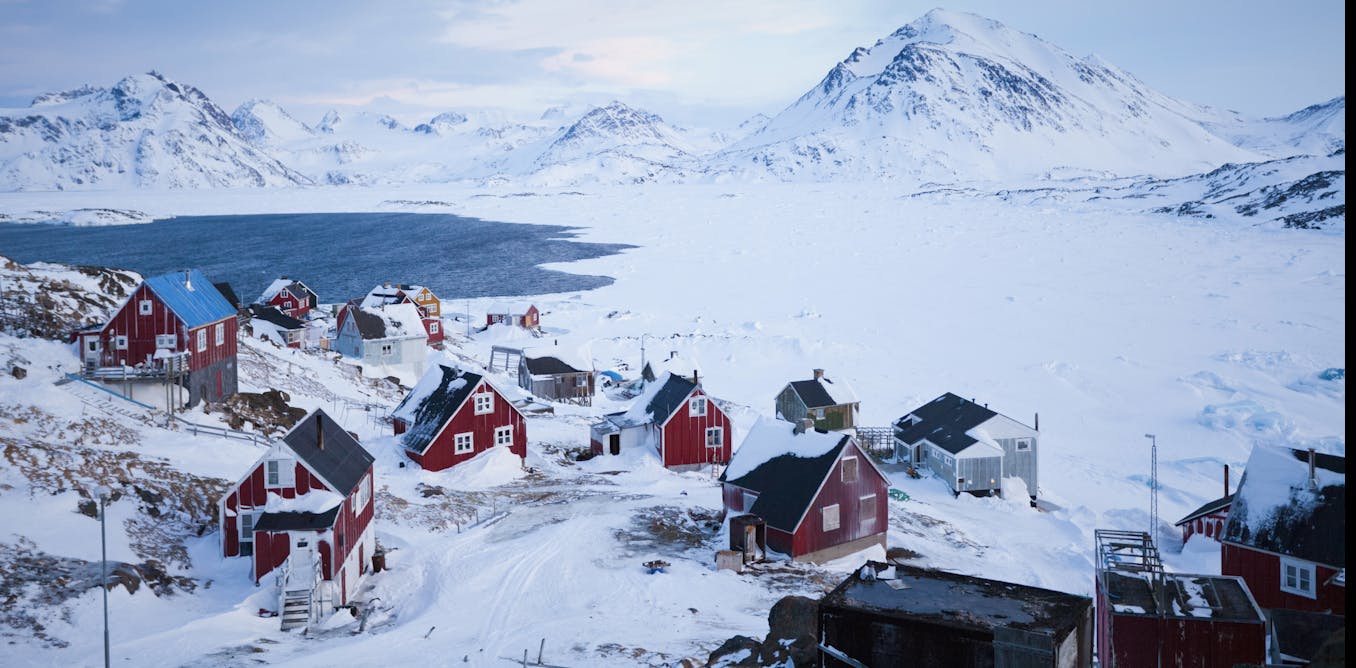
Trump keeps eyeing Greenland’s oil and minerals. A geoscientist explains why melting ice, unstable fjords and climate-driven hazards make mining and drilling there extraordinarily risky, expensive and potentially deadly ⬇️
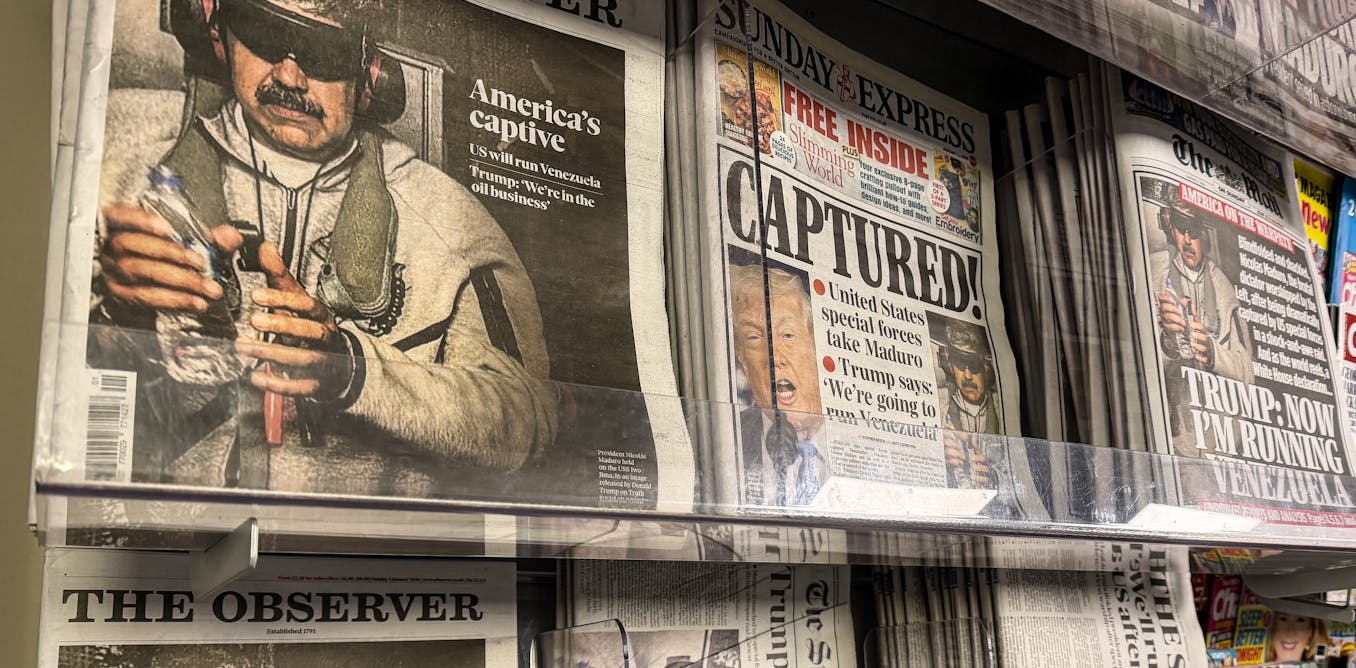
“Regime change” ≠ just removing a leader. The U.S. seizure of Nicolás Maduro has revived the term, often as shorthand for ending Venezuela’s crisis. But in foreign policy, the term ‘regime change’ means an outside power remaking a country’s political system — not simply replacing one person with another. That distinction matters and history shows it’s where real instability often begins.
The U.S. childhood vaccine schedule is not a list doctors randomly decided on. It evolved over decades in response to deadly outbreaks, hard lessons and rigorous research. Rolling it back, says infectious disease specialist Dr. Jake Scott, risks relearning those lessons the hard way.
What makes your clean, minty mouth taste so gross when it meets OJ? A psychologist who has spent more than 40 years researching the science of how people experience taste and flavor explains what happens:
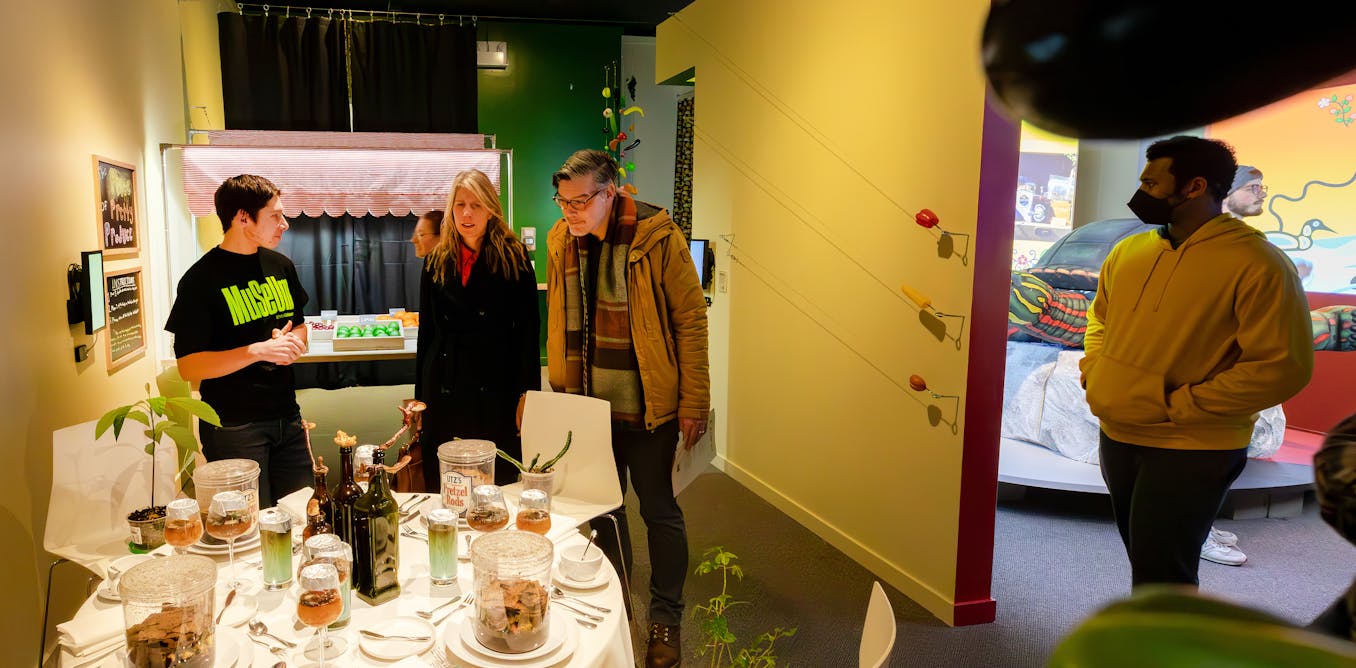
92% of adults view museums as nonpartisan sources of education. This rare level of confidence gives museums both an opportunity and a responsibility to model how people might think and listen together, explains one museum director.
“Environmental amnesia” lets critics focus on costs of laws, while forgetting why these laws were needed and the real benefits they delivered, according to an environmental law professor. The “Documerica” project shows in clear photographic evidence how dirty the U.S. used to be.
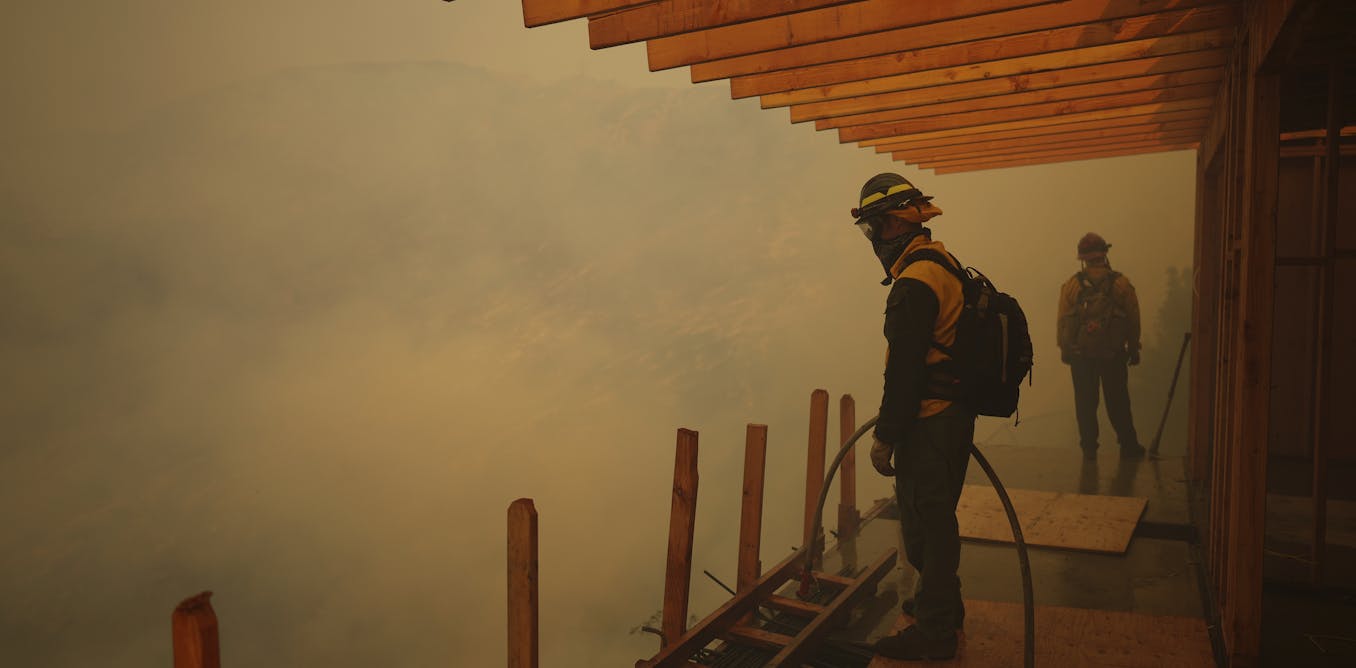
When cities burn, plastics, electronics, cleaning chemicals and more create a toxic brew. An environmental health scientist studying the #LAFires found that some chemicals can be more concentrated indoors than outside, posing real health risks.
Today’s voters don’t evaluate scandal as citizens: they evaluate it as fans. Democrats and Republicans both seek to punish misdeeds by the other side but rationalize them for their own team, explains a professor who has written a book on how politicians survive scandal.
Months of preparation and intelligence gathering went into the US mission to seize Venezuela’s president. A military strategist and former Latin America policy adviser to the U.S. State Department breaks down what we know about the planning and execution:
“If Washington governs by force in Venezuela, it will repeat the failures of Afghanistan, Iraq and Libya: Power can topple regimes, but it cannot create political authority. Outside rule invites resistance, not stability.” - Monica Duffy Toft, Tufts University, scholar of international security