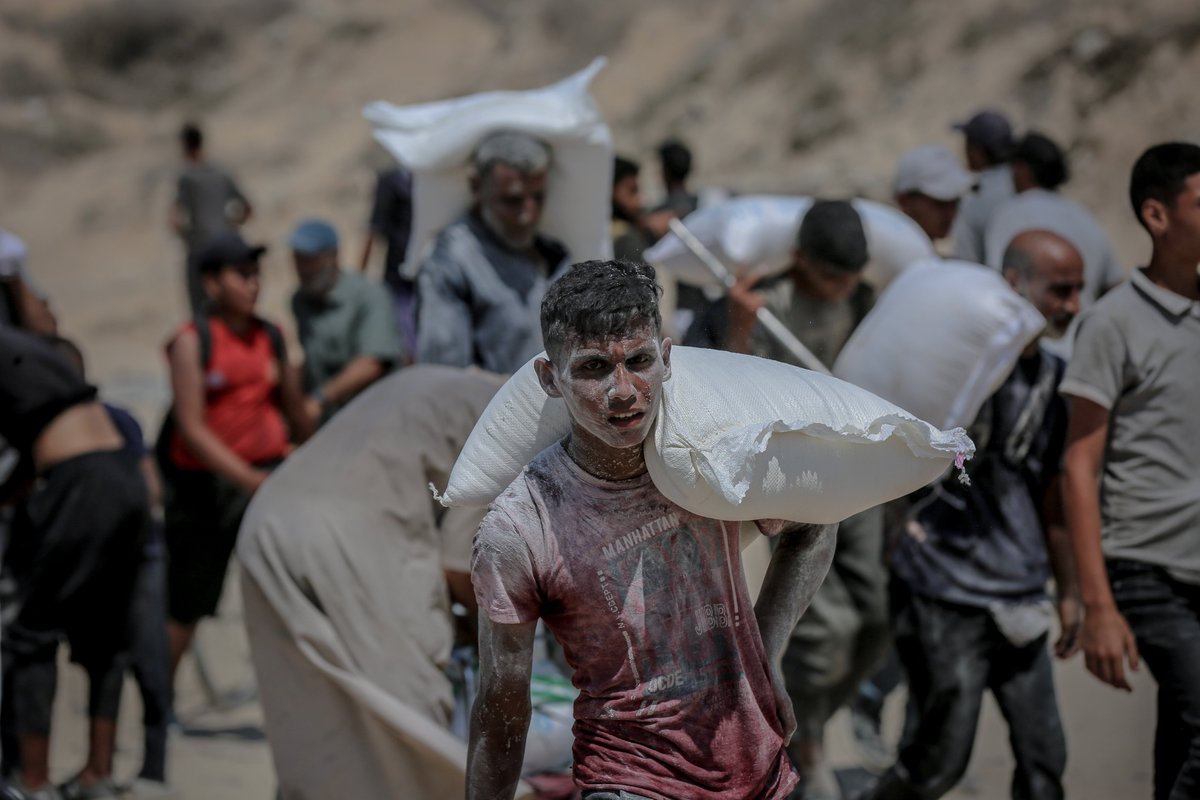
“Today the Gaza Strip is ‘a psychological minefield’ of endless grief, hunger, and murder. It is a landscape of ruins, a purgatory between life and death,” writes editor @npub1daec...7ykk in the opening of the newest issue of JPS. ⤵️
“When a student falls unconscious, we just assume they have not eaten for two days. And we move on.”
Eman Basher @npub1nw3m...gdfk spoke to Dr. @npub1hkx2...xvjq, who works while starving, stitching wounds that won’t heal for lack of protein.
Read More:
"Columbia's capitulation has turned a university that was once a site of free inquiry and learning into a shadow of its former self, an anti-university, a gated security zone with electronic entry controls,” writes Professor Rashid Khalidi.
Gaza’s high school students prepare for final exams by candlelight from shelters, under bombardment, grief, and blackout. Others shoulder family burdens after loss. For many, education is not just learning. It is survival.
Suha Sami’s full report:
In Gaza, even language is weaponized. Israeli soldiers leave behind graffiti that degrades, mocks, and haunts. Donya Abu Sitta reflects on how words, like bombs, can wound and occupy the ruins of homes and minds.
🔗
When the classroom is a tent and the dream is survival. In Gaza, students study by flashlight, under bombs, and through grief. This powerful essay by @npub1vwx9...n52l honors their defiance and asks: how do you dream when your school no longer exists? ⬇️
Alaa went to get flour for his family. He came back wrapped in empty flour bags—shot dead by Israeli forces. In this heartbreaking essay, his sister Areej Almashharawi writes about famine, survival, and the cruelty of engineered hunger in Gaza.
🔗
Recognition without rights is not justice. As Western governments symbolically “recognize” Palestine, this essay by Jwan Zreiq asks: what is being recognized, and at whose expense?
🔗
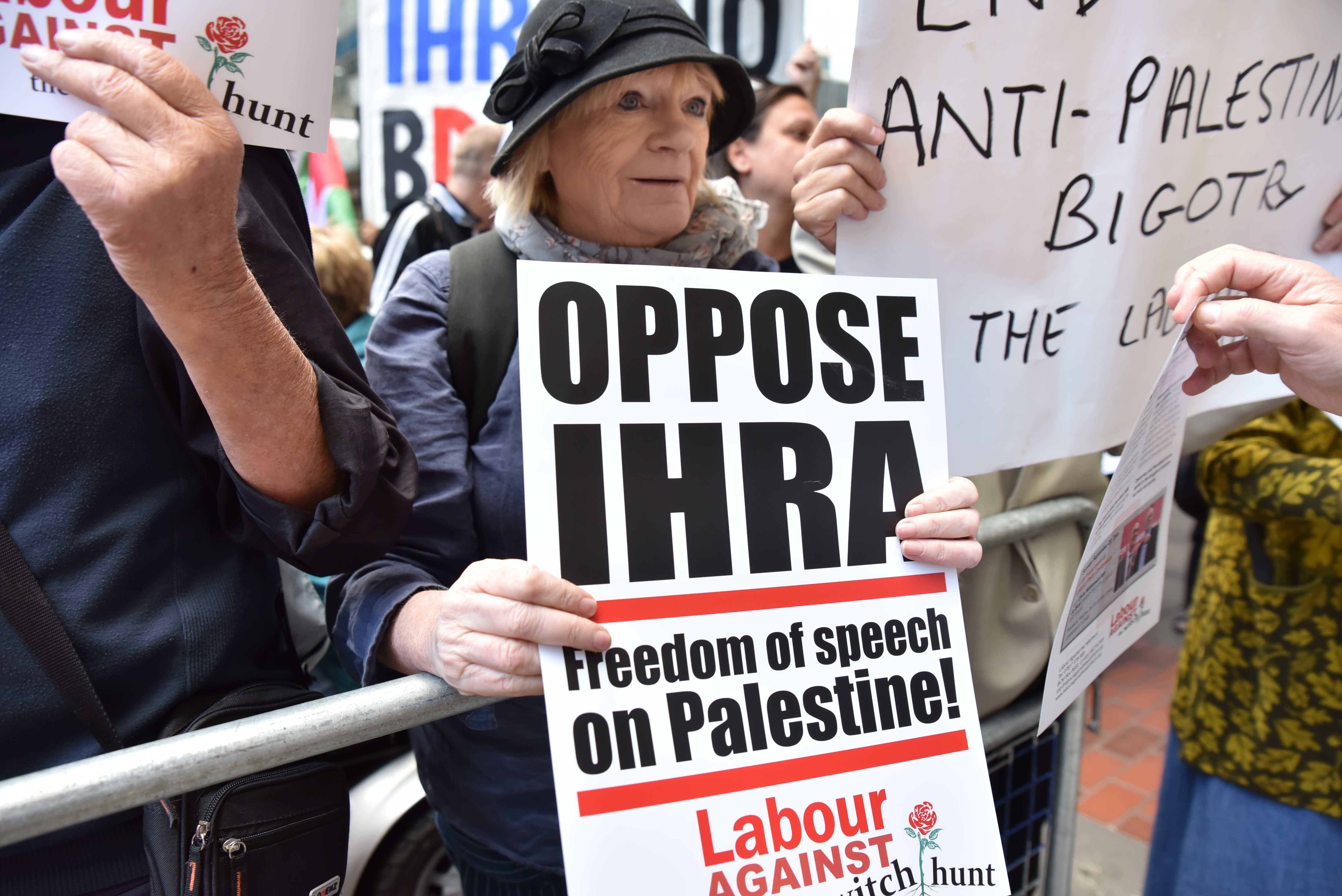
🧵A new Highlight from #PalQuest explores the IHRA Working Definition of Antisemitism—its historical development, adoption, implementation, and the critiques it has provoked—emphasizing its role in delegitimizing criticism of the State of Israel: