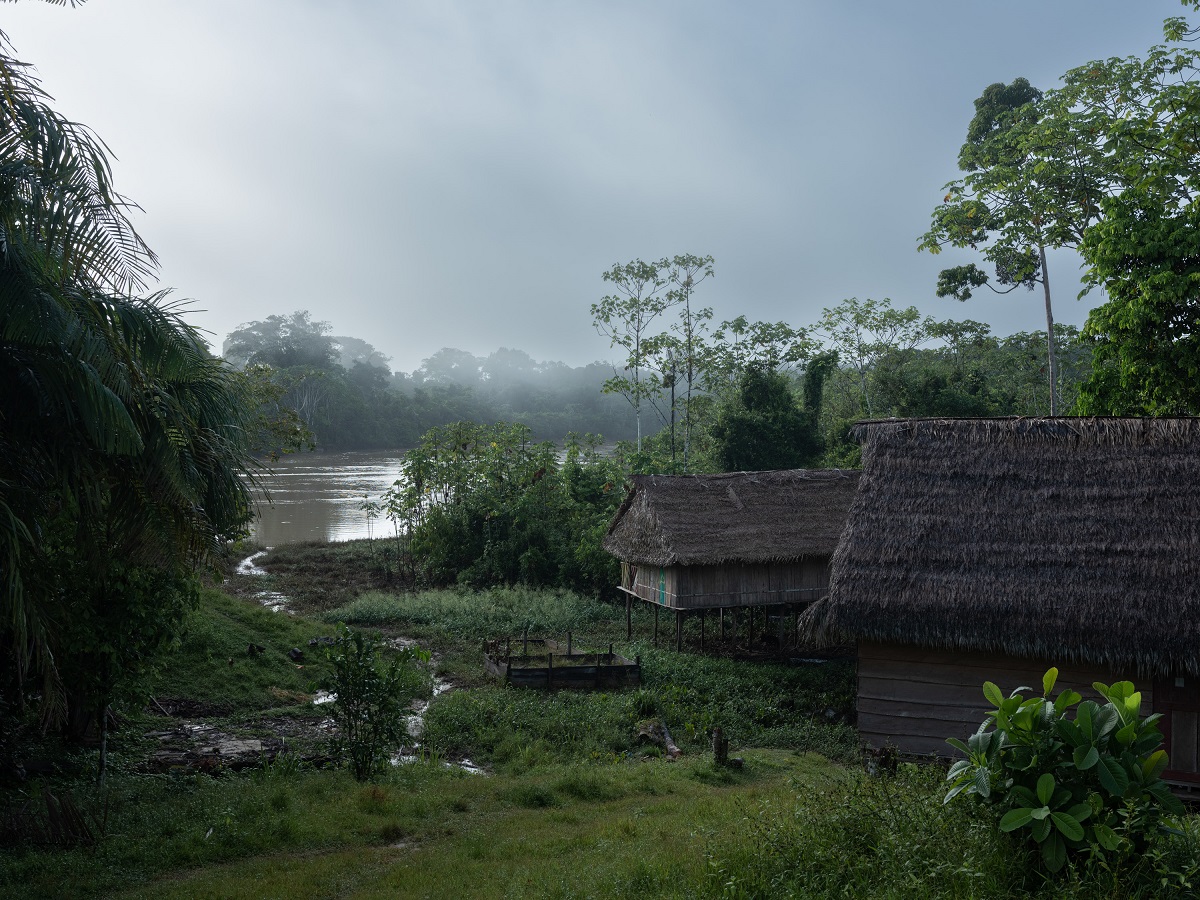
In Altamira, a small business turns recycled paper into seed-embedded sheets that grow into flowers, herbs and native plants. Founded by Alessandra Moreira after personal hardship, Ecoplante has grown from a backyard venture into an example of sustainable entrepreneurship. Experts say initiatives like this point to an Amazon bioeconomy where innovation, inclusion and forest conservation can grow together. by Rafael Spuldar #news #conservation #plants #recycling
Scientists from the California Academy of Sciences retrieved 13 underwater monitoring structures from deep reefs off Guam, reaching depths of 100 meters. The ARMS devices yielded about 2,000 specimens, including 100 species never recorded in the region and at least 20 new to science, while sensors showed ocean warming even in the twilight zone. The expedition marks the start of a two-year effort to help protect deep-reef ecosystems. by Liz Kimbrough . #news #oceans
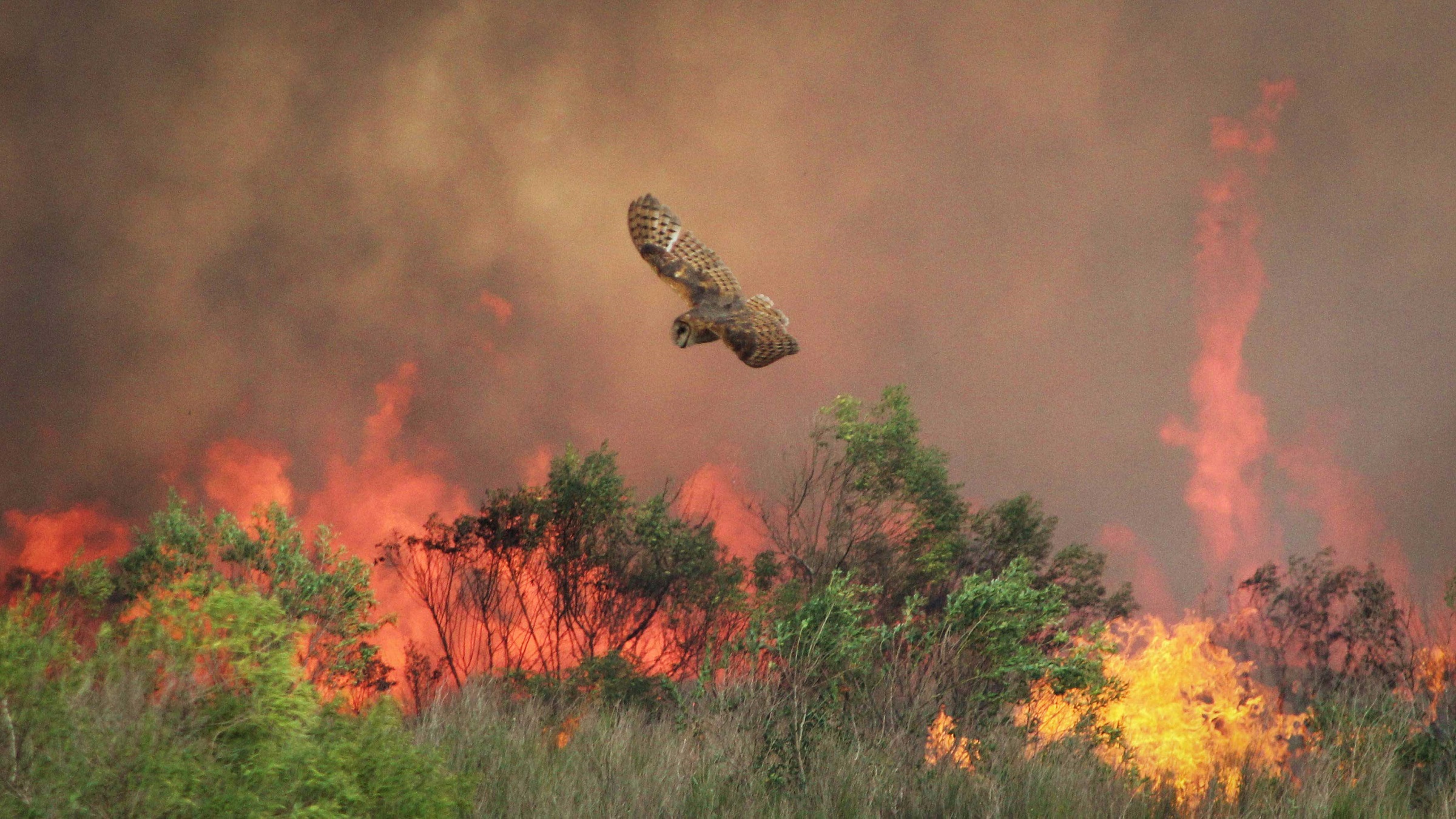
Long-term research in California shows many bird populations can increase after wildfires and remain more abundant in burned areas for decades—especially after moderate fires. But megafires are becoming more frequent and are unlikely to help most species, harming birds that rely on old-growth forests. Smoke is another major risk, with heavy exposure linked to reduced activity, weight loss, and possibly higher mortality. by Gloria Dickie #news #climate #wildfires
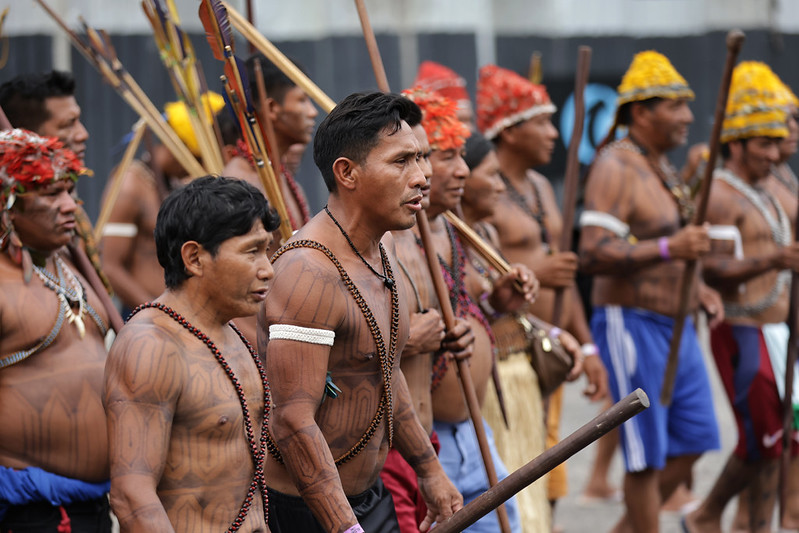
In 2025, Mongabay reported stalled progress on direct funding for Indigenous land rights, weak representation at climate talks, and rising mining pressure. Investigations exposed shady carbon deals and minimal impact from crackdowns on illegal miners. But we also covered solutions led by communities: women forest guardians in the Amazon, and micro-hydro in remote Philippine villages. Here are our top 10 Indigenous stories of the year, compiled by Aimee Gabay: .
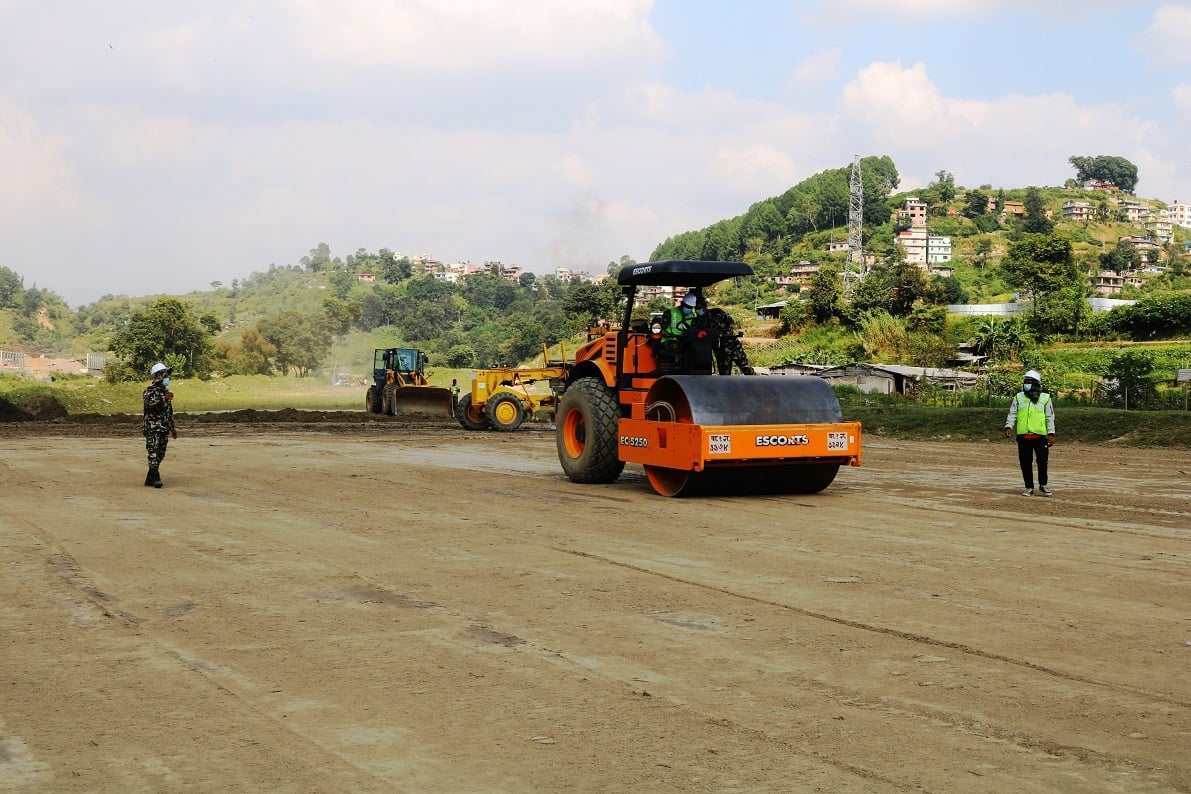
Nepal’s Indigenous Newa communities in Khokana and Bungamati are resisting the Kathmandu–Terai Fast Track, which would cut through ancestral land and threaten livelihoods and cultural identity. The government calls it a “national pride” project, but locals say it advanced without real consultation and sidelines Indigenous rights. They warn it could trigger more projects — and that this fight is about survival, not compensation. by Bibek Bhandari #news #indigenous
Peru’s Polylepis forests — among the world’s highest — are crucial to the Andes’ water cycle. After decades of restoration across their former range, researchers revisited a project in Aquia in 2022 and found success depended on community participation and formal conservation agreements. In recent years, groups like ECOAN and Accion Andina have built on that model, expanding restoration grounded in local leadership. by Ruth Kamnitzer #news #forest #conservation
A state-funded survey in California has identified hundreds of fungi new to science, part of a first-of-its-kind effort in North America to map fungal diversity statewide. Fungi are often overlooked, yet they support plant growth, store carbon, and shape ecosystem health. Understanding their roles could guide conservation and forest restoration as wildfires intensify — and even help clean up polluted landscapes. by Sean Mowbray #news #fungi #conservation #climate
From Dec. 30, 2026, companies importing many products into the EU must comply with the EUDR (deforestation-free regulation). Satellite and remote-sensing maps are expected to guide compliance and government checks. But a new review finds most maps can’t yet meet EUDR standards — risking over- or underestimating deforestation. A major gap: distinguishing forests from agroforestry systems used by smallholder cocoa, coffee and rubber farmers. by John Cannon #news #EUDR
Congratulations to journalist Glòria Pallarès on winning the Anti-Corruption Excellence (ACE) Award. Her investigation with Mongabay exposed corrupt forest finance schemes affecting 9.5M+ hectares of Indigenous land — and helped communities in Peru, Bolivia and Panama reclaim their rights. Journalism that creates real change. Read the full investigation: .
Uganda’s Echuya Forest Reserve will become a national park, a move welcomed by conservationists working to protect the vulnerable African golden cat. Forest-dependent and heavily threatened by snaring, the elusive cat may benefit as national parks increasingly act as species strongholds, alongside new community programs offering alternatives to bushmeat. by Sean Mowbray #news #wildlife #forests #conservation #biodiversity #bigcats