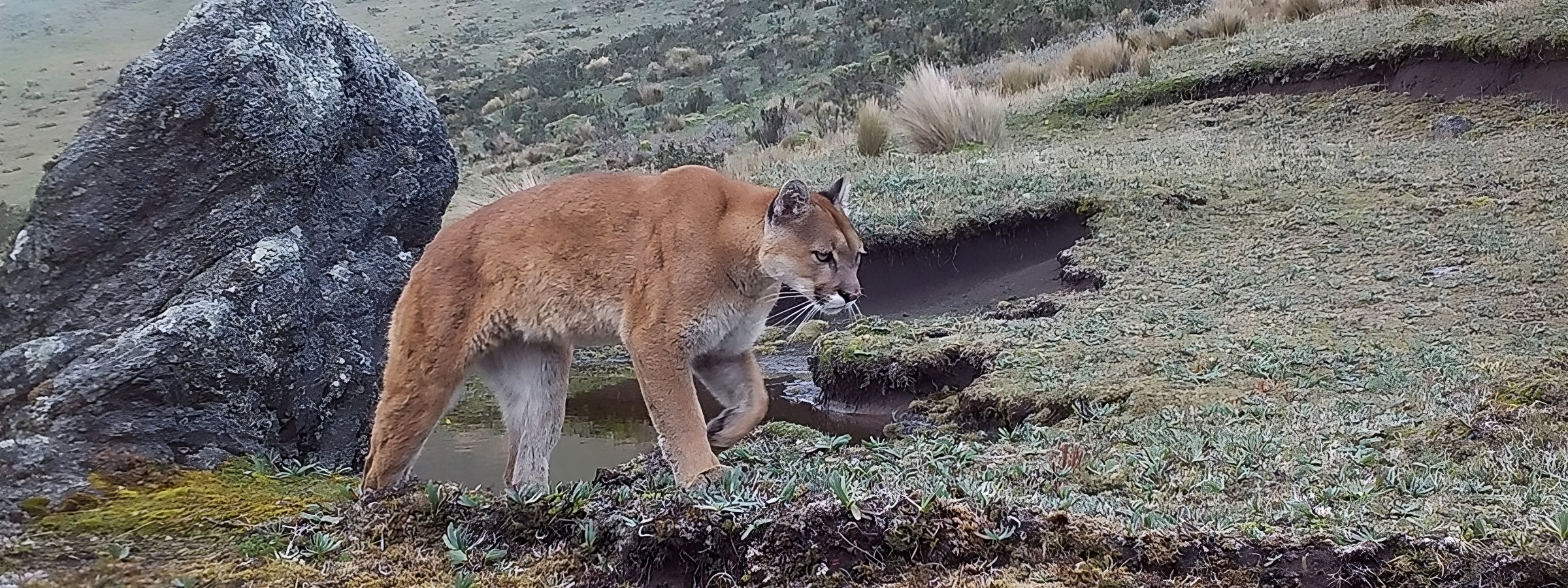
Ecuador’s Antisana páramo, southeast of Quito, was degraded for centuries by cattle ranches.
In 2010, the Quito Water Conservation Fund and the Quito’s water utility secured funding to buy one of the most heavily impacted properties.
Once non-native livestock were removed and restoration began, native vegetation, wetlands and species like deer, rabbits and foxes returned.
by Ana Cristina Alvarado
 #news #restoration #conservation #environment #nature
Conservation news
Restoration brings back fresh water, wildlife to degraded páramos in Ecuador
When the sheep were removed, the páramo — high-altitude ecosystems in the Andes — started to heal. Without their waste, water quality improved...