Scientists are training the first generation of rats in Tanzania to detect illegal wildlife trafficked products. Their research shows that African giant pouched rats can locate concealed wildlife products such as pangolin scales, rhino horns and ivory in shipments. This innovative approach could reshape antitrafficking efforts and shed new light on the illegal wildlife trade. By Lucía Torres #News #Conservation #Environment #Wildlife #WildlifeTrade
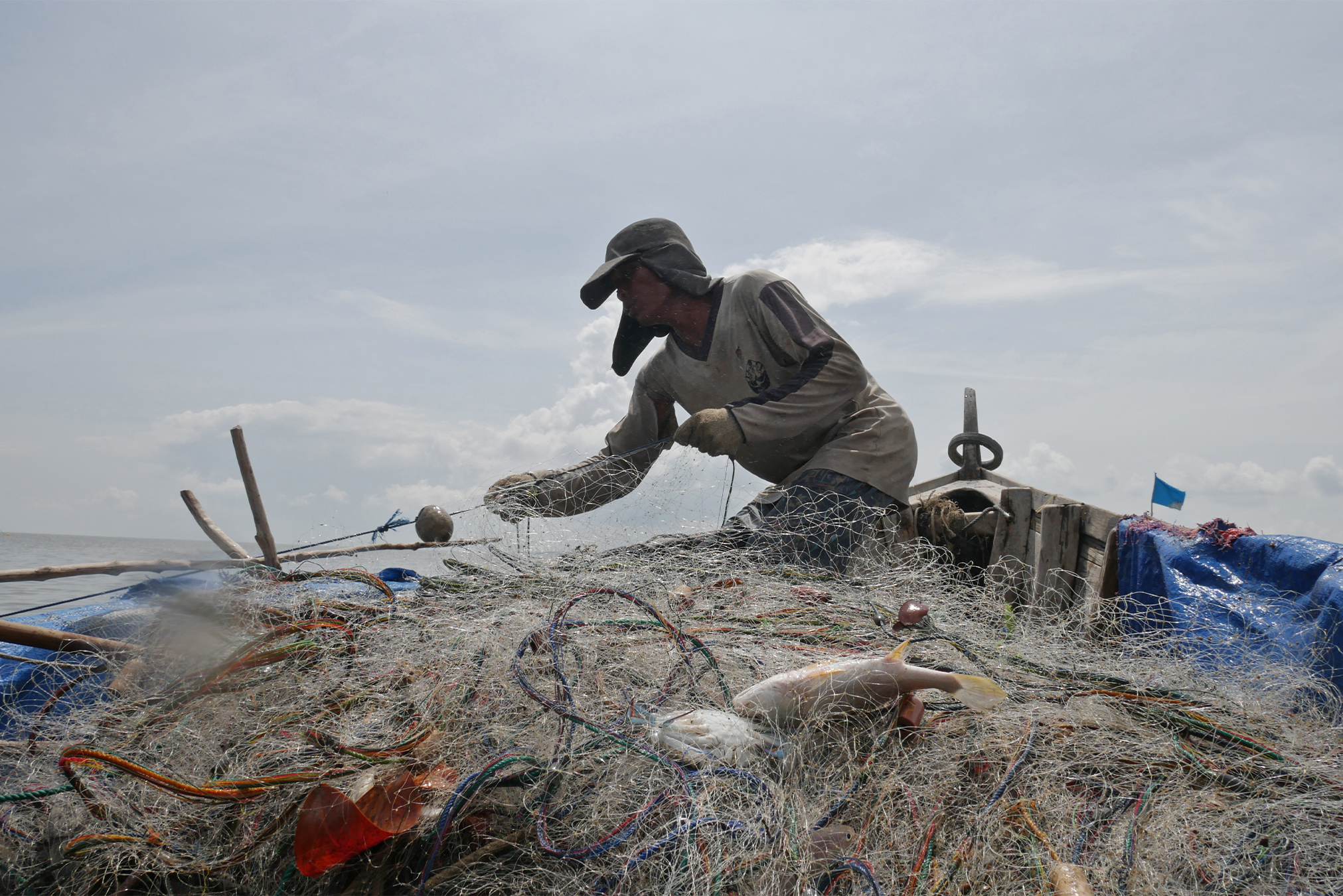
Small-scale fishers in Indonesia face declining catches as illegal trawlers deplete fish stocks in near-shore waters, violating exclusion zone regulations. Trawling, a destructive fishing method banned in certain areas, is widely practiced due to weak law enforcement, with local authorities citing budget constraints for lack of patrols. By Tonggo Simangunsong #News #Conservation #Environment #Fisheries #Indonesia
Indonesia is considering withdrawing from the Paris Agreement, arguing it is unfair for developing nations to comply when a major polluter like the U.S. has pulled out, again. Officials highlight Indonesia’s lower per capita emissions and stress the need for more financial aid to transition away from coal. By Hans Nicholas Jong #News #Conservation #Environment #ParisAgreement #Indonesia #Energy #EnergyTransition
Interested in working with a global news organization and growing your career as an environmental journalist? The Mongabay Africa Fellowship Program provides a monthly stipend and the opportunity to publish your work. Don't miss the January 31 application deadline if you are in Africa. This is a French-language program. #News #Conservation #Environment #Journalism #JournalismOpportunity #Africa image
Researchers, along with Indigenous Awajún community members have described 27 new-to-science species including a squirrel representing an entirely new genus, a semiaquatic mouse with webbed toes, a spiny mouse, short-tailed fruit bat, three new amphibians, eight new fish, a land-walking swamp eel, 10 new butterflies, and two new dung beetles. By Liz Kimbrough #News #Conservation #Environment #Wildlife
A surge of deforestation for oil palm plantations in a Sumatran orangutan reserve means top consumer brands may be selling products with illegal oil palm in them, a new report says. Rainforest Action Network (RAN) says satellite imagery shows much of the deforestation in Rawa Singkil Wildlife Reserve occurred from 2021 onward. By Hans Nicholas Jong #News #Conservation #Environment #PalmOil #Indonesia
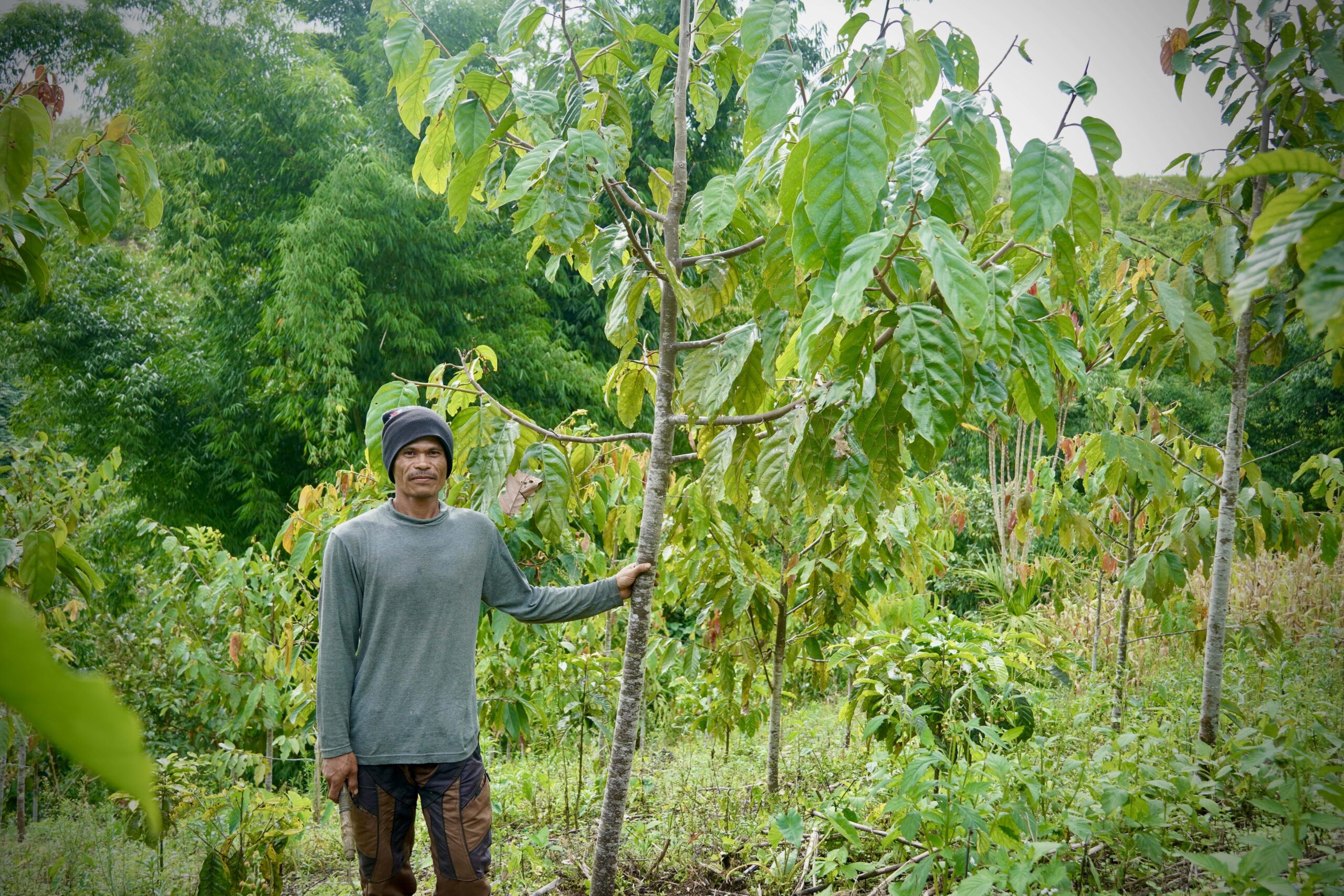
Indigenous communities in the Philippines’ Mt. Kalatungan protected area have since 2021 carried out a tree-planting campaign to restore native vegetation lost to decades of commercial logging and agriculture. Known as rainforestation, it aims to rejuvenate vital ecosystem services like flood mitigation, which benefits urban areas downstream, while also providing incentives for the communities driving the restoration. By Keith Anthony Fabro #News #Conservation #Forests
A bauxite mine run by Chinese corporation Chinalco could begin operating next year, endangering a 280,000-hectare (about 692,000 acres) area of western Suriname inhabited by Indigenous communities. The mine will require refurbishing and expanding infrastructure for a harbor and railroad built in the 1970s, and gives the company “priority right” to use the Corantijn river for dredging. By Maxwell Radwin #News #Conservation #Environment #Mining #IndigenousPeople
The most extensive global assessment of freshwater animals to date has revealed that a quarter of all freshwater animal species on the IUCN Red List are threatened with extinction. The largest number of these threatened species are found in East Africa’s Lake Victoria, South America’s Lake Titicaca, Sri Lanka’s Wet Zone, and India’s Western Ghats mountain range, the new study found. By Kristine Sabillo #News #Conservation #Environment #Oceans #Fish #EndangeredSpecies
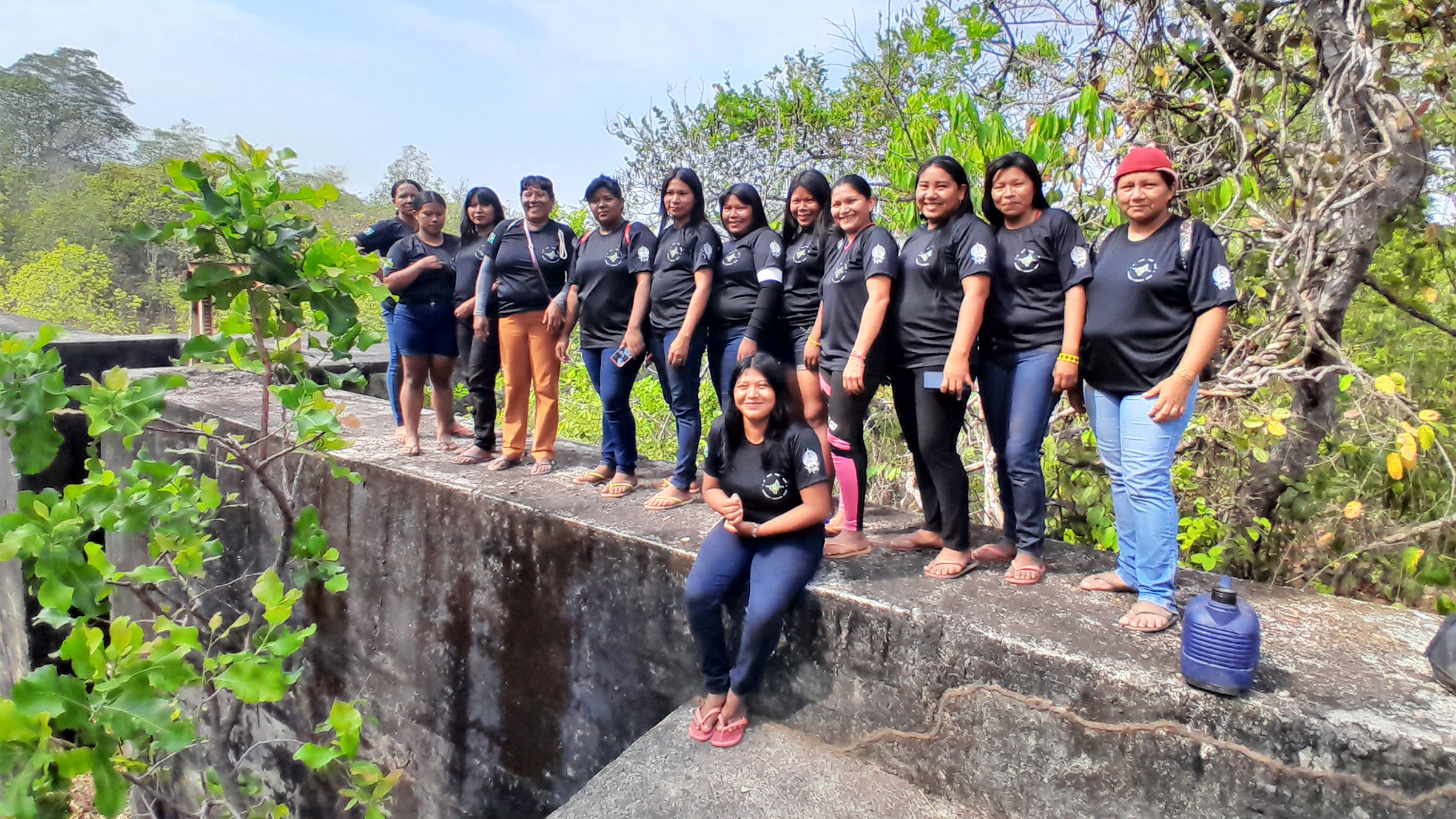
Indigenous women from Krahô communities in Brazil’s Tocantins state have formed a surveillance group to protect their ancestral territory from invaders. The thirteen Krahô Warriors received training in surveillance and carry out operations for 15 days each month. By Aimee Gabay #News #Conservation #Environment #WomenInConservation #IndigenousPeople