Mongabay

Mongabay's avatar
Mongabay
mongabay_at_mastodon.green@momostr.pink
npub1yazn...wke8
Reader-supported news and inspiration from nature's frontline. Mongabay is a non-profit. Website: https://news.mongabay.com/ YouTube: https://www.youtube.com/channel/UCnrubbmyCz8krGnpsbhJRYg Instagram: https://www.instagram.com/mongabay/ LinkedIn: https://www.linkedin.com/in/mongabay-news/
Greenland sharks can live 400+ years — and they aren’t blind after all. New research shows their vision genes and eye tissue stay intact for more than a century, even in the ocean’s dim twilight zone where they live. Adapted for low light, their eyes may help locate prey — and could even offer clues for preserving human vision over the long term. by Bobby Bascomb #news #arcticanimals #marineanimals #ocean #research #science #sharks
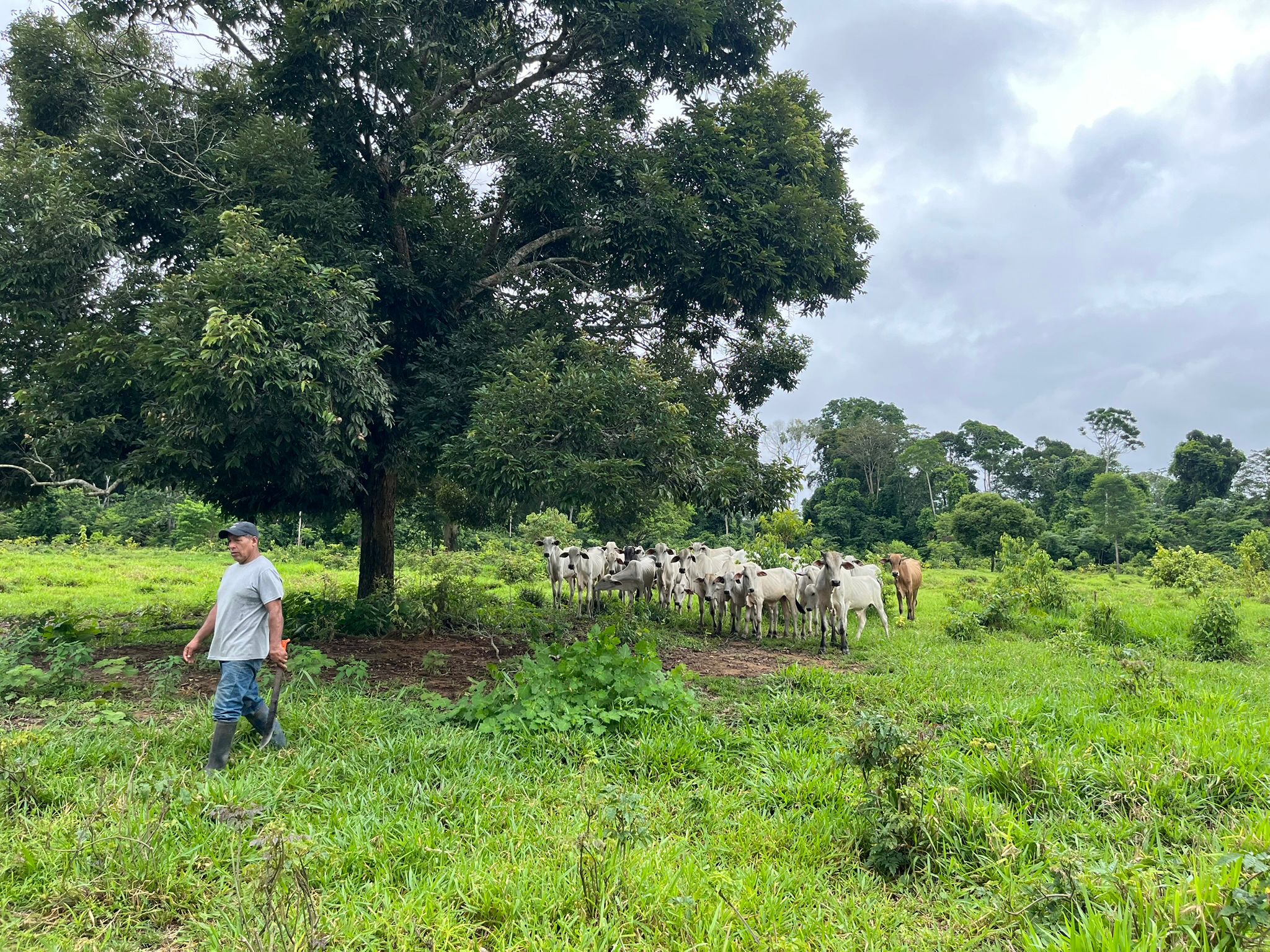
Silvopastoral systems could help restore degraded land and store carbon, but high costs and limited technical support keep adoption low across Latin America. In Peru’s Amazon, pilots show promise — yet experts warn incentives are crucial, and gains shouldn’t distract from reducing meat consumption. by Charles Espinosa #news #amazon #biodiversity #conservation #beef #carbonemissions #greenhousegas
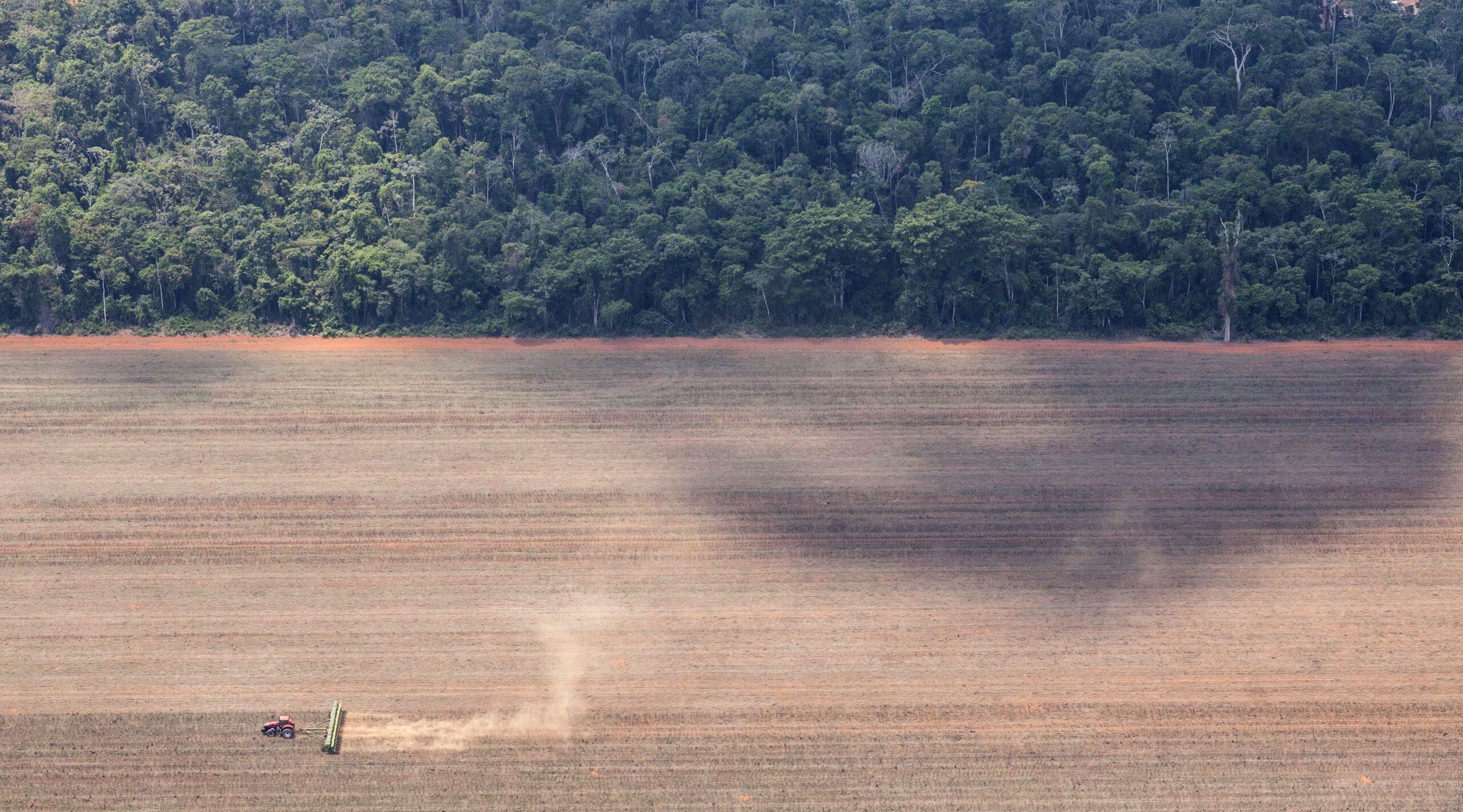
Major soy buyers plan to exit the Amazon Soy Moratorium, a voluntary pact that kept deforestation-linked soy out of global supply chains for nearly 20 years. Critics warn the move could undo hard-won gains, especially in Mato Grosso, where deforestation is rising despite national declines. by Shanna Hanbury #news #amazon #conservation #soy #deforestation #environment
After Cyclone Senyar killed more than 1,100 people across Sumatra, Indonesia’s government is now linking disaster impacts to development and corporate activity, launching audits of 100+ companies and reviews of zoning plans. Civil society welcomes the shift, but warns real reform depends on revising permissive zoning that enables large-scale forest conversion. by Hans Nicholas Jong #news #deforestation #Indonesia #cyclonesenyar
In Altamira, a small business turns recycled paper into seed-embedded sheets that grow into flowers, herbs and native plants. Founded by Alessandra Moreira after personal hardship, Ecoplante has grown from a backyard venture into an example of sustainable entrepreneurship. Experts say initiatives like this point to an Amazon bioeconomy where innovation, inclusion and forest conservation can grow together. by Rafael Spuldar #news #conservation #plants #recycling
Scientists from the California Academy of Sciences retrieved 13 underwater monitoring structures from deep reefs off Guam, reaching depths of 100 meters. The ARMS devices yielded about 2,000 specimens, including 100 species never recorded in the region and at least 20 new to science, while sensors showed ocean warming even in the twilight zone. The expedition marks the start of a two-year effort to help protect deep-reef ecosystems. by Liz Kimbrough . #news #oceans
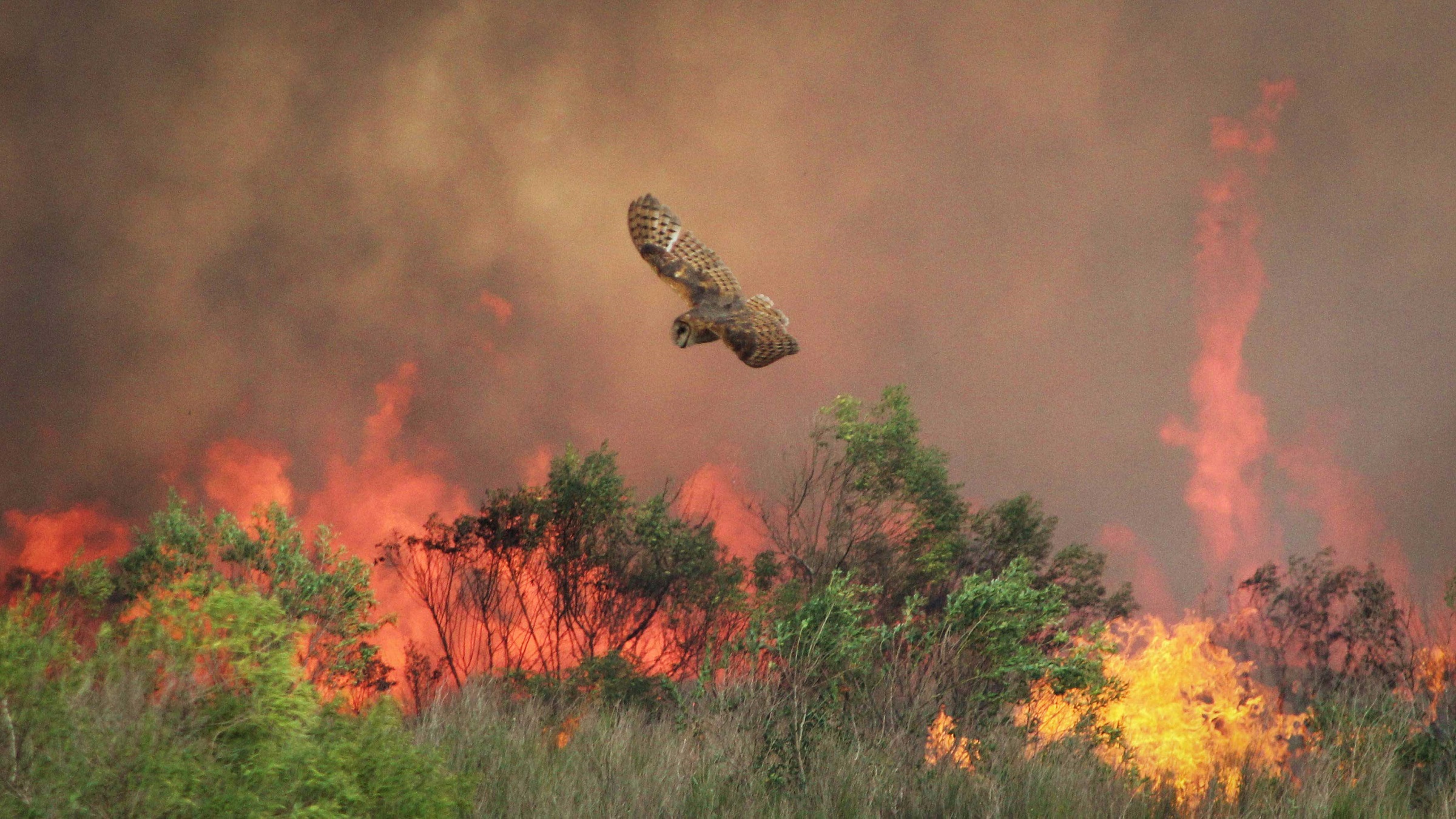
Long-term research in California shows many bird populations can increase after wildfires and remain more abundant in burned areas for decades—especially after moderate fires. But megafires are becoming more frequent and are unlikely to help most species, harming birds that rely on old-growth forests. Smoke is another major risk, with heavy exposure linked to reduced activity, weight loss, and possibly higher mortality. by Gloria Dickie #news #climate #wildfires
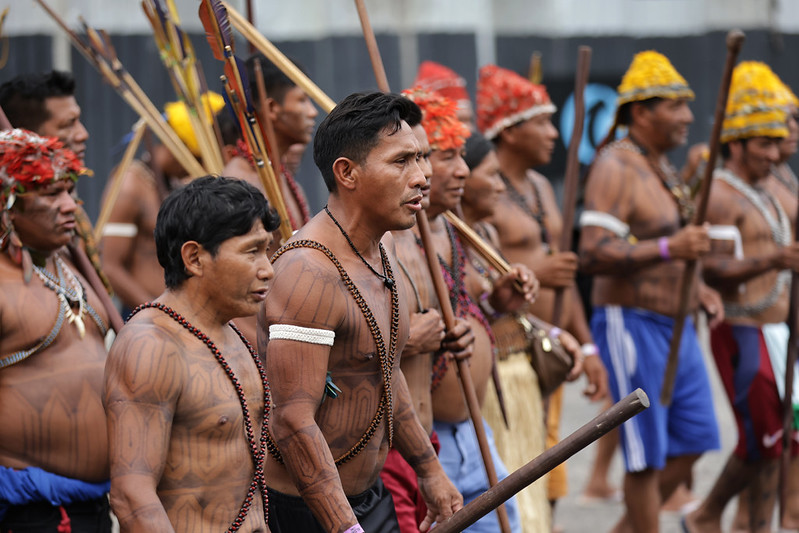
In 2025, Mongabay reported stalled progress on direct funding for Indigenous land rights, weak representation at climate talks, and rising mining pressure. Investigations exposed shady carbon deals and minimal impact from crackdowns on illegal miners. But we also covered solutions led by communities: women forest guardians in the Amazon, and micro-hydro in remote Philippine villages. Here are our top 10 Indigenous stories of the year, compiled by Aimee Gabay: .
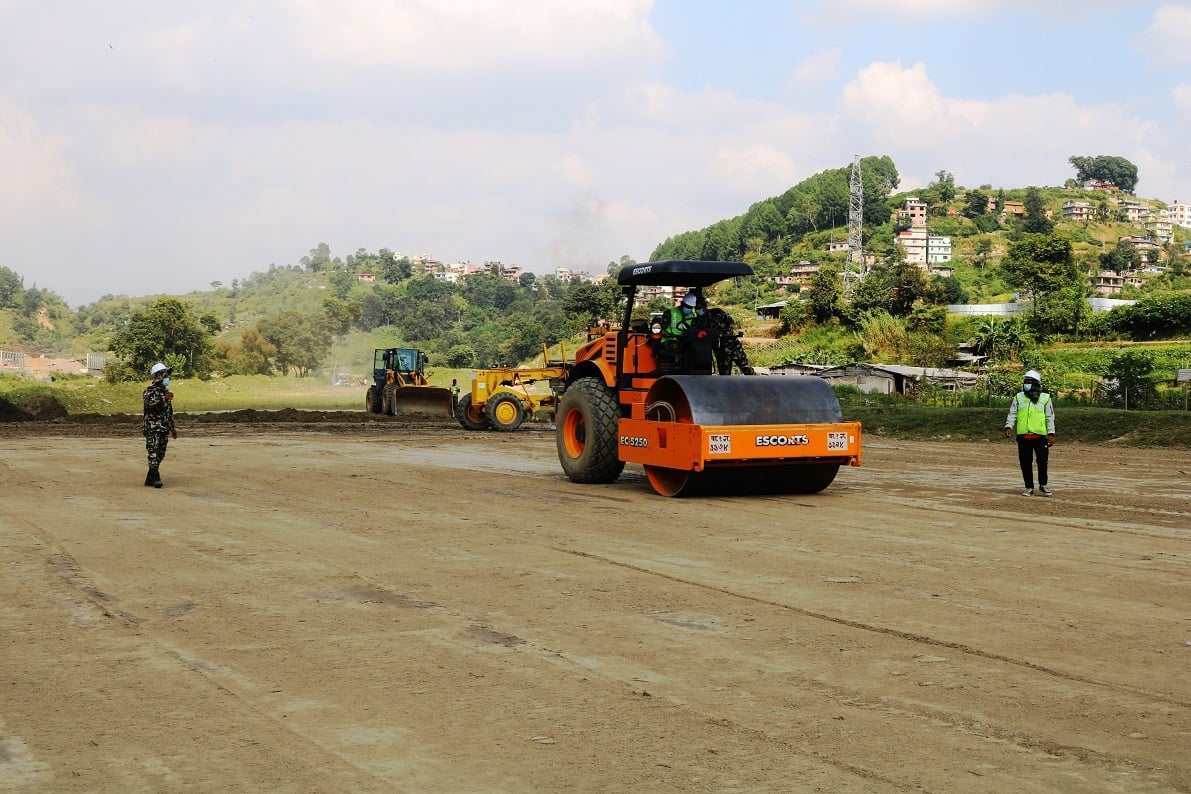
Nepal’s Indigenous Newa communities in Khokana and Bungamati are resisting the Kathmandu–Terai Fast Track, which would cut through ancestral land and threaten livelihoods and cultural identity. The government calls it a “national pride” project, but locals say it advanced without real consultation and sidelines Indigenous rights. They warn it could trigger more projects — and that this fight is about survival, not compensation. by Bibek Bhandari #news #indigenous
Peru’s Polylepis forests — among the world’s highest — are crucial to the Andes’ water cycle. After decades of restoration across their former range, researchers revisited a project in Aquia in 2022 and found success depended on community participation and formal conservation agreements. In recent years, groups like ECOAN and Accion Andina have built on that model, expanding restoration grounded in local leadership. by Ruth Kamnitzer #news #forest #conservation