Whenever you have a bad day next time always remember someone had to sign this contract - yours could have been worse.
Three down four to go. Potentially five if I can get my hands on a decent Snapdragon based Windows system. image
Working with CircuitPython and I can see LLMs failing left and right, especially when venturing a bit outside of what’s described in standard “getting started” tutorials. Guess there’s not enough training data. I’d have expected it to do better with access to the library source code. I’m curious how Rust for the ESP32 will go and if I’ll get any answer that’s not in the Rust for ESP32 book.
Short writeup on self hosting Syncthings discovery and relay server. And a Forgejo workflow to build Docker images for both services to standardise on a tech I am not too fond of. #selfhosting #selfhosted
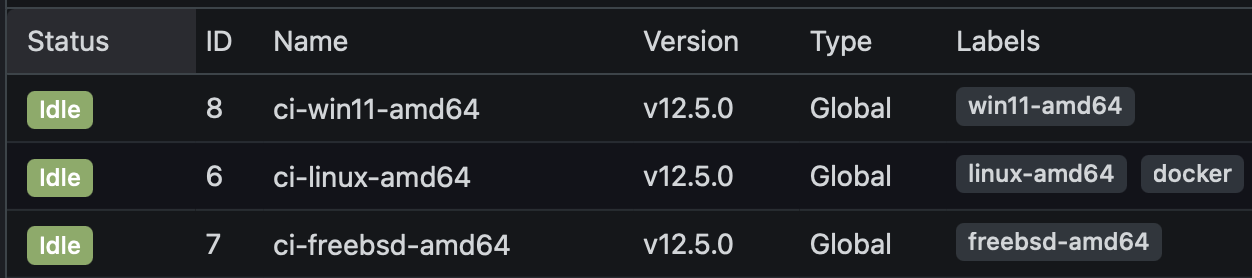
A Forgejo actions workflow running in Docker on Linux to build a FreeBSD build of the actions runner… this feels so wrong. With an explicit `cd /path &&` in my rc file I got the bare metal runner working. Also upload artifact v4 is broken for self hosted Forgejo instances. Use v3. Ask me how I found out :) Now tomorrow the same exercise for Windows and macOS.
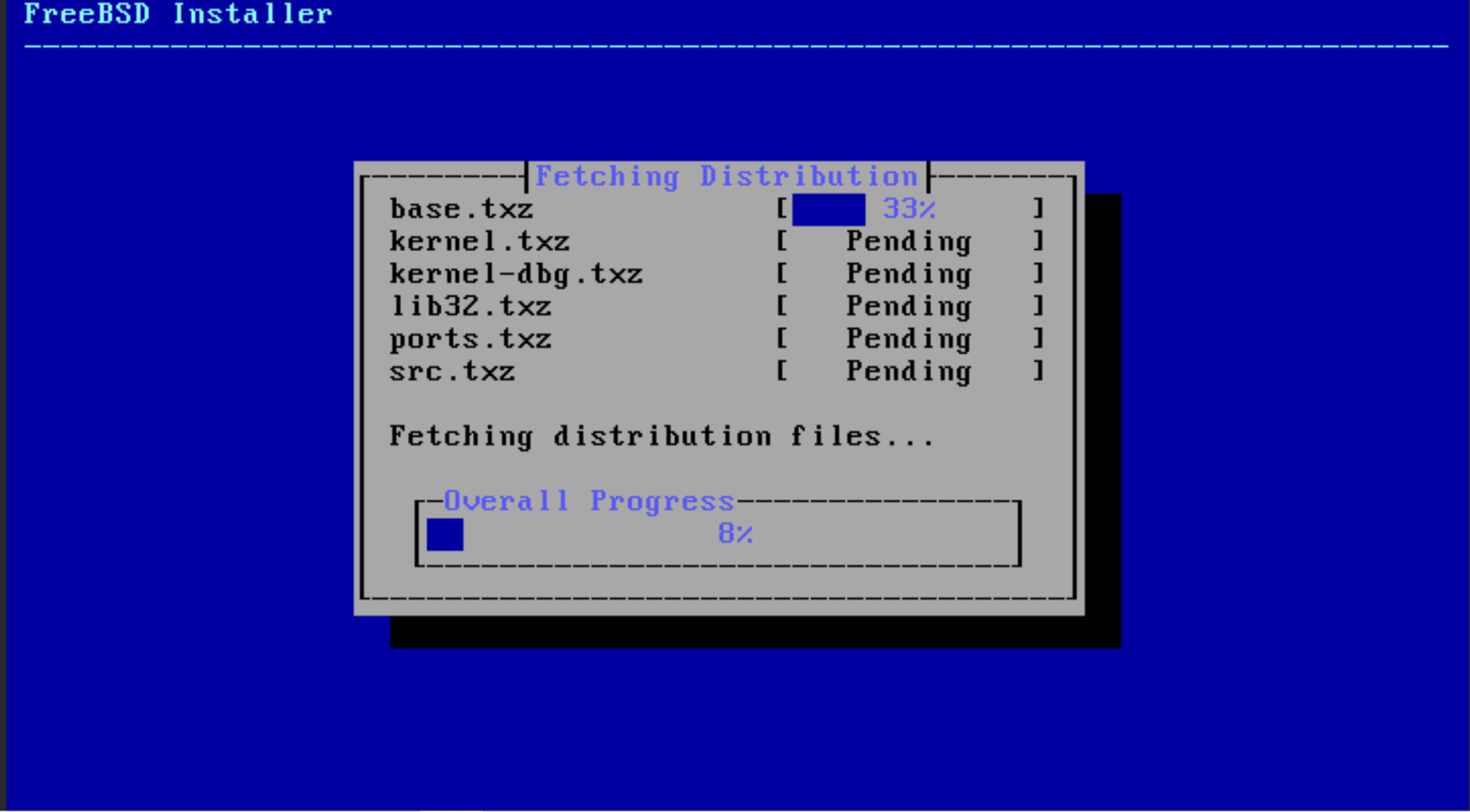
it's been a long time that I've seen this screen. image
I trust these numbers more than many others from “credible sources” when it comes to trends in device and operating system usage.
And today I learned a SyncThing relay wants a layer 4 proxy or the app port directly exposed to the big bad thing called Internet. But private discover and relay servers are dockerized and running. So there's that.
Of course an Ars article about grok generating CASM is flagged so it doesn’t appear on the site anymore. The comments is a collection of AI bros in support of changing nothing and declaring it not a problem. Someone literally asked if this is true and if someone can provide links. The orange site didn’t just lose the plot at this point.